
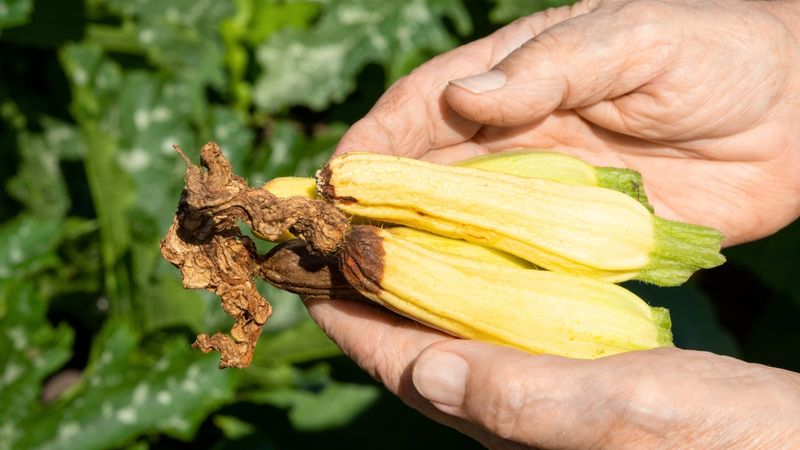
Something feels wrong when your squash vines are sprawling and dark green but every young fruit shrivels, blackens, or goes soft before you can pick it. The lush foliage makes the plant look healthy, so it is easy to blame the last bag of fertilizer you used. The truth is that rotting or failing fruit in August has several possible causes, and each one looks a little different up close. Figuring out what is actually happening to the fruit is the most useful first step.
Lush foliage can signal excess nitrogen—but it does not identify the rot
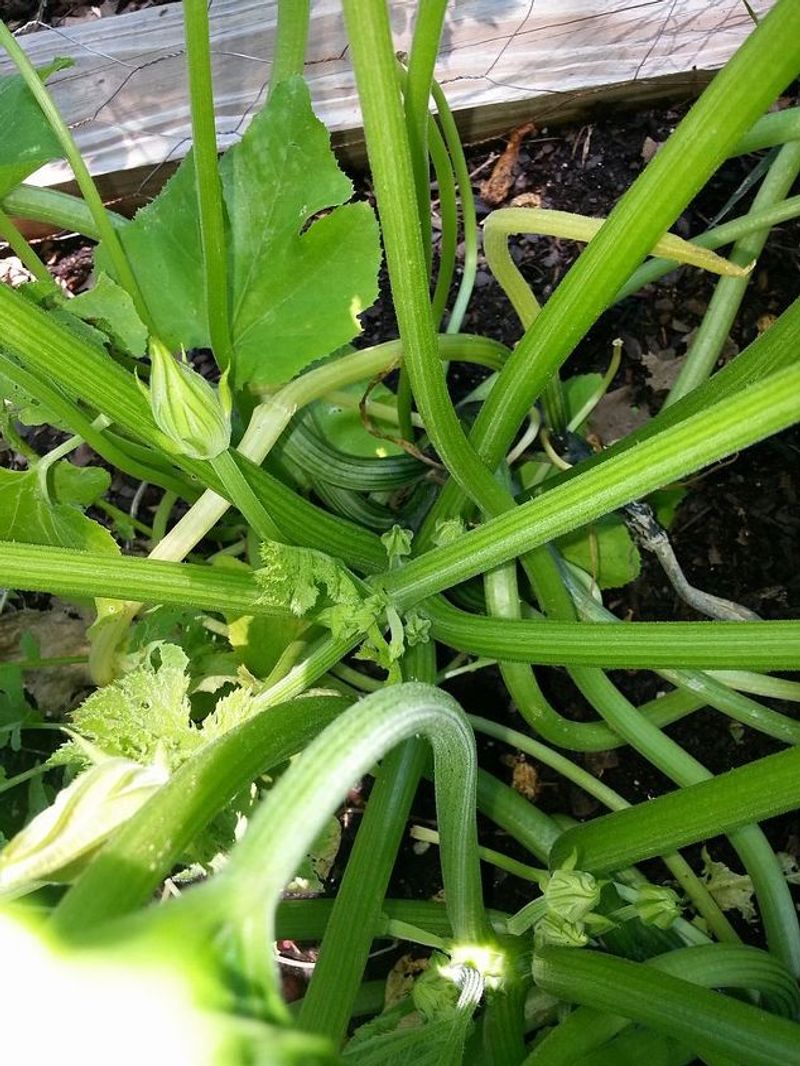
A squash plant that has turned into a wall of dark, oversized leaves while producing very little harvestable fruit is worth paying attention to, and excess nitrogen is a reasonable place to start asking questions. University of Minnesota Extension guidance on fertilizing plants notes that excessive nitrogen promotes vigorous vegetative growth and can delay or reduce fruiting, particularly in vining vegetables like squash. Nitrogen applied late in the season is especially capable of pushing the plant into leaf production instead of fruit development.
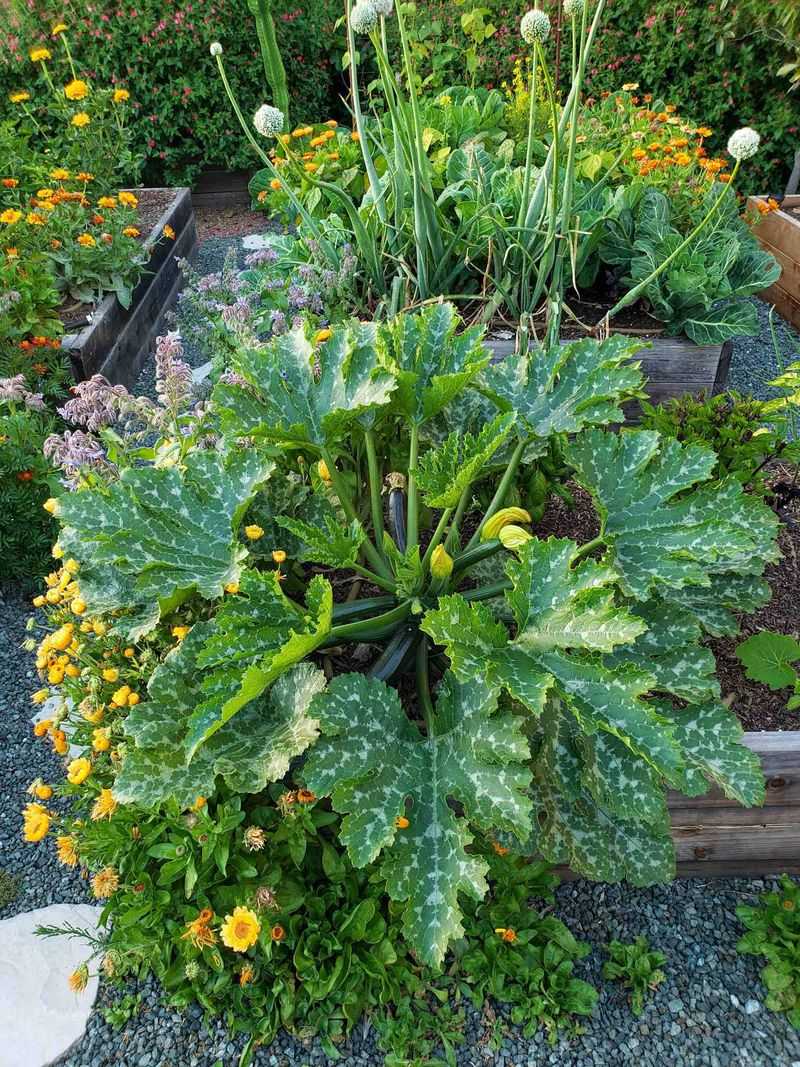
Before blaming the fertilizer bag, though, consider that squash naturally grows large leaves. Fertile garden soil, a generous layer of compost dug in at planting, manure-amended beds, ample water, and simply choosing a vigorous cultivar can all produce the same lush appearance. Visual diagnosis of a nutrient problem is unreliable on its own, and a leafy plant does not prove nitrogen toxicity.
The more useful question is not “why does the plant look so big?” but rather “what is happening to the fruit that does appear?” Inspecting the failed or rotting squash gives you far more diagnostic information than studying the leaves. Each pattern of fruit failure points toward a different cause, and that is where the real answer usually lives.
Read the damaged fruit before choosing a remedy
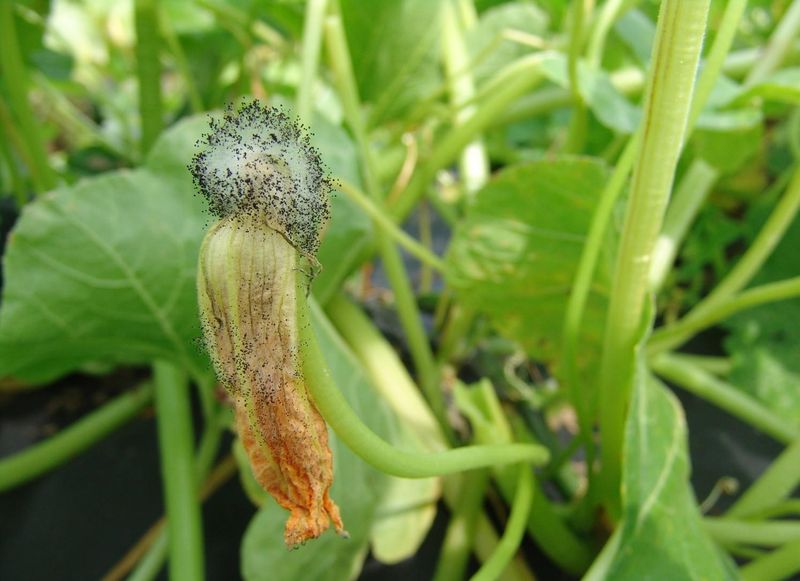
Picking up a failed squash and looking at it carefully is the fastest diagnostic tool available. Fruit that stays tiny, comes out misshapen, shrivels within a few days of flowering, and then drops off is telling a very different story than fruit that develops a dark, sunken, leathery patch at the tip farthest from the stem. A third pattern, soft or fuzzy decay that starts right where the old flower was attached, points somewhere different still.
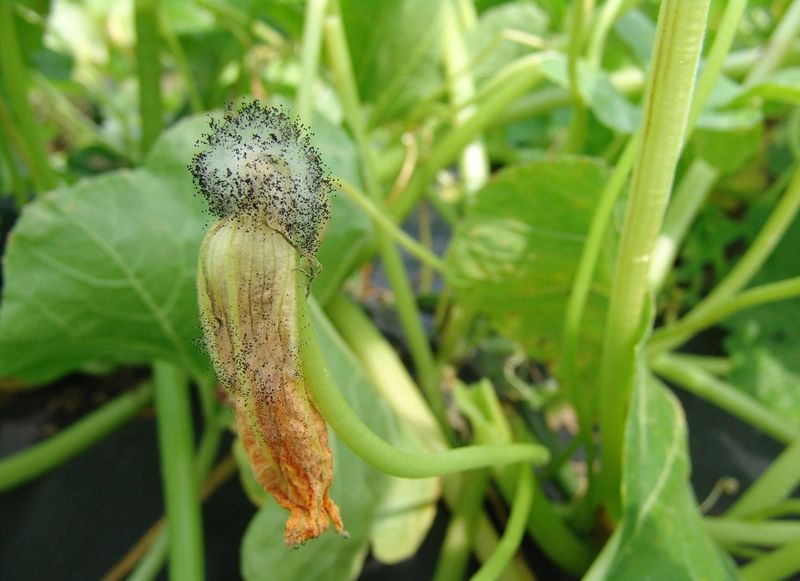
According to University of Maryland Extension’s guide to common squash problems, these distinct symptom patterns reflect distinct causes. Tiny, shriveling, or misshapen fruit that drops shortly after flowering almost always reflects a pollination problem rather than a fertilizer issue. A dark, leathery, sunken blossom-end patch suggests a calcium-delivery disorder. Fuzzy gray, brown, or black growth beginning at the old flower scar and spreading onto the fruit may indicate a fungal rot, possibly Choanephora, though that identification should be treated as provisional without closer confirmation.
Appearances can also be complicated by secondary problems. Soil contact can cause soft spots on the underside of a squash. Insects, slugs, or weather cracking can create entry points for bacteria and fungi that then spread and make the original damage harder to read. When multiple problems overlap, focus on the earliest and most prominent symptom rather than the final appearance of a fully rotted fruit.
August heat can disrupt pollination before decay begins
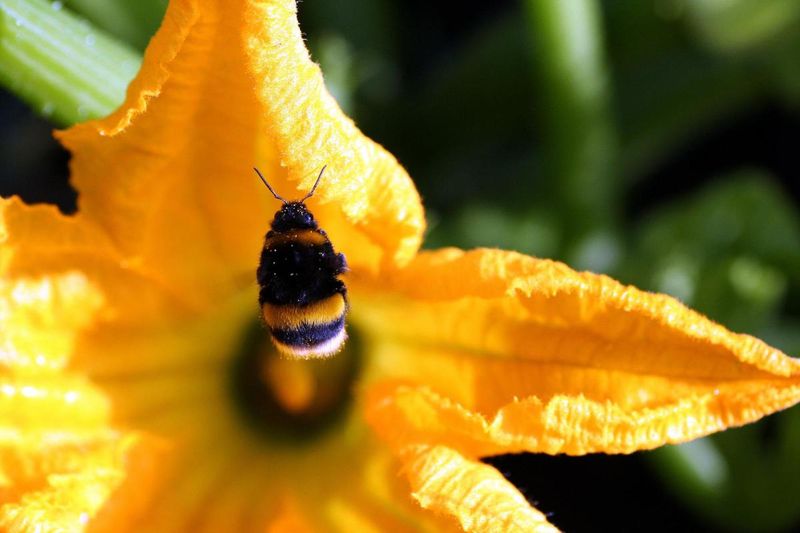
Heat operates on squash fruiting through a completely separate pathway than fertilizer, and in August it can be the dominant factor. High temperatures can reduce pollen viability, cause flowers to abort before they open fully, and lower the activity of bees and other pollinators during the hottest parts of the day. University of Maryland Extension’s resource on pollination in a changing climate explains that heat, rainy weather, low pollinator activity, and insecticide exposure can all interfere with pollen transfer in cucurbit crops.
When a female squash flower goes unpollinated or receives inadequate pollen, the tiny fruit behind it may swell slightly and then stall. Within a few days it shrivels, yellows, and eventually rots where it sits. That sequence can look almost identical to fertilizer-related fruit failure from a distance, which is why heat-related pollination trouble is so easy to misread.
The effects of heat are not uniform across every garden or every season. Outcomes depend on how high daytime temperatures climb, whether nights stay warm enough to compound the stress, soil moisture levels, the cultivar being grown, and how many pollinators are still active in that particular yard. A garden with consistent morning bee activity and good soil moisture may experience much less fruit-set failure than a nearby garden with fewer pollinators and drier soil, even during the same heat event.
Blossom-end rot reflects disrupted calcium delivery
That dark, sunken, leathery patch at the tip of a squash is one of the more recognizable fruit problems in the summer garden. Utah State University Extension’s blossom-end rot fact sheet explains that the disorder occurs when developing fruit tissue does not receive calcium in adequate amounts, not necessarily because the soil is short on calcium overall. The issue is delivery, not just supply.
Several stresses can disrupt how calcium moves through the plant to the fruit. Inconsistent soil moisture is a common contributor, because calcium travels with water through the plant and uneven watering disrupts that movement. Hot, dry conditions, rapid vegetative growth, root injury from cultivation or compaction, and excess salts in the soil can all interfere in similar ways. Heavy nitrogen feeding that pushes fast growth is one factor that can make the problem worse, but it is not the only one and rarely acts alone.
As the damaged tissue sits on the plant, secondary fungi and bacteria can move in and turn the initially dry, leathery patch into something soft, wet, and discolored. That secondary invasion makes the original disorder harder to identify later. Responding to blossom-end rot by reaching for calcium sprays, crushed eggshells, or Epsom salts is generally not supported by extension guidance. University of Minnesota Extension’s review of common soil remedies notes that eggshells do not prevent the disorder and that Epsom salts are ineffective unless a confirmed magnesium deficiency exists, with excess magnesium potentially worsening calcium uptake.
Reset the fertilizer program instead of adding a stronger product
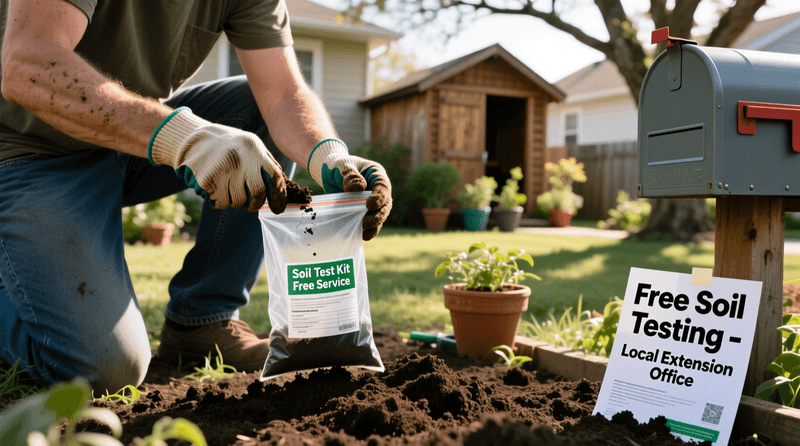
When the plant is already excessively leafy and fruit set is weak, the measured response is to stop routine high-nitrogen applications rather than switch to a different product. University of Minnesota Extension’s fertilizing guide recommends basing nutrient applications on soil-test results and product directions rather than applying amendments as a general precaution. Adding a stronger fertilizer or a so-called bloom booster without knowing what the soil already contains can create new imbalances rather than solve the original problem.
Nitrogen itself is not the enemy here. Oregon State University Extension notes that midseason feeding can support vegetable crops at appropriate stages, and squash does use nitrogen during vine development and early fruit set. The problem is excessive, poorly timed, or unnecessary applications, particularly those made after the plant is already showing very lush, dark growth with minimal fruiting.
Before making any change, take stock of what the plant has already received. Recent applications of granular fertilizer, compost, aged manure, or even a lawn fertilizer that drifted into the bed all contribute nitrogen. Colorado State University Extension’s nitrogen recommendations for vegetable gardens point out that soil type, prior organic matter additions, fertilizer analysis, cultivar, and irrigation all affect what the correct rate actually is, which is why a soil test is more reliable than any general rule. If you have not tested your soil recently, that is the most useful next step before adding anything else.
Stabilize moisture and protect the pollinators
Consistent soil moisture during flowering and fruit development supports both calcium movement and overall fruit health. The goal is soil that stays evenly moist but drains freely, not soil that swings between bone dry and waterlogged. Utah State University Extension’s cucurbit irrigation guidance recommends deep, regular watering adjusted to weather and drainage conditions, and cautions that saturated soil can encourage root and fruit rots. A 2-3 inch layer of straw or wood chip mulch around the base of the plants can reduce moisture swings between waterings and help keep roots cooler during heat waves.
Pollinator protection deserves equal attention, because even well-watered plants with balanced nutrition will lose fruit if flowers go unpollinated. Avoid applying insecticide sprays on or near open squash flowers, since bees and other beneficial insects visit those flowers during the morning hours when they are most active. If pollinator activity in your yard seems low or heat is keeping bees away during peak flower hours, hand-pollination is a straightforward option.
To hand-pollinate, use a small paintbrush or a cotton swab to transfer pollen from a male flower (the one on a plain stem) to the center of a female flower (the one with a tiny immature fruit at its base). University of Maryland Extension notes that conventional squash requires male and female flowers to be open at the same time, so check both types each morning during the flowering period and act on the days when both are available.
Remove unrecoverable fruit and monitor the next set
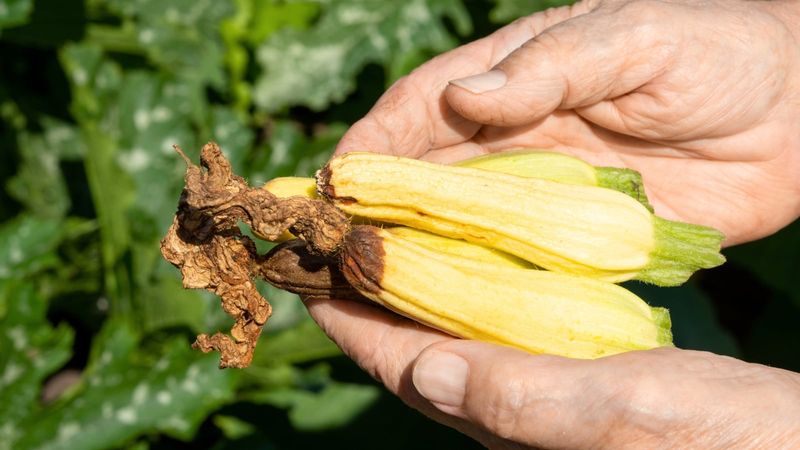
Badly rotted squash and fruit showing advanced blossom-end rot will not recover once the tissue is damaged, so removing them is the right call. University of Minnesota Extension’s guidance on fruit disorders supports removing affected fruit as a sanitation measure, since leaving decaying material on or near the plant increases disease pressure. Dispose of affected fruit in the trash rather than the compost bin when fungal growth is visible.
When fuzzy growth is present at the old flower scar, remove the affected flower and fruit together and clear away any blossoms that have stayed stuck to developing squash. Those retained petals trap moisture and create an entry point for fungal pathogens. Staying on top of this cleanup during humid August weather can slow the spread of problems to nearby developing fruit.
Frequent harvesting also matters more than many gardeners realize. University of Minnesota Extension’s summer squash growing guide recommends harvesting before fruits become oversized, because very large squash left on the vine can reduce the plant’s subsequent yield. After clearing damaged fruit and harvesting anything that is ready, watch the next flush of small fruit carefully. If the same symptom pattern returns, use what you observed to guide the next adjustment, whether that is moisture management, pollinator support, a pause in feeding, or a closer look at disease.
A plant that is still setting new flowers in late August has not given up, and neither should you.