
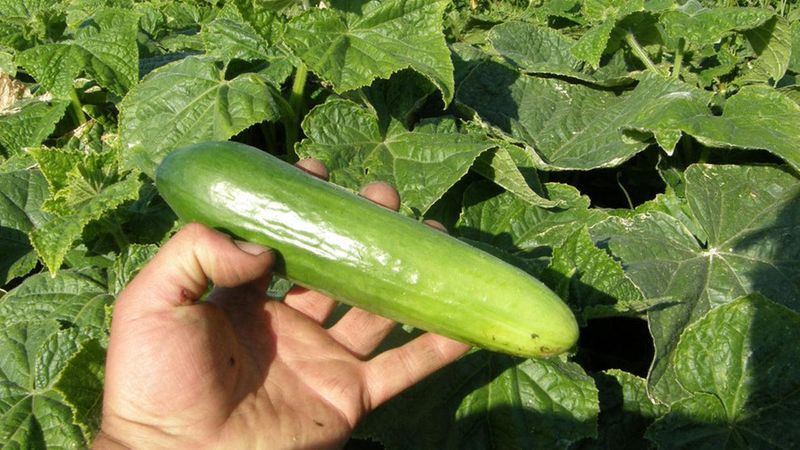
Biting into a homegrown cucumber and getting a mouthful of bitterness is one of August’s most frustrating garden moments. The fruit looked perfect on the vine, but something went wrong weeks before you ever reached for it. Uneven watering is one of the first conditions worth investigating, though it is far from the only explanation. Understanding what actually triggers bitterness can help you protect the cucumbers still developing on the plant right now.
Treat the dry-to-drenched swing as a first clue, not a diagnosis
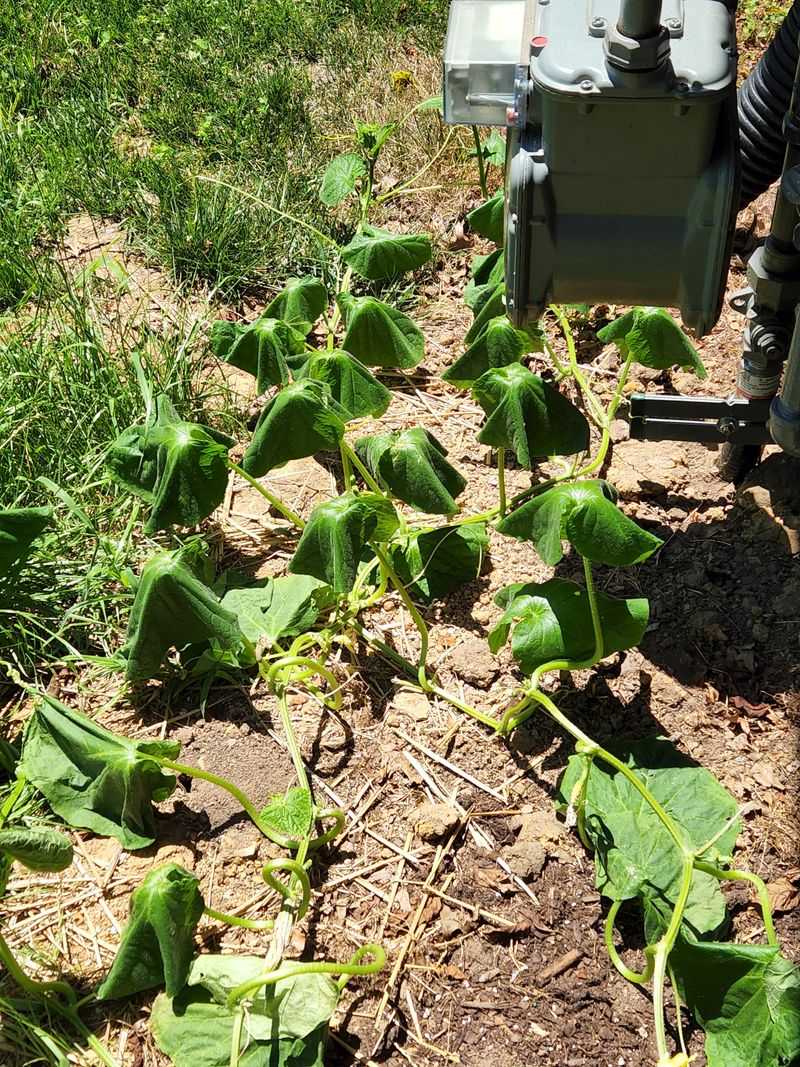
Cucumbers are shallow-rooted plants, and their roots sit close enough to the surface that soil moisture changes reach them quickly. When a plant experiences a stretch of dry conditions followed by a heavy soaking, the stress from that swing can affect fruit quality. Utah State University Extension recommends keeping cucumber soil moisture relatively uniform, particularly during flowering, fruit set, and fruit enlargement, because those are the windows when stress is most likely to show up in the fruit you eventually pick.
The pattern to investigate looks like this: the soil dries out substantially, the plant shows signs of stress such as drooping or dull leaves, and then a heavy irrigation follows. That cycle does not guarantee bitter fruit, but it is a reasonable first condition to check when bitterness appears.
Maintaining even root-zone moisture matters more than following a rigid calendar schedule. A cucumber can grow from a pollinated flower to harvestable size in roughly a week, so even a short dry interval during that period can leave its mark on flavor. If your soil dried out significantly at any point this month, that is worth noting, though heat, genetics, and plant health all belong in the investigation too.
Cucurbitacins connect plant stress with bitter flavor
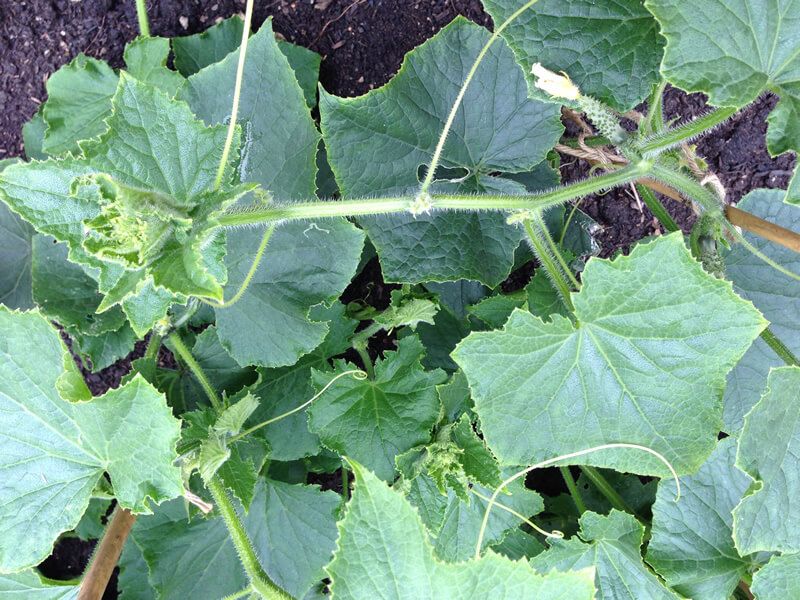
The bitter taste in cucumbers comes from a group of compounds called cucurbitacins. Cucurbitacin C is the primary one responsible for bitterness in cultivated cucumber, and research published in Nature Genetics identified the specific genetic pathways that control its production. That genetic component matters: some cultivars are naturally more prone to bitterness than others, and breeding has produced varieties with dramatically reduced cucurbitacin levels.
Environmental stress can influence how much of these compounds a plant produces, even in lower-bitterness cultivars. Moisture shortfalls, heat, and other stressors during critical growth windows are associated with elevated cucurbitacin levels. A companion study on cucurbitacin biosynthesis confirmed that both genetic regulation and external conditions shape how bitterness develops.
The timing connection is important for home gardeners. Illinois Extension notes that a cucumber can reach harvestable size quickly after pollination, which means stress during pollination, fruit set, or early enlargement may not show up until you slice open a fruit that looks perfectly mature. This supports checking moisture conditions, but it does not mean water stress is the confirmed explanation every time a cucumber tastes off.
Inspect the root zone before changing the schedule
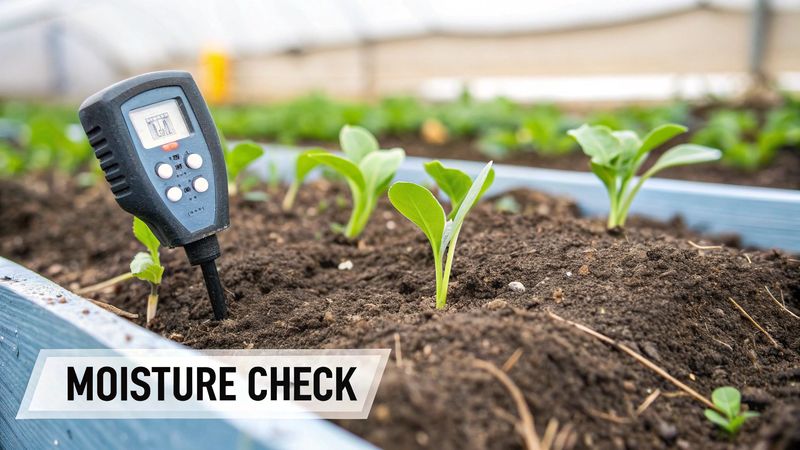
Surface soil can look moist after a light rain or a brief sprinkle while the root zone several inches down remains dry. Before adjusting your irrigation routine, check moisture where it actually counts. Push a finger or a wooden dowel four to six inches into the soil near your cucumber plants. If it comes out dry or barely damp, the root zone is not getting enough water, regardless of what the surface looks like.
How often you need to water depends heavily on your specific conditions. Utah State University’s vegetable water guidance makes clear that sandy soils drain faster and need more frequent irrigation, while clay soils hold water longer but can become waterlogged. Containers dry out much faster than in-ground beds. Shaded gardens need less water than full-sun plots.
A rough starting point of 1 to 2 inches per week needs to shift up or down based on all of these variables.
Watering deeply enough to reach the roots consistently beats frequent shallow sprinkles. USU Extension recommends drip irrigation or soaker hoses to deliver water directly to the root zone with less evaporation. A two- to three-inch layer of organic mulch over the soil can slow moisture loss between waterings and reduce the size of the wet-dry swings that stress shallow-rooted plants like cucumbers.
Check heat, genetics, and plant health before blaming water
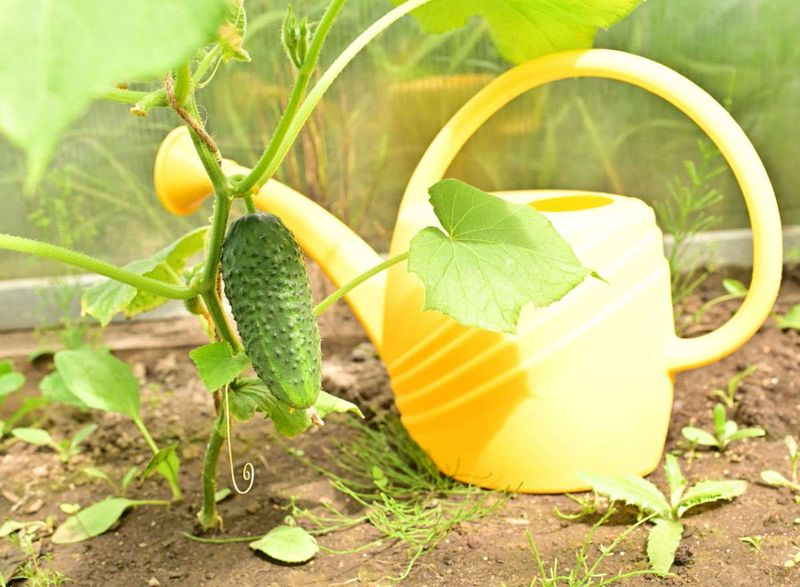
August heat is a real and underappreciated contributor to cucumber bitterness. Oklahoma State University Extension lists high temperatures and wide temperature swings as stressors that affect cucumber quality. If your plants are getting blasted by heat all day and your soil moisture has been consistent, the watering pattern may not be the main issue at all.
Genetics play a larger role than many gardeners realize. NC State’s cucurbit breeding program explains that cucurbitacin production is genetically controlled and varies significantly by cultivar. A variety with a known tendency toward bitterness may produce bitter fruit even under good growing conditions, and no irrigation fix will change that. Choosing a low-bitterness or bitter-free variety for next season may reduce recurrence, though even those cultivars are not entirely immune under severe stress.
Poor nutrition, disease, and pest pressure can also affect fruit quality in ways that look similar to water stress. Inspect your plants carefully: yellowing leaves, spots, unusual growth patterns, or evidence of pest feeding all point toward causes that need different responses than adjusting the hose. USU’s cucumber growing guide notes overmaturity as another contributor, since cucumbers left on the vine past their prime tend to develop tougher texture and can taste more bitter. One more thing worth clearing up: cucumbers do not become bitter because they cross-pollinated with squash or melons this season.
That myth is persistent but wrong. Cross-pollination affects seed genetics in a future generation, not the flavor of fruit on your vine right now.
Stabilize moisture for the fruit still developing
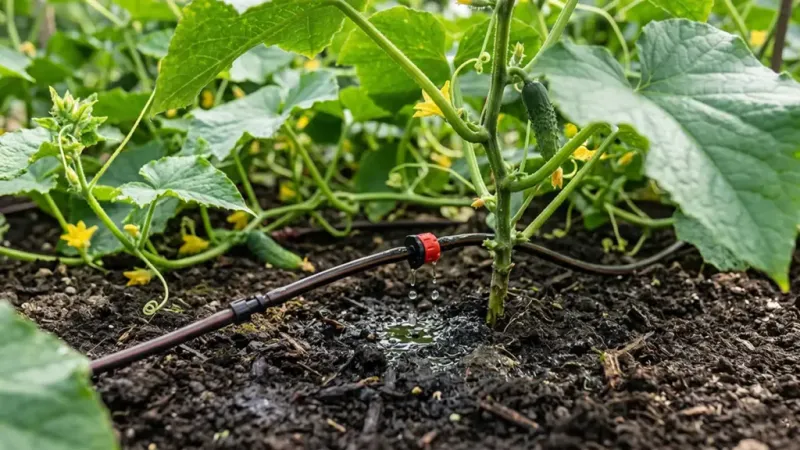
Once you have confirmed that the root zone is drying out unevenly, a measured response is more useful than a dramatic one. Start by checking soil moisture every day or two rather than guessing. Water when the root zone begins to dry, not after the plant has been wilting for hours in the afternoon heat. Waiting for severe wilting before irrigating means the plant has already been under stress long enough to affect developing fruit.
Apply water deeply enough to reach the roots each time, then let the soil begin to dry slightly before watering again. USU’s cucurbit irrigation guide supports drip lines or soaker hoses as the most consistent delivery method for cucumbers because they wet the root zone without soaking the foliage. If you use overhead irrigation, water early in the morning so the leaves and flowers dry before midday. Wet flowers during active pollination can discourage bee activity and reduce fruit set, and persistently wet foliage creates conditions that favor fungal disease.
Apply a two- to three-inch layer of organic mulch around the plants, keeping it a few inches away from the base of the stem to allow airflow. Mulch slows evaporation, moderates soil temperature, and reduces the moisture swings that stress shallow-rooted plants. Illinois Extension’s extreme-weather vegetable guidance reinforces that consistent moisture during fruit development is the priority. These steps protect cucumbers that are still forming, but they cannot reverse bitterness in fruit that has already developed under stressful conditions.
Do not replace drought stress with saturated soil
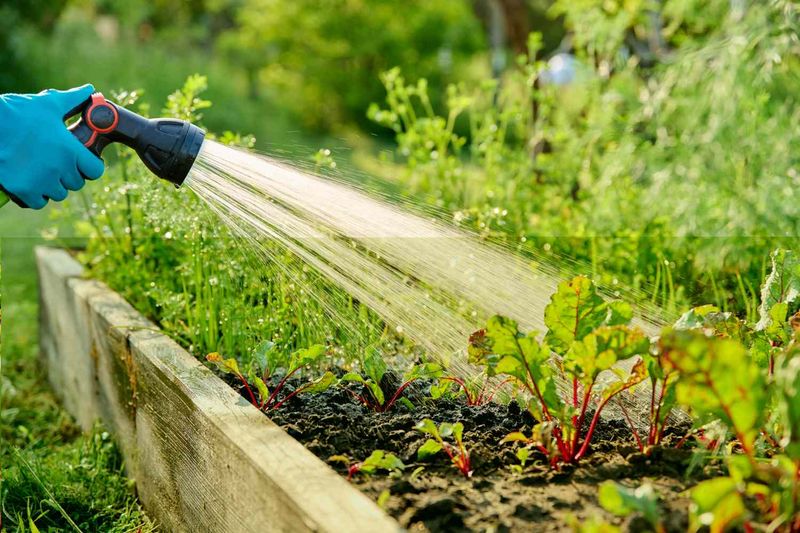
Reaching for the hose after discovering bitter cucumbers is understandable, but flooding a bed that has been dry creates a new set of problems. Saturated soil drives out the oxygen that roots need, and cucumber roots are vulnerable to rot when they sit in standing water. USU’s cucurbit irrigation resource flags root rots, belly rot, and fruit cracking as documented risks of excess moisture, all of which can damage or destroy the fruit you are trying to protect.
The practical response after a dry spell is to resume regular, moderate watering rather than compensating with heavy repeated soakings. If your bed drains poorly, address that before adding more water. Raised beds, amended soil with added organic matter, or simply redirecting runoff can all help. USU’s vegetable water recommendations are clear that frequency and volume should vary with soil type, weather, and plant size rather than following a single fixed rule.
There is no universal prescription of watering every day or delivering exactly one inch per session. A sandy bed in full sun during a heat wave needs more frequent attention than a clay-rich bed in partial shade after a rain. The goal is consistent moisture in the root zone, not constant saturation at any level.
Harvest young fruit and discard extreme bitterness
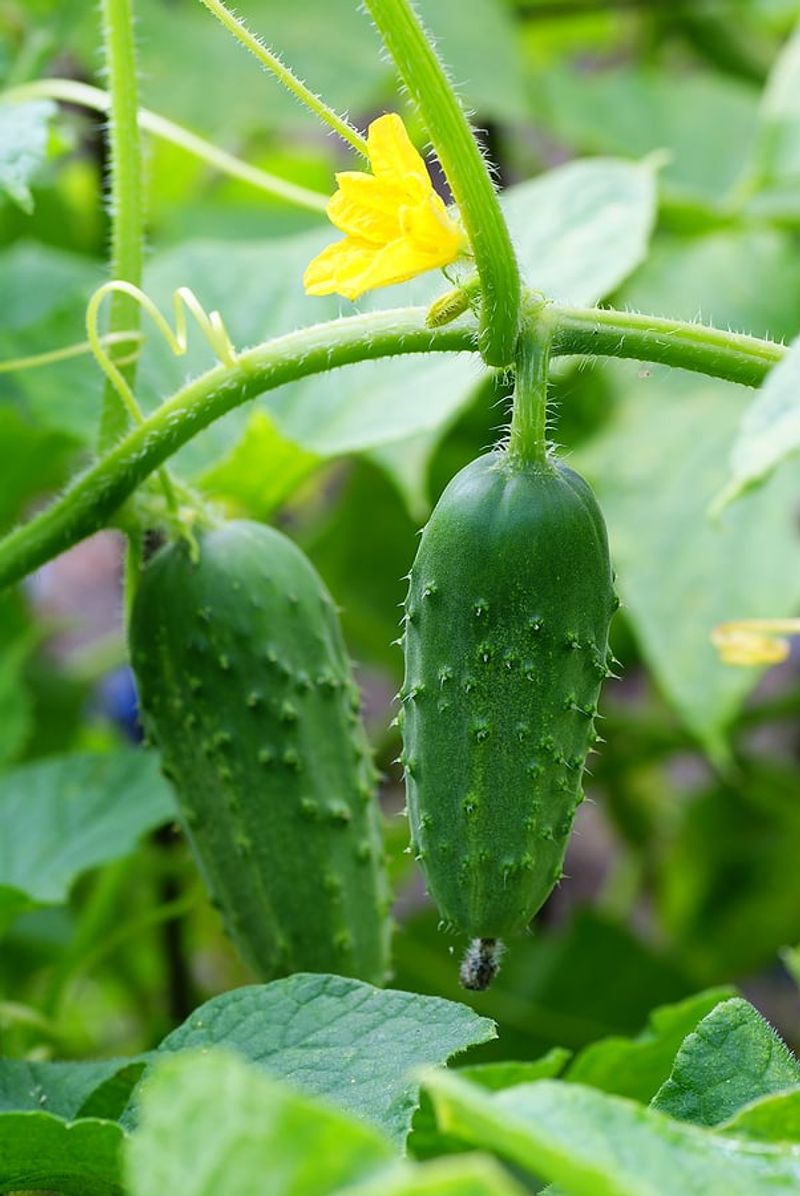
Picking cucumbers while they are young and at the right size for their variety is one of the most reliable ways to avoid bitterness from overmaturity. University of Georgia Cooperative Extension’s cucumber guide recommends harvesting slicing types around six to eight inches, while pickling types are generally picked smaller. The exact target depends on the cultivar, so check your seed packet or variety description. Cucumbers left on the vine past peak ripeness develop harder seeds, tougher skin, and can taste increasingly bitter, though overmaturity is one factor among several and does not explain every case.
Harvest frequently, ideally every day or two during peak production. Leaving a large, overripe cucumber on the vine signals the plant to slow fruit production, which means fewer new cucumbers to replace the ones you are trying to protect.
When you bite into a cucumber and find intense bitterness throughout the flesh, do not keep eating it. Research on cucurbitacin C in cucumber shows the compound can be distributed throughout the fruit, not just near the skin or stem end. Peeling may reduce mild bitterness near the stem, but it is not a dependable fix when the whole fruit tastes intensely bitter. Oregon State University Extension advises that extremely bitter cucurbits should not be eaten because high cucurbitacin levels can cause gastrointestinal illness.
Spit out a strongly bitter sample and discard the fruit. Rubbing cut ends together, soaking the cucumber, or any other folk method has not been established as a reliable way to make severely bitter fruit safe.
Use consistency as the next step, not as the whole diagnosis
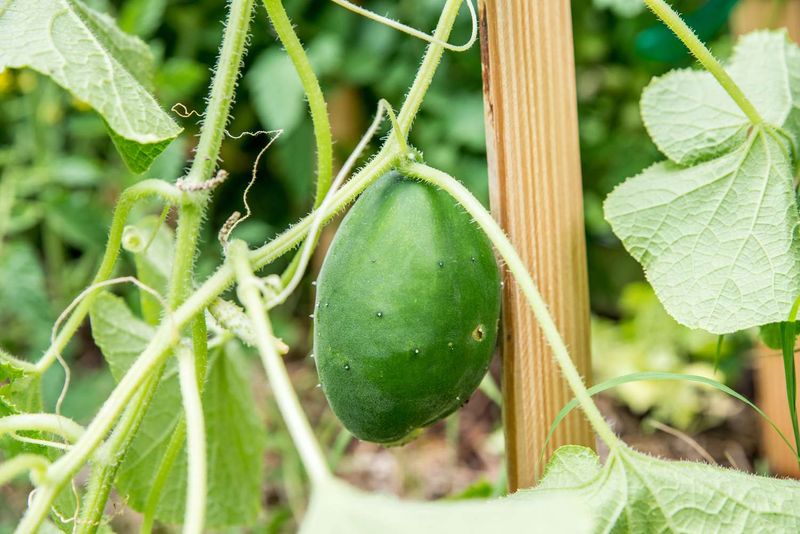
When bitter cucumbers appear in August, start by looking for a dry-to-drenched pattern in recent weeks. Check the root zone, not just the surface, and stabilize moisture when it has been uneven. Add mulch to reduce evaporation, use drip or soaker irrigation when possible, harvest young and frequently, and reduce heat exposure where you can. USU Extension and its cucurbit irrigation guidance support these as sound moisture-management practices for protecting subsequently developing fruit.
If bitterness continues after moisture is already consistent, shift your investigation toward heat, cultivar genetics, plant health, and maturity. These steps improve the odds for new fruit when water stress is the contributing factor, but they are not a universal cure. OSU Extension’s guidance is a useful reminder that extremely bitter fruit should be discarded rather than treated as a problem to fix with technique. The clearest rule in a complicated situation: if it tastes intensely bitter, throw it out and focus your energy on the cucumbers still forming.