
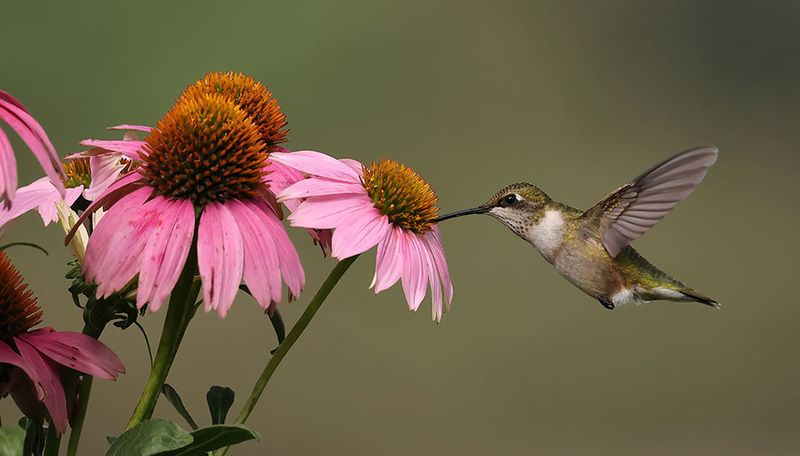
Spotting a Ruby-throated Hummingbird hovering at a bloom in your Central Texas yard is one of those moments that makes all your gardening effort feel worthwhile. These tiny, high-energy birds migrate through Texas each year, and the right yard can become a reliable stopover they visit season after season. No garden can guarantee their arrival, but the right mix of plants, water, feeders, and habitat can genuinely improve your odds of welcoming them back.
Improve the odds, not the guarantee
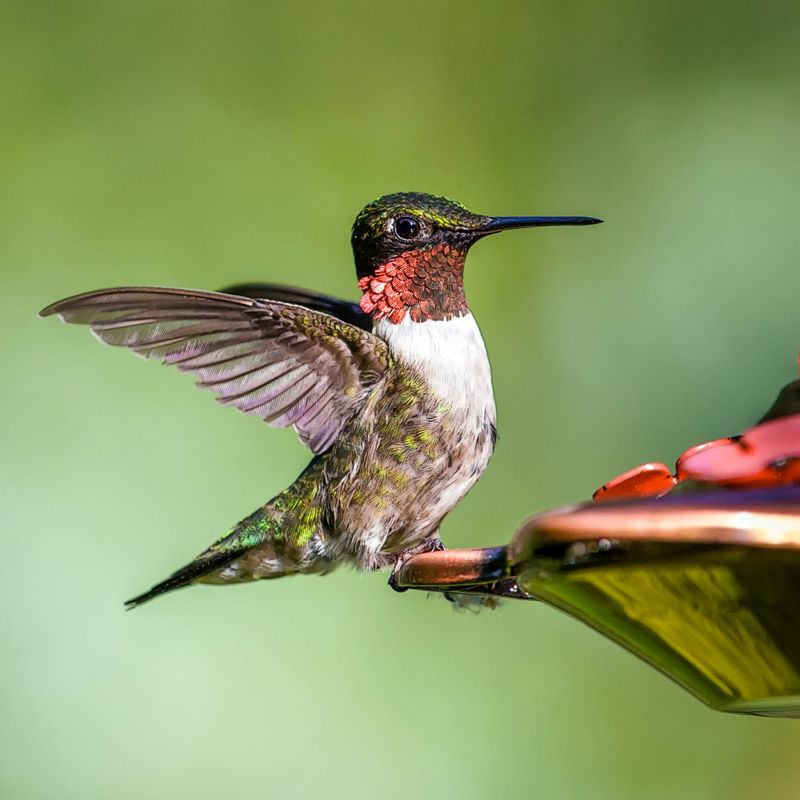
Ruby-throated Hummingbirds are migrants, not permanent residents in most of Central Texas. TPWD’s Ruby-throated Hummingbird profile describes the species as common primarily in eastern Texas and especially numerous along the Texas coast during fall migration, which means Central Texas gardens are more likely to host passage migrants than a settled, returning population. Whether your yard sees a visit in any given season depends on migration routes, local weather, available food, and whether the species is moving through your particular part of the region at all.
A TPWD newsletter from spring 2011 reported that, in at least one Central Texas locality, Ruby-throated Hummingbirds were considered uncommon in late July through October and rare in spring. That example reflects one place and one point in time, not a current region-wide schedule, and timing can shift meaningfully from city to city and year to year. Check current local birding records before setting expectations for your specific address.
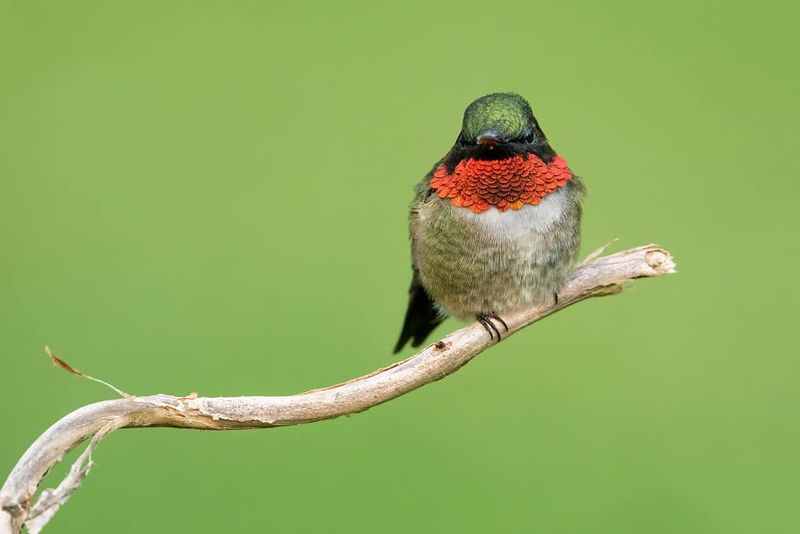
Central Texas also hosts Black-chinned Hummingbirds, which are more consistently associated with the region, along with occasional migrants from other species. Female and immature Ruby-throats can be genuinely difficult to tell apart from related species without careful observation, so resist the urge to label every small hummingbird a Ruby-throat. The eBird Status and Trends range map for Ruby-throated Hummingbirds shows how variable their presence can be across Texas by season.
One more clarification worth making: hummingbirds are not technically songbirds. The term “songbird” in casual conversation often means any small, lively backyard bird, but scientifically, hummingbirds belong to the family Trochilidae and the order Apodiformes, separate from the oscine passerines that make up true songbirds. That distinction does not change how you garden for them, but it helps set accurate expectations. The achievable goal here is a well-prepared stopover habitat that gives migrating Ruby-throats a reason to pause, feed, and possibly return during future migrations when their route brings them your way.
Build a relay of Texas-adapted blooms
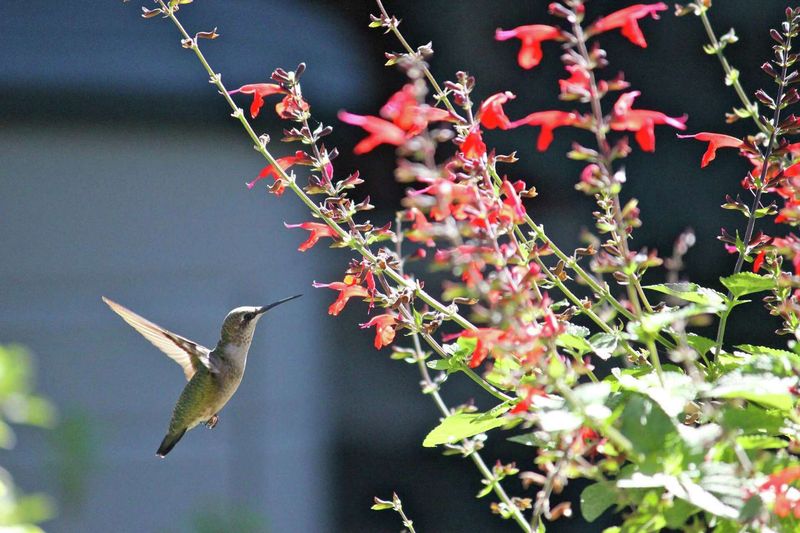
Relying on a single standout plant is one of the most common mistakes in hummingbird gardening. TPWD’s hummingbird planting guidance recommends overlapping bloom periods and food sources at multiple garden levels, so that nectar is available from the first warm weeks of spring migration through the tail end of fall passage. A relay of blooms covers the gaps that any single plant inevitably leaves when its flowers fade.
For Central Texas specifically, proven choices include Turk’s cap, coral honeysuckle, flame acanthus, autumn sage, scarlet sage, Texas betony, Texas lantana, mealy blue sage, crossvine, esperanza (yellow bells), bee balm, cardinal flower, hibiscus, and coral vine. Each has different light, soil-moisture, freeze tolerance, and mature-size requirements, so match the plant to the actual conditions of the spot before you dig. The Texas A&M Earth-Kind Plant Selector is a practical tool for checking whether a specific plant suits your local soil and climate before you commit to it.
Arranging plants at different heights adds real value. Low-growing salvias, mid-height shrubs like flame acanthus, and taller vines like crossvine or coral honeysuckle give visiting hummingbirds feeding opportunities at several levels, which mirrors the layered structure they encounter in natural habitat. Native plants adapted to Central Texas conditions can be resource-efficient choices, but “native” does not automatically mean drought-proof or maintenance-free. Texas A&M notes that even well-adapted plants may need supplemental water or care if sited poorly.
The TPWD Texas Hummingbird Roundup Final Report documented which plants hummingbirds were observed using, but explicitly cautioned that those observations did not account for plant availability and therefore cannot establish true preference rankings. The practical takeaway: plant variety and bloom succession matter more than hunting for one secret flower.
Use feeders as a carefully maintained supplement
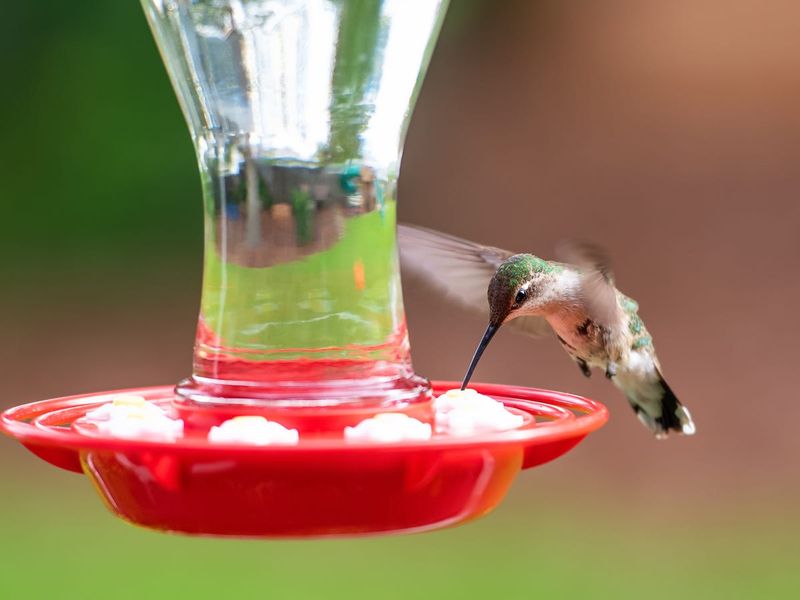
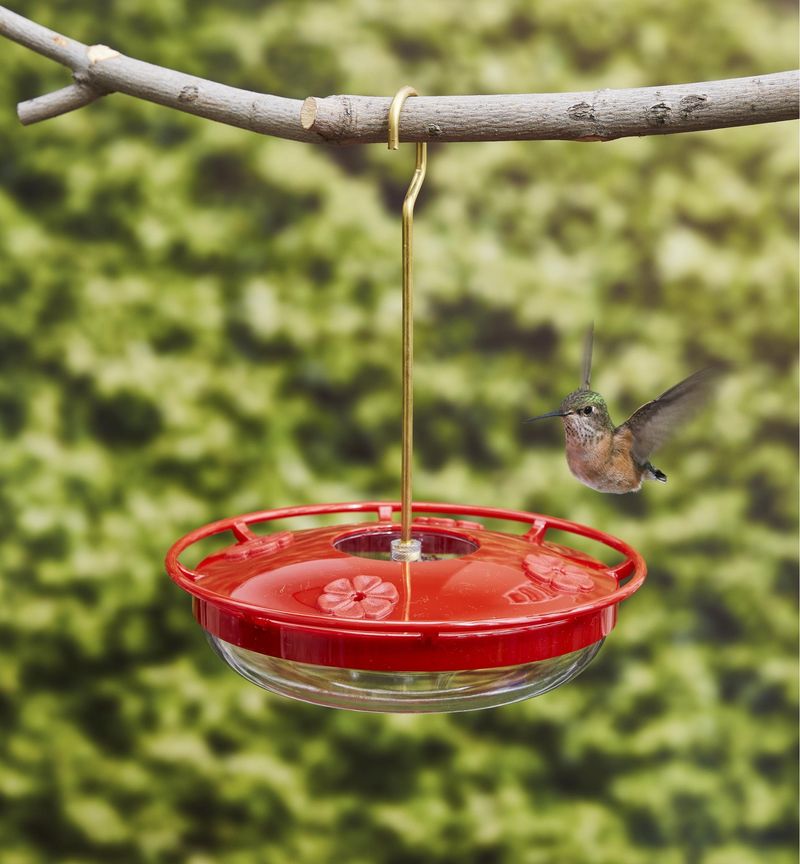
Feeders work best when they fill temporary gaps in natural nectar availability, not when they replace flowers, insects, and other habitat elements altogether. The standard nectar recipe is straightforward: Penn State Extension recommends four parts water to one part refined white sugar, dissolved by heating or boiling the water, then cooled before filling the feeder. Extra nectar can be refrigerated for a few days. Stronger or weaker mixtures are not supported by wildlife guidance, so stick with the four-to-one ratio.
Central Texas heat creates an urgent maintenance obligation. Audubon’s hummingbird feeding guidance recommends replacing nectar every day or every other day in hot weather, and immediately if the solution turns cloudy or shows any sign of mold. Use small feeder quantities so you are not discarding large amounts of spoiled nectar, and hang feeders in shade to slow fermentation. A shaded feeder in triple-digit Texas summers is not optional; it is a basic safety measure for the birds.
Cleaning matters just as much as changing the nectar. UC Davis research found that hummingbird feeders host microbial communities that differ from those in natural floral nectar, which underscores why scrubbing ports, seams, and reservoirs before every refill is worth the effort. Rinse thoroughly so no soap residue remains.
Red feeder parts are a sufficient visual cue for attracting hummingbirds; Audubon explains that red dye in nectar is unnecessary and potentially unsafe. Skip honey, artificial sweeteners, and commercial nectar products containing added dyes or preservatives. For leaks, ants, and bees, focus on feeder cleanliness and shade first. Audubon’s feeder pest guidance notes that ant moats and bee guards can help, but they do not compensate for a leaking or dirty feeder.
Add water, cover, and natural food
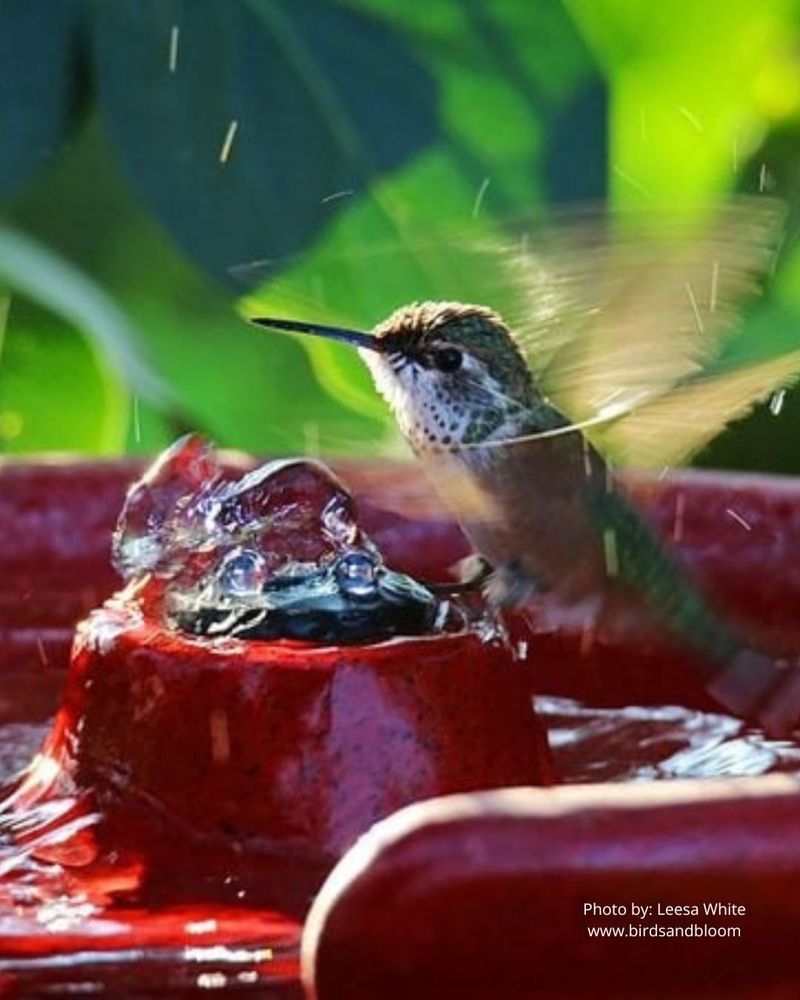
Nectar alone does not make a complete stopover habitat. Hummingbirds also need water for bathing and drinking, but the standard deep birdbath does not suit them well. TPWD’s nongame wildlife FAQ explains that hummingbirds prefer fine misters, drippers, or very shallow water because their feet are weak and they do not wade and splash the way larger birds do. A fine mist attachment on a garden hose, a dripper over a shallow dish, or a gentle fountain with a shallow lip all work far better than a deep pedestal bath.
Pair water with shelter. TPWD’s Ruby-throated Hummingbird profile recommends native brush and trees for shelter and resting spots, and hummingbirds use exposed perches on thin branches to survey their territory between feeding bouts. A yard with dense vegetation at the edges and a few open perch points gives visiting birds both security and a clear sightline, which is the combination they seek during migration stopovers.
Protein is part of the picture too. Hummingbirds regularly catch small insects and spiders in flight or glean them from leaf surfaces and bark, and TPWD’s hummingbird habitat materials note insects as an important food source alongside nectar. A garden that supports a healthy insect population, especially around flowering plants, gives hummingbirds a more complete meal. When water, perches, cover, and insects come together in one place, the yard becomes genuinely useful to a migrating bird rather than just a quick nectar stop.
Protect insects by reducing pesticide exposure
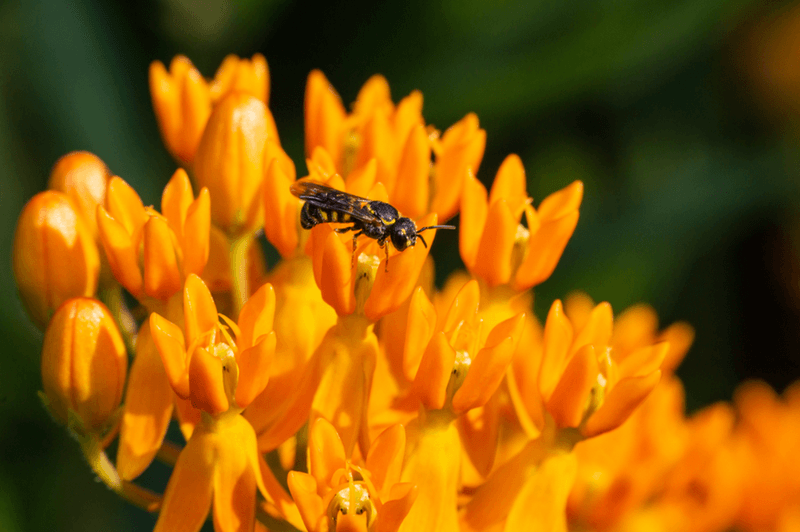
Hummingbirds eat insects. That single fact should reshape how Central Texas gardeners think about pest control near flowering plants, water features, and sheltered vegetation. TPWD’s Ruby-throated Hummingbird profile notes that the species feeds on insects and spiders in addition to nectar, which means a yard stripped of invertebrates by routine broad-spectrum insecticide use is a yard with a significant gap in its food supply for visiting hummingbirds.
The practical shift is to move from blanket spraying to integrated pest management. When a genuine plant problem appears, identify the specific pest, choose the most targeted treatment available, and apply it only where needed. Spot treatments, physical barriers, and biological controls often handle common garden problems without wiping out the beneficial insects and spiders that hummingbirds rely on for protein. Preserving that web of small invertebrates near flowers and shelter is a habitat-protection measure, not just a philosophical position.
Reducing pesticide use does not mean tolerating every pest or abandoning plant health. The goal is to avoid routine, calendar-driven insecticide applications that treat the whole garden as a target zone regardless of actual pest pressure. A yard where insects and spiders remain part of the ecosystem is a more complete stopover resource for Ruby-throated Hummingbirds and any other hummingbird species that passes through Central Texas during migration. The food web you preserve is part of what makes the habitat worth visiting.
Make nearby windows and feeders safer
A well-stocked garden can still be dangerous if windows near feeders, flowers, or dense cover are left untreated. Hummingbirds, moving fast between perches and food sources, can strike glass that reflects sky or vegetation and sustains fatal injuries. Cornell Lab of Ornithology’s window collision guidance recommends exterior markings spaced at approximately 2-inch intervals across the relevant danger area for small birds, including hummingbirds. One or two isolated silhouette decals placed near the center of a large pane are not enough; the pattern needs to cover the glass so the barrier is visible to a bird approaching at speed from any angle.
Exterior treatments work better than interior ones because the hazard is the reflection on the outside surface. Options include closely spaced tape strips, exterior window films with a regular pattern, or screens mounted on the outside of the glass. Placement matters too: feeders positioned very close to a window, within about 3 feet, can actually reduce collision risk because a bird that taps the glass at that distance has not built up enough speed to cause serious injury. Feeders placed at mid-distance, roughly 10 to 30 feet away, give birds more room to accelerate before impact.
Feeder maintenance connects to safety as well. Audubon’s feeder pest guidance and Audubon’s disease prevention recommendations both emphasize that shade, cleanliness, and leak prevention are the foundation of responsible feeder management, not decorative extras. A leaking feeder attracts ants and wasps, creates mold risk, and can discourage the very birds you are trying to support. Treating these basics consistently is what makes the rest of the garden’s effort count.
Measure success by useful visits, not annual control
Tracking hummingbird visits realistically means watching during the migration windows that apply to your specific city and checking current local birding records rather than relying on a single historical schedule. TPWD’s Ruby-throated Hummingbird information and eBird’s current status and trends data are both useful starting points for understanding when and where the species is actually moving through your area in a given year. Local Audubon chapters and regional birding groups often post real-time sighting reports that are far more current than any fixed calendar.
Before logging a Ruby-throat, take a moment to confirm the identification. Female and immature birds of several hummingbird species look similar, and Central Texas hosts Black-chinned Hummingbirds alongside any Ruby-throats that pass through. Careful observation, and occasionally a photo for later review, keeps your records accurate and your expectations grounded.
Maintain blooms, water, shelter, insects, window protections, and feeder hygiene consistently across seasons rather than only during peak migration. A garden that holds these elements reliably is more likely to be noticed and revisited by birds whose routes bring them close. When a hummingbird does return, that visit is evidence that your yard delivered something genuinely useful during its passage through Central Texas, which is the most honest and satisfying payoff a gardener can earn.