
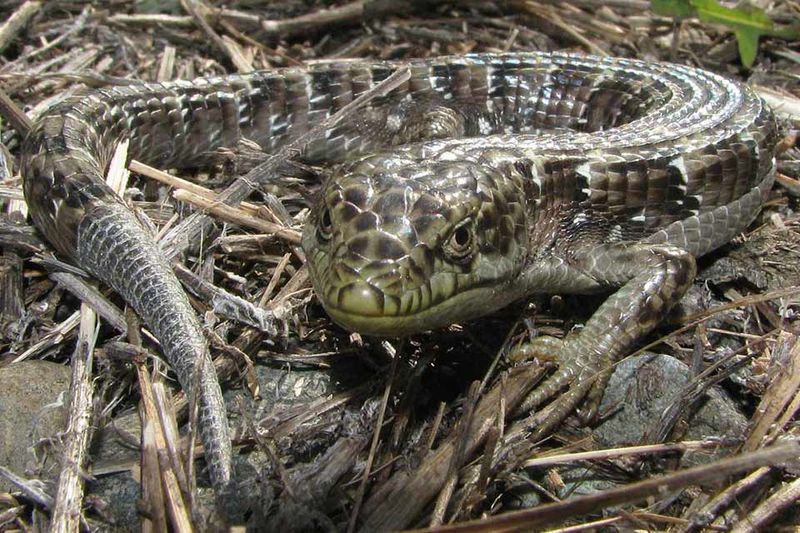
Many California homeowners spot a thick-bodied alligator lizard near the woodpile and assume it must be doing something useful, like eating ticks. That assumption feels reasonable, but the science tells a more complicated story. Understanding what these lizards actually do, and what they do not do, can change how you protect your family and pets from tick bites this season.
The woodpile lizard is helpful—but not a proven tick-control service
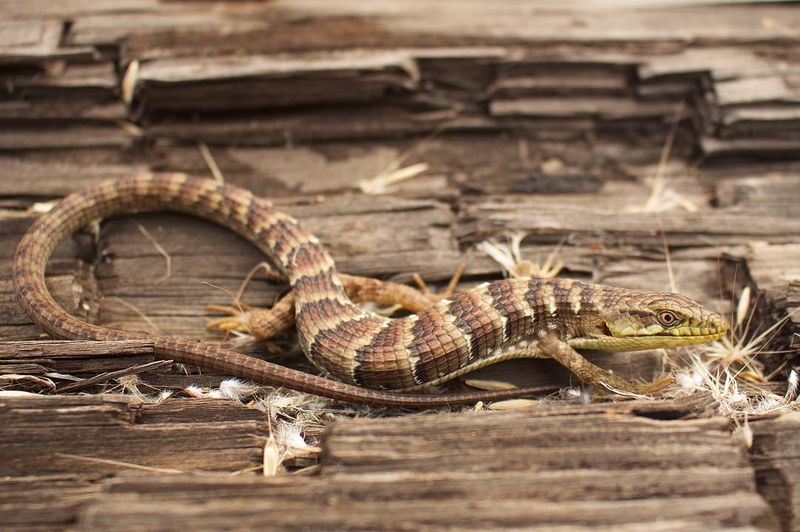
Southern alligator lizards are native California wildlife, and spotting one near your woodpile is genuinely good news for your garden. These reptiles are active, opportunistic predators that patrol the yard for a wide range of insects and other arthropods. UC IPM guidance on California lizards lists their typical prey as beetles, ants, wasps, aphids, grasshoppers, and spiders. Ticks do not appear on that list.
That distinction matters more than it might seem. Homeowners often connect the presence of a lizard to a reduction in pest pressure, and sometimes that connection is reasonable. With ticks, though, there is no documented evidence that alligator lizards eat enough of them to lower the number reaching people or dogs. Crediting the lizard with a tick-control service it has not been shown to provide can lead to skipping precautions that actually work.
The practical takeaway is straightforward. Value these lizards because they genuinely do benefit garden ecology by consuming pest insects and causing no measurable damage to plants. Tolerate them when your yard and fire-safety situation allow. Just do not build your tick-risk strategy around them.
The lizard near your woodpile is a welcome neighbor, not a pest-management contractor.
The documented relationship runs from ticks to lizards
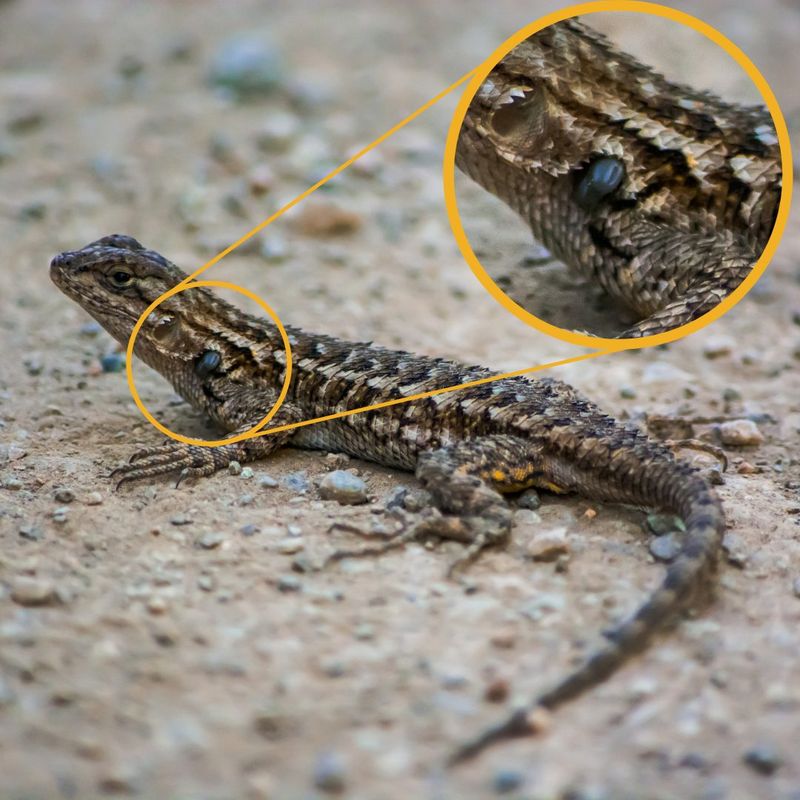
Most people picture a predator-prey relationship when they imagine a lizard and a tick together. The picture that emerges from California field research is the reverse. Southern alligator lizards can serve as hosts for western blacklegged ticks, which means the ticks feed on the lizards rather than the other way around.
A California study published in the Journal of Medical Entomology and indexed on PubMed examined tick burdens on southern alligator lizards and found an average of 34.1 larval ticks and 11 nymphal ticks per sampled animal. Some individuals carried considerably more. These are not incidental encounters. Larval and nymphal ticks were actively using the lizards as a blood source during a life stage when the parasites are difficult to see and easy to carry home on a pet or clothing.
None of that makes the lizard a threat to avoid. Eating beetles and hosting larval ticks are not mutually exclusive behaviors. A single animal can be an effective garden predator of insects while simultaneously providing a blood meal for small parasites that have nothing to do with the lizard’s diet. The important correction is conceptual: a tick host and a tick predator are different roles, and the evidence places southern alligator lizards firmly in the host category, not the predator category.
Knowing this does not mean you should shoo lizards away. Tick larvae that feed on a lizard are ticks that are not yet questing for a mammal host. The relationship is ecologically complex. What the research does not show is that lizard abundance in a backyard lowers the number of ticks that eventually find a person or a dog.
Lyme-disease ecology is not the same as household tick control
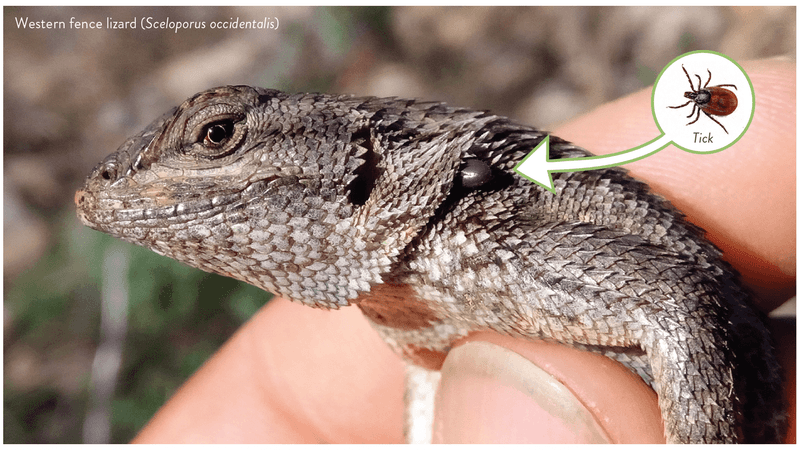
California has an interesting tick story involving lizards and Lyme disease, but the main character in that story is not the alligator lizard. The western fence lizard is the species most clearly connected to Lyme-disease ecology in California, and understanding that distinction prevents a common misreading of the science.
When a tick takes a blood meal from certain lizard species, the blood can affect whether the tick acquires Borrelia burgdorferi, the bacterium that causes Lyme disease. Some California lizards have been associated with this kind of borreliacidal effect. The California tick-borne disease epidemiology review identifies the western fence lizard as the clearest example of this mechanism in the state. Applying that finding automatically to southern alligator lizards goes beyond what the available California-specific evidence supports.
Even setting the species question aside, a reduction in the proportion of infected ticks is not the same as a reduction in total tick numbers. A yard could theoretically have fewer ticks carrying Lyme bacteria while still having plenty of ticks capable of transmitting other diseases. California ticks transmit several pathogens beyond Borrelia burgdorferi, including the agents of anaplasmosis and spotted fever group rickettsioses. A lizard’s possible influence on one pathogen’s transmission cycle does not create a general shield against tick-borne illness.
The earlier study documenting larval and nymphal tick burdens on southern alligator lizards confirms that these lizards are part of the tick’s life cycle as hosts, not agents that disrupt it. A homeowner whose yard has alligator lizards is not living in a protected zone. Tick checks, repellents, and habitat management remain necessary regardless of which lizard species is sunning itself near the fence.
A wildlife-friendly yard can still contain tick habitat

Choosing to support native wildlife in your yard is a worthwhile goal, and it does not automatically put your family at greater tick risk. The challenge is that several features that make a yard attractive to lizards, birds, and beneficial insects also create conditions where ticks and their mammal hosts are comfortable.
Logs, leaf litter, brush piles, rocks, shaded vegetation, and tall grass along a fence line all provide cover for small mammals like deer mice and ground squirrels, which are the primary hosts that allow ticks to complete their life cycle and acquire pathogens. CDPH tick-borne disease prevention guidance notes that ticks can be present year-round in California, with higher activity in some areas during spring and winter, and are commonly associated with brushy, wooded, and grassy areas. No single yard feature guarantees a tick problem, but the overlap between wildlife-friendly habitat and tick-friendly habitat is real.
Balancing these priorities means making deliberate choices rather than treating the yard as all-or-nothing. A homeowner does not need to remove every native shrub or rake every leaf to reduce tick contact. Equally, leaving every overgrown edge, brush pile, and woodpile undisturbed because a lizard might be living there is not a sound tick-risk strategy.
The goal is to identify which features in your specific yard create the most direct contact opportunities, such as a brushy path the dog runs through daily or a shaded leaf pile near the back door, and address those first. Wildlife habitat and reduced tick exposure can coexist with thoughtful management, not by eliminating one for the other.
Use yard changes that reduce contact with tick habitat

Reducing tick exposure in a California yard comes down to changing how much time people and pets spend in places where ticks are likely to be waiting. A handful of consistent yard practices, supported by UC ANR and CDPH, can meaningfully lower those contact opportunities without requiring the removal of every native plant or wildlife feature.
Start with the basics: mow grass regularly, remove excess leaf litter that accumulates near walkways and play areas, and trim back overgrown shrubs and ground cover that create shaded, humid corridors. Increasing sunlight penetration into previously shaded spots dries out the microhabitats where ticks survive best. UC ANR guidance on controlling ticks around the home recommends placing a roughly 3-foot-wide barrier of gravel or wood chips between a maintained lawn and any brushy or wooded edge. That transition strip discourages ticks from migrating into the areas where people and pets spend the most time.
None of these steps requires eliminating alligator lizards. In fact, a well-maintained yard with defined edges still provides enough insect prey to support resident lizards. The goal is not a sterile outdoor space but a yard where the areas of highest human and pet activity are separated from the areas of highest tick activity.
These measures reduce the likelihood of contact with tick habitat rather than guarantee a tick-free yard. California’s landscape and climate vary enough that no single combination of yard changes works identically everywhere. Apply the practices that fit your property’s layout, keep up with them seasonally, and treat them as the foundation of tick-risk reduction rather than a one-time fix.
Keep firewood away from the house when safety rules require it
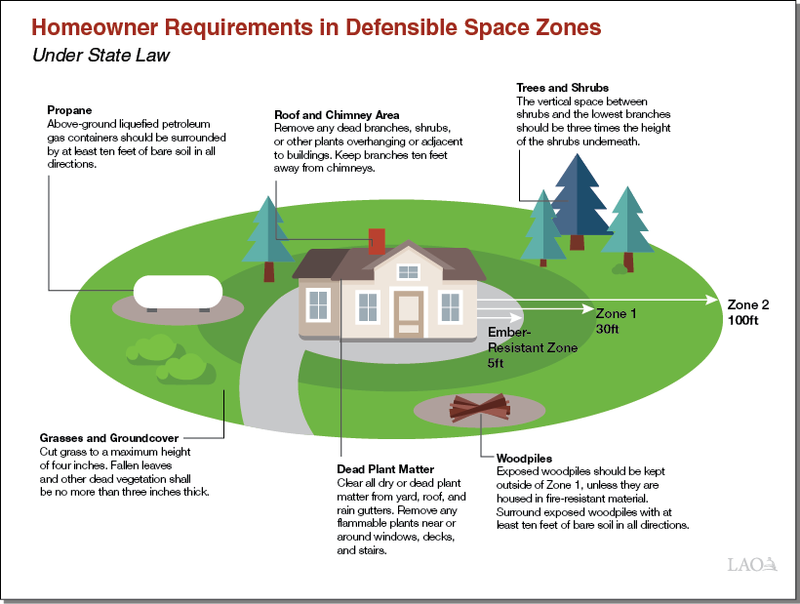
Woodpiles are a practical necessity for many California homeowners, and they also happen to be prime real estate for alligator lizards. That overlap can make it tempting to leave a stack close to the house so the lizard stays nearby. Fire safety and rodent control considerations push in the opposite direction.
Keeping wood neatly stacked and away from the home reduces the cover that rodents need to nest close to the structure. Rodents are the primary mammal hosts that sustain tick populations through their life cycle, so reducing rodent habitat near the house is a legitimate tick-exposure reduction step. CDPH guidance on controlling ticks around the home specifically recommends stacking woodpiles away from the structure for this reason.
Fire-safety requirements add another layer. CAL FIRE defensible-space guidance addresses combustible materials around structures and may apply to exposed woodpiles depending on your property’s location and zone. CAL FIRE has referenced 10 feet of clearance around woodpiles in defensible-space areas, but requirements are not uniform across California. State rules, local fire ordinances, and homeowner association requirements can all differ, and some jurisdictions apply stricter standards than the state minimum.
Before deciding where to place or keep a woodpile, confirm the rules that apply to your specific property by contacting your local fire department or CAL FIRE unit. Do not retain a woodpile near the house to shelter a lizard when fire-clearance rules require otherwise. The lizard will relocate. A fire will not.
Protect lizards gently and protect people and pets separately
Finding an alligator lizard in an inconvenient spot, like a doorway, a garage, or directly under a hose bib, does not require a dramatic response. The first option is simply to leave it alone and let it move on its own, which it usually will. If the situation genuinely requires moving the animal, UC IPM notes that alligator lizards may bite when handled and recommends using a glove if capture is unavoidable. California also regulates the taking and possession of native lizards, so routine relocation or collection is not something to treat casually.
Minimize contact, handle the animal as briefly as possible, and release it nearby rather than transporting it to a distant location.
Protecting people and pets from ticks is a separate task that does not depend on what the lizard does or does not do. For pets, talk to a veterinarian about tick prevention products appropriate for your animal. CDC guidance on preventing ticks on pets recommends keeping animals on veterinarian-approved prevention year-round and checking them daily after they spend time outdoors. Cats are particularly sensitive to certain tick-control chemicals, so never apply a product to a cat without veterinary advice.
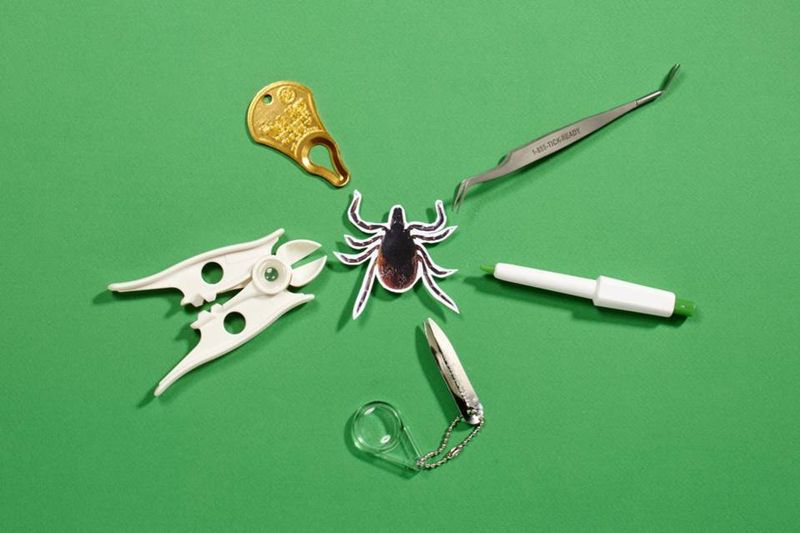
For people, use an EPA-registered repellent and apply it according to the label directions. After yard work or time in brushy areas, check your clothing, skin, and hair carefully. CDPH tick prevention guidance advises removing attached ticks promptly with fine-tipped tweezers, pulling steadily upward without twisting. Do not burn an attached tick or apply petroleum jelly, nail polish, or similar substances.
Those methods are ineffective and can increase the risk of pathogen transmission. CDC tick-bite prevention guidance reinforces that prompt, clean removal with tweezers is the recommended approach.
Keep the lizard, change the assumption
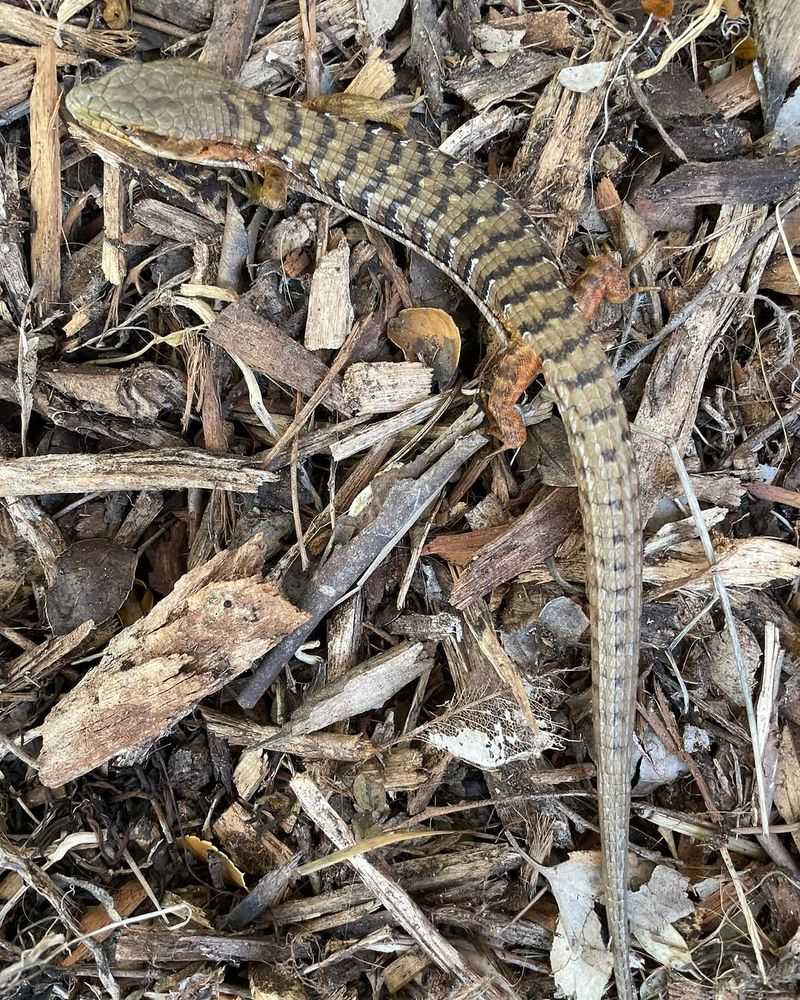
Southern alligator lizards belong in California yards. They eat pest insects, leave plants alone, and add to the ecological texture of a native-friendly garden. UC IPM confirms that California lizards can benefit gardens by consuming pest arthropods without causing plant damage. That is a real contribution worth appreciating.
What the available evidence does not support is the idea that a lizard near your woodpile is quietly handling your tick problem. The documented relationship places southern alligator lizards as tick hosts, not tick predators, and no yard-scale study shows that their presence lowers tick exposure for people or dogs.
The practical priorities remain clear. Follow applicable fire-clearance rules for your property and confirm them with your local fire authority. Manage the yard features that create tick contact opportunities, guided by UC ANR tick management recommendations and CDPH personal protection guidance. Keep pets on veterinarian-recommended prevention, check people and animals after outdoor time, and use repellents as directed.
Let the lizard stay when CAL FIRE defensible-space rules and your yard layout allow. The lizard earns its place as a native insect predator. Your tick plan needs to earn its place through evidence, not assumption.