
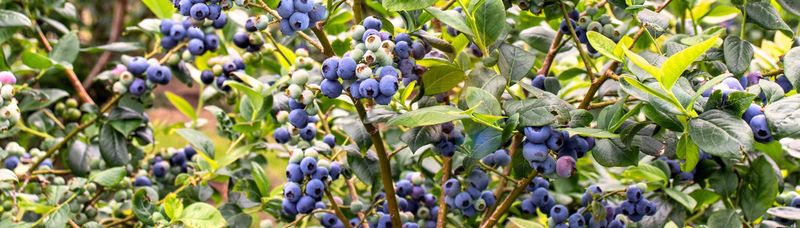
A front-yard shrub can do more than look tidy. In Florida, some attractive plants also offer berries, fruit, or leaves you can use in the kitchen.
These seven plants appear in UF/IFAS gardening resources, but each has its own needs. Pick one that fits your yard, and your next landscape update could come with a harvest.
1. American Beautyberry
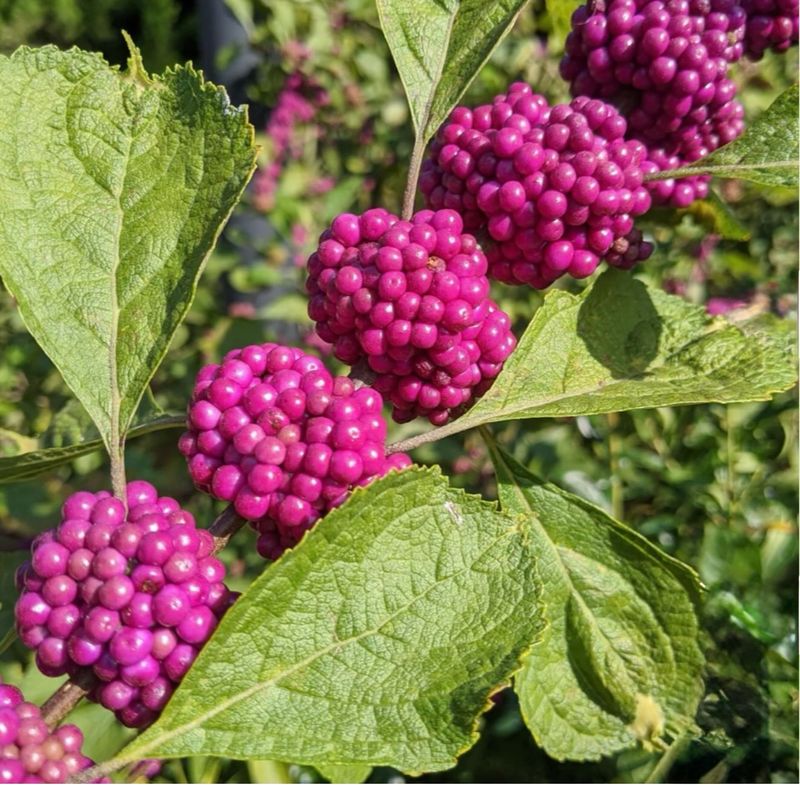
When bright purple berries appear along its stems, American beautyberry looks as if someone decorated it by hand. This Florida native brings an unusual color to a front-yard bed without needing flowers to make an impression.
Its berries are also used in homemade jelly, giving the shrub a practical role after its showy fall display.
Beautyberry has a loose, arching shape rather than the clipped look of a formal hedge. Give it room near a porch corner or along a broad walkway, where its branches can spread without brushing people as they pass.
It grows in sun or partial shade, though a sunnier spot generally produces more berries. Add mulch to help sandy soil hold moisture while the plant gets established.
Leave some fruit for birds, which are another good reason to grow it. If the shrub gets too large or sparse, prune it in late winter before new growth begins.
For the kitchen, identify the plant carefully, wash the berries, and follow a tested jelly recipe instead of assuming the raw fruit will taste like a sweet snack.
2. Cocoplum
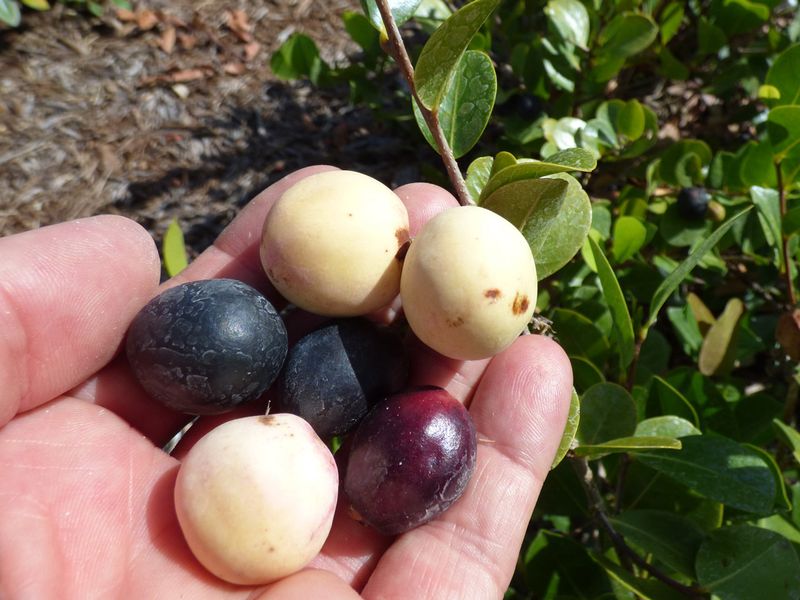
Salt air can make a front-yard hedge a tough assignment. Cocoplum answers with glossy leaves, a dense shape, and fruit that can be turned into jelly.
It is especially useful in South Florida landscapes where a handsome screen must also handle coastal conditions.
Plant cocoplum where it has space to become a hedge or a broad foundation shrub. The fruit varies by plant and may be white, pink, or purple when ripe, so choose a specimen with the look you want.
Regular trimming keeps the foliage neat, but leave enough time between cuts for flowers and fruit to develop. Sun helps it grow densely; established plants also tolerate dry spells better than many thirsty ornamentals.
Cocoplum is not a good match for every Florida address. Cold weather limits its use farther north, and standing water is different from the well-drained coastal sites it handles well.
Before replacing a row of shrubs, check your local UF/IFAS Extension guidance and the mature size of the variety you are buying. In the right yard, it offers privacy first and a small kitchen bonus later.
3. Simpson’s Stopper
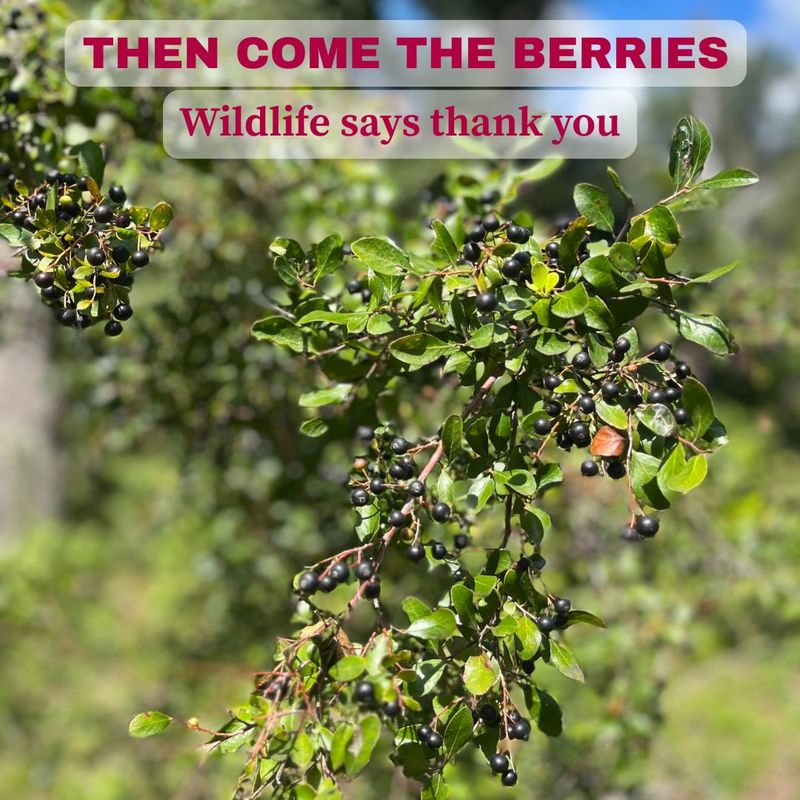
A visitor might notice the berries first, then spot the little white flowers tucked among Simpson’s stopper leaves. That mix of color and texture makes this Florida native an appealing alternative to a plain green foundation shrub.
Its ripe fruit is edible, although the flavor is mild and the plant is more valuable as a landscape feature than as a heavy producer.
Use it as a specimen near an entry or grow several plants for an informal screen. Small leaves give it a tidy appearance, while flowers can draw pollinators and fruit can attract birds.
Simpson’s stopper does well in sun to partial shade and prefers well-drained soil. That makes drainage worth checking before planting, especially where summer rain collects beside a downspout.
Give the shrub room to reach its natural size, or choose a compact form if the bed is narrow. Light pruning can shape it without turning maintenance into a weekly chore.
Florida’s warmer areas are its best fit; gardeners in frost-prone neighborhoods should ask a local nursery how it performs nearby. Taste only fruit from a confidently identified plant that has not been sprayed with products unsuitable for edible crops.
4. Yaupon Holly
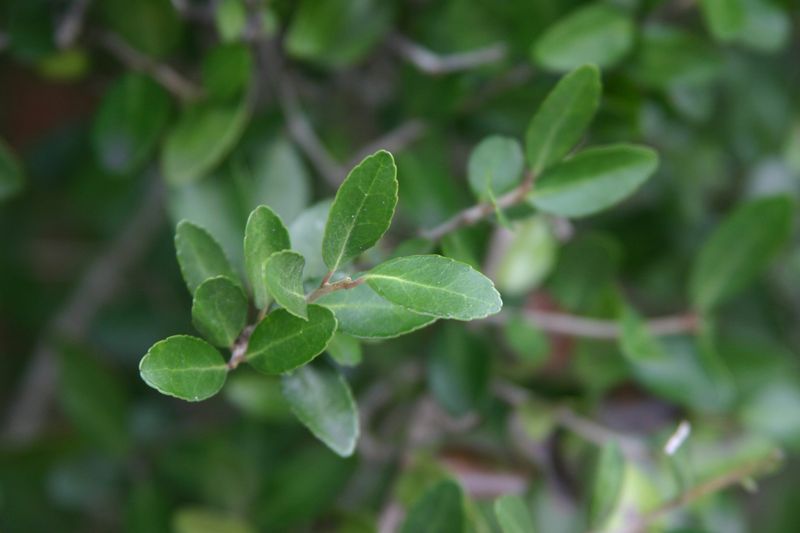
Tea from a front-yard shrub sounds surprising, but yaupon holly has a long history as a brewed drink. Its leaves contain caffeine, setting it apart from the fruiting plants on this list.
The evergreen foliage also gives a yard a steady green backdrop between seasonal flower displays.
Yaupon can be grown as a large shrub, a small tree, or a compact selection, so read the plant label before placing it under a window. It handles pruning well and suits a screen or an entry planting.
Female plants can carry red berries if a compatible male plant is nearby. Those berries are for birds, not for your teacup: use properly identified yaupon leaves for tea, not the fruit.
Choose a site with sun or partial shade and provide water while the roots establish. Once settled, yaupon is adaptable, but no new shrub should be left to fend for itself in fast-draining sand.
If you want to brew the leaves, learn safe harvesting and preparation from a reliable source first. Never substitute leaves from another holly species just because the plants look similar.
5. Pineapple Guava
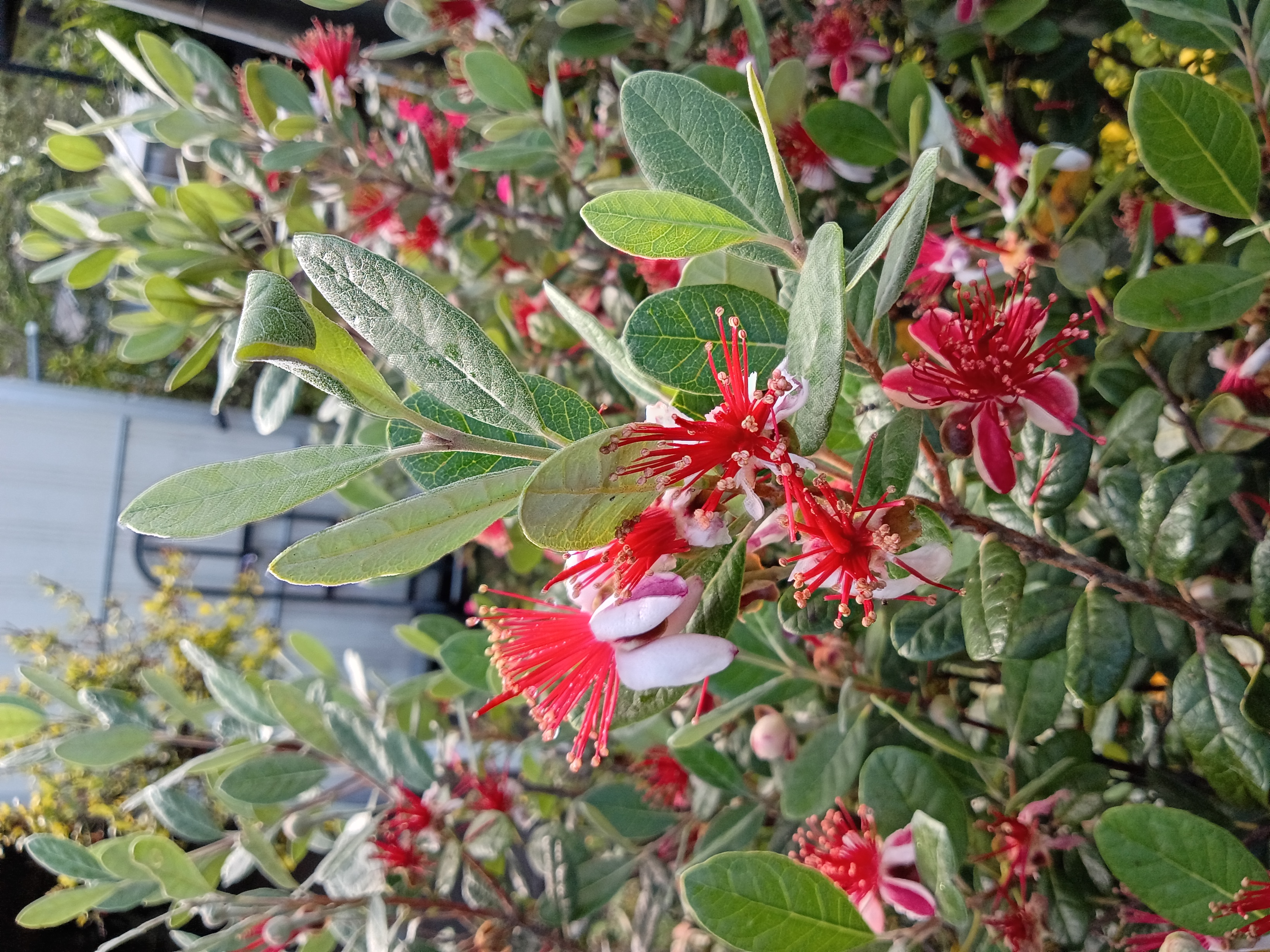
Few shrubs offer a snack as pretty as pineapple guava’s flowers. The pale petals are edible and have a sweet flavor, while the green fruit offers a second harvest when growing conditions cooperate.
Silvery leaves keep the plant attractive even when neither flowers nor fruit are present.
Give pineapple guava a sunny place with good drainage, such as a roomy bed beside a walkway rather than a soggy low spot. It can be shaped into a hedge, but repeated tight shearing removes flowering growth and reduces the chance of fruit.
A lighter touch lets the shrub keep its natural form and makes its blooms easier to see from the porch.
Fruit set can be uneven in Florida, and some selections benefit from a second compatible plant for pollination. Ask a local nursery which varieties have performed well in your area before planting one mainly for fruit.
Water during establishment, then mulch the root area without piling mulch against the trunk. Pick only clean, unsprayed petals for eating, and leave plenty of flowers in place if you hope to harvest fruit later.
6. Southern Highbush Blueberry
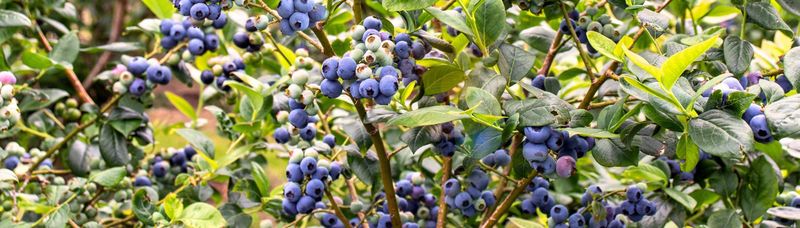
Blueberries beside the front walk are tempting, but the secret is below the mulch. Southern highbush blueberries need acidic, well-drained soil, so Florida’s sand alone does not guarantee success.
For a gardener willing to prepare the bed, they deliver spring flowers, colorful foliage, and familiar fruit in one compact planting.
Start by checking your soil pH rather than guessing. Use varieties recommended for your part of Florida, because chill needs and harvest times vary.
Two compatible varieties can improve pollination and fruit set. Put them where they receive plenty of sun and where you can reach the berries without stepping into the planting bed.
Pine bark mulch helps protect shallow roots and supports the acidic conditions blueberries prefer.
Consistent moisture matters, especially while plants establish and fruit develops, but soggy roots are a problem. Avoid planting beside concrete if runoff makes the soil less acidic.
Birds may find ripe berries before you do, so plan for netting if a dependable harvest is the goal; secure it so wildlife cannot become trapped. This is the least set-and-forget pick here, yet it earns its space for gardeners who want a real fruit crop in a visible front-yard bed.
7. Barbados Cherry
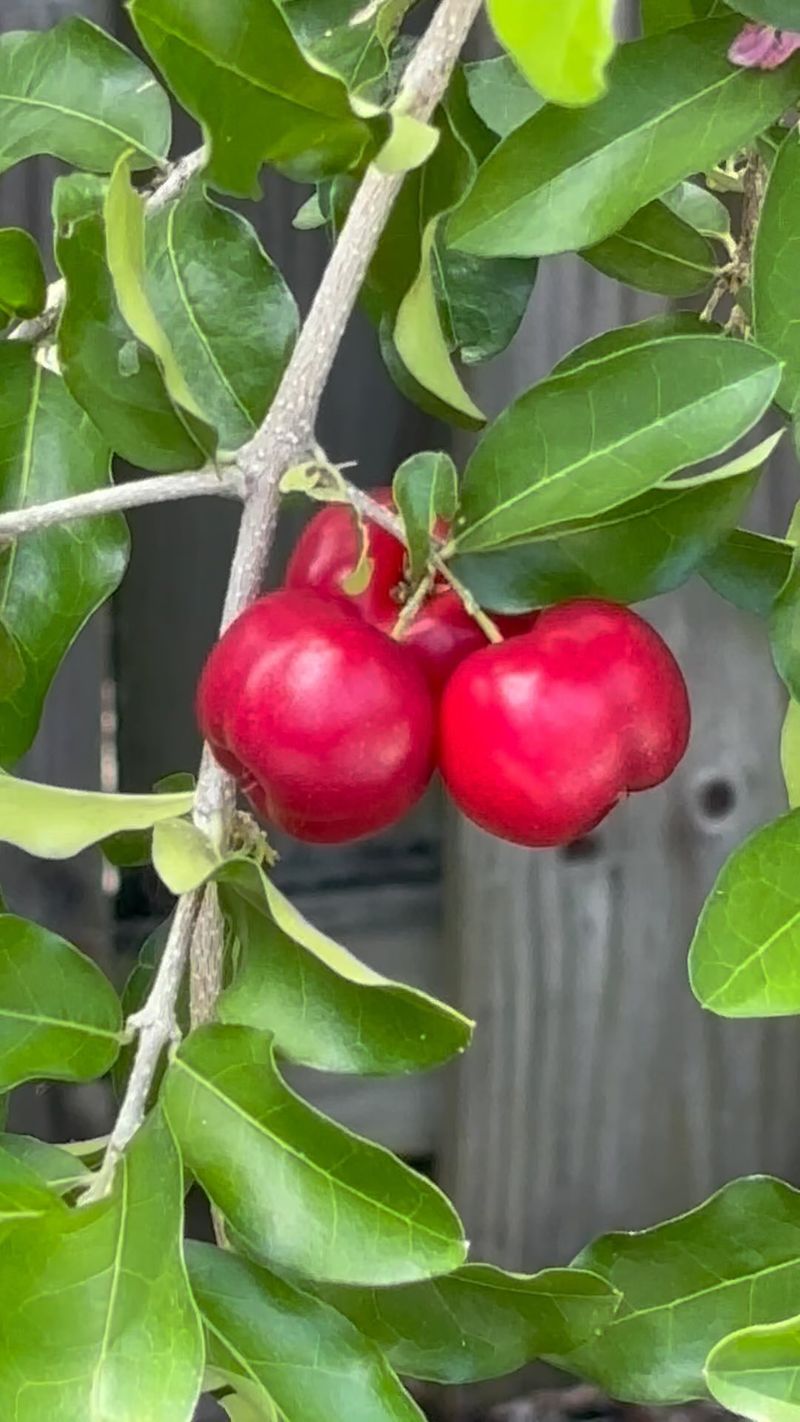
Pink flowers and bright red fruit can make a front entrance feel cheerful without a row of bedding plants. Barbados cherry brings both to a shrub that can serve as an accent or an informal hedge.
Its tart fruit is often eaten fresh or used in drinks and preserves.
Give it full sun for strong flowering and fruiting, plus a well-drained spot where its mature spread will not block the path. A little shaping keeps the plant orderly, but constant shearing can cut away blooms.
In Florida’s warmer regions, it can offer repeated flushes of flowers and fruit during the growing season. Cooler locations need more care: frost can damage the plant, so a protected site or container may be wiser than an exposed front border.
Pick ripe fruit promptly, since the thin-skinned cherries do not store as long as supermarket fruit. Flowers may bring pollinators to the entry bed, while fallen fruit calls for a quick cleanup near pavement.
If children or pets use the walkway, place the shrub a few feet back to make harvest and cleanup easier. It is a lively choice for a sunny yard when you want color with a useful payoff.