
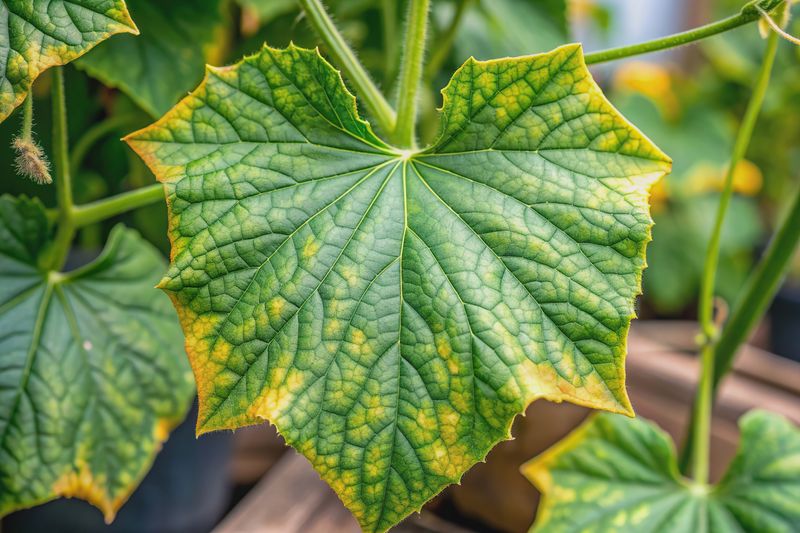
Spotting yellow patches spreading between the green veins on your cucumber leaves can stop a gardener cold, especially when the plants were looking healthy just weeks ago. That pattern, called interveinal chlorosis, has several possible causes, and magnesium deficiency is one reasonable suspect when the affected leaves are older and lower on the vine. Rushing to fertilize before you know what is actually wrong can make things worse, not better. A closer look at the leaves, the roots, and the soil will point you toward the right answer.
Older leaves make magnesium worth investigating
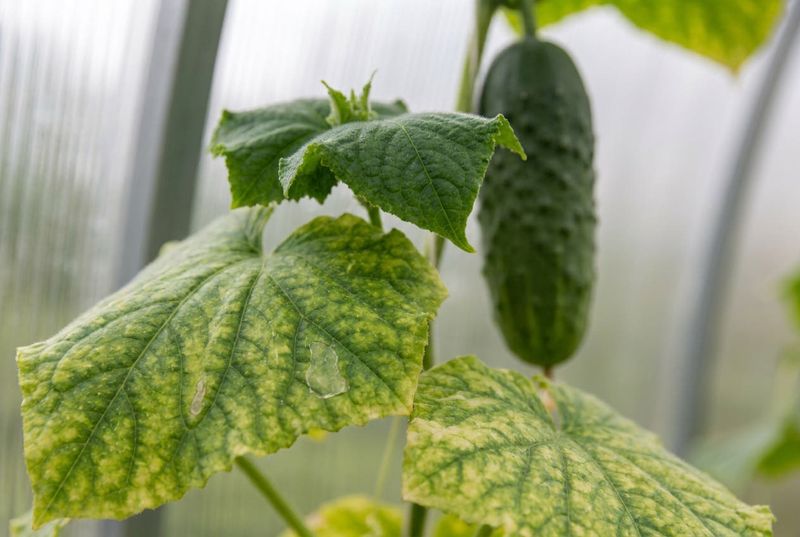
Yellow tissue spreading between veins that stay noticeably green is called interveinal chlorosis, and seeing it on the older, lower leaves of a cucumber vine gives you a reasonable starting point for investigation. Magnesium is a nutrient the plant can move from older tissue to younger, actively growing tissue when supplies run low, so deficiency symptoms tend to show up first where the leaves have been around the longest.
Light or sandy soils are more prone to magnesium loss through leaching, and beds that have received heavy potassium fertilization may also show reduced magnesium uptake because the two nutrients compete at the root surface. UGA Cooperative Extension guidance on vegetable nutritional deficiencies describes this older-leaf pattern as a characteristic sign of magnesium shortage in cucurbits.
That said, this section introduces a hypothesis, not a confirmed diagnosis. The symptom does not prove that the soil is exhausted or depleted, and August timing alone does not make nutrient depletion the likely cause. Plenty of other problems can produce a similar pattern, and the next steps are about narrowing down which one you are actually dealing with.
Which leaves turned yellow first?
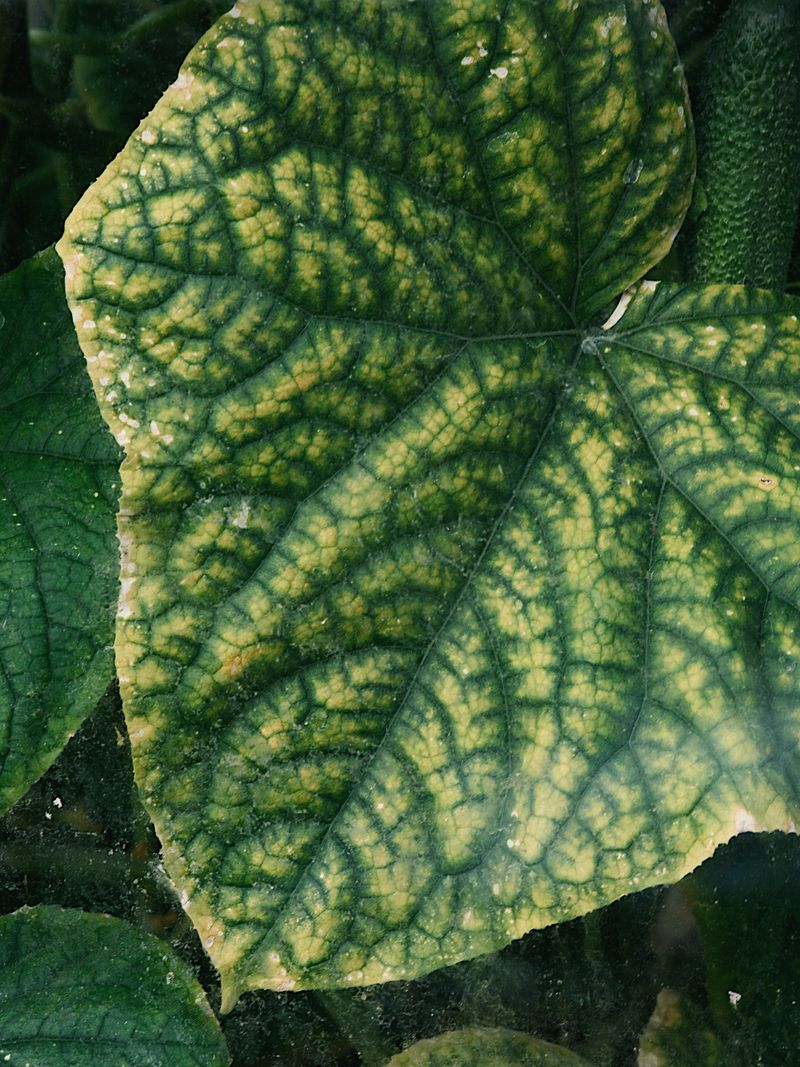
The single most useful first check is figuring out where on the plant the yellowing started. Walk the vine from the base toward the growing tip and note which leaves changed color first. Older leaves near the base showing interveinal yellowing while newer leaves near the tip stay green points toward magnesium deficiency, because magnesium moves freely within the plant and gets pulled toward younger tissue when there is not enough to go around.
Flip that pattern around and the diagnosis shifts. When the newest leaves near the growing tip show yellowing between their veins while the older leaves look relatively normal, iron deficiency becomes a stronger candidate. Iron does not move easily within the plant, so a shortage shows up first where demand is highest – in the youngest, fastest-growing tissue. UGA Extension’s vegetable nutritional deficiency guide explains this distinction between mobile and immobile nutrients and how leaf position helps separate them.
Nitrogen deficiency follows a different path altogether. Rather than producing sharply defined interveinal chlorosis, nitrogen shortage more commonly causes a generalized, even yellowing of older leaves without the green-vein contrast. If the whole leaf is fading uniformly, the diagnostic trail leads somewhere other than magnesium. Keep in mind that damaged roots or an abnormal soil pH can blur these patterns, so leaf age is a useful clue rather than a firm rule.
The underside of the leaf can change the diagnosis
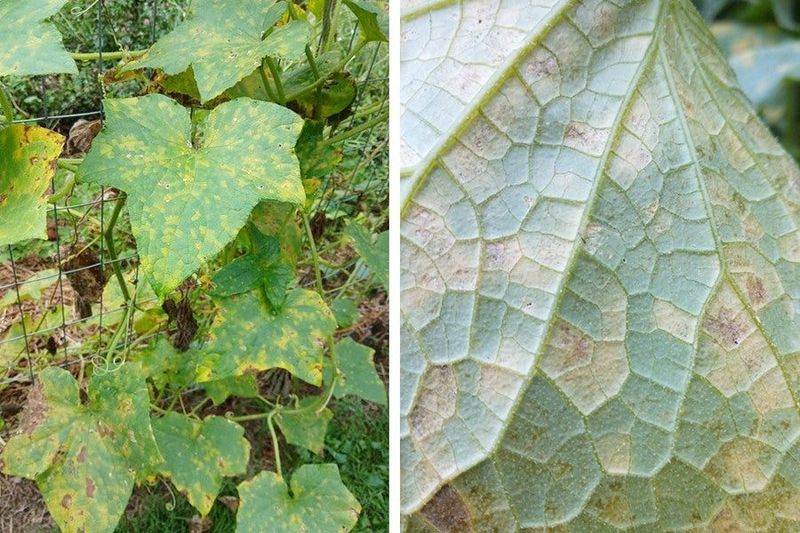
Before you reach for any fertilizer or soil amendment, turn the leaf over and look at the underside. This one step can completely change what you do next. Nutrient deficiencies produce a diffuse, relatively soft yellowing between the veins, and the underside of the leaf looks more or less normal. Downy mildew looks different from the start.
With downy mildew, the yellow or tan spots on the upper surface tend to be angular, with edges that stop sharply at the leaf veins rather than fading gradually. Flip the leaf and you may find a gray or purplish fuzz growing on the underside directly beneath those spots. University of Minnesota Extension’s guide to downy mildew of cucurbits identifies that sporangiophore growth on the leaf underside as the key distinguishing feature. Missing it and treating the plant for a nutrient deficiency instead would allow the disease to spread unchecked.
Downy mildew can become especially significant late in the growing season in parts of the eastern United States, particularly when weather turns wet or humid. That does not mean every angular mark in August is the disease, and it does not mean August yellowing is automatically a disease problem either. The shape of the lesion and the presence or absence of fuzz on the underside are what matter, not the calendar date alone. If you see the fuzz, pursue disease management rather than fertilizer.
Whole-plant clues point beyond a nutrient shortage
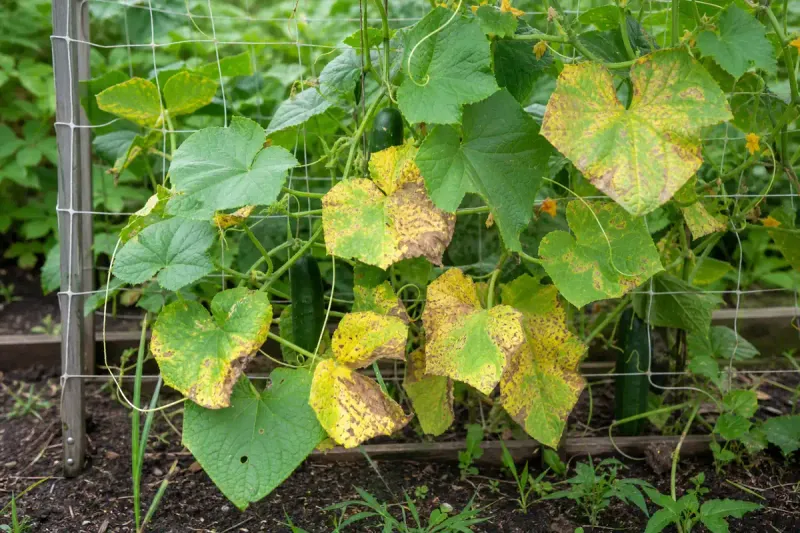
Interveinal yellowing on a few older leaves is one data point. The rest of the plant gives you more. Step back and look at the whole vine before deciding on a cause.
Stunted growth, leaves that are puckered, crinkled, or twisted, and a mosaic or mottled color pattern across the leaf surface suggest a virus rather than a nutrient problem. Penn State Extension’s resource on cucumber mosaic virus notes that symptoms like mosaic patterning and leaf distortion can resemble other problems and that visual diagnosis alone is often unreliable for virus diseases. Sudden wilting on otherwise healthy-looking stems points toward bacterial wilt or a root problem, not a mineral shortage.
Check the undersides of leaves for fine webbing or tiny moving specks that signal spider mites, and look along stems and growing tips for clusters of soft-bodied insects that could be aphids. Stippled, pale, or bronzed leaf tissue often accompanies mite feeding. University of Maryland Extension’s key to common cucumber problems covers this range of pests and diseases and how their symptoms differ from one another.
Pulling off every yellow leaf is not a universal fix. If the cause is nutritional or environmental, removing leaves does not correct the root zone. If a contagious foliar disease is involved, sanitation may help, but the approach depends on confirming what you are dealing with first. Let the diagnosis guide the response.
Water and roots determine what the plant can use
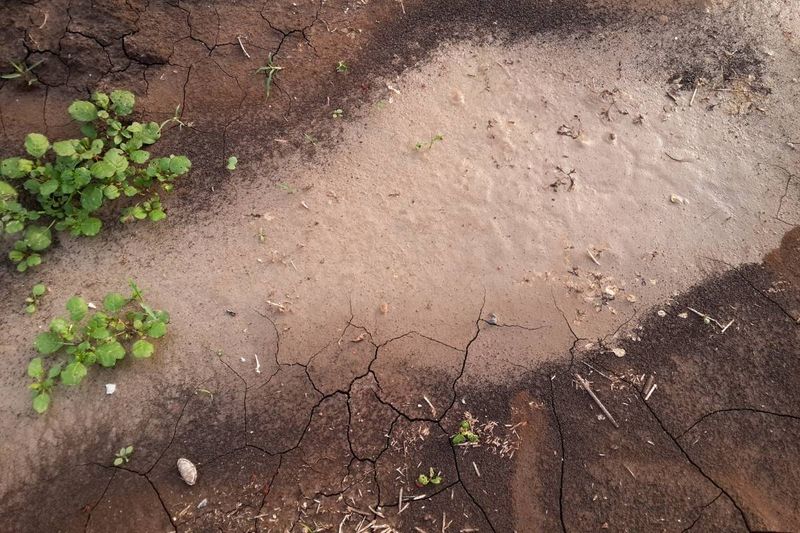
A nutrient can be sitting in the soil in adequate amounts and still never reach the plant. Root health and soil moisture are the delivery system, and when either is off, the plant shows deficiency symptoms even though the soil is not actually depleted.
Cucumbers have relatively shallow roots that need consistent moisture, but they are sensitive to waterlogged conditions. Soil that stays saturated for extended periods reduces the oxygen available to roots, and roots under low-oxygen stress lose their ability to take up nutrients efficiently. Iron chlorosis in particular can develop or worsen in poorly aerated soil, even when iron levels in the bed are adequate. Illinois Extension’s cucumber growing guide emphasizes that the soil should hold moisture well while also draining freely – those two qualities together support healthy root function.
Soil pH plays a closely related role. University of Minnesota Extension recommends a soil pH of approximately 6.0 to 6.5 for cucumbers. When pH climbs above that range, iron and manganese become chemically less available to roots even if the soil contains plenty of both. On the flip side, letting the bed dry out too severely between waterings stresses the plant directly and can interfere with nutrient uptake as well.
Even moisture without saturation is the target, and getting that right matters as much as what is in the soil.
Test the bed before reaching for fertilizer
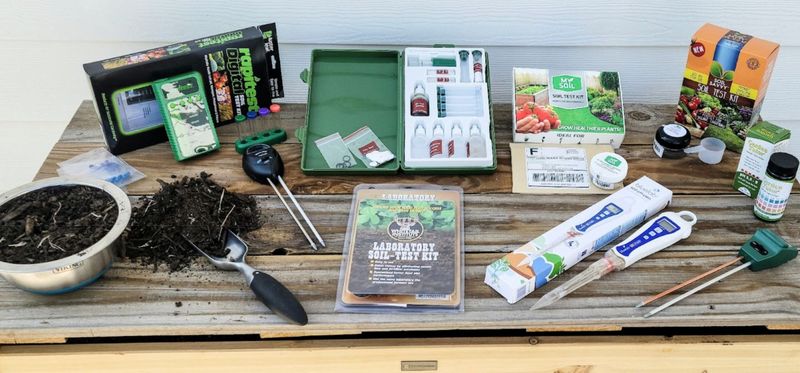
A soil test is the most direct way to find out what is actually happening in your bed before you add anything to it. Testing measures pH, major nutrient levels, and organic matter, and the results tell you whether a deficiency is real, whether a nutrient is already at adequate or excessive levels, and whether pH adjustment is needed. Without that information, you are guessing, and a wrong guess can make the problem worse.
University of Minnesota Extension’s soil testing guidance explains that testing prevents gardeners from adding nutrients that are already excessive and from applying products that do not address the actual limitation. If the soil test comes back normal but the plant still shows symptoms, a foliar or tissue test can provide a more direct look at what the plant is actually taking up. Tissue testing is particularly useful when root damage or pH problems may be preventing uptake of a nutrient that appears adequate in the soil.
The growing system matters here too. High tunnels and raised beds that have received repeated heavy amendments behave very differently from an in-ground field bed. Penn State Extension’s high-tunnel cucumber guide specifically recommends soil testing to prevent nutrient levels from building to excessive concentrations in protected growing systems. In those beds, the problem may be accumulation rather than depletion, and adding more of any nutrient without testing could push the imbalance further in the wrong direction.
Apply magnesium only when the evidence supports it
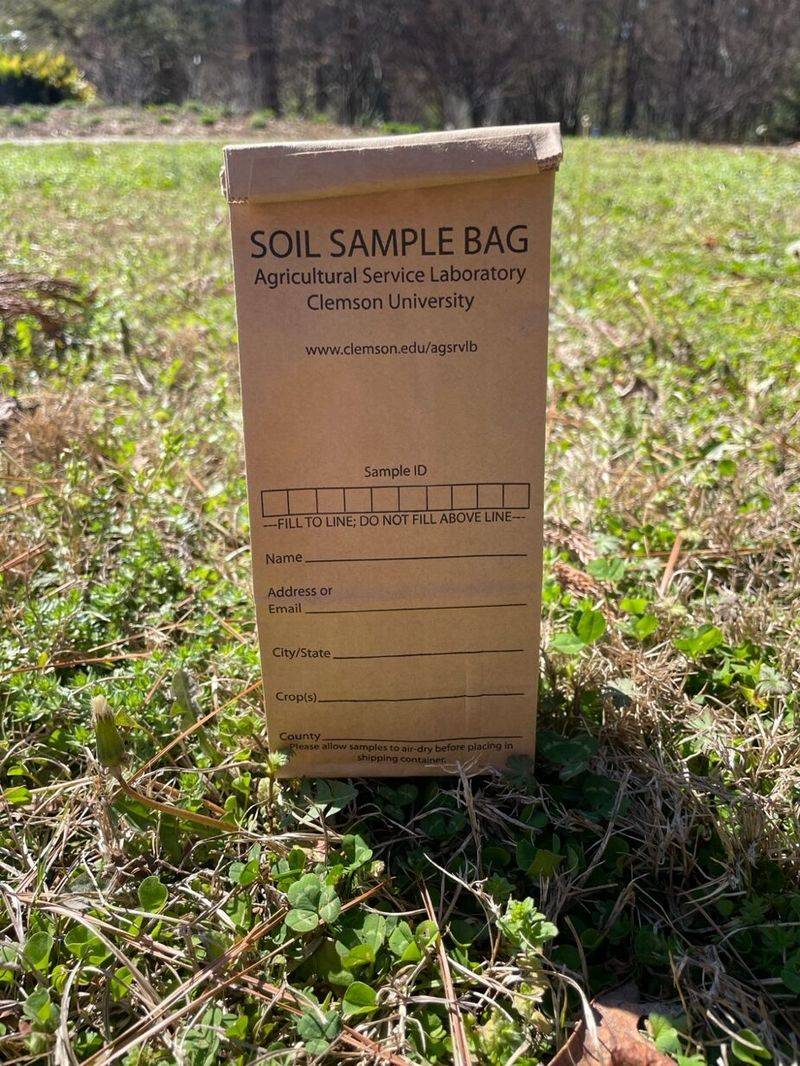
Once you have soil or tissue test results in hand, corrective action becomes much more straightforward. If the results confirm low magnesium, a magnesium-containing fertilizer or magnesium sulfate applied according to label directions can address the shortage. Follow the rate recommended by the test report or the product label, not an arbitrary amount, and keep granular products away from plant stems and wet foliage to avoid burn.
Dolomitic lime is sometimes suggested as a magnesium source, and it does supply magnesium, but it also raises soil pH. In a bed where pH is already at or above the preferred range for cucumbers, adding dolomitic lime could worsen iron availability and create a new problem while addressing the old one. Check the pH result before choosing a magnesium source. UGA Cooperative Extension’s vegetable nutrition guide notes that lime selection should account for pH needs, not just nutrient content.
Magnesium sulfate, sometimes sold as Epsom salt, is occasionally recommended as a quick fix for yellow cucumbers, but extension sources are consistent: it is a targeted input for confirmed magnesium deficiency, not a general remedy for yellow leaves. Oregon State University Extension’s nutrient management guidance makes clear that unnecessary fertilizer applications can injure plants, disrupt nutrient balance, and contribute to environmental problems. Adding nitrogen simply because leaves look yellow is equally problematic – nitrogen deficiency causes generalized leaf yellowing, not the sharp interveinal pattern that points toward magnesium or iron. Correct the confirmed cause, not the most visible symptom.
Build a healthier bed without overcorrecting
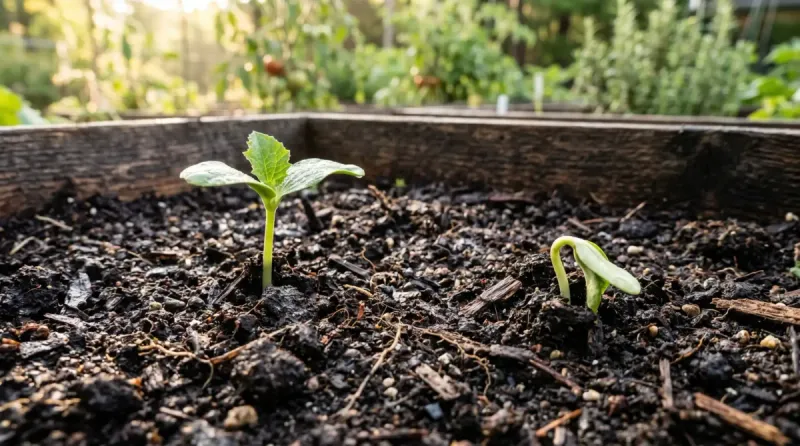
Long-term bed improvement and emergency symptom diagnosis are two separate conversations. Once you have addressed the immediate cause of the yellowing, turning your attention to the bed’s overall condition makes sense, but the goal is balance rather than simply adding more of everything.
Organic matter can improve soil structure, support beneficial microbial activity, and help the bed hold moisture more evenly – all of which support healthy root function. However, repeated or heavy compost applications can build excessive phosphorus, raise soil pH, or contribute to salt accumulation over time. University of Minnesota Extension’s guidance on correcting excessive compost and manure applications explains that these imbalances can create nutrient-uptake problems of their own, particularly in raised beds and high tunnels where amendments accumulate rather than leach away. More compost is not always the answer.
Maintain even moisture and good drainage through the rest of the season, and use your soil test results to guide any fall or pre-season amendments rather than applying products by habit. Monitor new growth after any correction – already-yellow leaves are unlikely to turn green again, but healthy new tissue emerging at the growing tip is a reliable sign that conditions are improving. Diagnose first, correct the confirmed cause, and let the plant’s new growth tell you whether the fix is working.