
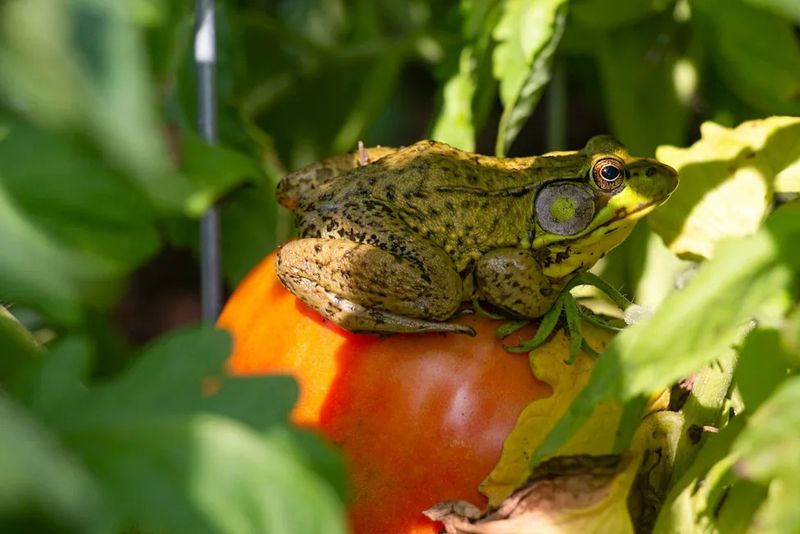
Summer in Central Texas brings scorching heat, and with it, grasshoppers that can shred a vegetable bed almost overnight. Native toads are real insect predators, and having them around the yard is genuinely good news for any gardener. But the relationship between a backyard pond, more toads, and fewer grasshoppers is more complicated than it first sounds. Understanding what toads actually do, and what drives grasshopper outbreaks, helps you build a smarter plan for protecting your tomatoes and squash when July turns brutal.
A pond will not make grasshoppers disappear
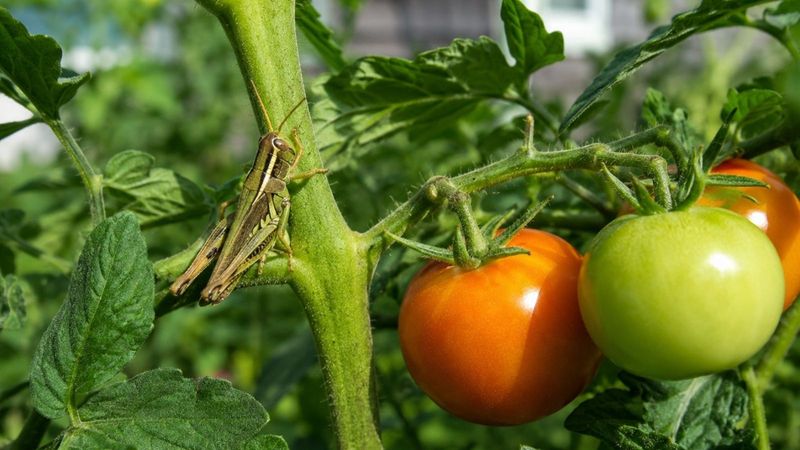
Grasshoppers are one of the most stubborn summer problems a Central Texas gardener can face, and the idea that adding a pond will tip the balance in your favor is understandable. Toads do eat insects, and a yard with water nearby may support more of them. The honest answer, though, is that no pond or toad population can be counted on to keep grasshoppers out of your vegetable beds.
Grasshopper outbreaks are driven by forces that operate well beyond your property line. Texas A&M AgriLife Extension’s grasshopper management guidance explains that populations build during hot, dry summers and warm autumns, conditions that describe a typical Central Texas season almost every year. Grasshoppers reproduce rapidly, lay eggs from midsummer through fall, and adults regularly move in from surrounding rangeland, roadsides and vacant lots. A yard that looks clean and managed can still be invaded by hoppers that hatched somewhere else entirely.
Natural enemies, including birds, parasitic flies and predatory insects, do put some pressure on grasshopper numbers. Toads add a bit more, mainly after dark when they are most active. But when populations are large and conditions favor rapid reproduction, predators of all kinds struggle to make a measurable dent. That reality calls for a layered approach: habitat that supports beneficial wildlife, a cleaner zone around vulnerable plants, regular monitoring, and thoughtful decisions about treatment.
A pond can be one useful piece of that plan, but treating it as a grasshopper solution sets expectations that the biology simply cannot meet.
What toads can—and cannot—do for a vegetable garden
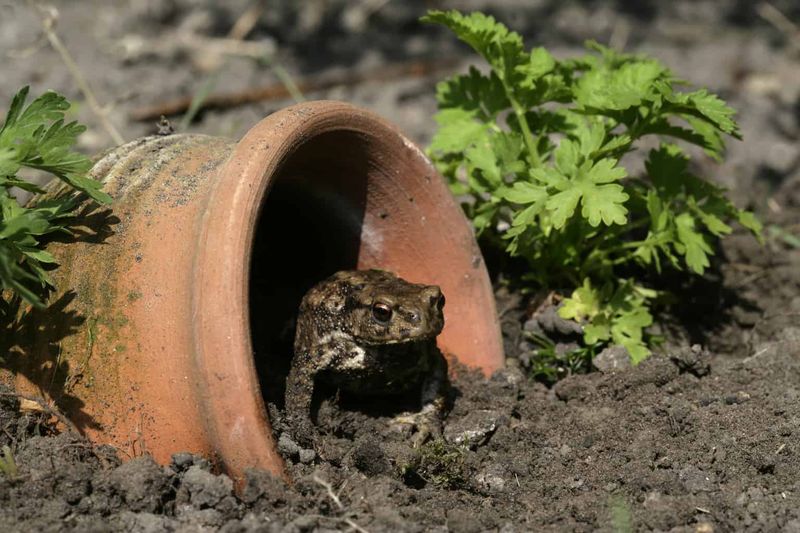
Adult toads are legitimate insect hunters, and that much of the garden folklore is true. They sit quietly through the day and become active around dusk, working through the night and consuming whatever invertebrates cross their path. Indiana DNR’s American toad profile lists insects, spiders, worms, slugs and other small invertebrates as standard toad fare, and grasshoppers appear in the documented diet of some species, including western toads studied in North America.
That documentation matters, but it only goes so far. Toads are generalist predators, meaning they eat whatever is available and catchable, not whatever the gardener most wants eliminated. A toad working your garden at night may eat a grasshopper, or it may eat several beetles, a few ants, a slug and a spider before moving on. No published research quantifies how many grasshoppers a typical Central Texas toad removes from a vegetable bed across a season, so any specific number you may have heard should be treated with skepticism.
The broader educational estimate that a toad can consume a large number of insects daily reflects general feeding capacity, not a measurement of grasshopper control in a Texas garden. Daily intake shifts with species, body size, temperature and what prey happens to be active. A cool, wet night may produce a productive hunting session; a hot, dry stretch may see the toad sheltering rather than foraging. What the biology does support is this: a yard with healthy toad activity carries some supplementary nighttime predation on a range of pest insects, and that is a real, if modest, benefit worth encouraging.
Build habitat, not just a pond
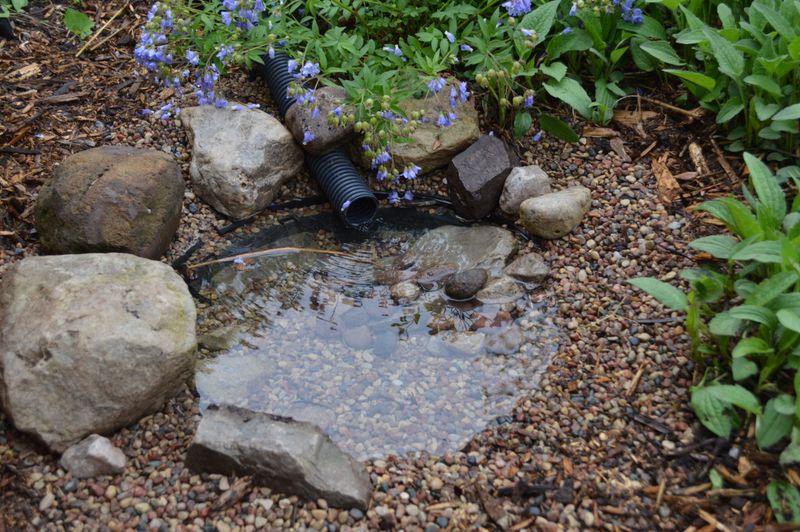
A pond alone does not make a yard toad-friendly. Think about where a toad actually spends most of its life: pressed under a flat rock in the morning, tucked into loose soil beside a raised bed during the afternoon, hunting along a mulched path after dark. Water matters for breeding and hydration, but the surrounding land is where toads live day to day.
Animal Diversity Web’s profile of the American toad describes daytime shelter in leaf litter, under logs, in loose or moist soil and among dense vegetation as essential habitat features. A yard that offers all of those things alongside accessible water gives toads a reason to stay rather than pass through. A bare, sun-baked ornamental pond surrounded by exposed lawn offers almost nothing useful beyond the water itself, and the water may not even be the right depth or temperature for breeding.
Native plants play a double role here. They provide the layered structure toads need for cover while also supporting the beetles, moths and other invertebrates that make up most of a toad’s diet. Dense plantings near the pond edge, a loose pile of flat stones, a section of yard where leaves are allowed to accumulate through the season: these additions cost little and improve the yard for toads and for a wide range of other beneficial wildlife.
One thing worth keeping in mind: seeing more toads in your yard during a wet summer does not necessarily mean the toads are reducing pest numbers. Warm, vegetated conditions with abundant moisture support both toads and many of their prey species. More toads may simply reflect a productive habitat, not a yard where grasshoppers are being held in check.
Design a cautious Texas wildlife pond
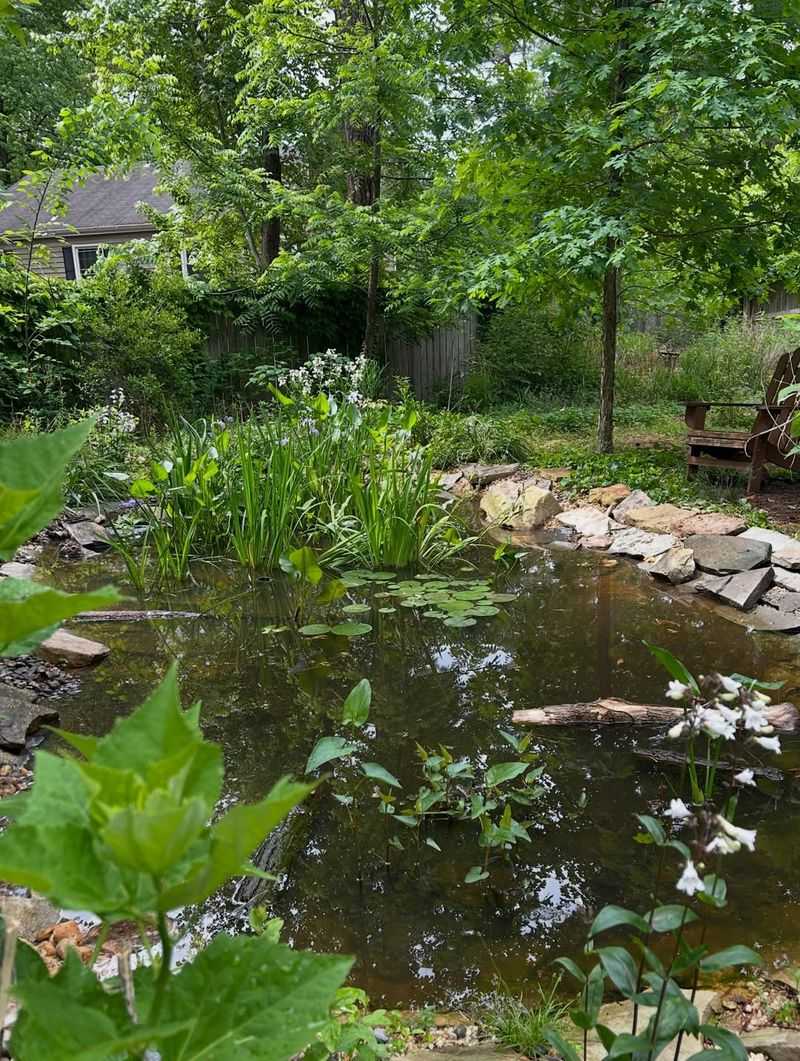
Pond design matters more than pond size. A deep, steep-sided ornamental pool filled with goldfish or koi may look attractive, but it offers little to native amphibians and can actively harm them. Fish are efficient predators of tadpoles and eggs, and steep walls prevent toads from climbing out after they enter the water. Getting the basic features right makes a meaningful difference.
Texas Parks and Wildlife Department’s Houston toad species page describes shallow ponds or temporary water sources that persist for at least 30 days as suitable breeding habitat, along with the importance of keeping predatory fish out of those sites. That guidance applies specifically to the Houston toad, a federally endangered species with a restricted range in portions of east-central Texas. Most Central Texas yards are outside Houston toad territory, and readers should not assume their pond visitor is this protected species. Still, the design principles – shallow water, easy entry and exit, no predatory fish – translate well to general amphibian-friendly pond building.
Temporary water is worth taking seriously as well. A seasonal pool that fills after rain and holds water for several weeks can be more valuable to some amphibians than a permanent pond maintained through a dry summer. Permanent ponds require more management, can concentrate predators and may favor species that are not the native toads you hope to support.
Practical additions that improve a small pond include a gently sloping stone or gravel entry ramp, emergent native plants along the shallow margin and a shaded north-facing edge that keeps water temperatures from spiking during triple-digit afternoons. Skip the aerators and fountains for now; still, shallow water with natural vegetation provides more amphibian value than an engineered water feature.
Protect vegetables with separate habitat zones
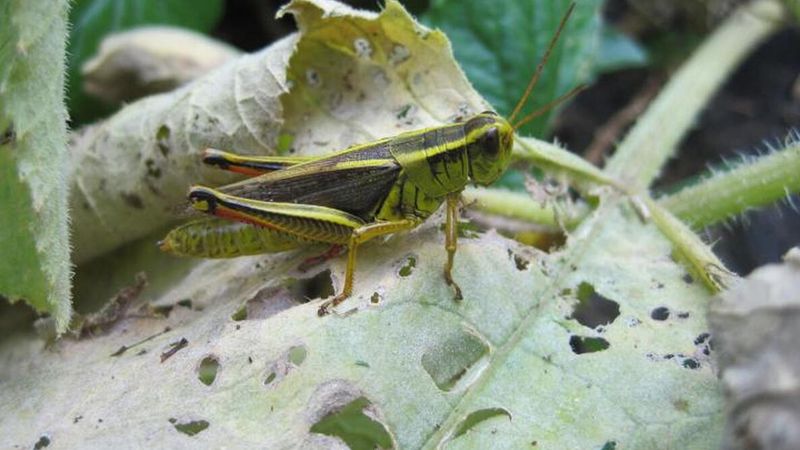
Keeping toads happy and keeping grasshoppers off your tomatoes are related goals, but they need different spaces. Grasshoppers thrive in tall grass and weedy patches, so leaving those areas right next to your squash or peppers can draw pests directly to the plants you are trying to protect. Texas A&M AgriLife’s grasshopper control publication recommends reducing tall weeds and grass immediately around plants that need protection, and that advice pairs well with a wildlife-friendly yard design.
The practical layout looks like this: a cleaner, lower-vegetation buffer of several feet around your vegetable beds, and then a less-manicured wildlife zone further out near the pond, a fence line or a back corner of the yard. Toads that shelter in the wilder area will still hunt outward from it at night, and that nighttime activity may bring some predation pressure toward the garden. You get the wildlife benefit without creating a grasshopper nursery beside your raised beds.
Monitoring is the other half of this approach. Walk your beds every few days during peak summer heat and look at the plants, not just the ground. Chewed leaf margins, missing foliage and the characteristic ragged edges of grasshopper feeding are easier to address early than after a large population has settled in. Count the insects you see per plant or per row, note whether the numbers are climbing and track where damage is concentrated.
Texas A&M’s sampling categories range from non-economic pressure through light, threatening, severe and very severe levels. Those thresholds were built for rangeland and cropland operations, so they are not a precise prescription for a backyard vegetable garden. What they do support is the general habit of inspecting and estimating before deciding to treat, which is far better than reacting to the first grasshopper you spot.
Avoid shortcuts that injure amphibians
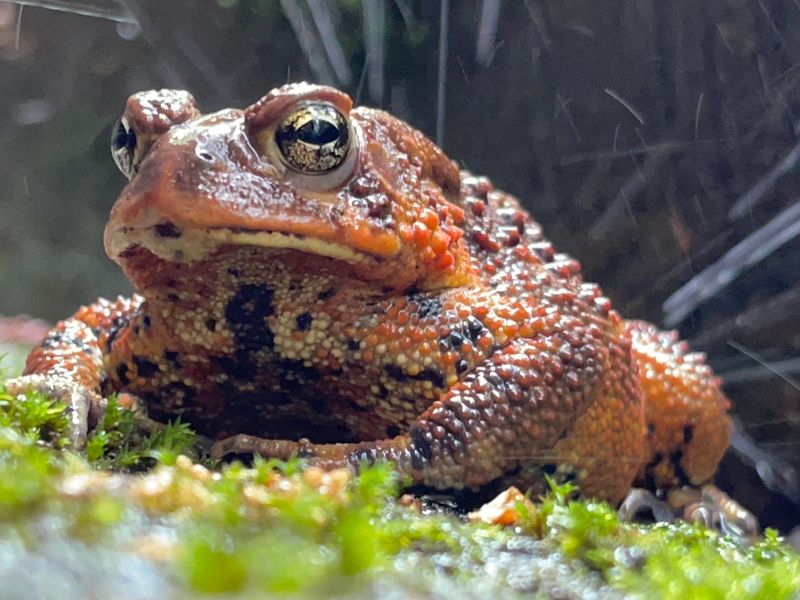
Pesticides and amphibians are a genuinely poor combination, and the harm is not always obvious. Toads do not drink water the way mammals do; they absorb moisture and dissolved chemicals directly through their skin. A pesticide applied near a pond, washed into the water by rain or left as a residue on moist soil can reach a toad without the animal ever contacting the spray directly.
EPA research on pesticide uptake in frogs documents how chemicals enter amphibian bodies through dermal absorption, and a USGS study on insecticides in experimental ponds found that even field-realistic concentrations can alter amphibian community dynamics and affect tadpole behavior. These effects may not be immediately visible. A toad that looks fine after pesticide exposure may have reduced feeding activity, impaired reproduction or a weakened immune response that plays out over weeks.
The practical takeaway is straightforward: treating the vegetable bed with a broad-spectrum insecticide and then counting on nearby toads to handle the rest is not a workable plan. If you decide to treat, use the most targeted option available, apply it only where the pest damage is concentrated and keep applications well away from the pond, any drainage path that leads to it and the moist soil where toads shelter during the day. Read the label for pollinator and wildlife precautions before you open the container.
One more precaution belongs in any toad-friendly yard: keep dogs from mouthing or picking up toads. Native Texas toads produce bufotoxins from glands behind their eyes, and while a brief contact is usually not a crisis, a dog that mouths a toad can experience excessive drooling, pawing at the face or more serious symptoms. Supervise curious dogs around the pond area, especially at dusk when toad activity picks up.
Leave wild toads where you find them
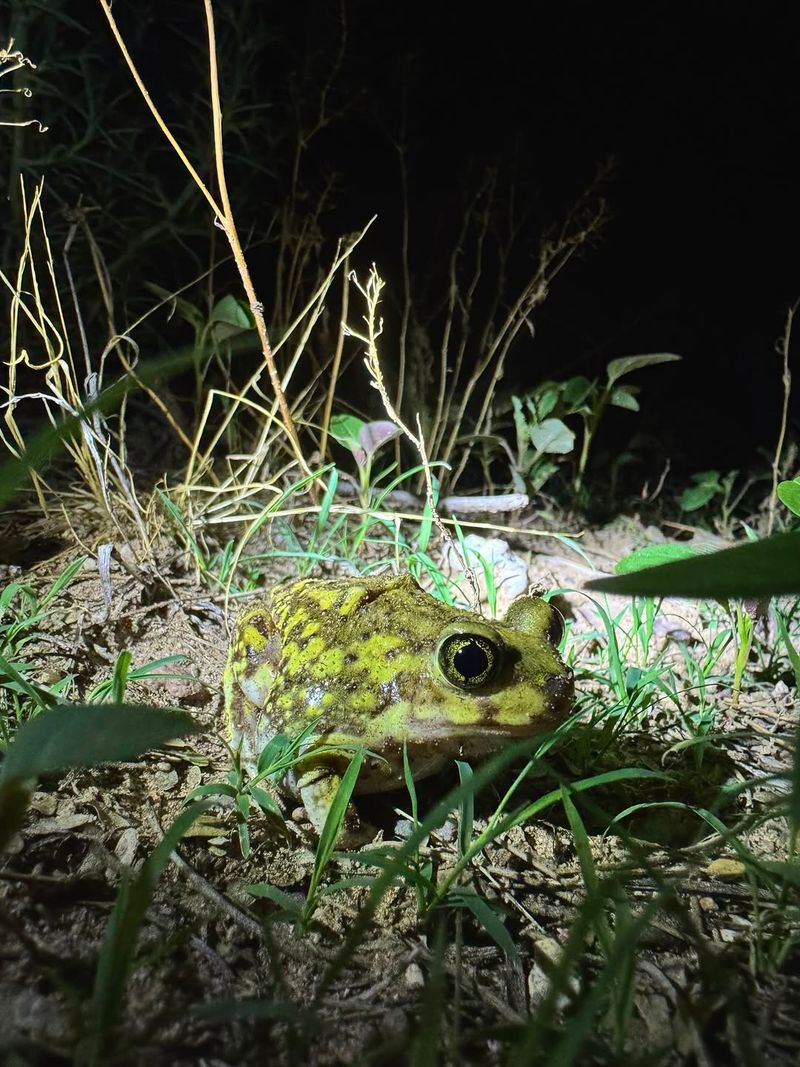
Buying toads online, catching them from a creek and releasing them at your pond, or moving a toad from one part of the yard to another may seem like helpful shortcuts to building a toad population. Texas wildlife law draws a clear line here. TPWD’s frogging rules and amphibian handling guidance explains that capturing, possessing or transporting wild animals in Texas requires a license or permit for most species, and that handling federally listed species such as the Houston toad without appropriate federal authorization is prohibited. Releasing animals you purchased or caught elsewhere into your yard does not sidestep those requirements.
Beyond the legal question, moving amphibians between locations carries a serious biological risk that operates independently of any permit issue. TPWD’s chytrid fungus and ranavirus guidance explains that both pathogens have been documented in Texas and that transferring amphibians, pond water or equipment from one site to another can introduce or spread disease. Chytrid fungus has contributed to amphibian population collapses around the world, and ranavirus can move through a population quickly once it arrives.
The practical rules are simple: do not move toads, do not transfer water between ponds, and clean and dry nets, boots, containers and any other equipment that contacts one water body before using it at another. If you are involved in pond restoration or amphibian monitoring projects, follow the decontamination protocols recommended by TPWD or your local wildlife agency.
Toads that find your yard on their own are the ones you want. A yard with good shelter, accessible water and low pesticide exposure will attract native toads without any human-assisted stocking, and those animals will be locally adapted, legally present and disease-free when they arrive.
Use toads as one useful layer of pest management
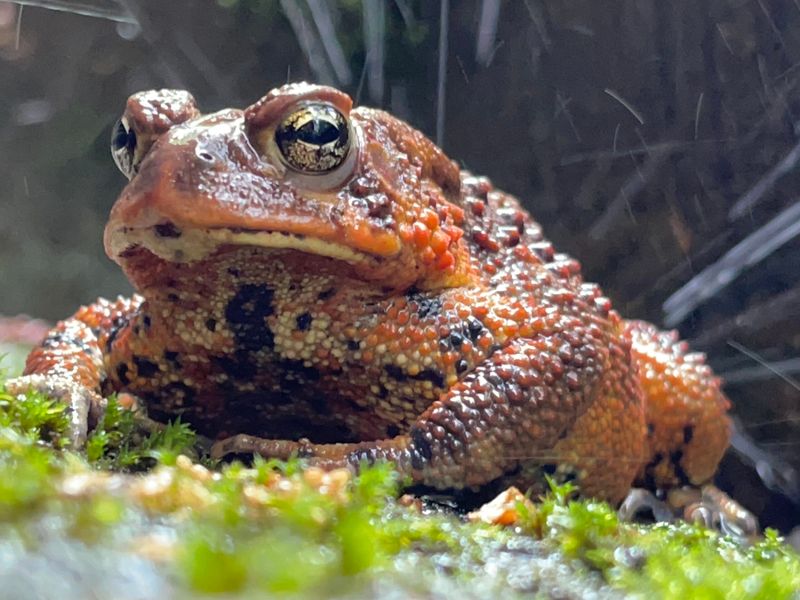
Pulling all of this together looks less like a single fix and more like a series of small, compatible decisions. Native toads are real allies in a summer garden, active at night and willing to eat a wide range of invertebrates including the grasshoppers that chew your pepper plants. Encouraging them with good habitat is a reasonable, low-cost investment that improves the yard for other wildlife at the same time.
The honest limit of that investment is that toads work best as one layer among several. Texas A&M AgriLife’s grasshopper research notes that natural enemies help regulate populations during ordinary years but have little measurable effect when outbreaks are large. During a genuine outbreak, toads, birds and parasitic insects together cannot stop a population that has built up across a hot, dry summer. Accepting that limit is not pessimistic; it is the starting point for a plan that actually works.
The layered approach combines habitat design, a clean buffer around vulnerable beds, regular scouting, and careful, targeted treatment decisions when monitoring shows damage is climbing. Wildlife agency guidance on toad biology supports thinking of toads as supplementary nighttime predators, not a guarantee. Success in this framework looks like a healthier, more wildlife-rich yard with lower average pest pressure over the course of a season, and that is a genuinely worthwhile outcome. A yard full of toads hunting through the night is good company for any Texas gardener, even when the grasshoppers still show up uninvited.