
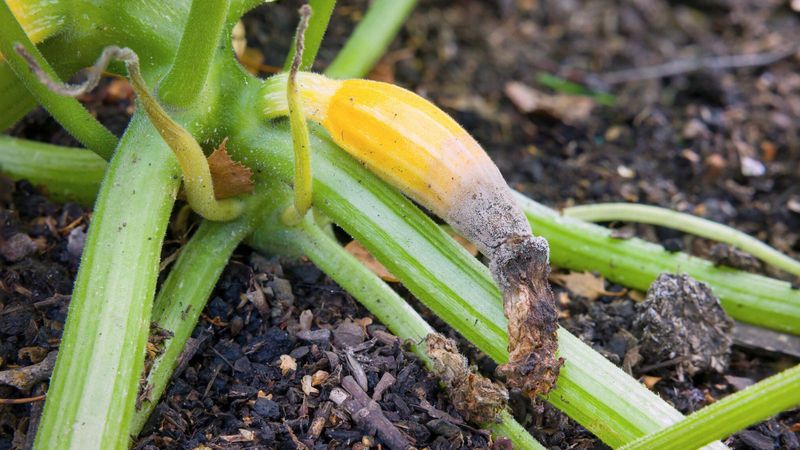
Watching a young zucchini turn brown and mushy at the blossom end, right when harvest season should be hitting its stride, is genuinely frustrating. That soft, discolored tip could point to a few different problems, and blossom-end rot is only one of them. Getting the diagnosis right matters because the fix for a calcium-delivery disorder looks nothing like the fix for a wet-weather fungal rot or a pollination failure. The good news is that once you know what you are dealing with, most of the corrective steps are straightforward and doable right now.
A blossom-end lesion does not identify its cause
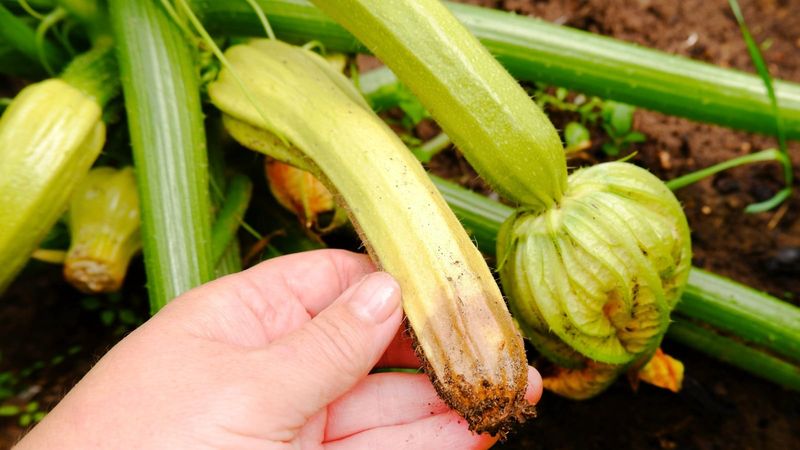
Spotting a brown, sunken area at the end of a zucchini opposite the stem can feel like an obvious diagnosis, but the location alone does not tell you what went wrong. Utah State Extension’s blossom-end rot guide describes classic blossom-end rot as beginning with a small water-soaked or discolored spot at that blossom end, which can enlarge into a dark brown or black, sunken, leathery patch. Secondary fungi and bacteria may later colonize that dead tissue, making a previously dry lesion appear genuinely soft or wet, which can muddy the picture further.
Primary fruit rots, by contrast, can produce soft, water-soaked decay at the blossom end without any underlying calcium-delivery problem. The two conditions can look nearly identical at a glance, yet they call for different responses. Before assuming blossom-end rot, take a closer look at a few specific clues.
Check the texture of the affected area: a classic blossom-end disorder tends to produce a dry, firm-to-leathery lesion first, while primary fungal or bacterial rot often starts soft and wet. Note whether fuzzy growth is present, whether recent weather has been prolonged and rainy, whether the flower itself appears to have decayed, and whether the fruit is resting against the soil. According to the University of Minnesota’s summer squash fruit-rot diagnostic tool, several distinct diseases can cause zucchini fruit to rot, and each one has its own pattern worth checking before choosing a treatment.
Blossom-end rot reflects calcium delivery, not necessarily low soil calcium
Blossom-end rot is a physiological disorder, not an infectious disease, which means it cannot spread from one plant to another. Oregon State Extension’s blossom-end rot fact sheet confirms this distinction clearly. Knowing that matters because it changes where you focus your attention: on the root zone and water supply, not on isolating or treating the plant itself.
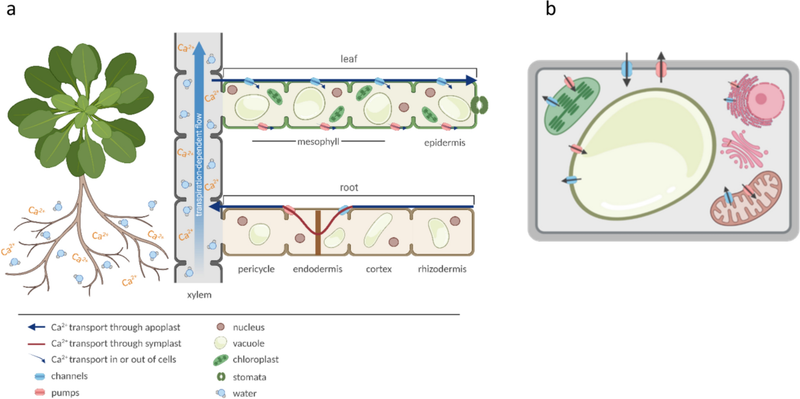
The disorder is associated with impaired calcium delivery during rapid fruit development, often linked to disrupted water movement and environmental stress. Calcium travels primarily through the plant’s xylem, carried by the flow of water from roots to shoots. When that flow is interrupted, the rapidly developing fruit at the end of the plant may receive too little calcium to build healthy cell walls, and the tissue breaks down.
University of Georgia Extension’s calcium nutrition guide explains that soil calcium may be perfectly adequate while the fruit still suffers, because drought, fluctuating moisture, root injury, waterlogged soil, high fertilizer salinity, or competing nutrients can all interfere with uptake and transport. Reaching for a calcium spray or a soil amendment before understanding what disrupted delivery in the first place is unlikely to help and may complicate things. The real leverage is in stabilizing the conditions that allow water, and the calcium it carries, to reach the fruit consistently.
Stabilize root-zone moisture for future fruit

Consistent root-zone moisture is the single most practical lever available to a home gardener managing blossom-end rot. The goal is not to keep the soil constantly wet but to avoid the swings between dry and saturated that disrupt water flow through the plant. University of Minnesota Extension’s vegetable irrigation guidance recommends watering thoroughly when the soil begins to dry rather than applying frequent, shallow sprinkles that wet only the top layer.
Shallow watering encourages shallow roots, which are more vulnerable to both drought stress and surface-heat fluctuations. A deeper, less frequent watering approach encourages roots to grow downward where soil moisture is more stable. Check the soil at root depth, a few inches down, before deciding whether to water, rather than relying solely on surface appearance or a fixed calendar schedule.
A rough benchmark of about one inch of water per week is sometimes cited for home vegetable gardens, but University of Minnesota’s tomato-growing resource notes that sandy soil, container growing, summer heat, active rainfall, mulch, plant size, and drainage all change actual water needs. Organic or plastic mulch applied around the base of the plant, kept clear of the crown and stem, can buffer soil temperature and slow moisture loss between waterings. Minnesota Extension’s tomato disorder guide supports mulching as a practical step to reduce the moisture swings that contribute to blossom-end problems.
Protect roots and test before changing the soil
Root health is directly tied to calcium delivery, so anything that damages roots can contribute to blossom-end problems even when water supply seems adequate. Avoid cultivating, hoeing, or digging close to the base of established zucchini plants. University of Minnesota Extension’s guide on garden amendments notes that root damage interferes with water and nutrient uptake, and it specifically cautions that crushed eggshells decompose too slowly to correct a calcium-delivery problem and do nothing to address disrupted water transport.
Fertilizer choices matter here, too. Excess nitrogen pushes rapid leafy growth, and that fast growth can increase the plant’s calcium demand faster than delivery can keep up. University of Georgia Extension’s nutrient management bulletin identifies heavy, unneeded nitrogen fertilization as a factor that can worsen blossom-end problems. High fertilizer salt concentrations can also inhibit calcium uptake even when calcium is present in the soil.
Before applying lime, gypsum, calcium fertilizer, or any other soil amendment, get a soil test. University of Georgia Extension’s soil-testing guide makes clear that amendments are appropriate when testing identifies a genuine deficiency or pH problem, not simply because blossom-end symptoms appeared. Adding calcium to already adequate soil will not help and may create new imbalances. Testing first also points to drainage and pH issues that might be the real underlying factor.
Utah State Extension’s soil preparation guidance reinforces the value of testing before making changes to garden soil.
Use weather and appearance to check for wet-weather rot
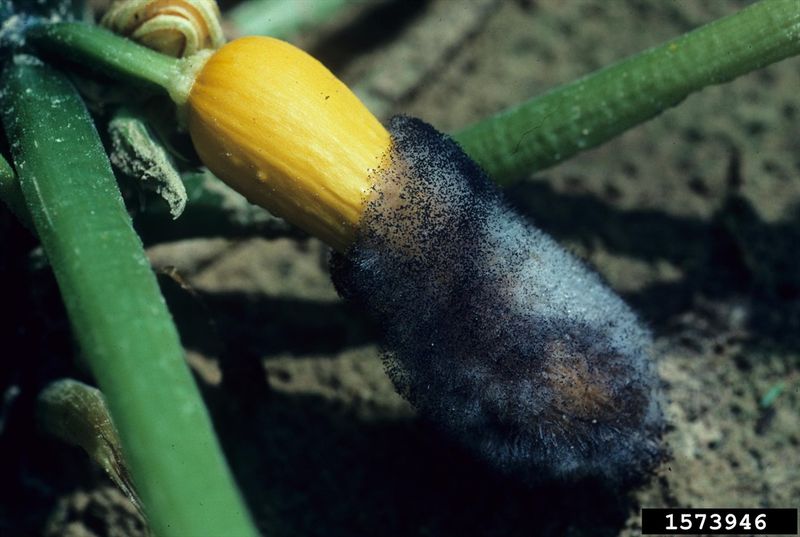
Not every soft, brown blossom end on a zucchini points back to a calcium problem. After stretches of rainy, humid weather, a different culprit becomes much more likely: Choanephora wet rot, a fungal disease that can produce soft, water-soaked decay at the blossom end and may show fuzzy white growth that darkens to purple or black. University of Minnesota Extension’s Choanephora rot guide identifies this disease as one that commonly begins in the flower and works its way into the developing fruit, especially when conditions stay wet for extended periods.
The practical distinction matters because Choanephora and similar fungal or bacterial rots call for a disease-management response, not a calcium or watering adjustment. If the decay started in or around the flower, if fuzzy growth is visible, or if the problem appeared suddenly after several days of rain, blossom-end rot is a less likely explanation. Applying calcium sprays or adjusting irrigation will not address a fungal infection.
Other fruit rot patterns are worth knowing as well. The University of Minnesota’s summer squash diagnostic tool lists additional possibilities, including decay that begins where the fruit contacts the soil and lesions that appear on the sides or upper surface of the fruit rather than only at the blossom end. Oregon State Extension’s squash-growing tips suggest keeping fruit off wet soil when possible as a practical precaution. Each of those patterns points toward a disease assessment rather than an automatic assumption of calcium-delivery failure.
Check pollination when young zucchini stops developing
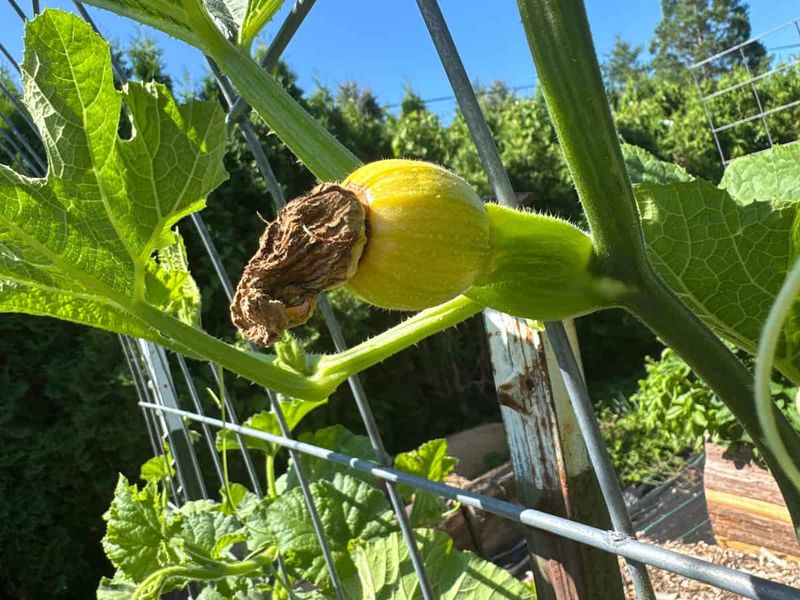
Young zucchini that stops growing, shrivels, or begins to decay without showing a classic dark, dry, leathery lesion may be pointing to a pollination problem rather than a nutrient or water issue. University of Minnesota Extension’s summer squash guide explains that zucchini requires successful pollination for fruit to develop properly, and when pollination is incomplete or absent, the fruit may abort early.
The clues that suggest poor pollination rather than blossom-end rot include fruit that remains very small, becomes noticeably misshapen or narrower at one end, or begins to shrivel and yellow within a day or two of flowering. Colorado State Extension’s vegetable problem guide lists pollination failure as a common reason zucchini fruit fails to size up, particularly when bee activity in the garden is low.
Colorado State Extension’s cucurbit disorder reference notes that periods of extreme heat, cold nights, or reduced pollinator activity can all contribute to incomplete pollination in cucurbits. Adjusting calcium, irrigation, or soil amendments will not correct this kind of fruit failure. If pollination seems likely to be the issue, the practical steps involve supporting pollinator habitat, hand-pollinating early-morning female flowers when needed, and ensuring that both male and female flowers are present and open at the same time.
Remove unrecoverable fruit and keep new flowers drier
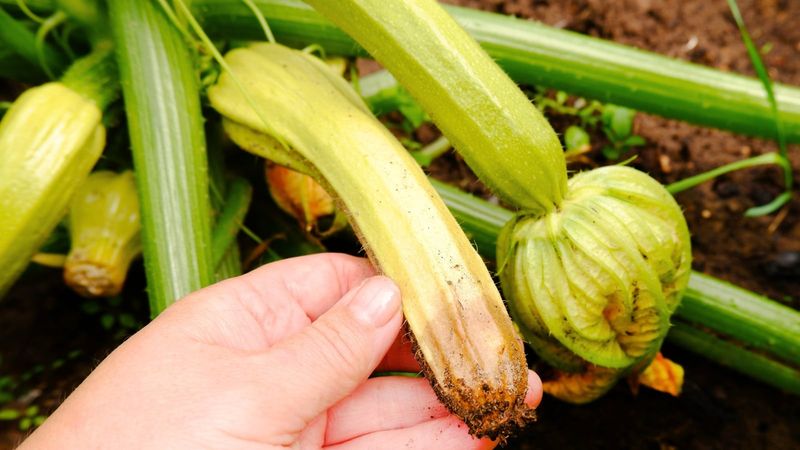
Once zucchini tissue at the blossom end is damaged, whether from a physiological disorder or secondary microbial colonization, it will not recover or return to normal. University of Minnesota Extension’s tomato and cucurbit disorder guide advises removing affected fruit that clearly will not develop into a usable harvest. Removal does not cure the underlying plant, but it eliminates tissue that will not recover and allows the plant to direct energy toward producing new fruit.
How you water going forward can also reduce the risk of fungal problems on new flowers and developing fruit. Watering at the soil surface or root zone, rather than overhead, keeps flowers and foliage drier. University of Minnesota Extension’s Choanephora rot resource and Oregon State Extension’s squash-growing tips both point to wet flowers and foliage as conditions that favor fungal disease, especially during humid or rainy stretches in August.
Calcium sprays applied to damaged fruit or to leaves are not a reliable rescue. University of Georgia Extension’s blossom-end rot summary states clearly that the damaged tissue is irreversible and that management is aimed at reducing the problem in fruit that develops later, not at saving what is already affected. Clip out the failed fruit, refocus on even soil moisture, and protect new flowers from unnecessary wetness.
Match the remedy to the next fruit’s symptoms
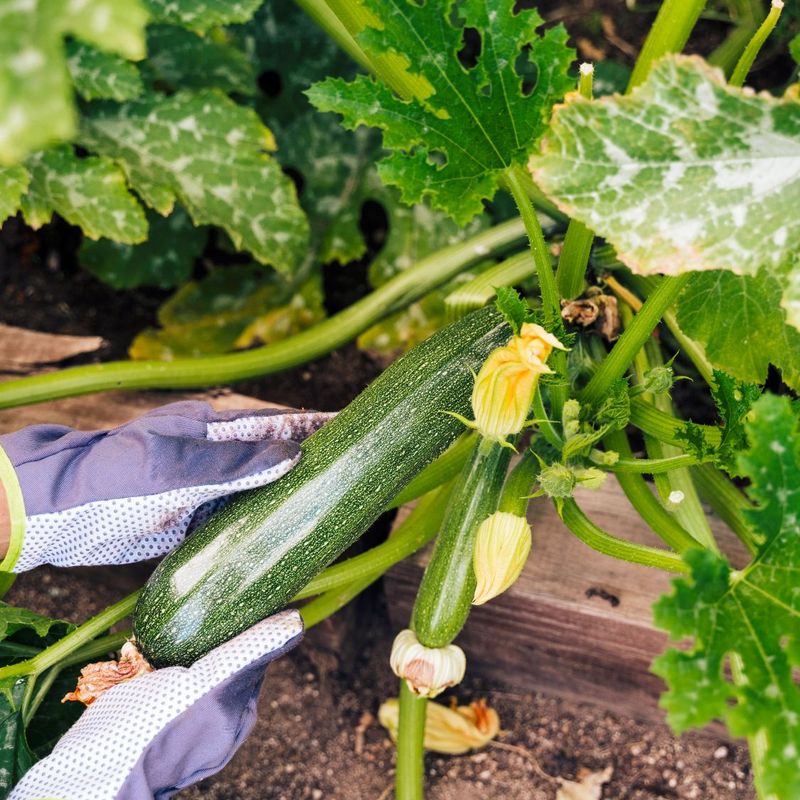
A dark, sunken, dry-to-leathery lesion at the blossom end, appearing on fruit that was otherwise developing normally, supports a blossom-end-rot response. That response centers on even root-zone moisture, intact roots, adequate drainage, and fertilization guided by a soil test, as Utah State Extension’s blossom-end rot notes outline.
Fuzzy growth, soft water-soaked decay following prolonged wet weather, or fruit that aborts while still tiny and misshapen each call for a separate diagnosis. University of Minnesota’s Choanephora rot guide and their summer squash growing guide cover those alternative causes in more detail. Applying calcium amendments to a fungal rot or a pollination failure will not help and delays identifying the real problem.
University of Georgia Extension’s plant disease management bulletin reinforces that no treatment restores tissue that is already damaged. The realistic and achievable goal is to improve the conditions under which your next round of zucchini fruit develops. A plant that gets consistent moisture, healthy roots, and appropriate fertility can often move past a rough patch and deliver a solid late-summer harvest.