
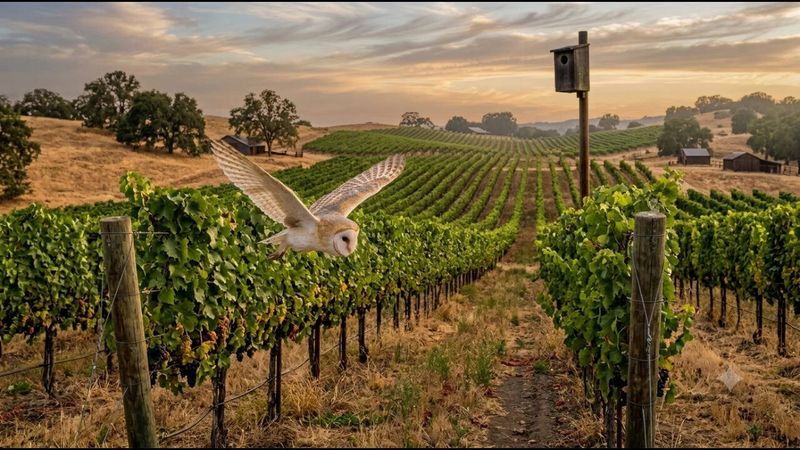
Barn owls have a reputation in California as nature’s best rodent hunters, and that reputation is not entirely wrong. A nesting pair can consume an impressive number of mice, voles, and gophers over a season, making them genuinely useful allies on the right property.
But the idea that cutting down a dead tree is what keeps them away oversimplifies a much more interesting story. Understanding what barn owls actually need, and what you can realistically offer them, is the first step toward making your yard a place they might actually use.
Barn owls need open hunting habitat and a safe cavity
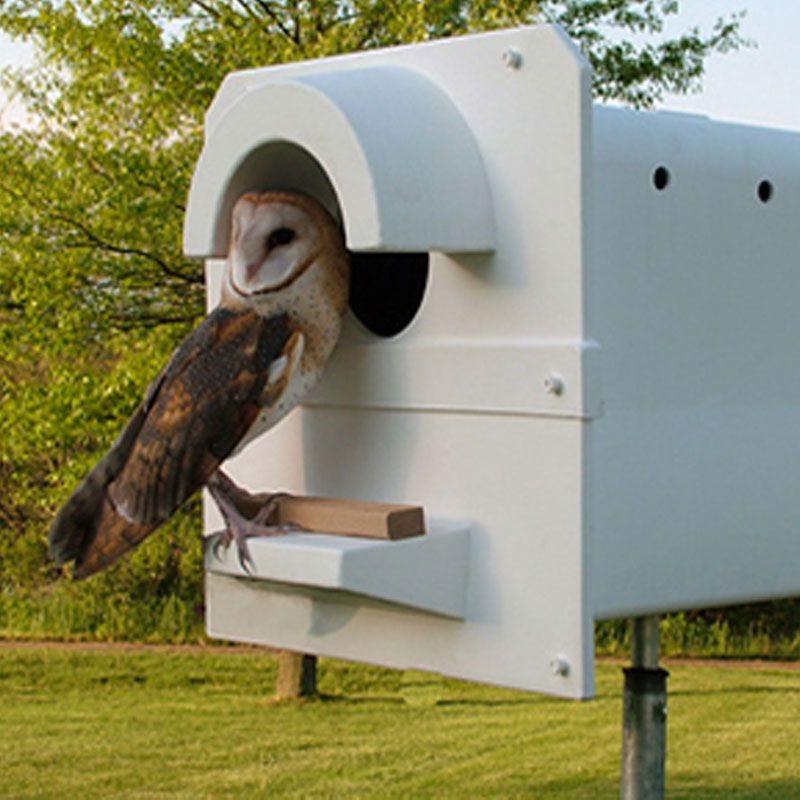
Barn owls are built for open country. They fly low and slow over grasslands, fields, marshes, agricultural edges, and undeveloped parcels, using their dish-shaped faces like living satellite dishes to pinpoint prey by sound in near-total darkness.
Cornell Lab’s barn owl life history describes their preferred foraging habitat as open areas with low vegetation, where mice and voles move within reach of a silent, low-altitude pass.
A densely planted ornamental yard, with shrubs pressed against the house and ground cover blocking sight lines, offers much less useful hunting ground than a property that borders a park, an undeveloped hillside, a dry creek corridor, or agricultural land. That does not mean a suburban homeowner has no chance of attracting barn owls, but it does mean that landscape context matters at least as much as anything you do in your own yard.
Nesting habitat is the second factor, and this is where dead trees often enter the conversation. Barn owls are cavity nesters that use large hollow trees, barn lofts, building gaps, rocky outcroppings, and artificial nest boxes.
The key word is cavity, not dead tree. A hollow limb in a living tree, a gap in a barn wall, or a correctly designed box mounted at the right height can all serve the same function.
Why do barn owls fail to appear on some California properties? Napa Valley vineyard research found that surrounding landscape, particularly the proportion of grassland, predicted box occupancy better than the presence of a box alone.
Prey abundance, disturbance levels, and competition from other cavity users all factor in. A homeowner’s failure to preserve a dead tree is not an established reason owls stay away, and framing it that way skips over the real drivers of occupancy.
A dead tree is a safety decision, not an owl requirement
A hollow snag can absolutely serve as barn owl habitat. Cavity-nesting birds of many kinds use standing dead wood, and USGS species accounts confirm that barn owls use large hollow trees alongside barns, buildings, and artificial boxes.
So the question is not whether dead trees have wildlife value. The question is whether a particular dead tree on your property is safe to keep.
A recently dead tree that still has most of its bark and branch structure is very different from a tree that has been standing dead for several seasons. Bark loosens, wood softens, and root systems decay at different rates depending on species, soil moisture, and how the tree died.
An unstable snag near a roofline, a fence line, a power line, or a road is a fall hazard regardless of whether an owl has ever looked at it.
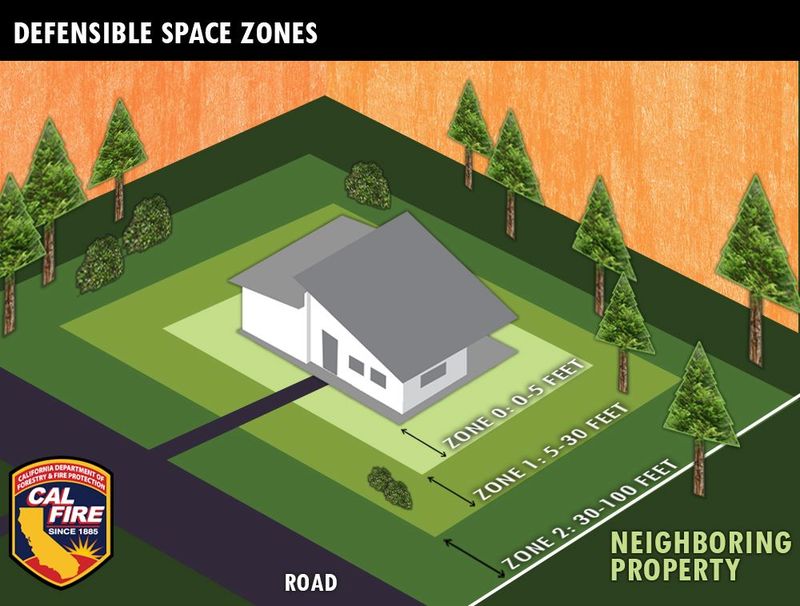
California fire safety adds another layer. CAL FIRE’s defensible space guidance calls for removing dead and dying vegetation as part of Zone 1 and Zone 2 management around structures.
In State Responsibility Areas and Very High Fire Hazard Severity Zones, these requirements carry legal weight, and dead standing trees near a home may need to come down regardless of their wildlife potential.
The practical rule is straightforward. Before deciding to keep a dead tree for wildlife, have a qualified arborist assess it for structural integrity, fall radius, and root condition.
Check your local defensible-space requirements and confirm that retaining the tree is both legal and genuinely safe. If it passes that review and sits far enough from structures, utilities, and fire-exposure zones, keeping it is a reasonable choice.
If it does not pass, a properly placed nest box, as described by the California Raptor Center at UC Davis, is a safer and often equally effective alternative. No owl is worth a falling limb through a roof or a fire that could have been prevented.
A nest box can provide a missing cavity
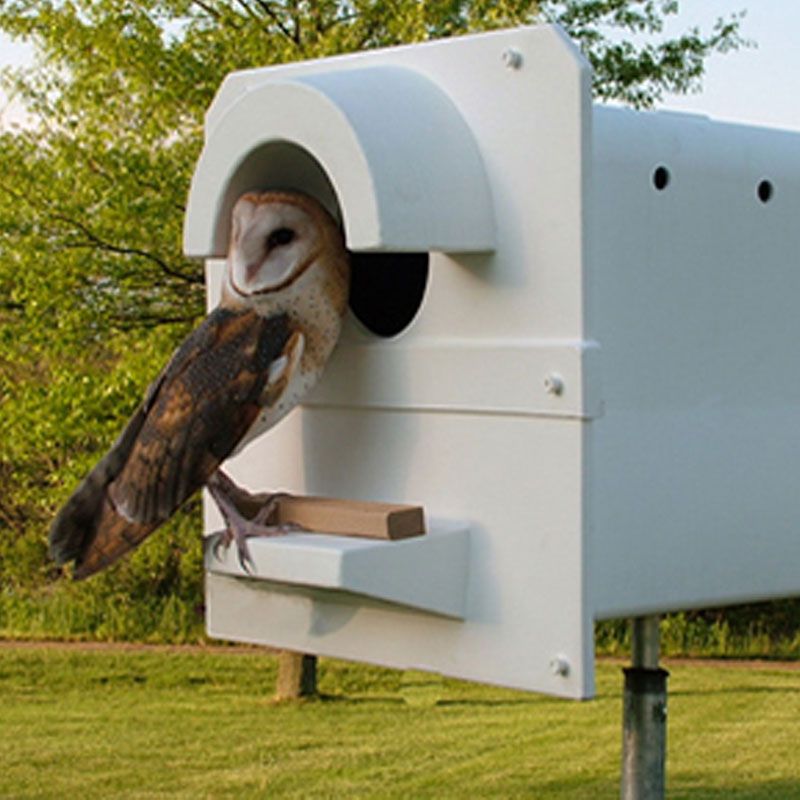
Where natural cavities are scarce, a well-built nest box gives barn owls something they would otherwise have to find on their own. Barn owls are notably willing to use artificial structures.
California vineyards and farms have used nest boxes for decades, and the birds do take to them, though not universally or immediately.
Getting the box design right matters more than most people expect. Barn owls are larger than the screech owls and kestrels that use smaller boxes, and they need an entrance sized for their body.
California Raptor Center plans specify an entrance opening of roughly 7 by 10 inches, which is large enough for a barn owl but not so large that it invites raccoons or other predators to reach inside. The interior floor space needs to be adequate for a nesting pair and eventually a clutch of owlets.
A clean-out hatch is not optional. Without one, you cannot inspect or clean the box between seasons, which is important both for owl health and for monitoring whether the box is being used at all.
The Raptor Center’s California barn owl box plans include hatch placement and ventilation details worth following closely.
One important distinction before you build or buy: barn owls are not the same as the great horned owls, western screech owls, or burrowing owls that also live in California. Each species has different size requirements, habitat preferences, and nesting habits.
USGS barn owl species accounts describe barn owls as open-country cavity nesters, a profile that differs meaningfully from a screech owl that prefers wooded suburban settings. Confirm that barn owls are actually present or regularly visiting your area before committing to a barn-owl-specific design.
Placement and maintenance make the invitation usable
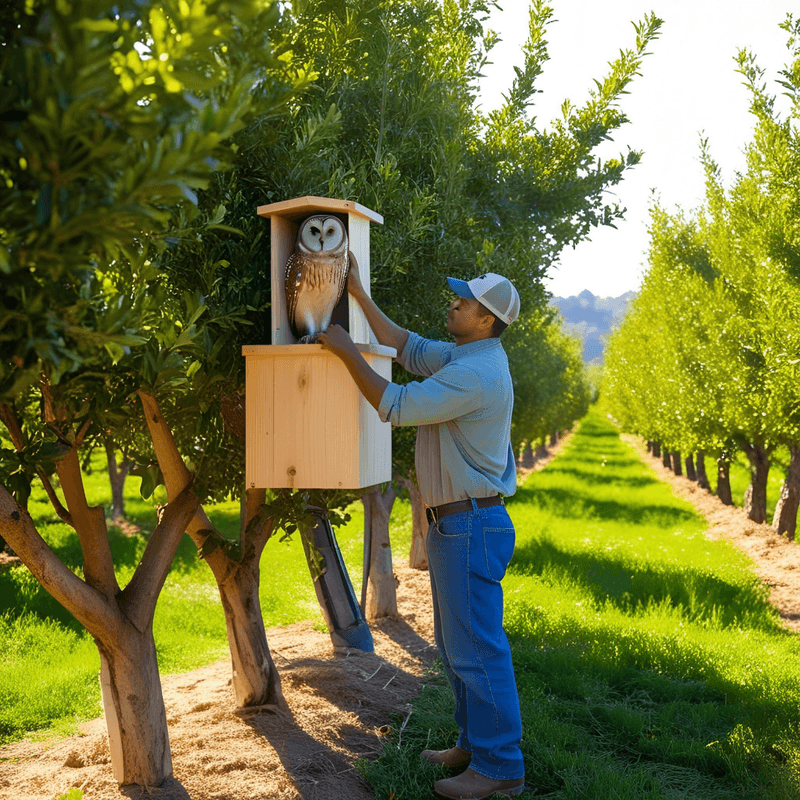
Even a correctly built box will go unused if it is hung in the wrong spot or left dirty from the previous season. Height is the first variable.
Barn owls prefer elevated cavities, and California Raptor Center installation guidance recommends mounting the box approximately 20 to 40 feet high. A tall tree, a pole, or the peak of a barn wall can all work, provided the approach and departure routes are unobstructed.
Orientation matters too. Position the entrance away from the direction of prevailing afternoon winds and out of direct afternoon sun.
California afternoons can get hot enough to stress eggs and nestlings in a box that bakes from the west. Shade from nearby foliage, or simply choosing a north or east-facing entrance, helps keep the interior temperature reasonable without blocking the flight path.
The box should sit near open hunting habitat, not buried inside a dense hedge or tucked against a wall where an owl cannot approach cleanly. A field edge, an open lawn, a dry creek margin, or a property line bordering undeveloped land gives a hunting owl room to work.
The more open ground within a few hundred yards of the box, the more useful the site becomes.
Maintenance is equally important and has a specific seasonal window. UC Davis research on California barn owl boxes recommends cleaning during fall, roughly September through November, before the typical breeding cycle begins.
The same study reported a median California egg-laying date of February 20, meaning a box cleaned in December may already be too late to avoid disturbing a pair that has started investigating. Remove old pellets and nesting debris, check for damage, and replace any worn hardware.
Never open a box during the nesting season. A nesting barn owl that is flushed repeatedly may abandon the site, and active nests are protected under the Migratory Bird Treaty Act.
The California Raptor Center’s nest box resources include monitoring and maintenance tips that complement the installation plans.
Why many well-built boxes remain empty
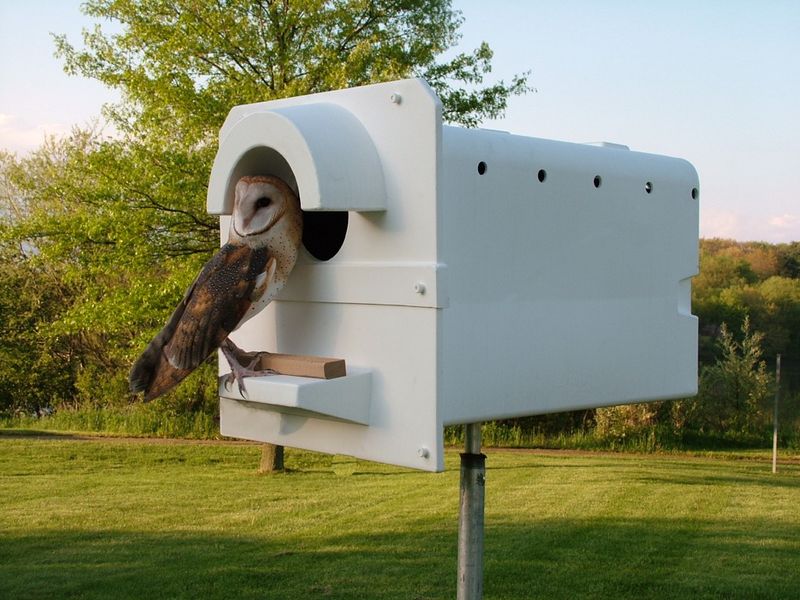
Putting up a well-designed, correctly placed box is a reasonable thing to do. Expecting it to fill quickly is not.
A multi-scale study of barn owl nest boxes on Napa Valley vineyards found that roughly one-third of surveyed boxes were occupied during the two-year study period. That means two out of every three boxes in a region with abundant prey and open habitat sat empty, at least during those seasons.
What predicted occupancy? Surrounding grassland was the strongest landscape-level factor.
Boxes embedded in a broader matrix of open foraging habitat were selected more often than those surrounded by dense vegetation or developed land. Box availability was necessary but not sufficient on its own.
Prey abundance plays an obvious role, but so do factors the homeowner cannot control: competition from other cavity users such as kestrels, starlings, and squirrels; disturbance from foot traffic or outdoor lighting; and the simple fact that barn owl territories shift from year to year based on regional rodent cycles. A pair that nested in a box one spring may not return the following year, and a box that sat empty for two seasons may suddenly attract a pair in the third.
Barn owls also visit properties without nesting. You might spot one hunting your yard on winter nights, or find a pellet beneath a favorite perch, without ever having an active nest nearby.
Cornell Lab’s barn owl life history pages note that barn owls are somewhat nomadic, especially outside the breeding season, and that foraging range can extend well beyond any single property.
An unused box is not a sign that you did something wrong. It is a sign that barn owls, like most wildlife, make their own decisions based on conditions that extend far beyond your fence line.
UC Cooperative Extension’s Napa County barn owl nest box network treats occupancy as a landscape-scale outcome, not a box-by-box guarantee, which is the right way to think about it.
Owls can reduce rodent pressure without erasing every rodent
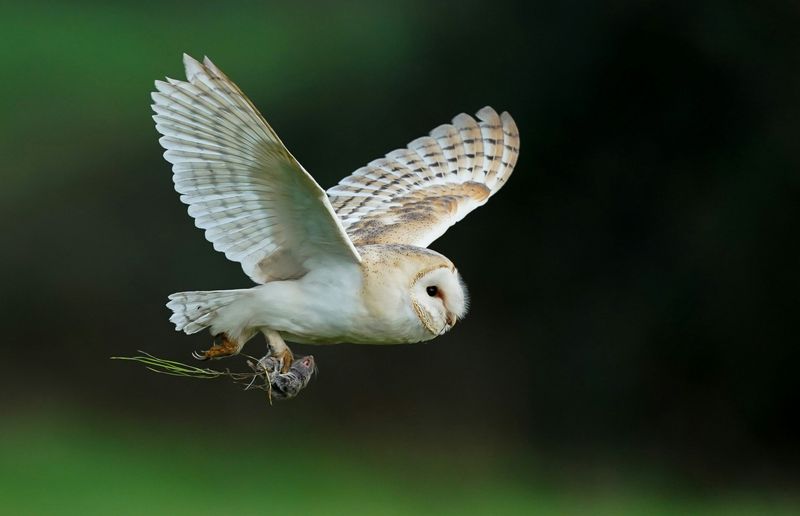
Barn owls are genuine rodent predators, and there is real data behind the enthusiasm. A 2016 study of barn owl diet in California’s Central Valley found that 99.5% of identified prey items were species considered agricultural pests, primarily mice, voles, rats, and pocket gophers.
That figure comes from agricultural fields and vineyards with high rodent densities and extensive open habitat, which is exactly the landscape barn owls are built to exploit.
Estimates that a breeding pair may consume up to 2,000 rodents per year appear in UC Davis California Raptor Center materials and are plausible given what we know about barn owl feeding rates, especially when a pair is raising multiple owlets. What that number does not tell you is how many rodents your specific yard will lose.
A breeding pair hunting over 200 acres of vineyard is operating in a very different context than a pair, if one even nests, near a quarter-acre suburban lot.
The distinction between agricultural and residential evidence is important. UC IPM’s guidance on voles notes that reduction of pocket gopher populations has been observed in vineyard settings, while evidence for vole population suppression remains limited.
For isolated residential properties, the honest answer is that barn owl effects on rodent numbers are uncertain and probably modest compared to what is documented on farms.
Predators also rarely eliminate rodent populations entirely. When a favored prey species becomes scarce, owls shift their hunting range rather than staying to chase the last few animals.
Residual rodents can repopulate a yard quickly from neighboring properties, especially in connected suburban neighborhoods. UC ANR’s barn owl biological control overview specifically cautions that predators generally do not keep populations below every damaging threshold.
A recent study found that barn owls can exert meaningful top-down effects on rodent abundance and behavior in the right conditions, but those conditions involve landscape-scale prey availability, not a single yard. Reduced pressure is a realistic goal.
Eradication is not.
Protect the owls while managing the rodents
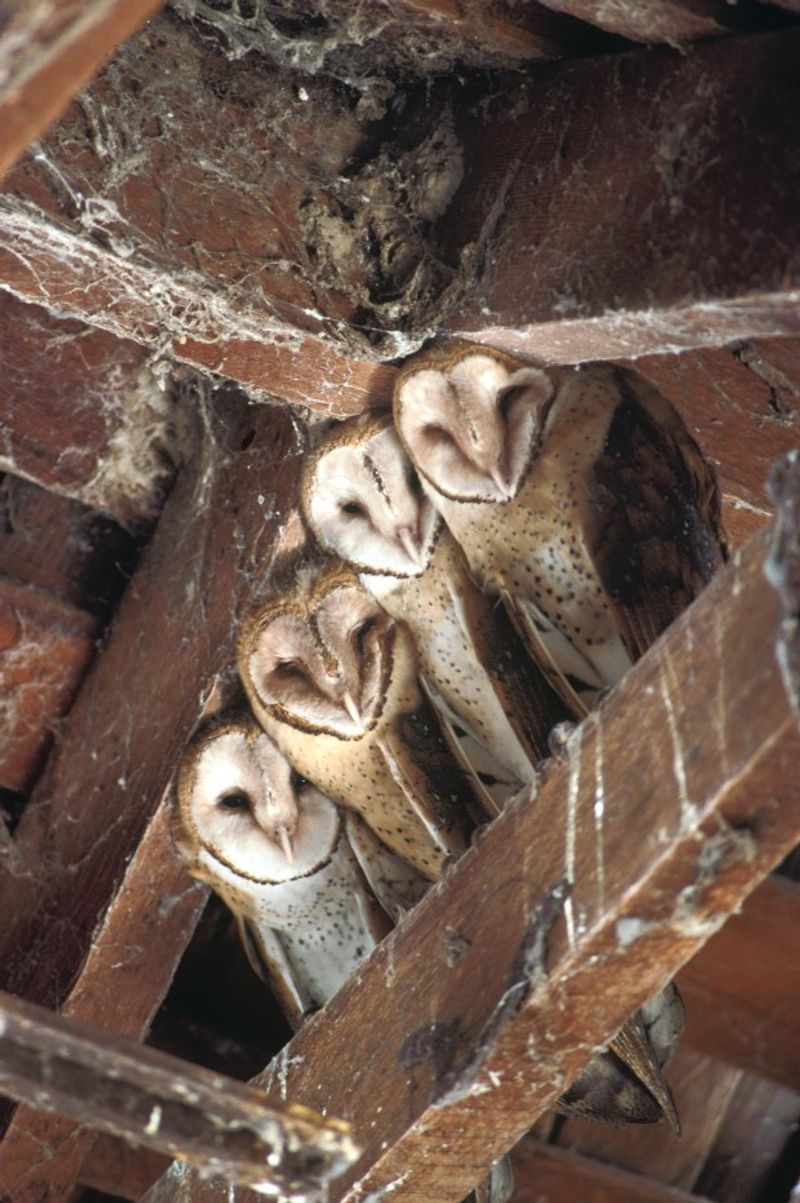
Supporting barn owls and managing rodents are complementary goals, but they require different actions and neither one replaces the other. The first step is removing what draws rodents in.
Pet food left outside overnight, fallen citrus or avocados, unsecured chicken feed, birdseed on the ground, open compost bins, and piles of wood or debris all function as free rodent buffets. Clearing these attractants reduces the population that can establish itself on your property, which matters whether or not an owl ever shows up.
Rodenticides are where the two goals collide most directly. California Department of Fish and Wildlife’s avian investigations program has documented widespread exposure of raptors, including barn owls, to second-generation anticoagulant rodenticides.
A poisoned mouse or rat does not die immediately. It continues moving through your yard for days, becoming easy prey for a barn owl, a red-tailed hawk, or a coyote.
The predator that eats it ingests the accumulated rodenticide, and the effects range from sublethal immune suppression to death. EPA’s rodenticide safety review identifies this secondary exposure pathway as a recognized risk for predators and scavengers.
The practical alternative is integrated pest management. UC IPM’s vole management guidance recommends starting by identifying the rodent species, since gophers, voles, roof rats, and Norway rats require different control strategies.
Seal gaps in foundations, walls, and eaves with hardware cloth or metal flashing. Monitor activity with tracking stations or camera traps to understand where rodents are moving and in what numbers.
Use snap traps in tamper-resistant bait stations for targeted mechanical control when populations need active reduction.
UC ANR’s barn owl biological control overview is clear that a nest box is a habitat intervention, not a pest-control system, and that exclusion, sanitation, and mechanical controls remain necessary components of any real rodent management plan. Barn owls work best as one part of that plan, not as a replacement for it.
Installing a box and skipping everything else leaves you dependent on an animal that may or may not arrive, and that will not stay if the rodent population collapses or the landscape changes.
Use a safe, realistic California habitat plan
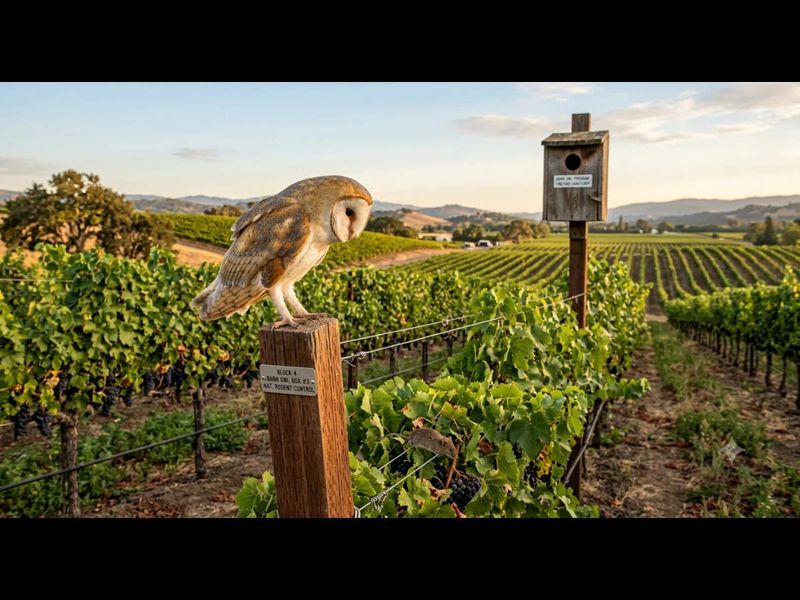
A workable plan for California homeowners comes down to a short checklist of honest decisions. Start with the dead tree question.
Have an arborist assess any standing snag for structural integrity, fall radius, and root decay before deciding whether to keep it. Check your local defensible-space zone requirements under CAL FIRE guidance, especially if you live in a Very High Fire Hazard Severity Zone.
If the tree is safe and legally retainable, keeping it is a reasonable wildlife choice. If it is not, remove it and install a correctly designed barn owl box in a suitable location instead.
Open hunting habitat is the factor most homeowners underestimate. A box without nearby open ground is less likely to attract a nesting pair.
Where your property borders a park, a dry creek, undeveloped land, or a neighbor’s open lot, you have a natural advantage worth preserving. Avoid filling those edges with dense ornamental plantings if your goal includes supporting barn owls or other open-country raptors.
Keep rodenticides out of the plan entirely. Use exclusion, sanitation, monitoring, and targeted mechanical controls as your primary rodent management tools, following UC IPM integrated pest management protocols.
A nest box is a habitat offering, not a pest-control guarantee, and UC ANR’s biological control review makes that distinction clearly. Success means maintaining a safer, more wildlife-friendly yard where a barn owl might eventually choose to nest.
The owls make the final call, and that is exactly as it should be.