
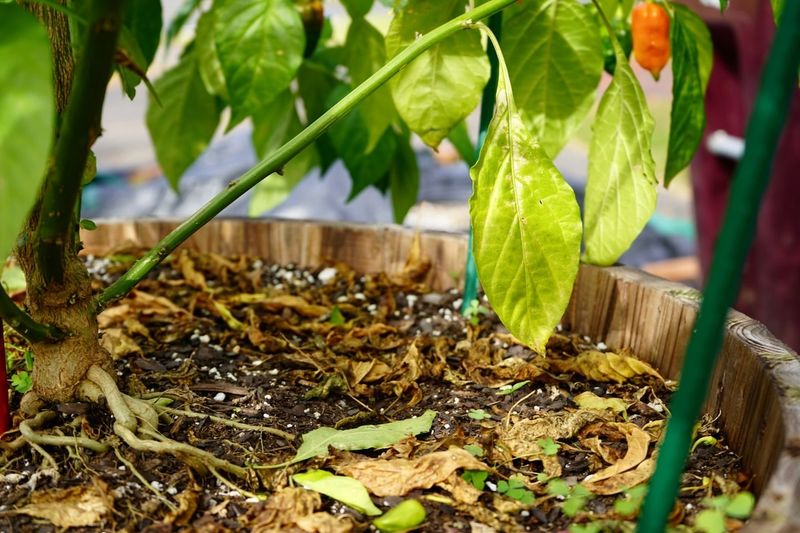
Watching your pepper plants shed leaves during a scorching August heatwave is alarming, and your first instinct might be to blame disease or assume the worst. Late-summer heat and uneven soil moisture are plausible explanations, but they are not the only ones, and jumping to a single cause can lead to the wrong fix.
A quick, systematic look at the plant and the root zone will tell you far more than the weather forecast alone.
Heat is one possible cause of sudden pepper leaf loss
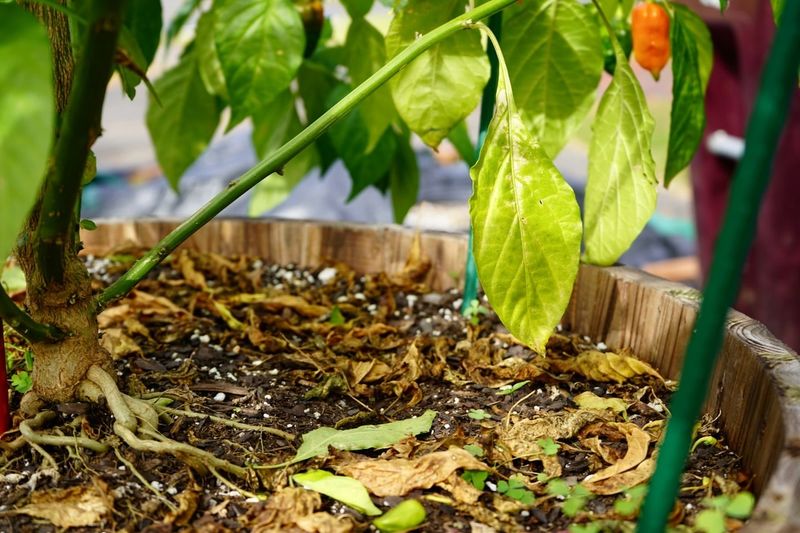
Prolonged high temperatures put real physiological strain on pepper plants. Peer-reviewed research on pepper heat responses documents that sustained elevated temperatures can trigger premature leaf senescence and abscission, meaning the plant begins to shut down and drop foliage before it would under normal conditions.
Leaves may curl inward, wilt, or turn yellow before falling, and the process can accelerate quickly when temperatures stay high day and night.
Timing matters here. When leaf loss happens during a heatwave, heat stress is a reasonable first suspect, but timing alone cannot confirm the diagnosis.
Green leaves or leaves without visible spots do not rule out root disease, crown rot, vascular problems, or other causes that can produce very similar symptoms. UC IPM guidance on pepper root and crown diseases notes that some root problems primarily show up as aboveground wilt and leaf loss with little or no obvious foliar marking.
One distinction worth making early: heat commonly causes pepper flowers and small immature fruit to drop, and that evidence is sometimes used to explain why mature leaves fall too. Those are separate responses.
Flower and fruit abortion under heat is well documented, but it does not confirm that mature foliage will fall for the same reason. Keep those symptoms in separate mental categories as you assess your plant.
Heat can overwhelm the roots even when soil is not visibly dry
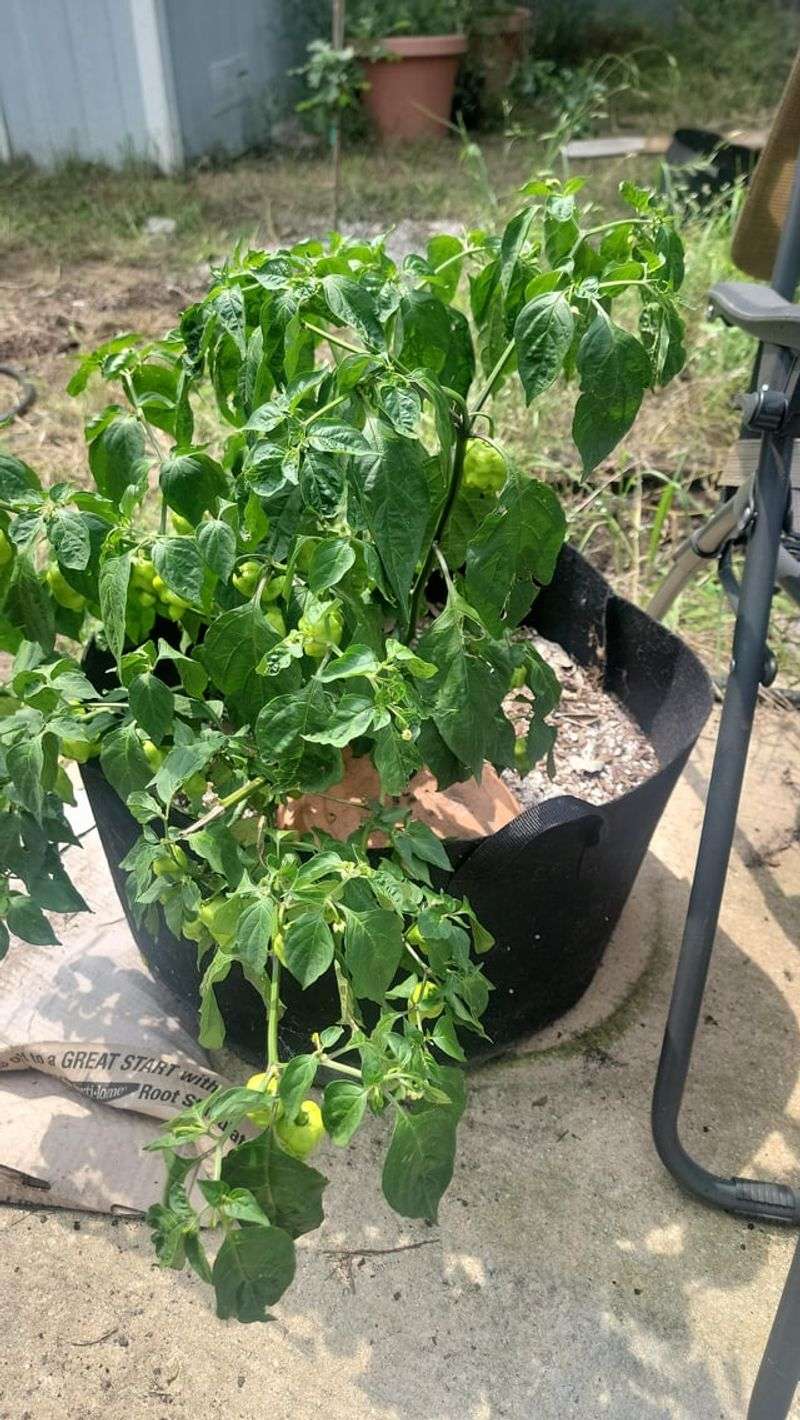
One of the more confusing things about late-summer pepper stress is that a plant can wilt dramatically even when the soil feels reasonably moist at the surface. University of Minnesota Extension heat-stress guidance explains that high atmospheric demand during a heatwave can cause leaves to lose water through transpiration faster than the roots can replace it, producing wilt and curl even when the root zone is not actually dry.
This is atmospheric stress, not drought, and the distinction changes what you should do next.
Prolonged heat also affects the roots themselves. Research on heat responses in pepper indicates that sustained high temperatures can reduce root growth and impair the plant’s ability to take up and transport water, compounding the problem even if irrigation seems adequate.
Shallow or surface-only watering makes this worse by keeping most roots near the top of the soil where heat is most intense.
Damaged roots from waterlogging, disease, or physical disturbance can produce the same aboveground symptoms as heat-driven atmospheric stress. Extension diagnostic guidance reinforces that wilt in moist soil should prompt a look at root health, not an automatic increase in watering.
Heat and moisture stress are related possibilities, not interchangeable explanations, and treating one when the other is the real problem can make things worse.
Inspect the plant and root zone before reaching for the hose
Before adding any water or treatment, run through a short inspection sequence that takes only a few minutes and gives you far better information than the weather alone. Start by pushing a finger or a screwdriver several inches into the soil near the root zone, not just at the surface.
Dry soil at depth points toward a moisture deficit; wet or waterlogged soil points toward a drainage problem that more watering will only worsen.
Next, check for standing water around the base and look at the stem where it meets the soil. Soft, discolored, or water-soaked tissue at the crown or stem line is a warning sign for root and crown disease, not simple heat stress.
If the plant is severely wilted and you can carefully ease it from the ground or a container, look at the roots: healthy roots are firm and white or tan, while rotted roots are dark, mushy, and may smell foul. UC IPM’s pepper root and crown disease resource describes these visual cues for distinguishing rot from stress.
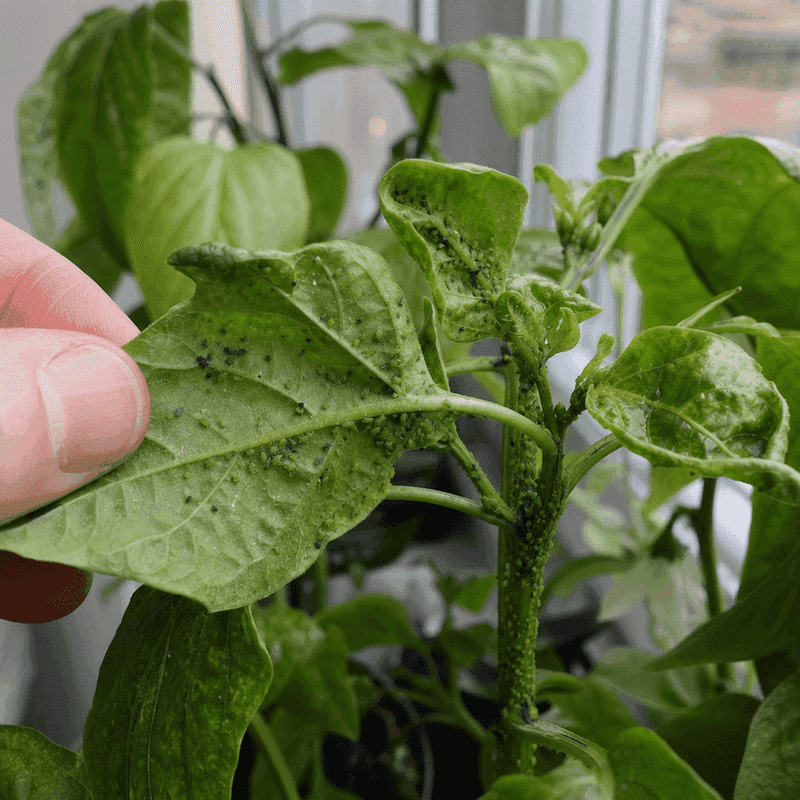
Then flip some leaves over and look carefully at the undersides. UC IPM’s pepper pest guide notes that mites, aphids, and whiteflies can colonize leaf undersides and cause stress that mimics heat injury.
On the upper leaf surface, look for spots, halos, tan or brown lesions, mosaic or mottled color patterns, webbing, or stippling. UF/IFAS foliar disease guidance for peppers can help you match those markings to specific diseases.
A home inspection may not give you a definitive answer, but it can narrow the field considerably before you act.
Stabilize moisture and reduce heat without waterlogging the plant
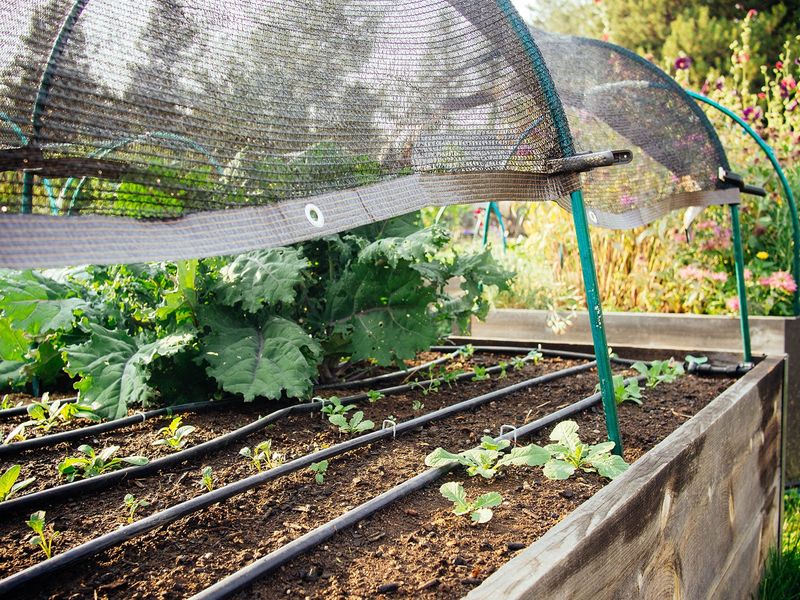
When your inspection shows that the root zone is dry or unevenly moist and you see no signs of root rot, pest infestation, or foliar disease, the next step is to water thoroughly and thoughtfully. The goal is to wet the entire root zone in one application rather than applying repeated shallow sips that only dampen the top inch or two.
University of Minnesota Extension pepper-growing guidance cautions against light, frequent surface watering because it encourages shallow roots that are more vulnerable to heat and dry spells. After a thorough application, let soil type, recent rainfall, plant size, and drainage guide when you water again rather than a fixed schedule.
Mulch is one of the most practical tools for stabilizing root-zone conditions during a heatwave. Extension mulching guidance and University of Georgia soil health resources both support using organic mulch to slow evaporation and buffer soil temperature swings around the root zone.
Apply two to three inches around the plant, but keep mulch pulled back from the stem itself to avoid holding excess moisture against the crown.
For acute midday heat, a temporary shade cloth providing roughly 30 to 40 percent shade can reduce foliage and fruit stress, as suggested by Extension heat-management advice. Keep airflow open and remove or lift the cloth once temperatures moderate.
For routine irrigation, a drip line or soaker hose is preferable to overhead watering because it delivers water at the soil surface and keeps foliage drier, which matters if bacterial or fungal disease is a concern. Texas AgriLife Extension’s vegetable gardening guidance supports drip irrigation as a standard practice for Southern summer gardens.
These measures reduce stress and improve conditions, but they will not reverse root rot, disease, severe pest damage, or herbicide injury.
Containers and regional soils change the watering decision
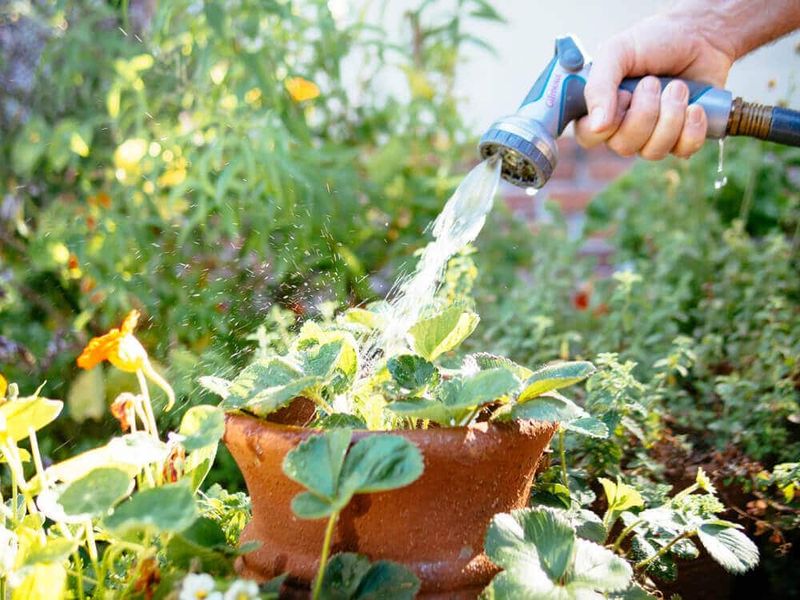
Container-grown peppers face a different set of conditions than in-ground plants during a heatwave. Pots dry out faster because the total soil volume is limited, and the roots have nowhere to go in search of deeper moisture.
Extension container plant guidance recommends checking potted plants more frequently during extreme heat, sometimes daily, and verifying that drainage holes remain clear and functional. A blocked drainage hole can turn a well-intentioned watering into a waterlogged root zone within hours.
The temptation with a wilting container pepper is to keep the pot consistently saturated to compensate for rapid drying, but that approach creates its own problems. Saturated potting mix limits oxygen to the roots and creates conditions favorable for Pythium and Phytophthora.
Check moisture at depth before each watering rather than watering on a set schedule.
Regional soil differences matter just as much for in-ground plants. Texas AgriLife Extension’s fall vegetable guide offers a general starting point of roughly one to two inches of water per week from rainfall plus irrigation for many Texas vegetable gardens, but that figure is a rough baseline, not a pepper prescription.
Florida’s sandy or calcareous soils drain quickly and may need more frequent applications, while clay-heavy soils hold water longer and can become waterlogged with the same schedule. UF/IFAS irrigation guidance for Florida vegetables reinforces using actual soil moisture and drainage as the decision points across all soil types, raised beds, and containers.
Warning signs point beyond ordinary heat stress
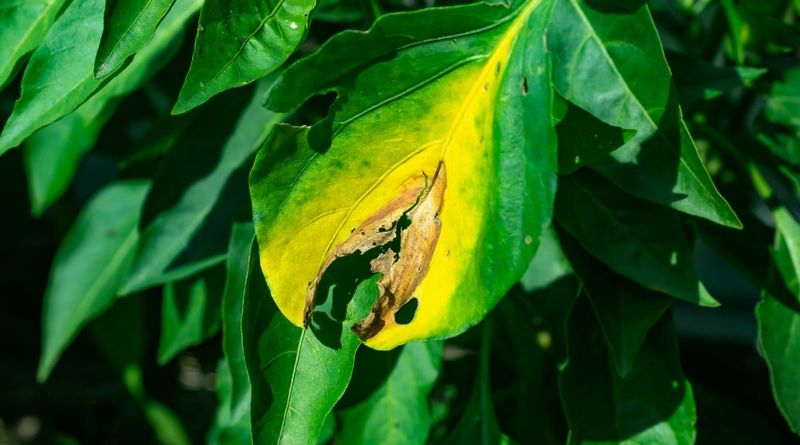
Some inspection findings should shift your attention away from heat and moisture stress toward a more serious underlying problem. Rapid, progressive wilt that continues even when the soil is wet or moist, dark or water-soaked discoloration at the roots or crown, and sudden plant collapse are patterns associated with Phytophthora capsici and other root and crown diseases rather than atmospheric heat stress.
UC IPM’s root and crown disease resource describes how infected roots and crowns show dark, soft, water-soaked tissue, and how affected plants can die quickly. UF/IFAS guidance on Phytophthora in Florida identifies low spots, heavy soils, and excessive irrigation as conditions that favor infection.
Florida gardeners should take bacterial spot seriously any time late-summer leaf loss follows periods of warm, wind-driven rain. UF/IFAS bacterial spot guidance for peppers identifies it as a major foliar disease in Florida, favored by nighttime temperatures above 65 degrees F and frequent wet weather.
Lesions typically start as water-soaked spots that turn tan or brown with irregular margins, and heavily infected leaves drop prematurely. This is distinct from the diffuse yellowing or wilting associated with root problems or heat stress.
Other causes to keep in mind include spider mites, which produce fine stippling and webbing on leaf undersides; aphid or whitefly colonies that weaken foliage over time; virus infections that cause mosaic or mottled leaf patterns; nutrient deficiencies with characteristic color patterns; physical root or transplant damage; and herbicide drift or soil contamination. UF/IFAS drainage and root health guidance underscores that adding more water when roots are already compromised accelerates decline rather than helping.
UF/IFAS pepper disease management guidance cautions that fungicide applications require a reasonably specific diagnosis and a label-compliant product choice; spraying without knowing the cause is unlikely to help and may delay appropriate action.
Monitor the plant without treating recovery as a diagnosis
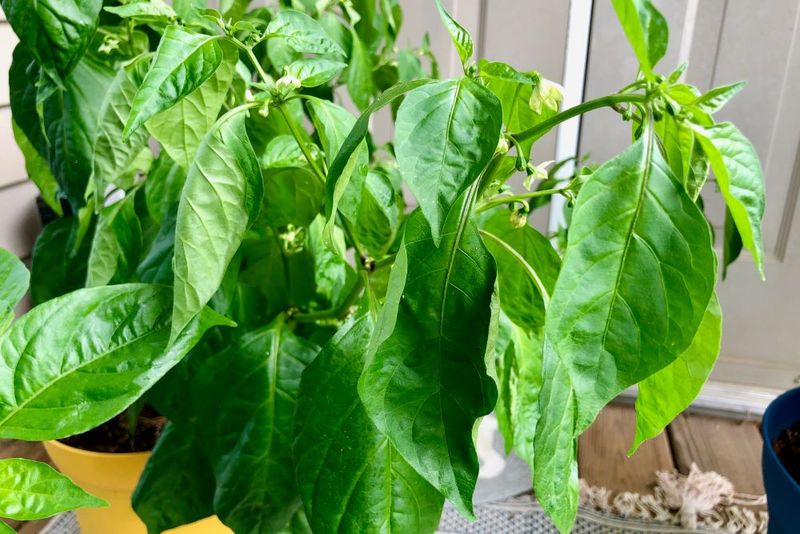
After correcting an evident moisture deficit and reducing acute heat exposure, give the plant two to four days and then reassess carefully. Check soil moisture again at depth, look for any new wilt or additional leaf loss, and scan both leaf surfaces for lesions, webbing, stippling, or any markings that were not there before.
New healthy growth emerging from the growing tips is an encouraging sign, but it is compatible with reduced heat or water stress, not proof that stress was the original cause.
Stabilization or improvement after watering and shading tells you the plant responded to those changes. Extension heat-stress guidance and peer-reviewed pepper stress research both support continued monitoring after any apparent recovery because heat and moisture stress can recur and because some diseases progress slowly enough to look like improvement early on.
Continued decline, particularly in wet or adequately moist soil, or the appearance of root, crown, lesion, or pest symptoms alongside ongoing leaf loss, should shift your focus toward disease, pest pressure, or another cause rather than more aggressive watering. UC IPM root disease guidance and UF/IFAS pepper disease resources are useful references if symptoms persist or worsen.
The most reliable approach across all of these scenarios is the same: inspect first, stabilize carefully, and keep watching.