
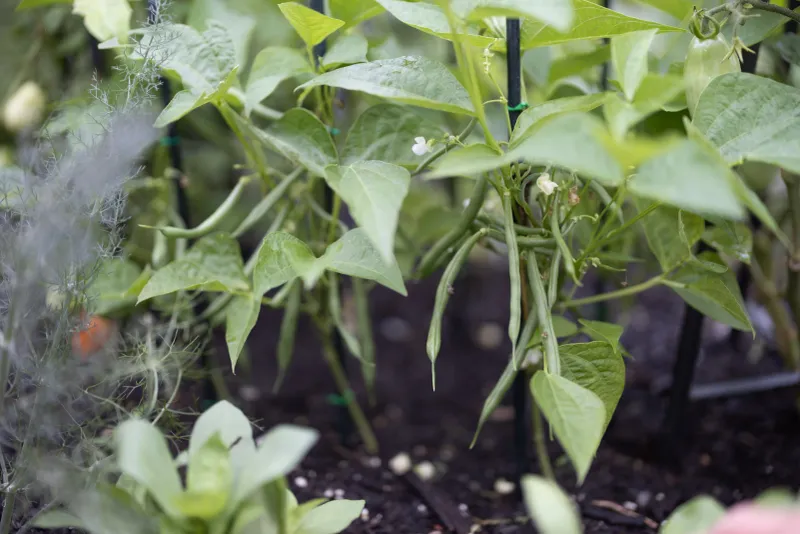
You walk out to your garden expecting a bumper crop and instead find a wall of pretty white or purple blossoms with almost nothing to show for it below. The pods that do form are flat, short, or hollow, even though the plants look lush and full of flowers.
Late-summer heat is often the reason, and understanding what is happening inside those blossoms can help you protect the next round of flowers and plan a smarter crop.
The flowers look healthy, but the pods reveal the heat damage
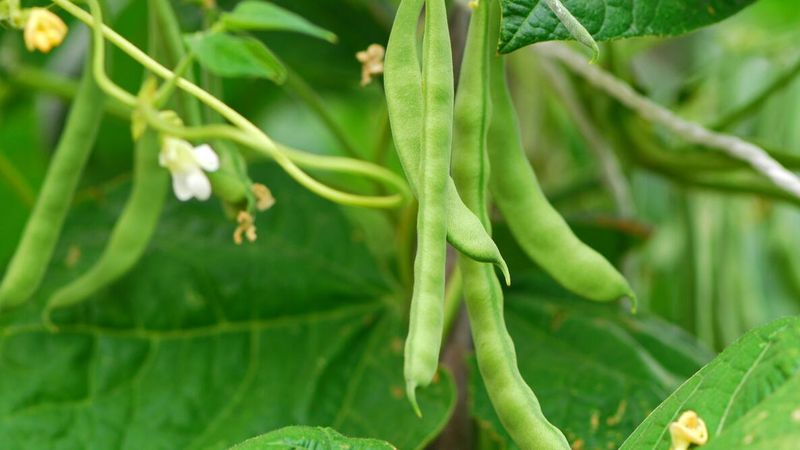
Picking up a pod that feels like a papery envelope is one of the more discouraging moments in a summer garden. The plant looks vigorous, flowers are everywhere, and yet the pods are flat, shortened, or completely hollow.
When that pattern follows a stretch of sweltering days and warm nights, prolonged heat becomes the leading suspect, though it is not the only possibility.
One reason this is so confusing is that heat can damage a flower’s reproductive tissues during bud development, before the flower ever opens. So a plant covered in seemingly healthy blossoms may already be carrying flowers that cannot complete fertilization or fill a pod.
University of Delaware Extension guidance on vegetable heat stress specifically documents missing seeds and shortened, deformed pods as outcomes of heat injury, and notes that the damage often begins before symptoms become visible.
A 2025 Delaware snap-bean trial report found poor pod set and misshapen pods in varieties exposed to repeated warm nights during bud formation and flowering. Heat is the leading suspect when the timing fits, but flat or empty pods can also result from drought, excess moisture, pests, disease, or root problems.
The sections that follow will help you sort through those possibilities before settling on a diagnosis.
Heat can interrupt bean reproduction before a pod fills
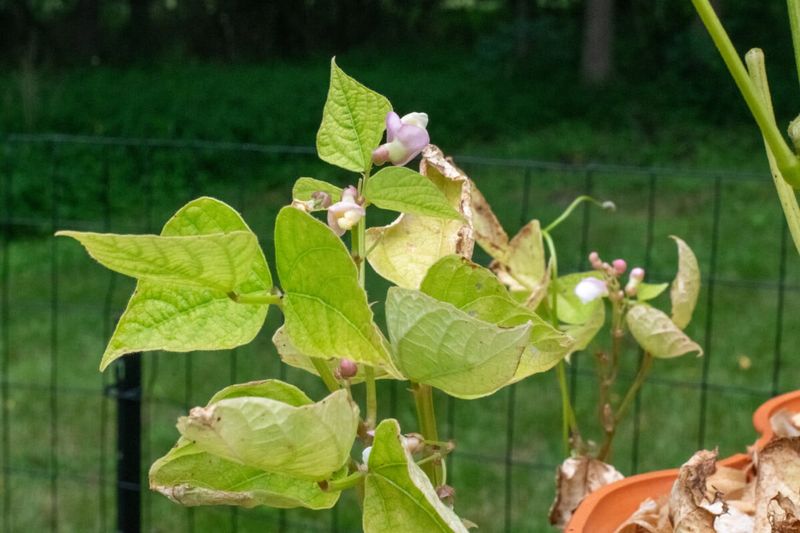
Common snap beans handle most of their own pollination. The flower’s structure allows pollen to contact the stigma without any insect assistance, which is why a lack of bees is usually not the reason your pods are empty.
University of Illinois Extension snap-bean guidance confirms that common beans are largely self-pollinating, and University of Georgia pollination crop requirements reinforces that seed set in common beans generally does not depend on insect visits. Hand-pollinating or trying to attract more bees to a heat-stressed planting will not repair tissues that heat has already damaged.
What heat actually does is more internal. High temperatures during bud development and flowering can reduce the amount of viable pollen a plant produces, damage the anther tissue that releases pollen, and impair the stigma’s ability to support fertilization.
Peer-reviewed research on heat stress and legume reproduction shows that ovule abortion and failed embryo development are also possible outcomes when heat stress occurs during early pod set, meaning a pod may start to form and then stop developing entirely.
A related study, research on heat effects on bean pollen and reproductive tissues, documents that pollen tube growth and fertilization itself can be disrupted at elevated temperatures, leaving a flower that looks complete but cannot produce a seed. This distinction matters because it changes what you can actually do about the problem.
The focus shifts from pollination logistics to managing the heat environment during the most vulnerable growth stages.
Warm nights are the clue many gardeners miss
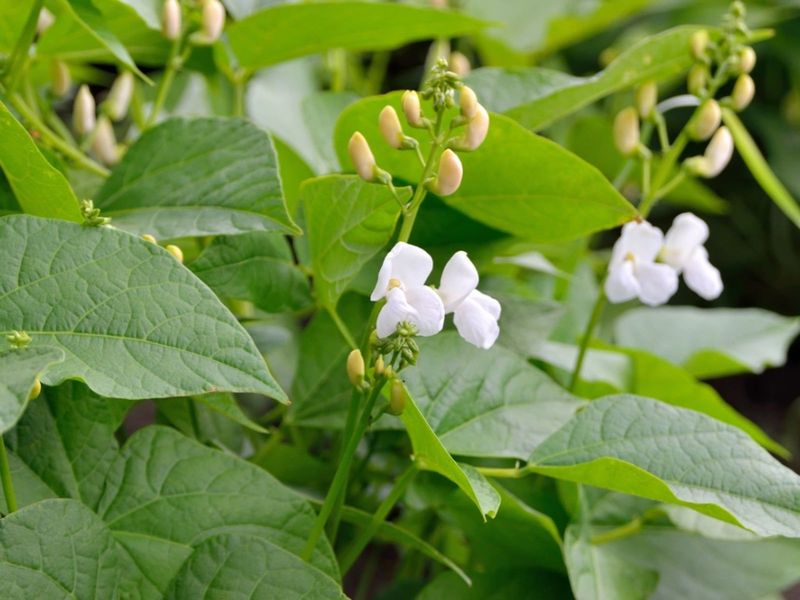
Most gardeners watch the afternoon forecast, but it is the overnight low that often does the most damage to flowering beans. University of Delaware snap-bean trial updates use approximately 68 degrees Fahrenheit overnight as a practical warning point for heat-sensitive varieties during flowering.
When nights stay at or above that level repeatedly while buds are forming and flowers are opening, pod set can drop sharply and pods that do form may be short, deformed, or contain few seeds.
Daytime heat adds to the pressure. Clemson Extension snap-bean guidance reports blossom drop when temperatures climb above roughly 90 degrees Fahrenheit, and University of California snap-bean production guidance similarly associates temperatures above 90 degrees with blossom drop and ovule abortion.
Neither figure is a universal cutoff. A single hot afternoon is less damaging than a week of hot afternoons paired with warm nights, and some varieties tolerate heat better than others.
The 2025 Delaware snap-bean trial results make clear that variety, bean type, moisture, timing, and the duration of heat exposure all shape the outcome. To use these numbers practically, pull up your local weather history for the two to three weeks before your pods started failing.
If nights were consistently warm and days were regularly topping 90 degrees during that window, heat stress is a credible explanation. If temperatures were mild, look harder at moisture, pests, and disease before settling on a diagnosis.
Before blaming heat, inspect the pods, leaves, and soil
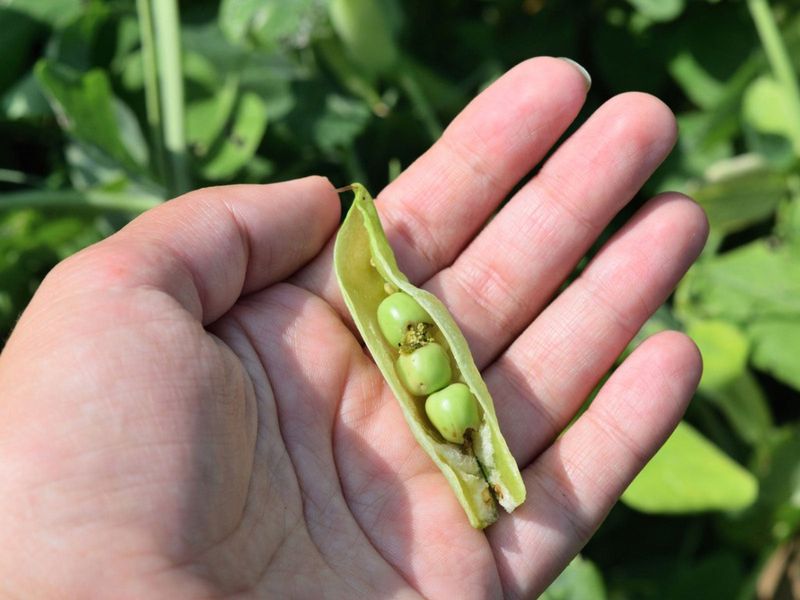
Flat, empty pods are a symptom, not a diagnosis. Several problems besides heat can produce the same result, and some of them are treatable right now if you catch them early enough.
Start your inspection with the soil. Push a finger or a trowel several inches down and check whether the soil is bone dry, waterlogged, or somewhere in between.
Both drought stress and saturated roots can cause flowers and small pods to abort, and Mississippi State Extension bean guidance lists uneven moisture as a common cause of poor pod set alongside heat.
Next, look closely at the pods themselves. Pod punctures, dimpling, or a twisted, cat-faced shape can indicate stink bugs or lygus bugs feeding on developing seeds.
UC IPM guidance on dry-bean pod fill pests documents how sap-feeding insects can cause blanks and poor seed development that looks nearly identical to heat injury from the outside. UF/IFAS Florida bean pest guidance specifically identifies stink bugs as a significant pod-fill problem for Florida gardeners, so check the undersides of pods and leaves carefully.
Then examine the foliage. Mottled, crinkled, or mosaic-patterned leaves suggest a viral disease such as bean mosaic.
Water-soaked spots or brown lesions on leaves or pods point toward bacterial infection. Bleached or bronzed leaves during hot, dry weather, especially with a gritty feel on the undersides, can indicate spider mites.
University of Minnesota Extension bean growing guidance walks through these diagnostic signs and helps separate heat-related failure from pest and disease damage. A sustained heat wave strengthens the heat hypothesis, but visible lesions, punctures, or pest activity shifts the diagnosis in another direction.
Steady moisture and reduced heat load can protect the next flowers
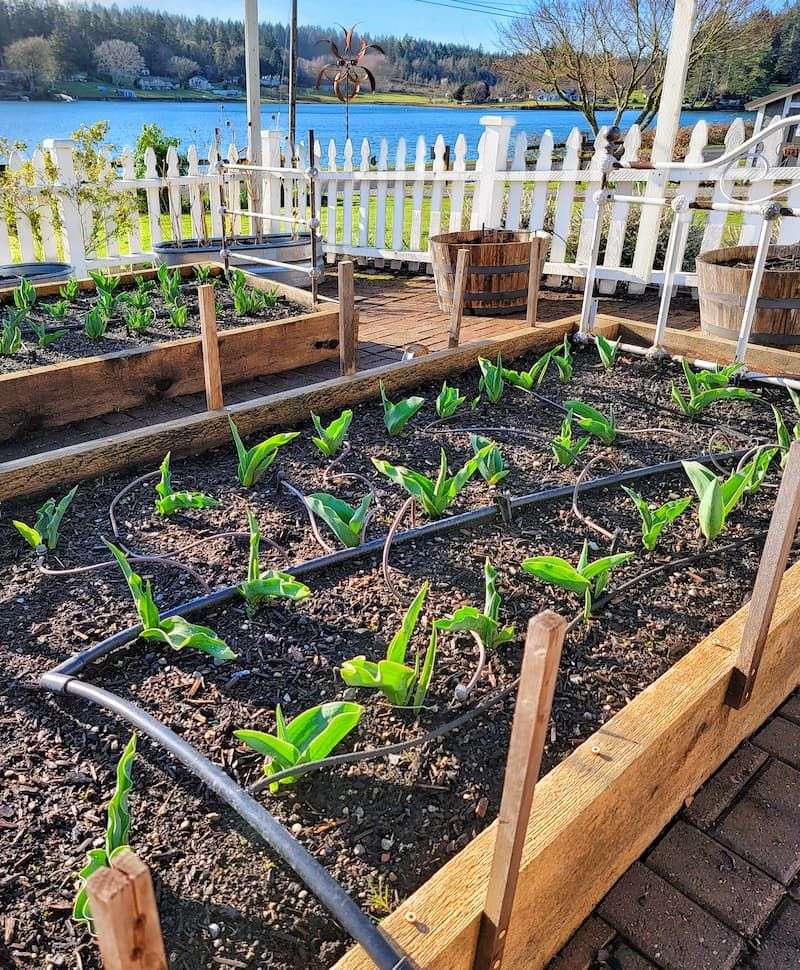
Once flowers and young pods have already dropped, extra water or fertilizer will not bring them back. What you can do is create better conditions for the next round of buds forming on the plant right now.
The goal is consistent soil moisture from the time buds appear through pod sizing, avoiding both dry spells and soggy soil. Penn State Extension snap-bean production guidance and Utah State Extension legume irrigation guidance both recommend deep, infrequent irrigation that wets the full root zone rather than light, frequent sprinkling that only dampens the surface.
Avoid watering over the top of open flowers. Overhead irrigation can knock blossoms off the plant and increase the risk of fungal or bacterial disease on wet foliage and pods.
Direct water at the soil, ideally with drip lines or a soaker hose, and water in the morning so the surface has time to dry before evening. Mississippi State Extension also cautions that saturated soil is just as harmful to pod set as drought, so check drainage before adding more water.
A two- to three-inch layer of mulch over the root zone helps hold moisture between watering sessions and can reduce soil temperature on hot afternoons. For daytime air temperature, Delaware Extension heat-stress guidance identifies 30 percent shade cloth as a reasonable starting point for many vegetables, and University of New Hampshire Extension row-cover guidance stresses that shade cloth must be supported on a frame with clearance from the foliage and adequate airflow underneath.
Shade may reduce the daytime heat load, but it cannot reliably lower warm nighttime temperatures, so treat it as one tool among several rather than a complete solution.
Resist the urge to add nitrogen fertilizer when pods are failing. Utah State Extension bean research and Purdue Extension vegetable fertilization guidance both note that excess nitrogen pushes leafy growth while delaying flowering and reducing pod set, which is the opposite of what a struggling plant needs during a heat wave.
A better planting window may matter more than a late rescue
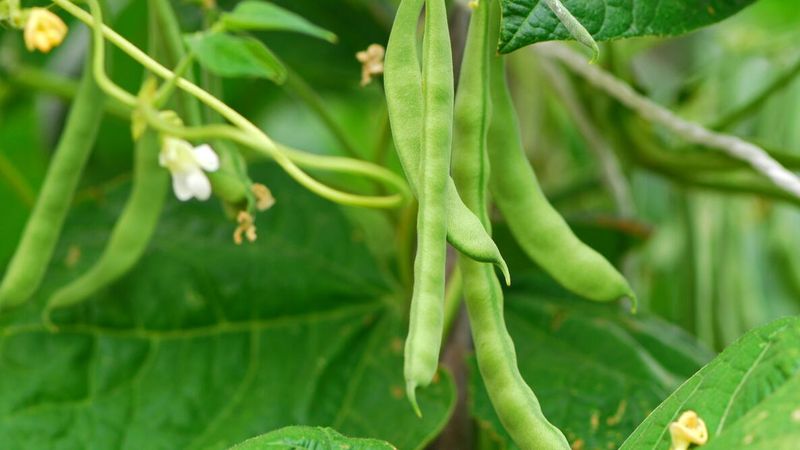
Managing the current crop through a heat wave is a short-term fix. The longer-term answer for Southern gardeners is moving the flowering window away from the worst heat in the first place.
Both Florida and Texas offer fall planting windows specifically designed to let beans flower and set pods when temperatures are cooler. UF/IFAS Florida vegetable gardening guidance lists snap-bean planting windows of August through September for North and Central Florida and September through April for South Florida, with the caveat that local conditions still control success.
In Texas, Texas A&M AgriLife fall vegetable gardening guidance lists snap bush bean planting windows ranging from approximately July 15 in the northernmost part of the state to October 1 in the southernmost region. Using the regional table rather than a single statewide date makes a real difference.
Variety selection also matters. Delaware snap-bean trial updates and a related earlier Delaware heat-tolerance trial summary have identified candidates including PV 857, Bridger, Annihilator, Dominator, Usambara, Raptor, and Greenback as showing better performance under warm conditions.
The 2025 Delaware snap-bean trial report adds nuance: performance is regional, results shift from season to season, and seed availability changes. Treat these names as a starting point for your own seed-catalog research rather than a guaranteed solution.
One more habit worth building is harvesting snap beans as soon as pods reach eating maturity. University of Illinois Extension snap-bean guidance and Utah State Extension bean research both note that allowing pods to fully mature and begin drying on the plant signals the plant to slow or stop producing new flowers.
Picking regularly keeps the plant in production mode and gives later-developing buds a better chance during any cooler window that follows a heat spell.
Use the weather pattern and plant evidence together
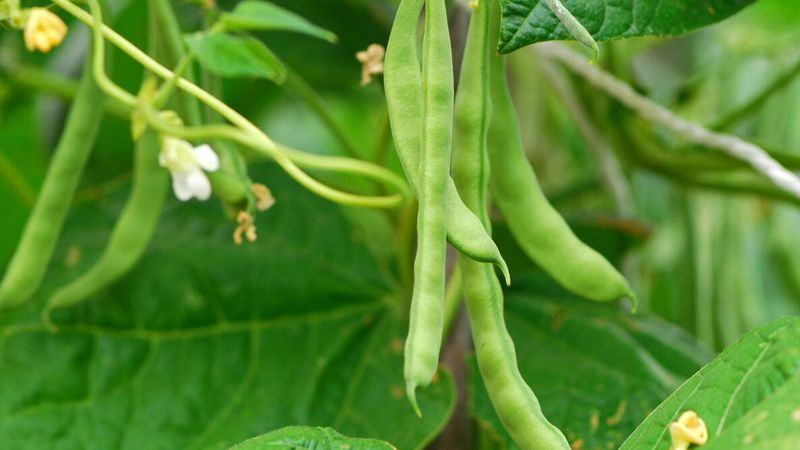
Abundant flowers paired with flat, empty, or misshapen pods after a stretch of hot days and warm nights is a recognizable pattern. When foliage looks clean, moisture has been consistent, and no clear pest or disease signs appear on pods or leaves, heat-driven reproductive failure becomes the most likely explanation.
Delaware snap-bean trial data and Delaware Extension heat-stress guidance together show that the damage is real and well-documented, while also making clear that variety, timing, and duration all shape how severe the outcome is.
Pods and flowers already lost to heat will not recover with extra water, fertilizer, or hand-pollination. New buds forming now may set pods normally if temperatures ease, so the practical focus is on even moisture, modest daytime heat reduction, and a well-timed or more heat-tolerant planting next season.
University of Minnesota Extension and University of Illinois Extension both frame bean production as a timing challenge as much as a management challenge. The gardener who plants ahead of the heat, rather than fighting through it, tends to end up with a better harvest.