
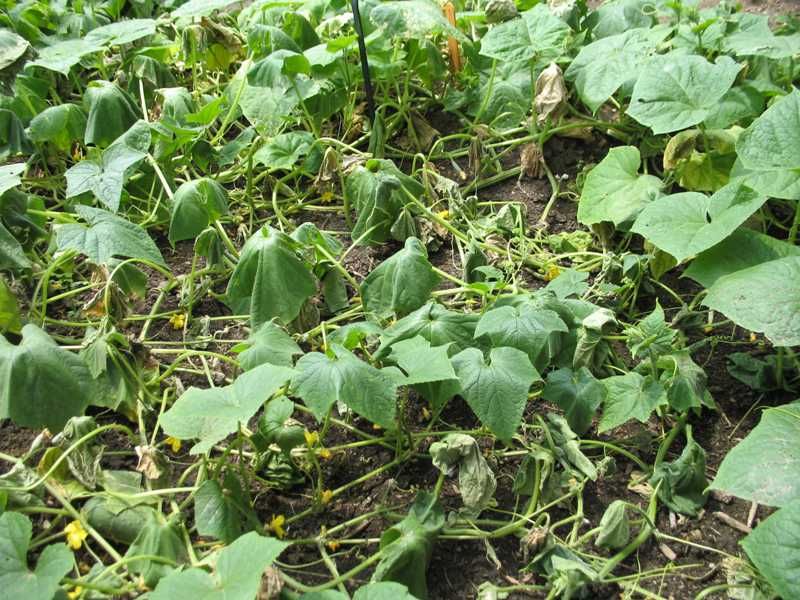
Watching a cucumber vine flop over at noon when the soil still feels damp is one of the more unsettling things a summer gardener can experience. The instinct is to grab the hose, but watering a plant that already has wet roots can actually make things worse.
The real question is whether the vine is losing water faster than its roots can replace it, or whether something deeper is wrong with those roots. Tracking how the vine behaves from midday to morning is the first clue worth collecting before you do anything else.
Start with the vine’s recovery pattern
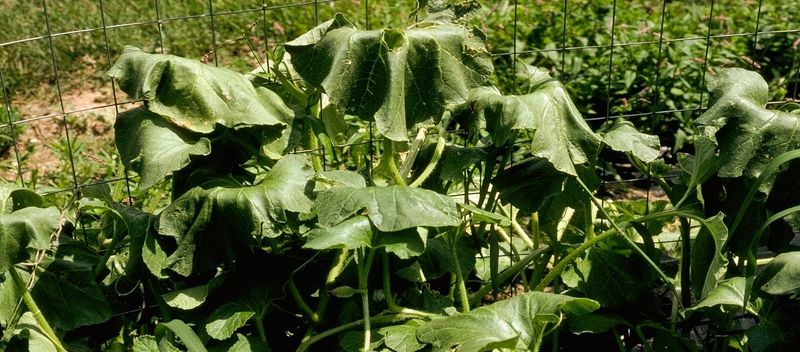
Pay attention to what the vine does between noon and the following morning. A cucumber that droops during the hottest afternoon hours but looks substantially better by evening or by the next sunrise is showing a pattern consistent with temporary heat or transpirational stress.
On fierce summer afternoons in Texas or Florida, leaf surfaces can lose water through transpiration faster than roots can pull replacement moisture up from the soil, leaving the whole vine limp even when the ground beneath it is clearly damp.
UGA Extension guidance on heat versus water stress notes that temporary wilting during peak heat, followed by recovery as temperatures fall, is a recognized pattern in warm-season vegetables. That recovery narrows the list of likely causes, but it does not prove the plant is healthy.
Early bacterial wilt, for example, can produce a wilt-and-partial-recovery cycle in its early stages before the decline becomes permanent.
The pattern that demands closer attention is a vine that stays wilted through the night, recovers a little less each morning, or begins dropping leaves and looking generally worse over several days. Cornell’s cucurbit disease key distinguishes progressive decline from temporary stress as a critical diagnostic step.
Before reaching for the hose again, watch the vine through at least one full overnight period and note honestly whether it is recovering or losing ground.
Check whether the roots can use the water
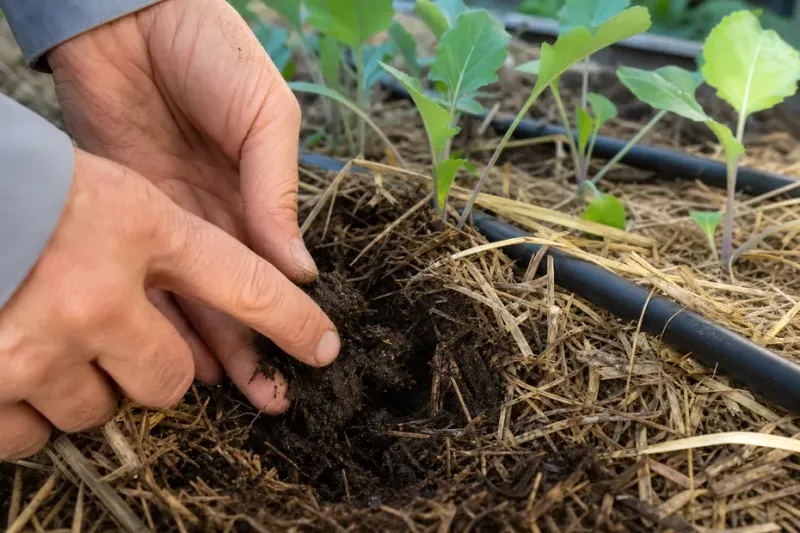
Damp soil at the surface does not settle the question of whether roots actually have usable water. Two very different problems can hide beneath a moist-looking top layer.
A dry deeper root zone can exist when recent surface watering or a brief rain moistened only the top inch or two while the active root zone several inches down remained dry. Conversely, the lower soil can be fully saturated, cutting off the oxygen roots need to function and making water uptake nearly impossible even when moisture is everywhere.
University of Wisconsin Extension’s explanation of why plants wilt points out that waterlogged soil deprives roots of oxygen, which directly impairs their ability to absorb water. NOAA’s soil moisture resource further clarifies that water present in soil is not always water available to a plant, depending on how tightly the soil holds it.
Push a finger or a narrow probe several inches into the root zone, not just the surface, to find out what is actually happening where the roots live.
Three distinct findings call for three different responses. Dry soil several inches down suggests the root zone genuinely needs water, and a slow, thorough application is appropriate.
Adequately moist soil suggests the plant is managing moisture fine and heat or another factor is driving the wilt. Persistently saturated soil is a signal to stop irrigating and focus on drainage instead.
UF/IFAS guidance on Florida cucumber production specifically warns against over-irrigation and recommends scheduling irrigation based on measured root-zone moisture rather than surface appearance or calendar habits.
Cool a heat-stressed vine without flooding it

When the evidence points toward genuine heat stress – the root zone is actually dry several inches down, the vine recovers overnight, and there are no worrying signs at the crown or stem – a few practical steps can help without creating new problems. Watering slowly and thoroughly at the root zone, preferably in the morning, gives roots time to absorb moisture before peak heat arrives.
Oklahoma State Extension’s cucumber production guide emphasizes deep, infrequent watering over frequent shallow sprinkling, because shallow watering encourages roots to stay near the surface where they are most vulnerable to heat and drying.
Mulch laid a few inches thick over the root zone can meaningfully reduce soil-temperature swings and slow evaporation between waterings. UGA’s home cucumber guide recommends mulch specifically for moisture conservation and for reducing soil compaction and fruit rot.
Keep mulch pulled back from direct contact with the crown, since packed material against the stem can trap moisture and encourage rot right at the soil line.
Temporary shade cloth suspended above the foliage – with enough clearance for air to move freely underneath – can cut the heat load on leaves during the worst afternoon hours. University of Delaware Extension guidance on vegetable heat stress describes low-percentage shade cloth, around 20 to 30 percent, as a practical short-term option.
Avoid laying cloth directly on the foliage, and remember that too much shade over too long a period can reduce photosynthesis and interfere with pollinator access. None of these measures – watering, mulch, or shade – can repair roots that have already been destroyed by rot or disease.
Inspect the crown and roots for rot
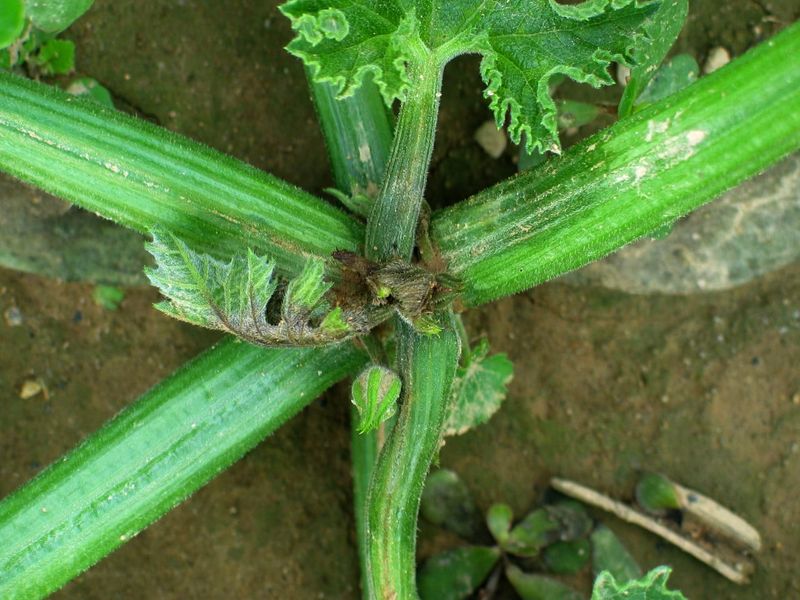
A vine that stays wilted even after cooler overnight temperatures, or one growing in soil that has stayed wet for days, deserves a hands-on look at the crown and roots before anything else happens. Gently brush aside the soil around the base of the plant and examine the lower stem and crown where it meets the ground.
Healthy tissue should be firm and pale green or white inside. Brown, soft, mushy, or girdled tissue at the crown is a warning that a root or crown rot may have already done serious damage.
Texas A&M AgriLife’s Phytophthora root rot resource describes how this pathogen can cause rapid wilt and collapse in cucurbits following saturated soil conditions, sometimes without much early yellowing to signal trouble is coming. UC IPM’s root rot on cucurbits page similarly notes that root rots can produce sudden, severe wilting that looks deceptively like drought stress from above ground.
Finding mushy crown tissue changes the response entirely. Stop irrigating, because adding water to already saturated soil deepens the oxygen deficit and can accelerate rot.
Focus instead on drainage: pull back mulch from the base, check whether water is pooling near the crown, and consider whether the bed needs physical improvement. Texas A&M’s cucumber growing guide recommends raised beds specifically for heavy or poorly drained soils.
Keep the diagnosis qualified, because mushy roots and sudden collapse can occur with more than one disorder, and visual inspection alone may not identify the exact cause.
Use beetle and stem clues to assess bacterial wilt
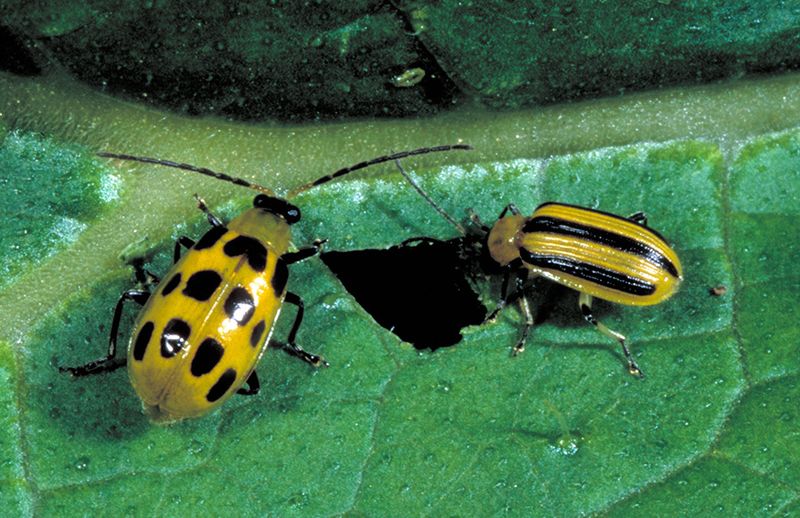
Bacterial wilt follows a recognizable pattern that sets it apart from heat stress and root rot. The decline often starts with one runner wilting while the rest of the plant still looks fine, then spreads progressively through the vine over days.
Striped or spotted cucumber beetles are the insects that carry the bacterium from plant to plant, so their presence – or the small feeding scars they leave on leaves and stems – is a meaningful clue when wilting is also occurring.
A simple field check called the cut-stem string test can support or weaken suspicion of bacterial wilt. Cut through a recently wilted stem close to the crown, press the two cut surfaces firmly together, then pull them apart slowly.
Sticky bacterial strands stretching between the surfaces, or a milky ooze, support bacterial wilt as the likely cause. Iowa State Extension’s cucurbit bacterial wilt page describes this test as a useful field diagnostic tool.
However, University of Wisconsin Extension’s bacterial wilt resource notes that strands do not always form, so a negative result does not conclusively rule out the disease.
Once bacterial wilt has infected a plant, there is no treatment that will save it. University of Maryland Extension’s bacterial wilt guide and Clemson’s cucurbit disease factsheet both recommend prompt removal of infected plants to reduce the chance that beetles will carry the bacterium to healthy plants nearby.
Do not compost a vine strongly suspected of bacterial wilt at home; follow your local Extension service or disposal guidance, as conservative recommendations advise against composting infected plant material.
Look for galls and vascular discoloration
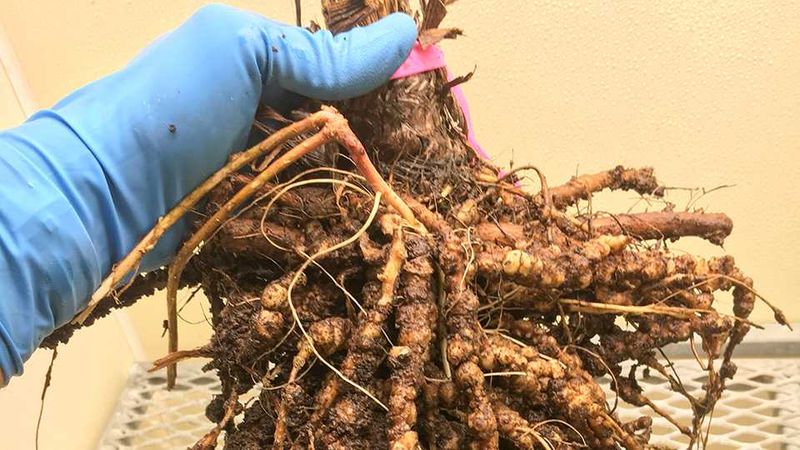
Some causes of persistent midday wilting leave their clearest evidence underground or inside the stem rather than at the surface. Root-knot nematodes are particularly relevant for gardeners in Texas, Florida, and other warm Southern states, because these microscopic roundworms thrive in warm soils and can cause hot-day wilting even when soil moisture is adequate.
UC IPM’s root-knot nematode resource describes aboveground symptoms that include midday wilt, yellowing, stunted growth, and reduced yields, all of which can look like irrigation problems from above.
To check for nematode damage, pull a declining plant carefully and rinse the roots. Swollen, knot-like galls along the roots, poor root development overall, and loss of fine feeder roots are the characteristic signs.
The Texas Plant Disease Handbook’s nematode section notes that confirmation requires a proper soil and root sample analyzed by a diagnostic laboratory, since visual galls alone can be confused with other root abnormalities. A separate clue worth checking inside the lower stem is vascular discoloration: runner-by-runner decline combined with brown or yellow streaking inside the stem tissue can suggest Fusarium wilt.
University of Kentucky’s Fusarium wilt resource identifies these vascular clues, but stresses that laboratory confirmation is often needed because symptoms overlap with other disorders.
When the evidence does not clearly point to one cause, submitting a plant or soil sample to your state Extension diagnostic service is the most reliable next step. NC State Extension’s diseases and disorders handbook and University of Minnesota Extension’s cucumber guide both recommend professional diagnostic help when visual symptoms are ambiguous, because treating for the wrong problem wastes time and can make conditions worse.
Match the response to the evidence
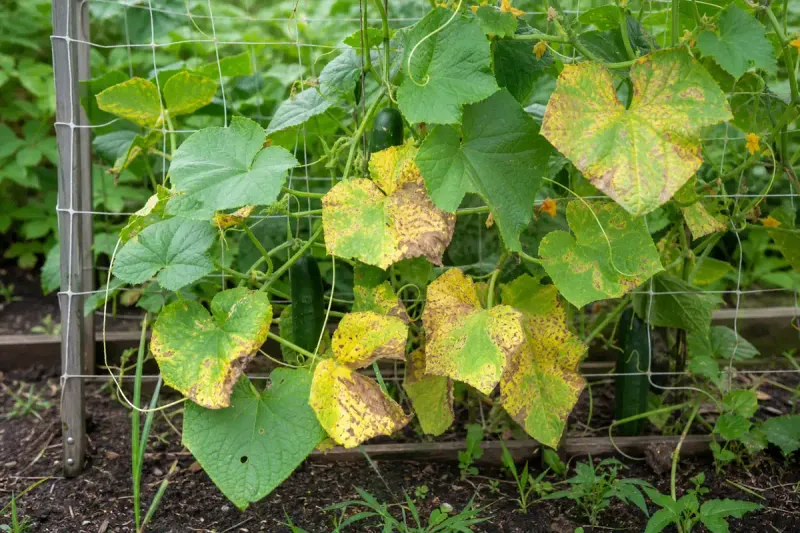
Pulling together what you have observed – recovery pattern, root-zone moisture level, crown condition, beetle activity, and root appearance – should point toward a specific response rather than a generic one. A vine that recovers reliably overnight and has a genuinely dry root zone several inches down is a reasonable candidate for slow, thorough root-zone watering and heat-reduction measures like mulch or temporary shade cloth.
Adding water when the root zone is already saturated, by contrast, worsens oxygen deprivation and can accelerate root disease.
When you find mushy crown tissue, progressive decline without recovery, beetles plus runner wilting, root galls, or discolored stem tissue, the response shifts from irrigation management to targeted investigation or removal. If bacterial wilt is strongly suspected based on beetle presence and a positive string test, remove the plant promptly and follow local Extension disposal guidance.
Wisconsin Extension’s bacterial wilt page is clear that no spray treatment reverses the infection once it has taken hold. For root rot concerns, UC IPM’s cucurbit root rot resource confirms that fungicide decisions require correct disease identification and a product legally labeled for the specific pathogen and crop.
Cucumber beetles require equally careful handling. Illinois Extension’s cucumber beetle resource and NC State’s disease and disorder handbook both direct gardeners to check current product labels, local regulations, preharvest intervals, and pollinator protections before applying any insecticide.
UF/IFAS Florida cucumber guidance and Oklahoma State vegetable FAQ guidance both reinforce that soil-moisture decisions and pest responses need to fit local conditions rather than follow a single universal prescription. Matching the action to the actual evidence protects the vine from the wrong treatment and protects you from wasted effort.
Let the trend guide the next decision
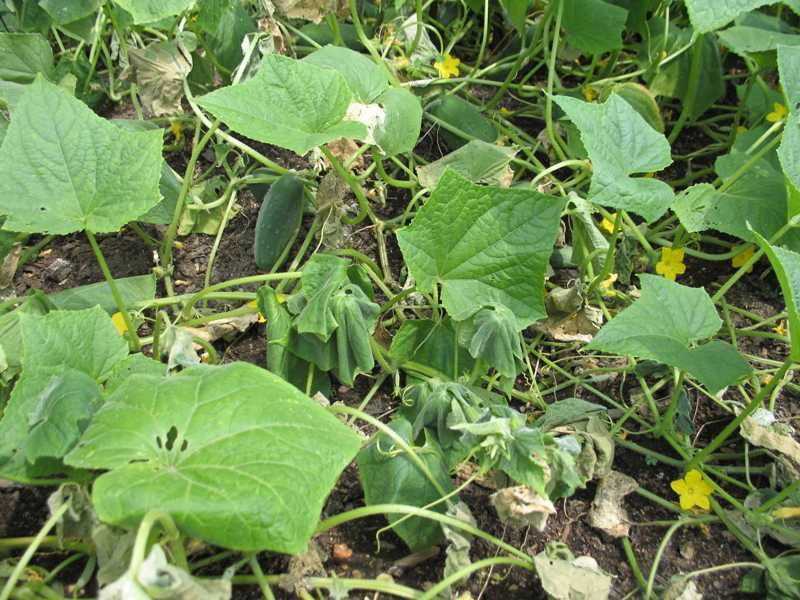
Midday-only wilting that reverses as afternoon heat eases can reflect a temporary water-balance gap rather than a plant in serious trouble. The premise worth correcting is the idea that wet soil automatically means everything is fine.
Wisconsin Extension’s plant wilting resource and UGA’s heat versus water stress guidance both make clear that soil moisture and plant-available water are not the same thing, and that recovery timing tells you something important about what is happening.
The safest immediate habit is to check root-zone moisture several inches down and track how fully the vine recovers before reaching for the hose or any other treatment. When the evidence is ambiguous or the decline is progressing despite your best efforts, University of Minnesota Extension’s cucumber resource recommends submitting a plant or soil sample to your state Extension diagnostic service for a reliable answer.
A cucumber vine that wilts and bounces back is telling you something; one that wilts and keeps losing ground is asking for a closer look.