
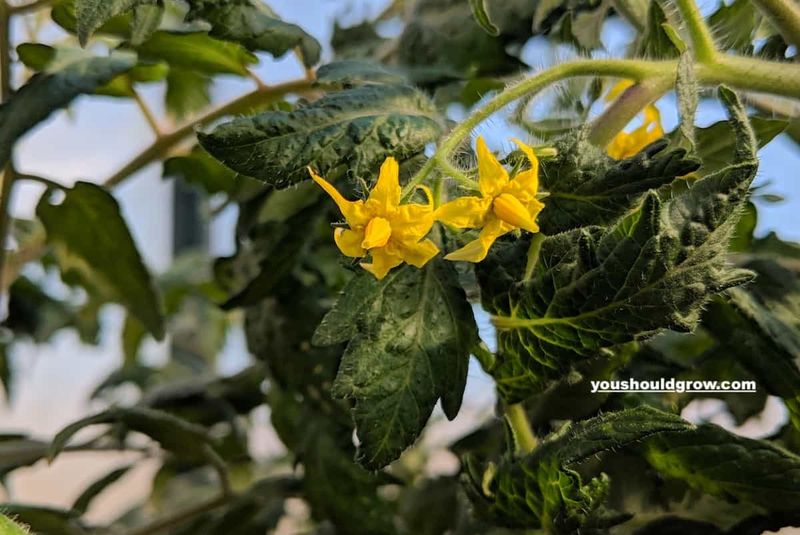
Late summer can feel like a cruel joke for tomato gardeners: your plants are covered in flowers, but not a single one is turning into fruit. Something is quietly going wrong, and warm overnight temperatures are very likely part of the problem.
Understanding what happens inside those blossoms when nights stay hot can help you stop guessing, start troubleshooting, and protect your plants until cooler weather gives them another chance.
What sudden blossom loss during a heat wave usually looks like
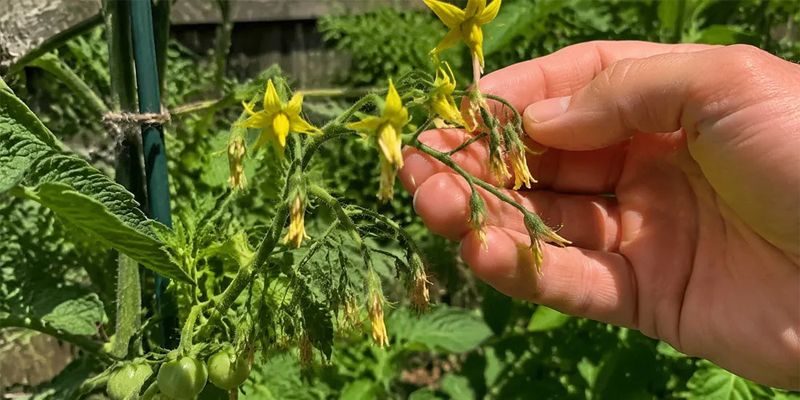
Gardeners who have grown tomatoes for years know the frustration: a plant that was setting fruit just weeks ago is now covered in blossoms that never amount to anything. The flowers open, hold for a day or two, and then dry up, turn brown or yellow at the base of the stem, and fall to the ground before any tiny green fruit appears.
That yellowing or browning of the flower’s stem, called the pedicel, often shows up just before the blossom drops, and it is one of the clearest visual clues that the flower failed to fertilize.
When this pattern coincides with several days of late-summer heat, it strongly suggests an environmental fruit-setting problem. University of Maryland Extension notes that poor fruit set during hot weather is a common and recognizable complaint, and that the symptom pattern of drying, dropping blossoms during heat is a key diagnostic signal.
That said, the symptom alone cannot confirm warm nights as the cause, since several other stressors can produce the same result.
The reassuring part is that heat-related blossom drop is often temporary. Flowers that have already fallen will not come back, but many tomato plants resume setting fruit once temperatures moderate.
The sections that follow will help you work through the possible causes and decide what, if anything, you can do right now.
How warm nights disrupt tomato pollen and fruit set
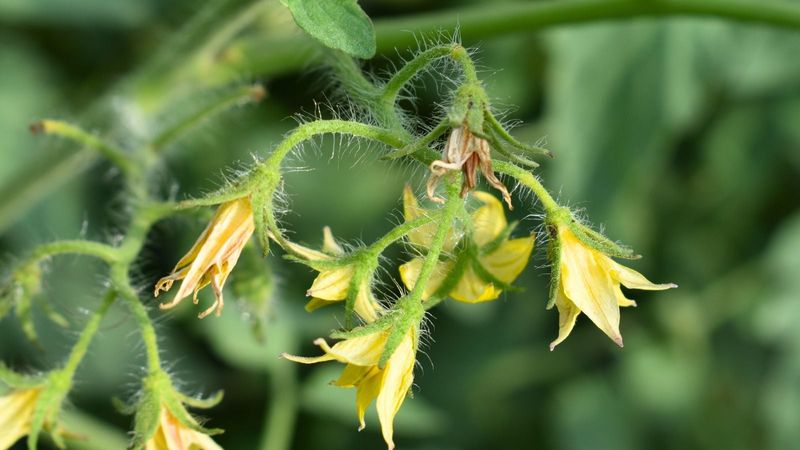
Tomato flowers are designed to pollinate themselves, but that process depends on healthy pollen being produced and released at the right moment. When nights stay at or above roughly 70 degrees Fahrenheit for several days in a row, especially when daytime temperatures are also consistently above about 90 to 92 degrees, the reproductive parts of the flower can be affected in more than one way.
Pollen may be produced in smaller amounts, may fail to shed properly from the anthers, or may become less viable even when it is present.
Research published by Sato et al. in Plant, Cell and Environment found that high temperatures can reduce pollen germination and tube growth, both of which are necessary for fertilization to succeed. A separate study by Peet and Bartholemew in the Journal of the American Society for Horticultural Science documented cultivar-specific differences in heat sensitivity, reinforcing that the response is not identical across every tomato variety.
High humidity adds another layer of trouble by making it harder for pollen to shed from the anther cone. When pollen cannot release or cannot reach the stigma, fertilization fails, and the flower dries and drops without forming a fruit.
These numbers, 70 degrees at night and 90 to 92 degrees during the day, are practical risk ranges drawn from extension guidance, not absolute biological cutoffs. How badly a specific plant is affected also depends on how long the heat persists, the cultivar, overall plant health, and soil moisture.
Virginia Tech Extension identifies this combination of reproductive heat stress and pollen problems as a primary explanation for late-summer blossom drop in home gardens.
Check the plant before blaming the temperature
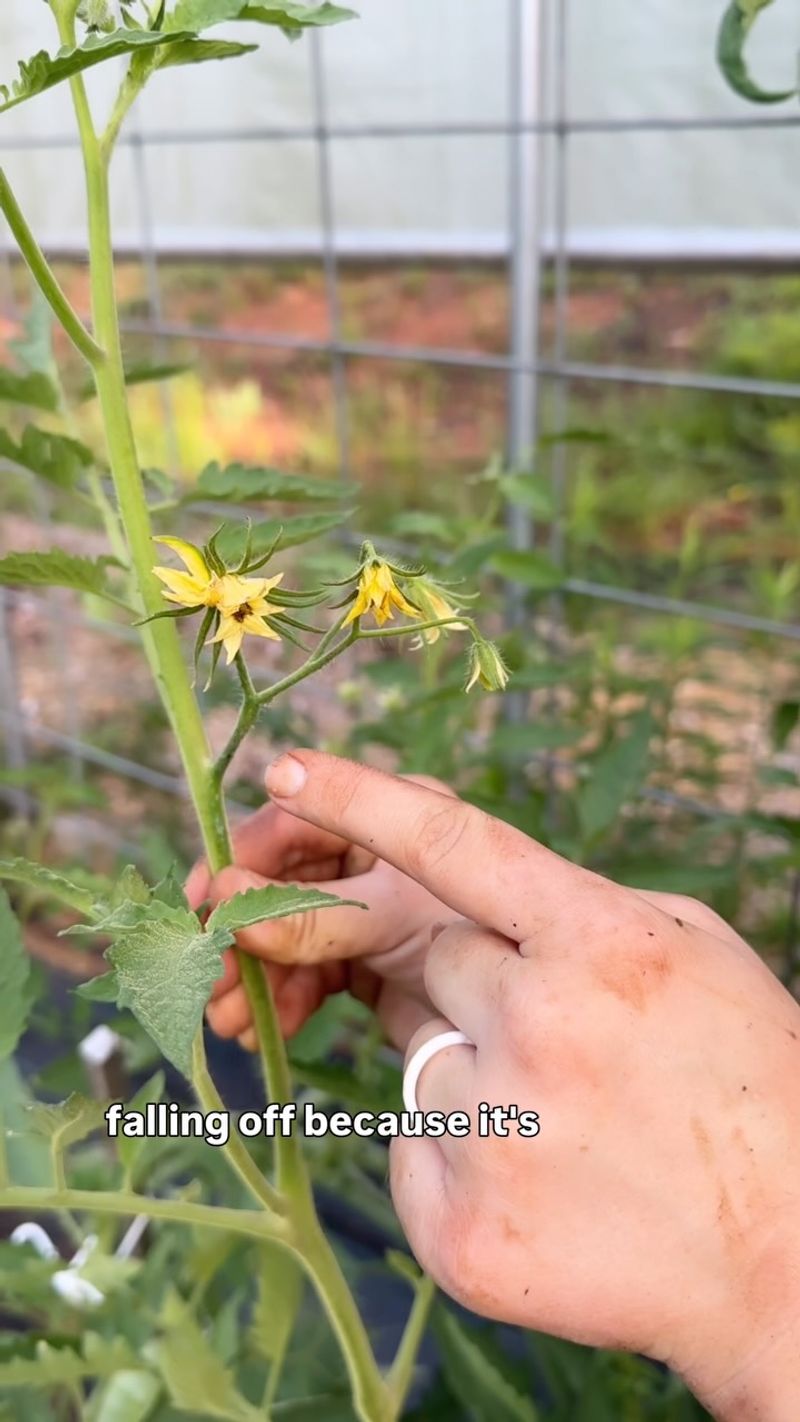
Before settling on heat as the explanation, spend a few minutes looking at the whole plant. Start by comparing the timing: did flowers start dropping right when the heat wave arrived, or was the problem already developing before temperatures spiked?
Timing that lines up with a stretch of very hot days is one point in favor of a heat-related diagnosis, but it is not proof on its own.
Pick up a few dropped flowers and look at the pedicel. A dried, yellowed stem on an otherwise intact blossom fits the heat-drop pattern.
Then check the soil. Press a finger two inches into the root zone; if it comes back dry and powdery, water stress may be driving the drop alongside, or instead of, heat.
Look at the plant’s recent history too: was it heavily pruned, recently transplanted, or given a large dose of nitrogen fertilizer? All of those can reduce fruit set.
Check for dense shade from a nearby structure or tree, and note whether the plant is exposed to strong wind that could be drying blossoms prematurely.
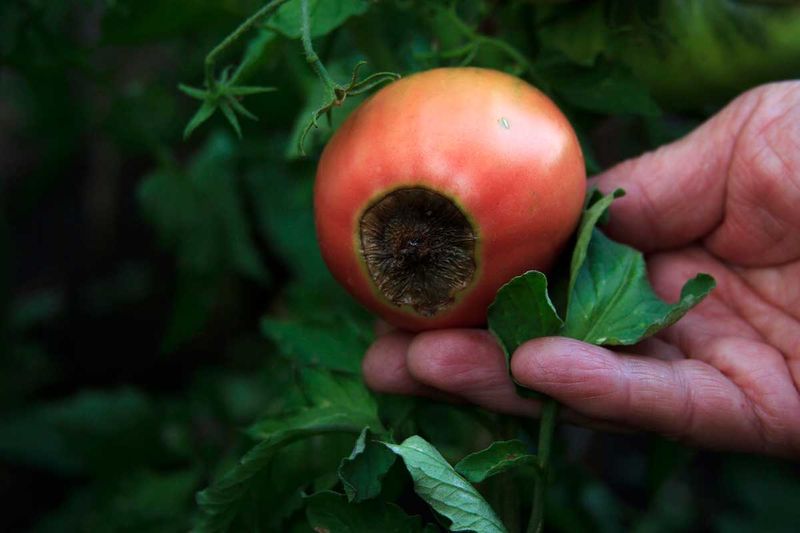
Next, look at the fruit already on the plant. A dark, sunken, leathery spot on the bottom of an existing tomato is blossom-end rot, a different problem associated mainly with inconsistent water uptake, not with blossom drop before fruit forms.
Iowa State University Extension distinguishes these two disorders clearly, and treating one will not fix the other.
Finally, examine the foliage. Mosaic patterns, bronzed or silvery leaves, severe spotting, wilting that does not recover after watering, distorted new growth, or rings on fruit are warning signs that point toward disease or insects rather than heat alone.
Cornell Vegetable Program guidance on Tomato Chlorotic Spot Virus is one example of a pathogen that can mimic or compound heat symptoms in Southern gardens. If any of those signs are present, investigate pests and disease before assuming temperature is the only culprit.
Reduce additional stress while the heat persists
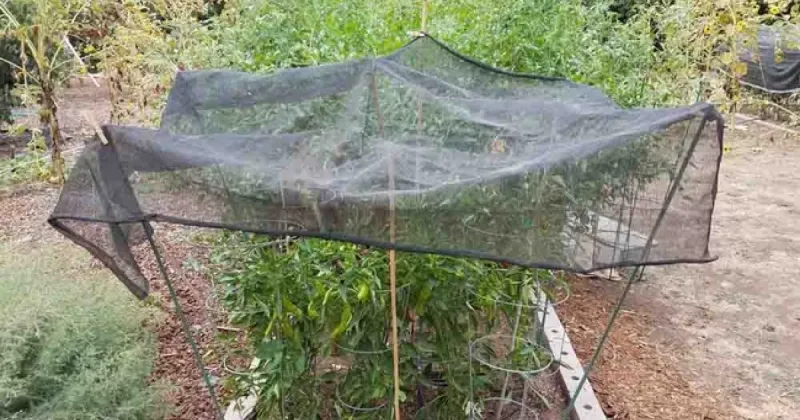
Keeping your tomato plants as comfortable as possible during a heat wave will not undo pollen damage that has already happened, but it can prevent additional stress from piling on top of the heat. The most important thing you can do right now is maintain reasonably consistent root-zone moisture.
Water deeply enough to moisten the entire root zone, then let the soil drain before watering again. Swinging between bone-dry soil and waterlogged roots is harder on plants than moderate, steady moisture, and that kind of inconsistency can contribute directly to blossom drop and increase the risk of blossom-end rot on fruit already forming.
A two-to-three-inch layer of mulch around the base of each plant slows evaporation from the soil surface, buffers soil temperature, and reduces the frequency of watering needed. Oklahoma State University Extension recommends mulching as a core practice for summer tomato production, especially in hot climates.
Apply water at the soil surface using drip irrigation, a soaker hose, or careful hand watering rather than routinely spraying the foliage; wet leaves in warm, humid weather create favorable conditions for fungal disease.
Temporary shade during the hottest part of the day, roughly from 11 a.m. to 4 p.m., can reduce heat load on the plant. University of Delaware Extension suggests starting with about 30 percent shade cloth for vegetables under heat stress, noting that heavier or all-day shade can reduce flowering and slow growth rather than help it.
A shade cloth rigged on stakes or a simple frame is easier to remove when temperatures drop than a permanent overhead structure. Think of these steps as reducing the total burden on the plant, not as a guarantee that flowers will start setting fruit immediately.
When gently vibrating the flowers can help
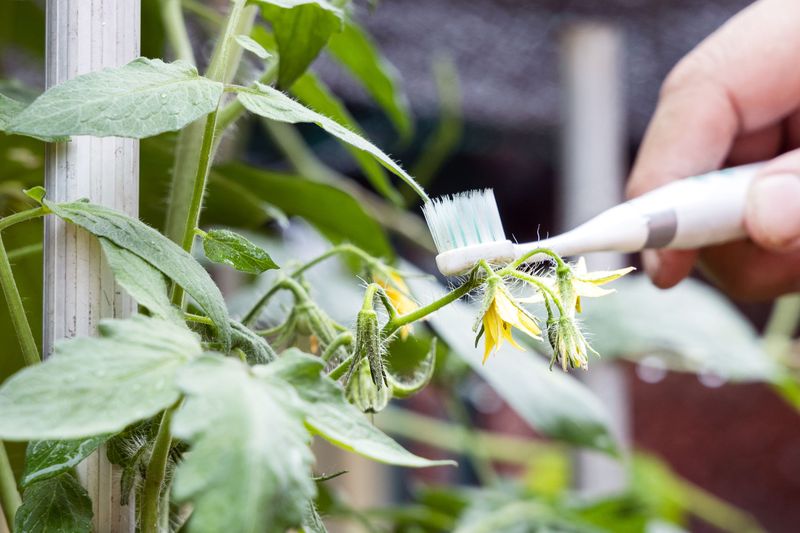
Tomato flowers are self-compatible, meaning each blossom carries both the pollen-producing anthers and the pollen-receiving stigma. Outdoors, wind and the natural movement of the plant usually shake enough pollen loose to reach the stigma and complete fertilization.
Bumble bees and certain other native bees can also help by buzzing at a frequency that vibrates the flower and releases pollen more efficiently, a behavior described in published research on buzz-pollinated crops.
When the air is very still, when plants are growing in an enclosed space such as a screened porch or low tunnel, or on a calm, windless day, gently vibrating flower clusters by hand may help release pollen that is otherwise sitting unused. A light tap on the flower cluster or the stem just behind it is enough; there is no need to brush inside the flower or handle it roughly.
UF/IFAS greenhouse tomato guidance recommends gentle vibration as a standard pollination aid in enclosed growing systems where natural air movement is limited.
The important limit here is that vibration only works when viable pollen is actually present. If sustained high temperatures have already reduced pollen viability or prevented normal pollen development, shaking the flower cluster will not produce fruit.
University of Maine Extension notes that flowers stuck at the same stage for weeks without progressing may reflect environmental conditions that limit pollen function. Honey bee absence alone is not a reliable diagnosis for outdoor blossom drop, since tomatoes do not require them the way some other crops do.
Avoid remedies that cannot fix heat-damaged pollen
When tomatoes stop setting fruit, the temptation to reach for something, anything, from the garden center is understandable. A few common remedies, though, are more likely to waste your money or cause new problems than to solve a heat-related pollination failure.
Extra nitrogen is one of the most common mistakes. Lush green growth after a nitrogen application can feel like progress, but excess nitrogen pushes the plant toward vegetative growth at the expense of flowers and fruit.
Virginia Tech fertilizer guidance recommends basing any fertilizer application on a soil test or a clearly documented nutrient deficiency rather than adding amendments on speculation. The same caution applies to phosphorus, potassium, calcium, and homemade soil additives.
Epsom salts appear frequently in gardening advice as a cure for poor fruit set, but Mississippi State University Extension does not support their use as a general tomato treatment. Blossom-end rot treatments, including calcium sprays, address a water-uptake problem on fruit that has already begun to develop; they do not correct blossom drop, which happens before any fruit forms.
Hormone-type blossom-set sprays are sometimes marketed for exactly this situation, but Oklahoma State University Extension notes that these products have limited effect under high-temperature conditions and may produce misshapen or seedless fruit. Repeatedly spraying flowers or foliage with water to cool the plant is also not a recommended strategy; as Iowa State University Extension explains, consistently wet foliage raises the risk of fungal and bacterial disease.
Focus instead on the soil-level moisture and mulch practices covered in the previous section.
Expect recovery after the heat and choose cultivars locally
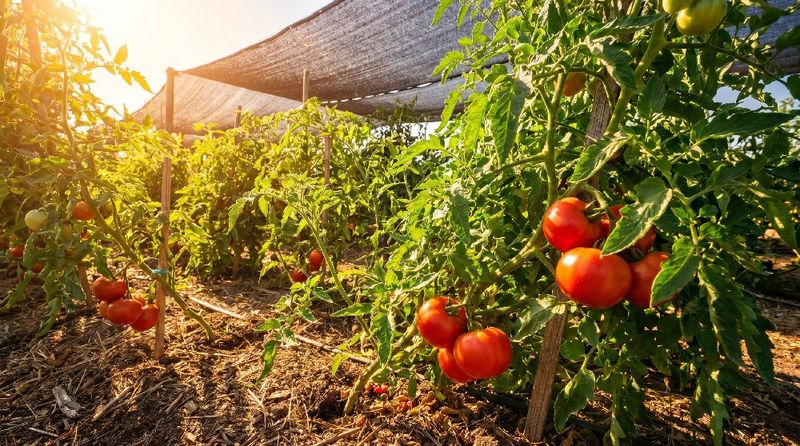
Flowers that dried and dropped during the heat wave are gone for good; the plant cannot recover those individual blossoms. What many tomato plants can do, though, is produce a fresh round of flowers once temperatures moderate, and those new flowers may set fruit normally.
University of Maryland Extension confirms that heat-related blossom drop is often a temporary pause rather than a permanent end to the plant’s productive season.
For Florida gardeners planning ahead, cultivar selection matters a great deal when bloom and fruit set are likely to occur during extreme summer heat. UF/IFAS identifies varieties such as Solar Fire, Florida 91, and Phoenix as options suited to hot conditions in North Florida, and also recommends Heat Wave II and notes that many cherry tomato types tend to set better under heat stress than large-fruited varieties.
UF/IFAS North Florida cultivar guidance and the UF/IFAS tomato production guide provide more detail on matching variety to season and location. These are Florida-specific examples; gardeners in other Southern states should consult their own state extension service for regionally tested recommendations.
Heat-set cultivars can reduce the risk of blossom drop during hot spells, but no variety is immune to extreme or prolonged heat. Cultivar performance also depends on disease resistance, planting date, and growing system, so heat tolerance should never be the only factor in your selection.
UF/IFAS Gardening Solutions notes that fall crops in Florida face higher disease and whitefly pressure alongside the heat challenge. Warm nights can explain a temporary pause in your harvest without meaning the plant is finished for the season.