
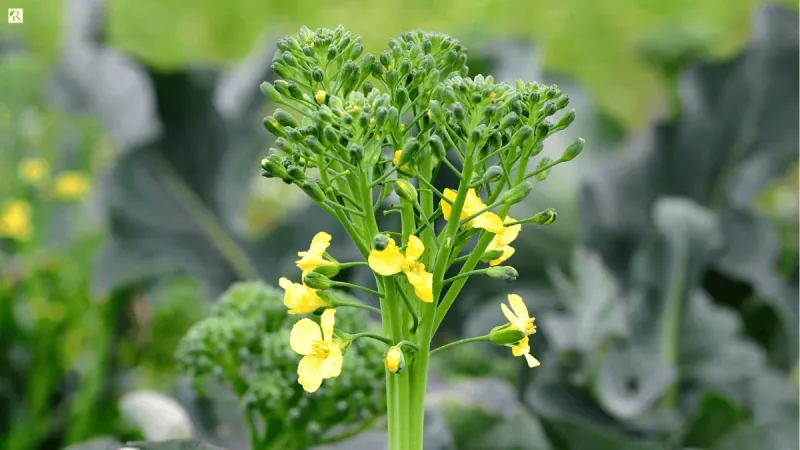
Watching your fall broccoli shoot up yellow flowers instead of forming a solid green head is one of the more frustrating things that can happen in a late-summer Southern garden. The good news is that yellow flowers do not automatically mean your crop is ruined or that you made a major mistake.
Heat is often a big part of the problem, but transplant age, root condition, soil moisture, and timing all play a role too. Understanding what actually happened puts you in a much stronger position for the next planting.
Yellow flowers mean the broccoli buds have opened
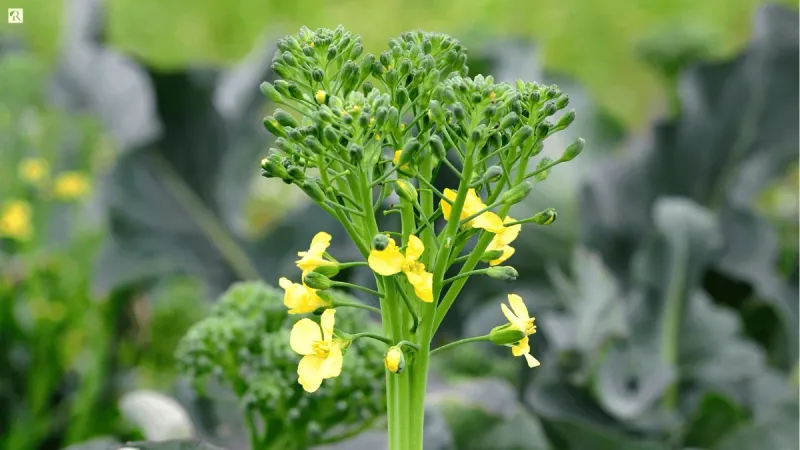
A broccoli head is not a leaf or a stem – it is a dense cluster of flower buds that the plant never quite got around to opening. Every small green bump packed into that dome is a bud waiting to bloom, and the goal is to harvest the whole thing before that happens.
When you see yellow petals pushing through the crown, those buds have already begun to open, and the plant is moving past the stage where it produces the best-eating broccoli.
A harvest-ready head looks firm, tight, and dark green or blue-green, with no gaps between the florets. UC Davis Postharvest research on broccoli confirms that yellowing indicates the florets are past their prime eating stage.
A loose or yellowing crown signals declining quality, not necessarily a food-safety emergency – opened florets that are otherwise fresh and undamaged are generally still edible, though the flavor tends to run more bitter and the texture softer.
The more useful question is whether your plant ever formed a proper head in the first place. A crown that formed and then opened quickly in heat is a different situation from a plant that skipped the head entirely and sent up a flower stalk.
Knowing which one you are looking at helps you figure out what went wrong and what you can still do with what is in the garden right now.
Heat can disrupt head formation and speed flower opening
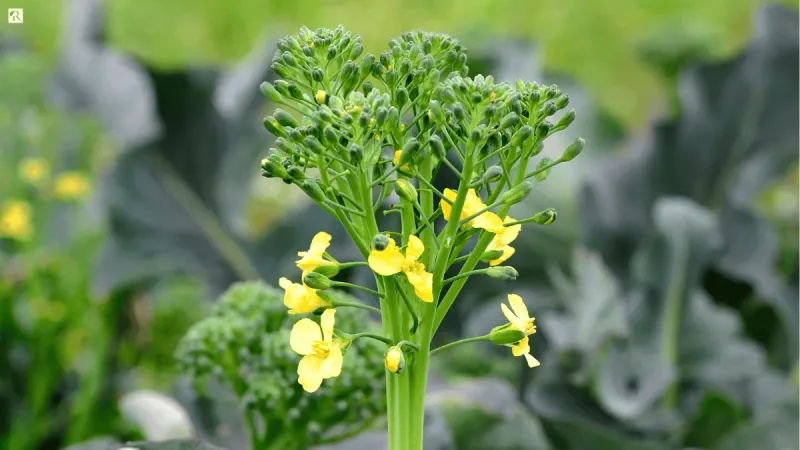
Broccoli is a cool-season crop at heart, and its internal calendar is tuned to temperatures that rarely show up in a Southern August. When daytime heat climbs and nighttime temperatures stay elevated, the plant reads those signals as a reason to hurry toward reproduction rather than building a dense, marketable head.
Iowa State University Extension guidance on growing broccoli identifies daytime temperatures around 86 degrees F and nighttime temperatures around 77 degrees F as ranges capable of interfering with head formation. A University of Delaware Extension summary citing Cornell research points to temperatures above 90 degrees F during early head formation as a particularly risky period.
These figures are useful warning ranges, not guaranteed failure points for every cultivar or garden, since plant age, nighttime recovery, humidity, and water status all affect how a specific plant responds.
Once a head does begin to form in hot conditions, it may not stay compact for long. Penn State Extension notes that broccoli heads maturing in summer heat can open within roughly four to six days, which explains why a crown that looked tight on Monday can be showing yellow flowers by the weekend.
That rapid shift from compact buds to open petals is heat speeding up a process the plant was already running – not a sign that something broke overnight.
Do not call every failed head bolting
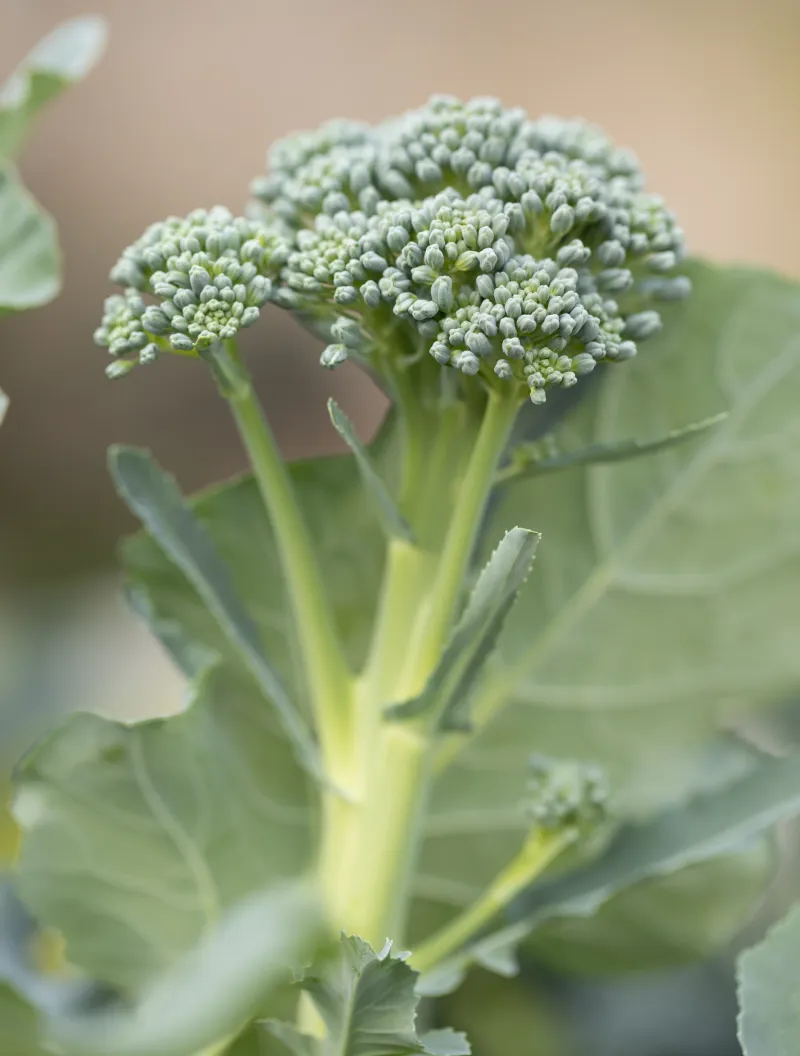
“Bolting” gets used as a catch-all for any broccoli that flowers before you wanted it to, but the word actually covers at least three different situations that have different causes and different implications for what you can still eat or do. Sorting out which one you are seeing matters before you decide the heat is entirely to blame.
A formed head that opens quickly in hot weather is not the same thing as classic bolting. Classic bolting typically shows a tall, elongated flower stalk rising from the plant, often triggered by a period of cold exposure followed by warmth, or by other stresses.
A tiny, premature head – sometimes called buttoning – is a third pattern where the plant forms a miniature crown far too early, often because of transplant shock, root damage, old or root-bound plants, or drought stress. Clemson Cooperative Extension and Illinois Extension both note that drought, transplant shock, and old or stressed plants can contribute to small heads or premature flowering alongside heat.
Colorado State University Extension also distinguishes bolting from other forms of premature reproductive growth.
Yellow flowers on the crown and yellow leaves are two completely different symptoms. Yellow flowers mean buds are opening.
Yellow leaves may point to black rot, Fusarium yellows, clubroot, root damage, nutrient deficiency, or water stress – none of which heat alone explains. University of Minnesota Extension’s broccoli leaf diagnosis tool flags V-shaped yellow lesions with dark veins as a warning sign for black rot, a disease that warrants its own diagnosis rather than a confident heat label.
Harvest flowering broccoli before quality falls further
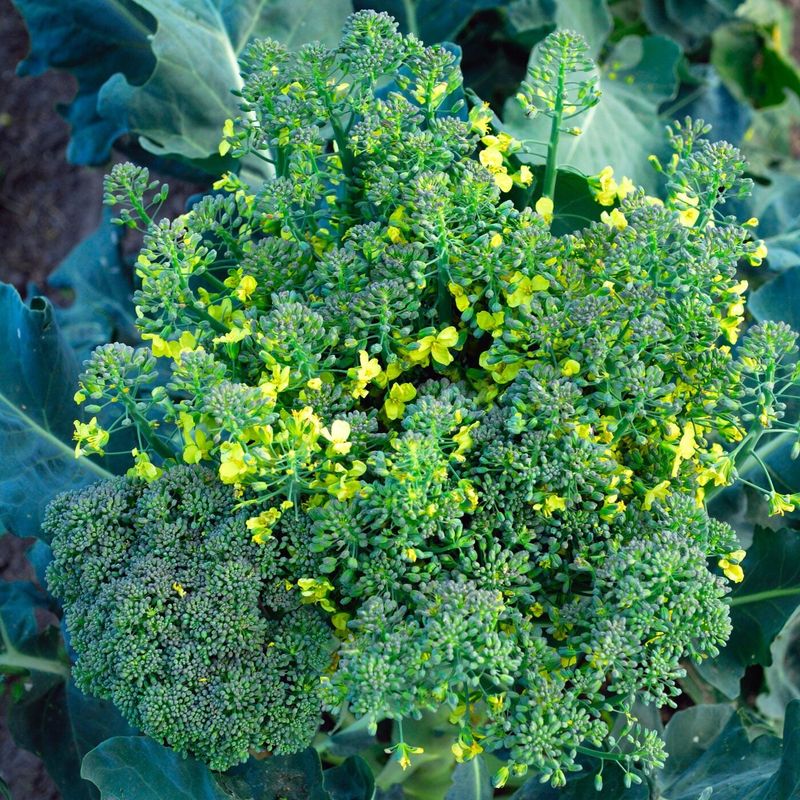
Once yellow flowers appear, waiting for the head to get bigger is not a winning strategy in hot weather. The florets will continue to open and the quality will keep dropping, so the best move is to cut what you have while it is still usable.
Even a crown with some loosening buds and a few yellow petals can still be a decent meal if it is otherwise firm and fresh.
Iowa State Extension’s broccoli harvest guidance recommends cutting the central head while buds are compact and before any yellow shows. Ask Extension notes that opened broccoli flowers are generally still edible, though flavor may turn more bitter and texture less crisp.
Discard any produce that is slimy, moldy, or shows signs of decay – that is a quality and spoilage issue, not just an aesthetic one.
After you remove the central head, the plant may still produce smaller side shoots from the leaf axils. NC State Cooperative Extension’s harvesting tips confirm that leaving the plant in place after the main harvest often yields these secondary shoots, which are worth picking up.
UC IPM’s broccoli cultural tips note that shade can reduce additional stress on plants still in the ground, but shade and extra water cannot close flowers that have already opened.
Start with young, vigorous, hardened transplants
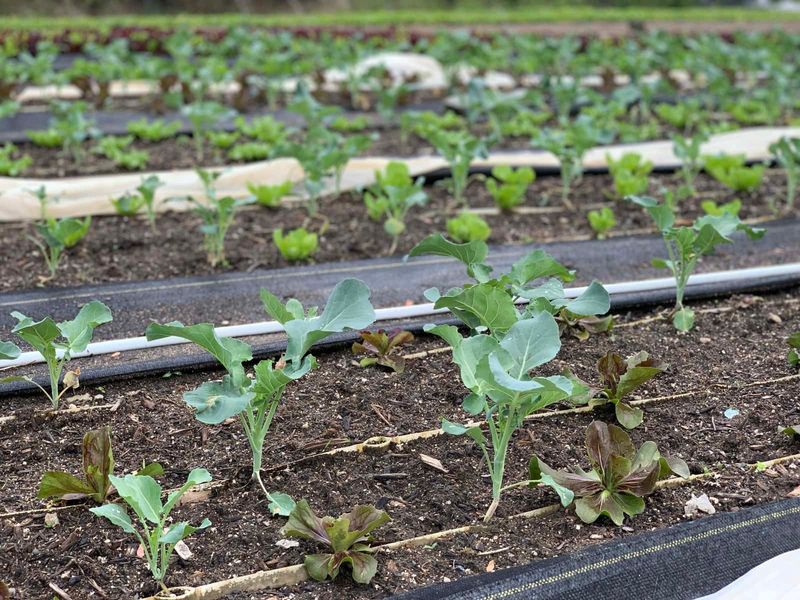
The plant material you put in the ground has a lot to do with how your fall broccoli handles late-summer stress. An older, root-bound transplant that has been sitting in a small cell pack too long is already compromised before it ever touches your soil.
Those plants are more likely to button up prematurely or skip proper head formation entirely, regardless of how carefully you water or fertilize afterward.
Clemson Cooperative Extension recommends avoiding oversized, old, dried-out, or stressed transplants and choosing young, vigorous plants instead. A plant that has circling roots or has been allowed to dry out repeatedly at the garden center has already used up some of its recovery capacity.
Choosing compact, healthy seedlings with good green color gives the plant a much better starting position when it hits hot outdoor conditions.
Hardening is just as important as the plant’s age. University of Delaware Extension guidance on hardening transplants recommends beginning in a shaded, protected spot and gradually increasing sunlight exposure over several days before moving plants to a full-sun bed.
Moving a greenhouse- or nursery-grown transplant directly into August sun compounds transplant shock on top of heat stress, and that combination can trigger premature flowering before the plant ever settles in. The extra few days of acclimation are not optional in Southern late-summer conditions.
Protect young plants without trapping more heat
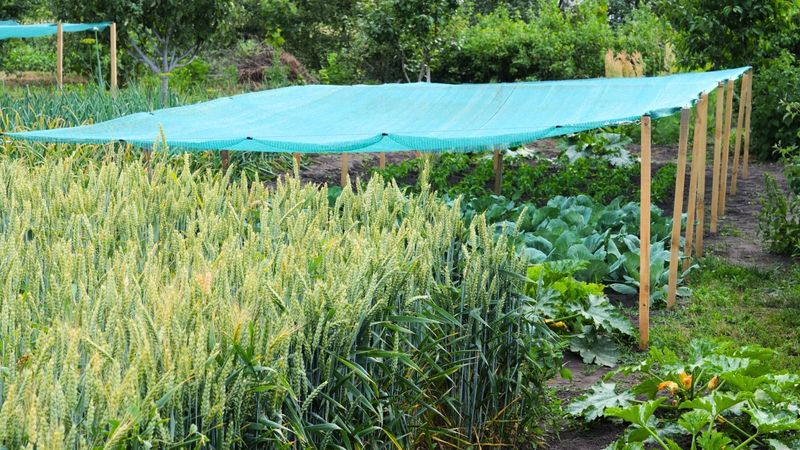
Getting newly set transplants through the first week or two in late-summer heat takes a few targeted steps. The goal is to keep the root zone stable and reduce the intensity of sun and heat on tender leaves, without creating conditions that make things worse.
Moisture management matters most. University of Maryland Extension’s broccoli growing guide notes that broccoli has relatively shallow roots and needs consistent moisture, especially right after planting.
Water deeply enough to wet the root zone rather than applying frequent, shallow sprinkles that never reach the roots – but avoid keeping the soil saturated, which can damage roots and invite disease. How often you water depends on your soil type, drainage, container size if applicable, and current weather, not a fixed daily schedule.
Mulch helps on both fronts. UF/IFAS Gardening Solutions recommends mulch for broccoli to retain soil moisture and moderate soil temperature.
Keep mulch a couple of inches away from the stems to avoid rot, and remember that mulch supports good planting conditions but does not substitute for correct timing or adequate irrigation.
Temporary shade cloth can reduce the intensity of direct sun on young plants. UC IPM recommends 50% shade cloth for summer-grown broccoli seedlings until they have about six leaves.
Shade should be temporary and monitored because too much of it slows growth. Floating row cover is a separate tool – it excludes insects like cabbageworms and flea beetles, but University of New Hampshire Extension cautions that row covers can trap heat and should be ventilated or removed when temperatures climb to damaging levels.
Match planting dates to regional weather
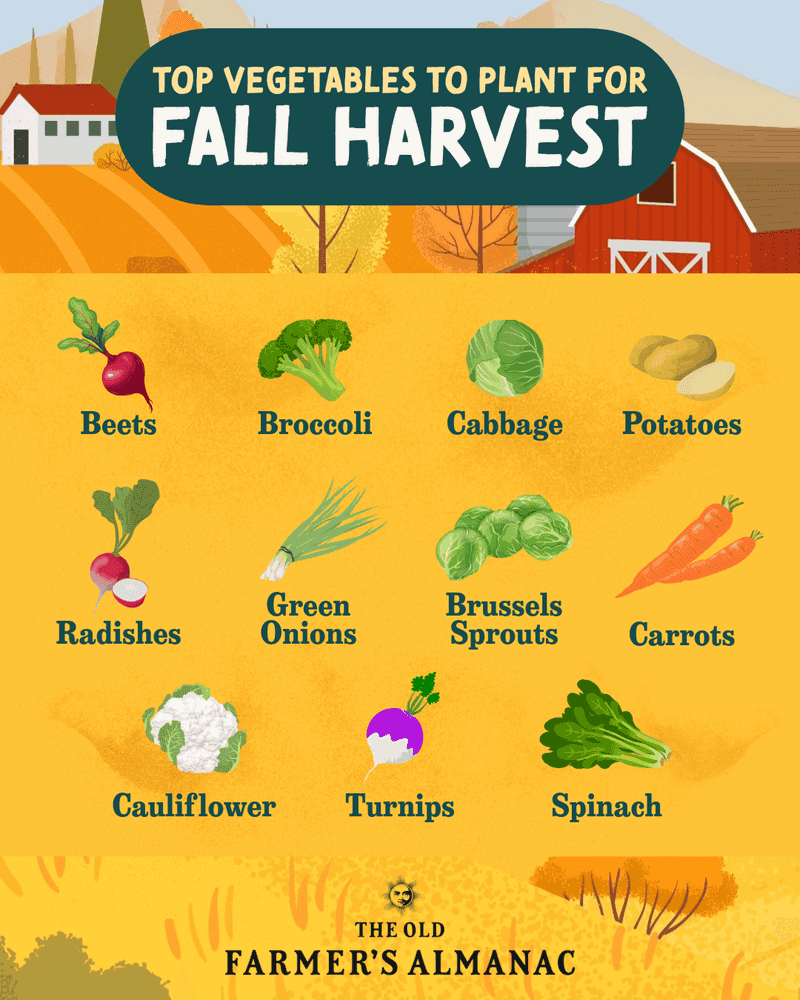
One planting date cannot serve every Southern garden, and following a generic “plant in late August” rule without checking local conditions is one of the most common reasons fall broccoli ends up forming heads during the hottest part of the season rather than during the cooler stretch that follows. The real goal is to time things so head formation happens as temperatures moderate, not while the thermometer is still climbing.
Florida gardeners work with a broad window that shifts significantly by region. UF/IFAS Chapter 6 on Cole Crop Production lists planting windows of approximately September through February for North and Central Florida and October through January for South Florida.
A 2025 UF/IFAS Horticultural Sciences back-to-school planting post places North Florida’s fall start around mid- to late August, while Central and South Florida gardeners generally benefit from waiting until later in September or beyond. These are regional windows shaped by local microclimates, not universal rules.
Texas has even sharper regional variation. Texas A&M AgriLife Extension’s fall vegetable gardening guide lists fall broccoli planting dates ranging from as early as July 15 in some regions to as late as November 1 in others, with a general recommendation to plant roughly 10 to 16 weeks before the expected first freeze.
County-level Extension offices in both states can offer more precise guidance than any national recommendation, and reaching out to your local office before planting is time well spent.
Choose cultivars that fit the local season
Cultivar selection can tip the odds in your favor, but it works best when it is paired with good timing and healthy transplants rather than used as a substitute for either. A variety described as heat-tolerant may handle warm conditions better than an older standard type, but no cultivar is engineered to form a market-quality head under severe heat, drought, transplant stress, or a planting date that puts it in peak heat at the exact wrong growth stage.
NC State Extension’s guide to selecting broccoli cultivars emphasizes relying on regional trial data where it is available rather than trusting a heat-tolerant label alone, since performance is genuinely regional. Varieties like Green Magic, Gypsy, and Packman have shown useful heat tolerance in some trials, but results vary by location, season, and growing conditions.
A variety that performs well in a North Carolina trial may behave differently in a Central Florida or South Texas garden.
NC State’s basics of broccoli production reinforces that higher temperatures lead to poor head formation regardless of cultivar. The practical takeaway is to look for varieties with documented performance in your specific region, check with your county Extension office or local Master Gardeners for trial results, and treat heat tolerance as one factor among several rather than a guarantee against premature flowering.
Use the diagnosis to plan the next crop
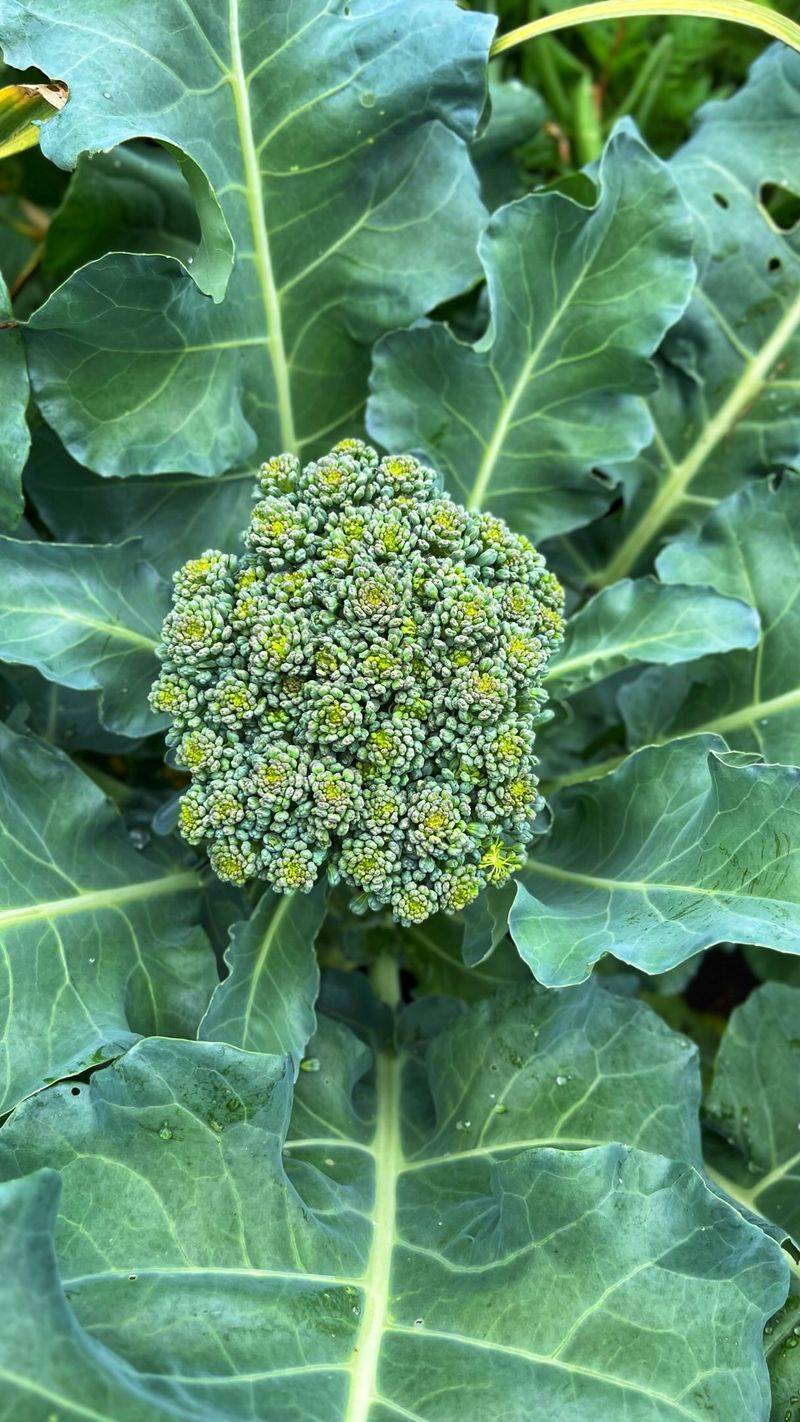
Before pulling any plants, take a few minutes to look carefully at what you actually have. Check whether the yellow color is on the crown florets or on the leaves – that distinction alone can point you toward heat and overmaturity on one hand, or a disease or root problem on the other.
If the crown has loosening buds or a few open flowers but the plant is otherwise healthy, cut and use what is there now. If you see V-shaped yellow leaf lesions with dark veins, or stems that look rotten at the base, you may be dealing with something beyond heat.
For plants still in the ground, consistent moisture and temporary shade can reduce additional stress, even if they cannot reverse flowers that have already opened. Side shoots may still develop after the central head is removed, so leaving healthy plants in place has some upside.
Iowa State Extension and University of Maryland Extension both recommend keeping the soil evenly moist and harvesting promptly when the head is ready.
For the next planting, the priorities are straightforward: young, well-hardened transplants, a locally tested cultivar, and a date that lets head formation land during moderating fall temperatures rather than the hottest weeks of the season. UF/IFAS and Texas A&M AgriLife Extension both provide regional timing guidance that is far more useful than any one-size calendar rule.
Heat is often the trigger, but timing is the lever you can actually control.