
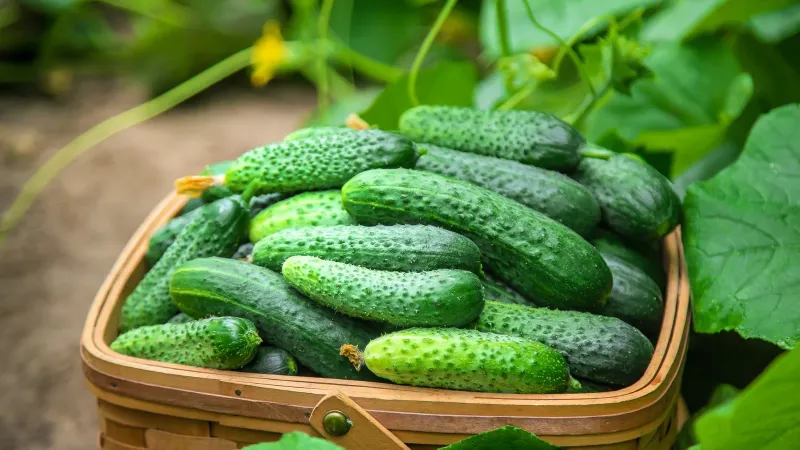
Biting into a homegrown cucumber and getting a mouthful of sharpness is one of the most frustrating moments in a backyard garden, especially after weeks of careful tending through summer heat. That bitterness is not random, and it is not always the gardener’s fault.
A group of natural plant compounds called cucurbitacins is responsible, and several conditions, including heat combined with uneven watering, variety genetics, and plant stress, can push levels high enough to ruin the flavor. Understanding what triggers those compounds puts you in a much better position to protect your next harvest.
Cucurbitacins create the sharp, bitter taste
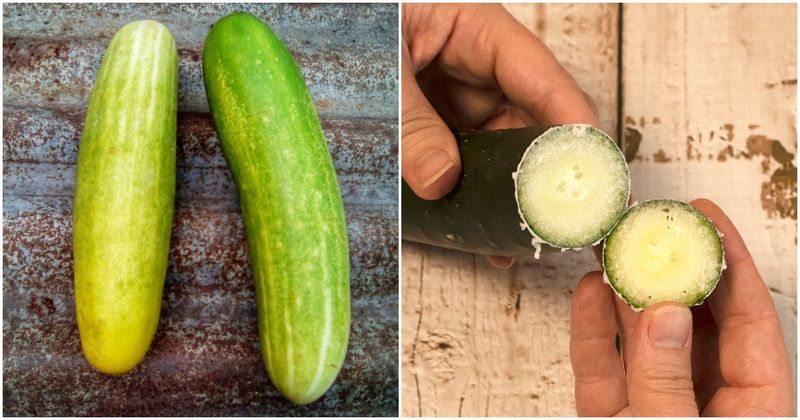
Most cucumbers look perfectly healthy from the outside right up until that first sharp, unpleasant bite. The culprit hiding inside is a group of compounds called cucurbitacins, natural defense chemicals that the cucumber plant produces to discourage insects and other threats.
These compounds are responsible for the bitter, sometimes throat-catching taste that can make an otherwise beautiful fruit inedible.
Cucurbitacins are not evenly distributed in every fruit. They are often more concentrated near the skin and toward the stem end of the cucumber, though that pattern can shift depending on the cultivar and the individual fruit.
Peeling and trimming may help when bitterness is mild and surface-level, but do not count on that trick working every time.
The concentration of these compounds also varies considerably from fruit to fruit and plant to plant. Research on cucurbitacin biosynthesis in the Cucurbitaceae family confirms that genetics plays a major role in how much of these compounds a plant produces and where they accumulate.
A cucumber that looks identical to a sweet one may carry far more cucurbitacins simply because of its variety or the stress it experienced while growing.
Bitterness can signal a quality problem, or when it is unusually intense, something closer to a safety concern. A small raw taste can help you judge the fruit, but a strongly bitter cucumber should be spit out and set aside rather than eaten or cooked through.
Heat and uneven moisture can stress susceptible cucumber plants
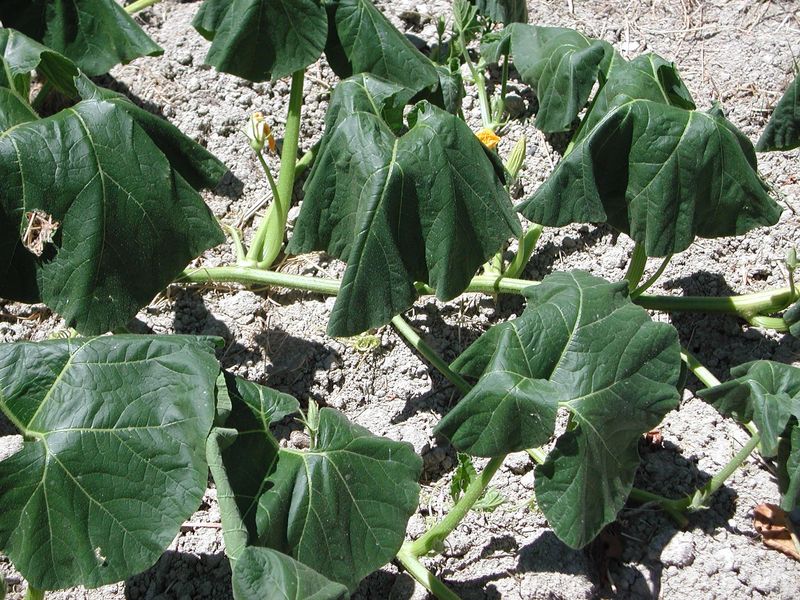
High summer temperatures get most of the blame when cucumbers turn bitter, and heat is genuinely a contributing factor, but it rarely acts alone. The fuller picture is that cucumber quality is most vulnerable when heat combines with drought or irregular soil moisture, and the plant’s own genetic makeup determines how strongly it reacts to those conditions.
A wider range of stressors can also push cucurbitacin levels up. Texas A&M AgriLife Extension guidance identifies high temperature and low soil moisture together as contributors to bitterness in cucumbers grown in warm-season climates.
Beyond heat and drought, cool weather during fruit development, sharp temperature swings between day and night, poor soil nutrition, foliage disease, and insect feeding damage can all interact with the plant’s stress response and raise cucurbitacin production.
Cultivar genetics matter more than many gardeners expect. Genetic research on bitterness loci in cucumber has identified specific genes that regulate cucurbitacin expression, which helps explain why two varieties grown side by side under identical conditions can produce dramatically different results.
A heat-sensitive cultivar may turn bitter under the same irrigation schedule that leaves a lower-bitterness variety tasting fine.
Flowering, fruit set, and the early stages of fruit maturation are the periods when cucumber quality is most sensitive to stress. Disruptions during those windows are more likely to affect flavor than stress that arrives after the fruit is nearly full-sized.
Watching plants closely during those stages gives you the best chance of catching problems early.
Measure root-zone moisture before changing the watering plan
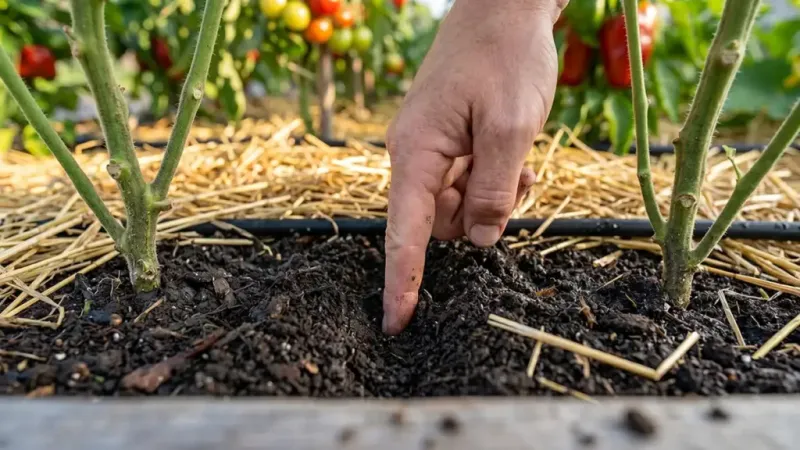
Before adjusting your irrigation schedule, check what is actually happening in the soil rather than reacting to how hot the air feels or how dry the surface looks. Stick a finger or a wooden dowel two to three inches into the ground near the cucumber’s root zone.
If the soil feels dry at that depth during the heat of summer, the plant is likely not getting enough consistent moisture.
Cucumbers have high water needs throughout the growing season, and a useful starting point for total weekly water is approximately 1 to 1.5 inches, counting rainfall as part of that total rather than adding irrigation on top of whatever rain falls. University of Minnesota Extension irrigation guidance for vegetables notes that this range is a flexible baseline, not a fixed prescription, and that adjustments are needed for sandy or clay-heavy soils, large plants, strong winds, and periods of extreme heat.
Sandy soils common in parts of Florida drain quickly and may need more frequent, lighter applications to stay consistently moist. Heavy clay soils in parts of Texas hold water longer but can become waterlogged if overwatered.
The goal is steady, even moisture through the root zone, not a surface that stays wet all the time.
Consistent moisture supports future fruit quality. Penn State Extension guidance on vegetable irrigation timing reinforces that even delivery matters more than volume alone.
Keeping the root zone steadily supplied helps the plant avoid the stress peaks that can raise cucurbitacin levels in developing fruit, though it cannot reverse bitterness in cucumbers that are already harvested.
Use mulch and deep, regular irrigation instead of a last-minute flood
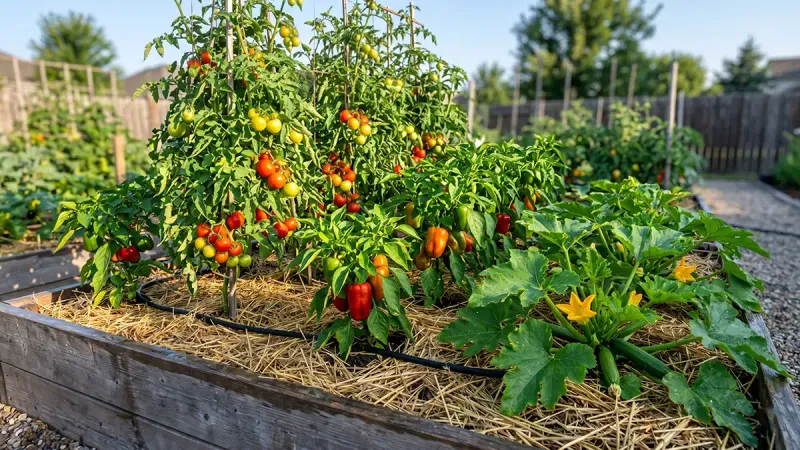
Knowing the root zone is dry is only useful if you follow it with a smarter watering approach. Drip irrigation or a soaker hose laid at the base of cucumber plants is one of the most practical upgrades a backyard grower can make, because both methods deliver water slowly and directly to where roots can use it, reducing the wet-dry swings that stress plants and contribute to bitterness.
When you do water, apply enough to wet the root zone thoroughly rather than just dampening the surface. A shallow sprinkle evaporates quickly in Southern heat and encourages roots to stay near the surface where they are most vulnerable to temperature extremes.
Deep, steady watering trains roots downward and helps buffer the plant against brief dry spells.
Mulching around cucumber plants adds another layer of protection. A two-to-three-inch layer of straw, shredded leaves, or wood chips slows surface evaporation, keeps soil temperature from spiking on the hottest afternoons, and reduces the frequency with which you need to water.
University of Minnesota Extension guidance on growing cucumbers supports mulching as a straightforward way to stabilize root-zone conditions through summer stress periods.
Flooding the garden bed immediately before harvest is not a reliable fix for bitterness and can create new problems. Excess irrigation can leach soil nutrients, reduce vegetable quality, and leave roots sitting in saturated, oxygen-poor soil.
The goal is consistent moisture, not saturation, and that consistency needs to be built over the growing season, not applied in a single heavy dose when fruit is nearly ready to pick.
Harvest on time to protect eating quality
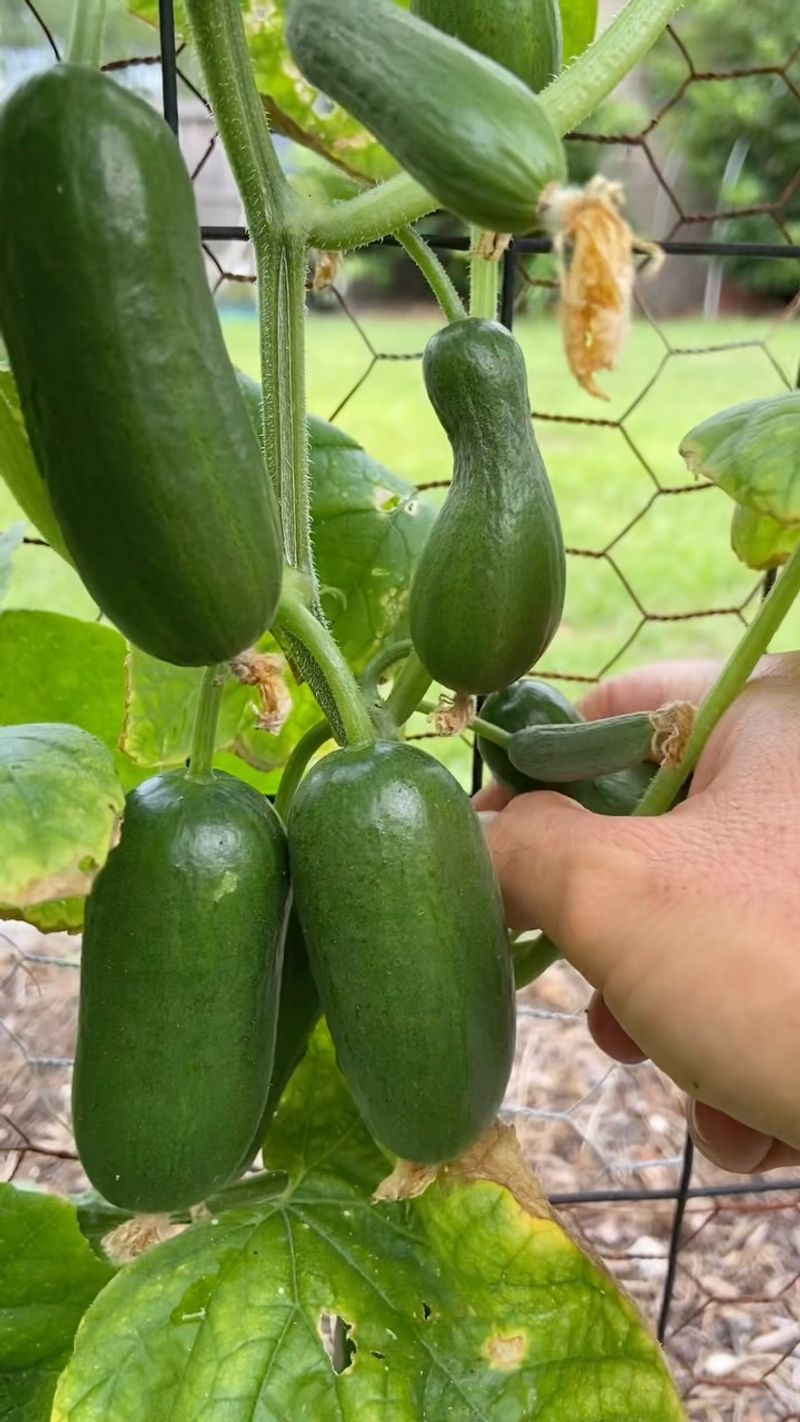
Cucumbers grow faster than most gardeners expect, especially during the peak heat of a Southern summer. Checking plants every two or three days is a practical habit rather than an exaggeration, because a fruit that was the right size on Monday can be oversized, seedy, and tough by Thursday.
Pick slicing cucumbers while they are still firm and uniformly green, before the seeds inside have enlarged and hardened. UC Davis Postharvest Research guidance on cucumber notes that overmaturity brings texture and flavor changes including toughness, yellowing, and a less appealing interior, all of which are separate from the stress-related bitterness caused by elevated cucurbitacins.
The two problems can overlap if a cucumber stays on the vine too long during a stressful heat period, but they have different causes.
Exact harvest size depends on the cultivar and what the fruit is intended for. Pickling types are picked small and young, while slicing types are usually harvested somewhere between six and nine inches depending on variety.
Check the seed packet or nursery tag for the recommended harvest window for whatever you are growing.
Prompt harvesting preserves the quality of what is already on the vine and keeps the plant directing energy toward newer fruit rather than maturing overgrown ones. It does not, however, prevent cucurbitacin production in newly forming fruit if the underlying stress conditions have not changed.
Fixing moisture and other stressors is the step that addresses future bitterness; regular picking is what protects the quality of fruit that is already ready.
Salvage mild surface bitterness and discard intensely bitter fruit
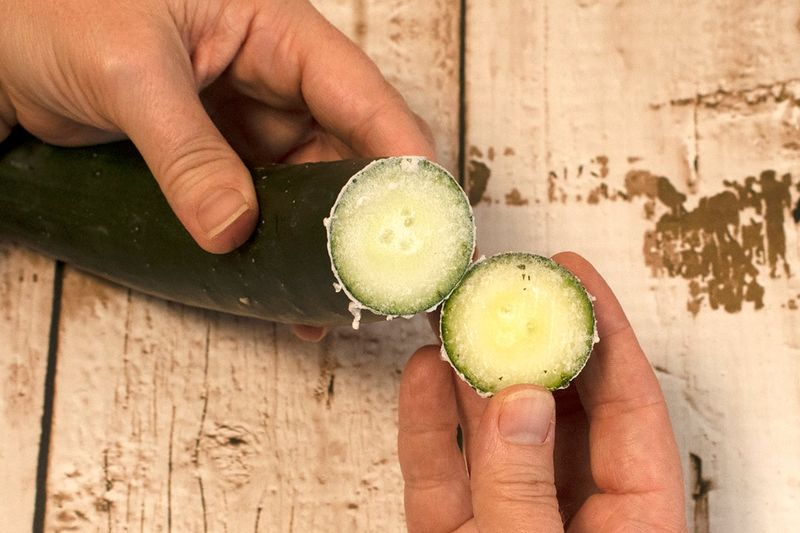
When you bring cucumbers in from the garden, a simple taste test on a small raw slice will tell you more than any visual inspection. If the bitterness is faint and mostly noticeable right at the skin, peeling the fruit and trimming a half-inch or so from the stem end may improve the flavor enough to make it worth eating.
That works because cucurbitacins are often more concentrated near the surface and at the stem end, so removing those parts reduces the total amount you consume.
A strongly bitter cucumber is a different situation. Poison Control’s guidance on toxic squash syndrome is direct: if a cucurbit tastes intensely bitter, stop eating it and discard the fruit.
Cooking or baking does not reliably break down cucurbitacins, so the idea that you can simmer away the bitterness is not supported by the evidence. Strongly bitter fruit should go in the trash, not the pot.
Peeling and trimming are a quality salvage option for mild cases, not a treatment for serious bitterness. There is no kitchen technique, including salting, rubbing cut ends together, or prolonged cooking, that dependably removes cucurbitacins from a fruit that is already heavily loaded with them.
If you or someone in your household eats a noticeably bitter cucumber and later experiences nausea, vomiting, diarrhea, or abdominal pain, contact Poison Control or seek medical advice promptly. Severe cucurbitacin poisoning from cultivated cucumbers is uncommon, but unusually intense bitterness is a real warning sign worth taking seriously.
Rule out genetics, plant damage, pollination myths, and overmaturity
Watering is the most common place to start when cucumbers turn bitter, but it is not always the whole story. Cultivar genetics set the baseline for how much cucurbitacin a plant is capable of producing, and stress can interact with that genetic susceptibility in ways that are hard to predict.
Studies on cucurbitacin biosynthesis pathways show that the same environmental stressor can produce very different bitterness outcomes in different cultivars, which is why identical irrigation practices do not guarantee identical results across varieties.
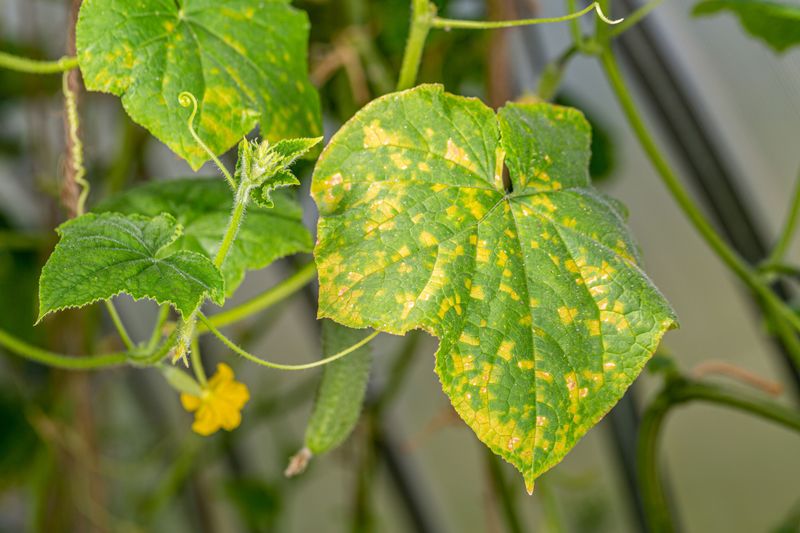
Walk the plant carefully and look for signs of other problems. Yellowing foliage, powdery patches, stippled or chewed leaves, and stunted growth can all point to disease or insect feeding that adds to the stress load.
UF/IFAS Extension notes that adding fertilizer or soil amendments will not reliably rescue bitter fruit already developing, and excess nitrogen may even worsen the problem in some cases. Addressing nutrient deficiencies before fruit develops is more useful than applying amendments after bitterness appears.
Two common misconceptions are worth clearing up. Poor pollination does not cause bitterness; it more commonly produces misshapen or poorly filled fruit.
Texas A&M AgriLife Extension confirms that cross-pollination between cucumbers and nearby squash does not change the flavor of fruit produced in the current season. Cross-pollination only matters if you save seeds and replant them.
Overmaturity is also worth separating from cucurbitacin bitterness. A cucumber left on the vine too long may turn yellow, feel soft, and taste flat or off, but those changes come from aging and seed development, not from the same stress pathway that raises cucurbitacin levels.
UC Davis postharvest guidance describes overmaturity’s texture and color changes as distinct from chemical bitterness, even though both can appear together when a stressed plant is also left unharvested too long.
Choose lower-bitterness cultivars for future harvests
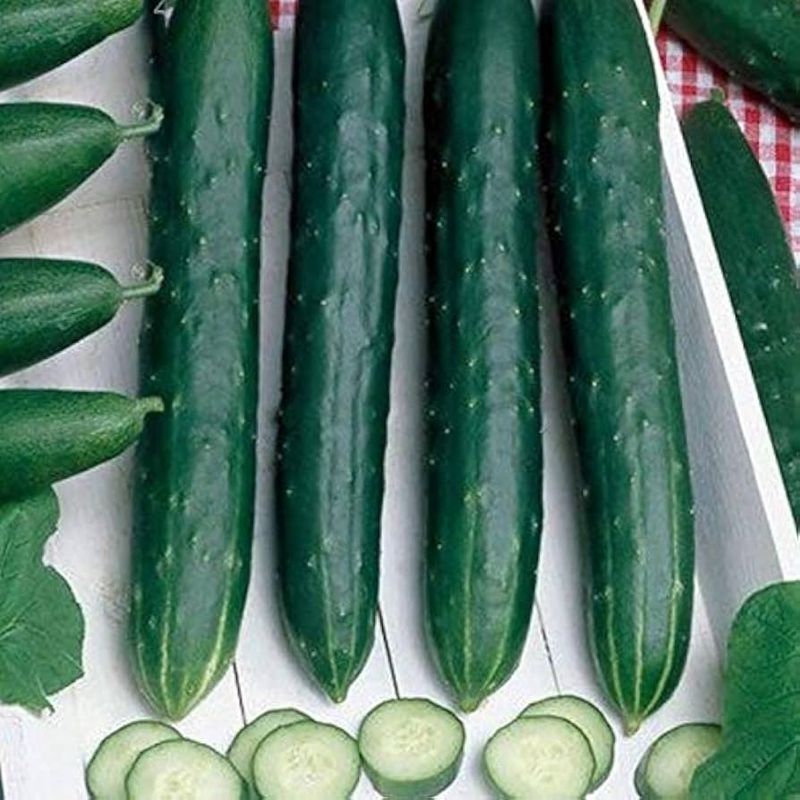
One of the most reliable long-term moves against bitter cucumbers is choosing a variety that is less prone to producing high cucurbitacin levels in the first place. Cultivars described as nonbitter or bitter-free have been selected specifically to reduce that tendency, and they tend to perform more consistently than standard varieties when growing conditions get difficult.
Iowa State University Extension’s cucumber growing guide mentions varieties such as Sweet Slice, Sweet Success, and Marketmore 76 as examples reported to have fewer bitterness problems. These are starting points based on extension guidance, not universal guarantees, and local performance can vary depending on your specific soil, climate, and growing conditions.
The term “burpless” sometimes causes confusion. Burpless cucumbers are primarily bred to reduce compounds associated with gas and belching, and while many burpless types also tend toward lower bitterness, the label alone does not guarantee a completely bitterness-free crop.
Look specifically for “nonbitter” or “bitter-free” in the variety description if reducing cucurbitacins is your main goal.
Research on cucurbitacin regulation reinforces that genetics set the ceiling for bitterness potential, but environmental stress still determines how close a plant gets to that ceiling. Choosing a lower-bitterness variety works best alongside consistent moisture management, regular monitoring for plant stress, and timely harvesting.
Variety selection reduces the risk; the rest of your growing practices determine whether that risk stays low through a hot Southern summer.
Reset the crop with steady care and cautious follow-up
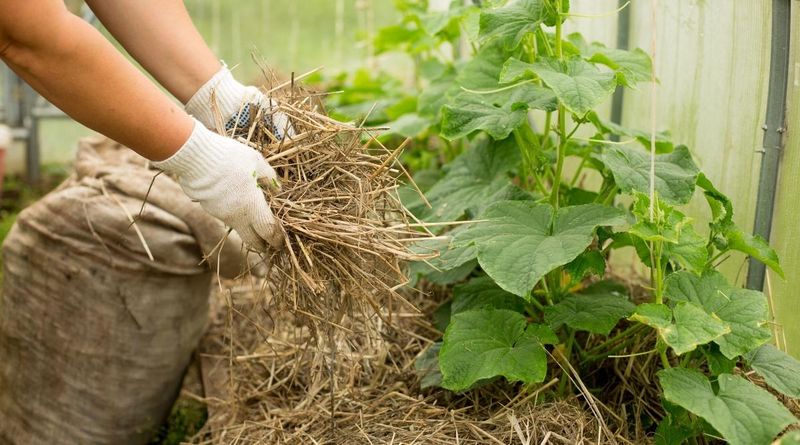
Getting a bitter cucumber does not mean the plant is lost or that every fruit to follow will be inedible. The practical sequence is straightforward: stabilize root-zone moisture with consistent deep watering, lay down mulch to hold that moisture and buffer soil temperature, and inspect the plant for disease, insect damage, or other stressors that could compound the problem.
Keep harvesting fruit on schedule to protect eating quality and avoid overmaturity, and discard any cucumber that tastes strongly bitter rather than trying to salvage it. Purdue Extension notes that newly formed cucumbers may be less bitter after conditions improve, while other sources caution that later fruit may still be affected.
Because those recommendations do not fully agree, the safer approach is to correct conditions, then taste-test later harvests carefully rather than assuming either full recovery or permanent failure.
Plan to try a lower-bitterness cultivar in your next planting cycle. Choosing varieties with reduced bitterness potential, combined with steady moisture and stress monitoring, gives you the strongest overall defense against the problem returning.
These steps lower the odds of bitterness without guaranteeing sweet fruit every single time, because gardening in Southern summer heat rarely comes with guarantees, but a well-cared-for plant with good genetics gives you the best possible starting position.