
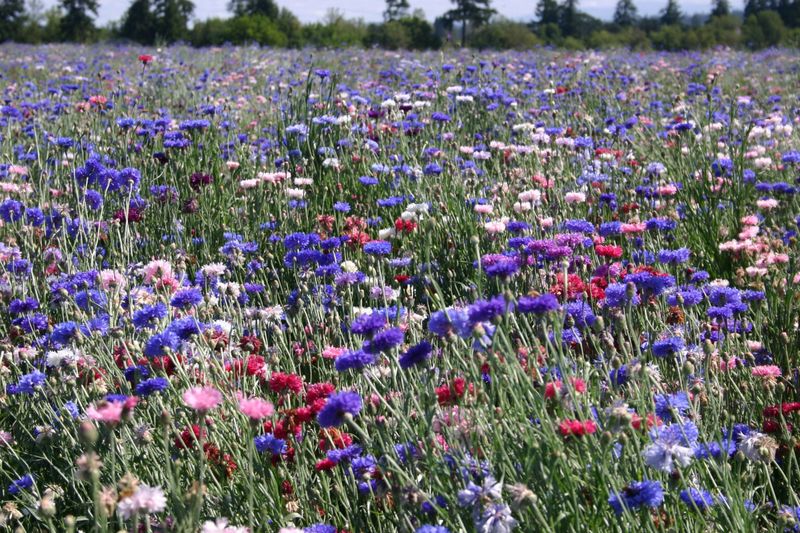
Spring color in Florida often starts with seeds planted while the rest of the country is putting gardens to bed. Fall gives many flowers time to grow roots before their big show.
These nine choices bring bright borders, fragrant edges, and flowers for pollinators. Match your planting date to your part of Florida, since October can be ideal in the north but still too hot for some seeds farther south.
1. Calendula
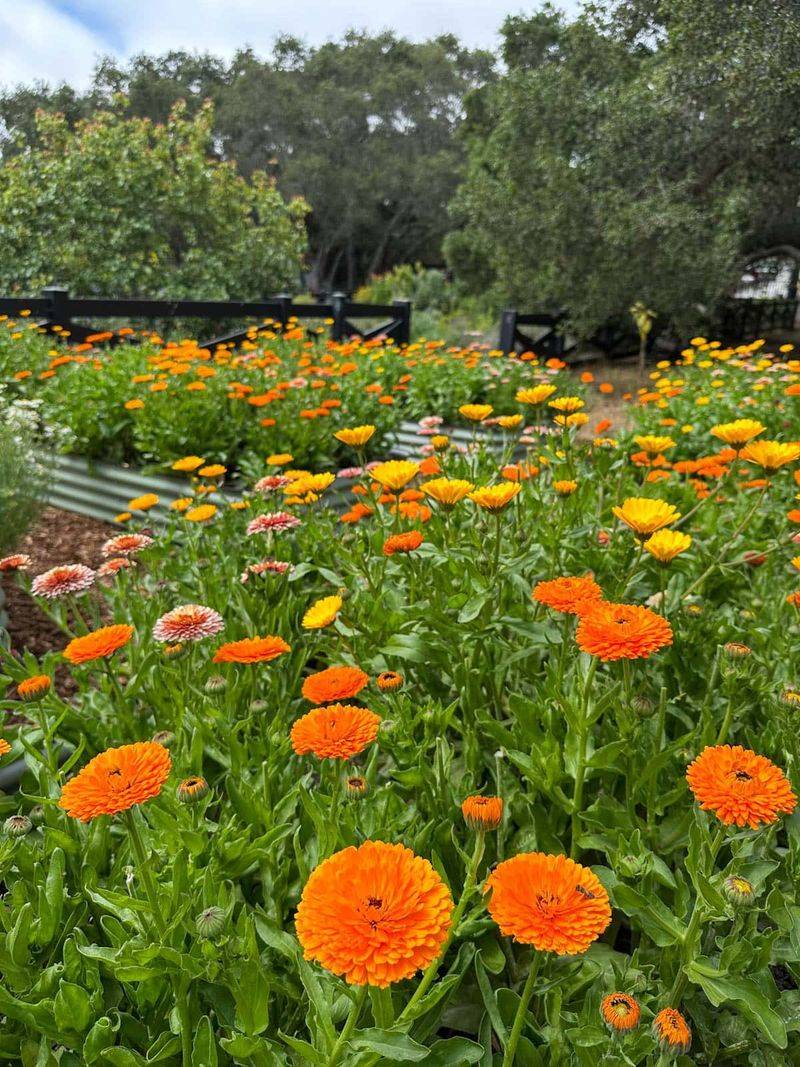
A patch of orange and gold can make even a small front bed look cheerful. Calendula brings that sunny look during Florida’s cooler months, with broad flowers that stand out beside purple or blue blooms.
Sow seeds in October once the weather begins cooling, especially in North and Central Florida. South Florida gardeners should wait for cooler conditions if October remains hot, even when that means planting after the title’s deadline.
Choose a sunny spot with good drainage, and cover seeds with about a quarter inch of soil. Mix a little finished compost into very sandy beds, then water gently so the seed layer stays moist without becoming soggy.
Thin seedlings to roughly 10 to 12 inches apart for better airflow. Remove faded flowers regularly to encourage more buds, and avoid heavy fertilizer that pushes leaves at the expense of blooms.
Calendula is a cool-season annual here, not a summer workhorse. Expect its best display from winter into spring, with timing shaped by your planting date and local temperatures.
2. Snapdragon
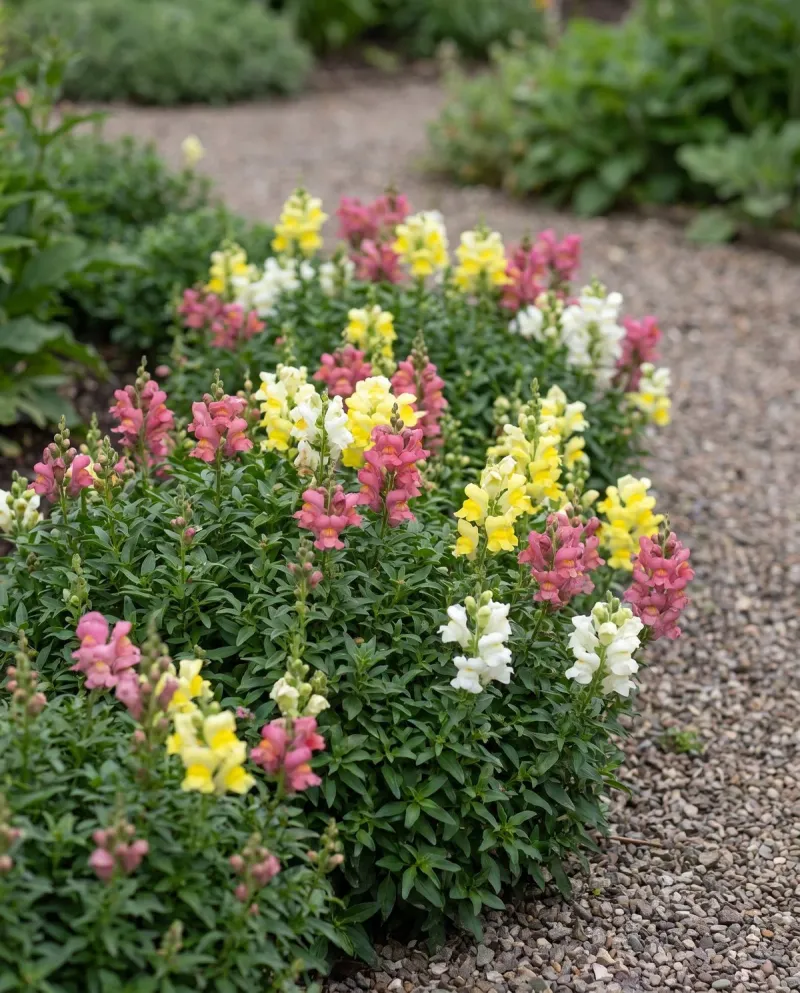
Height changes a flower bed faster than almost anything else. Snapdragon spikes lift pink, yellow, white, and red blooms above lower plants, giving a flat border a more layered look.
For flowers from seed, begin in early fall rather than waiting until the last days of October. The tiny seeds are easier to manage in trays, where you can protect them from pounding rain and keep moisture steady.
Press seeds onto the surface of a fine seed-starting mix because they need light to germinate. Keep trays bright and protected from hot afternoon sun, following the packet’s temperature guidance.
Move sturdy seedlings into a sunny, well-drained bed when fall weather settles. Space them according to the variety, since dwarf edging types and tall cutting types need different amounts of room.
North and Central Florida usually offer a longer cool-season window than the far south. Tall varieties may need support, and removing spent spikes helps extend the show; seed-grown plants also take longer to flower than purchased transplants, so allow several months.
3. Sweet Alyssum
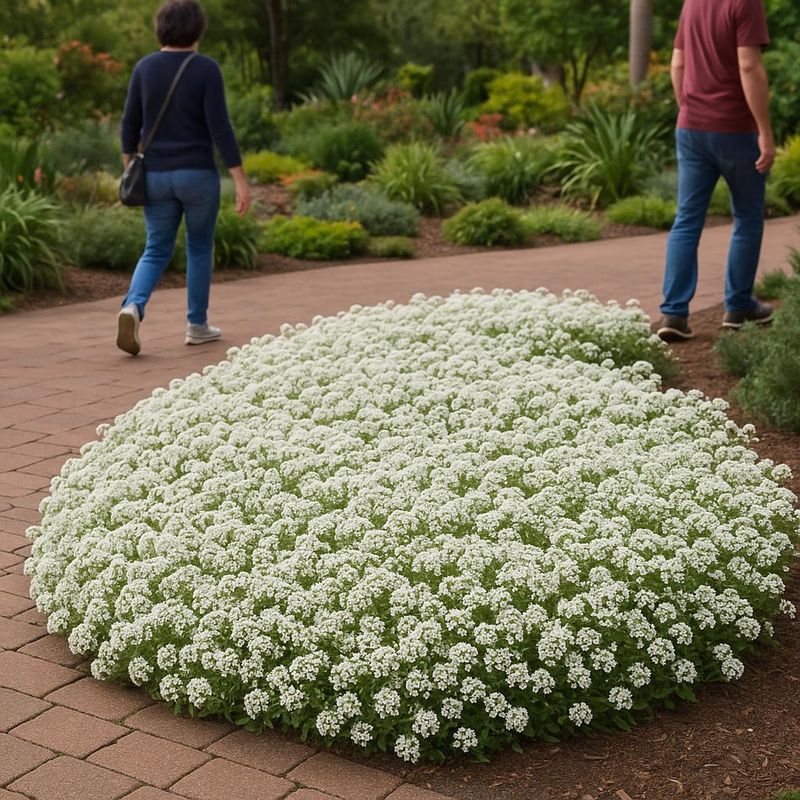
Along a walkway, a low ribbon of tiny white flowers can do more than another tall plant. Sweet alyssum softens hard edges and adds a light, honey-like scent where people pass close enough to enjoy it.
Its small blooms also offer food for flower-visiting insects. Use it near taller cool-season flowers, but leave enough space so their leaves do not shade it out.
Sow in October where temperatures have cooled enough for establishment. Press the fine seed onto prepared soil rather than burying it deeply, and use a gentle spray to avoid washing it into little piles.
Keep the surface evenly moist until seedlings take hold. A sunny position works well in cool weather, while some afternoon shade can help in warmer parts of Florida.
Once plants fill in, trim them lightly if flowering slows or growth gets loose. Sweet alyssum performs best as a cool-season planting in much of the state, so plan to replace tired plants when persistent heat returns rather than trying to force them through summer.
4. Annual Dianthus
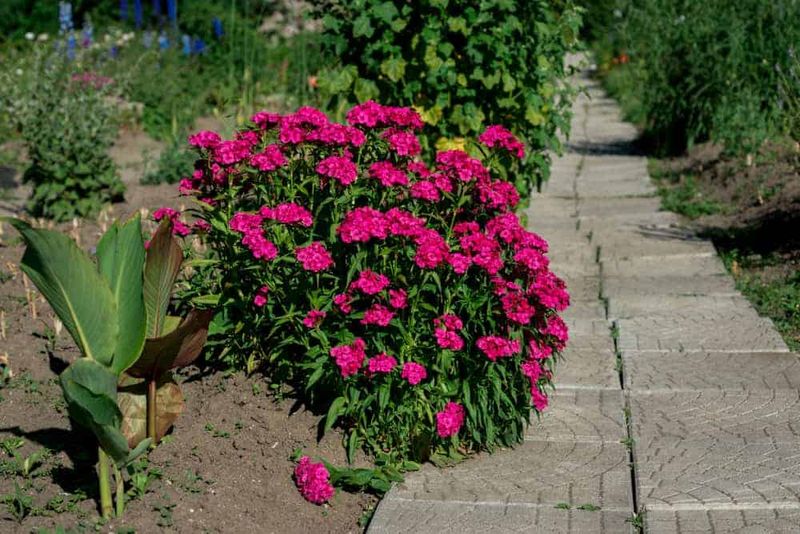
Fringed petals give dianthus a dressy look without needing a large planting space. Compact annual varieties fit neatly beside a porch, along a short path, or in the front row of a spring flower bed.
Choose seed labeled for annual flowering, such as suitable Dianthus chinensis varieties. Some other dianthus types have different flowering schedules, so the packet matters more than a picture of pretty pink petals.
Start seeds in trays during early fall, following the packet’s planting depth. October sowing can work, but an earlier start gives seedlings more time to develop before the shortest days slow their growth.
Plant out in sun and well-drained soil, keeping the crown level with the surrounding ground. In Florida’s sandy beds, a modest addition of compost helps hold moisture without creating a wet pocket.
Water at soil level and remove old blooms to keep the planting tidy. These flowers prefer the cooler stretch of the year; North and Central Florida gardeners generally get a longer display, while southern gardens need careful timing around lingering fall heat.
5. Annual Phlox

For a loose, cottage-style patch, annual phlox supplies generous color without towering over its neighbors. Its clusters of small flowers work well in broad drifts, especially where a formal row would look too stiff.
Look for Phlox drummondii rather than assuming every plant called phlox grows the same way. Annual phlox is a cool-season option, and it is not the same plant as creeping phlox or tall perennial garden phlox.
In North and Central Florida, sow during fall as temperatures drop, with October often providing a useful starting window. Cover seed as directed on the packet, since this flower germinates better with darkness than when left exposed on the surface.
Give it full sun, drainage, and enough open space for branching. Thin crowded seedlings instead of leaving a thick mat that traps moisture around the stems.
Water during dry spells while roots establish, then adjust to rainfall and soil conditions. Farther south, postpone sowing if heat persists; the goal is strong cool-weather growth that leads into a colorful late-winter or spring display.
6. Larkspur

Blue and lavender spires bring an old-fashioned charm that low bedding flowers cannot match. Larkspur earns its space at the back of a border, where its airy stems add height without making the planting look heavy.
North Florida is the best fit on this list for fall-sown larkspur. Its need for cool germination conditions and a long mild growing season makes it less dependable in warm South Florida gardens.
Sow directly in its final spot in late October when soil has cooled, or wait longer if autumn stays warm. Follow the seed packet’s chilling instructions when provided, and avoid disturbing seedlings because larkspur does not appreciate root damage.
Choose full sun and sharply drained soil. Thin plants to the packet’s recommended spacing, and shelter tall varieties from strong winds or provide discreet supports before flower stems stretch.
All parts are poisonous if eaten, so keep it away from vegetable beds and places where children or pets might sample plants. Where the climate and placement are right, fall sowing can reward patience with striking spring cutting flowers.
7. Bachelor’s Button
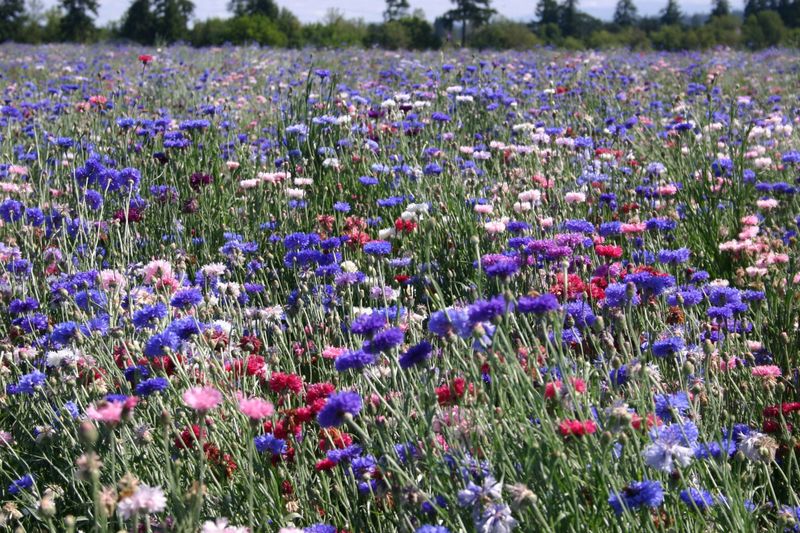
True blue is hard to find in a seed-grown flower bed, which makes bachelor’s button especially useful. Its fringed blooms provide a cool contrast to orange calendula and look lovely in small, casual bouquets.
Fall sowing works best in North Florida, where plants can grow through cool weather and flower before serious heat arrives. Central Florida gardeners may also have success, but warm southern locations offer a shorter and less reliable growing window.
Plant seeds directly in a sunny bed during October once temperatures moderate. Cover them to the depth listed on the packet, water gently, and keep the planting area moist until seedlings emerge.
Do not leave every seedling standing shoulder to shoulder. Proper thinning improves branching and airflow, while a sheltered position helps keep taller varieties from leaning after wind or rain.
Pick flowers often or remove spent heads to encourage continued bloom. Because plants can self-sow, remove seed heads before they ripen if you want a tidy bed, and keep this nonnative flower within managed garden spaces rather than scattering seed near natural areas.
8. Nasturtium
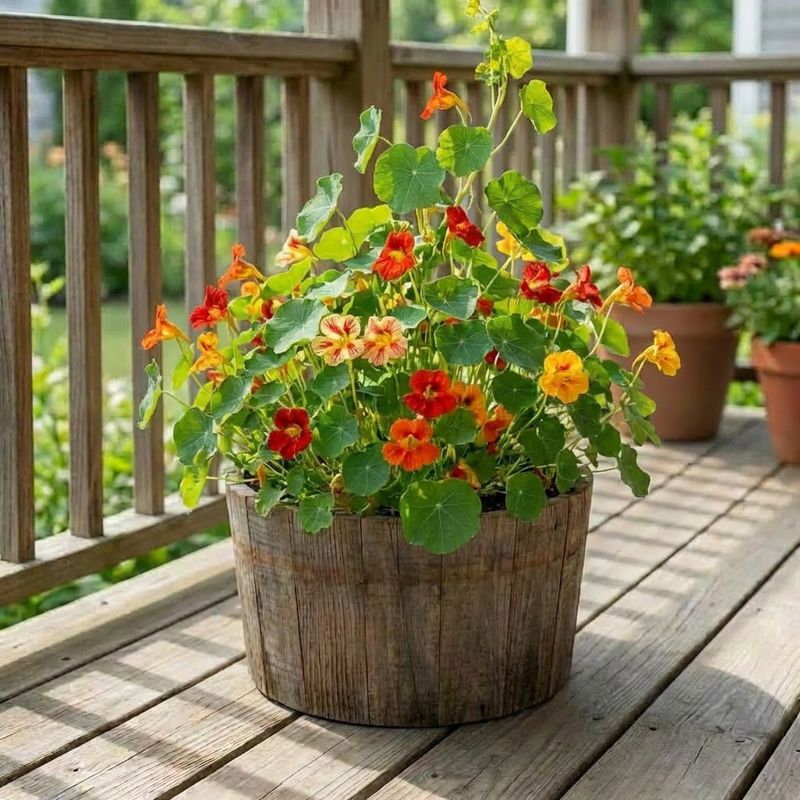
Round leaves and bright trumpet-shaped blooms make nasturtium easy to recognize even from the driveway. Trailing varieties spill over bed edges, while compact types create cheerful mounds near paths and patios.
Unlike several flowers here, nasturtium can be a particularly useful cool-season choice in frost-free parts of Florida. Sow in October only when conditions have cooled; in a hot South Florida fall, waiting until November or later is often wiser.
Plant the large seeds directly where they will grow, about half an inch deep unless the packet says otherwise. Give plants sun during mild weather and soil that drains freely after rain.
Go easy on fertilizer, especially nitrogen. Rich feeding can produce a lot of leaves with fewer flowers, which defeats the reason for planting them along a visible edge.
North Florida gardeners should protect young plants from frost or accept that a hard freeze can end the display. Leaves and flowers are edible when correctly identified and grown without unsuitable pesticides, but the main payoff here is bold winter-to-spring color with very little fuss.
9. Lanceleaf Coreopsis
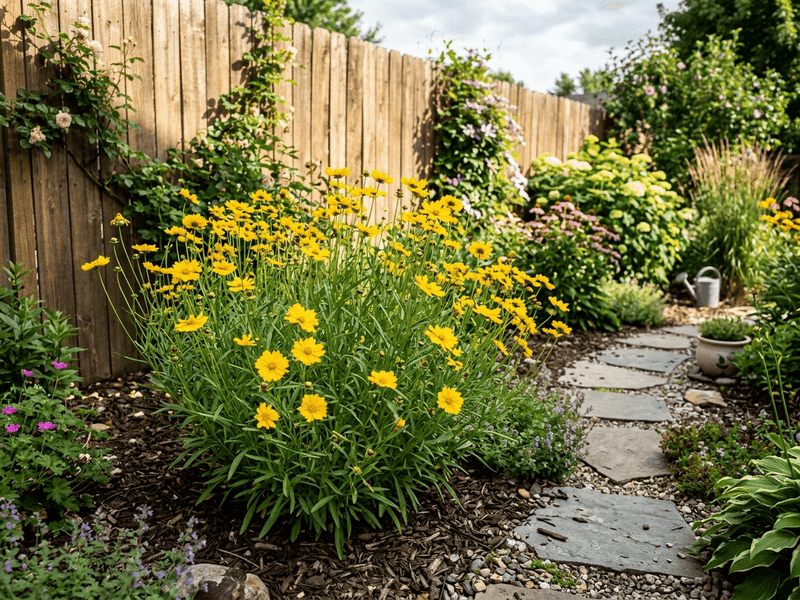
A native flower can make spring color feel right at home in the landscape. Lanceleaf coreopsis offers golden, daisylike blooms and pollen for visiting insects, with a relaxed look suited to sunny borders.
Choose Florida-grown seed from a reputable native-plant supplier when possible. Coreopsis lanceolata is most at home in North and Central Florida, so gardeners farther south should ask a local native nursery about a better regional coreopsis choice.
Fall sowing gives seedlings time to establish before spring. Scatter seed over a cleared, weed-free surface in October and press it firmly into the soil, using the supplier’s directions for any light covering or pretreatment.
Keep the seedbed moist during germination, then reduce watering as plants develop roots. Full sun and good drainage matter more than rich soil, and heavy fertilizing can encourage floppy growth.
Some fall-started plants flower the following spring, but bloom timing varies with seed source and conditions. Remove a portion of spent flowers for neatness, then leave a few heads to mature if you want seed for future plantings and food for seed-eating birds.