
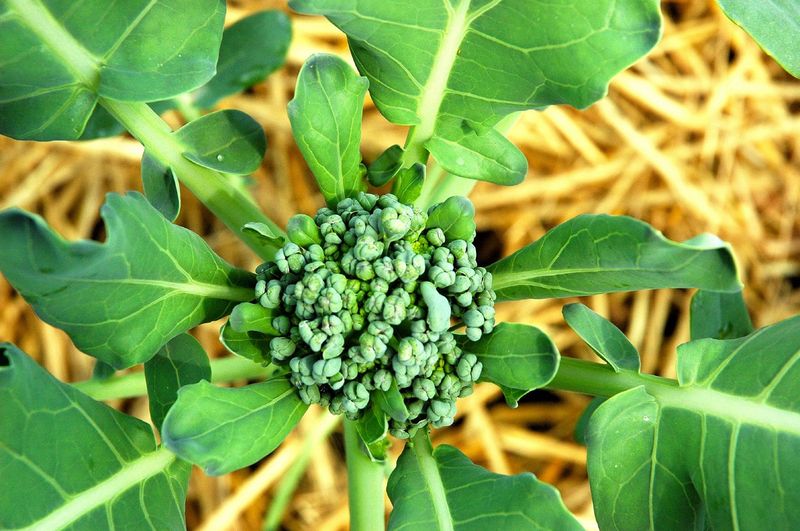
Planting fall broccoli in the South means racing against the calendar, and nothing is more discouraging than watching a young transplant form a tiny, useless head weeks before it ever had a chance to build a real crown. That symptom is called buttoning, and late-summer heat is one possible reason it happens, but it is rarely the whole story.
Understanding what actually triggers a button, and how to tell it apart from other heat-related head problems, can save this planting and help you do better next time.
A tiny head is not always a buttoned head
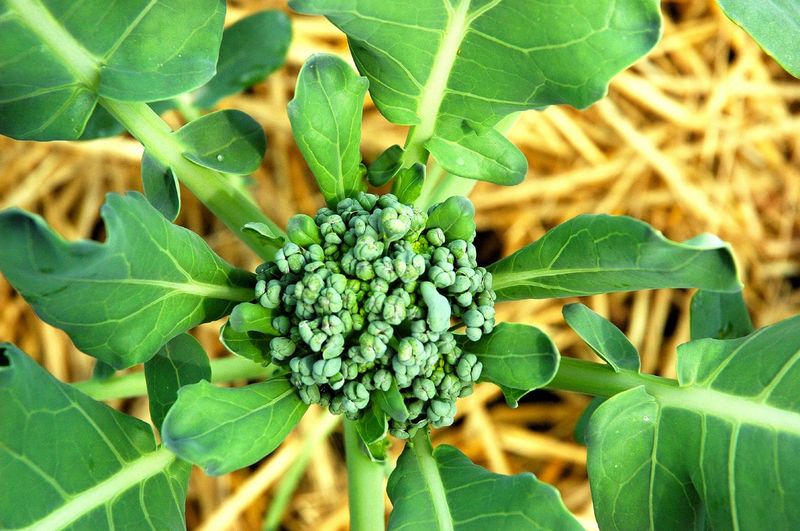
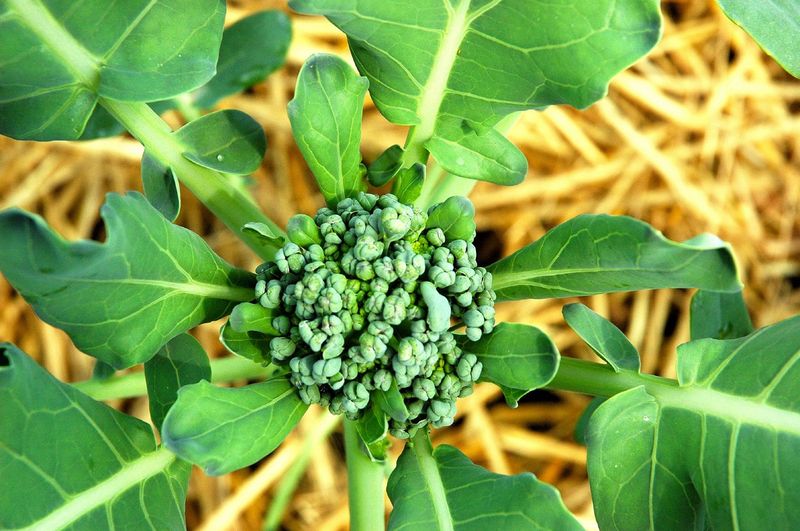
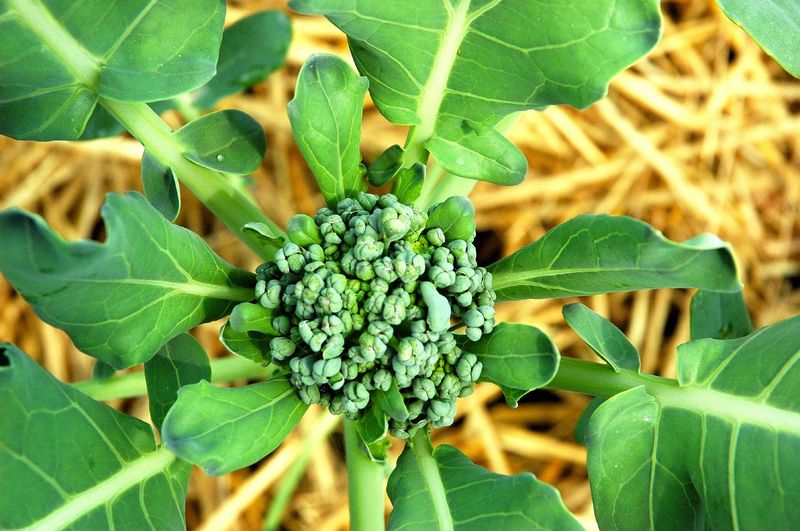
Broccoli buttoning has a specific meaning that gets stretched too often. A buttoned plant forms a small, compact flower head before it has grown enough leaves and stem to support a full-sized crown.
The head appears too early, on a plant that still looks young and undersized, and it will not grow into a normal central head no matter how well you care for it afterward.
A separate problem can look similar but works differently. When a broccoli head that was developing normally gets hit by excessive heat, it can loosen, branch outward, grow leaf-like tissue between the florets, or begin flowering before it reaches a useful size.
Utah State University Extension’s brassica production-problems guide distinguishes these outcomes, noting that heat during heading produces different symptoms than premature head initiation on an immature plant.
The timing and the plant’s size at the moment the head appears are your best diagnostic clues. A button shows up on a plant that has barely established, often with fewer leaves than a healthy transplant would carry at that stage.
A heat-damaged head, by contrast, forms on a plant that had been growing normally and then deteriorated when temperatures climbed during the heading stage. Both outcomes produce disappointing results, but they point to different causes and different prevention strategies, so identifying which one you are looking at matters before you decide what to do next.
What late-summer heat can—and cannot—explain
Broccoli is a cool-season crop that does its best work in a narrow temperature window. Texas A&M AgriLife Extension’s Texas gardening guide puts the preferred growing range at roughly 40 to 70 degrees Fahrenheit, and head quality begins to slip as temperatures push past about 80 to 85 degrees.
When a fall transplant goes into the ground in August or early September across Florida or Texas, it often spends its first critical weeks building roots and leaves in air and soil that are still well above those thresholds.
The University of Minnesota Extension reports that days reaching 86 degrees paired with nights staying above 77 degrees can prevent a crown from forming at all, though a crown may still develop if temperatures cool before heading begins. That detail matters: heat during the leafy establishment phase is not automatically a death sentence for the crop.
A plant that keeps growing steadily and reaches a reasonable size before the worst heat passes can still produce a usable head once conditions moderate.
Where heat causes the most direct damage is during the heading stage itself. University of Minnesota Extension’s broccoli growing guide explains that summer heat harms developing heads more than it harms leafy growth earlier in the season.
A head trying to form while daytime temperatures stay far above 80 degrees may loosen, branch, turn leafy, or rush to flower before it reaches a harvestable size. That is a heat-quality problem, not classic buttoning, and the two can occur at different points in the same planting.
Check the other stresses before blaming the weather
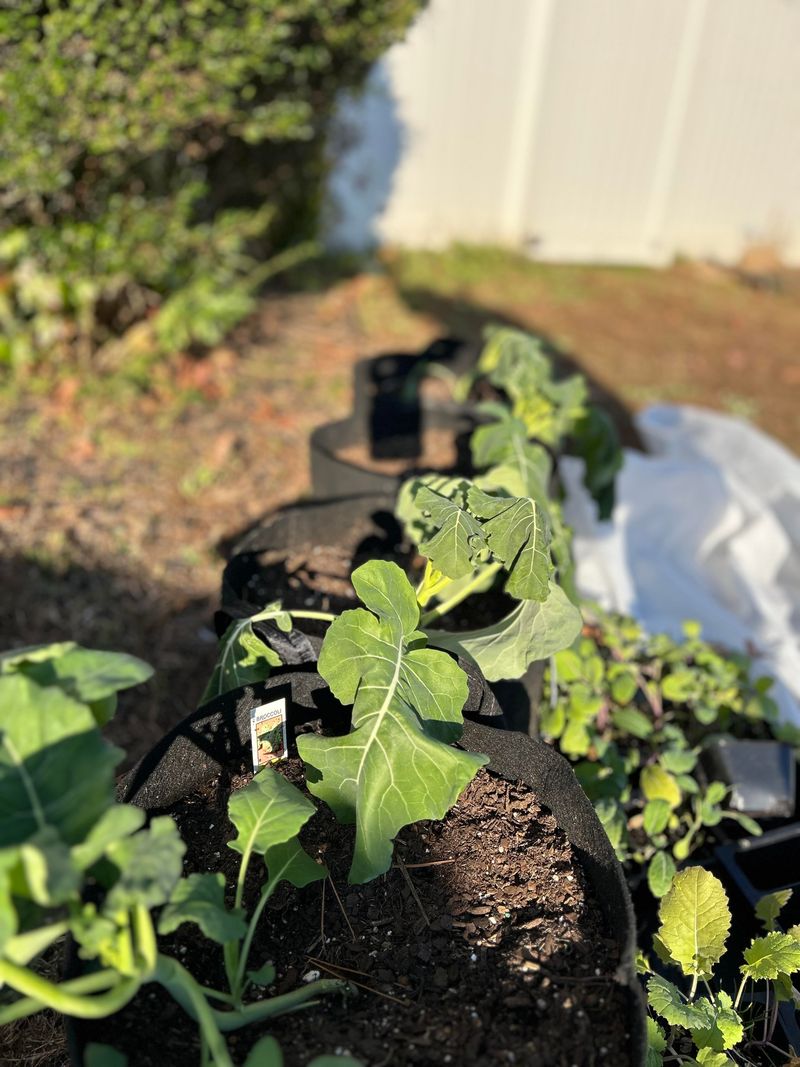
Heat gets most of the blame when fall broccoli buttons, but the plant does not distinguish between one stressor and another. Transplant shock, overly mature or root-bound transplants, inconsistent moisture, low soil fertility, insect injury, and disease can all push a young plant into premature head formation just as effectively as a heat wave.
Utah State Extension’s production-problems page identifies transplant age as a significant risk factor, noting that plants with more than eight leaves are more susceptible to buttoning. Oklahoma State Extension adds that plants older than five weeks are especially likely to button after transplanting.
A root-bound transplant that has been sitting in a small cell too long arrives already stressed, and the act of planting does not reset that clock.
Cold exposure is another documented cause that surprises many Southern gardeners. Oklahoma State’s cole crop production fact sheet specifically warns that large-leafed transplants exposed to temperatures below 50 degrees Fahrenheit for more than four days can be pushed into buttoning.
For fall crops, an early cool spell arriving shortly after planting can trigger the same response that gardeners typically attribute to heat.
Before settling on an explanation, run through a short checklist: How old and large were the transplants at planting? Were they hardened off?
Has watering been steady or erratic? Have you noticed chewing damage, wilting from root disease, or yellowing that does not match the heat pattern?
A tiny head alone cannot tell you which stressor caused it, and the answer shapes what you do next.
Reduce ongoing heat and moisture stress
Once transplants are in the ground during late-summer heat, the most useful thing you can do is reduce the additional stressors you can actually control. Moisture consistency ranks at the top of that list.
Water stress during establishment can restrict early growth and contribute to small or misshapen heads, while alternating drought cycles with saturation can invite root disease and make the problem worse. Check the soil several inches down before watering rather than following a fixed schedule.
Oklahoma State’s cole crop fact sheet recommends at least about one inch of water per week as a general starting point, with sandy soils in hot conditions potentially needing up to two inches. Those are benchmarks, not rigid quotas.
Soil type, rainfall, temperature, container versus in-ground planting, and the size of the plant all affect how often you actually need to water. The Utah State brassica irrigation guide reinforces the value of checking actual soil moisture rather than watering by calendar alone.
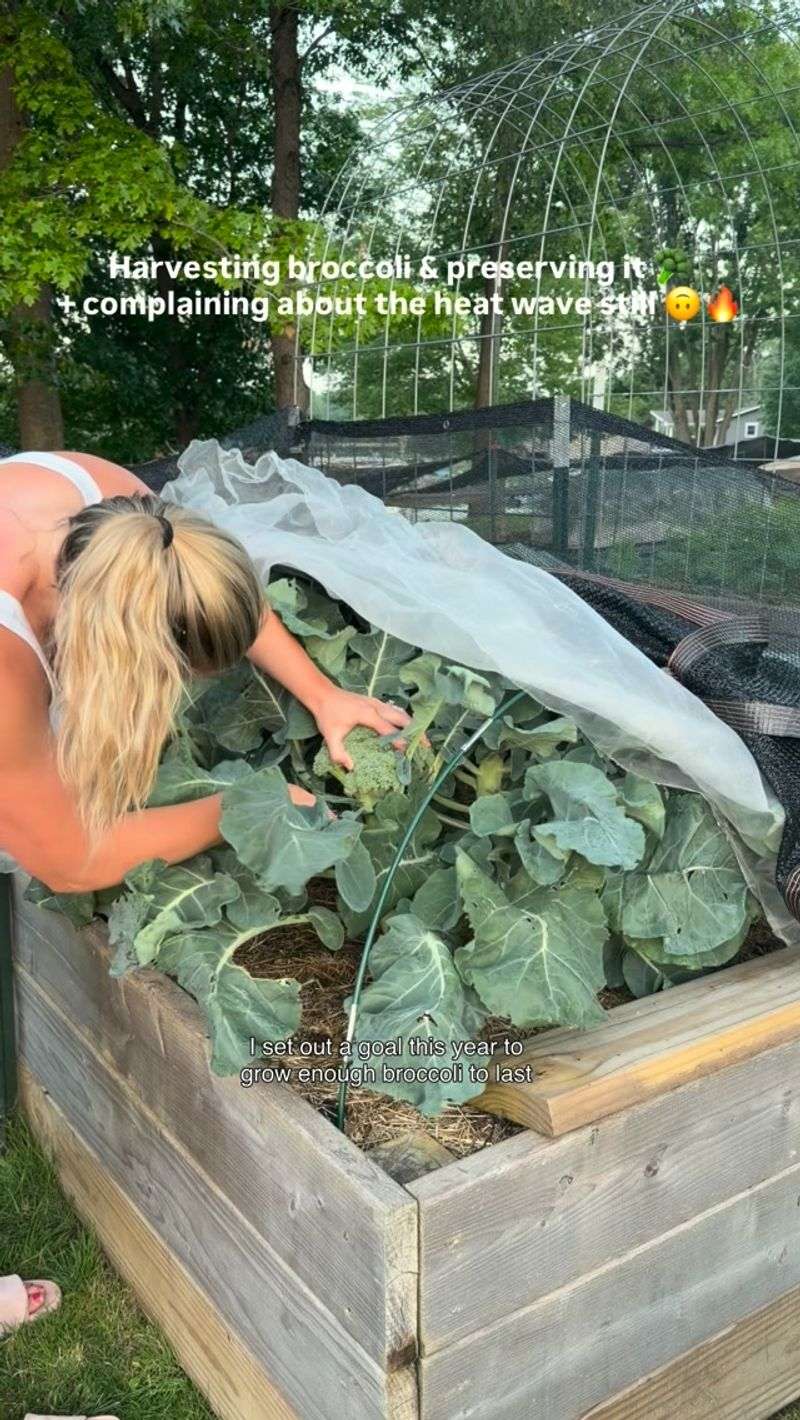
Organic mulch helps on multiple fronts. Utah State’s broccoli garden guide recommends materials such as straw, shredded newspaper, or suitable grass clippings, applied once temperatures rise above 80 degrees, to moderate soil temperature, hold moisture, and reduce weed competition.
Lightweight shade cloth or row-cover materials can reduce heat load on newly transplanted broccoli. Oklahoma State’s fall gardening guidance recommends shade row covers for establishment in extreme heat while emphasizing that supplemental irrigation remains necessary.
Covers must allow airflow and enough light to reach the plants, and they need to be secured so wind cannot trap excessive heat underneath. None of these measures can reverse a head that has already buttoned, but they can reduce the stress on plants that have not yet reached the heading stage.
Skip untested rescue fertilizers
Watching a crop struggle makes it tempting to reach for fertilizer, but heavy nitrogen applications or untested micronutrients are not a reliable fix for broccoli that has already buttoned or been damaged by heat. Low fertility can contribute to slow growth and poor head development, but it is one possible cause among several, and adding fertilizer will not repair heat injury, reverse transplant stress, or undo a formed button.
Utah State’s production-problems guide notes that nutrient stress can play a role in poor head development, but it also lists heat, water stress, transplant age, pests, and disease as documented causes. Fertilizing harder when the real problem is something else can damage roots, contribute to salt buildup in the soil, or push leafy growth at the expense of recovery.
Boron and calcium come up often in online gardening discussions when broccoli heads look wrong. Boron deficiency is associated with specific disorders such as brown florets or hollow stem, not with buttoning or heat-damaged heads.
Calcium distribution problems can follow inconsistent watering but are not corrected by adding calcium products without knowing the soil’s existing levels. Get a soil test or tissue test before applying any micronutrient product.
Correcting a confirmed fertility gap before planting, or applying a starter solution at transplant time as part of routine crop setup, is a reasonable step. Dumping extra nutrients onto a stressed plant mid-season in hopes of a rescue is a different thing entirely, and the evidence does not support it as a reliable strategy.
Treat side shoots as a possible bonus harvest
A broccoli plant that has formed a button on an undersized stem is not going to grow that central head into a full-sized crown. Cooling temperatures and better watering can stabilize the plant, but they will not reverse a head that has already initiated prematurely.
That outcome is worth accepting plainly rather than spending weeks hoping for a turnaround that the plant’s biology does not support.
What can happen after the central head is cut is more encouraging, though it is not guaranteed. University of Minnesota Extension’s broccoli guide describes how broccoli plants can continue growing and produce side shoots after the main head is harvested.
Those side shoots are smaller than a central head, but they are edible and can extend the harvest window on a plant that would otherwise be written off.
Whether side shoots are worth pursuing depends on the plant’s overall health. A plant that was severely shocked, is carrying significant pest or disease pressure, or never built adequate root and leaf mass may not have the vigor to produce useful side shoots.
Monitor the plant for continued growth, check for pests and disease at the same time, and keep moisture steady. If the plant looks actively growing and healthy after the button is removed, give it a few weeks and see what develops.
Treat any side-shoot harvest as a possible bonus rather than a planned outcome, and you will avoid disappointment either way.
Choose younger transplants and better timing
Most of what goes wrong with fall broccoli in the South can be traced back to transplant selection and planting timing. Starting with the right plant at the right moment does more to prevent buttoning than any corrective step taken after the head has already formed.
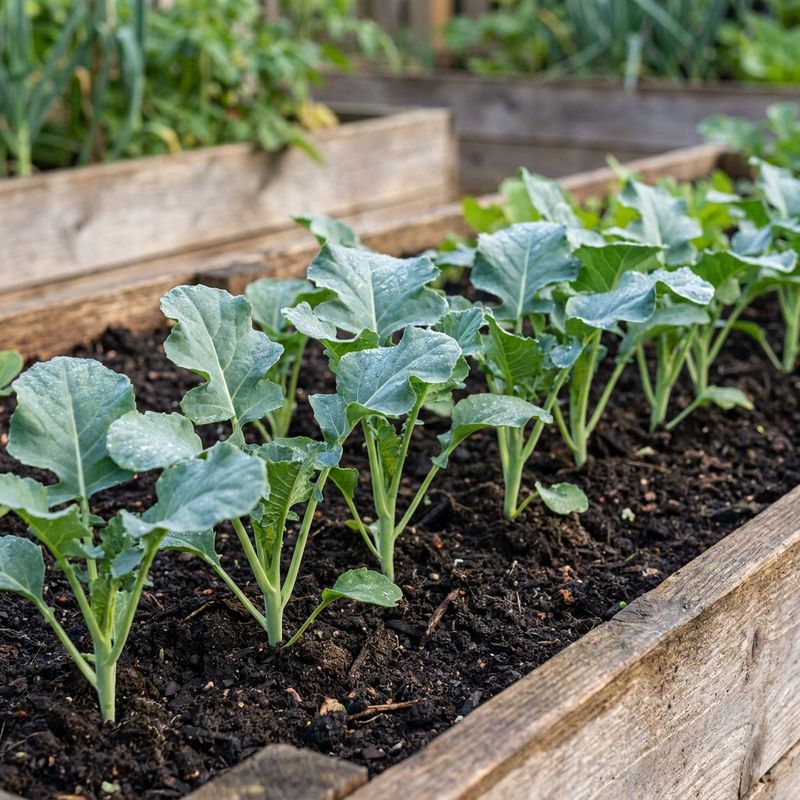
Young, actively growing transplants outperform large or root-bound ones in every documented way. Utah State’s broccoli garden guide recommends selecting transplants with roughly four to six leaves, while its production-problems page notes that plants carrying more than eight leaves face higher buttoning risk.
Oklahoma State puts the age threshold at about five weeks: plants older than that at transplanting are especially prone to forming premature heads. When you shop for transplants, pass on the biggest, most developed plants in the rack.
The smaller ones with compact root systems and fewer leaves are the better bet.
Hardening transplants before planting is a step many gardeners skip, and it costs them. Oklahoma State’s fall gardening article recommends gradually reducing water and increasing sun exposure over approximately three to five days before planting, stopping short of letting the plants wilt.
Planting in the late afternoon or early evening and watering immediately afterward reduces the shock of moving from a sheltered environment to full sun and heat.
Timing the planting so head formation happens after the worst heat has moderated is the other half of the equation. Planting as early as possible does not automatically produce the biggest heads.
The goal is to give the plant enough time to build size before cold weather arrives while keeping the heading stage in cooler fall conditions. Count backward from the cultivar’s days-to-maturity and your expected first-frost date, then check local extension calendars to confirm the window makes sense for your area.
Use regional calendars for Florida and Texas
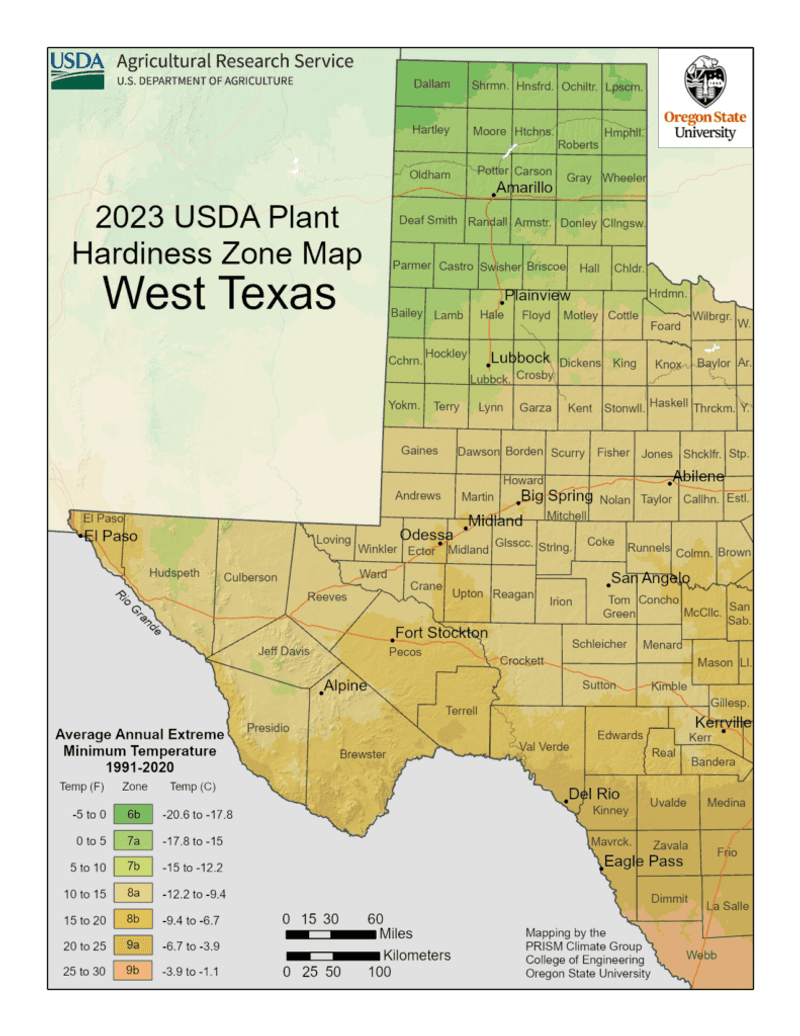
Southern gardeners often search for a single planting date that works everywhere, and there is not one. Florida and Texas each span enough climate variation that a date correct for one part of the state can be weeks off for another, and treating them as identical regions produces consistently poor results.
For Florida, UF/IFAS cole crop production guidance lists broccoli planting windows of September through February for North and Central Florida and October through January for South Florida. Those ranges reflect the reality that South Florida’s winters are mild enough to support a longer season, while North Florida growers need to finish before hard freezes become a risk.
Choosing the wrong end of that window for your zone can put head formation directly into the most damaging heat or into a late cold snap.
For Texas, Texas A&M AgriLife’s broccoli planting guide describes August through October as the recommended fall planting period for Central Texas, with harvest generally running October through December. Other Texas regions differ, and Texas A&M’s brassica crop guide reflects how much regional variation exists across the state.
The practical approach is to find your local county extension calendar, note the cultivar’s days-to-maturity, and count backward from the date when you expect temperatures to consistently drop below 80 degrees. That calculation, not a generic Southern date, tells you when to plant so the heading stage lands in weather broccoli can actually use.
The practical decision for this planting
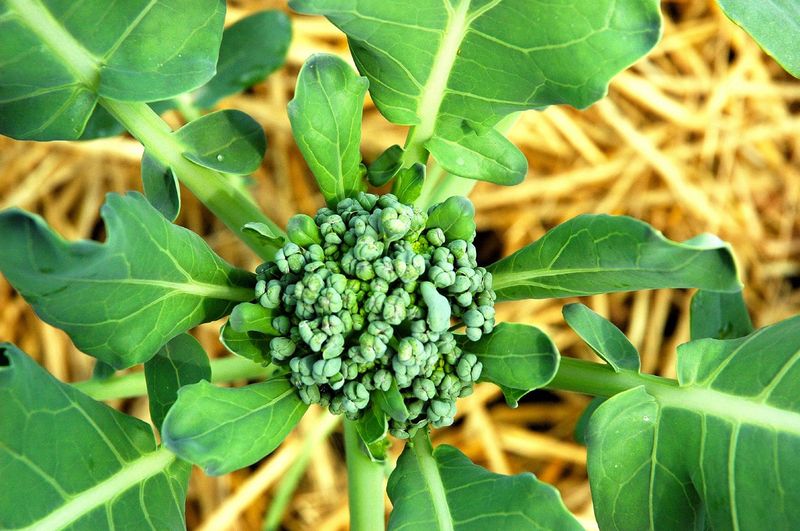
Start by identifying what you actually have. A small head on an undersized plant that appeared too early is a button.
A head that formed normally and then became loose, rough, branchy, or leafy during a heat spell is a different problem with different causes. The distinction changes what you do next.
For either symptom, stabilize moisture and establishment conditions before anything else. Avoid erratic watering, hold off on heavy fertilizer applications unless a soil test confirms a specific deficiency, and use mulch and lightweight shade if extreme heat continues.
Utah State’s production-problems guide and Oklahoma State’s cole crop fact sheet both support stress reduction as the most defensible response to poor head development.
Cut any formed button and watch for side shoots, but treat that as a possible bonus rather than a recovery plan. The stronger investment is in the next planting: younger transplants, careful hardening, and a timing window that puts head formation into cooler fall weather.
A broccoli plant that builds adequate size before it starts forming a head is the one most likely to reward you with a full crown worth harvesting.