
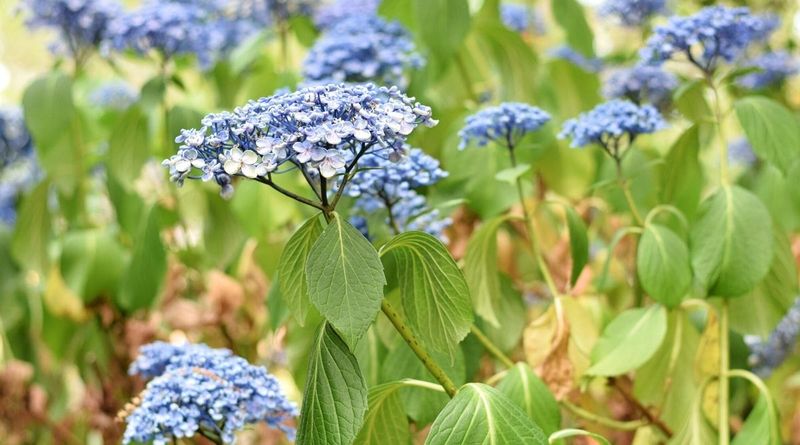
Hydrangeas are one of the most rewarding shrubs you can grow, right up until the summer they give you a wall of lush green leaves and almost nothing else. Before you reach for a fertilizer bag, though, the real answer might have nothing to do with plant food.
Sparse or undersized blooms can come from pruning at the wrong time, too much shade, a late frost, or even deer nibbling off buds while you slept. Getting the diagnosis right first is what separates a full, floriferous plant next season from one that disappoints you again.
Start with the symptom, not the fertilizer bag
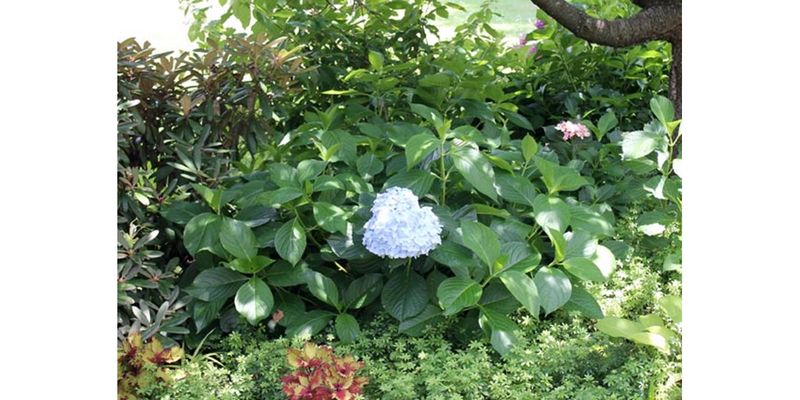
Reaching for a bloom booster when your hydrangea refuses to flower is a natural first instinct, but the symptom alone does not point to a nutrient problem. A plant covered in glossy, deep-green leaves is already processing nitrogen efficiently, and piling on more will not coax it into flowering.
UF/IFAS guidance on landscape plant fertilization notes that fertilizer may be needed only when deficiencies are present in established plants, which means vigorous foliage is actually a sign to hold off rather than add more.
Before anything else, separate two different problems that are easy to conflate. Sparse blooms means the plant produced very few flower clusters at all.
Small flower clusters means the blooms that did appear were undersized or thin. These are not the same diagnosis, and they do not necessarily share the same cause.
The pattern worth paying attention to is this: pale older leaves, weak or stunted new growth, and generally poor plant vigor may justify a closer look at nutrition and a soil test. A hydrangea with abundant, healthy foliage and few flowers is a different picture entirely.
University of Maryland Extension and Penn State Extension both point to pruning, light, moisture, weather injury, browsing, and cultivar behavior as factors to check before assuming a nutrient problem. Walk around the plant, look at its history, and gather that information before applying any product.
Excess nitrogen can favor foliage over flowers
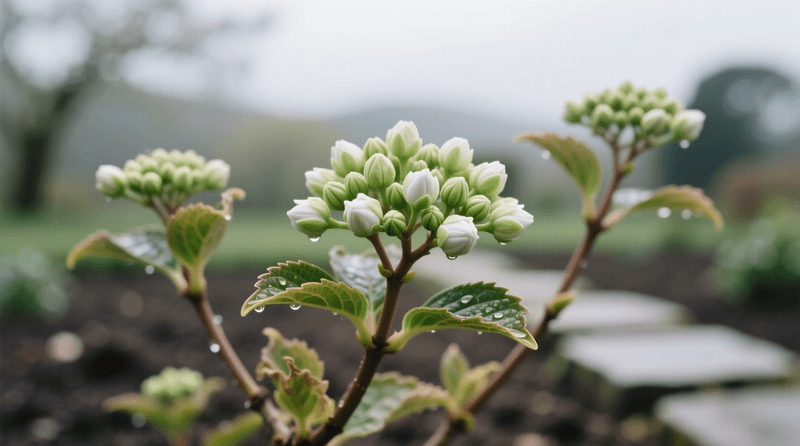
There is a real, supported connection between too much nitrogen and reduced flower production in hydrangeas. Mississippi State University Extension warns that excess nitrogen may decrease flower production, and University of Maryland Extension echoes that concern.
The mechanism is straightforward: nitrogen pushes vegetative growth, and when a plant has more than it needs for healthy function, energy can go into leaves and stems rather than buds.
That does not mean every leafy, poorly flowering hydrangea was overfed. Plenty of plants bloom sparsely for reasons that have nothing to do with what went into the soil.
What it does mean is that adding more nitrogen to an already leafy plant is a poor first move and could make the situation worse.
A common piece of gardening advice suggests that the middle number on a fertilizer bag, which represents phosphorus, is the “bloom number” and that raising it will produce more or bigger flowers. That is misleading.
Phosphorus is essential for plant health, but adding extra does not reliably increase flowering when soil phosphorus is already adequate. For bigleaf and mountain hydrangeas specifically, phosphorus affects flower color rather than flower quantity: higher phosphorus can bind aluminum in the soil, reducing aluminum availability and shifting susceptible cultivars toward pinker rather than bluer flowers.
A controlled-release fertilizer study on container-grown Hydrangea macrophylla found that strong shoot growth could be achieved with substantially reduced phosphorus compared with conventional rates, supporting the case against blanket high-phosphorus applications. That study involved container production, not every landscape situation, but its finding reinforces the value of avoiding unnecessary phosphorus rather than adding it as a routine bloom fix.
Use restrained fertilizer only when evidence supports it
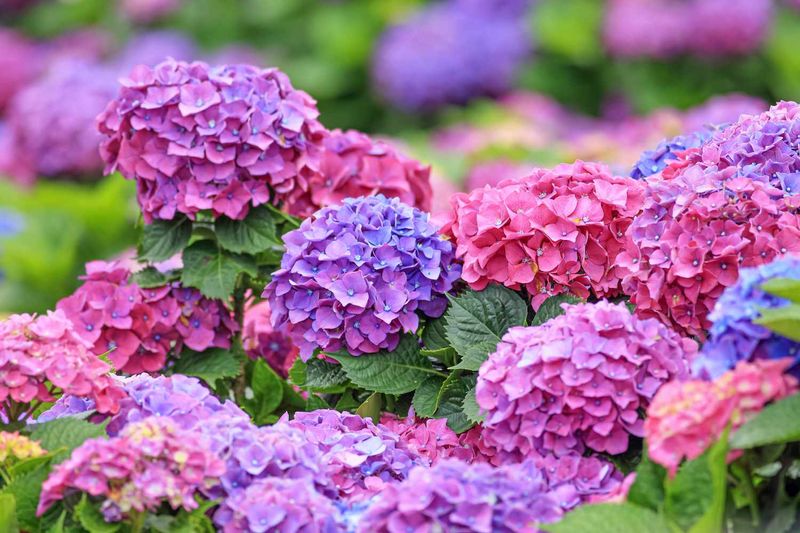
When a soil test, visible deficiency symptoms, or local extension guidance genuinely supports feeding, a light, balanced general-purpose fertilizer is a reasonable choice. Common formulations such as 8-8-8, 10-10-10, or 13-13-13 are what Mississippi State University Extension recommends for hydrangeas, applied lightly during the growing season.
Slow-release options such as 12-4-6 or 8-8-8 are listed as alternatives. The product label and any soil-test recommendations should control the rate, timing, and frequency, not a general calendar pulled from another region.
Georgia Cooperative Extension recommends 8-8-8 or 10-10-10 for established bigleaf hydrangeas, applied in March, May, and July at approximately 1 pound (about 2 cups) per 100 square feet. Mississippi State lists roughly a quarter cup for small plants and 1 to 2 cups for very large shrubs.
These are regional references for the Southeast, not universal instructions. Apply fertilizer only while the plant is actively growing, keep it away from stems and any pavement where runoff can carry it off, and water it thoroughly into the root zone immediately after application.
Newly transplanted hydrangeas need time to settle before any feeding begins. Georgia Extension advises waiting approximately four to eight weeks after transplanting until the plant has established.
Feeding too soon can stress roots that are still recovering from the move. UF/IFAS soil and fertilizer guidance reinforces the importance of soil testing before adding phosphorus or other nutrients, particularly because unnecessary applications can build up in the soil and contribute to environmental problems.
And for Florida gardeners, UF/IFAS Florida-Friendly Landscaping guidelines emphasize using the minimum amount needed, applying only during active growth, and following all applicable state and local regulations.
Pruning may have removed next season’s flower buds
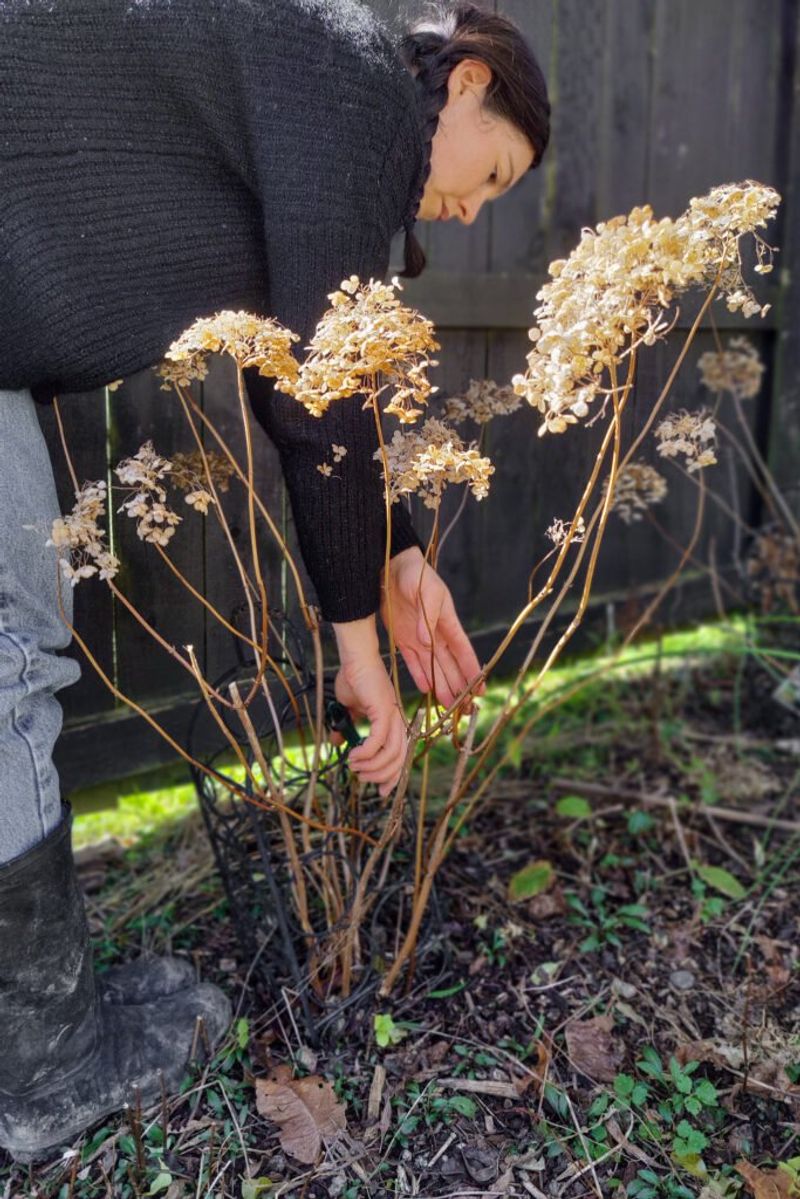
Pruning history is often a more direct explanation for sparse blooms than anything happening in the soil. Bigleaf hydrangeas (Hydrangea macrophylla), mountain hydrangeas (H. serrata), and oakleaf hydrangeas (H. quercifolia) generally bloom on old wood, meaning flower buds form on stems that grew during the previous season.
Cutting those stems from late summer through winter removes the buds before they ever open. A well-intentioned fall cleanup or an overly enthusiastic spring trim can wipe out an entire year of flowers with a few snips.
University of Maryland Extension’s pruning guide and Penn State Extension both identify wrong pruning timing as a leading reason why hydrangeas fail to bloom. Smooth hydrangeas (H. arborescens) and panicle hydrangeas (H. paniculata) are a different story: they flower on new wood produced in the current season, so they can generally be pruned in late winter or early spring without sacrificing blooms.
Reblooming cultivars such as ‘Endless Summer’ can flower on both old and new wood, giving them some recovery ability, though old-wood buds still produce the first and often largest flush of flowers.
Beyond pruning, a late spring frost, a hard winter, drought stress during bud development, or deer browsing can remove or kill buds that fertilizer simply cannot restore. Georgia Cooperative Extension and University of Maryland Extension both note that cold injury and browsing are real causes of bloom failure.
If the buds are gone, they are gone for that season regardless of what goes into the soil. Identifying the hydrangea species or cultivar before changing either pruning or feeding practices is the essential first step.
Light, moisture, and heat can affect bloom quality
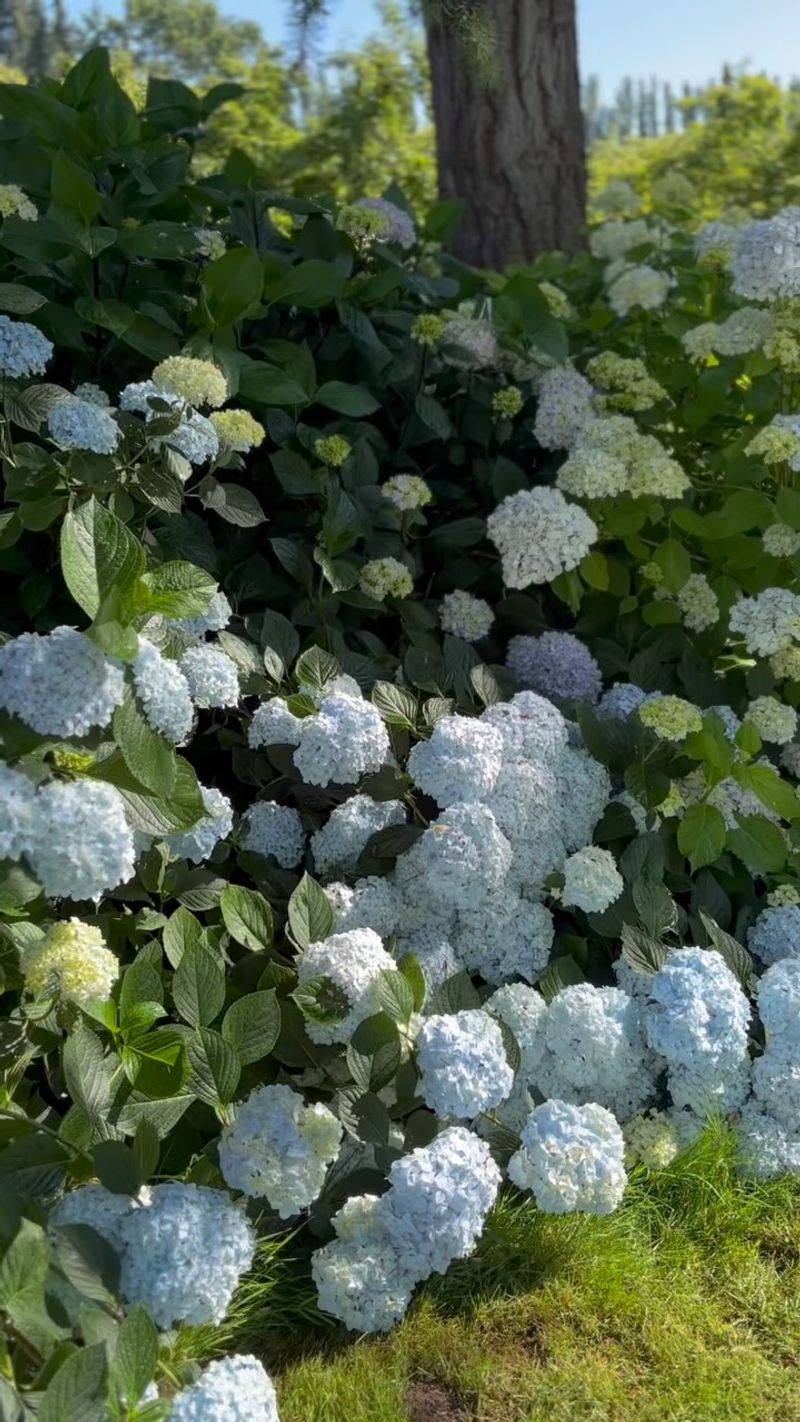
Environmental conditions play a real role in how well hydrangeas flower, how large the clusters appear, and how long the blooms last, though no single factor determines every outcome. Too much shade is one condition worth examining when blooms are sparse.
Hydrangeas generally need some direct light to initiate flowering, and a plant growing under heavy tree canopy all day may simply lack the energy to produce a full flush of buds.
At the same time, full sun in a hot Southern climate creates its own set of problems for shade-adapted types. Georgia Cooperative Extension’s bigleaf hydrangea guide describes the preferred exposure as morning sun with afternoon shade, in evenly moist, well-drained soil.
That recommendation is specific to bigleaf hydrangeas and should not be applied automatically to panicle or smooth types, which generally handle more sun. For bigleaf hydrangeas in Florida and the Deep South, afternoon shade is not just a preference but a practical buffer against heat stress that can shorten bloom duration and scorch both flowers and foliage.
Drought stress and heat stress are not evidence of nutrient deficiency. A plant wilting in August heat or struggling through a dry stretch needs water before it needs fertilizer.
University of Maryland Extension and University of Georgia Extension both point to moisture and light as conditions to assess before changing a feeding program. Correct exposure and watering problems first, and give the plant a full season to respond, before concluding that nutrition is the limiting factor.
Match the advice to the hydrangea and the region
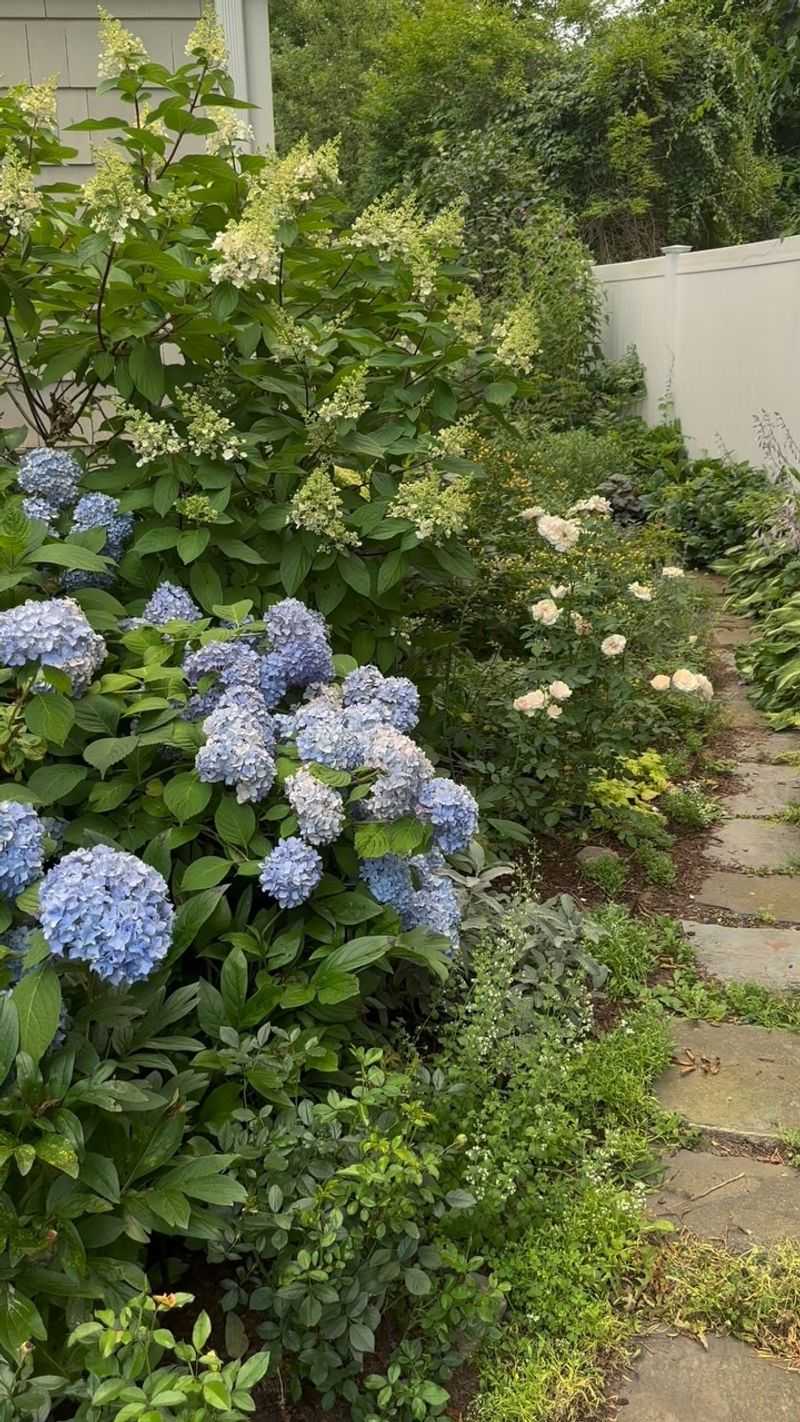
Advice written for bigleaf hydrangeas does not transfer automatically to smooth, panicle, oakleaf, mountain, or reblooming types. These species differ in the wood on which they flower, the pruning windows that protect their buds, their tolerance for sun and heat, their mature size, and how they recover from stress.
University of Maryland Extension and its companion pruning guide both emphasize the importance of identifying the species before making care decisions. A March pruning that is perfectly appropriate for a panicle hydrangea can devastate a bigleaf hydrangea’s bloom for the entire season.
Southern fertilizer timing also requires local adjustment. The March-May-July schedules from Mississippi and Georgia are useful regional examples for the Southeast, but they are not a universal calendar.
Florida’s conditions are different enough to require a separate approach. Sandy soils drain quickly and allow nutrients to leach below the root zone, especially under the heavy rainfall and frequent irrigation common across much of the state.
UF/IFAS Florida-Friendly Landscaping guidelines call for using the minimum amount of fertilizer needed, applying only when plants are actively growing, and following all county or municipal fertilizer restrictions, which in many Florida communities limit or prohibit nitrogen and phosphorus applications near water bodies during the rainy season. UF/IFAS landscape fertilization guidance reinforces that established ornamentals often need little or no supplemental feeding when they are otherwise healthy.
For Florida, improving soil organic matter can help sandy soils retain moisture and nutrients more effectively, reducing the need for frequent fertilizer applications. Texas gardeners should be aware that the Mississippi and Georgia examples have not been validated for Texas conditions.
Soil types, rainfall patterns, and growing seasons vary considerably across that state, so local extension offices and product labels are the appropriate guides rather than copying another state’s schedule. UF/IFAS soil and fertilizer resources provide a sound starting point for understanding how regional soil conditions shape fertilizer decisions.
Make the next bloom cycle a diagnosis, not a gamble
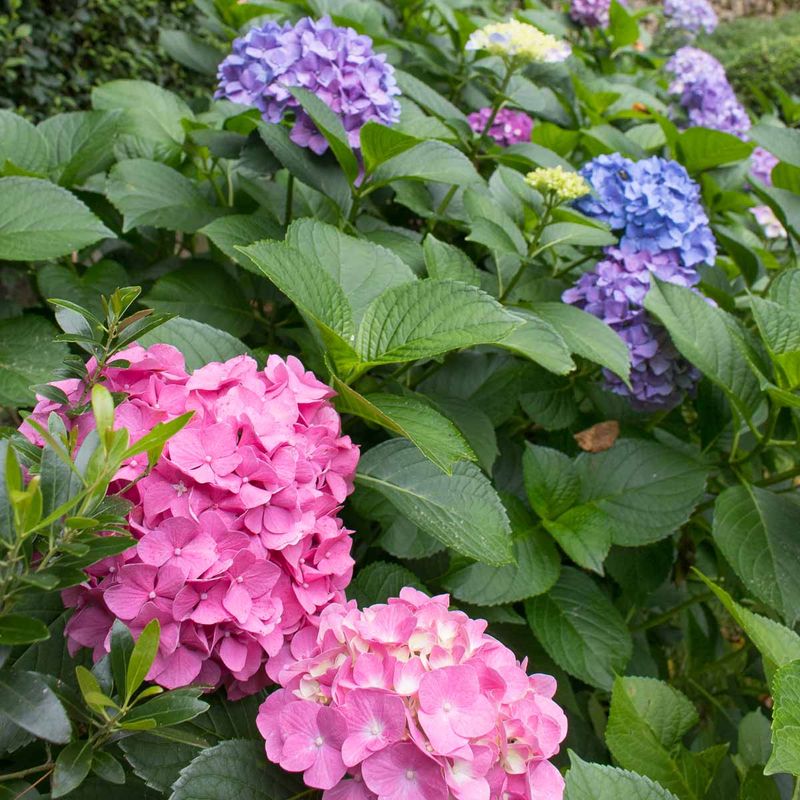
A practical decision sequence is more useful than a product recommendation. Start by identifying the hydrangea species or cultivar, because that determines pruning windows, light needs, and what kind of bud damage is even possible.
Then separate the actual symptom: were there almost no blooms at all, or did the plant flower but the clusters seemed small or faded quickly? Those are different problems that point in different directions.
Check the foliage next. Pale older leaves, weak new growth, or generally poor vigor may justify a soil test and a closer look at nutrition.
A plant with rich, dark-green leaves and few flowers calls for a review of pruning timing, bud damage from frost or browsing, light exposure, and soil moisture before any fertilizer enters the picture. Penn State Extension and University of Maryland Extension both frame these non-fertilizer factors as essential checks, not afterthoughts.
When a soil test or clear evidence of deficiency supports feeding, a light, label-directed application of balanced or slow-release fertilizer during active growth is a reasonable step, as both Mississippi State Extension and UF/IFAS describe. Restrained nutrition can support a plant that is genuinely limited by what is in the soil.
No fertilizer, however carefully chosen, can bring back buds that pruning removed, frost killed, drought stressed away, or deer ate before spring arrived.