
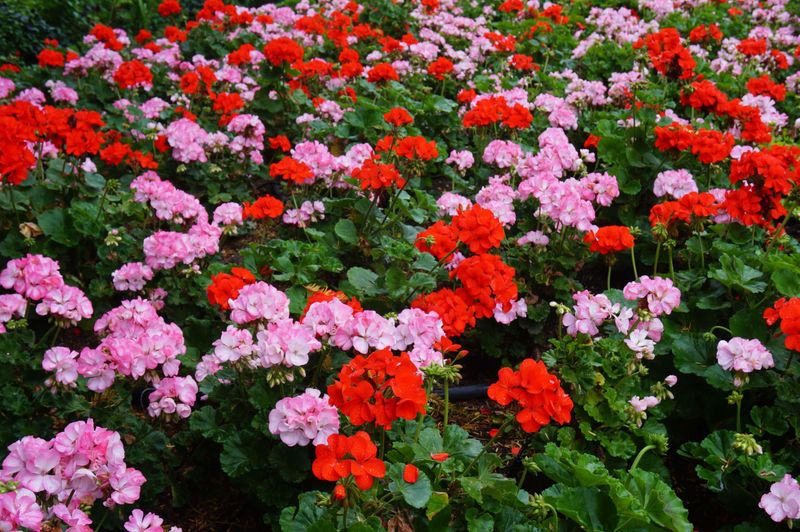
Plenty of geraniums grow lush and leafy all season long but refuse to put out more than a handful of blooms, and that gap between a healthy-looking plant and a flower-covered one can be genuinely puzzling. Most of the time, the fix is simpler than gardeners expect, and it starts with one honest look at where the plant is sitting.
Getting this right matters especially in Florida and Texas, where heat adds a layer of complexity that generic gardening advice tends to skip right over.
First, make sure it is the kind of geranium this advice covers
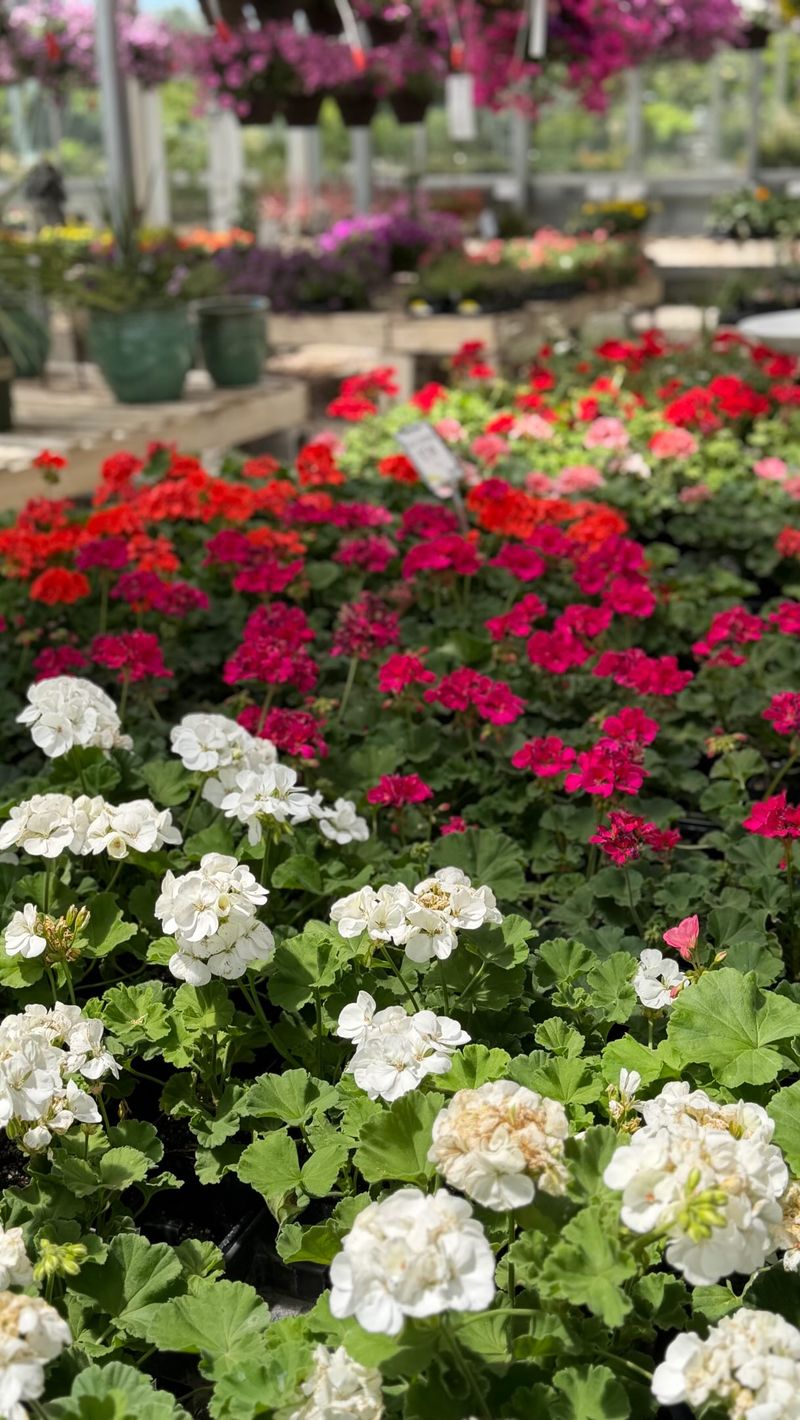
Not every plant sold as a “geranium” at your local garden center belongs to the same botanical family. The familiar bedding and container plants with rounded, sometimes zone-marked leaves and rounded flower clusters are almost always PelargoniumPelargonium x hortorum, specifically , the zonal geranium.
University of Minnesota Extension guidance on growing geraniums makes this distinction clearly, noting that common bedding geraniums are Pelargonium rather than true hardy Geranium species.
Hardy Geraniums, sometimes called cranesbills, are a separate genus entirely. They behave differently across seasons, tolerate different conditions, and respond to different care.
If your plant is a low-growing perennial that dies back in winter and comes back reliably in spring, it may be a cranesbill, and the light, heat, and seasonal guidance in this article may not apply.
The plants covered here are the ones you find in six-packs at a nursery in spring, grow in pots on a porch, or tuck into a sunny bed for seasonal color. UF/IFAS documentation on Pelargonium x hortorum confirms that these cultivated Pelargoniums are the standard warm-season bedding plants common across Florida and the South.
If that description fits your plant, read on.
A leafy, stretched plant may be getting too little usable light
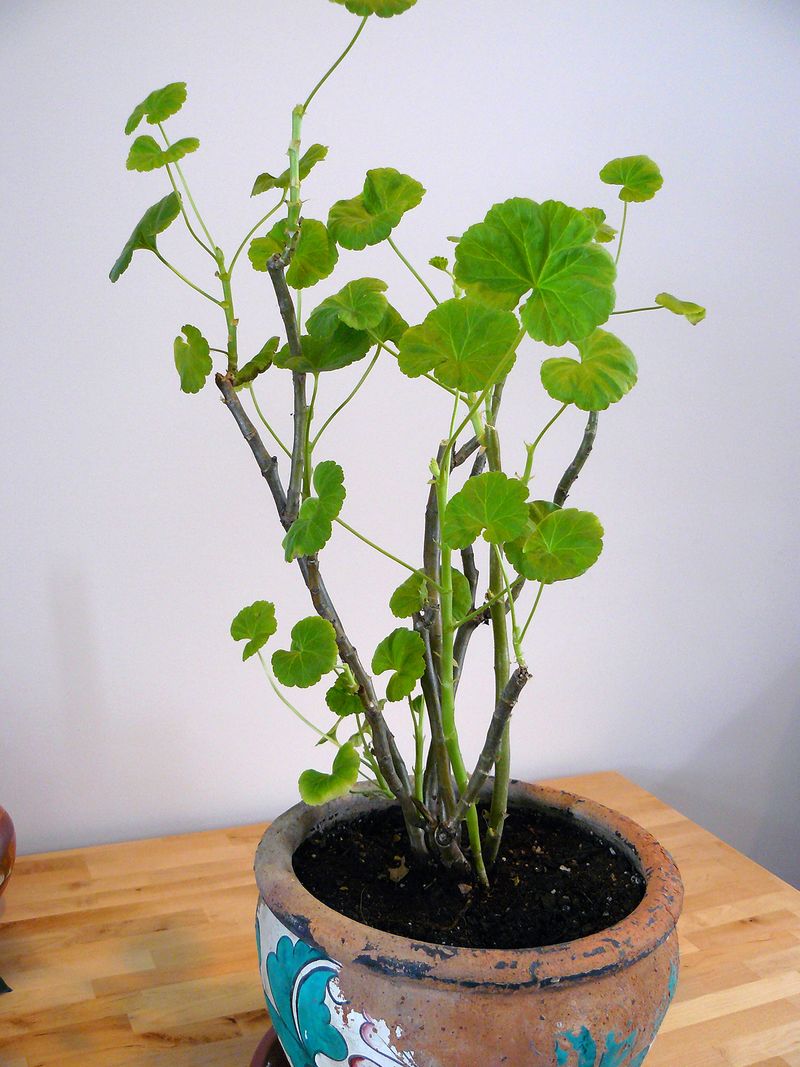
Before you reach for fertilizer or adjust your watering schedule, take a close look at the plant itself. Run your eyes down the stems and check how much space separates each pair of leaves.
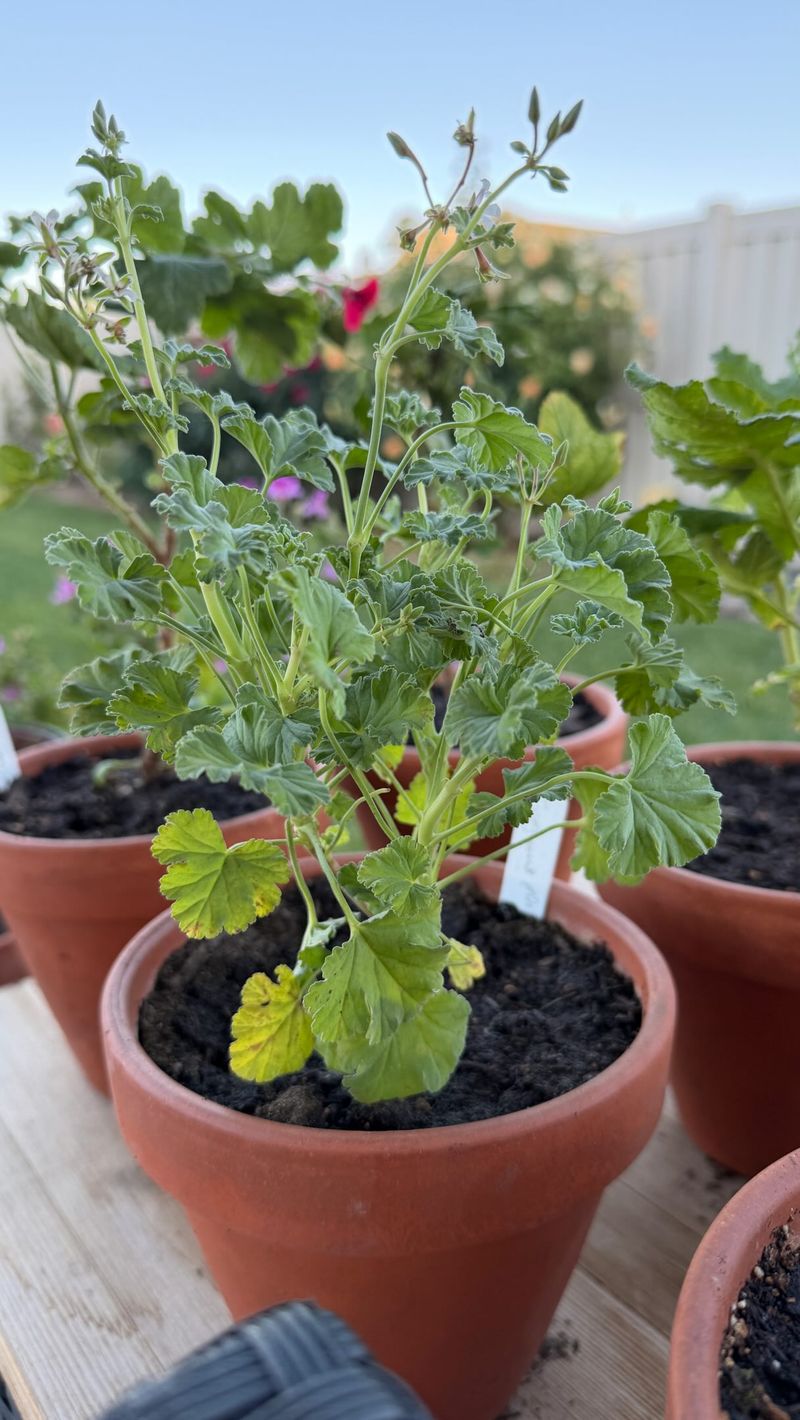
Long gaps between leaf nodes, stems that lean or stretch toward the nearest light source, and growth that looks pale or weak rather than compact and deep green are all signs worth noting.
Minnesota Extension’s guidance on lighting for indoor plants explains that insufficient light causes plants to stretch toward available light, producing the leggy, elongated growth pattern many gardeners mistake for a watering or feeding problem. When you pair that stretched appearance with a plant that is producing plenty of foliage but very few flower buds, inadequate light becomes a strong candidate for the cause.
The pattern to look for is specific: a plant that appears otherwise healthy, with no obvious yellowing, no mushy stems, and no signs of pest damage, but that is mostly leaves with almost no buds forming. Minnesota Extension’s geranium growing guide notes that insufficient light can lead to leggy growth and failure to produce flower buds in Pelargoniums.
That combination of symptoms suggests a likely cause, though it does not rule out other possibilities entirely.
Check the light before reaching for more fertilizer
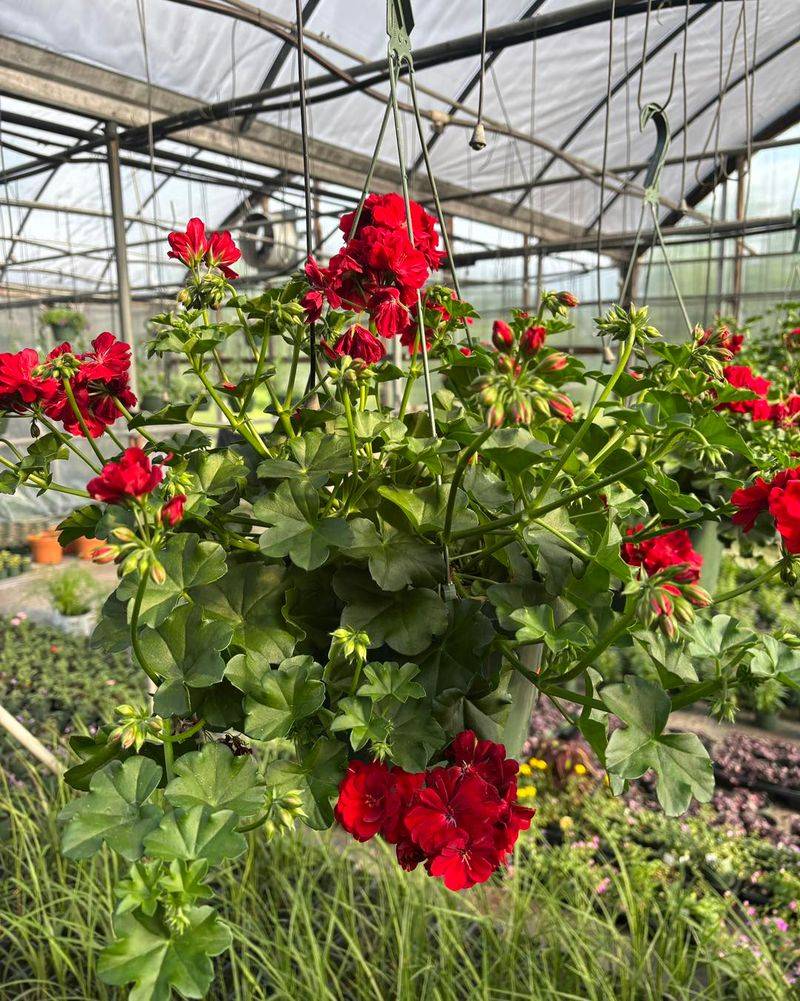
When a common Pelargonium is healthy-looking but stretched and nearly flowerless, the best first move is to get it into better light rather than adding fertilizer or changing how you water. Texas A&M AgriLife Extension’s geranium care reference recommends at least four hours of direct sunlight daily for good flowering, a practical minimum that gives Southern gardeners a concrete starting point.
Other extension resources push that target higher for outdoor plants. Minnesota Extension’s geranium guide recommends full sun outdoors and notes that fewer hours of sun mean fewer flowers, while Illinois Extension lists full sun as the standard exposure for zonal geraniums.
These figures are not contradictory; they reflect different settings, cultivars, and climates. An indoor plant on a bright windowsill is working with far less intensity than one sitting in a sunny outdoor bed, so the useful target shifts depending on where the plant lives.
Moving a Pelargonium to the brightest suitable location can support new bud production if low light is genuinely the limiting factor. That qualifier matters.
Better light is the best first correction for this specific symptom pattern, but it does not guarantee recovery in every situation. If the plant does not respond after several weeks in improved light, another cause is likely at work and deserves a separate look.
In Southern heat, brighter does not mean harsher
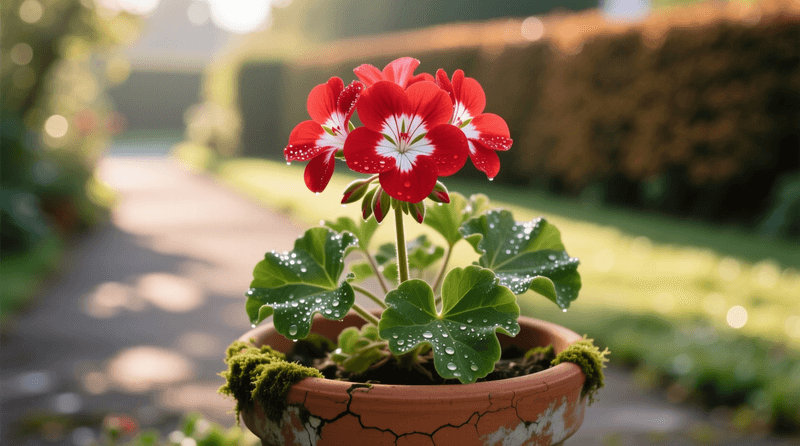
Southern gardeners face a complication that most general geranium advice ignores. Pelargoniums generally perform best in cooler conditions, and in central and southern Florida, the heat of summer actively works against flowering.
UF/IFAS documentation on Pelargonium x hortorum reports that flowering commonly fades by mid- to late summer in Florida, which means a Southern reader should not expect continuous peak color through the hottest months regardless of how well they manage light.
For readers in Florida and similarly hot parts of Texas, “more light” does not automatically mean “harsher, all-day afternoon sun.” Texas Tech University’s plant resource sheet for Pelargonium x hortorum lists zonal geraniums as having medium heat tolerance and notes that afternoon shade and cooler nights improve performance. When a plant is showing signs of heat stress, such as wilted or scorched-looking leaves during the hottest part of the day, a spot with strong morning sun and protection from punishing afternoon exposure can be a reasonable site-dependent choice.
Deep shade is not the answer, though. Moving a sparse-blooming plant into a heavily shaded corner trades one problem for another.
The goal is the brightest location that does not subject the plant to conditions it cannot handle, with local heat, container placement, and cultivar all factoring into that judgment. Conditions vary enough across Southern yards that no single placement rule fits every situation.
Transition a shaded plant into stronger sun gradually
Moving a Pelargonium from a dim indoor corner or a deeply shaded porch directly into intense outdoor sun is a fast way to create a new problem. Foliage that has adapted to low light can scorch badly when exposed to full sun without warning, leaving the plant worse off than before the move.
Minnesota Extension’s guidance on spring houseplant care recommends introducing plants to outdoor conditions gradually, starting in a sheltered location before increasing exposure. For a container Pelargonium, that might mean spending the first week in a spot with bright, indirect light or morning sun only, then shifting it into a few hours of direct sun, and continuing to increase exposure over the following two to three weeks as the plant adjusts.
Watch the leaves during the transition. Some temporary drooping during the hottest part of the day is normal as the plant adapts, but crispy brown patches on leaf edges or surfaces are a signal to pull back and slow the process.
Containers heat and dry faster than in-ground beds, so check soil moisture more frequently during this period. A gradual move gives the plant time to build the internal resources it needs to handle stronger light without the shock of an abrupt change.
Support flowering without creating a second problem
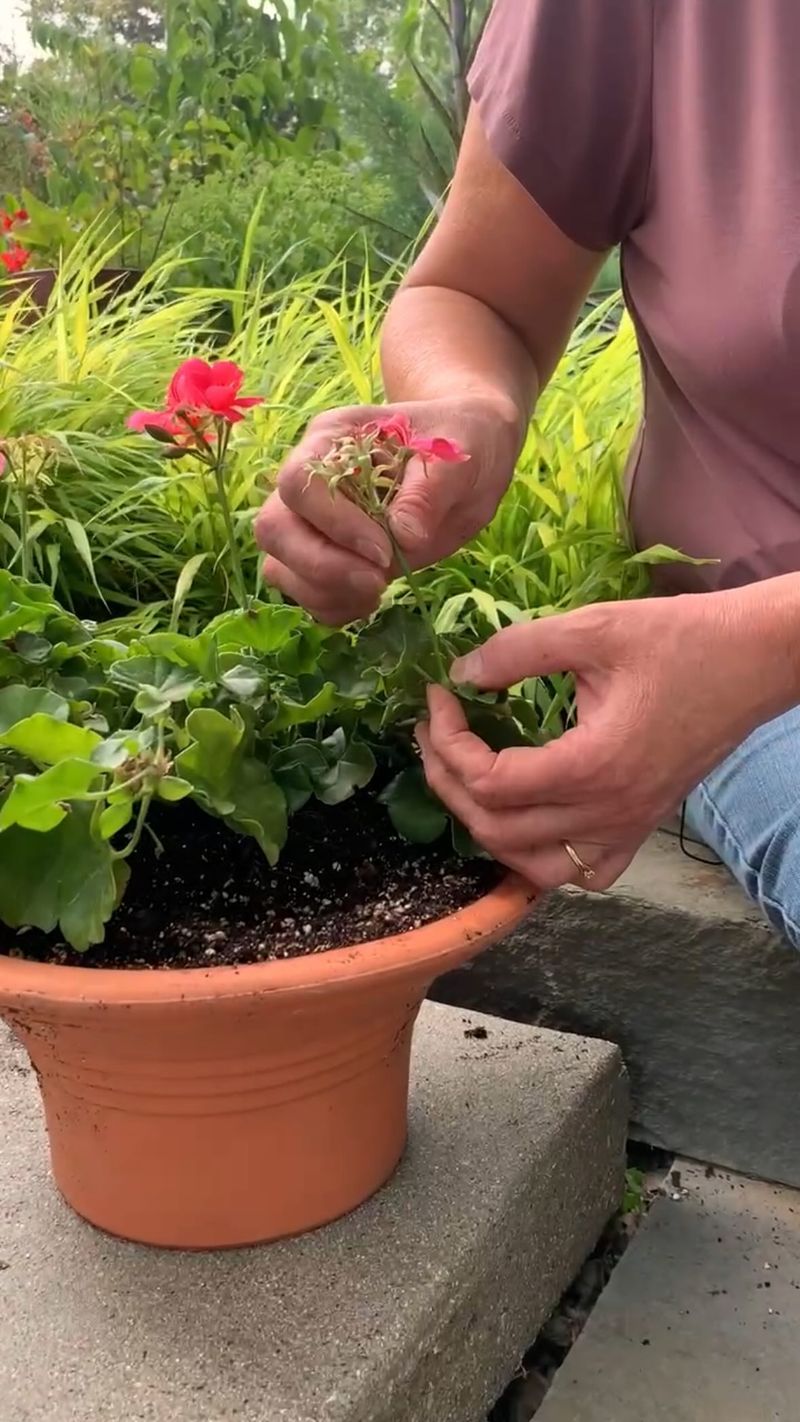
Once the light situation is addressed, a few supporting habits can help the plant keep producing flowers rather than stalling out. Removing spent flower clusters, a practice called deadheading, is one of the most consistently recommended steps.
UF/IFAS, Illinois Extension, and Texas A&M AgriLife Earth-Kind seasonal color guidance all recommend removing faded flowers to encourage continued blooming and reduce the risk of fungal problems like Botrytis. Deadheading supports rebloom after flowers have formed; it cannot compensate for a plant that lacks the light needed to produce buds in the first place.
Watering deserves attention too, but not in the form of a fixed daily schedule. Minnesota Extension advises watering Pelargoniums when the top one to two inches of soil feel dry, and notes that these plants tolerate dry conditions better than persistently wet soil.
Containers must have drainage holes; water sitting at the roots creates conditions that undermine everything else you are trying to do.
On the fertilizer side, restraint is the safer approach. Overfertilization, especially with nitrogen-heavy products, can push leafy growth at the expense of flowers.
Minnesota Extension warns that heavy feeding can reduce blooming in geraniums, so a balanced fertilizer applied according to label directions is preferable to aggressive feeding. UMass Extension’s guide to growing quality geraniums also flags fertilizer-salt buildup in containers as a serious risk when repeated feeding outpaces drainage, which can severely check plant growth and compound an existing bloom problem.
Know when sparse blooms point somewhere else
Light is the best first adjustment to test when a Pelargonium looks healthy but is producing few buds, but the same sparse-bloom symptom can have other causes entirely. Excess nitrogen from heavy fertilizing pushes leafy, vegetative growth at the cost of flowers.
Drought stress, overwatering, and poor drainage can each interfere with bud development in different ways. Cultivar differences matter too; some varieties are simply less floriferous than others regardless of care.
Minnesota Extension’s geranium guide and UMass Extension’s geranium production resource both identify multiple cultural factors that can reduce flowering beyond light alone.
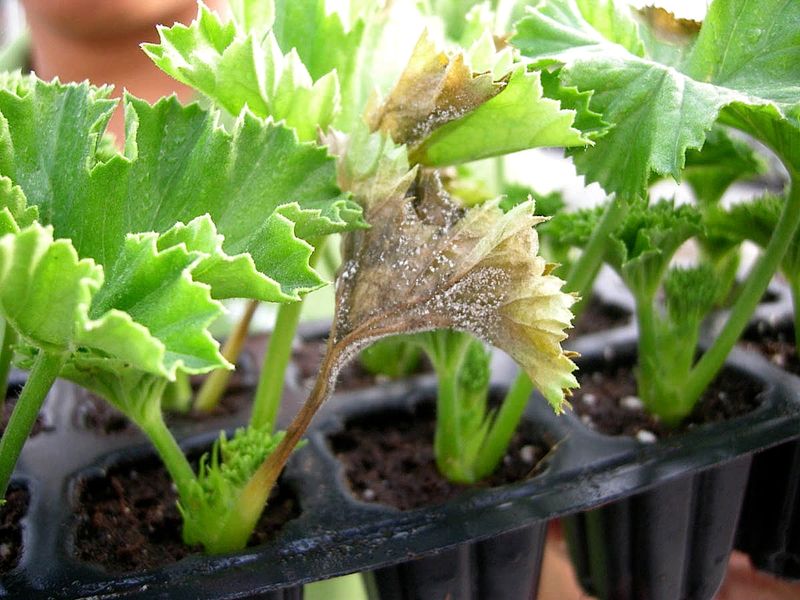
Sparse bud production is also not the same thing as flower drop. If flowers are forming but then turning brown, developing water-soaked patches on the petals, or showing fuzzy gray growth on the spent blooms, that pattern points toward Botrytis or another fungal problem rather than a light deficiency.
UC IPM’s geranium disease resource and UF/IFAS Pelargonium documentation both describe Botrytis as a common issue, particularly under cool, wet, or poorly ventilated conditions.
The most urgent warning signs involve the stems and roots rather than the flowers. Black or mushy stem bases, leaves that collapse despite moist soil, or roots that look brown and damaged are signals of root or stem rot, conditions associated with excessive moisture and poor drainage.
Penn State Extension’s geranium disease guide and the Texas Plant Disease Handbook’s geranium section cover these rot pathogens in detail. When those symptoms are present, moving the plant into brighter light alone is not a sufficient response and may not be safe for the plant at all.
Make light the first correction, not the only explanation
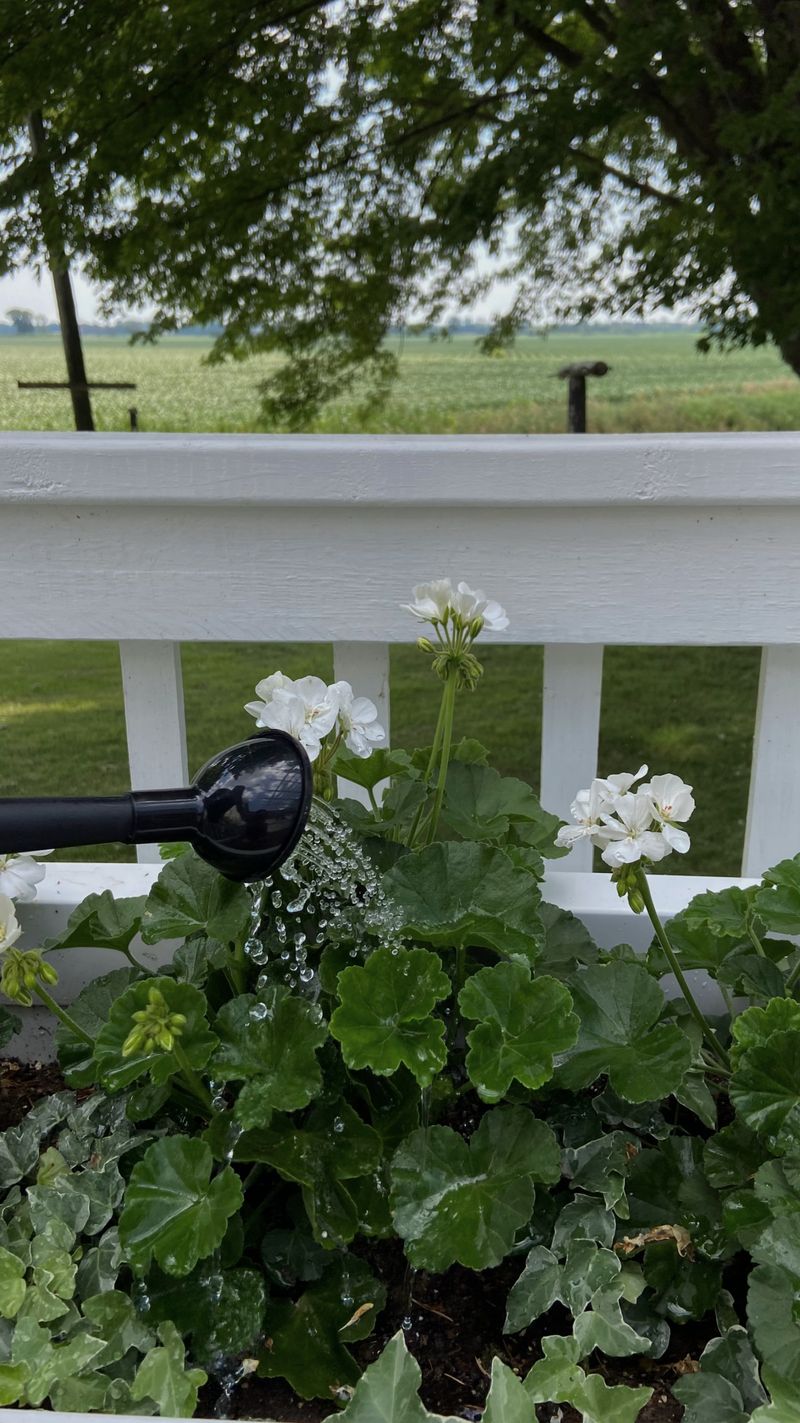
When a common Pelargonium looks otherwise healthy but has become leggy, leafy, and short on buds, the most productive first step is to assess and improve its light before changing anything else. Texas A&M’s geranium care guidance and Minnesota Extension’s growing guide both support adequate direct sun as a key factor in flower production for Pelargoniums.
For Southern readers, that means choosing the brightest location that fits local heat conditions, not the harshest spot available. UF/IFAS notes that Florida geraniums commonly slow their flowering in mid- to late summer heat, so a drop in bloom during that period may be seasonal rather than a correctable problem.
Move containers gradually, watch for signs of heat stress or disease, and reassess the plant if the bloom pattern does not improve after several weeks in better light.
A light adjustment is a sensible, well-supported first test – not a promise of guaranteed color. Plants that do not respond, or that show symptoms pointing toward root damage, disease, or other causes, need a different diagnosis.
Starting with light keeps the process simple and gives you clear information about what to try next.