
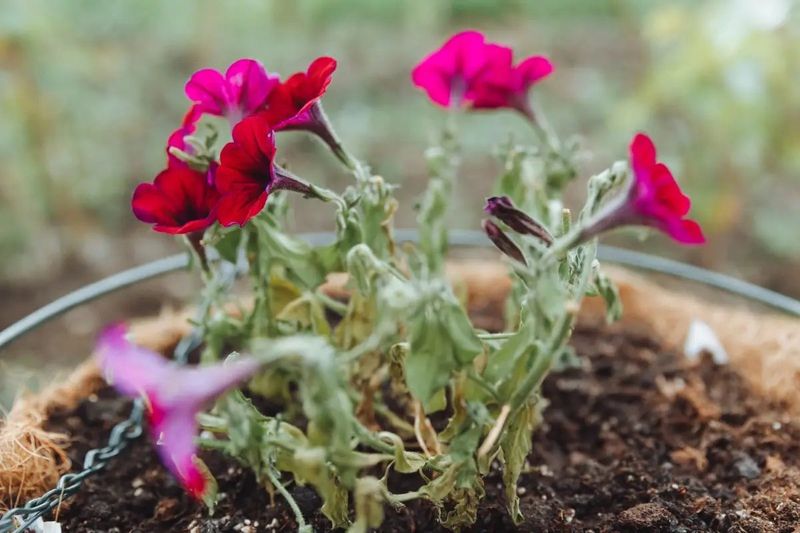
Petunias start the season looking amazing, then somewhere around July or August they turn leggy, stop blooming, and leave you scratching your head. If you garden in the South, the heat and long growing season make these plants extra picky about care.
The good news is that most fizzled petunias trace back to a handful of small, fixable mistakes. Walk through these nine slips and you will probably spot exactly what happened to yours.
1. Skipping the Midseason Deadheading
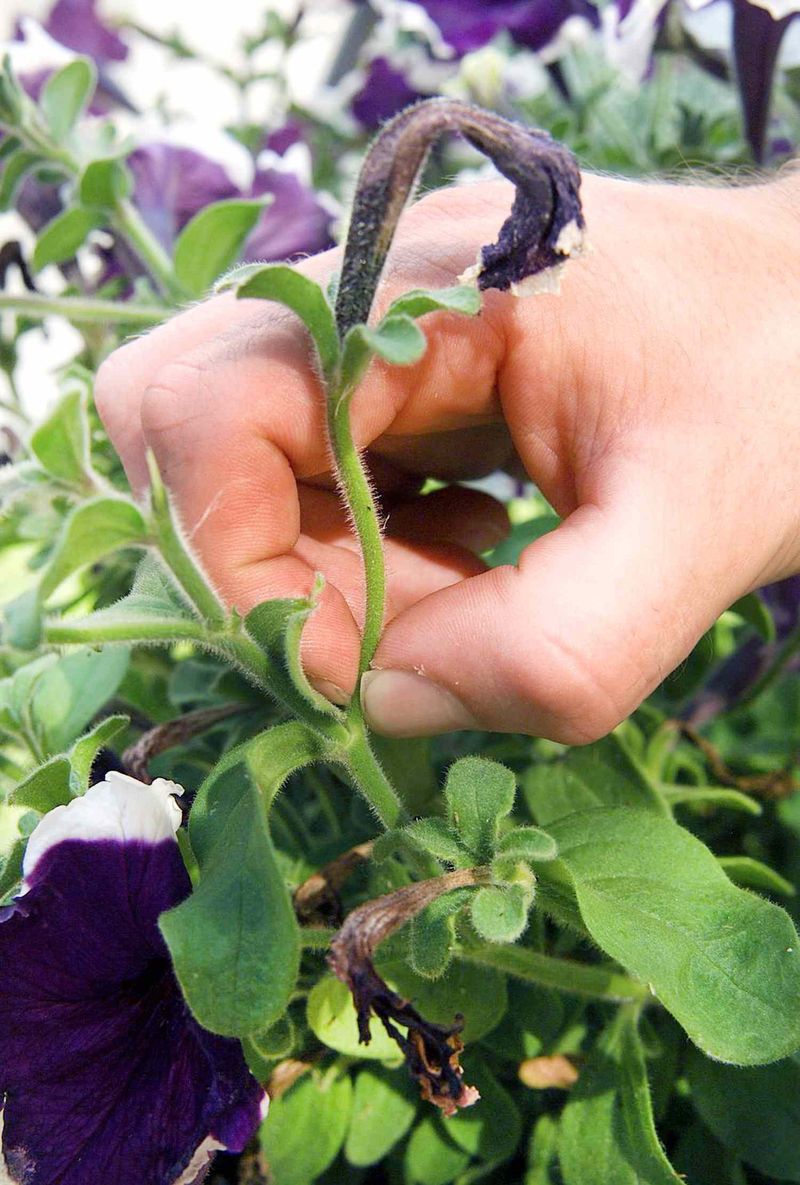
Ever notice how petunias look tired by August even when you water them faithfully? Nine times out of ten, the culprit is a pile of spent blooms you never pinched off.
When old flowers stay on the plant, they start making seed. That tells the petunia its job is done, so it slows down new bud production and puts energy into those seed pods instead.
The result is fewer flowers and a plant that looks like it gave up.
Deadheading fixes this fast. Pinch or snip off faded blooms, including the little swollen base behind the petal, not just the petal itself.
In the South, where the growing season stretches from spring well into fall, doing this every few days keeps blooms coming much longer.
For sprawling petunias, this can feel like a lot of pinching. A quick pass while you sip your morning coffee usually does it.
Fun fact: newer wave and spreading types are marketed as self-cleaning, but even those often bloom better with a little grooming. Skip this small chore and late-summer fizzle is almost guaranteed.
2. Forgetting to Cut Them Back Halfway
Leggy petunias with long bare stems and a few sad flowers at the tips are basically begging for a haircut. Many gardeners water and feed these stretched-out plants and wonder why nothing improves.
Petunias bloom on fresh growth. Once stems get long and woody, the flowers migrate to the ends and the middle goes bald.
No amount of babying brings the center back to life on its own.
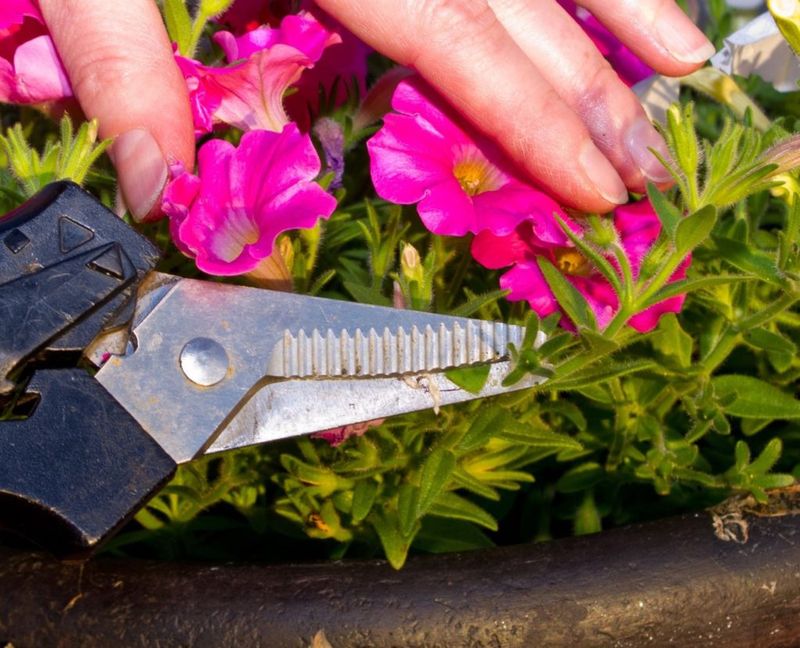
The fix feels drastic but works wonders. Cut the whole plant back by about one-third to one-half, right above a set of leaves.
Yes, it will look bare and pitiful for a week or two, so many folks trim just half the stems at a time to avoid a totally naked pot.
Within two to three weeks, you get bushier growth and a flush of new blooms. In warm Southern zones, there is plenty of season left to enjoy that second act.
Pair the trim with a dose of fertilizer and steady water, and it can bounce back stronger than before. Skipping this reset is one of the most common reasons petunias fizzle by late summer.
3. Running Low on Fertilizer
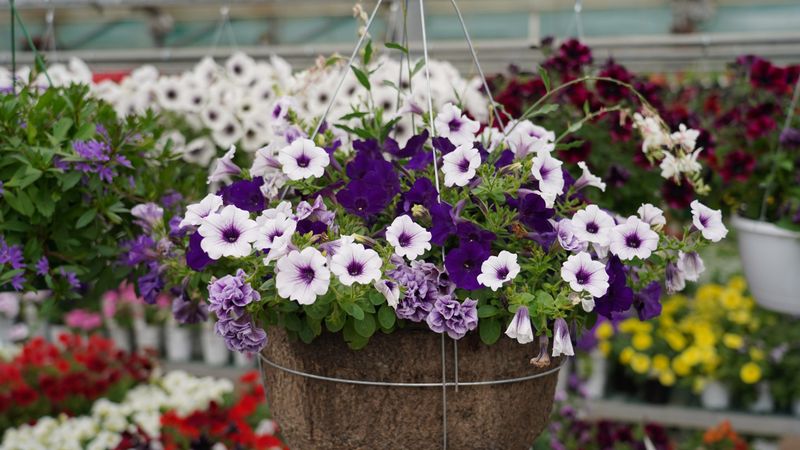
Petunias are hungry plants, especially the spreading and wave types that pump out flowers all season. Feed them once at planting and forget about it, and they will run out of steam right when summer peaks.
Heavy bloomers burn through nutrients quickly, and container plants use them up even faster because frequent watering washes food out of the soil. By midsummer, a starving petunia shows pale leaves, weak stems, and stingy flowering.
A steady feeding routine keeps them going. A balanced water-soluble fertilizer every one to two weeks often makes a big difference, or use a slow-release granular product mixed into the soil at planting for backup.
Watch for yellowing leaves near the base, which can signal the plant is low on nutrients rather than sick. In the South, where the season is long, that late push of food helps petunias keep performing into fall.
Do not overdo it, though. Too much nitrogen gives you lush green leaves and few blooms, so look for a formula labeled for flowering plants.
Consistent, moderate feeding is the quiet secret behind baskets that stay full all summer.
4. Watering the Wrong Way
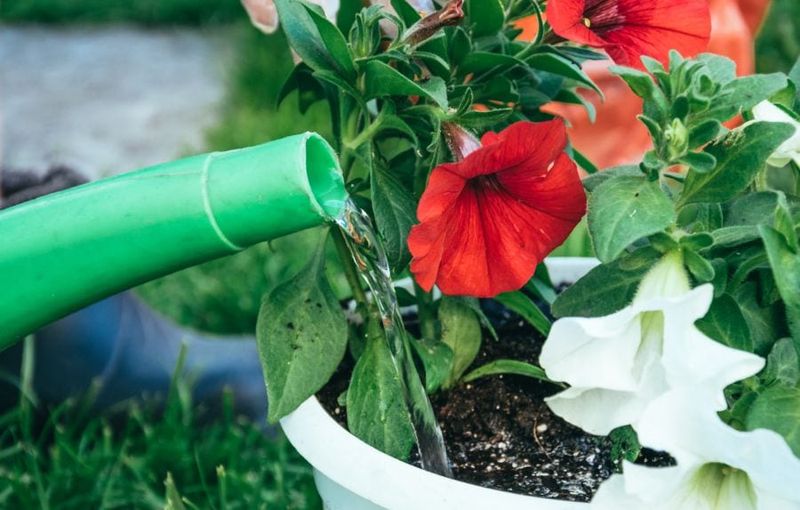
Watering trips up more petunia growers than almost anything else, and it works in both directions. Too little leaves them crispy, while too much rots the roots and invites disease.
Container petunias in Southern heat can dry out fast, sometimes needing water daily during a July scorcher. But pots without good drainage hold soggy soil that suffocates roots, and constantly wet leaves encourage fungus.
Aim for the sweet spot. Check the top inch of soil with your finger, and water deeply when it feels dry, letting excess drain away completely.
Try to water at the base in the morning so foliage dries before evening. Wet leaves overnight, common with afternoon sprinkling, can lead to those brown mushy patches that spread quickly.
Ground-planted petunias are more forgiving but still hate standing water, so avoid low spots where puddles linger after storms.
Mulch around in-ground plants helps hold moisture steady between waterings, which reduces the stress swings that cause blooms to drop. Getting your rhythm right, especially during muggy Southern summers, keeps petunias from either wilting or drowning their way into an early fizzle.
5. Not Enough Sunlight
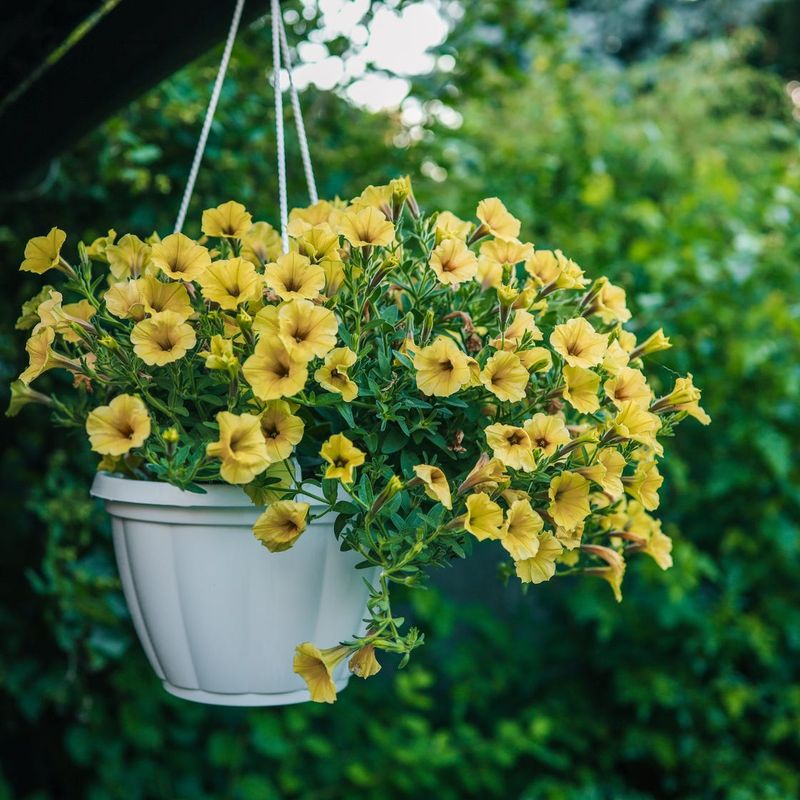
Petunias planted in a shady corner will always disappoint, no matter how well you water and feed them. Skimpy sun is a sneaky reason so many plants stall out by late summer.
These flowers are sun lovers through and through. They want at least six hours of direct light a day, and honestly they bloom best with even more than that.
Plants tucked under trees or shaded by a growing neighbor plant slowly stretch toward the light, getting leggy and bloom-shy in the process. What looked sunny in spring can turn shady once nearby foliage fills in.
Take a walk through your yard and watch where the sun actually lands during the day. A spot that gets baked at noon is petunia paradise.
In the hottest parts of Florida and Texas, a little afternoon shade during peak heat can actually help prevent scorching without cutting blooms too much. The goal is bright morning and midday sun with maybe a break from the harshest late-day rays.
If a container plant is struggling, simply move it to a brighter spot. Sometimes that one change revives a fading petunia within a couple of weeks.
6. Ignoring Budworm Damage
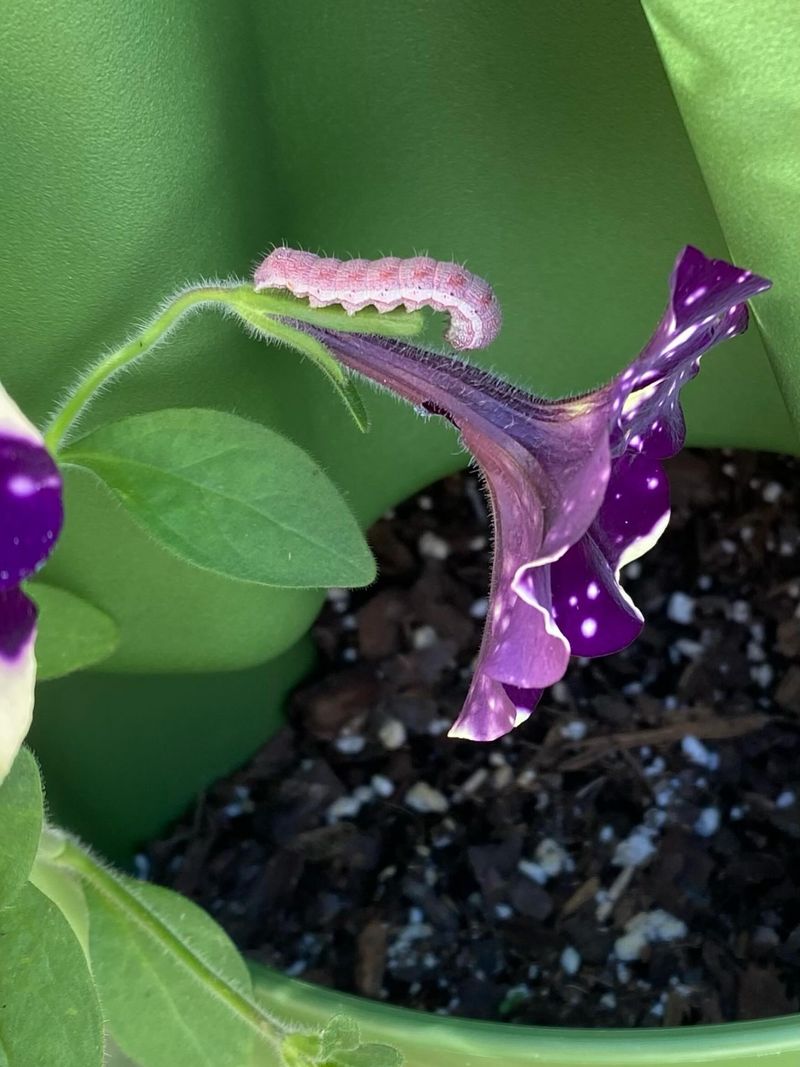
Picture healthy petunias that suddenly stop blooming and show tiny holes in the buds. Before you blame your care routine, look closer, because you may have budworms.
The tobacco budworm is a small caterpillar that loves petunias and does its dirty work quietly. It bores into flower buds and eats them from the inside, so blooms never open, or they emerge ragged and chewed.
These pests are masters of camouflage, changing color to match the flowers they munch, from green to reddish to brown. Look for pinholes in buds and little dark droppings on the leaves as telltale signs.
Handpicking them at dusk, when they come out to feed, can knock down the population without any spray. For heavier infestations, a product containing Bt often helps control them while sparing bees and other beneficial insects.
Southern gardeners tend to see budworms ramp up in mid to late summer, right when petunias should be at their peak. Catching them early makes a big difference.
If your plant looks fine but simply will not bloom, budworms are a prime suspect worth checking before you give up on the whole pot.
7. Letting the Soil Pack Down Hard
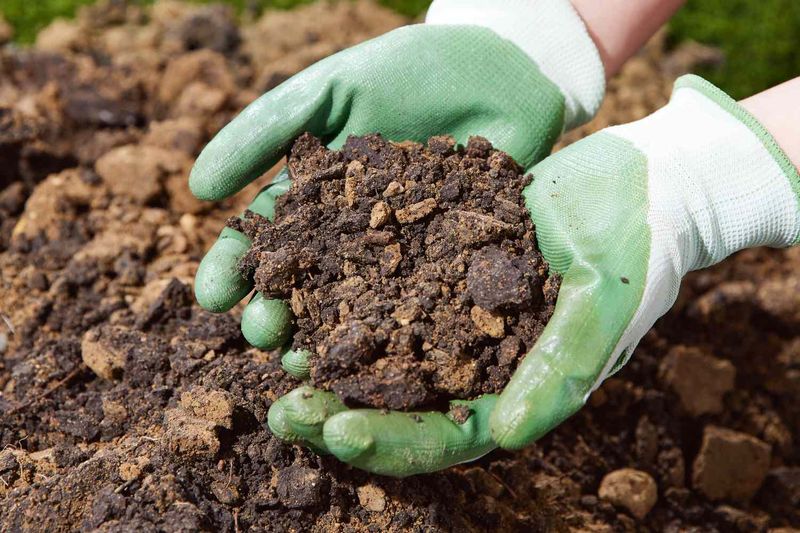
Soil quietly makes or breaks petunias, and it is easy to overlook once the plants are in the ground. Compacted or exhausted soil chokes roots and stalls growth long before you notice trouble up top.
Over a season, heavy rain, foot traffic, and repeated watering can press garden soil into a dense layer that roots struggle to push through. In containers, old potting mix breaks down and packs tight, holding either too much or too little water.
Roots that cannot breathe or spread simply cannot support a full flush of flowers. That is why a plant might look fine one month and fade the next.
Loosen in-ground beds gently with a hand cultivator and work in some compost to open things up and add nutrients. For pots, fresh, well-draining potting mix at planting time sets petunias up for the whole season.
Sandy Southern soils drain fast but lose nutrients quickly, while heavy clay holds water too long, so amending with organic matter helps both extremes.
A quick check of your soil texture and drainage early on prevents a slow, mysterious decline that no amount of watering or feeding will fully cure.
8. Overlooking Heat and Humidity Stress
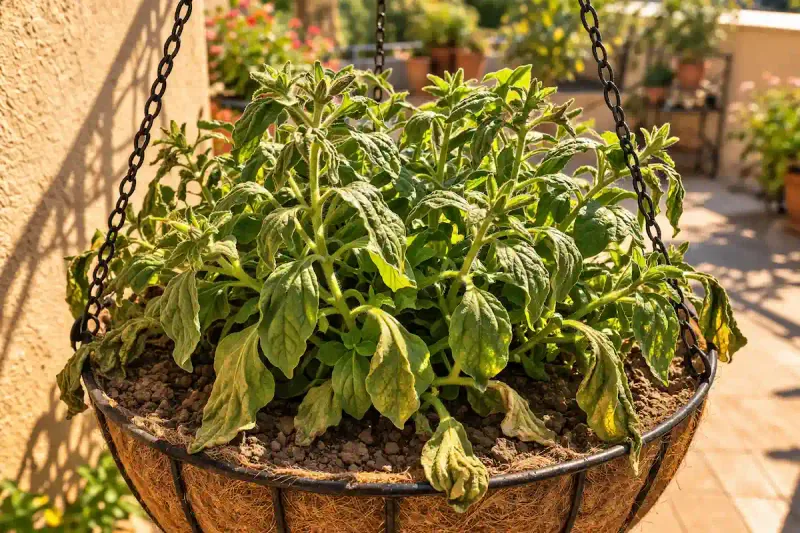
Southern summers hand petunias a real challenge, and even great care cannot fully erase the toll of relentless heat and humidity. When temperatures push past the mid-90s, many petunias slow way down and blooms shrink.
Petunias enjoy warmth but can sulk in extreme, muggy heat. The plant redirects energy toward survival instead of flowering, so you get more leaf and less color during the worst stretches.
High humidity adds a second problem by encouraging fungal issues on crowded, damp foliage. That combo hits Florida and Gulf Coast gardens especially hard in July and August.
You can ease the strain in a few ways. Provide light afternoon shade during heat waves, keep soil evenly moist to prevent stress swings, and space plants so air moves freely between them.
Choosing heat-tolerant varieties from the start also helps, since some modern petunia lines handle Southern summers far better than older types.
Do not panic if plants pause during a brutal spell. Many recover and rebloom once nights cool a bit, especially if you trimmed and fed them beforehand.
Working with the climate, rather than against it, keeps late-summer disappointment to a minimum.
9. Crowding Too Many in One Pot
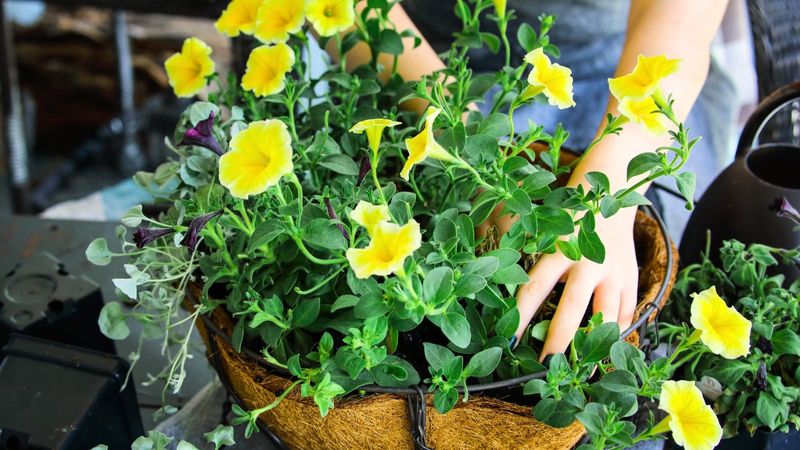
That gorgeous overstuffed hanging basket at the garden center is tempting, but jamming too many petunias into one container often backfires by late summer. Crowded plants compete hard for the same water, food, and root space.
When roots are packed together, no single plant gets enough of anything. They grow tall and thin as they fight for light, and the lower leaves often yellow and drop in the shaded, stuffy interior.
Poor air flow between crammed stems also traps humidity, which invites the fungal spots and rot that Southern gardeners know all too well. What starts as a lush spring basket becomes a tangled, blooming-only-at-the-edges mess.
Give petunias room to breathe. Follow spacing guidance of roughly eight to twelve inches apart in beds, and resist the urge to overfill pots even when young plants look sparse at first.
They fill in fast, especially in the long Southern season, so a little patience pays off.
If you already have a jammed container, you can thin out a few plants or move some to another pot. Better spacing and airflow, plus steady feeding, often turns a crowded fizzler back into a full, healthy display.