
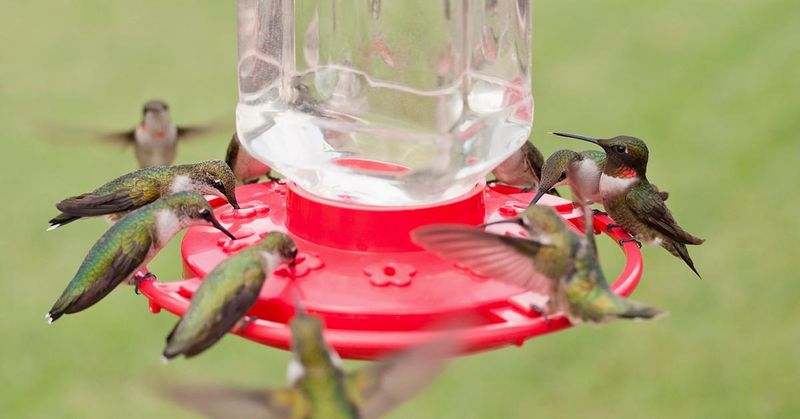
If your feeder keeps draining but you rarely see a hummingbird sip from it, something is off with what is inside. In the warm South, bees, ants, and heat can wreck a batch before the birds ever get a fair shot.
The good news is that the fix is cheap and simple once you know the right recipe. Here are 12 mixes worth pouring and 6 you should never trust with your tiny visitors.
1. The Classic 4:1 Sugar Water
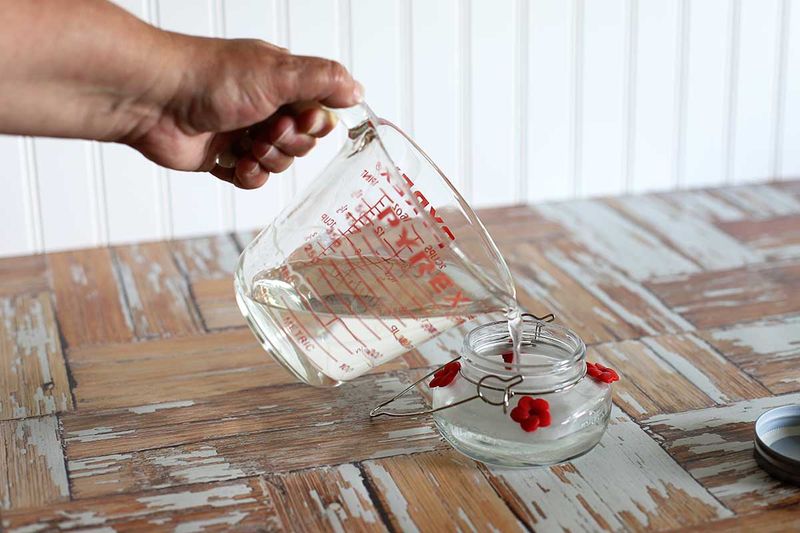
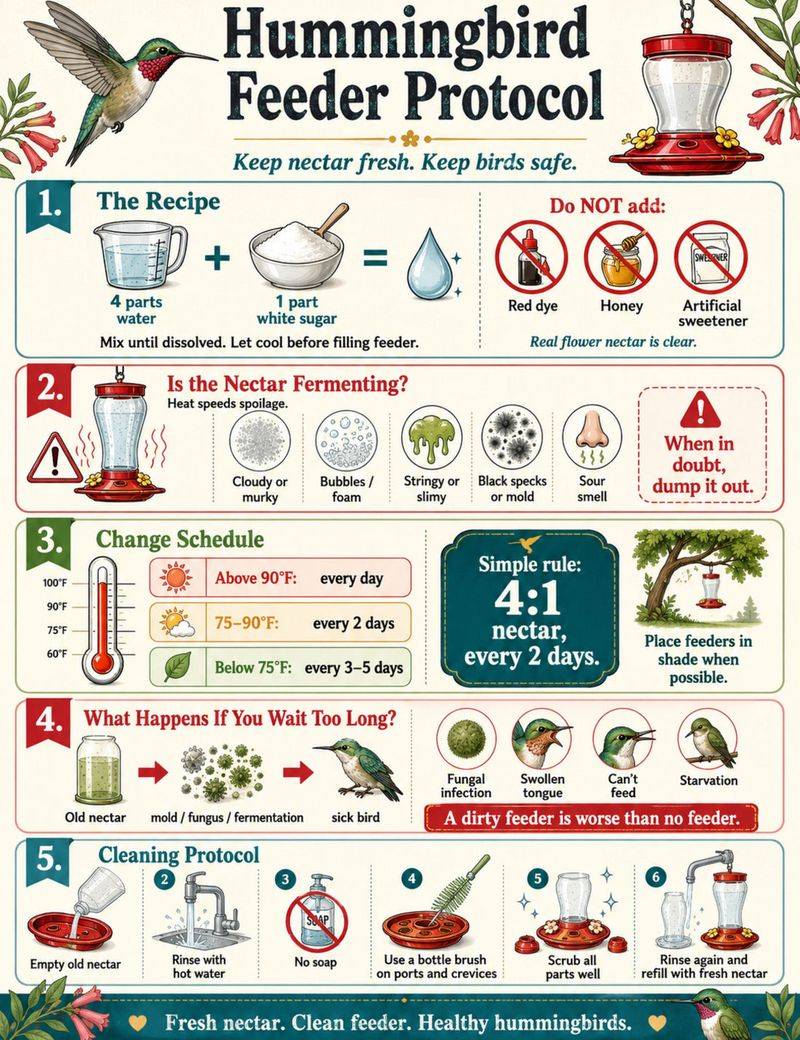
Nothing beats the humble mix that has kept feeders busy for generations. Stir four parts water into one part plain white sugar, and you have something that closely matches the sugar level of real flower nectar.
Hummingbirds recognize this ratio fast because it mirrors what they find in blooms like trumpet vine and salvia. In Florida and Texas yards, this simple blend often turns a skipped feeder into a busy one within a day or two.
The trick many folks miss is dissolving the sugar completely so the birds are not sipping gritty water. Warm tap water helps, and you do not need to boil it unless your water quality is questionable.
Keep it plain, keep it fresh, and skip the fancy add-ins. During hot Southern afternoons, this mix can spoil in a day, so change it often and clean the feeder each time.
If your current nectar is being emptied by pests but ignored by birds, switching back to this basic recipe usually solves the mystery quickly and cheaply.
2. Cool-Weather 3:1 Blend
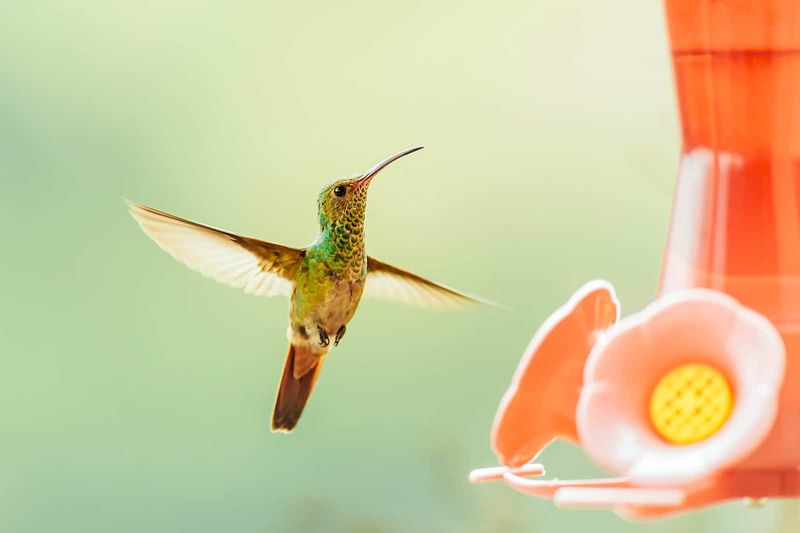
When the weather cools down in late fall, hummingbirds burn energy faster just to stay warm. A slightly richer mix of three parts water to one part sugar gives them extra fuel during those cooler Southern mornings.
Along the Gulf Coast, some hummingbirds linger well into winter instead of migrating, and that extra sweetness can help them power through a cold snap. The thicker nectar delivers more calories per sip without straying far from what their bodies handle well.
Do not use this ratio all year, though. In summer heat, the extra sugar spoils faster and can ferment, so save the 3:1 for the shoulder seasons when temperatures dip.
Watch your birds and let their behavior guide you. If they seem to visit more eagerly on chilly days, this richer blend may be giving them the boost they need.
It is a small seasonal tweak, but for overwintering hummingbirds in Florida and Texas, it can make a real difference in how well they hold up.
3. Boiled-and-Cooled Sugar Water
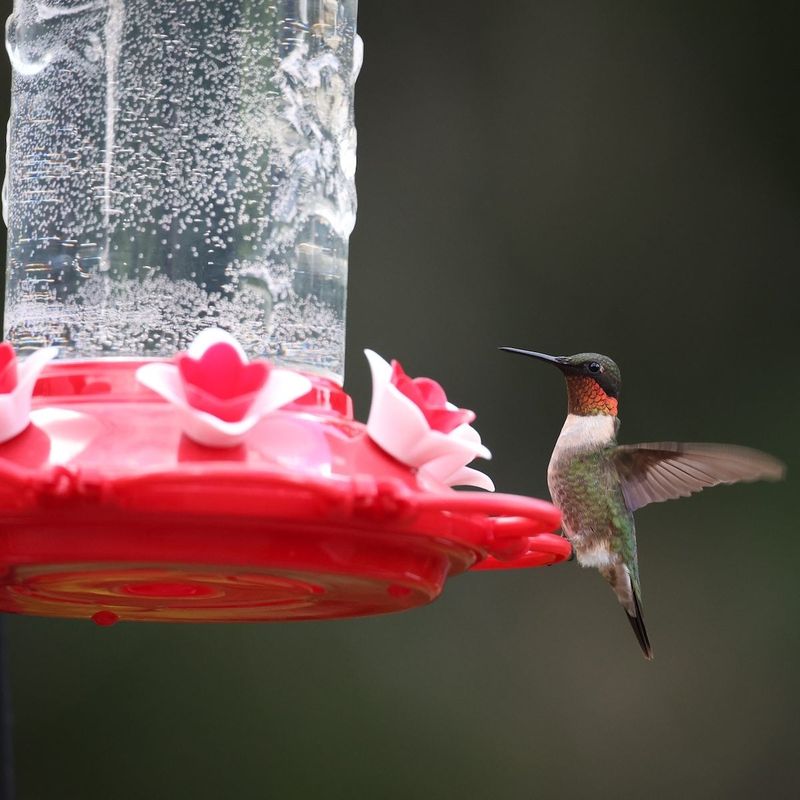
Sometimes the problem is not the recipe but the tap water going into it. Boiling your water before mixing helps kill off mold spores and bacteria that make nectar spoil sooner.
Once the water boils, stir in your sugar until it fully dissolves, then let everything cool to room temperature before filling the feeder. Hot nectar can warp cheap plastic feeders and is never safe to serve.
In humid Southern climates where cloudy nectar seems to appear overnight, this extra step buys you a little more time between refills. It also gives you a cleaner starting batch, especially if your well water tends to have minerals or odd tastes.
You can boil a larger amount and store the extra in the fridge for up to a week, which saves effort during busy feeding seasons.
Just remember boiling only helps at the start. Once the nectar sits outside in Florida or Texas heat, it will still spoil, so freshness and regular cleaning remain the real keys to keeping birds coming back.
4. Refrigerator-Stored Batch Mix
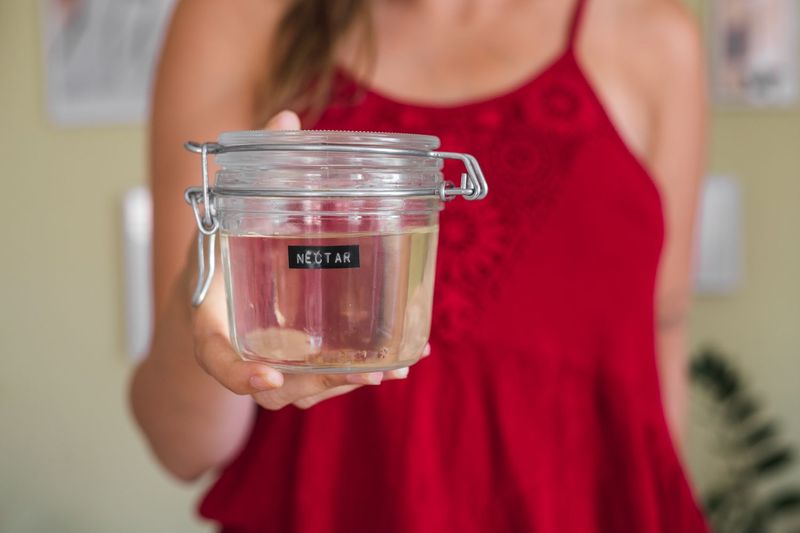
Making nectar every single day gets old fast, especially when your feeder empties quickly. Mixing a big batch and keeping it chilled lets you top off feeders in seconds instead of dragging out the sugar every morning.
Store your extra sugar water in a clean sealed jar in the fridge, where it stays fresh for about a week. Give it a sniff before each use, and toss it if it smells sour or looks cloudy.
For busy Southern households juggling multiple feeders, this approach is a lifesaver during peak season when birds are draining supplies fast. You get consistency too, since every refill comes from the same reliable recipe.
Bring the nectar closer to room temperature before serving if you can, because ice-cold sugar water is less appealing to tiny visitors on a warm day.
This method does not change what the birds taste, but it removes the excuse many people have for letting feeders sit empty or dirty. Convenience keeps you consistent, and consistency is what turns a skipped feeder into a favorite stop.
5. Ant-Proof Nectar Setup
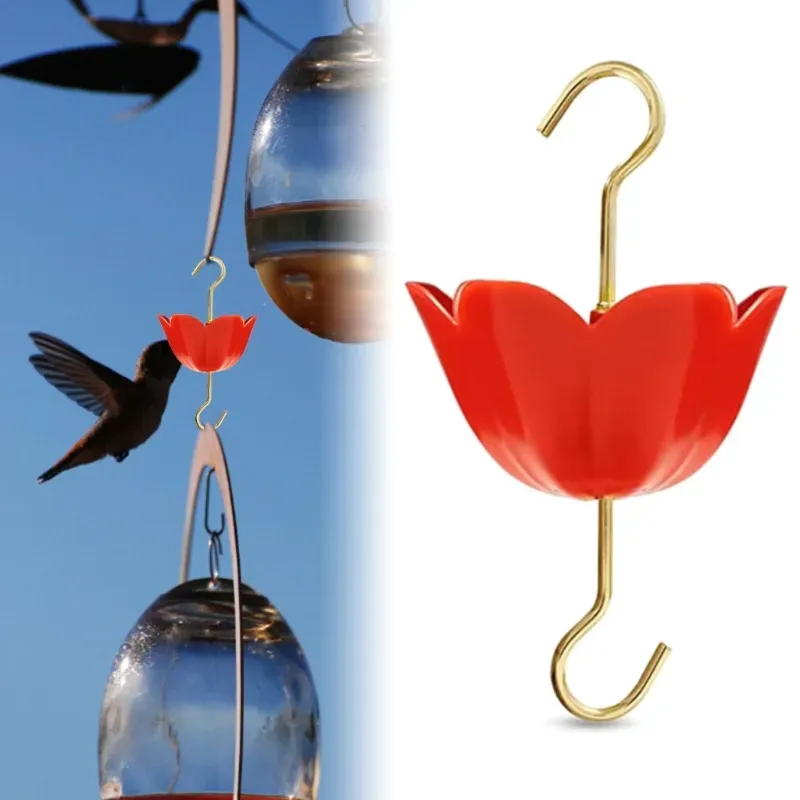
Ever notice your nectar level dropping while a trail of ants marches up the hanger? The mix itself may be fine, but a bug-infested feeder will send hummingbirds looking elsewhere fast.
Pairing your regular 4:1 sugar water with an ant moat solves this without touching the recipe. The moat is a little cup of plain water that ants cannot cross, keeping them out of the nectar entirely.
In the South, fire ants and sugar ants swarm feeders relentlessly, and once they contaminate the nectar, birds refuse it. Nobody wants to sip from a feeder crawling with insects.
Never add oils, sprays, or repellents to the nectar or feeder ports to fight ants, since those can harm the birds. The barrier method keeps everyone safe.
Refill the moat regularly because it dries out quickly in Texas and Florida heat. A dry moat is just a bridge for ants.
Getting the pests under control often reveals that your recipe was never the issue. Sometimes a busy feeder is just a clean, bug-free one.
6. Bee-Guard Friendly Concentration
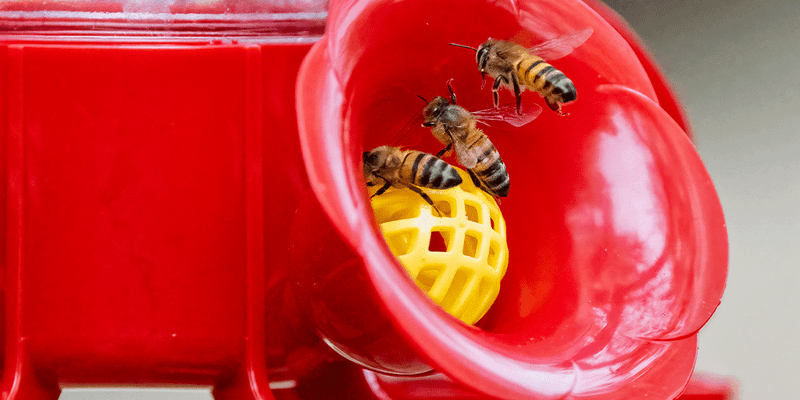
Bees and wasps love sugar water just as much as hummingbirds do, and a swarm at the ports can scare tiny birds off completely. The mix matters here because overly sweet nectar attracts even more insects.
Sticking to the standard 4:1 ratio rather than a richer blend keeps the sugar level closer to natural flowers, which draws fewer bees than a syrupy concoction would. Pair that with bee guards over the feeding ports for the best results.
Southern gardens buzz with pollinators all season, so this combination helps your hummingbirds actually get a turn. When bees dominate a feeder, birds simply give up and move on.
Avoid the temptation to make sweeter nectar hoping to lure more birds. It usually backfires by pulling in a bigger insect crowd instead.
Position the feeder in partial shade too, since bees tend to favor sun-drenched spots. Small placement tweaks paired with the right concentration can quiet the buzzing and let your hummingbirds feed in peace once again.
7. Organic Cane Sugar Mix
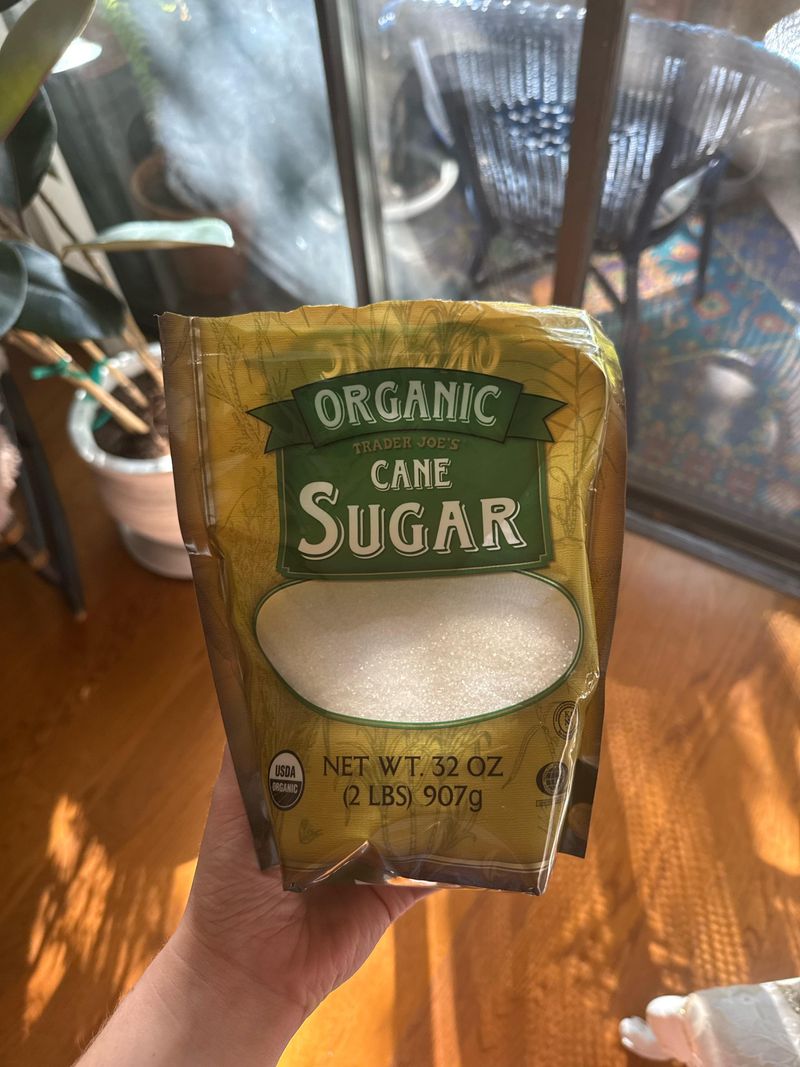
Some gardeners swear their birds seem happier with organic cane sugar, and while the birds probably cannot tell the difference, there is a practical reason to consider it.
Plain white cane sugar is the gold standard because it is pure sucrose, just like flower nectar. Organic cane sugar fits that bill and avoids any processing agents you might worry about.
What matters most is that it is white and fully refined, not a raw or unrefined version. Some organic sugars keep a tan tint from molasses residue, and that residue may contain iron that is not good for hummingbirds.
If you go organic, double-check that it is a clean white product rather than a golden or turbinado type. The color is your quick clue.
Dissolve it the same way you would any sugar, four parts water to one part sugar. Your Southern hummingbirds will treat it exactly like the classic recipe.
It is a fine choice if it makes you feel better about what you serve, as long as you stay away from the darker, molasses-heavy varieties.
8. Shade-Kept Fresh Nectar
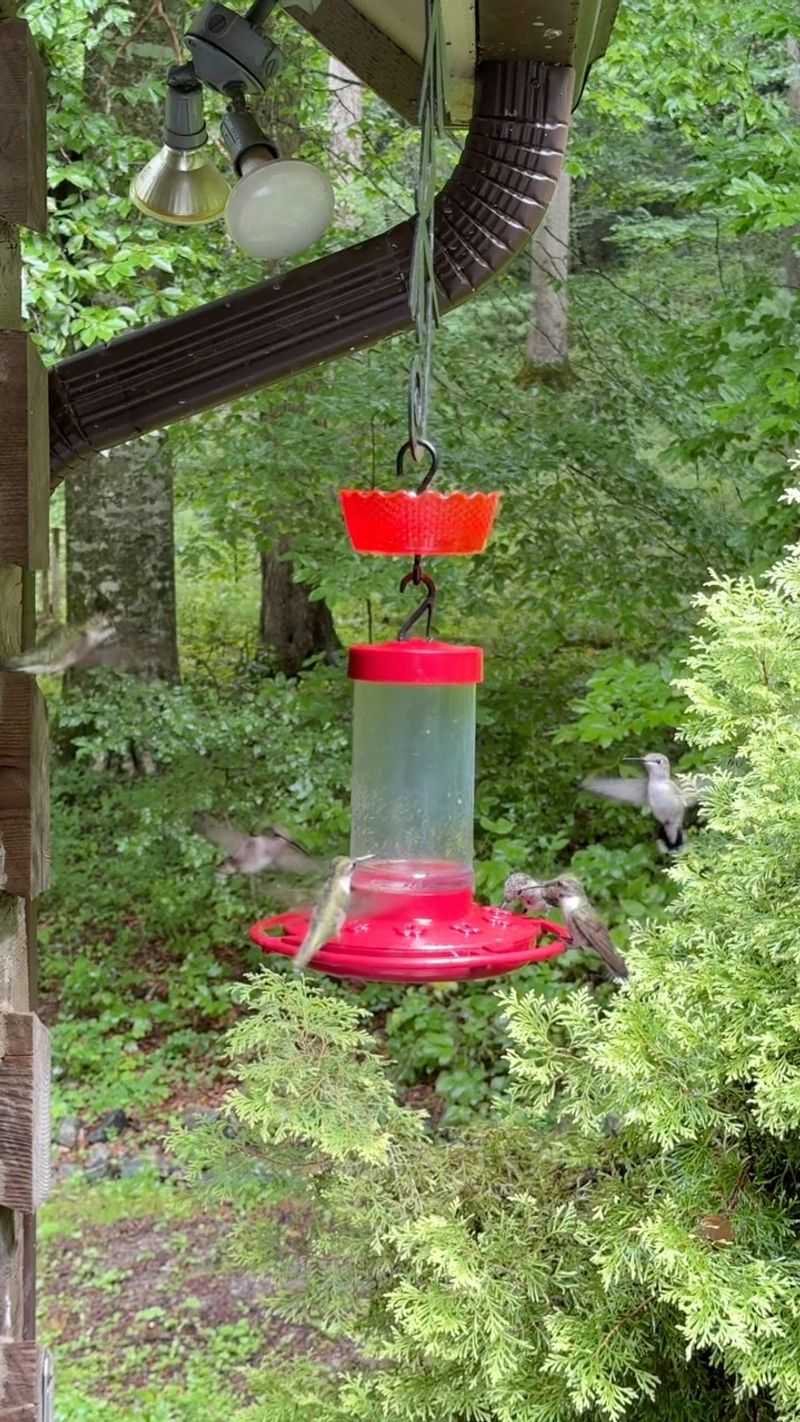
Your recipe might be perfect, but if the feeder bakes in full sun all afternoon, the nectar can spoil before lunch. Heat is the silent enemy of every Southern nectar batch.
Hanging your feeder in a shaded spot keeps the sugar water cooler and slows fermentation dramatically. Fermented nectar smells sour, turns cloudy, and can actually make hummingbirds sick, so they wisely avoid it.
In Florida and Texas, where summer temperatures soar for months, a sunny feeder might need changing twice a day. Move it under a porch eave or tree branch and that chore eases up.
The nectar itself is still the standard 4:1 mix, but location becomes part of the recipe for success. Cooler nectar stays drinkable longer and keeps birds returning.
Watch for the warning signs of spoilage, like a white haze or a boozy smell, and dump any batch that shows them.
If your feeder empties fast yet birds skip it, spoiled sun-cooked nectar is often the hidden culprit. A shady move can fix it overnight.
9. Small-Batch Daily Fill
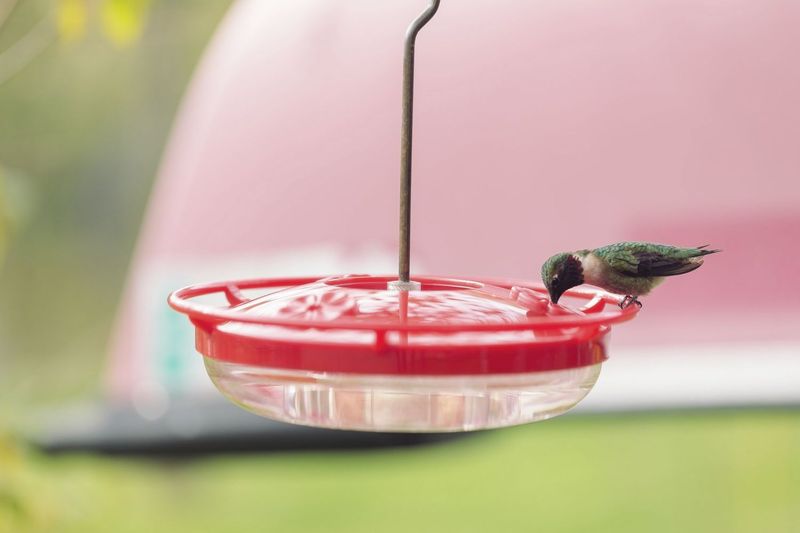
Filling a giant feeder to the brim feels generous, but in hot climates it often means most of the nectar spoils before the birds finish it. Smaller batches solve that waste.
Fill your feeder with just enough nectar for a day or two of feeding, based on how many birds you actually host. Less standing nectar means less chance of it going bad in the Southern heat.
Many people assume an empty feeder means hungry birds, so they overfill. In reality, the birds may be skipping soured nectar that simply drained through evaporation and leaks.
Using a right-sized feeder keeps everything fresher and cuts down on wasted sugar. It also encourages you to clean and refill more often, which the birds reward with steady visits.
If you have only a few regular visitors, a large reservoir is overkill. Match the feeder size to your crowd.
Fresh, frequent, small pours beat a big stale supply every time, and your hummingbirds will notice the improvement almost immediately once the nectar stays clean and appealing.
10. Migration-Season Ready Mix
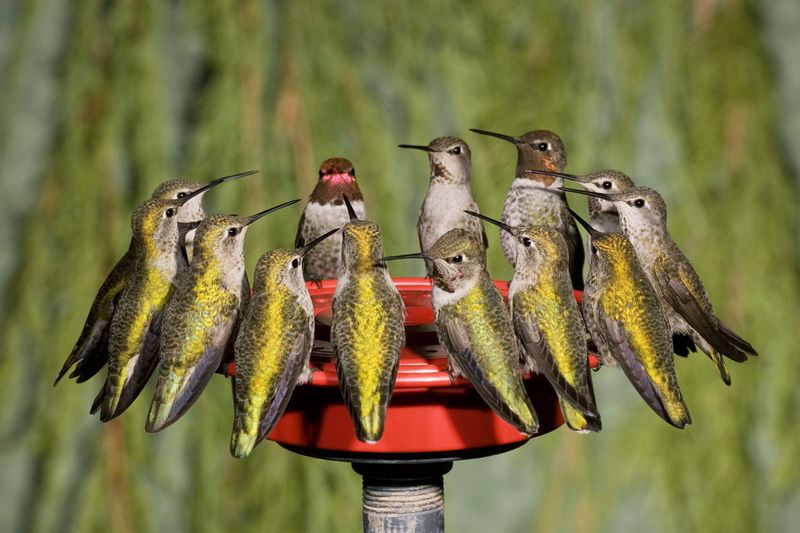
During spring and fall migration, hummingbirds pour through the South in surprising numbers, and a well-stocked feeder becomes a crucial fuel stop. Having the right mix ready matters more than ever.
Stick with the reliable 4:1 sugar water, but plan to refill far more often as flocks of travelers descend. A single migrating group can drain a feeder in hours.
Gulf Coast yards in particular see heavy traffic as birds prepare to cross the water. Offering fresh, clean nectar during these windows can support birds on an exhausting journey.
Put out extra feeders spaced apart to reduce squabbling, since migrants are less territorial and will crowd in together. More ports mean more birds fed.
Keep everything spotless because the sheer volume of visitors can dirty feeders quickly. Sticky, moldy ports will turn away even hungry travelers.
The recipe stays simple, but your attentiveness ramps up. If your feeder drains fast during these seasons and birds still avoid it, spoilage from the rush is usually why, and quicker refills fix it fast.
11. Multi-Feeder Spread Strategy
One aggressive hummingbird can guard a single feeder and chase everyone else away, making it look like your birds are ignoring the nectar. The mix is fine, but bullying is the problem.
Spreading several feeders around your yard, out of sight from each other, stops one bird from hogging the whole buffet. Suddenly your quiet feeder becomes several busy ones.
In Southern gardens with strong hummingbird numbers, territorial behavior gets intense, especially around ruby-throated males. Multiple feeding stations let shy birds sneak in without a fight.
Use the same trusty 4:1 nectar in each feeder so the quality stays consistent everywhere. Placement, not recipe, is doing the heavy lifting here.
Tuck feeders around corners, near different windows, or on opposite sides of the porch. The key is breaking the line of sight so one bird cannot patrol them all.
You might be surprised how many hummingbirds were waiting for a chance to feed. Once the bully cannot control every port, activity across your yard usually jumps, and that empty-looking feeder finally earns its keep.
12. Flower-Paired Feeding Station
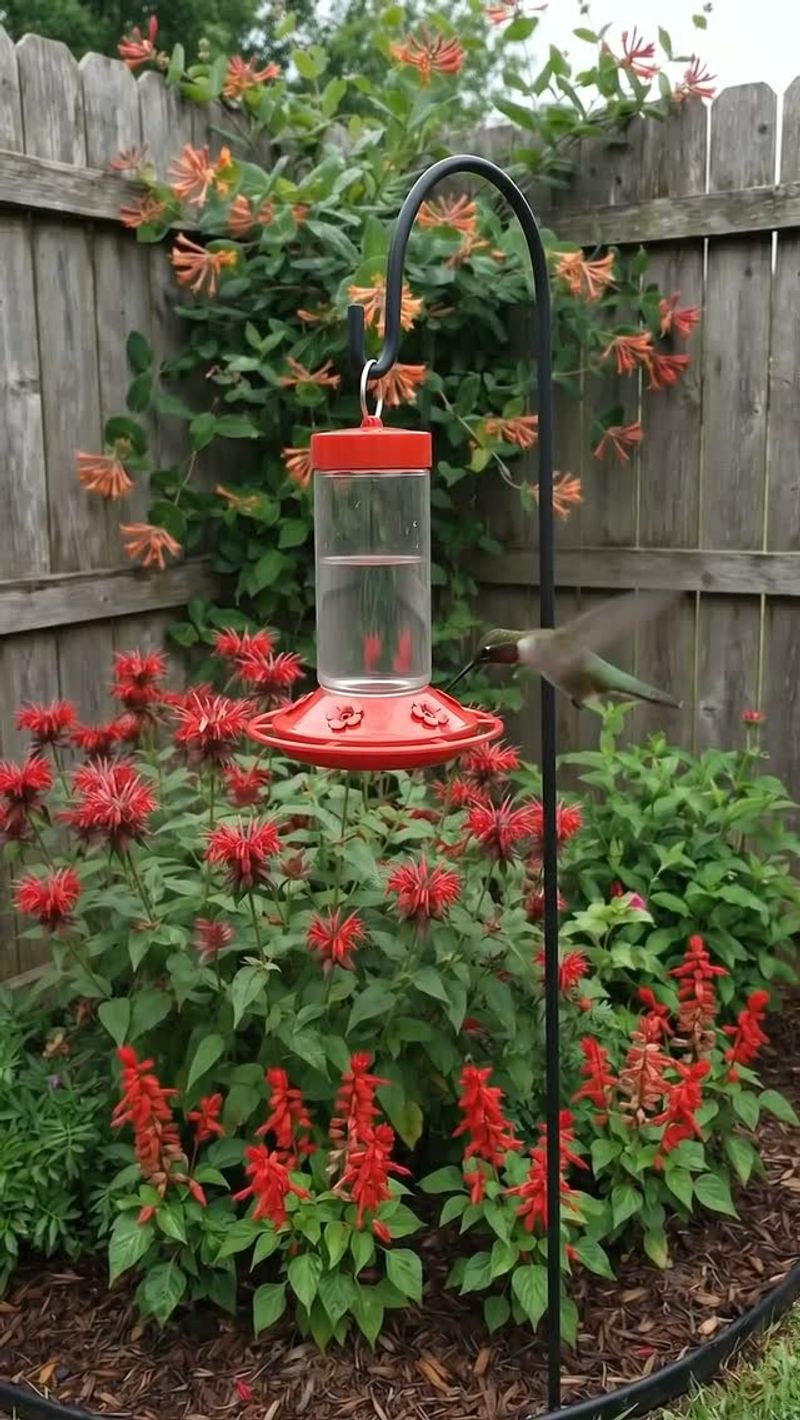
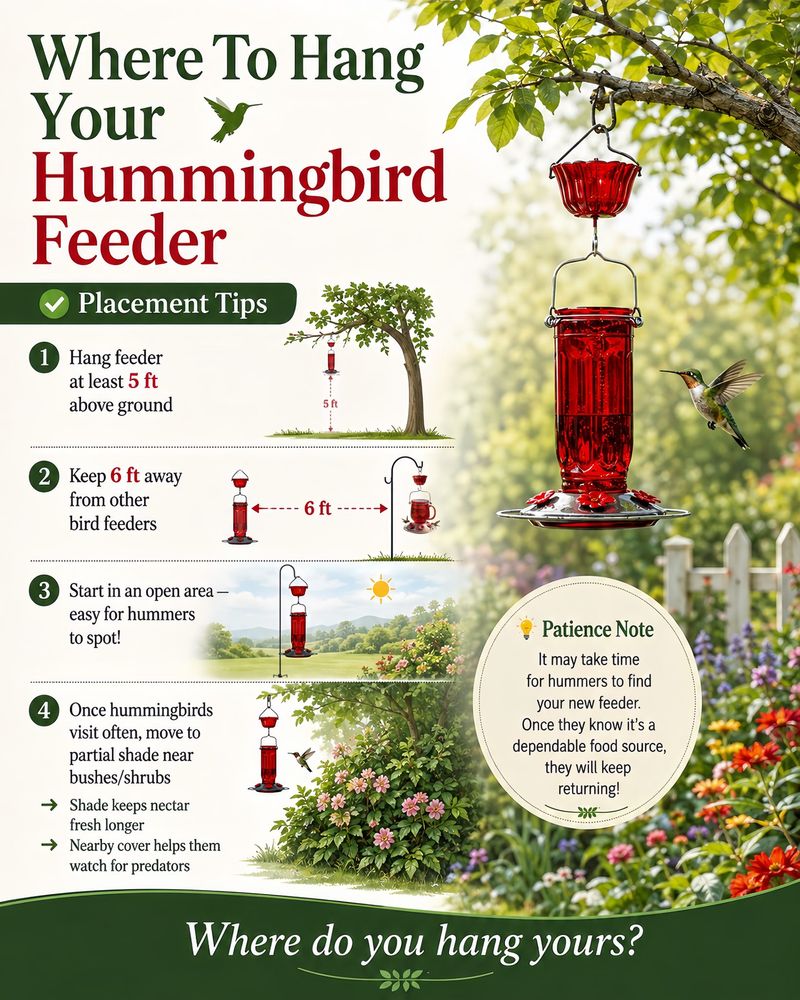
Hummingbirds trust their eyes, and a feeder sitting alone in a bare spot may simply go unnoticed. Pairing it with real nectar flowers can draw birds in like a welcome sign.
Surround your standard sugar-water feeder with red and tubular blooms such as salvia, firebush, or trumpet vine. These flowers naturally advertise a food source and pull birds close enough to discover your feeder.
Southern gardeners have a huge advantage here thanks to long warm seasons that keep pollinator plants blooming for months. A living, flowering backdrop makes any feeder more inviting.
The nectar in the feeder stays the same simple recipe, but the flowers do the recruiting. Once birds learn the spot, they keep returning even after the blooms fade.
Skip the temptation to dye your nectar red to imitate flowers. Let the actual plants provide the color instead, which is far safer for the birds.
Combining a feeder with a small patch of hummingbird-friendly flowers turns a skipped station into a reliable destination, and it beautifies your yard at the same time.
13. Honey Water (Never Pour This)
It seems natural to reach for honey since it is sweet and comes from flowers, but this is one of the most dangerous swaps you can make.
Honey ferments quickly once diluted in water and grows a fungus that can cause a fatal illness in hummingbirds. What looks like a wholesome choice can actually kill the very birds you want to help.
In hot Southern weather, honey water spoils even faster, turning your feeder into a health hazard within hours. The risk simply is not worth it.
Even raw or local honey carries this danger, so no version is safe for feeders. The problem is the honey itself, not the brand or quality.
Plain white sugar dissolved in water is what experts recommend, and it costs far less than honey anyway. There is no benefit to using honey and every reason to avoid it.
If you have been mixing honey into your nectar, that may explain why birds refuse it while it drains from spoilage. Switch to sugar water immediately, and your feeder becomes safe and appealing again.
14. Red Food Dye (Never Pour This)
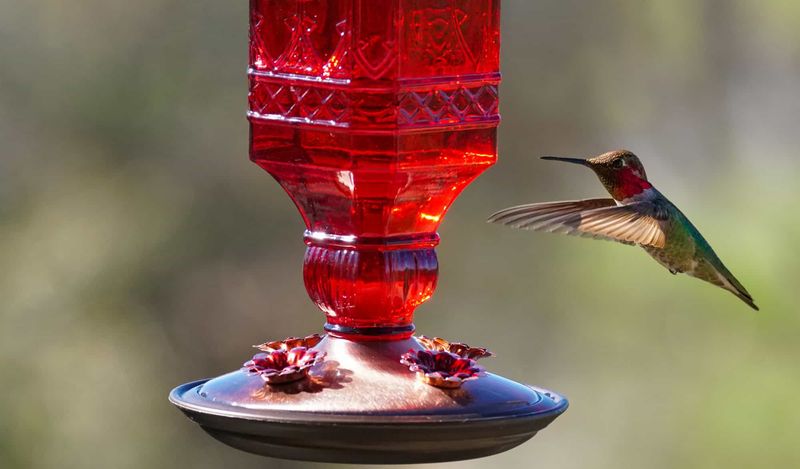
Bright red nectar looks festive and matches those flowers hummingbirds love, so plenty of people add dye. Unfortunately, this popular habit does more harm than good.
Red dye offers zero nutritional value and may stress a hummingbird’s tiny body over time. Studies and experts have raised concerns about the chemicals building up in such small creatures.
The good news is you do not need it at all. Most feeders already have red plastic parts that attract birds just fine, so the color belongs on the feeder, not in the nectar.
Clear sugar water works perfectly, and birds find it without any artificial coloring. Real flower nectar is clear too, after all.
In the South, where hummingbirds are plentiful, skipping the dye keeps your visitors healthier without costing you a single sighting. Nobody has ever needed red nectar to draw a crowd.
If your dyed nectar sits ignored, the dye is not helping and might even be part of the problem. Pour clear, keep the red on the feeder itself, and let the birds feed safely.
15. Brown or Raw Sugar (Never Pour This)
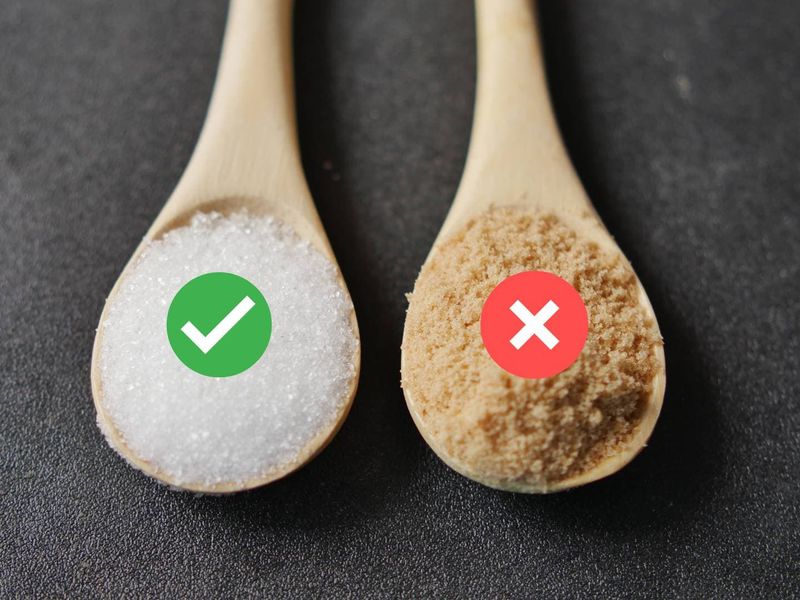
Reaching for brown sugar because it is what is in the pantry feels harmless, but the molasses inside it makes it a poor and risky choice.
Brown, raw, and turbinado sugars contain iron and other compounds that hummingbirds cannot process well. Over time, that iron can build up and harm their delicate systems.
The molasses also makes the nectar spoil faster and can encourage mold, which is the last thing you want in a Southern feeder baking in the heat.
Pure white sugar is the only kind that truly mimics flower nectar, which is nearly all sucrose with none of those extras. Stick with the plain white bag.
The same warning applies to raw and unrefined sugars that keep a tan color. That tint signals leftover molasses you want to avoid.
If your current mix uses anything darker than snow-white sugar, that could be why birds turn their beaks up at it. Swap to refined white sugar and you remove both the health risk and the faster spoilage, giving your hummingbirds a clean, familiar drink they will happily accept.
16. Artificial Sweeteners (Never Pour This)
Someone worried about calories might think a sugar-free sweetener would work for the birds, but this idea can be deadly for hummingbirds.
Artificial sweeteners like those in diet drinks contain no real calories, and calories are exactly what a hummingbird needs to survive. A bird filling up on fake sugar can literally starve while feeling full.
These tiny creatures burn energy at an astonishing rate and must refuel constantly throughout the day. Giving them empty sweetness robs them of the fuel their bodies demand.
Their metabolism is not built to handle these lab-made compounds either, and the effects on such a small body are simply not safe.
Real white sugar provides the quick energy they evolved to use from flower nectar. There is no healthy low-calorie alternative for a wild hummingbird.
In the warm South where birds feed for long active seasons, proper fuel matters even more. If you have ever considered a sugar substitute to be kind, please reconsider.
Plain sugar water is the genuinely caring choice, and it keeps your visitors strong, energetic, and coming back for more.
17. Fruit Juice or Soda (Never Pour This)
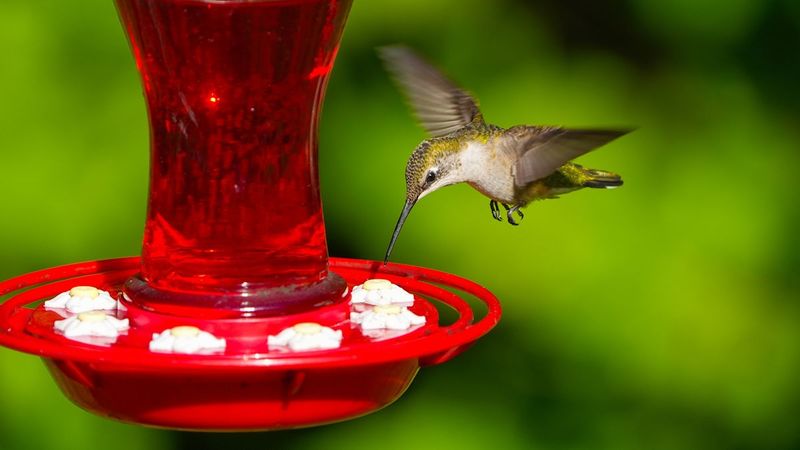
Fruit juice sounds wholesome and soda is sugary, so it might seem clever to offer either as a nectar shortcut. Both are bad ideas for very different reasons.
Fruit juices ferment fast and attract swarms of fruit flies and bees, turning your feeder into a sticky, buggy mess. The acids and pulp also spoil quickly in Southern heat.
Soda brings its own problems with carbonation, dyes, and mystery ingredients that have no place in a hummingbird’s diet. Bubbles and chemicals do nothing good for a tiny bird.
Neither drink matches the clean sucrose profile of real flower nectar, which is what a hummingbird’s body expects. Anything else is a gamble with their health.
You also invite mold and bacteria far sooner than plain sugar water would ever grow. That means an empty-looking feeder full of spoiled liquid the birds refuse.
Keep it simple with white sugar and water, and leave the juice and soda for yourself. Your hummingbirds want the boring, reliable stuff, and giving it to them keeps your feeder both safe and popular.
18. Store-Bought Powders With Additives (Never Pour This)
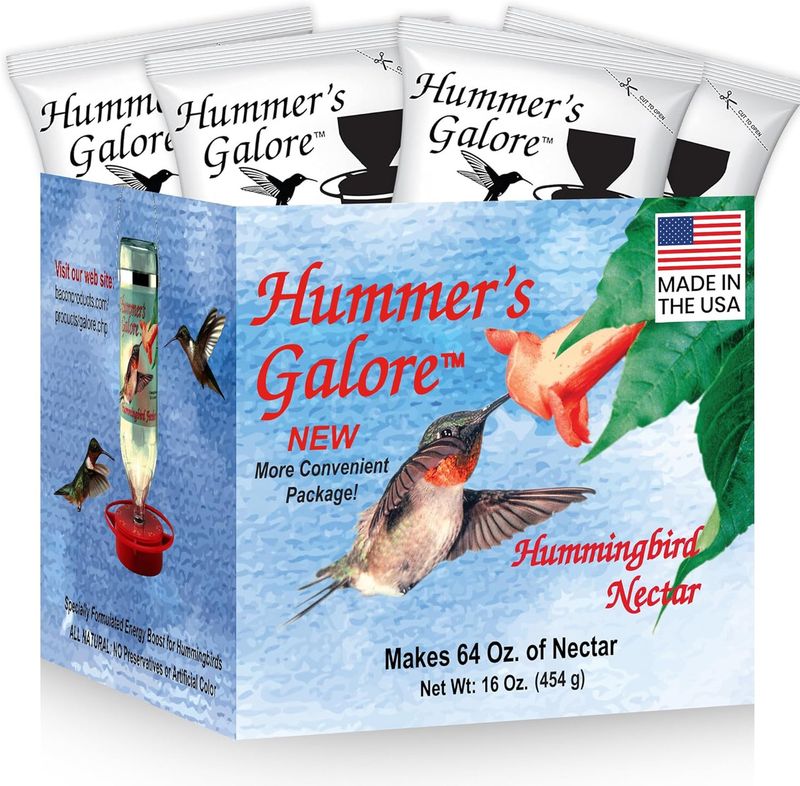
Those colorful boxes of instant hummingbird nectar promise convenience, but many hide additives your birds are better off without.
Plenty of commercial powders include red dye, preservatives, and flavorings that offer no benefit and may pose the same risks as adding dye yourself. You pay more for something you can make cleaner at home.
The irony is that the base of most powders is just sugar, the exact thing sitting in your pantry for pennies. There is little reason to buy a fancy mix when plain sugar does the job.
Some products do sell clear, dye-free powder that is essentially pure sucrose, and those are fine if you prefer the ease. Read the label carefully and reject anything with added color or unfamiliar chemicals.
In the South, where feeders stay busy for months, the cost of premixed powders adds up fast compared to homemade nectar.
If your store-bought mix is being ignored, check that ingredient list. Dye or preservatives could be why birds skip it.
When in doubt, mix your own clear sugar water and skip the guesswork entirely.