
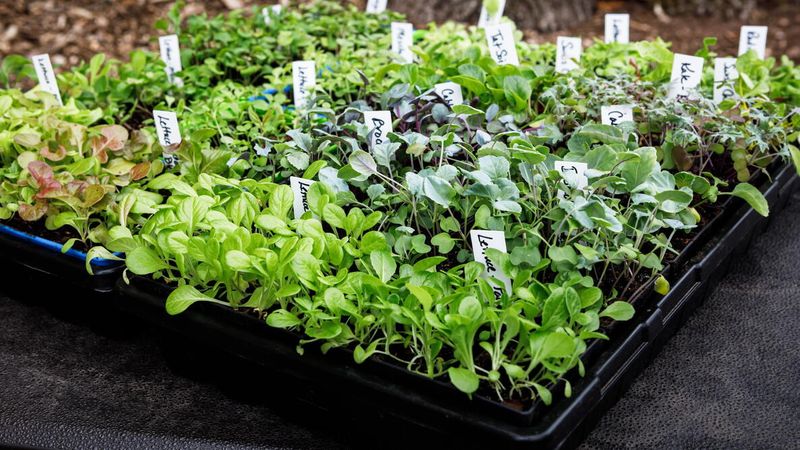
A great fall garden doesn’t just happen by luck. It starts with getting the right seeds in the ground at the right time, and for many warm-climate gardeners, that time is right now.
If you plant too late, your veggies may run out of warm days before they finish growing. Start these crops this month, and you will set yourself up for baskets of fresh food when the weather cools down.
1. Broccoli
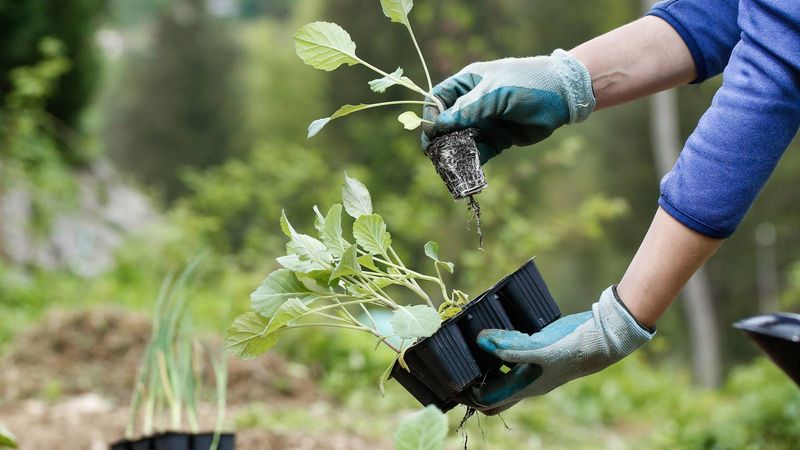
Broccoli loves the cooler end of the growing season, which is exactly why now is the moment to get seeds going. When you start it this month, the young plants get strong roots before the heat fades, then they cruise into their favorite chilly weather right as they form heads.
Warm-climate gardeners in Florida and Texas often struggle with broccoli bolting, meaning it flowers too fast in the heat. Starting seeds indoors or in a shaded spot keeps them cool during those early weeks.
Transplant them out once temperatures start dropping.
Give each plant plenty of room, about 18 inches apart, so the heads can size up nicely. Broccoli is a heavy feeder, so mix compost into your bed before planting.
Watch for aphids and cabbage worms, which can move in fast. A gentle spray of water or an insecticidal soap may help knock down early pests before they take over.
The payoff is worth the effort. A single well-timed planting can hand you tender heads plus smaller side shoots for weeks after your first cut.
2. Cabbage
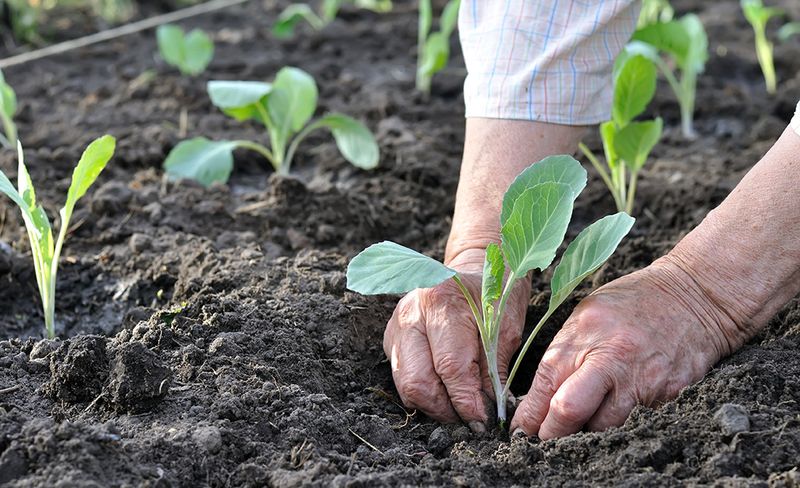
Few crops reward patient gardeners like cabbage does in the fall. Cool nights make the leaves sweeter and the heads firmer, so seeds started now line up perfectly with that crisp autumn stretch.
Cabbage takes its time, often needing two to three months to fully mature. That slow schedule is exactly why you cannot wait.
Get seeds into trays this month so the transplants are ready when your daytime temperatures ease off.
Space is important here. Crowded cabbage tends to make small, loose heads instead of the dense ones you want.
Give each plant about a foot and a half of breathing room.
These plants drink a lot, so steady watering keeps the heads from cracking. A layer of mulch helps hold moisture and keeps weeds down at the same time.
Cabbage worms are the usual troublemakers, leaving ragged holes in the leaves. Floating row covers can block the moths that lay those eggs, which often reduces damage before it starts.
Come harvest, you will have hearty heads perfect for slaws, soups, and cool-weather cooking.
3. Carrots
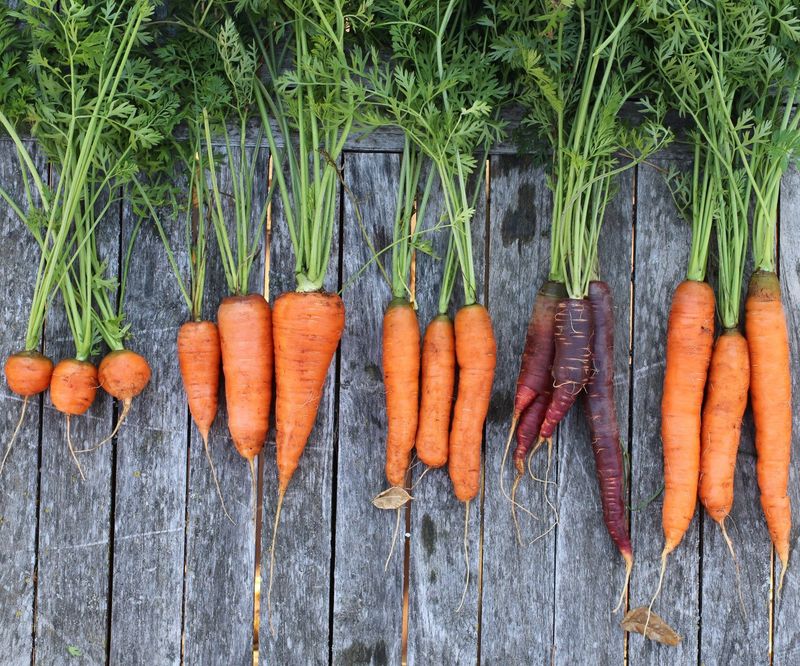
Sweetness is the secret weapon of fall carrots. Cool soil actually pushes carrots to store more sugar, so the ones you harvest after a chilly stretch taste far better than summer roots.
Carrots don’t like being moved, so skip the transplant trays and sow seeds straight into loose, rock-free soil this month. Rocky or clumpy dirt makes roots fork and twist, so work the bed deep and fine before planting.
The seeds are tiny and slow to sprout, sometimes taking two weeks or more. Keep the top of the soil damp during that time, since a dried-out crust can stop seedlings from breaking through.
Once they come up, thinning is the step most people skip and later regret. Pull out the weaker sprouts so the survivors have room to fatten up properly.
Carrots handle light frost with no trouble, and many gardeners leave them in the ground and pull as needed. That living storage is a handy trick when your kitchen fills up.
Choose shorter varieties if your soil runs shallow, and you will still get crunchy, colorful roots.
4. Kale
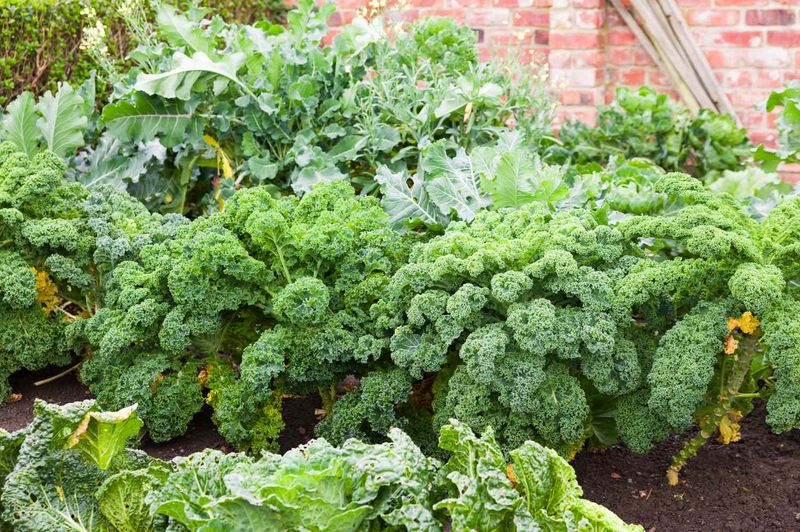
Kale might be the toughest player on this list, shrugging off cold that would flatten other greens. A light frost actually turns it sweeter, which is why fall is its glory season.
Starting seeds this month gives kale a head start while the weather is still warm, then it powers into cool days with a strong root system already in place. You can sow directly in the bed or start in trays and transplant, whichever suits your setup.
One of kale’s best traits is how generously it produces. Instead of harvesting the whole plant, you pick the outer leaves and let the center keep pushing new growth for months.
It handles a range of soils but does best with steady moisture and a boost of compost. Full sun keeps the plants stocky and productive.
Cabbage worms and aphids sometimes show up, but kale is forgiving enough to bounce back after a little pest pressure. A quick check under the leaves helps you catch problems early.
For Southern gardeners wanting fresh greens deep into the cool season, few crops deliver so reliably from a single planting.
5. Lettuce
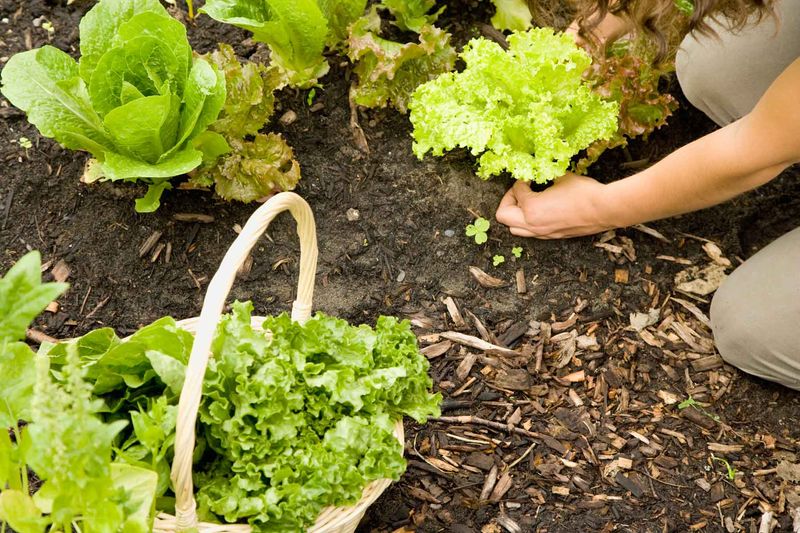
Crisp, cool-weather lettuce is one of the simplest wins in a fall garden. Summer heat makes lettuce bitter and quick to bolt, so waiting for the cooler months is the smart move, and seeds started now hit that window just right.
Lettuce sprouts fast and grows quickly, which means you get eating-size leaves in a matter of weeks. You can scatter seeds in a bed or tuck them into containers near the porch for easy picking.
Try planting a small batch every couple of weeks. That trick, called succession planting, keeps a steady supply coming instead of one big flood all at once.
Loose-leaf types are the most forgiving for beginners, letting you snip outer leaves while the plant keeps making more. Head lettuces take longer but reward the wait.
Shallow roots mean lettuce dries out fast, so light and frequent watering keeps it tender. A little afternoon shade in warmer spots helps prevent early bolting.
Slugs and snails may nibble the tender leaves, so a check after watering can catch them before they feast. Fresh salads all season make it worthwhile.
6. Spinach
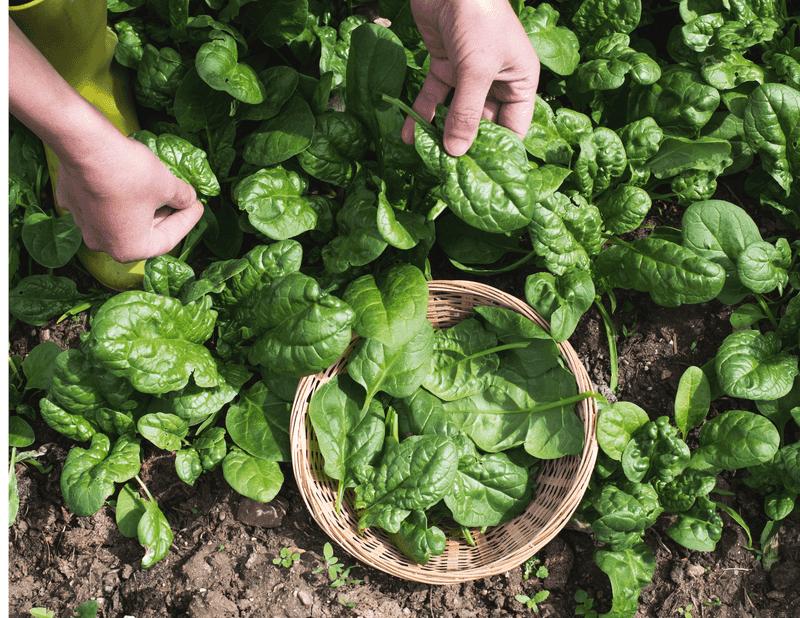
Spinach thrives when the thermometer drops, packing tender leaves with flavor as the nights turn cool. Trying to grow it in summer heat usually ends in fast bolting, so this month’s planting sets it up for its true comfort zone.
Sow seeds directly into the bed, since spinach roots prefer to stay put. It germinates best when the soil isn’t scorching, so a lightly shaded spot early on can help those first seedlings settle in.
The plants grow low and fast, giving you baby leaves for salads or larger ones for cooking within a few short weeks. Picking outer leaves keeps the plant producing longer.
Spinach appreciates rich soil and steady moisture. A dose of compost worked into the bed goes a long way toward big, dark-green leaves.
Cold hardly bothers it, and many gardeners harvest spinach right through the cool season with a bit of protection on the chilliest nights. Leaf miners can tunnel through leaves, so removing affected foliage may reduce the spread.
For a nutrient-packed green that keeps giving, spinach earns its spot in every fall bed.
7. Cauliflower
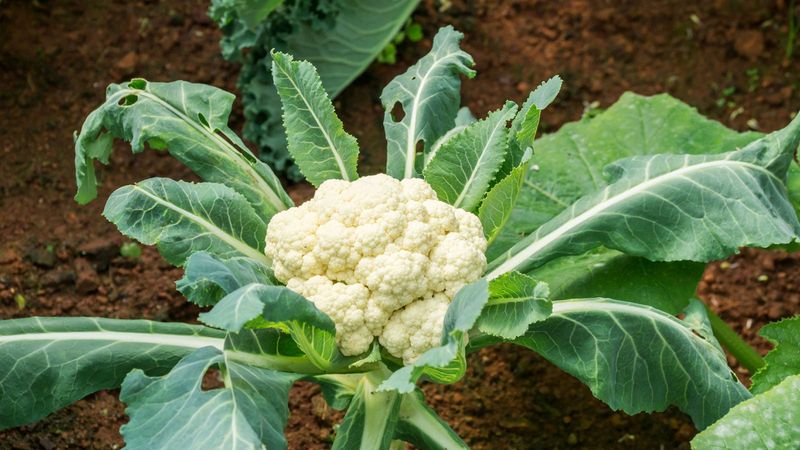
Cauliflower has a reputation for being fussy, and honestly, it earns it. The reward, though, is one of the most impressive heads you can grow, and getting seeds started this month is the key to pulling it off.
What makes cauliflower tricky is its dislike of stress. Sudden heat, dry spells, or crowding can make it form small, grainy heads instead of tight white domes.
Starting early lets the plants mature during steady, cool conditions.
Begin seeds in trays and transplant once the weather softens. Space them well and keep the soil consistently moist, because uneven watering is a common cause of trouble.
Many varieties need blanching, which means folding the outer leaves over the developing head to keep it white and tender. It is a small chore that makes a big difference in the final look.
Feed the plants with compost or a balanced fertilizer, since cauliflower is hungry and grows best with plenty of nutrients.
Yes, it takes attention, but slicing into a homegrown head you nursed through the season feels like a genuine victory for any gardener.
8. Beets
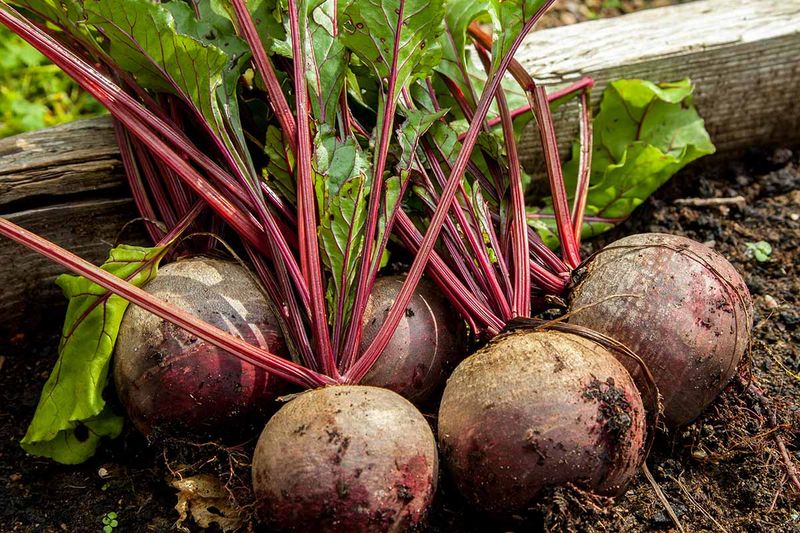
Beets are a two-for-one crop, and that is a big part of their charm. You get sweet roots below the soil and tasty greens up top, all from a single planting started this month.
Cool weather brings out the best in beets, deepening their sweetness and keeping the roots tender. Sow seeds right in the bed, since they transplant poorly and prefer to grow where they land.
Here is a handy quirk: each beet seed is actually a little cluster that can sprout several seedlings. That means thinning is essential, or your roots will crowd each other and stay small.
Loose, well-worked soil helps the roots swell into smooth, round beets. Rocky or compacted ground leads to stunted or misshapen results.
Steady moisture keeps them growing without cracking, and a layer of mulch helps hold that dampness in. Beets aren’t heavy feeders, so a modest amount of compost is plenty.
Snip a few young leaves for salads while the roots keep maturing underground. When the shoulders of the beets peek above the soil, you know it is nearly harvest time.
9. Radishes
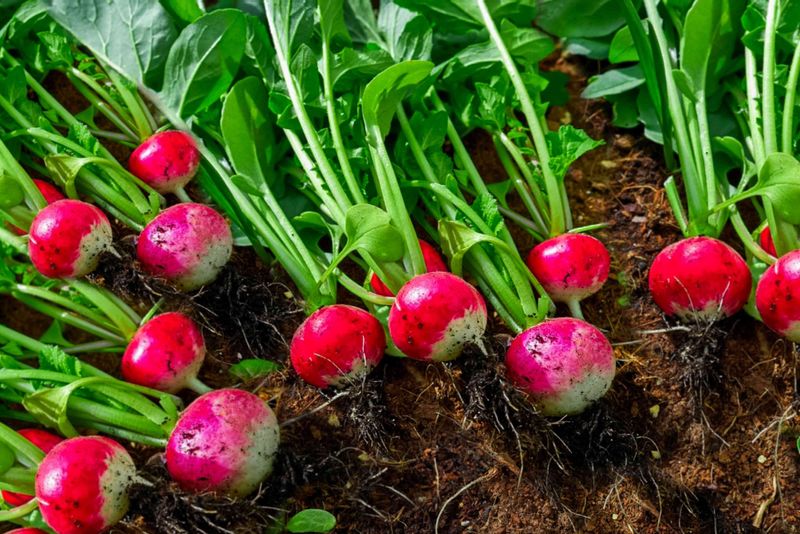
If patience isn’t your strong suit, radishes are your kind of vegetable. Some varieties go from seed to harvest in as little as three to four weeks, making them the sprinters of the fall garden.
Cooler weather keeps radishes crisp and mild, while summer heat tends to make them woody and sharp. Seeds sown this month land right in their sweet spot.
Plant them directly in loose soil, since they grow so fast there is no point in transplanting. Scatter seeds thinly and thin the sprouts a little once they emerge so the roots have room to round out.
Because they mature so quickly, radishes are perfect for filling gaps between slower crops. Some gardeners even tuck them alongside carrots to mark the rows before the carrots sprout.
Consistent water keeps them from turning too spicy or splitting. A bed that dries out and then gets soaked is a common cause of cracked roots.
Try planting a fresh pinch of seeds every week or two for a rolling supply. Quick, colorful, and beginner-friendly, radishes are a satisfying way to kick off your fall garden with an early win.