
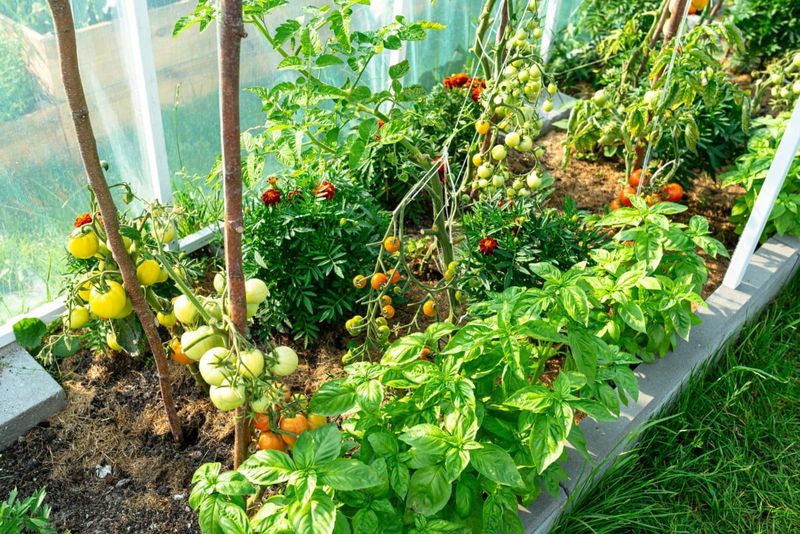
You water on schedule, feed your tomatoes, and still they sulk, wilt, or refuse to fruit. Before you blame the weather or your gardening skills, take a look at what is growing right beside them.
Some plants quietly compete, spread disease, or stunt tomatoes just by being close. Here are 14 troublesome neighbors that could be the real reason your tomato plants keep struggling in your Southern garden.
1. Fennel
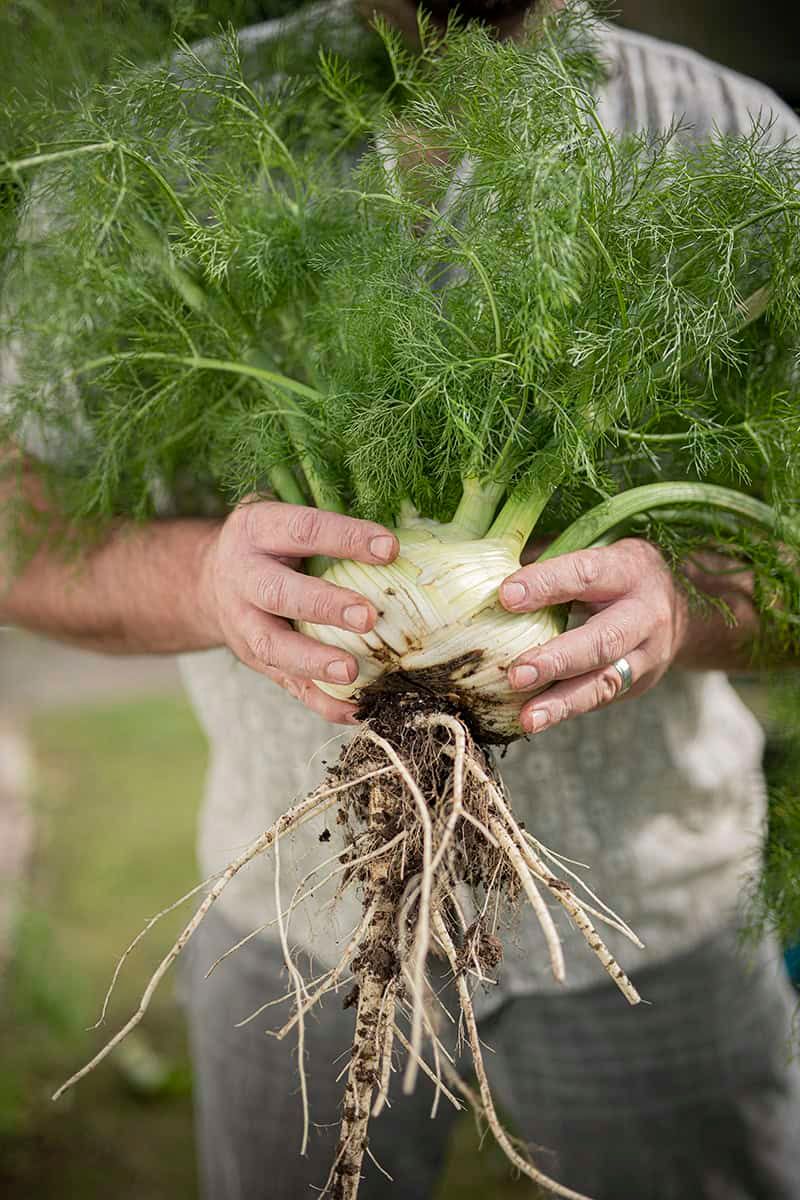
Few plants are as antisocial in the garden as fennel, and tomatoes feel it more than most. This tall, feathery herb releases chemicals from its roots that can slow the growth of nearby plants.
Gardeners call this allelopathy, and fennel is one of the worst offenders. Your tomatoes may sit stunted for weeks while you scratch your head wondering what went wrong.
In warm Southern beds where fennel grows fast and large, it also hogs sunlight and root space. That double punch of chemical warfare and physical crowding leaves tomatoes struggling to establish.
The fix is simple. Give fennel its own container or a spot far from the vegetable patch, ideally in a corner where it can grow without bothering anything else.
Fun fact: fennel is so difficult to pair that many experienced growers just isolate it completely. If you love the licorice flavor, keep it, but keep it away from your tomato rows and you may notice your plants perking up within a season.
2. Cabbage
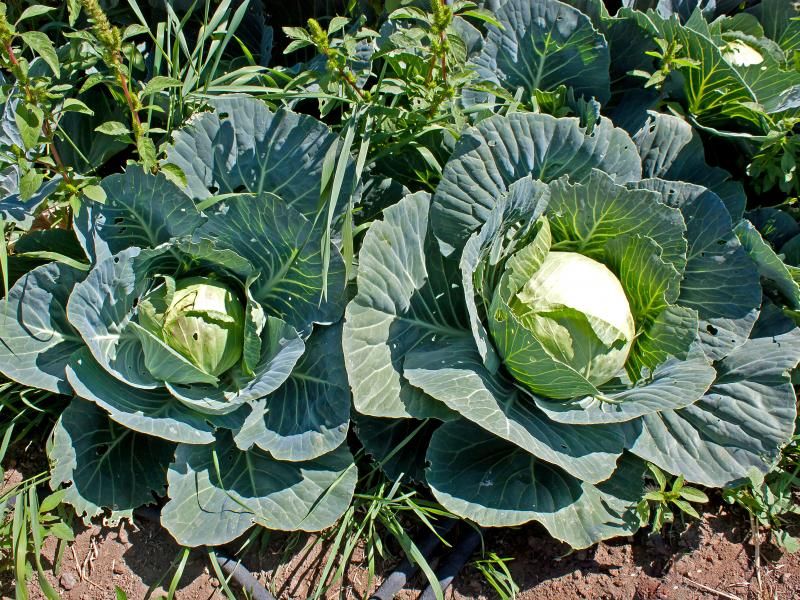
Cabbage looks harmless enough, but it is a hungry neighbor that treats the soil like an all-you-can-eat buffet. Tomatoes sitting nearby often lose the fight for nitrogen and other nutrients.
Both crops are heavy feeders, so planting them together sets up a constant tug-of-war underground. The result is usually pale leaves and weak growth on your tomato plants.
Cabbage and its relatives in the brassica family also prefer slightly different soil conditions, which makes keeping both happy in one bed tricky. Something usually gives, and it tends to be the tomatoes.
Give each crop its own space and its own feeding schedule. In Southern gardens with long growing seasons, you can rotate them into different beds rather than crowding them together.
If your tomatoes have yellowed and slowed right beside a row of cabbage, nutrient competition may be the quiet culprit. Separating them and topping up your tomato feeding can often turn things around and get fruit setting again.
3. Broccoli
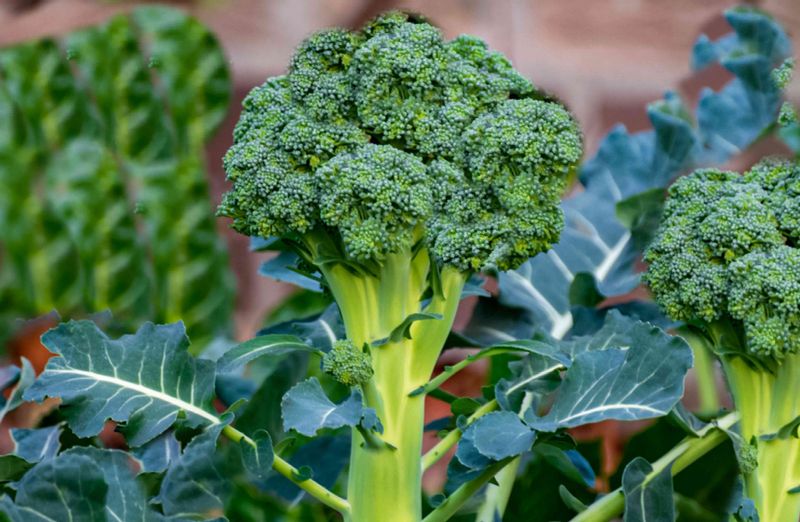
Broccoli brings the same trouble as its cabbage cousin, only it can be even greedier for nutrients. When it moves in next to tomatoes, both plants end up shortchanged.
The two compete fiercely for calcium, and tomatoes short on calcium often develop blossom end rot, that ugly brown patch on the bottom of the fruit. Nobody wants to lose a harvest to that.
Broccoli also casts shade with its broad leaves as it matures, which can rob young tomato plants of the full sun they crave. In the South, sun is one thing tomatoes usually have plenty of, so blocking it is a real loss.
Keep these two in separate beds and you sidestep the whole calcium battle. A little added calcium and consistent watering also help tomatoes stay strong.
If you have been fighting blossom end rot no matter how carefully you water, glance at what is growing beside the plants. A nearby broccoli row could be quietly draining the very nutrient your tomatoes need most.
4. Corn
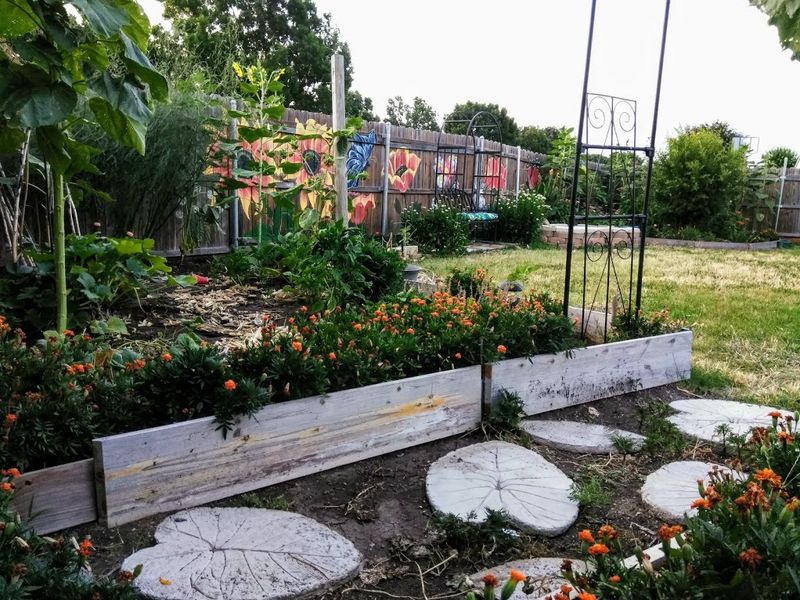
Towering corn stalks seem like a proud garden backdrop, but for tomatoes they spell trouble in more ways than one. First, corn grows tall and fast, throwing shade over anything planted nearby.
Tomatoes are sun lovers, so losing hours of daylight to a wall of corn leaves them leggy and unproductive. You end up with tall, thin plants and disappointing fruit.
The bigger issue is a shared enemy. The tomato fruitworm and the corn earworm are the same pest, and planting these crops together rolls out the welcome mat for a population explosion.
One infestation can quickly spread from your corn to your tomatoes, chewing through both harvests. That is a lot of frustration for a pairing that never worked well anyway.
Plant corn on the north side of the garden, far from tomatoes, or skip growing them in the same season. In Southern gardens where earworms are already common, keeping these two apart is one of the smartest moves you can make for healthier tomatoes.
5. Potatoes
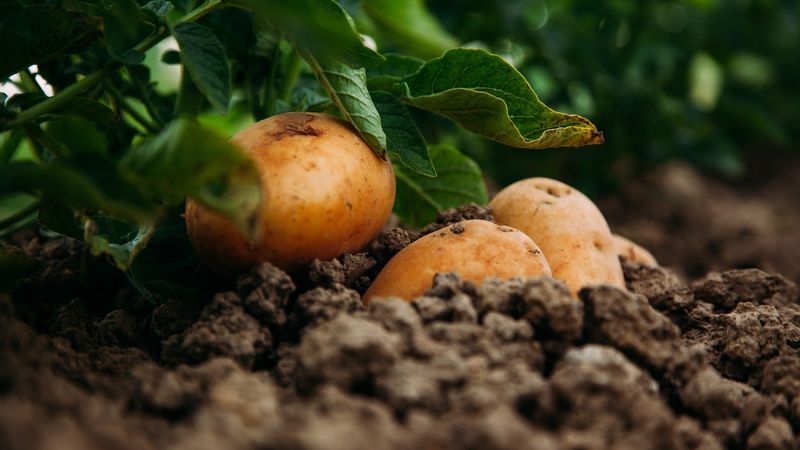
Potatoes and tomatoes are practically cousins, both members of the nightshade family, and that family tie is exactly why they should not share space. They catch the same diseases with alarming ease.
The big worry is blight, a fungal disease that can wipe out both crops fast. When potatoes and tomatoes grow side by side, blight jumps between them and doubles your chances of losing everything.
Digging up potatoes also disturbs the soil and roots around your tomatoes, stressing plants that were doing just fine. That accidental damage often shows up as sudden wilting or stunted growth.
Potatoes compete for the same nutrients too, so even without disease, tomatoes may end up hungry. In the humid South, where fungal diseases thrive, this pairing is especially risky.
Keep these two nightshades in different corners of the garden and rotate them yearly. If your tomatoes suddenly declined after a nearby potato harvest or a wet spell, blight moving between the two is a very likely explanation worth checking for.
6. Dill (mature)
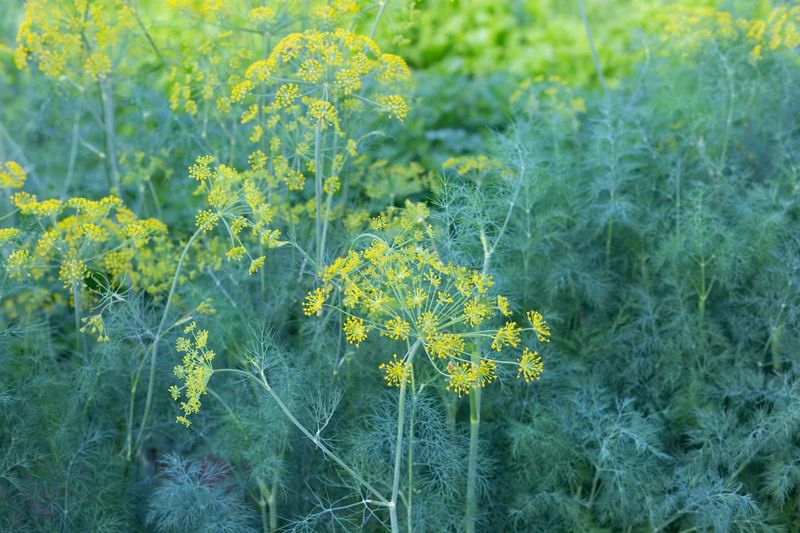
Here is a plant with a split personality. Young dill actually helps tomatoes by attracting helpful insects, but once it matures and flowers, it turns into a problem.
Mature dill releases compounds that can stunt tomato growth, undoing all the early goodwill. What starts as a friendly companion becomes a quiet drag on your harvest.
Older dill also grows tall and bushy, competing for light and space just when your tomatoes are trying to fill out. The timing could not be worse.
The trick is to enjoy dill young and pull it before it bolts and flowers. Harvest those feathery leaves for your kitchen and clear the plant out before it sets seed.
In warm Southern gardens, dill bolts quickly in the heat, so keep an eye on it. If your tomatoes slowed down partway through the season and there is flowering dill nearby, its maturity may be the reason.
Treating dill as a short-term guest rather than a permanent neighbor keeps its benefits without the drawbacks.
7. Walnut trees
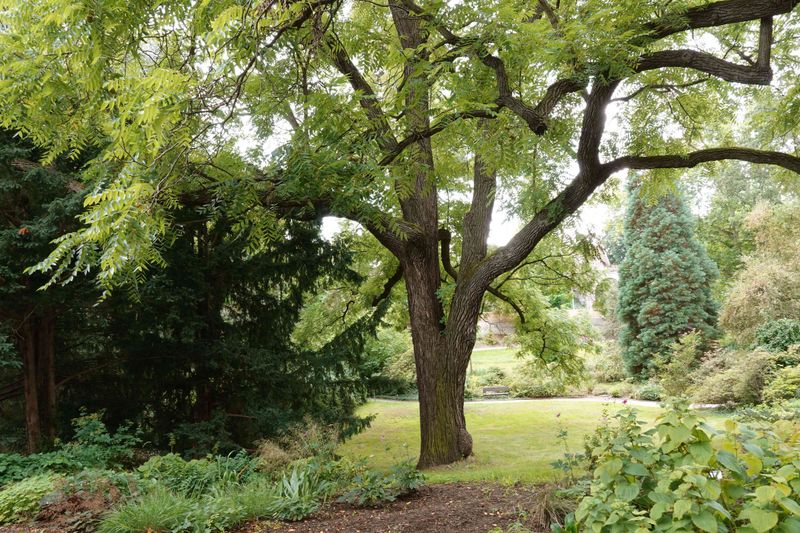
If a walnut tree shades part of your yard, that pretty spot may be a tomato death zone. Black walnut trees release a chemical called juglone from their roots, leaves, and hulls.
Juglone is toxic to tomatoes and can cause wilting, yellowing, and even sudden plant death. The worst part is that gardeners often never suspect a tree fifty feet away.
The chemical spreads through the soil in the tree’s root zone, which can extend well past the branches overhead. Tomatoes planted anywhere in that range struggle no matter how carefully you tend them.
The solution is distance or containers. Grow tomatoes well away from any walnut, or use raised beds and pots filled with fresh soil to keep roots out of the toxic zone.
Fun fact: even fallen walnut leaves in a compost pile can carry juglone, so keep them out of tomato beds. If your tomatoes wilt for no clear reason and a walnut looms nearby, juglone is very likely the hidden culprit behind their decline.
8. Rosemary
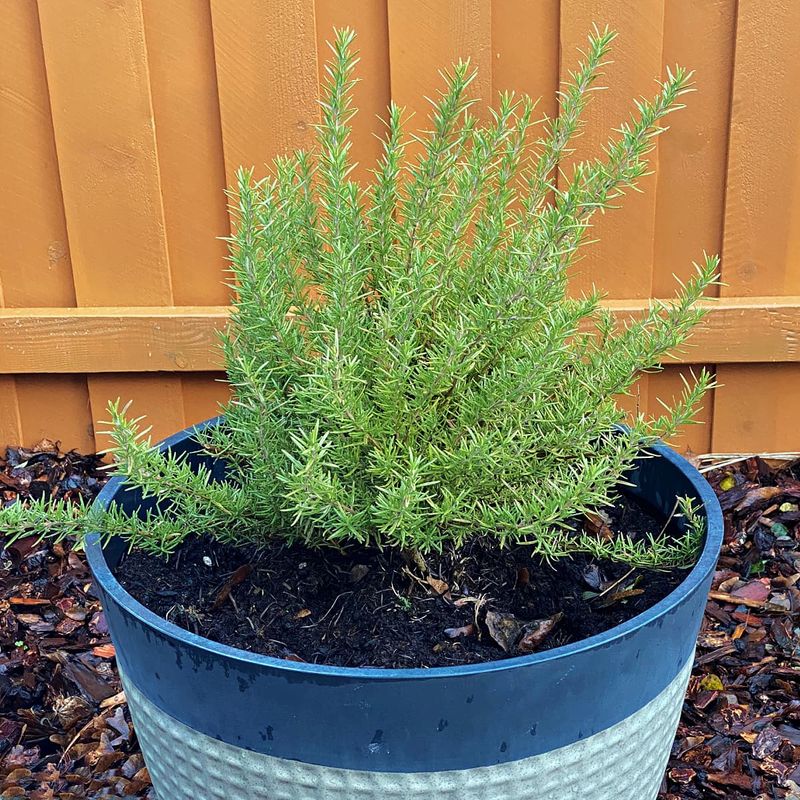
Rosemary is a wonderful herb, tough and fragrant, but it and tomatoes want very different lives. Rosemary loves dry, lean soil and rarely needs watering once established.
Tomatoes want the opposite: rich soil and steady moisture. Trying to make both happy in one bed usually leaves one of them miserable, and it is often the tomatoes that suffer.
When you water tomatoes properly, rosemary can develop root rot from the excess moisture. When you keep the bed dry for rosemary, your tomatoes go thirsty and stressed.
The smartest move is to grow rosemary in its own pot or in a dry corner where it can thrive on neglect. Tomatoes then get the consistent care they need without compromise.
In Southern gardens, rosemary can grow into a large woody shrub over time, crowding neighbors and stealing sunlight. If your tomatoes seem parched or waterlogged near a rosemary bush, mismatched watering needs are almost certainly the reason.
Separating them lets each plant flourish on its own terms.
9. Eggplant
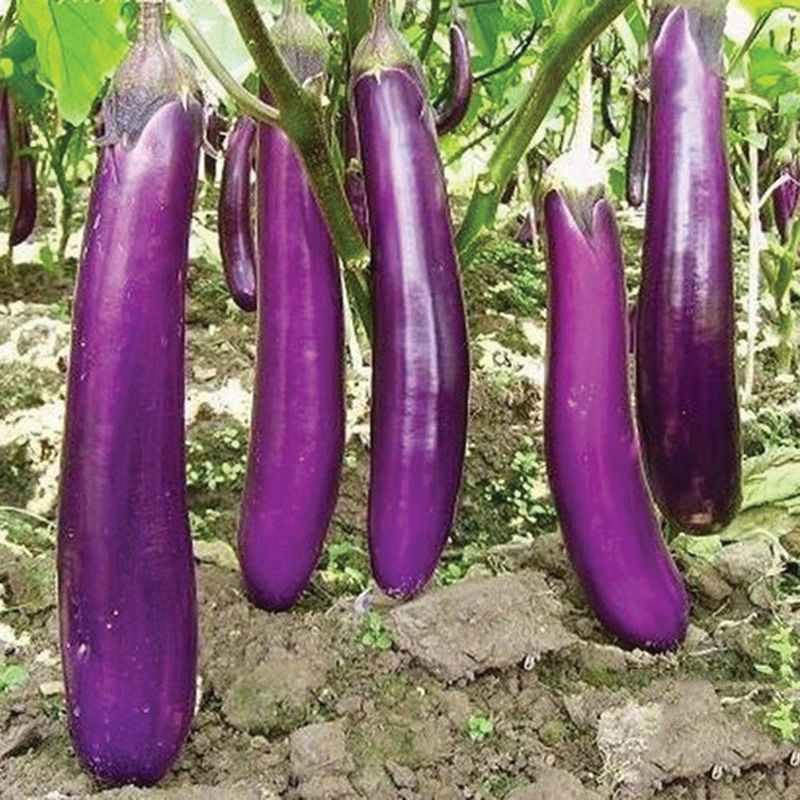
Eggplant seems like a natural tomato buddy since both love heat and sunshine. Unfortunately, that shared family background is exactly the problem, because they are both nightshades.
They attract the same pests and catch the same diseases, so planting them together concentrates trouble in one spot. Flea beetles, hornworms, and verticillium wilt all move easily between them.
Once a pest or disease finds one plant, it spreads to the other with ease. What could have been a manageable problem becomes a full-blown garden crisis.
Both crops are also heavy feeders that compete for the same nutrients, leaving each a little shortchanged. In the long Southern growing season, that competition adds up over many weeks.
Keeping tomatoes and eggplant in separate beds, and rotating nightshades to fresh ground each year, breaks the disease cycle. If your tomatoes are battling wilt or a swarm of pests and eggplant grows right beside them, that closeness may be feeding the outbreak.
A little separation goes a long way toward healthier plants.
10. Cauliflower
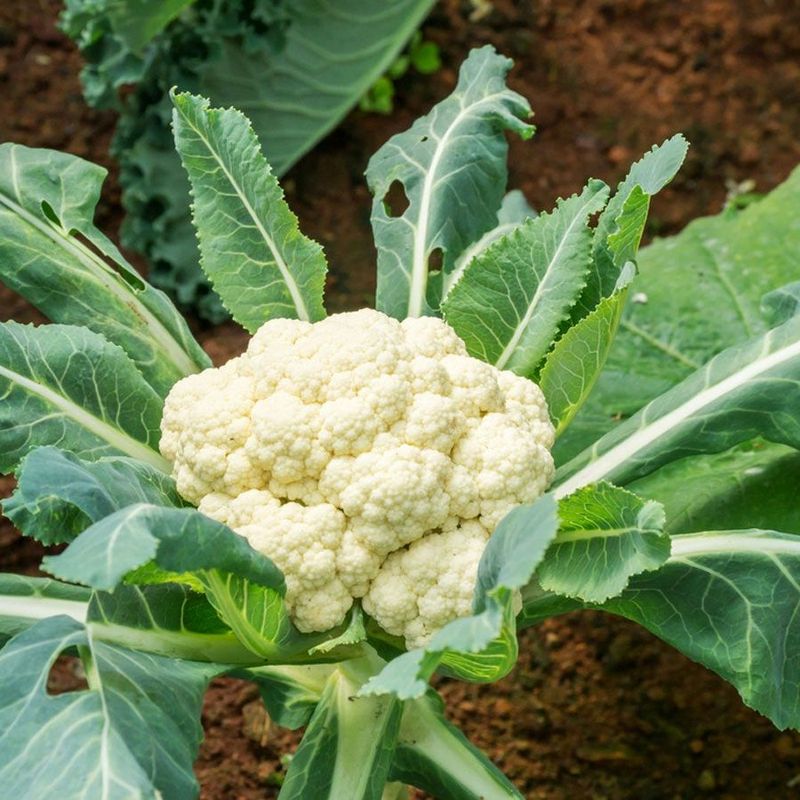
Cauliflower rounds out the brassica troublemakers, and it may be the hungriest of the bunch. It demands so much from the soil that tomatoes planted nearby are left scrambling for leftovers.
This heavy feeding pulls nitrogen and other nutrients away from your tomato roots. The tomatoes respond with slow growth, pale leaves, and stingy fruit production.
Cauliflower also likes cooler conditions than tomatoes, so the two rarely peak at the same time. Trying to balance their needs usually means one crop underperforms.
Give cauliflower its own bed and its own generous feeding schedule. Tomatoes will thank you when they finally get their fair share of nutrients and space.
In Southern gardens, cauliflower is often a cool-season crop while tomatoes rule the warm months, so timing them separately comes naturally. If you crowded them together and your tomatoes are lagging, the cauliflower next door may be quietly out-eating them at the root level.
Keeping these heavy feeders apart is an easy way to give your tomatoes room to thrive.
11. Kohlrabi
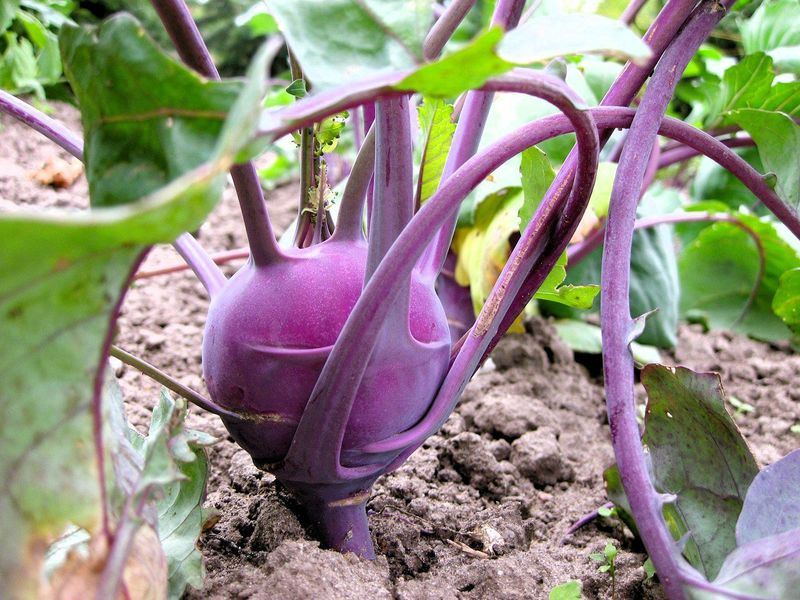
Kohlrabi may be one of the odder-looking vegetables in the garden, with its swollen bulb sitting above the soil, but its effect on tomatoes is very ordinary trouble. It stunts them.
As another member of the brassica family, kohlrabi competes hard for nutrients and does not play nicely with tomatoes. Both plants end up growing more slowly than they should.
Some gardeners report that tomatoes near kohlrabi simply refuse to reach their full size. The two seem to check each other’s growth in a way neither benefits from.
The remedy is the familiar one for brassicas: keep them in separate beds. Give kohlrabi its own space and let your tomatoes stretch out without the interference.
Because kohlrabi grows quickly and prefers cooler weather, Southern gardeners often slot it into spring or fall rather than the tomato-heavy summer. If your tomatoes seem mysteriously small and there is kohlrabi close by, that quiet competition could be holding them back.
Moving the two apart usually lets both perform much better.
12. Peppers (in disease-prone gardens)
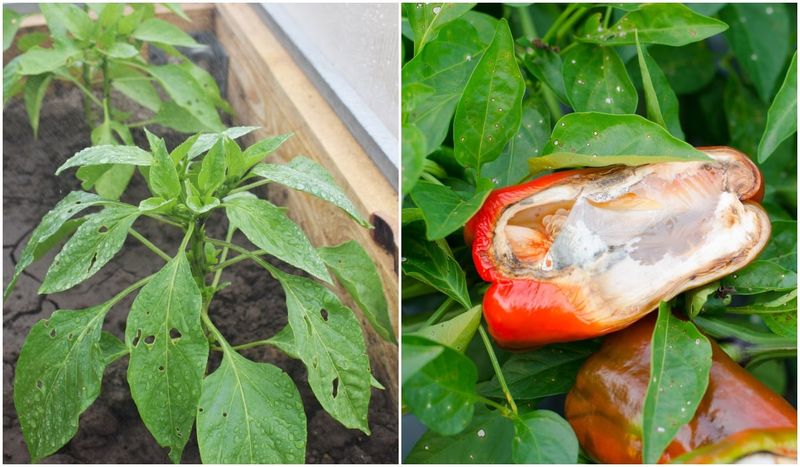
Peppers and tomatoes are often planted side by side, and in a healthy garden they can get along fine. But in a garden with a history of disease, that friendship turns risky.
Both are nightshades, so they share vulnerabilities to problems like verticillium and fusarium wilt. If those diseases live in your soil, planting peppers next to tomatoes gives them two hosts instead of one.
Once one plant catches a soilborne wilt, the other is right there to catch it too. Your careful watering and feeding cannot outrun a disease that spreads between neighbors.
In the humid South, where fungal problems are common, this pairing deserves extra caution. If you have battled wilt before, keeping peppers and tomatoes in separate, rotated beds is the safer bet.
Should your tomatoes keep collapsing from wilt despite good care, look at the peppers growing beside them and your soil history. Separating these nightshades and rotating your crops each year can finally break the cycle that keeps knocking your tomatoes down.
13. Brussels sprouts
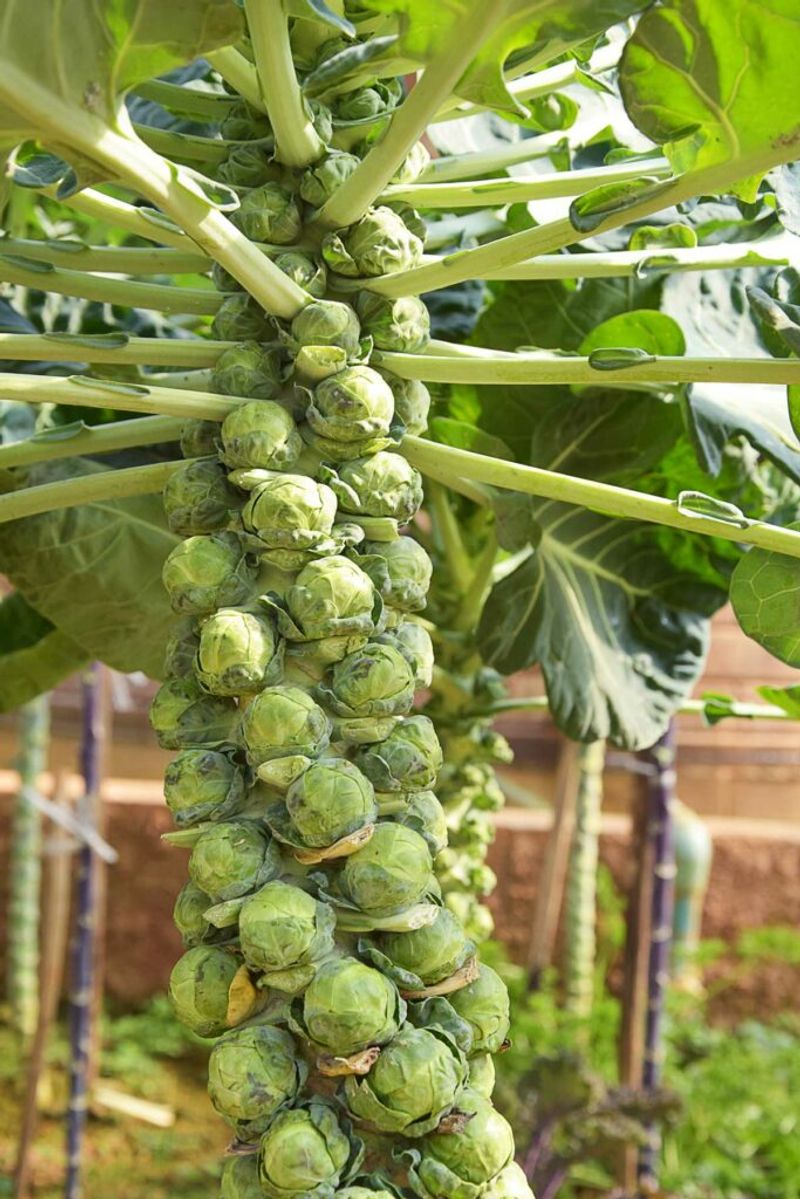
Brussels sprouts grow on tall, sturdy stalks that look impressive, but that height is bad news for tomatoes trying to soak up sun. The bushy plants throw shade and crowd their neighbors.
Like every brassica on this list, Brussels sprouts are heavy feeders that drain the soil of nutrients tomatoes desperately want. Two greedy plants in one bed leaves both underfed.
The competition plays out slowly over the long season these sprouts need to mature. By the time your Brussels sprouts are ready, your tomatoes may have spent months quietly starving.
Plant them in separate beds and your tomatoes get both the sunlight and the nutrients they need. It is a small change that prevents a whole season of disappointment.
Brussels sprouts actually taste sweeter after a light frost, so Southern gardeners often grow them into the cooler months, well away from summer tomatoes. If your tomatoes looked shaded and hungry beside a row of these towering stalks, now you know why.
Keeping them apart lets each crop reach its full potential.
14. Mint
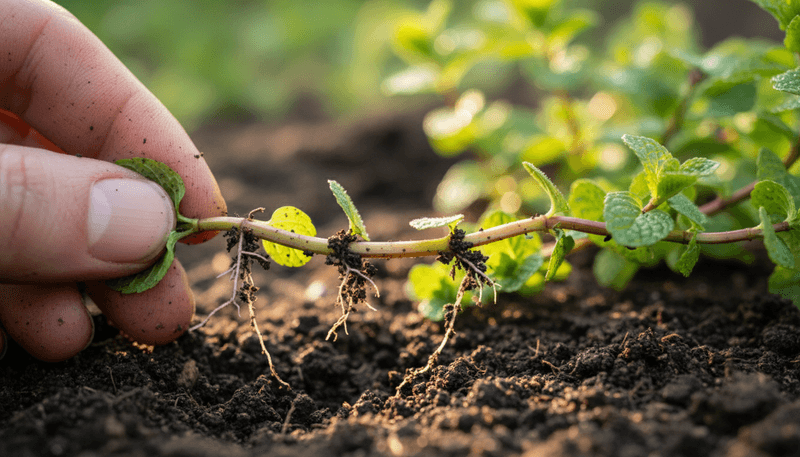
Mint smells heavenly and makes wonderful tea, but let it loose in a garden bed and it behaves like an invader. Its roots spread aggressively, sending runners in every direction.
Those runners quickly wrap around tomato roots, stealing water and nutrients before your plants ever get a sip. Tomatoes end up crowded and starved in their own bed.
Mint spreads so fast that within a single season it can dominate a bed entirely. What looked like a tidy herb patch becomes a green takeover that smothers everything else.
The safe way to grow mint is in a pot, always. Even a buried container works, as long as the roots cannot escape into your tomato beds.
In the warm, moist South, mint grows with almost unstoppable vigor, so containment matters even more. If your tomatoes are wilting and you spot mint creeping through the bed, its hungry roots are very likely the reason.
Pulling the mint and confining it to a pot gives your tomatoes back the room and moisture they were missing.