
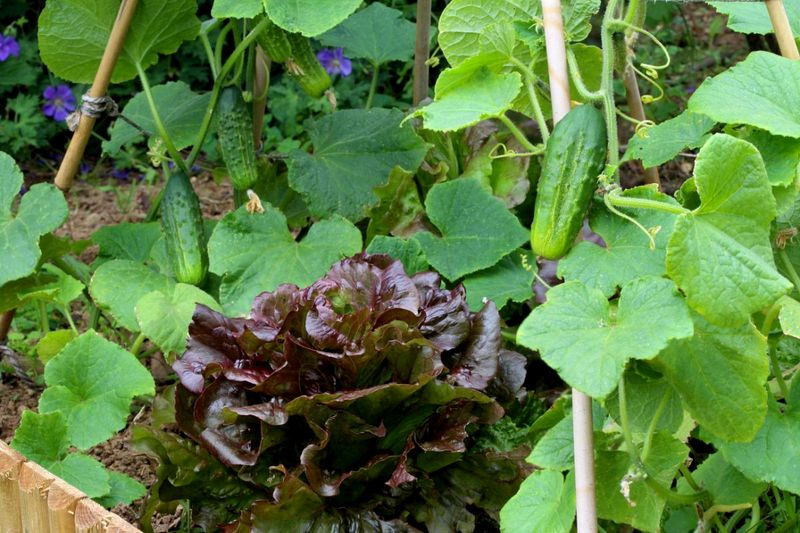
Struggling cucumber vines are one of the most frustrating sights in a summer garden, especially when you have tried everything and still see yellow leaves, limp stems, or barely any fruit. One small flowering plant called sweet alyssum has gotten attention lately as a companion for cucumbers, and the idea is worth understanding before you dismiss it or put all your hope in it.
The research behind this pairing is real but limited, and knowing what it actually shows will help you use alyssum as one useful support step rather than a cure-all.
Sweet alyssum supports cucumber beds indirectly
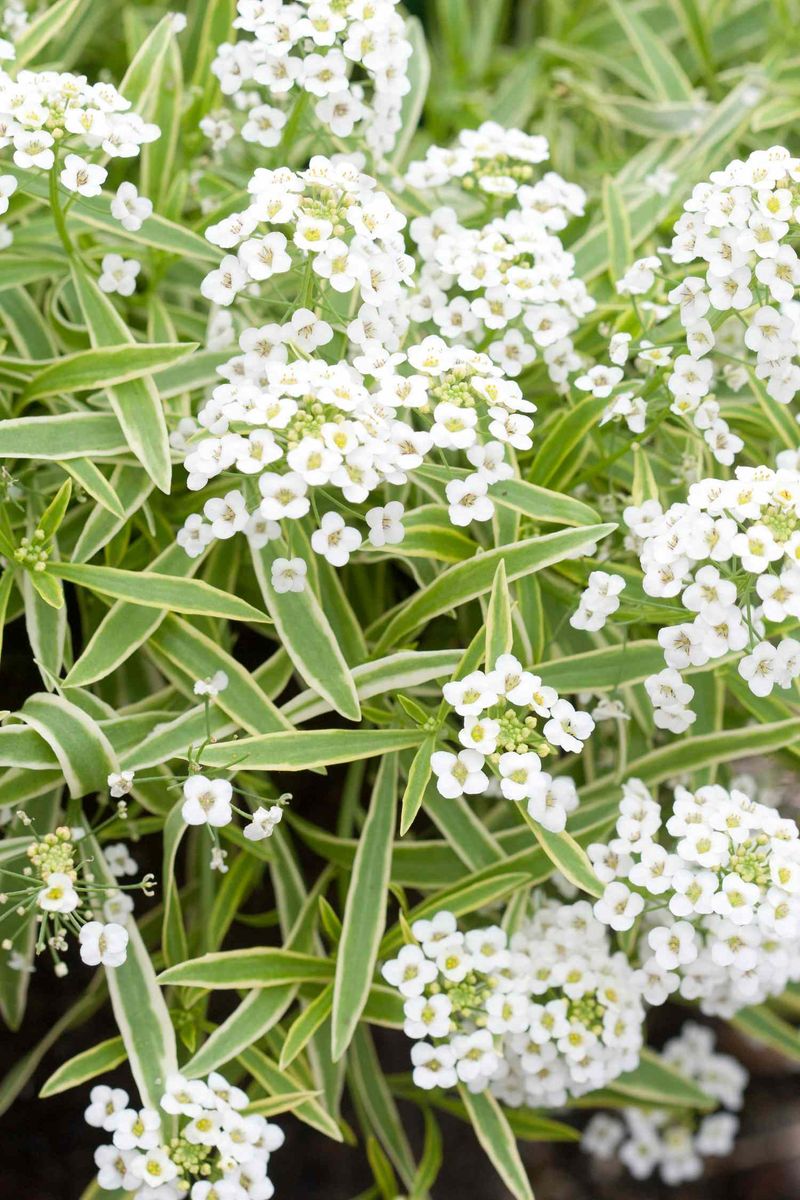
Sweet alyssum (Lobularia maritima) is a low-growing flowering annual that has earned a place in vegetable gardens not because it feeds or strengthens plants nearby, but because its small, densely packed flowers are a reliable food source for certain beneficial insects. UF/IFAS companion planting guidance identifies sweet alyssum as a useful companion crop in Florida vegetable systems for exactly this reason: it can attract hoverflies, lady beetles, lacewings, parasitoid wasps, and similar insects that are natural enemies of common garden pests.
The connection to cucumber health is indirect. Adult hoverflies, for example, feed on nectar and pollen from flowers like alyssum, while their larvae may feed on aphids clustered on nearby plants.
Wisconsin Horticulture’s overview of syrphid flies explains that hoverfly larvae are predators of soft-bodied insects, making the adult flower-feeding stage important for supporting that predatory generation. Parasitoid wasps follow a similar pattern, using floral resources as adults while targeting pest insects for reproduction.
What alyssum does not do is make cucumber stems thicker, roots deeper, or plants more resistant to disease. UMN Extension’s aphid guidance notes that beneficial insects can take time to catch up with fast-growing pest populations, so this is habitat support rather than a guaranteed pest-control switch.
The mechanism is real, but the outcome depends on timing, local insect populations, and what pest pressure your garden actually faces.
The cucumber evidence remains promising but limited
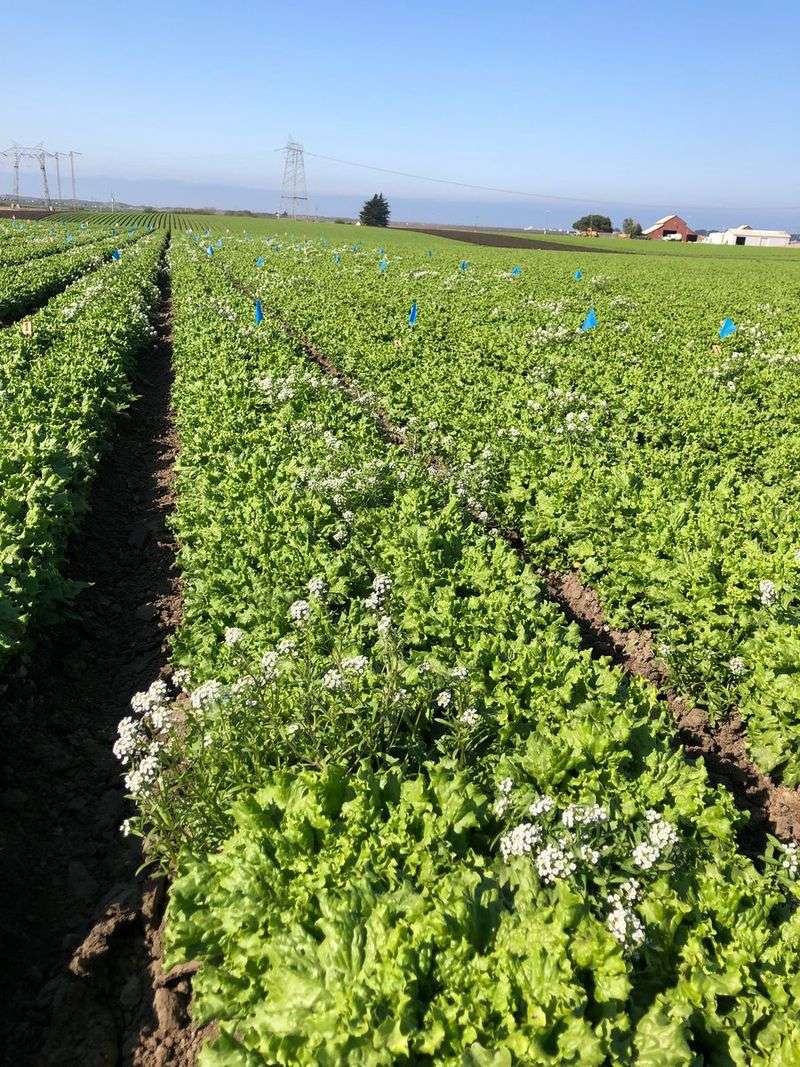
A published field study is the most direct evidence connecting sweet alyssum to cucumbers, and understanding what it actually found matters before you decide how much to rely on it. This cucumber companion-planting trial found that alyssum flower strips did attract beneficial insects to the edges of the planting, which sounds promising on the surface.
The complication is what happened next. Those beneficial insects generally did not disperse far into the adjacent cucumber rows, meaning the pest-suppression effect was largely concentrated near the flower strip rather than spread across the whole bed.
Cucumber yield was measured in two study years, and the alyssum treatment produced higher yields than cucumber-only plots in only one of those years. The second year did not show the same result, making the finding inconsistent rather than conclusive.
That inconsistency is worth sitting with. The study supports sweet alyssum as a promising candidate worth testing in your own garden, not as a reliable yield booster or a rescue treatment for vines that are already in trouble.
Factors like scale, spacing, weather, local insect populations, and pest pressure all influenced the outcome in ways that a small backyard plot may not replicate exactly. Calling alyssum a comparatively well-supported companion plant is fair; calling it a guaranteed solution goes further than the data allow.
Plant alyssum near the cucumber bed as a low border
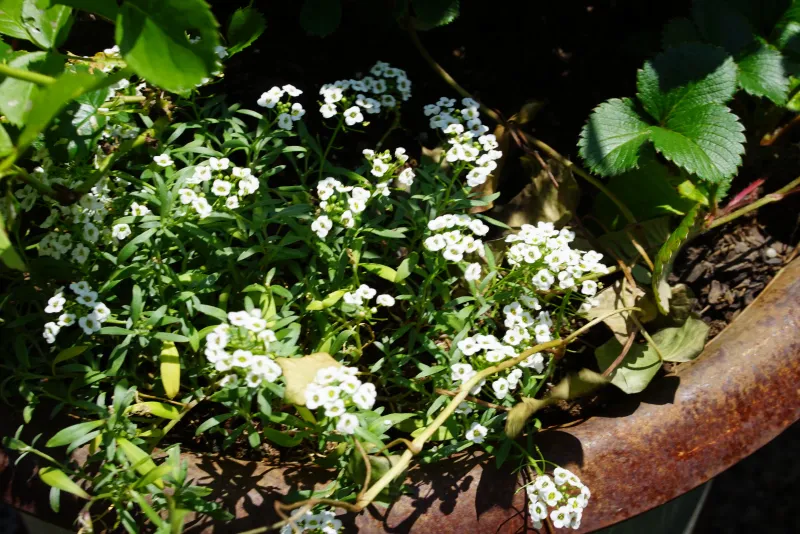
Placement matters as much as the plant itself. Sweet alyssum works best when it is positioned beside, around, or near the cucumber bed as a low border rather than tucked inside the cucumber root zone where it would compete for water and nutrients.
NC State Extension’s plant profile for Lobularia maritima describes it as a low, spreading annual, typically reaching somewhere between 4 and 12 inches tall depending on the cultivar, which makes it a natural fit along bed edges without blocking light to taller cucumber vines.
Airflow is one reason to keep alyssum out of the cucumber canopy. Crowding plants together, even with a small annual, can reduce air circulation around cucumber stems and foliage, and that extra moisture retention can encourage foliar problems.
Penn State Extension’s guidance on sowing annuals recommends following the cultivar label for spacing, and a common starting point for seed-grown alyssum is roughly 8 to 10 inches between plants. That spacing keeps the border full enough to attract insects without creating a dense mat that crowds the crop.
UGA Extension’s guide to flowering annuals for Georgia gardens confirms that alyssum fits well in border plantings, and the UF/IFAS companion planting resource supports using it as a habitat plant rather than a pesticide substitute. The flowers provide resources for beneficial insects, but they do not replace regular pest scouting or other management steps you already have in place.
Match alyssum timing to local Southern heat
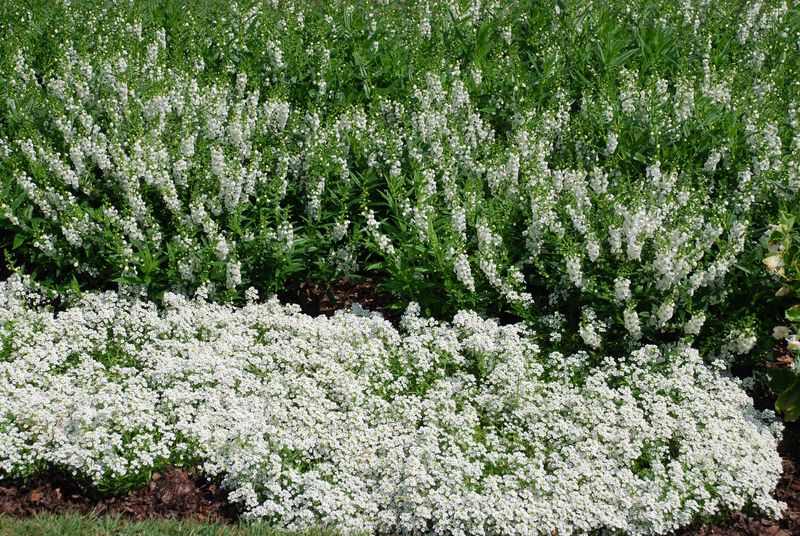
Heat is the variable that catches most Southern gardeners off guard with sweet alyssum. UF/IFAS Gardening Solutions’ sweet alyssum profile describes it as performing best in well-drained soil and full sun, with some shade tolerance, and notes that heat-tolerant cultivars may stay productive longer into Florida’s warm conditions than older varieties.
If you are in Florida, choosing one of those heat-tolerant selections and timing your planting for a cooler window can help the flowers stay open and useful during the period when your cucumbers need insect activity most.
UGA Extension’s flowering annuals guide for Georgia notes that older alyssum types may decline during hot, dry midsummer conditions, which in Georgia often means the peak of July and August. A fall, winter, or early spring planting can be more reliable than counting on continuous bloom through the hottest stretch of the growing season.
Pairing that timing with a fall cucumber planting or an early spring crop gives the flowers a better chance of being present when beneficial insects are most needed.
Gardeners in Texas and other parts of the South face their own combinations of heat, humidity, and seasonal timing that do not always match Florida or Georgia patterns exactly. Rather than treating fall, winter, or early spring as universal rules, check your local frost dates, average high temperatures by month, and your county extension office’s planting calendar to find the window where alyssum can bloom reliably alongside your cucumbers.
Fix the cucumber growing conditions before blaming the pairing
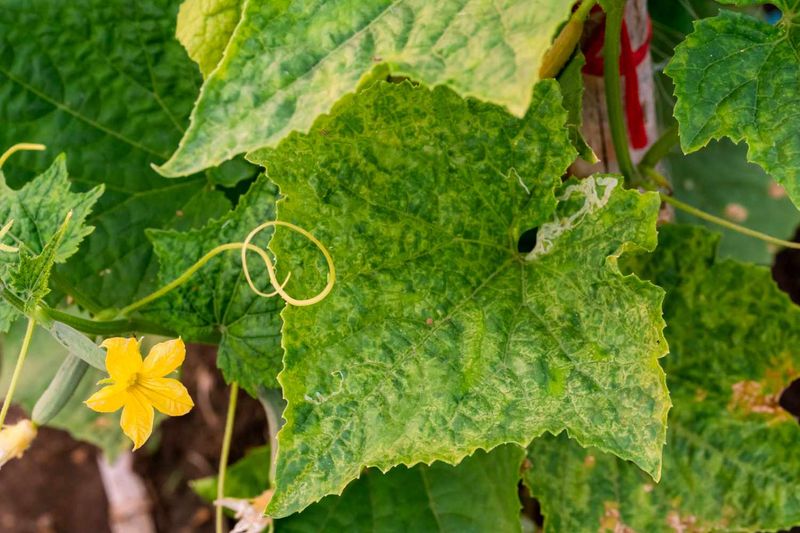
Yellow leaves, wilting, weak stems, and poor fruit set are symptoms, not a diagnosis. Any of those signs can come from drought, overwatering, compacted or waterlogged soil, root damage, nutrient deficiency, heat stress, insect feeding, bacterial wilt, viral disease, or foliar fungal problems.
UGA Extension’s guide to common cucurbit problems and UGA’s vegetable troubleshooting resource both treat these symptoms as nonspecific, meaning the same visible sign can have several different causes that require different fixes. Planting alyssum nearby cannot compensate for a failed basic requirement.
UGA Extension’s cucumber production guide lists warm soil, adequate moisture, good drainage, sufficient nutrition, and sunlight as the foundations of a healthy crop. UMN Extension’s cucumber growing guidance adds that cucumbers may need more frequent irrigation in sandy soils, raised beds, and hot weather, and recommends watering at the soil line with drip irrigation or a soaker hose to keep foliage dry and reduce conditions favorable to some diseases.
A trellis is another practical step that serves multiple purposes at once. Lifting vines off the ground improves airflow around the foliage, keeps fruit cleaner and easier to spot, and makes pests easier to see during routine checks.
Penn State Extension’s cucumber pollination resource also points out that most standard cucumber varieties require insect pollination for normal fruit production, so if fruit set is the problem, pollinators may be part of the answer rather than vine health alone. Diagnose the actual problem first, then add alyssum as one support layer on top of a sound foundation.
Scout for pests and diseases that alyssum cannot cure
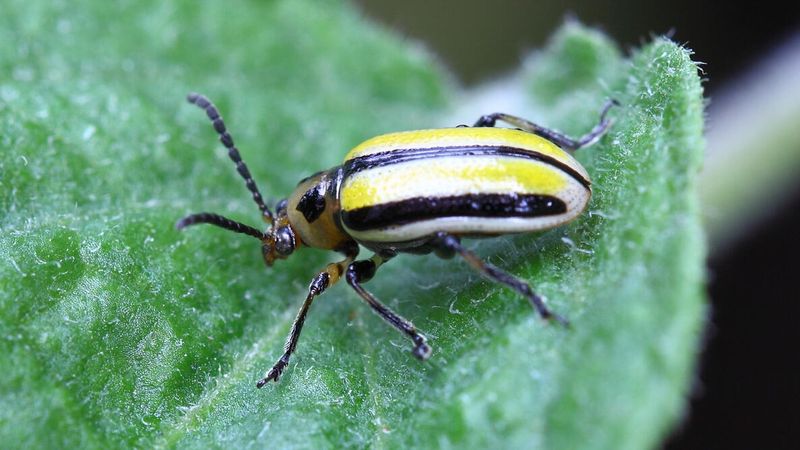
Regular scouting is the one practice that no companion plant can replace. Walk your cucumber bed at least twice a week and look closely at leaves, stems, flowers, and the soil around the base of each plant.
UMN Extension’s cucumber beetle resource explains that cucumber beetles are especially important to catch early because they can transmit bacterial wilt, a disease that causes rapid vine collapse and has no cure once a plant is infected. A companion plant does not prevent or treat bacterial wilt; removing or managing the beetles that carry it is the only practical defense.
Beyond beetles, check for aphid colonies on the undersides of leaves, spider mites in dry weather, squash bugs around the base of plants, and the early signs of powdery mildew or downy mildew on the upper and lower leaf surfaces. UMN Extension’s aphid guidance notes that beneficial insects may eventually reduce aphid populations but can be slow to respond when numbers are already high, which is why early detection matters.
UGA’s troubleshooting guide covers foliar disease identification for Southern gardens.
Floating row covers can protect young cucumber plants from beetles and other early-season pests, but they must come off once flowering begins for any variety that depends on bee pollination. On pesticides: avoid spraying open cucumber flowers when bees are active, and always follow the product label for timing and rates.
UF/IFAS guidance on fungicides for home gardeners and your local extension office are better starting points than routine calendar sprays when you are unsure what to treat or when.
Treat sweet alyssum as one measured support step
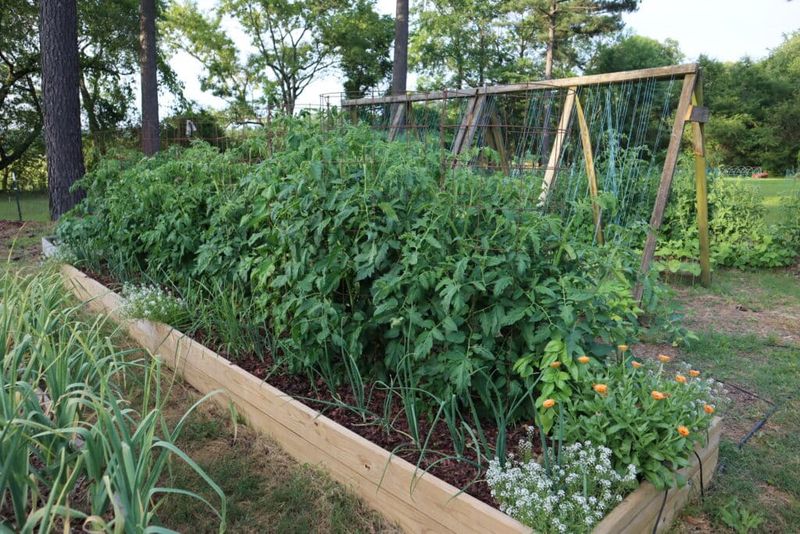
Planting sweet alyssum near your cucumber bed is a reasonable experiment backed by a real but limited body of evidence. UF/IFAS companion planting research supports using it to attract beneficial insects in Florida vegetable systems, and the cucumber field trial discussed earlier shows a promising but inconsistent yield result.
Outcomes will vary based on pest pressure, the timing of flowering, local weather, spacing, crop variety, and which beneficial insects are already present in your yard.
One additional detail to keep in mind: a recent review of Lobularia maritima as both a pest nursery and natural-enemy habitat found that alyssum can attract some herbivorous insects, including thrips and certain plant bugs, under some conditions. That does not make it a bad choice, but it does mean it should not be described as universally pest-repelling.
Watch what visits the flowers alongside the beneficial insects and adjust if you see a problem building.
Run this as one layer of a larger plan: sound watering, good drainage, adequate airflow, proper pollination, and consistent scouting are the foundation. Alyssum sits on top of that foundation as a floral resource that may tip the insect balance slightly in your favor, not as a substitute for diagnosing what is actually wrong with your vines.
A border of small white flowers is a low-cost, low-risk addition, and in a good year, it might just bring the right visitors at the right time.