
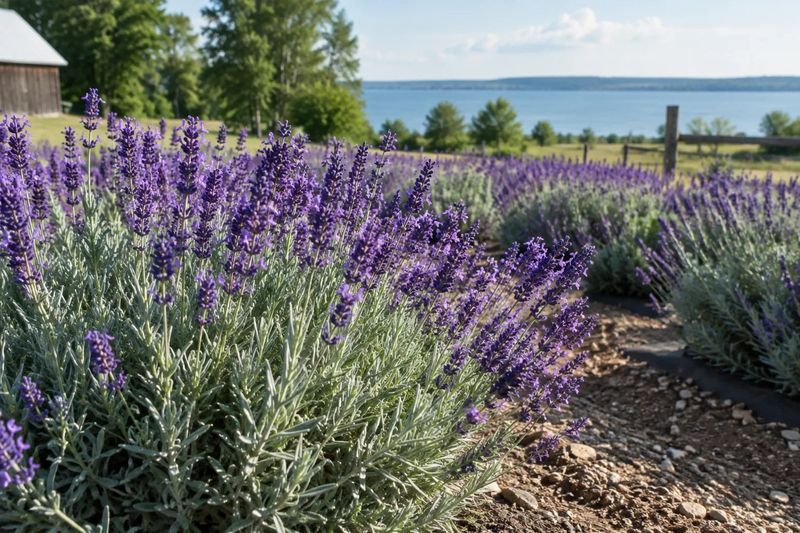
Your lavender looked fine in fall, then turned gray and brittle by spring. Many gardeners blame the cold, but wet ground may have played a part too.
Heavy soil that stays soggy is a common trouble spot for this sun-loving herb. Here is how to check your yard and make a fix you can start this week.
Winter wetness is a common risk, not the only one
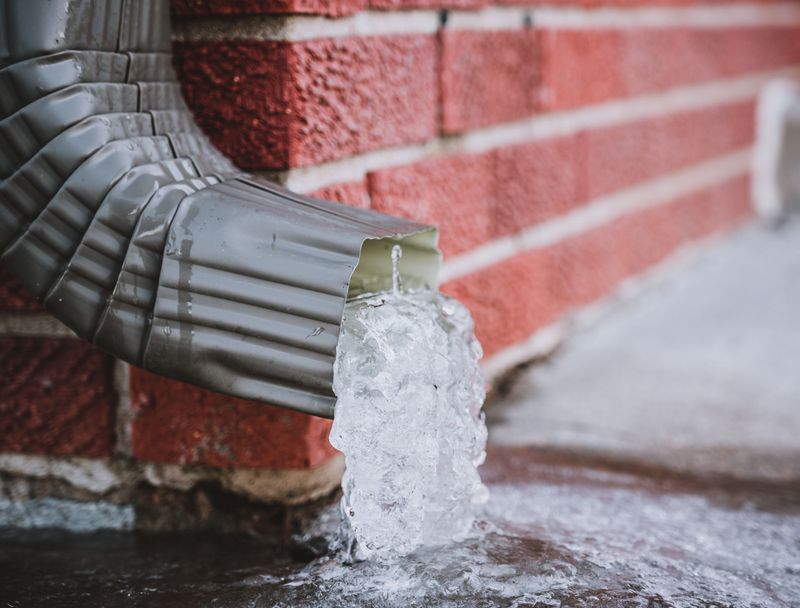
Ask around among lavender growers and you will hear a familiar story: the plant sailed through summer, then faded by late winter. Extension guidance gives a useful clue.
Illinois Extension says winter dampness is often more damaging to lavender than cold, and Iowa State points out that lavender is especially sensitive to soggy winter soil.
That does not make wet soil the only suspect. Cold can injure lavender too, depending on the type, the cultivar, and local conditions.
Ontario’s agriculture ministry describes winterkill as a real problem on its own, and the two stresses can pile up on the same plant.
So think of drainage as a strong lead worth checking, not a verdict. If your lavender sits in heavy ground that stays wet, looking at the water is a sensible first step.
It just will not explain every loss.
Saturated soil puts roots and crowns at risk
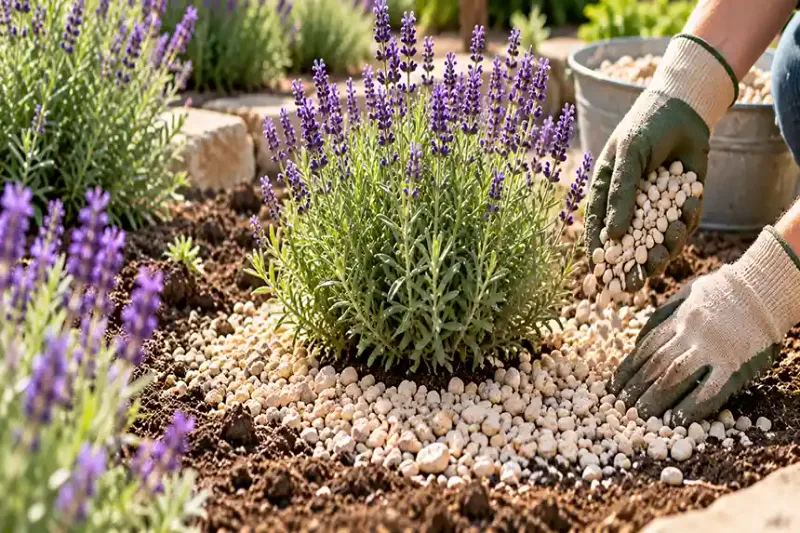
Lavender is built for sun and fast-draining ground. According to Illinois Extension, it does best in those conditions, and wetness that lingers through winter raises the risk of damage to roots or the crown, the spot where stems meet the roots.
Soggy soil also holds little air. Roots sitting in it for weeks are under stress, and wet conditions can set the stage for root disease.
The Pacific Northwest Plant Disease Management Handbook covers lavender root rot and the role wet soil plays in it.
Still, risk is not the same as proof. A plant lost in a wet spot is not automatically a root rot case.
Flooding, cold, and other stresses can overlap, and you cannot name the cause from a brown shrub alone.
What you can do is treat persistent wetness as a warning sign for the spot, whatever happened to the last plant.
A dead plant cannot tell you the cause by itself
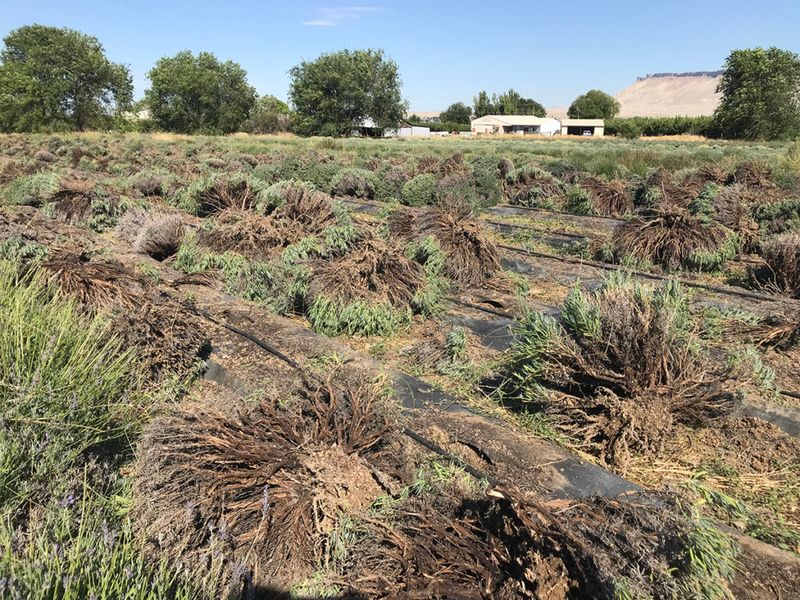
Wet-soil injury and cold injury can look much alike, and they can happen together. A brown, woody lavender in March does not come with a label.
That is why a careful look at the pattern matters more than a quick guess.
Ontario’s agriculture ministry offers some clues in its winterkill guidance. Excess-water damage may kill entire plants in wet areas, while cold injury can show a different pattern and affect exposed plants more broadly.
Try noting which plants died and where they sat. Did the losses cluster in a low corner or beside a downspout?
Or did exposed plants suffer across the whole bed?
Treat those notes as hints only. They can point you toward what to check next, but they cannot settle what happened to a plant that is already gone.
Check where water collects before changing the bed
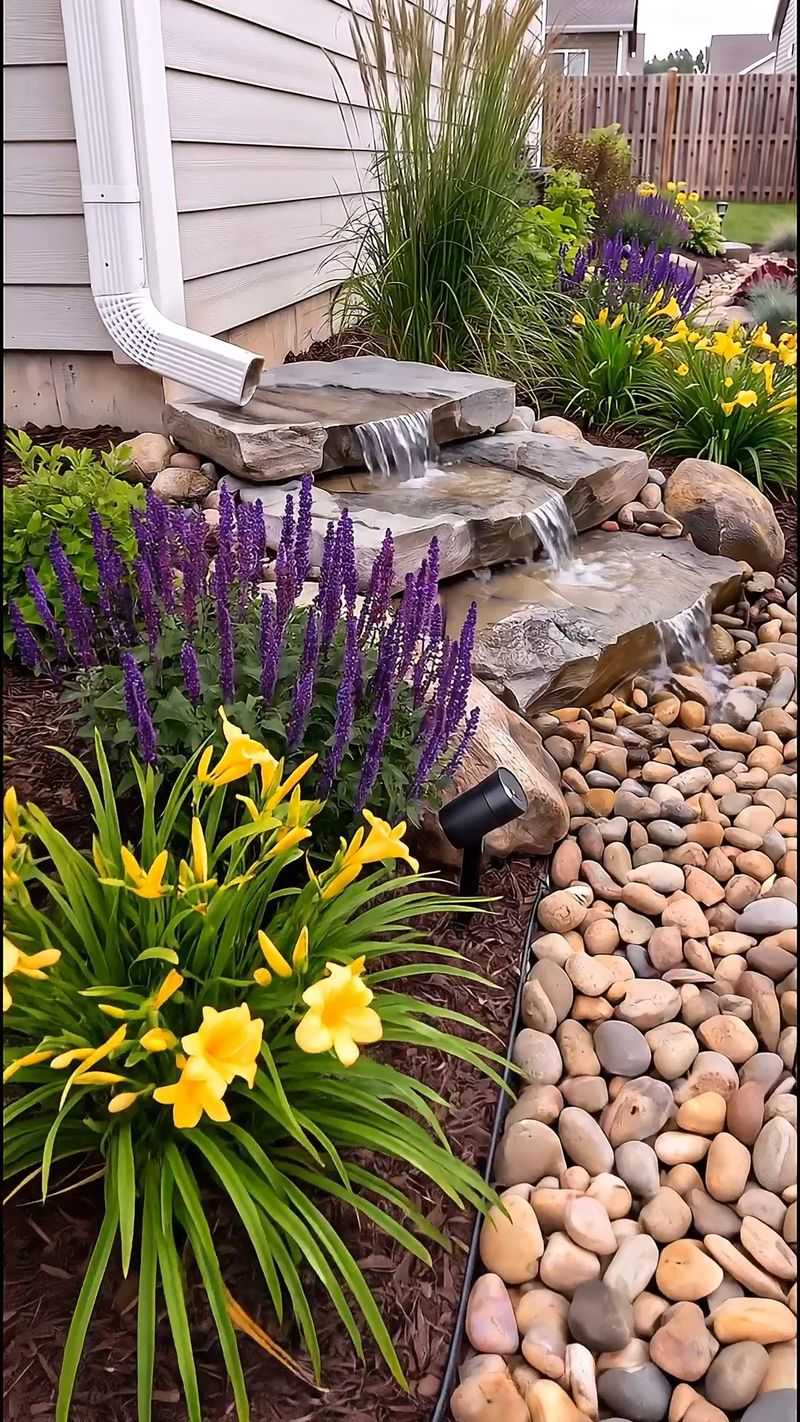
Before you buy a single board or bag of soil, spend a rainy afternoon outside. Walk the yard an hour or two after a heavy shower and see where water pools or lingers.
Low spots, areas below a roofline, and the base of a slope are common trouble spots.
Next, watch your irrigation. UC IPM recommends avoiding locations watered by lawn sprinklers, since lavender does not like constant moisture.
Run your system and see whether the spray or runoff reaches the plants.
If it does, stop any watering the plant does not need. Lavender usually does not want a regular schedule once it is settled in.
Keep in mind what this check can and cannot do. It shows you a current drainage or irrigation problem.
It does not prove what caused last winter’s damage, and it does not guarantee any fix will work.
Raise the root zone above persistently wet ground
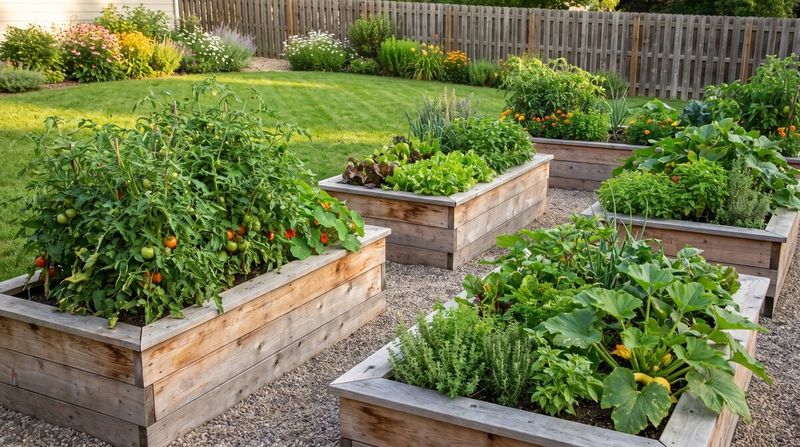
If the site stays soggy, lifting the roots out of it is a practical move. The Royal Horticultural Society recommends planting on a mound, ridge, or raised bed about 20 to 30 cm (8 to 12 inches) high so roots sit above wet soil.
A large pot is another route. Pick a container with big drainage holes, and make sure water can flow freely out of the bottom instead of sitting in a saucer.
Already have a plant in the ground? Be careful when building up the soil around it.
Do not bury the crown, because covering it can create new problems. Keep the base of the stems at or just above the original soil line.
Neither a raised bed nor a pot guarantees survival. They address one risk, standing water around the roots, and other stresses may still play a role.
Clay does not have a quick fix in a scoop of sand
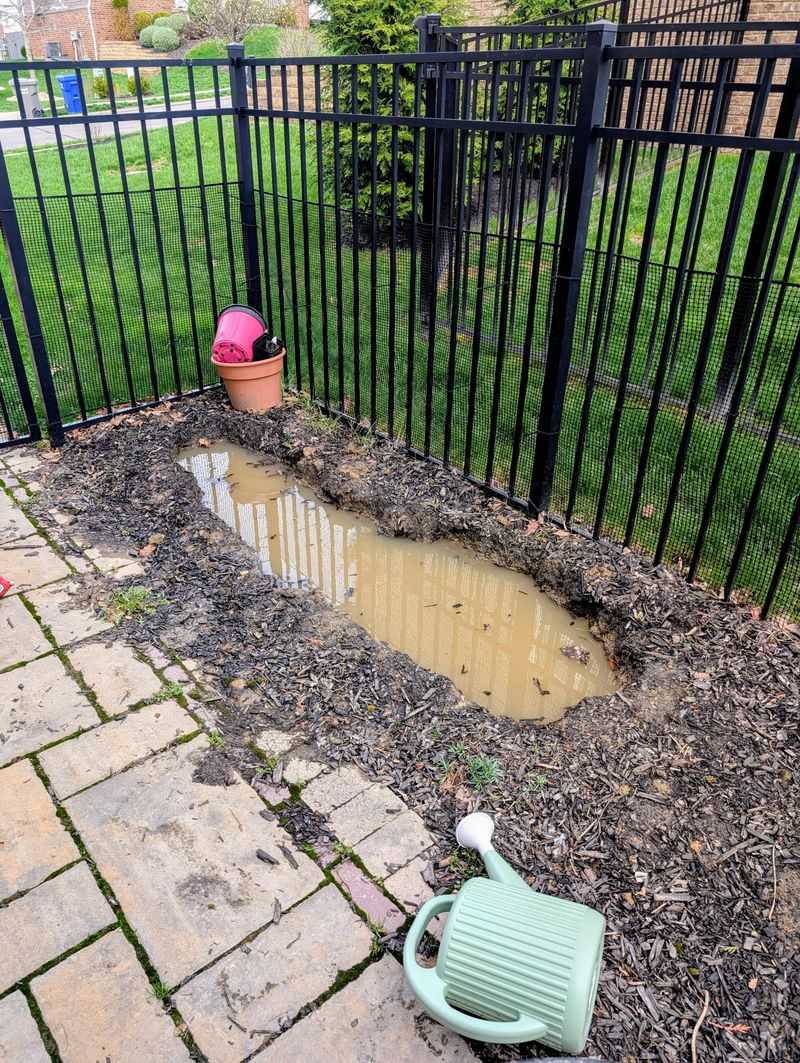
It is tempting to mix a bag of sand into heavy clay and call it done. Clemson Extension cautions against it.
According to its soil conditioning guidance, adding sand alone to clay can worsen the soil structure.
No single recipe of sand, gravel, compost, or lime is sure to fix a poorly drained site. What works depends on your soil and how water moves through your yard.
When drainage stays poor, think bigger than the planting hole. A raised planting area, or wider changes to the site such as redirecting runoff, may do more than stirring in an amendment.
Go slowly, test how water behaves after the next rain, and adjust from there.
Drainage advice does not erase Southern climate differences
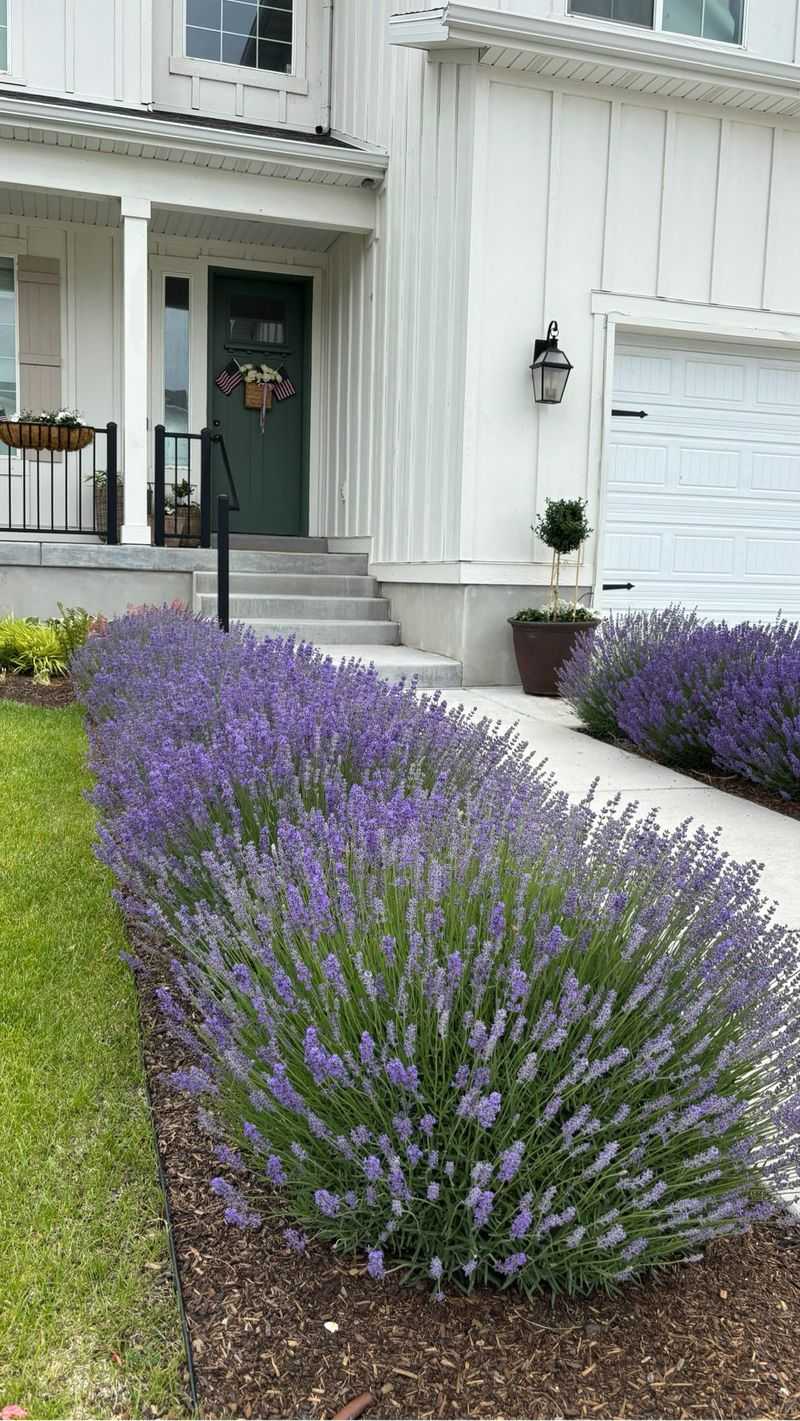
The South covers a lot of ground, and lavender does not respond the same way everywhere. UF/IFAS has a publication on English lavender.
It notes that plants may decline in USDA zone 8 because of summer heat, and that they are more susceptible to winter injury in wet, heavy soil.
That guidance is specific to English lavender. Other species and cultivars differ in hardiness, so do not assume one set of rules fits every type.
Texas is just as varied. The sources reviewed here support the drainage advice, but they do not point to one lavender choice or winter plan for the whole state.
Iowa State’s lavender guide also stresses that varieties vary.
Better drainage handles one risk. In hot, humid places, heat and humidity remain separate challenges, so check with your local extension office about what suits your area.
Start with the wet spot
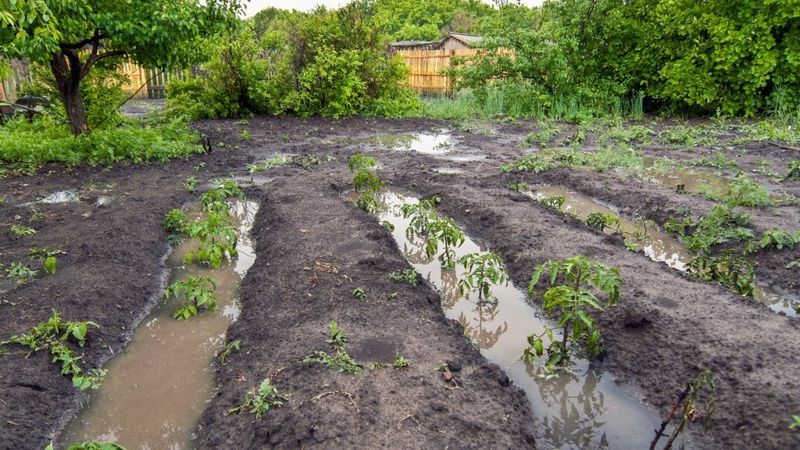
This week, walk out to your lavender and look at the ground. Standing water, a sprinkler that reaches the bed, or soil that stays soggy after rain are all worth fixing before you blame the cold alone.
Illinois Extension and the Royal Horticultural Society both offer practical starting points.
No fix saves every plant, but a drier root zone removes one common worry. Lavender asks for little, mostly sun and an exit for extra water.