
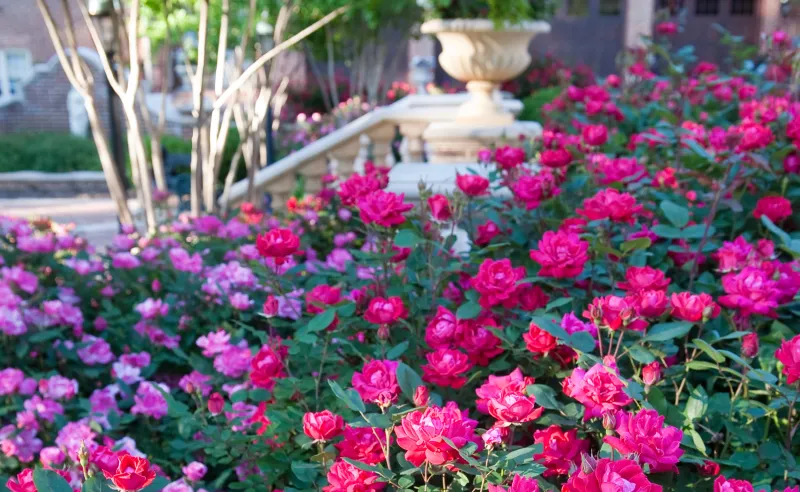
Your Knock Out roses put on a gorgeous show from spring through early summer, and now, in late August, they have gone quiet. Before you reach for fertilizer, pruners, or a spray bottle, there is one thing worth checking first: how dry is the soil down where the roots actually live.
Getting that answer right can make the difference between a plant that rebounds with fall color and one that limps toward the first frost.
A Late-August Lull Does Not Mean the Rose Is Finished
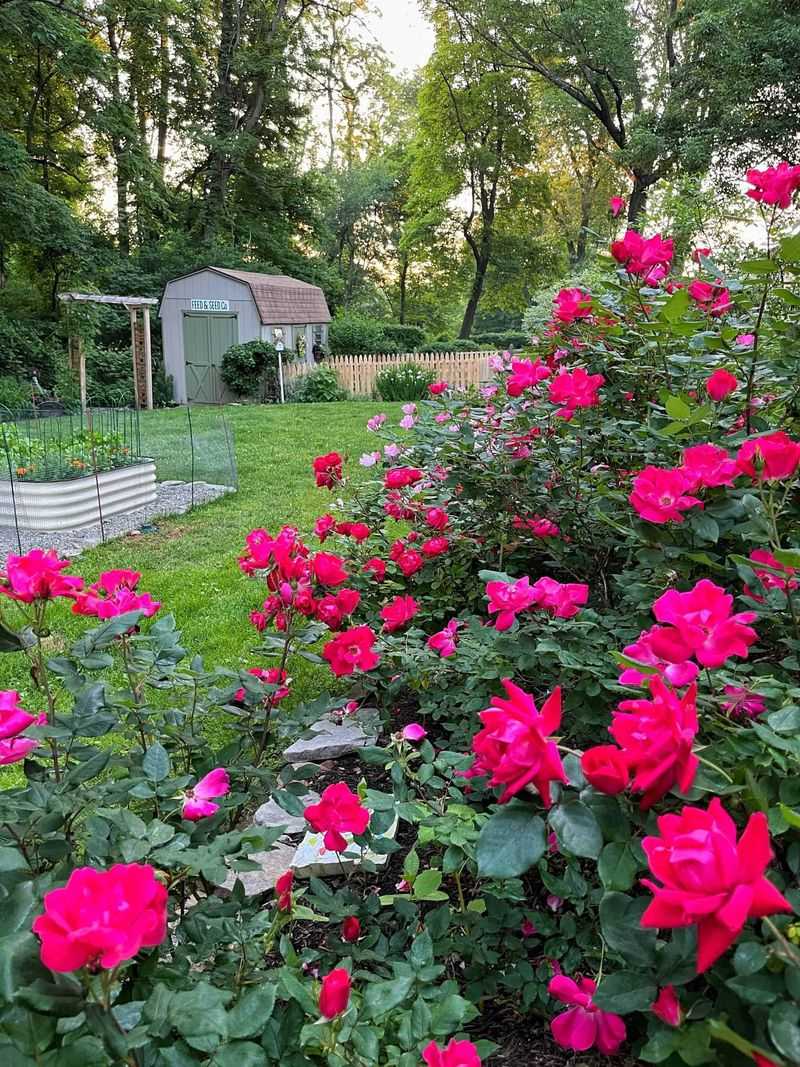
Knock Out roses do not bloom in one long, unbroken wave from spring to October. They flower in cycles, with a heavy flush, then a quieter stretch, then another surge of blooms.
A slowdown in late August fits that natural rhythm, and seeing fewer flowers on the bush right now does not mean something has gone wrong.
The official Knock Out care guidance describes this repeat-blooming pattern and confirms that the plant does not require deadheading to cycle back into flower. These roses are self-cleaning, meaning spent petals drop on their own and new buds form without any help from a gardener with a pair of scissors.
A temporary pause is part of the package, not a sign of failure.
What October actually looks like on your specific plant depends on several things: how much moisture the root zone has held through the summer heat, how many hours of direct sun the bush receives each day, whether disease pressure has been building quietly under the foliage, and when your part of North Carolina typically sees its first frost. Star Roses and Plants documents Knock Out roses as reblooming from spring to frost, but that description reflects potential, not a fixed promise for every plant in every yard.
Before reaching for fertilizer, pruners, or a pesticide, the most useful first step is a simple soil check. Push a finger or a long screwdriver into the ground near the base of the plant and see how far down the moisture goes.
That one observation will tell you more about what the rose needs right now than almost anything else you can do.
Check Deep Soil Moisture Before You Try Anything Else
Roots do not live at the soil surface. A Knock Out rose that has been in the ground for more than one season has roots reaching well below the top inch or two, which means a quick feel of the surface tells you very little about what the plant is actually experiencing.
The practical test is to push a long screwdriver, a soil probe, or even a sturdy stick about 12 inches into the ground near the drip line of the plant. If it slides in easily and comes out with some moisture clinging to it, the root zone has water.
If the tool meets resistance and comes out dry, the plant is running short.
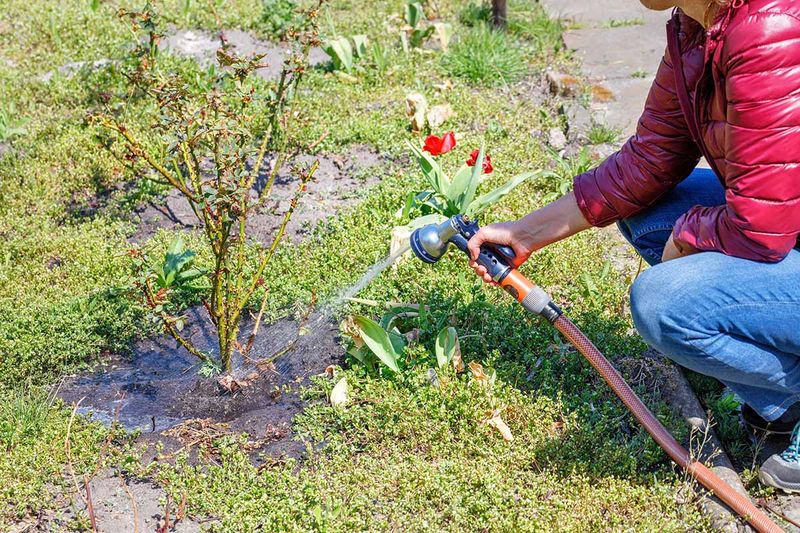
Knock Out’s care guidance recommends watering slowly at the base until the soil is wet roughly 12 to 18 inches deep, and that target is worth taking seriously in a North Carolina August. The Piedmont and Coastal Plain can go weeks with little meaningful rainfall during summer, and even the mountains can see dry stretches that stress established plants.
When the root zone is dry, watering deeply is the right first correction, not fertilizer, not pruning, not a spray treatment.
Clemson Extension’s guidance on growing roses also recommends deep rather than frequent, shallow watering because water delivered only to the top few inches encourages surface roots that are more vulnerable to heat and drought. Roots follow moisture downward, so consistent deep watering over a season builds a more resilient root system that can better sustain the plant through late-summer stress.
Research backs the connection between water availability and rose flowering. A peer-reviewed study on roses under reduced water availability found fewer buds and poorer flower development under water deficit conditions.
That research was conducted on potted miniature roses, so it does not set an exact watering schedule for every landscape Knock Out rose in North Carolina, but it supports the general principle: a plant running dry has less capacity to push new blooms.
When you water, go slowly. A slow trickle from a hose held at the base, a soaker hose, or a drip line gives water time to move down through the soil rather than running off across the surface.
Water until you can probe the soil and feel moisture at depth, then let the weather and your soil type guide how often you repeat the process.
Use Mulch and Base Watering Without Saturating the Roots
Getting water into the root zone is only part of the job. Keeping it there through the heat of a North Carolina August is the other half.
A 2 to 3 inch layer of mulch spread around the base of the plant, extended out to the drip line, slows evaporation from the soil surface, moderates soil temperature, and suppresses weeds that would compete for moisture. Pine straw, shredded hardwood bark, and wood chips all work well for this purpose.
One detail matters: keep the mulch pulled back an inch or two from the canes and the base of the stem. Mulch piled against the plant holds moisture against the bark, which can encourage rot and create a hiding spot for insects.
NC State Extension’s disease and disorder guidance notes that reducing soil splash onto foliage is an important cultural practice for managing rose diseases, and a proper mulch layer helps with that too by acting as a physical barrier between wet soil and lower leaves.
Where and when you apply water also affects plant health. Directing water at the soil rather than over the foliage keeps leaves drier, which matters because wet foliage overnight creates conditions that favor fungal disease.
Watering in the morning gives any moisture that does land on leaves time to dry before evening. Soaker hoses and drip irrigation do this naturally and are worth the modest investment if you are watering established roses through a dry summer.
Overwatering is a real risk, and more water is not always the answer. If the lower leaves on your rose are turning yellow, feeling limp, or dropping without obvious disease spots, the plant may already have more water than it can use.
Roots sitting in saturated soil lose access to oxygen, and a plant under that kind of stress will also stop flowering. Check the soil before you water again.
The goal is consistent moisture at depth, not a constantly wet root zone.
Check Sunlight and Heat Before Blaming Fertilizer
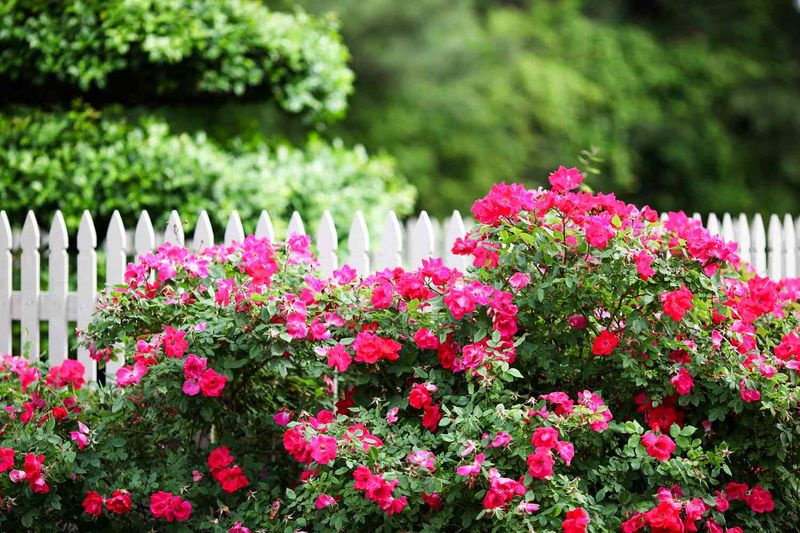
Once you have confirmed the root zone has adequate moisture and the plant is not sitting in waterlogged soil, the next thing to look at is light. Knock Out’s care guidance calls for 6 to 8 hours of full sun daily, and that requirement does not relax in the fall.
A rose planted under a tree that has filled out since spring, or one now shaded by a fence or neighboring shrub, may be getting far less light than it did when it was first planted. Reduced sun limits the energy available for new flower production, and no amount of watering or fertilizer will fully compensate for that deficit.
Heat is a separate factor worth considering. Extreme summer temperatures can slow or temporarily pause flowering on many plants, including roses.
This is not the same as dormancy, and it does not mean the plant is dying. Star Roses and Plants describes Knock Out roses as performing well across a wide range of conditions, but even a heat-tolerant plant under sustained high temperatures may put energy into survival rather than bloom production during the hottest weeks of the year.
Transplant stress is another possibility if the rose was moved or installed within the past year. A recently planted rose may be directing its resources toward root establishment rather than flowering, and a late-summer lull in a young plant is not necessarily a sign that anything is wrong with your care routine.
Work through these possibilities in order. Check moisture first, then confirm sun exposure, then consider heat and plant age.
If all of those look reasonable and the plant is otherwise healthy, the pause may simply be the normal gap between bloom flushes. The next wave of flowers often follows once temperatures ease slightly in early fall, provided moisture stays consistent and sunlight remains adequate.
Late-Summer Fertilizer and Hard Pruning Can Backfire
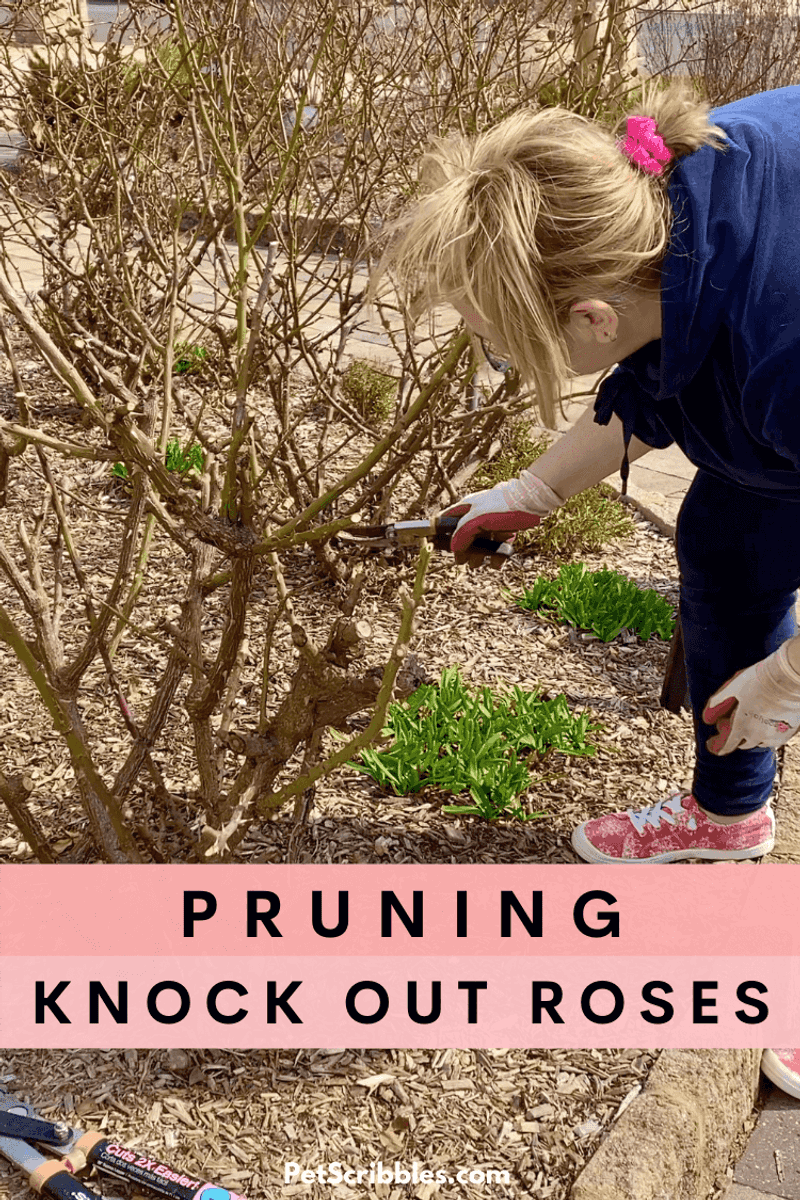
When roses slow down, the instinct to do something is understandable. Fertilizing feels productive, and cutting the plant back looks decisive.
Both of those responses, applied in late August, can actually set the plant back rather than push it forward.
Knock Out’s official guidance advises against fertilizing late in summer because the nitrogen in most rose fertilizers stimulates soft, fast-growing new shoots. In late August and September across North Carolina, an early frost is a real possibility, especially in the Piedmont and mountains.
That tender new growth, forced by fertilizer at the wrong time, has not had a chance to harden and is highly vulnerable to frost damage. The result can be dieback that weakens the plant heading into winter.
Star Roses and Plants’ fall care guide similarly recommends stopping fertilizer by late summer to allow plants to begin hardening naturally before cold weather arrives.
Hard pruning carries a related risk. Cutting the plant back significantly in late summer removes the stems that would otherwise carry the next flush of buds, and it stimulates the same kind of soft new growth that late-season fertilizer does.
Major shaping, including any cutting back by more than a third, belongs in late winter or very early spring before new growth begins. NC State Extension’s rose guidance supports reserving significant pruning for that late-winter window rather than attempting to reshape plants in the fall.
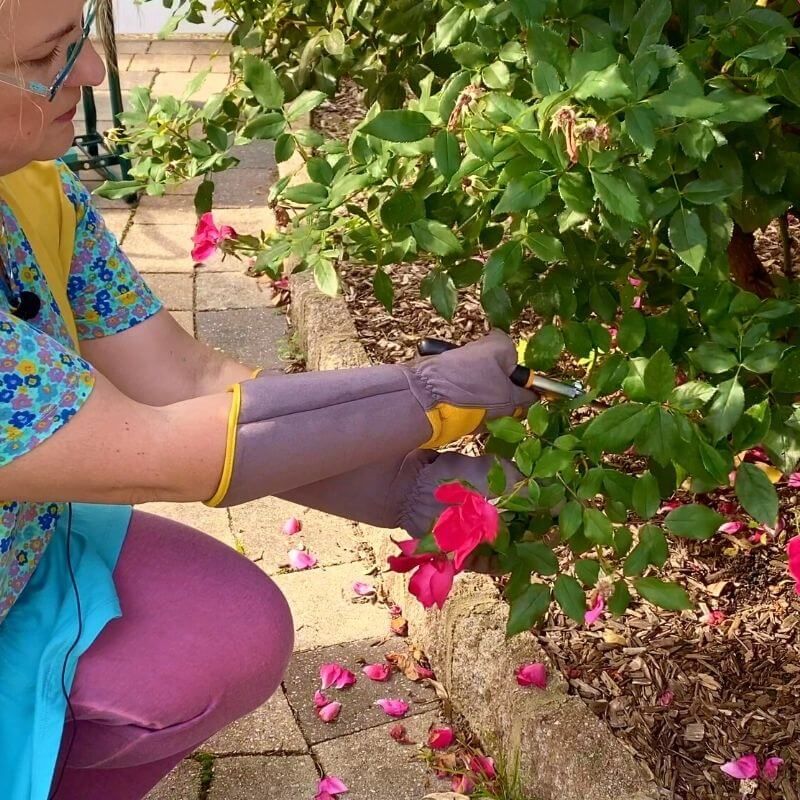
Knock Out roses are also self-cleaning, meaning they drop their spent petals and cycle into the next bloom without any deadheading required. Removing old blooms is a cosmetic choice, not a cultural requirement, and skipping it will not cause the plant to stop flowering.
If you want to tidy the plant up, removing clearly dead or broken canes is fine at any time of year. Beyond that, set the pruners down and let the plant do its job.
Disease Signs Require a Different Response
A bloom pause by itself is not enough evidence to conclude that disease is the problem. But if the pause comes with visible changes to the foliage or plant structure, a closer look is worth your time before deciding how to respond.
Black spot is the most common rose disease in North Carolina and one that Knock Out roses, despite their strong disease resistance, are not entirely immune to. NC State Extension’s disease and disorder guidance identifies black spot as a fungal disease that causes circular dark spots on leaves, yellowing, leaf drop, and, over time, reduced flower production and overall plant weakening.
A plant losing leaves to black spot is under stress that affects its ability to push new blooms, so addressing the disease is part of supporting fall flowering. The cultural response starts with removing and disposing of infected or fallen leaves, improving airflow around the plant, and keeping water off the foliage by watering at the base.
These steps reduce the conditions that favor the fungus without requiring any spray treatment as a first move.
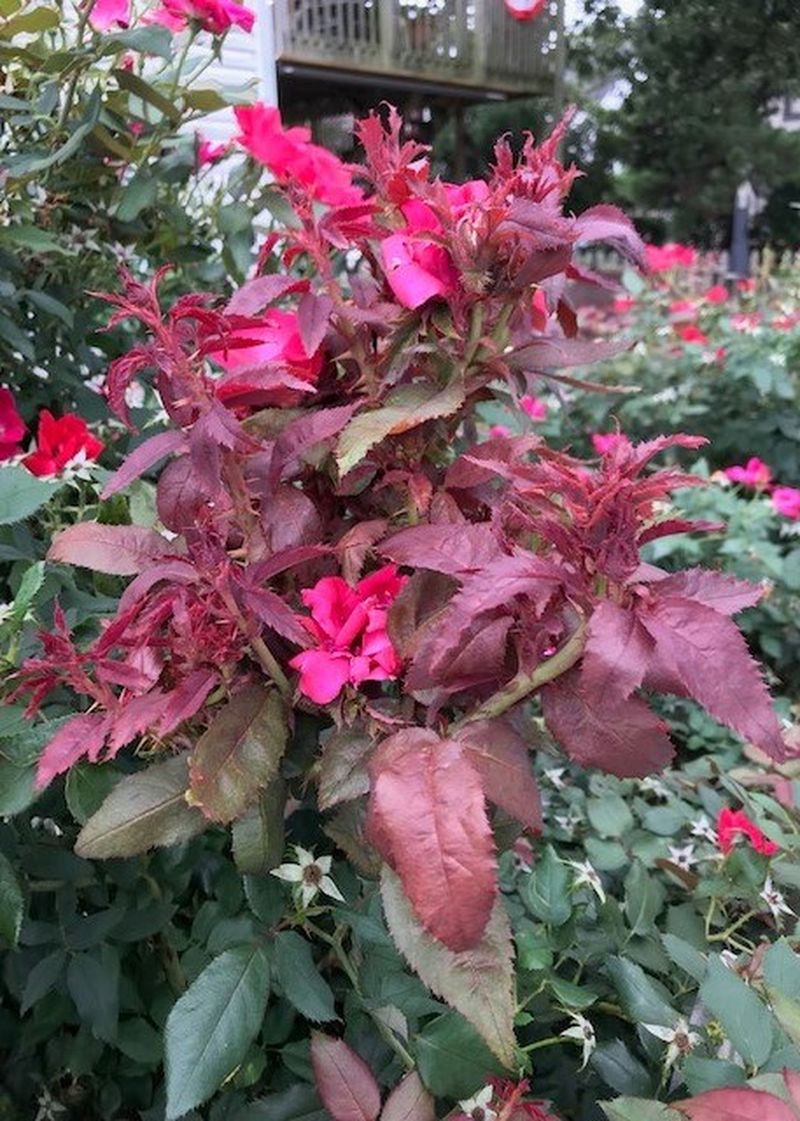
Rose rosette disease is a more serious concern and one that looks different from ordinary stress or black spot. Watch for any of these signs: excessive thorniness on new growth, elongated red shoots that look distorted or elongated compared to normal canes, growth that fans out into a dense cluster of stunted shoots sometimes called witches’-broom, or flowers that are deformed, discolored, or smaller than usual.
USDA Agricultural Research Service reporting on rose rosette virus identifies the disease as viral and spread by a tiny eriophyid mite, and a USDA diagnostic guide for rose rosette disease notes that diagnosis can be difficult because symptoms can overlap with herbicide drift, nutrient problems, and other conditions.
Do not attempt to treat suspected rose rosette disease with fertilizer, routine pruning, or insecticide. These responses will not address a viral infection and may delay getting the plant properly evaluated.
If you see the warning signs described above, contact your local NC State Extension office or submit a sample to the NC State Plant Disease and Insect Clinic for a confirmed diagnosis before taking further action. A confirmed case typically requires removing and disposing of the plant to prevent spread to nearby roses.
Support Fall Blooms Without Expecting a Guarantee
Pulling everything together into a practical late-August routine does not require much time. Start at the base of the plant and check the root zone for moisture.
If the soil is dry well below the surface, water slowly at the base until moisture reaches 12 to 18 inches deep. Refresh or add mulch to a 2 to 3 inch depth around the plant, keeping it clear of the canes.
Confirm the bush is still getting close to 6 to 8 hours of direct sun each day, and if you are watering by hand, do it in the morning so foliage stays dry through the night.
Leave the fertilizer on the shelf and put the pruning shears away except for removing anything dead or broken. Knock Out roses are documented as reblooming from spring to frost, and the brand’s own care guidance supports deep watering and mulch as the primary cultural tools for sustaining plant health through seasonal stress.
Star’s fall care guide reinforces stopping fertilizer by late summer so the plant can begin the gradual hardening process before cold weather arrives in North Carolina.
October blooms are a genuine possibility for a healthy, well-watered Knock Out rose, but the timing and abundance vary by location, frost date, disease history, and the condition of each individual plant. Restoring deep moisture when the soil is dry is the right first move when late-summer stress is the cause of a bloom pause.
What it cannot do is override every other variable between now and the first frost.