
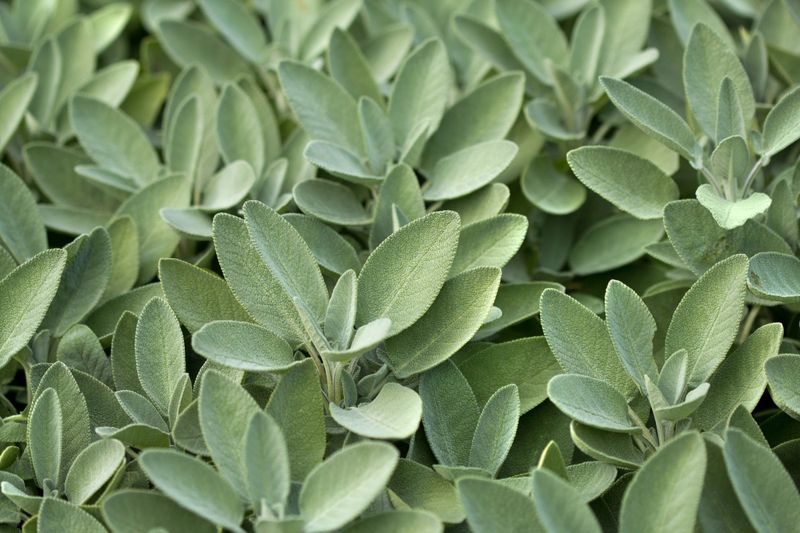
Most herb gardens in North Carolina start looking rough by August, with wilted leaves, burnt edges, and plants that gave up weeks ago. One herb quietly holds its own in the heat when it has the right spot, and most gardeners walk right past it at the nursery.
Common culinary sage, Salvia officinalis, deserves a second look from anyone tired of replanting tender herbs every time a heat wave rolls through. Read on to find out whether this Mediterranean-born plant belongs in your Coastal Plain, Piedmont, or Mountain garden.
Common culinary sage makes a plausible answer
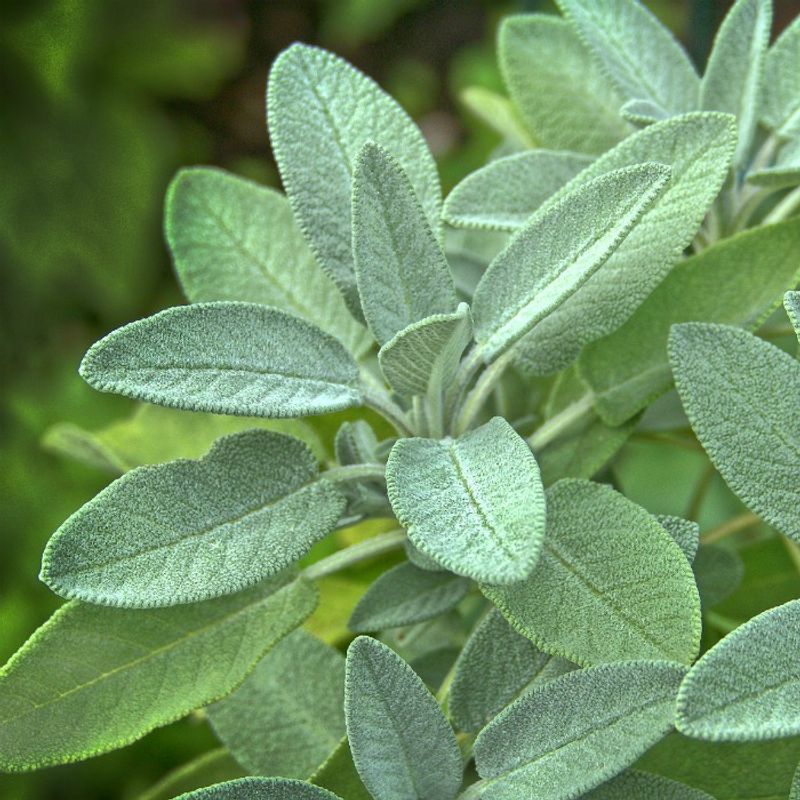
After all the buildup, here is the answer: common culinary sage, Salvia officinalis, is the herb this article is built around. NC State Extension describes it as a low-maintenance, aromatic, edible, semi-woody perennial that prefers full sun and well-drained, medium-to-dry soil, and tolerates drought and poor soil after establishment.
Those are exactly the traits that make it worth considering when late-summer heat presses down on North Carolina gardens.
Calling sage “the most underrated” herb is an editorial judgment, not a measured ranking. Plenty of experienced gardeners already grow it, and other herbs also handle summer heat reasonably well.
What makes sage worth singling out is the combination of culinary value, low fuss after establishment, and a silvery-green look that holds up better than many leafy herbs when rain gets scarce.
NC State lists common sage as suitable for the Coastal Plain, Piedmont, and Mountains, which covers the full range of North Carolina’s main gardening regions. Even so, local performance will depend on drainage quality, cultivar selection, winter exposure, and the specific microclimate of your yard.
A south-facing bed with sandy loam will behave very differently from a north-facing clay slope, even if both are technically in the same region.
One more thing worth settling early: common culinary sage is not a North Carolina native. It originated in the Mediterranean region.
That distinction matters for conversations about native-wildlife habitat, and it will come up again near the end of this article. For now, think of it as a well-adapted introduced plant that can fit comfortably into a sunny, well-drained North Carolina garden without demanding constant attention.
Treat 95°F as a heat example, not a promise
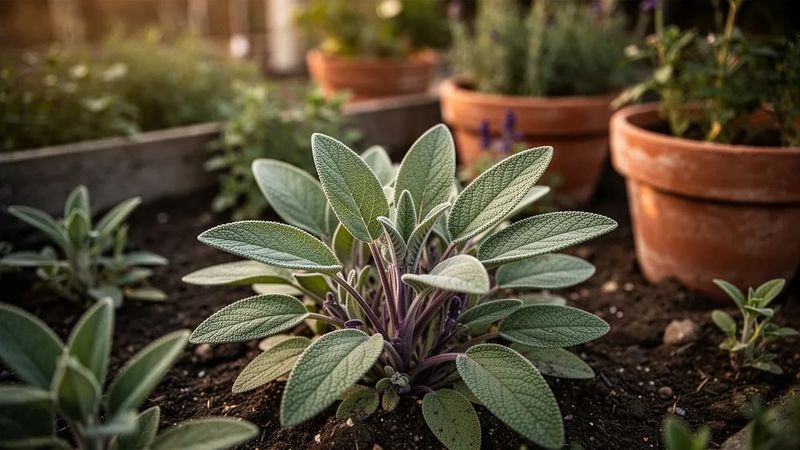
The title mentions 95 degrees, and that number deserves an honest explanation before anyone plants based on it. No authoritative source reviewed for this article establishes 95 degrees Fahrenheit as a specific temperature at which common sage reliably continues thriving.
Think of it as a shorthand for the kind of punishing late-summer heat that North Carolina gardeners know well, not a verified performance threshold.
What the evidence does support is that sage prefers full sun and can tolerate drought and poor soil after it becomes established. NC State’s plant profile confirms those characteristics, and they are the realistic basis for expecting sage to hold up better than more tender herbs during hot, dry stretches. “Better than basil in August” is a reasonable expectation. “Guaranteed to look lush at any temperature” is not.
Heat stress remains possible, especially for plants that were put in the ground shortly before a heat wave, plants growing in containers that heat up quickly, or plants that have become root-bound. Any of those situations can push a sage plant into visible stress regardless of how well-adapted the species generally is.
The bigger vulnerability for sage in North Carolina is not heat alone. The real problem is the combination of warm, humid conditions and wet or poorly drained soil.
Southern Extension guidance identifies root rot as a concern for herbs in these conditions, and NC State’s Phytophthora resource notes that root rot diseases thrive when warm temperatures combine with saturated soil. Sage sitting in soggy ground during a humid August heat wave is far more likely to decline than sage growing in a well-drained, sunny bed through the same conditions.
The practical takeaway is straightforward: drainage matters more than the temperature reading on any given afternoon. Get the soil situation right, and sage has a reasonable chance of staying presentable through summer’s worst weeks.
Give sage the conditions it prefers
Choosing the right site is the single most important decision when growing sage in North Carolina. Full sun is non-negotiable: at least six hours of direct sunlight per day.
Less than that, and the plant becomes leggy and more prone to disease. Pair that sun exposure with well-drained, medium-to-dry soil, and you have covered the two conditions that matter most.
NC State’s profile for Salvia officinalis specifically warns that the plant is intolerant of wet or poorly drained conditions. If your yard has heavy clay or a spot that holds water after rain, do not plant sage directly into that ground.
The fix is straightforward: build or buy a raised bed, form a low mound of amended soil, or use a container. Any of those options puts the roots above the drainage problem.
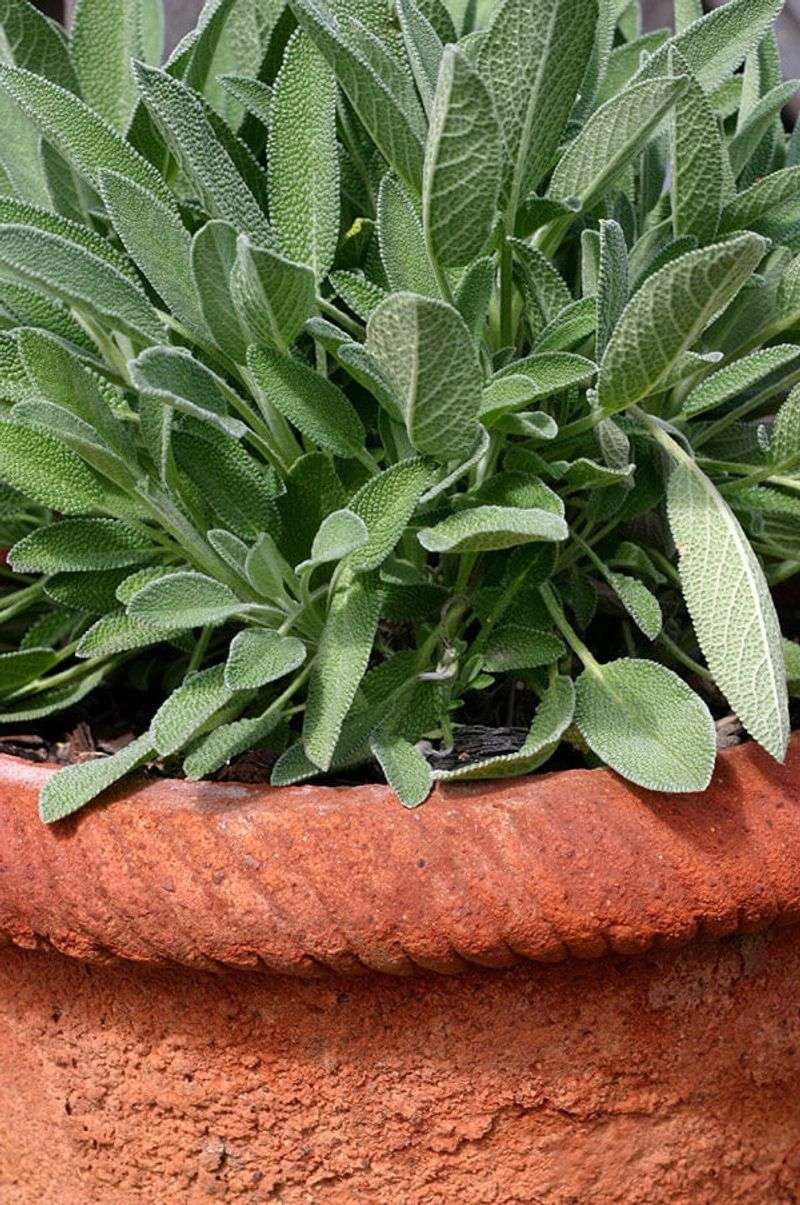
For containers, Southern Extension guidance recommends a lightweight, well-drained potting mix and drainage holes in the bottom of the pot. Without drainage holes, water pools at the root zone and creates exactly the wet-root problem sage cannot tolerate.
Terra cotta pots dry out faster than plastic, which can be an advantage for sage in humid North Carolina summers.
Watering during establishment deserves special attention. Drought tolerance is a characteristic of established sage, not a free pass on water from day one.
Penn State Extension’s herb guide notes that newly planted herbs need regular moisture until their root systems settle in. Plan to water consistently for the first four to six weeks, then scale back as the plant matures.
Container plants need more frequent checks than in-ground plantings, especially during heat waves. Southern Extension notes that herbs in containers may need water as often as daily in hot weather, while also cautioning that overwatering is its own problem.
Check the top inch of soil before reaching for the hose.
A 2- to 4-inch layer of organic mulch around the base of the plant can help moderate soil temperature and slow moisture loss. NC State’s Extension Gardener Handbook and its container gardening chapter both recommend mulching as a practical moisture-management tool.
Keep the mulch a few inches away from the plant stem to allow airflow and reduce the chance of stem rot.
Prune for useful growth without forcing it
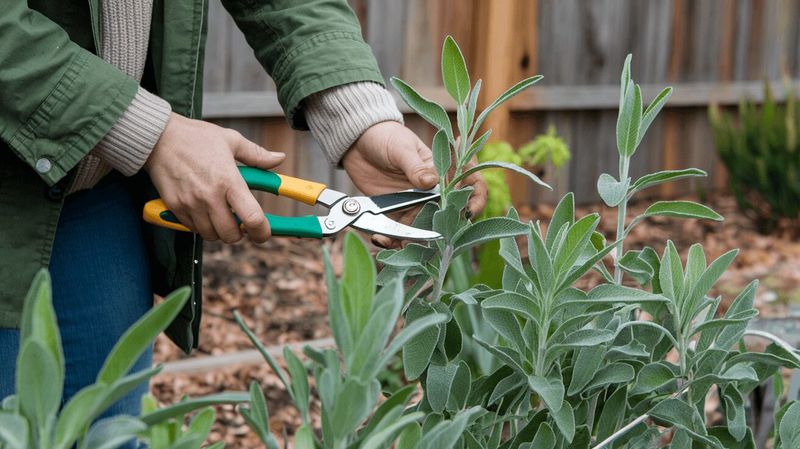
Routine pruning keeps sage from turning into a sprawling, woody tangle, but the technique matters as much as the timing. Start in spring, once new growth is clearly visible and frost risk has passed.
Light shearing at that point encourages fresh shoots and helps the plant stay compact heading into the growing season. A similar light trim after the main flowering period can redirect energy back into foliage rather than seed production.
NC State’s sage profile includes a clear warning: do not cut deeply into old woody stems. Unlike many shrubs, common sage may not push new growth from hard, mature wood.
Cutting back too aggressively into those older sections can leave a plant with dead stubs and no recovery. The safe approach is to remove the current season’s growth and softer stems, leaving the woody base intact.
Even with good pruning habits, common sage is a semi-woody, short-lived perennial. That means it will not stay in peak condition indefinitely.
After two to four years, many plants become noticeably woody at the base, produce fewer flavorful leaves, and look sparse even with regular trimming. Planning for eventual replacement, rather than expecting a permanent fixture, is the realistic mindset.
Late-summer appearance depends heavily on conditions earlier in the season. A sage plant that went into the ground in good soil, got adequate water during establishment, and was pruned lightly in spring has a reasonable chance of looking presentable through August.
One that was stressed by drought, overcrowding, disease, or poor drainage earlier in the year may look ragged well before the heat peaks. Pruning helps, but it cannot fully compensate for a rough start or an unsuitable site.
Harvest and dry the leaves for the kitchen
Morning is the best time to cut sage for the kitchen. After the dew dries but before the afternoon heat builds, the leaves hold the highest concentration of aromatic oils.
NC State’s herb harvesting guide recommends this timing for fresh-cut herbs generally, and sage is no exception. Cutting in the heat of the day or after rain can reduce flavor and make the leaves more prone to wilting before you get them inside.
For leaves you plan to dry, timing the harvest to just before the flowers open gives you the strongest flavor. Once the plant shifts energy into blooming, leaf quality often drops slightly.
Catching the plant at the flower-bud stage gives you a useful window that balances quantity and flavor intensity.
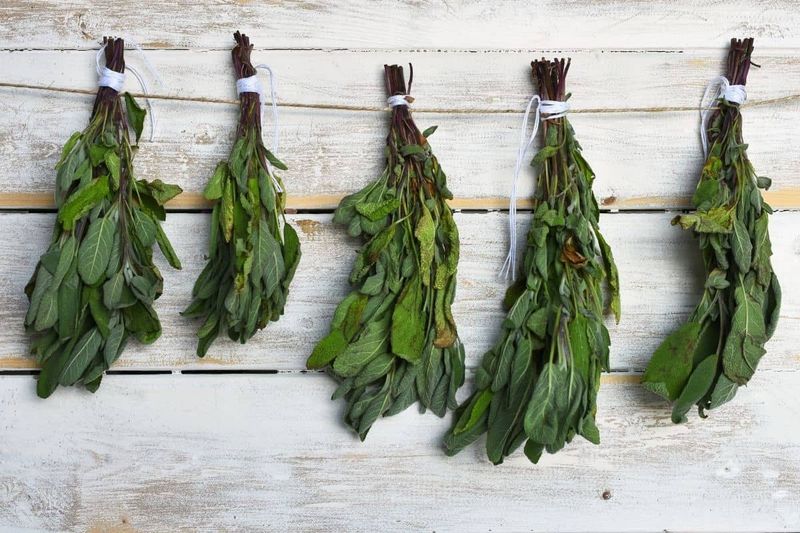
Air-drying works well for sage because the leaves are relatively thick and hold their oils during the drying process. Gather small, loose bundles, tie them at the stem end, and hang them upside down in a spot that is dry, dark, and well-ventilated.
Penn State Extension’s herb-drying guide notes that good airflow is essential for preventing mold during the drying period, which typically takes one to two weeks depending on humidity and bundle size.
A food dehydrator speeds the process considerably and is especially useful during humid North Carolina summers when air-drying can be slow or uneven. Set the dehydrator to a low herb-drying temperature, usually around 95 to 115 degrees Fahrenheit, and check the leaves after a few hours.
They should crumble cleanly when fully dry.
Once dried, store the leaves whole in an airtight container kept away from heat, light, and moisture. A glass jar with a tight lid in a cabinet away from the stove works well.
Whole dried leaves hold flavor longer than pre-crumbled ones, so crush or rub them just before use. Properly stored dried sage typically stays flavorful for about one year.
Identify the culinary plant before you cook
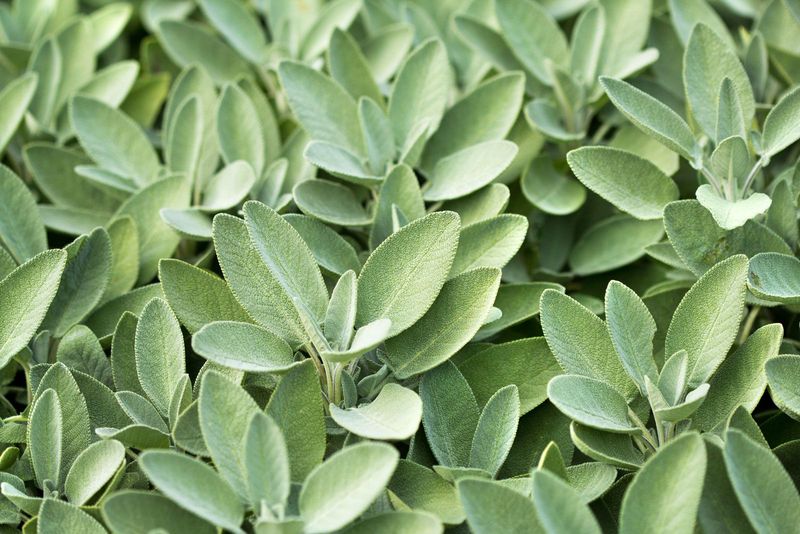
Walking through a nursery or garden center, you will find shelves of plants labeled “sage,” and not all of them belong in your kitchen. The plant this article covers is Salvia officinalis, common culinary sage.
NC State’s profile for Salvia officinalis specifically advises against using ornamental cultivars when cooking is the goal, because flavor can be suboptimal and the plants may not have been grown or selected for culinary use.
The Salvia genus is large. NC State’s broader Salvia page lists many species that differ significantly in flavor, hardiness, bloom period, and landscape performance.
Blue sage, Salvia farinacea, is a popular ornamental in North Carolina gardens and attracts pollinators well, but it is not a culinary herb. Pineapple sage, meadow sage, and other species carry the sage name but serve different purposes.
When buying plants for cooking, look for the botanical name Salvia officinalis on the label.
Using sage as a kitchen seasoning in normal culinary quantities is generally considered safe for healthy adults. The concern arises with concentrated preparations, which are a different matter entirely.
The National Center for Complementary and Integrative Health notes that sage contains thujone, a compound that can be toxic in large amounts or with prolonged high-dose use. Sage essential oil is not the same as cooking with fresh or dried leaves, and should not be used internally without guidance from a qualified healthcare provider.
NCCIH also flags specific cautions for certain groups. Sage may be unsafe during pregnancy, and its safety during breastfeeding has not been well established.
Anyone managing a health condition or taking medications should check with their doctor before adding sage supplements or concentrated sage products to their routine. For everyday cooking, rubbing a few dried leaves into a pan of roasted vegetables or a pot of beans, the safety picture is much simpler and well within normal culinary tradition.
Compare sage with oregano without declaring a winner
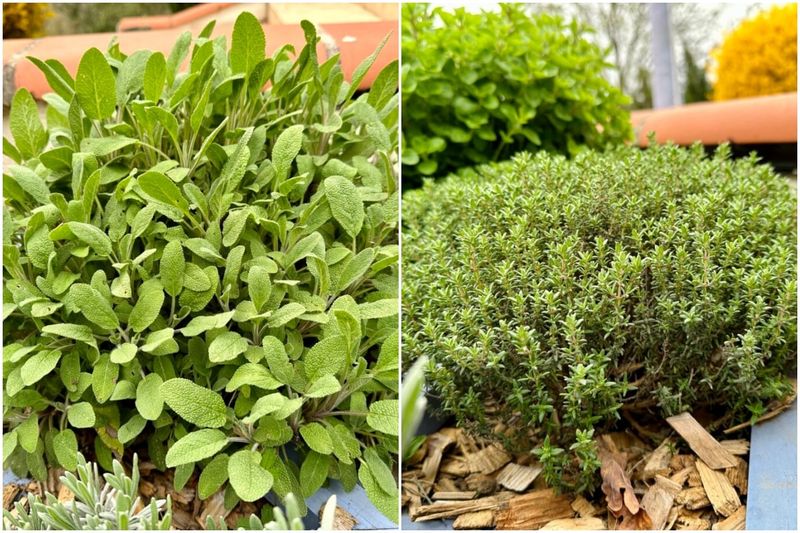
Sage is not the only herb worth considering for a hot, dry North Carolina garden. Oregano deserves an honest comparison rather than a dismissal, and the right choice between them depends more on your specific site than on any general ranking.
NC State’s oregano profile describes it as heat-tolerant, drought-tolerant, and adaptable to dry and poor soil, which puts it on similar footing with sage for sunny, well-drained spots. NC State also lists oregano as suitable across North Carolina’s three main regions, and notes that it tolerates erosion-prone slopes well.
For a gardener with sandy, fast-draining soil and a full-sun exposure, oregano can be just as practical a choice as sage.
The limitations overlap, too. Oregano is also intolerant of hot, humid conditions combined with poorly drained soil, a pattern that will sound familiar after the earlier discussion of sage’s main weakness.
Southern Extension guidance on container and raised-bed herb growing applies equally to both plants: drainage is the deciding factor, not which species has a stronger reputation for toughness.
One practical difference worth noting is spread. Oregano can travel through underground rhizomes and may expand beyond its original planting area over time.
In a mixed herb bed or near a lawn edge, that spreading habit can become a maintenance issue. Monitoring the plant’s boundaries or using a buried edging barrier keeps it manageable.
Sage does not spread the same way, which makes it easier to contain in a defined space.
Flavor preference is probably the most useful deciding factor for most home cooks. Sage suits poultry, stuffing, beans, and browned butter preparations.
Oregano leans toward tomato-based dishes, grilled meats, and Mediterranean cooking. If your kitchen uses both regularly, there is no reason you cannot grow both, provided each gets a sunny, well-drained spot.
Use sage as a garden complement, not a native substitute
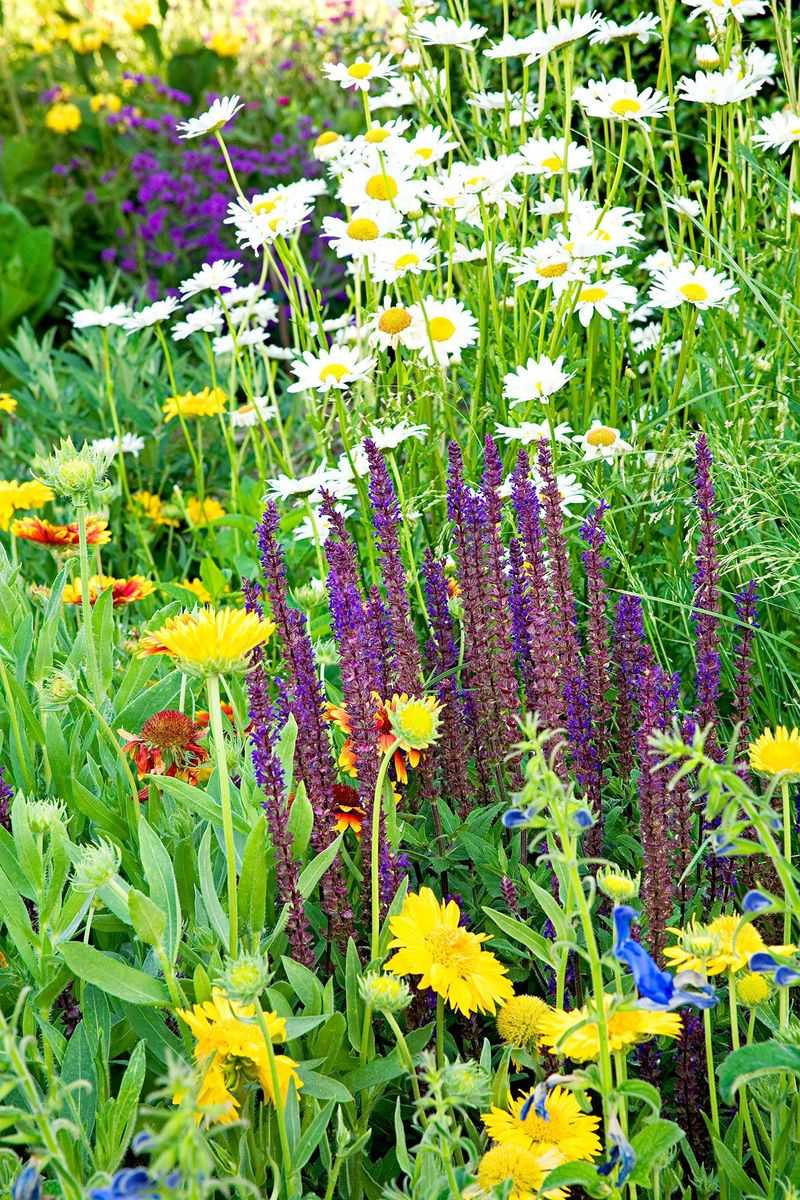
Sage flowers are small, tubular, and purple-blue, and they attract bees and butterflies reliably when they are open. That pollinator value makes sage a reasonable addition to herb gardens, rock gardens, cottage borders, drought-tolerant plantings, or any sunny bed where you want a plant that earns its space on more than one level.
NC State’s Salvia officinalis profile confirms those landscape uses and the supplemental wildlife benefit.
The word “supplemental” matters here. Common culinary sage is an introduced Mediterranean herb, not a North Carolina native, and its wildlife value should not be overstated relative to plants that evolved alongside local insects and birds.
The broader Salvia genus page at NC State includes both native and non-native species, and the distinction carries real weight for gardeners who want to support native bee populations, specialist pollinators, or local food webs. Sage can offer nectar, but it cannot replace the ecological relationships that native plants have built over thousands of years in North Carolina landscapes.
The practical approach is to pair sage with genuinely native plants rather than treating it as a habitat solution on its own. Native salvias, native wildflowers, and regionally appropriate shrubs can anchor the wildlife support in your yard, while culinary sage contributes flavor, texture, and seasonal interest without being asked to carry more ecological weight than it realistically provides.
For the homeowner trying to decide whether sage belongs in their yard, the decision rule is straightforward. Choose Salvia officinalis for a sunny spot with well-drained, medium-to-dry soil when you want a low-maintenance culinary herb that may hold onto its foliage and remain harvestable through stretches of late-summer heat.
Go in knowing that performance is not guaranteed at any specific temperature, that drainage and establishment care matter more than the forecast, and that every microclimate is a little different. Sage rewards the gardener who reads the site carefully and plants accordingly, and it asks for very little once it finds its footing.