
Raised beds can turn any North Carolina yard into a food-growing machine, but not every vegetable is happy in our hot, humid summers and clay-heavy soil. Some crops sulk, bolt, or rot before you ever get a harvest, while others just keep producing from spring right through fall.
Knowing which plants fit our Piedmont, coastal plain, and mountain conditions saves you money, time, and a whole lot of frustration. Here are seven veggies that tend to flop in NC raised beds and seven dependable winners that earn their spot all season long.
1. Cool-Weather Lettuce
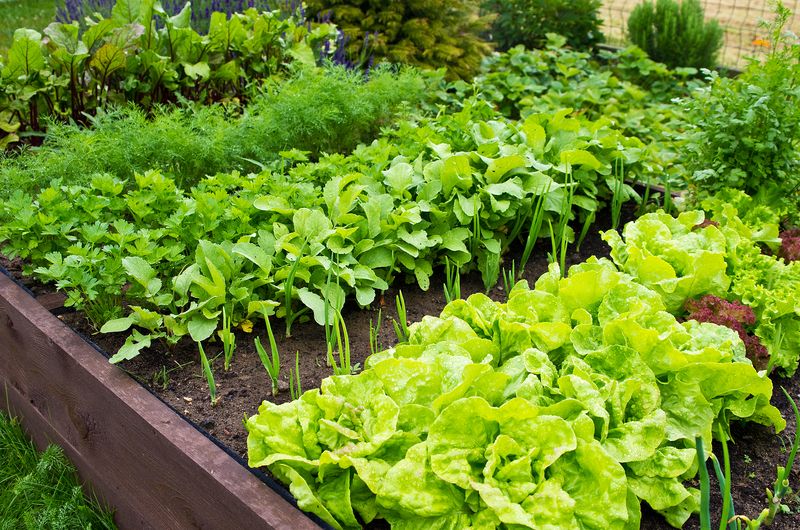
Few things disappoint a new gardener faster than watching a beautiful row of lettuce shoot up tall, turn bitter, and go to seed almost overnight. In North Carolina, that heartbreak usually arrives by late May.
Lettuce loves cool, mild days, and our summers slam the door on that pretty quickly. Raised beds actually make the problem worse because they warm up faster than the ground, pushing lettuce to bolt even earlier.
You can still grow it in early spring or fall, but treating lettuce as an all-season crop here is asking for trouble. If you crave greens through the heat, swap it for something built for warmth instead of fighting a losing battle.
2. Peas
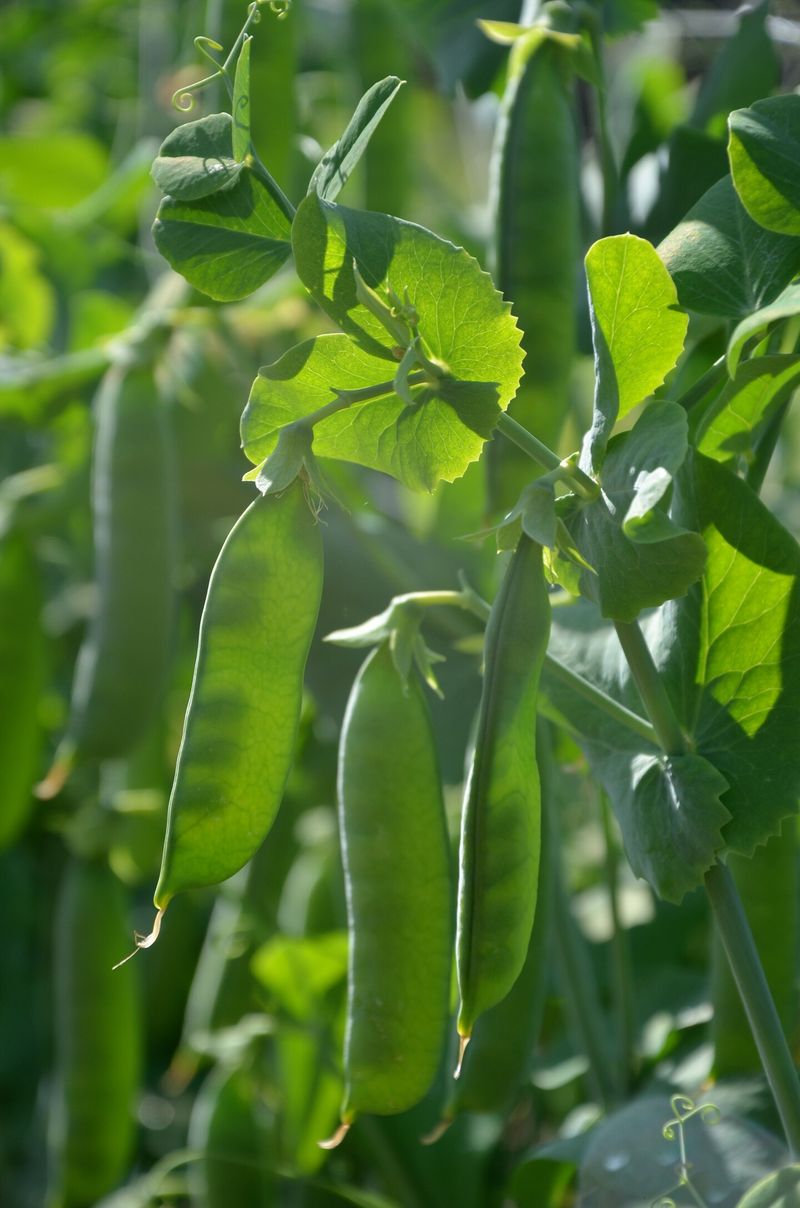
Sweet garden peas taste like spring itself, but they have a stubborn streak that clashes with NC weather. They want to grow when it is cool and moist, and our spring warm-up comes on fast and hard.
By the time pea vines get going, temperatures often climb into the 80s, and the plants respond by producing fewer pods and drying out early. In a raised bed that heats up quickly, that window shrinks even more.
Gardeners in the mountains sometimes get a better run, but for most of the Piedmont and coastal plain, peas fizzle before they truly reward you. A short, frustrating harvest is usually all you get.
3. Cauliflower
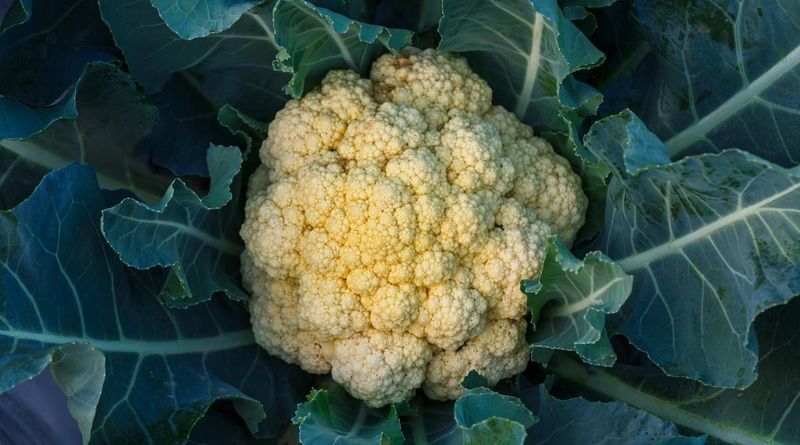
Cauliflower has a reputation for being fussy, and in North Carolina it lives up to every bit of it. This crop demands steady, cool temperatures to form those tight white heads gardeners dream about.
When heat spikes, cauliflower reacts by producing loose, grainy heads or bolting straight to flower. Our unpredictable spring and quick jump into summer make consistent conditions nearly impossible.
Raised beds drain and warm fast, which is great for many plants but rough on a vegetable that wants things chilly and even. Unless you are chasing a narrow fall planting window, cauliflower tends to reward all your babying with disappointment.
4. Celery
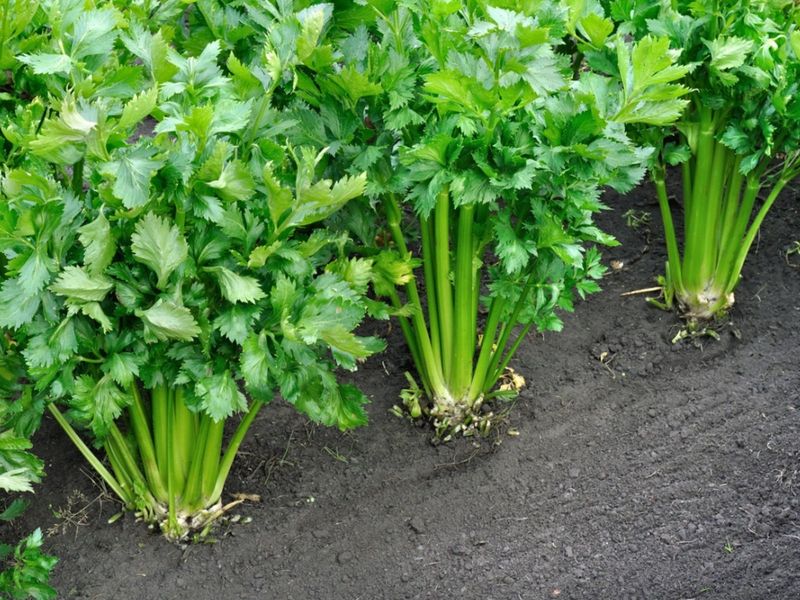
Celery looks simple at the grocery store, but growing it here feels like coaxing a diva through a heat wave. It needs cool weather, constant moisture, and a very long, patient growing season.
North Carolina summers deliver the opposite: heat, humidity, and dry spells that stress the shallow roots. The result is usually thin, stringy, bitter stalks that barely resemble what you hoped for.
Raised beds dry out faster than in-ground gardens, so keeping celery evenly wet becomes a daily chore. For the amount of fussing required, most home gardeners find their bed space is far better used elsewhere.
5. Spinach
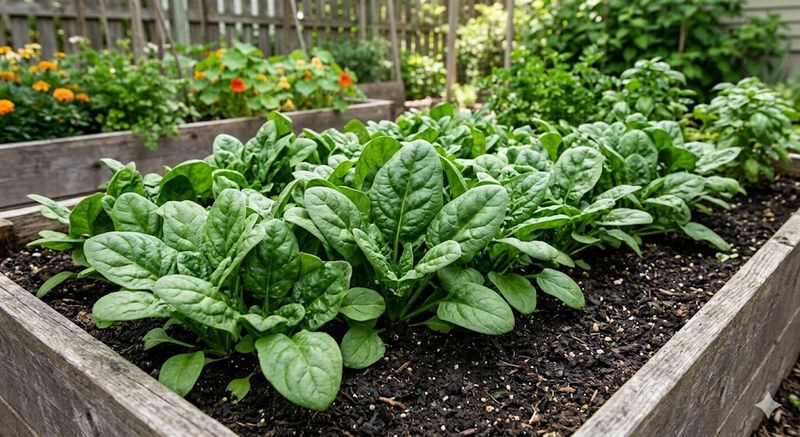
Spinach is a nutritional powerhouse, so it is a shame it dislikes NC summers so intensely. The moment days lengthen and temperatures rise, spinach bolts to seed and turns bitter.
Our springs simply warm up too fast to give spinach the extended cool stretch it craves. Add a raised bed that heats quickly, and you may only get a few tender harvests before it gives up.
Fall plantings do better once the heat breaks, but calling spinach an all-season NC crop would be wishful thinking. Treat it as a brief cool-season treat rather than a summer staple.
6. Brussels Sprouts
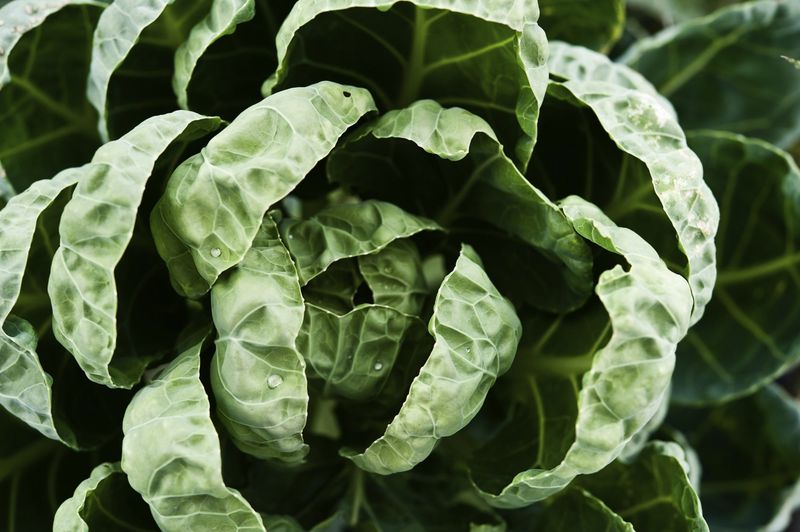
Brussels sprouts test a gardener’s patience like almost nothing else. They need a long, cool stretch of months to form firm, tightly packed sprouts along the stalk.
In North Carolina, our warm shoulder seasons rarely give them enough steady chill, so sprouts often stay loose, leafy, and puffy. Pests like aphids and cabbage worms pile on the misery during warm spells.
Raised beds occupied for months by a crop that may not deliver is a tough trade in a small garden. A well-timed fall planting in cooler counties can work, but this is not a reliable season-long producer for most of us.
7. Rhubarb
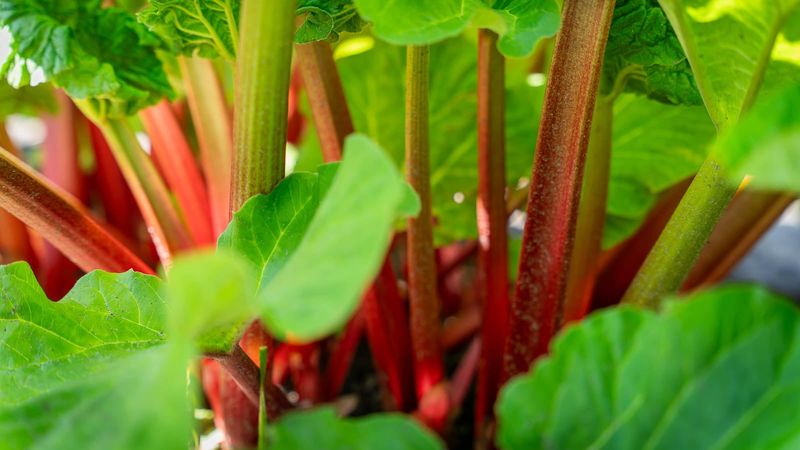
Rhubarb is a beloved pie ingredient up north, but it treats the Southern heat like an insult. This perennial actually needs cold winters to go dormant and thrive, something most of North Carolina cannot offer.
Our hot, muggy summers cause rhubarb to wilt, rot at the crown, and generally sulk. The plants rarely build the strong root systems they need to come back year after year.
Even in the cooler mountains, results are hit or miss at best. If you love that tart flavor, you are better off buying rhubarb and saving your raised bed for crops that actually enjoy the weather.
8. Okra
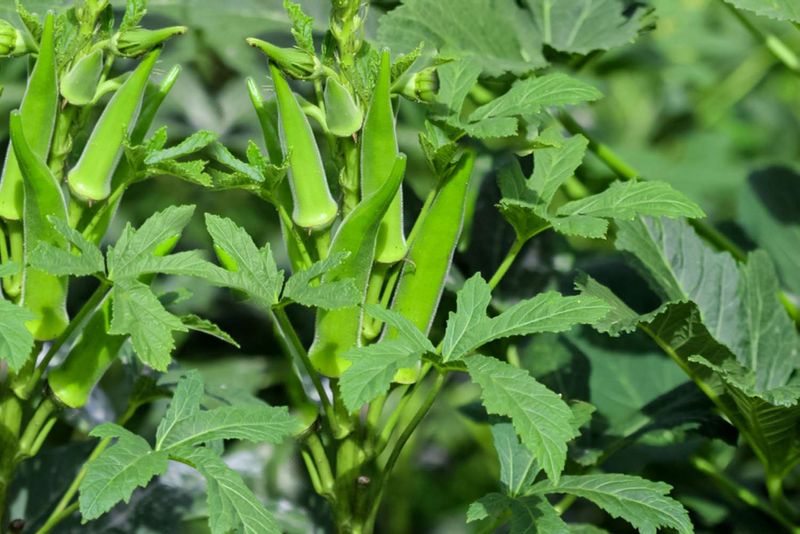
If there were a trophy for loving NC summers, okra would win it hands down. The hotter and muggier it gets, the happier these tall, statuesque plants become.
Okra shrugs off the heat that flattens other vegetables and keeps pumping out tender pods from midsummer well into fall. In a raised bed with full sun, it grows fast and rarely complains.
Its pretty hibiscus-like flowers even attract pollinators, giving your garden a wildlife boost while you harvest dinner. Keep picking pods every couple of days and a few plants will feed a family all season.
9. Sweet Potatoes
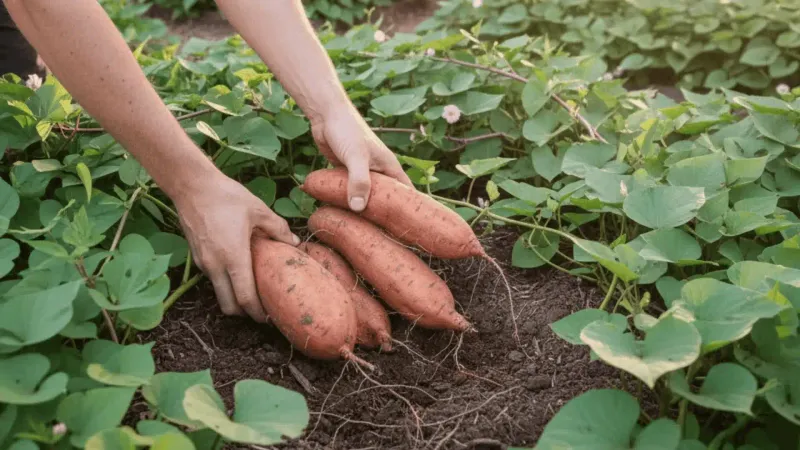
North Carolina is the nation’s top sweet potato producer, and your backyard bed can join the party. These vines relish long, hot summers and loose, well-draining soil, which is exactly what raised beds provide.
Plant slips after the soil warms in late spring, then mostly step back and let them sprawl. The dense foliage shades out weeds and needs very little fuss through the heat.
Come fall, you dig up a hidden treasure of tubers that store for months. Few crops offer this much reward for so little ongoing effort, making sweet potatoes a true NC all-star.
10. Southern Peas (Cowpeas)
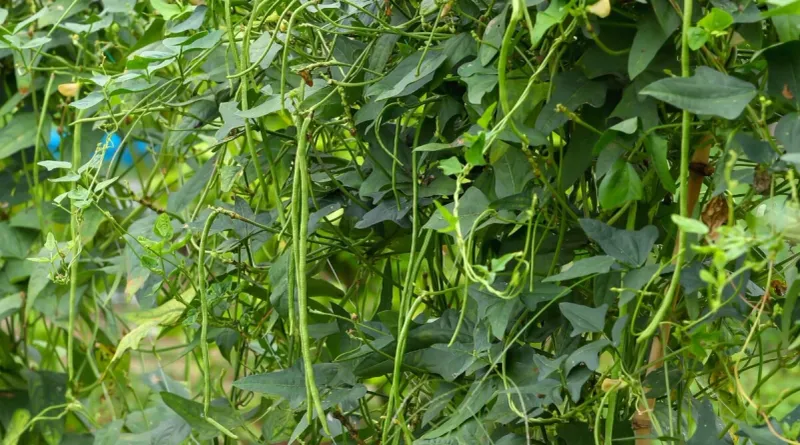
Not to be confused with fussy garden peas, Southern peas like crowder and black-eyed varieties adore the heat that spring peas hate. They were practically made for our climate.
These tough legumes thrive in poor soil and drought, actually improving your bed by fixing nitrogen as they grow. Summer sun that scorches other plants just makes them stretch and produce.
You can harvest them fresh for shelling or let pods dry for a pantry staple. Low-maintenance, heat-loving, and soil-building, cowpeas are the kind of practical crop every NC raised bed should include.
11. Peppers
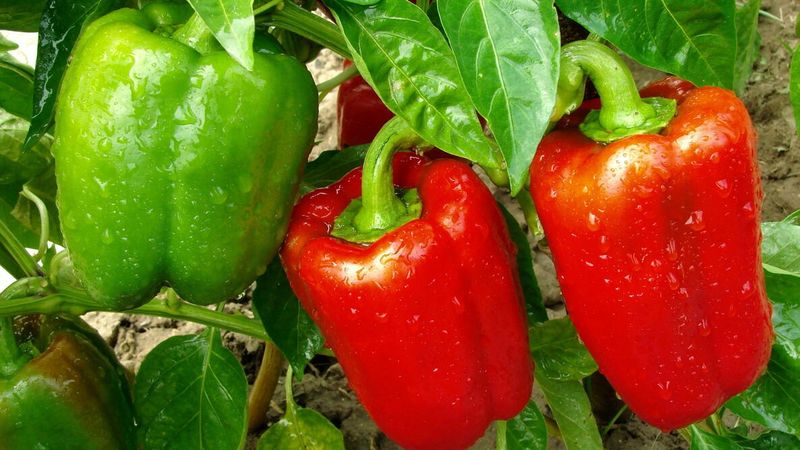
Peppers are the steady workhorses of a Southern raised bed, quietly loading up with fruit while other plants wilt. Both sweet bells and fiery hot varieties handle our long, warm growing window with ease.
Raised beds give peppers the warm roots and sharp drainage they love, encouraging strong plants and heavy sets. Once established, they keep producing from early summer until the first frost.
A little mulch to hold moisture and steady picking are about all they ask. For color, flavor, and dependable output over months, peppers rarely let a NC gardener down.
12. Southern Squash and Zucchini
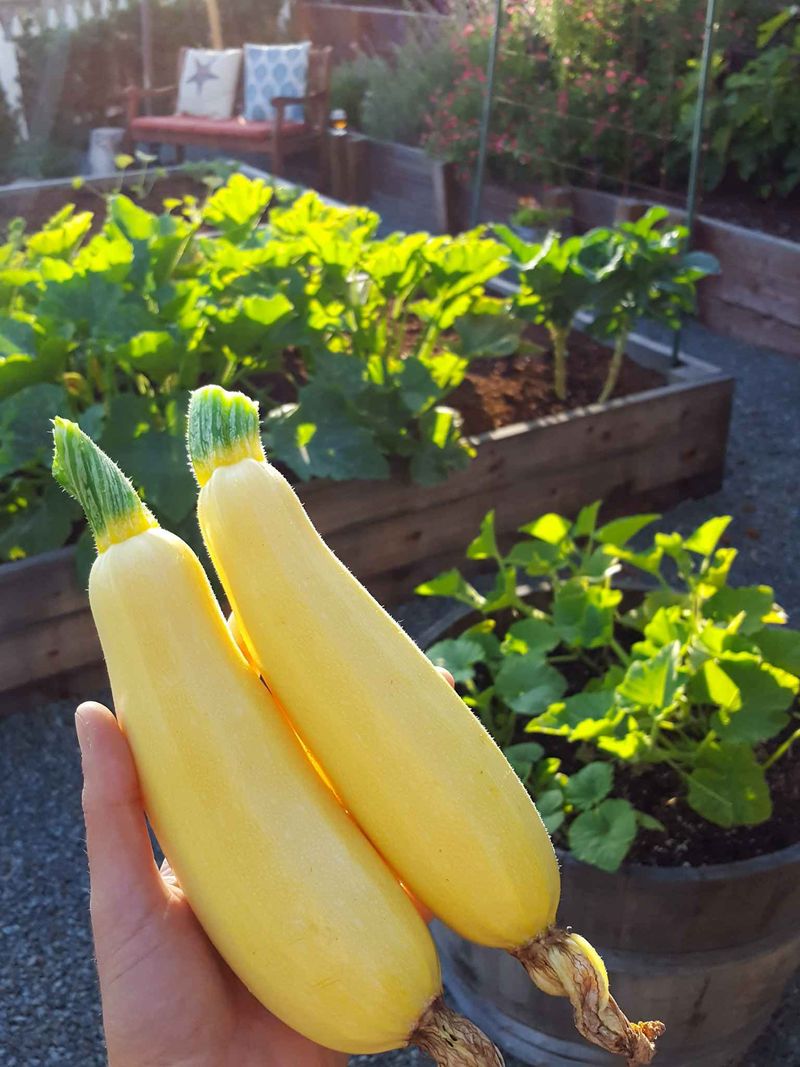
Warning: plant squash and you may end up leaving zucchini on your neighbors’ porches. These fast growers explode with fruit once summer heat arrives, and raised beds only speed things along.
Yellow squash and zucchini go from flower to harvest in a blink, rewarding you within weeks of planting. Their sprawling leaves and cheerful blooms also draw in bees and other pollinators.
Watch for squash bugs and vine borers, and consider a second planting in midsummer to keep the harvest rolling. Manage the pests and you will have more squash than you know what to do with.
13. Tomatoes
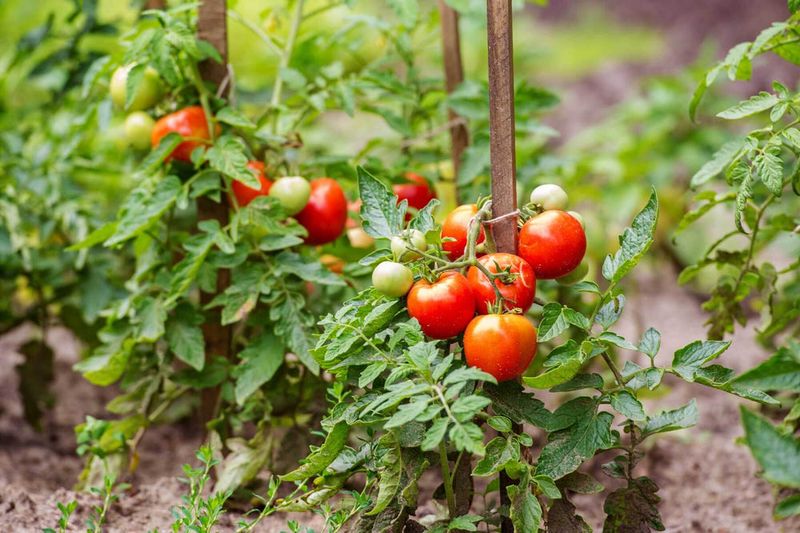
No Southern garden feels complete without a tomato plant leaning heavy with fruit. Warmth-loving and vigorous, tomatoes turn NC raised beds into their happy place from late spring onward.
The improved drainage and airflow of a raised bed help fend off the fungal problems our humidity encourages. Choose disease-resistant varieties and give them strong support to carry the load.
Indeterminate types keep setting fruit for months, delivering fresh slices well into fall. With steady watering and a bit of mulch, tomatoes may be the single most rewarding crop you grow all season.
14. Malabar Spinach
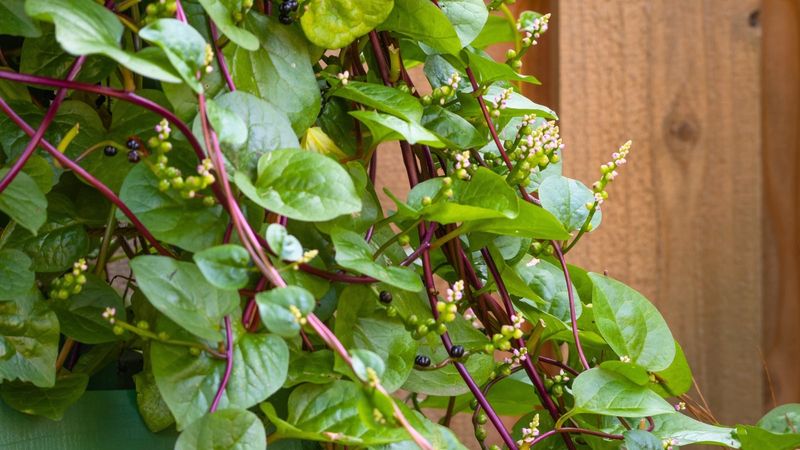
Here is the clever swap for anyone mourning their bolted spinach: Malabar spinach loves the very heat that killed the real thing. This vining green thrives when summer turns brutal.
Its thick, glossy leaves keep coming all season, giving you fresh greens for salads and stir-fries long after true spinach has surrendered. Grown up a trellis, it saves space and looks striking with its red-tinted stems.
Native support aside, it asks for little more than sun, water, and something to climb. If you want leafy greens through a NC summer, this heat-tolerant substitute is the answer to a common gardening headache.