
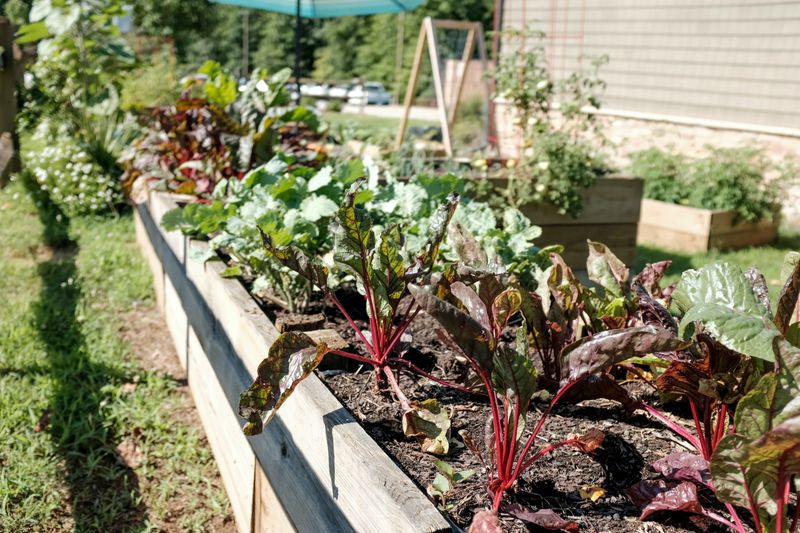
Late summer might feel like the garden is winding down, but for North Carolina yards it’s actually prime time to start a whole new round of crops. The heat is still around, yet cooler nights are coming, and that combo is perfect for many vegetables that love fall weather.
Seeding now means you can keep pulling fresh food from your beds well into November and beyond. Here are twelve vegetables worth planting this week for a fall harvest that keeps your family fed and your soil working.
1. Kale
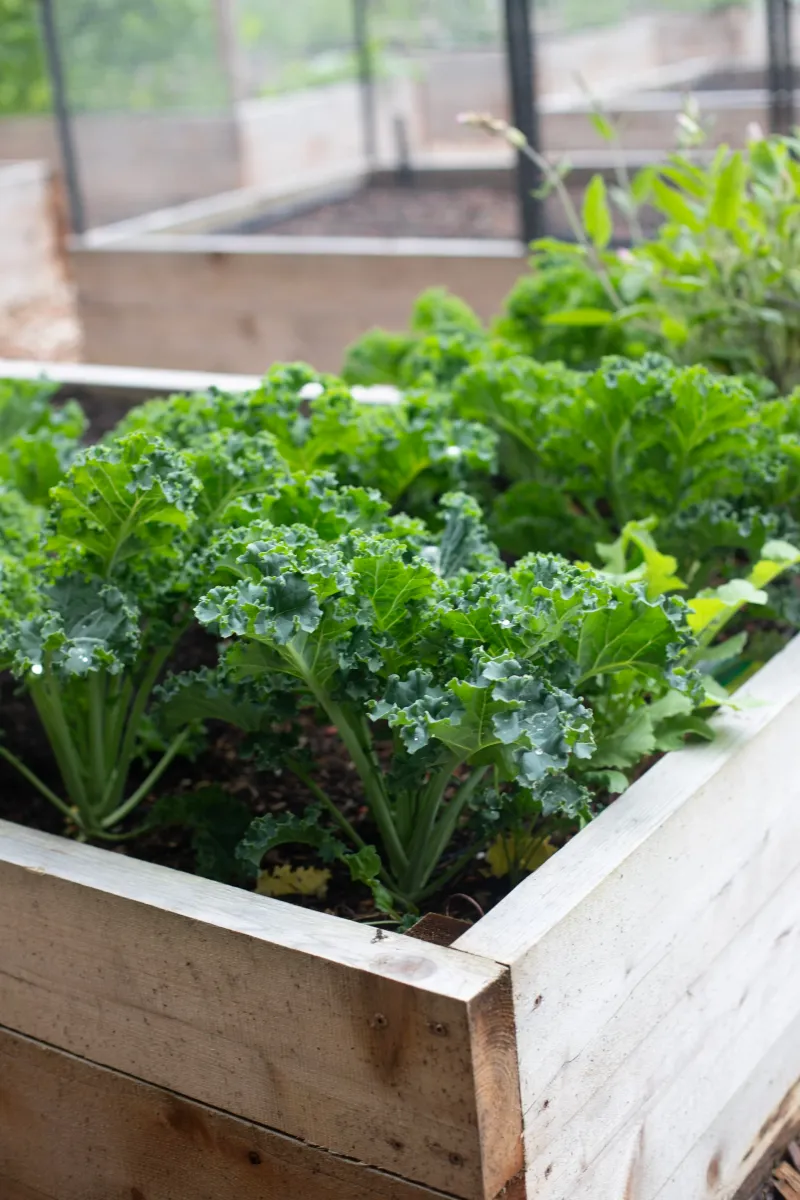
Frost actually makes kale taste better, which is exactly why smart NC gardeners sow it in late summer. As temperatures dip in October and November, the leaves turn sweeter instead of bitter.
Direct-seed kale into loose, compost-rich soil about half an inch deep. In the Piedmont and coastal plain, you can keep cutting outer leaves for months while the center keeps producing.
It shrugs off light frosts that would flatten summer crops, so a single planting now can feed you through much of winter. Pair it with a layer of mulch to keep roots cool while the weather is still warm.
2. Broccoli
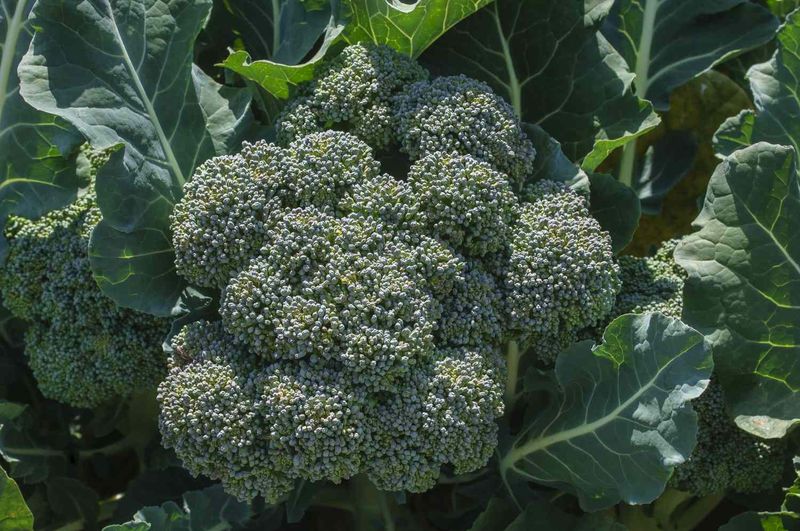
Nothing beats cutting your own broccoli head on a crisp fall morning. Started from seed now, broccoli matures as the weather cools, which keeps the heads tight and sweet rather than bolting the way spring plantings often do.
Sow seeds in trays or directly in the bed by late August, giving each plant plenty of elbow room. Rich soil and steady moisture help those central heads size up nicely.
Here’s a bonus most beginners miss: after you cut the main head, smaller side shoots keep coming for weeks. One planting quietly rewards you again and again.
3. Spinach
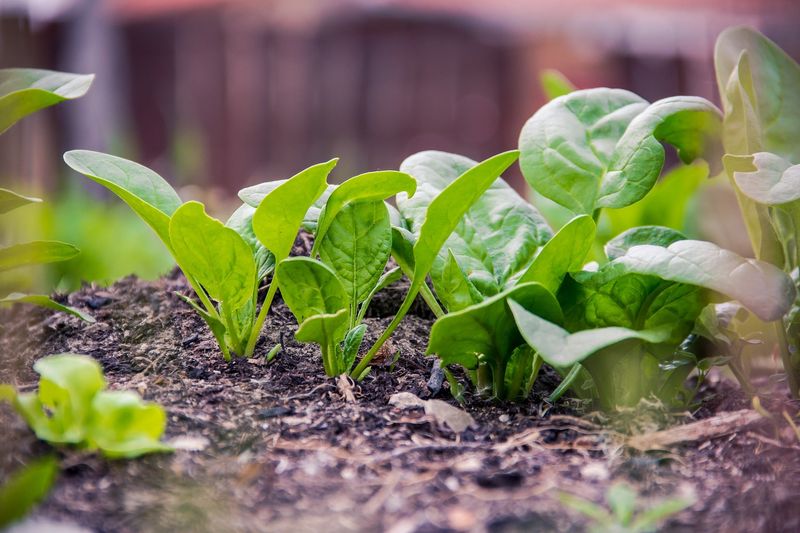
Cold-hardy and quick, spinach is the crop that keeps giving when the rest of the garden slows down. It handles chilly nights beautifully and can even survive a hard freeze under a light row cover.
Because spinach seeds sprout best in cooler soil, wait until the worst of the late-summer heat breaks, then sow thickly and thin as they grow. You’ll be harvesting baby leaves in as little as a month.
Cut-and-come-again harvesting lets you snip outer leaves and leave the plant to regrow. For a family that eats a lot of salads, that’s steady food from a small patch of ground.
4. Lettuce
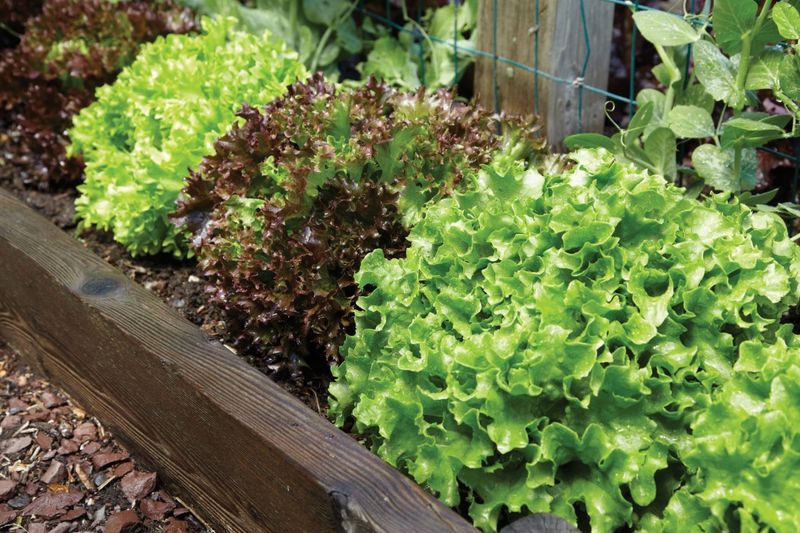
Spring lettuce turns bitter fast in Southern heat, but fall lettuce is a different story entirely. Cooling temperatures keep the leaves crisp, mild, and sweet right up until a hard freeze.
Scatter loose-leaf varieties across a shady corner of the bed in late summer, then keep the soil damp until the seedlings take hold. Loose-leaf types let you harvest a few leaves at a time instead of waiting for a whole head.
Try mixing red and green varieties for a bed that looks as good as it tastes. A little afternoon shade during the last warm weeks helps young plants settle in.
5. Carrots
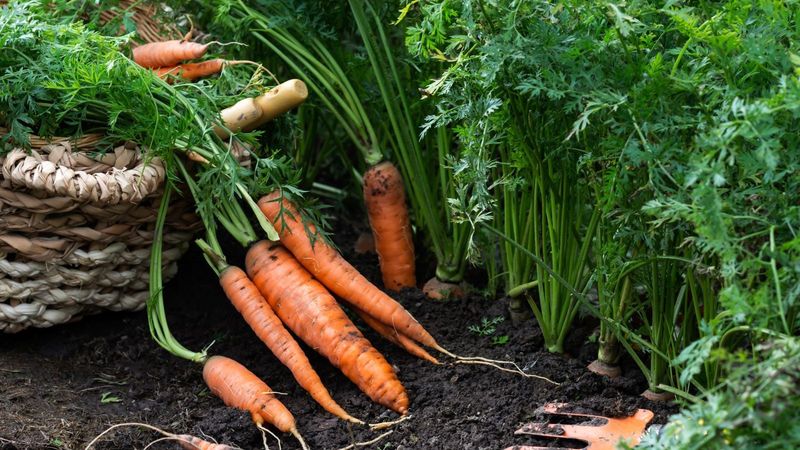
Patience pays off underground with carrots, and fall is when they really shine. Cool weather concentrates their sugars, so late-season carrots taste noticeably sweeter than any you’d buy in a store.
Sow the tiny seeds directly into loose, stone-free soil, since carrots hate being transplanted. Keep the top of the bed moist while they germinate, which can take a couple of weeks.
Fun bit of garden wisdom: you can leave mature carrots in the ground through light frosts and pull them fresh as needed, almost like a natural refrigerator. That makes them a low-effort keeper for busy NC households.
6. Radishes
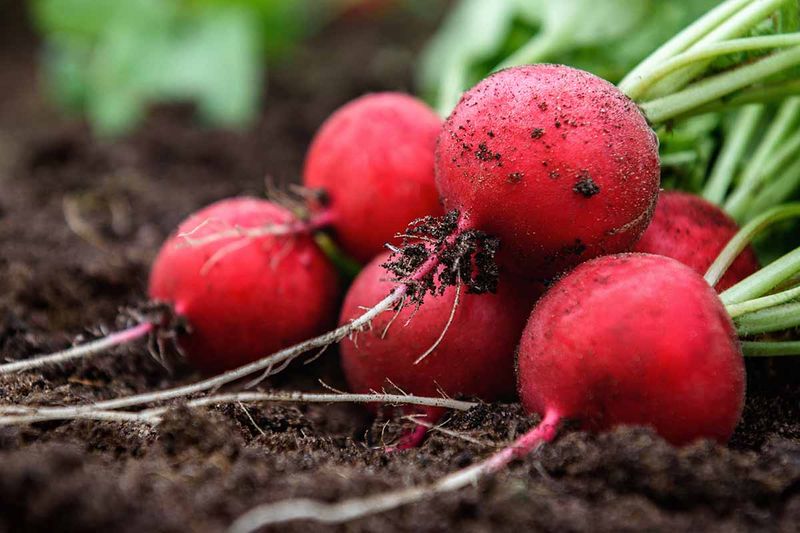
Impatient gardeners, meet your new favorite crop. Radishes race from seed to harvest in about three to four weeks, making them the fastest reward in the whole fall garden.
Tuck them in between slower crops like broccoli or carrots, since they’ll be done long before the bigger plants need the space. Sow a short row every week or two for a steady supply.
Cooler fall temperatures keep them crisp and mild instead of unpleasantly spicy. If you’ve got kids who like watching things grow, radishes deliver quick, satisfying results.
7. Collard Greens
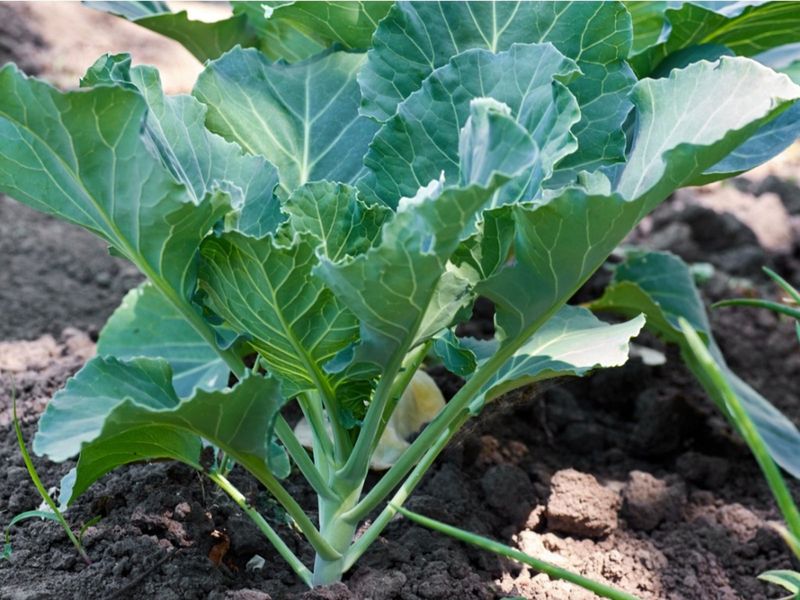
A true Southern staple, collards belong in every North Carolina fall garden. These broad, hardy leaves handle heat, cold, and just about everything in between with barely a complaint.
Set out seeds or transplants now and they’ll keep producing through frost after frost. Many gardeners swear their collards taste best after the first cold snap sweetens the leaves.
Harvest from the bottom up, taking the lower leaves while the plant keeps stretching taller. One row can quietly feed a family straight through the holidays.
8. Turnips
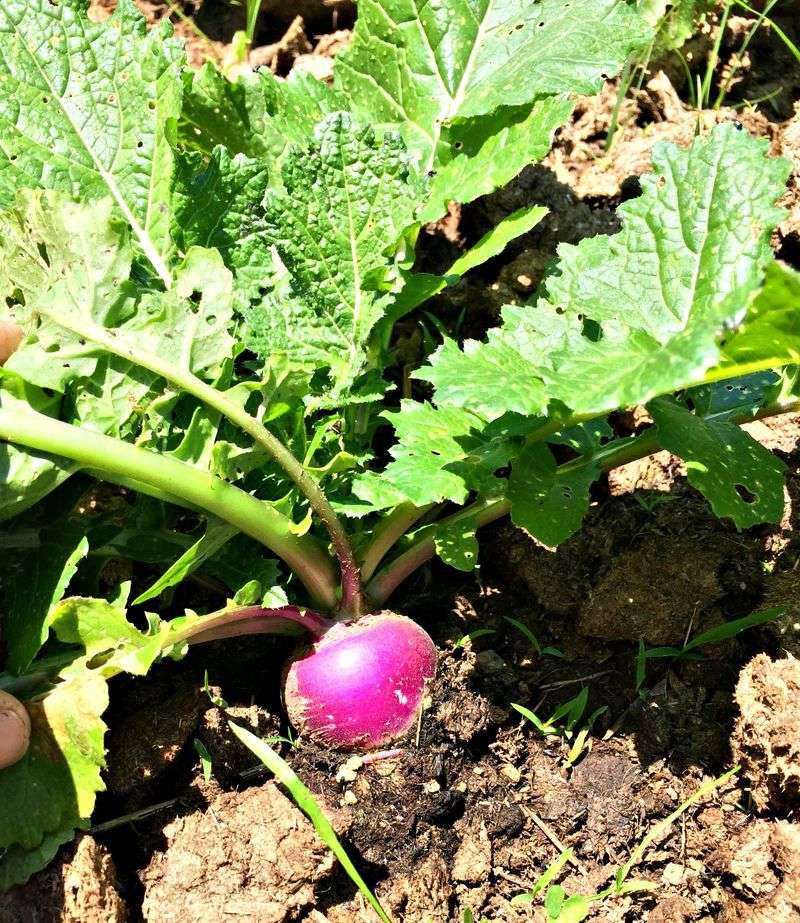
Two harvests from one seed makes turnips a quiet overachiever. You get tender greens for the pot and crisp roots for roasting, all from a single sowing in late summer.
Direct-seed them into cool, moist soil and thin as they grow so the roots have room to swell. They mature quickly, often within two months.
The greens are ready even sooner, so you can start snipping while the roots are still sizing up below. For gardeners who like value from every square foot, turnips earn their spot.
9. Beets
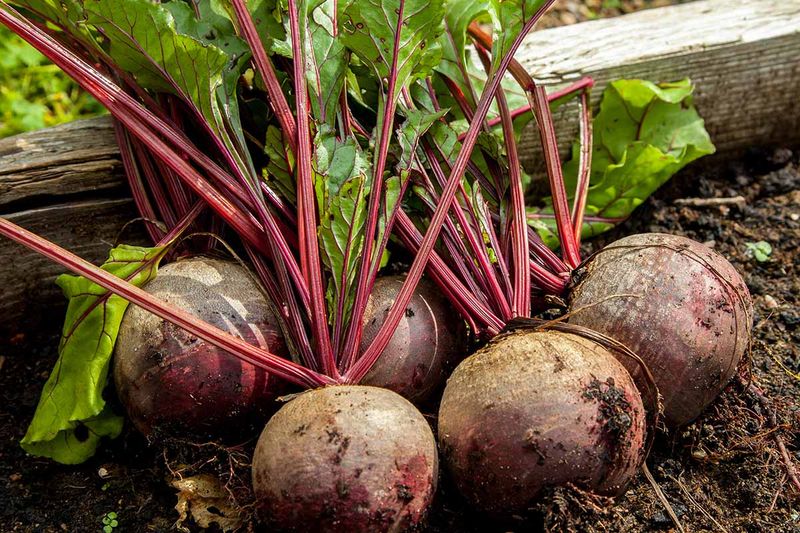
Rich, earthy, and ready to store, beets are a fall crop that keeps working long after harvest. Cool weather brings out their deep sweetness and their vivid ruby color.
Each knobby seed actually holds several plants, so plan to thin the seedlings once they pop up. The thinnings aren’t waste either, since baby beet greens are delicious in salads.
Sow now in loose soil and you’ll be pulling tender roots by mid-fall. Roasted, pickled, or grated raw, they add color to the plate when the garden turns brown.
10. Cabbage
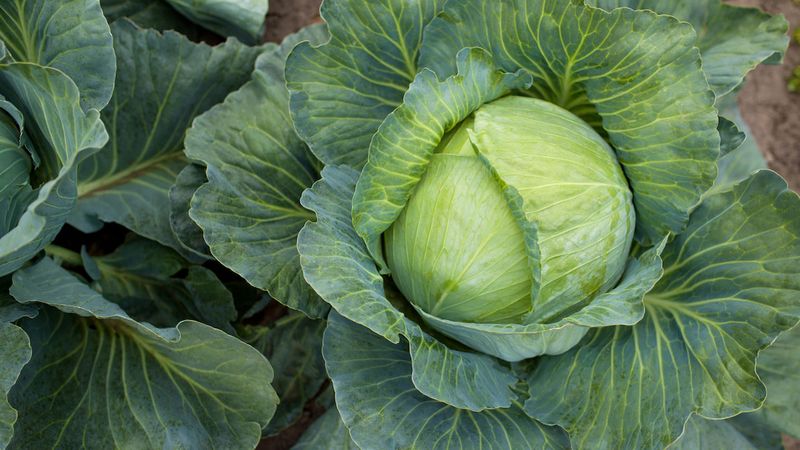
Slow and steady, cabbage rewards the gardener willing to give it a little time. Started now, the heads firm up as fall cools, producing dense, crisp cabbages perfect for slaws and soups.
Give each plant generous spacing and steady water so the heads can form fully. Well-fed soil makes a real difference in the size and tightness of the final head.
Once wrapped and solid, cabbage stores for weeks in a cool spot, stretching your harvest well past the growing season. It’s the kind of crop that keeps paying off after the work is done.
11. Mustard Greens
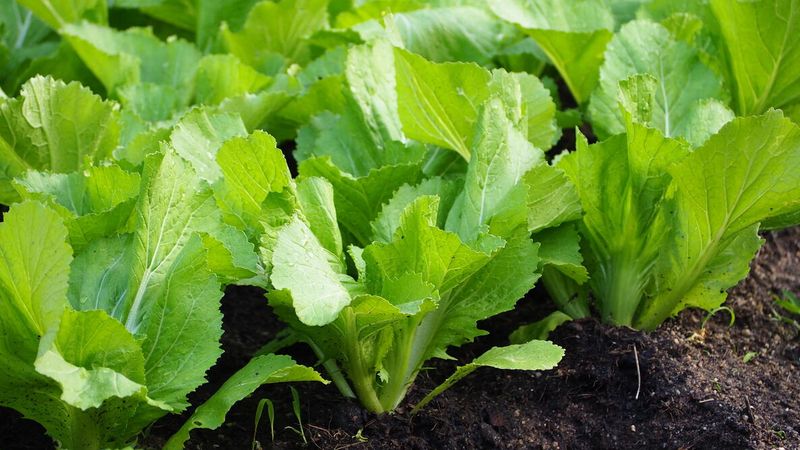
For a little kick on the plate, mustard greens bring peppery flavor and fast growth to the fall bed. They sprout quickly and shrug off the mild frosts that arrive across the Piedmont.
Scatter the seeds directly into the soil and thin as needed, harvesting young leaves for salads or letting them mature for cooking. Cooler weather tames some of their sharp bite.
They regrow readily after cutting, so a single patch keeps producing for weeks. Frilly varieties add texture and color that make the whole garden look fuller heading into autumn.
12. Garlic
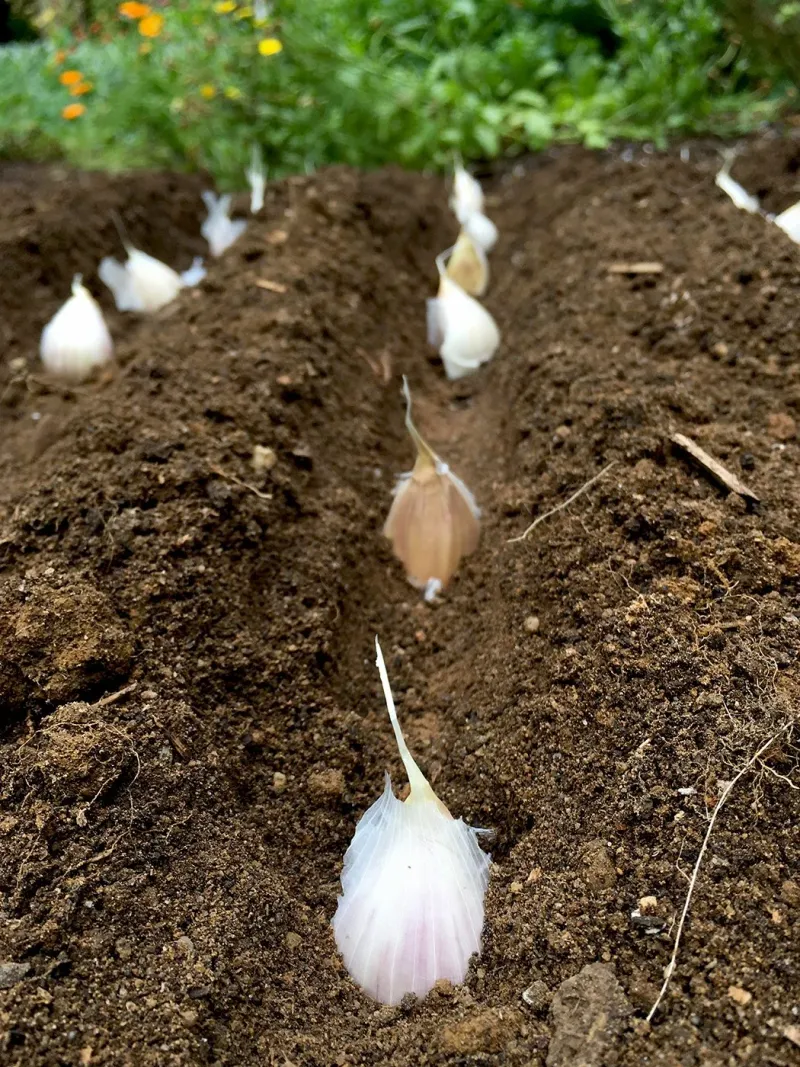
Think of garlic as your gift to next summer’s kitchen. Planted in fall, individual cloves settle in over winter and burst into growth once spring arrives, ready to harvest by early summer.
Break a bulb into cloves and tuck each one pointy-side up a couple of inches deep, then mulch heavily to protect them through cold snaps. NC’s mild winters suit hardneck and softneck types alike.
Little maintenance is needed once they’re in the ground, making garlic one of the most hands-off crops you can plant. Patience is the only real requirement, and the payoff is a full harvest of homegrown bulbs.