
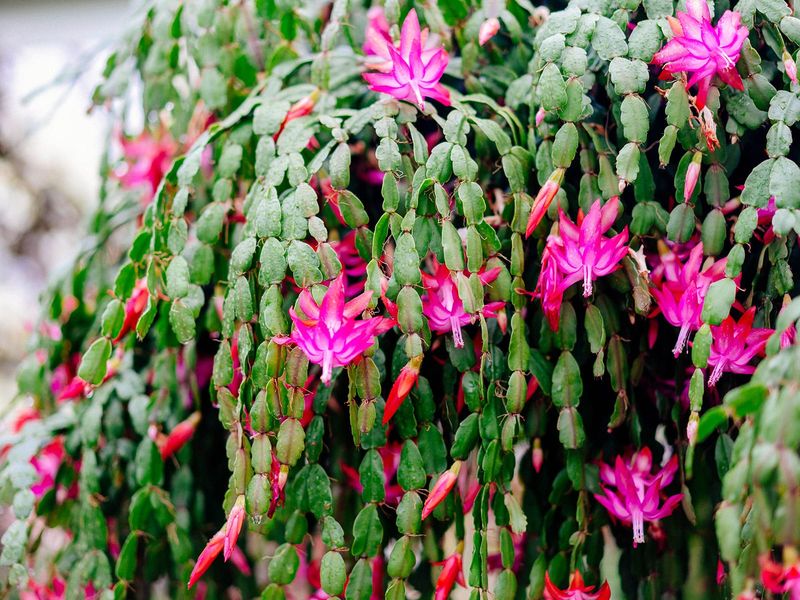
Every fall, gardeners pull out their Christmas cactus expecting a burst of color, only to find a plant that looks tired and barely buds. What happens during summer matters more than most people realize, and skipping even basic care can leave the plant with less to work with when bloom season arrives.
The fix is simpler than you might think, but it only works on a plant that is already in good health.
The one summer move helps only when the plant is healthy
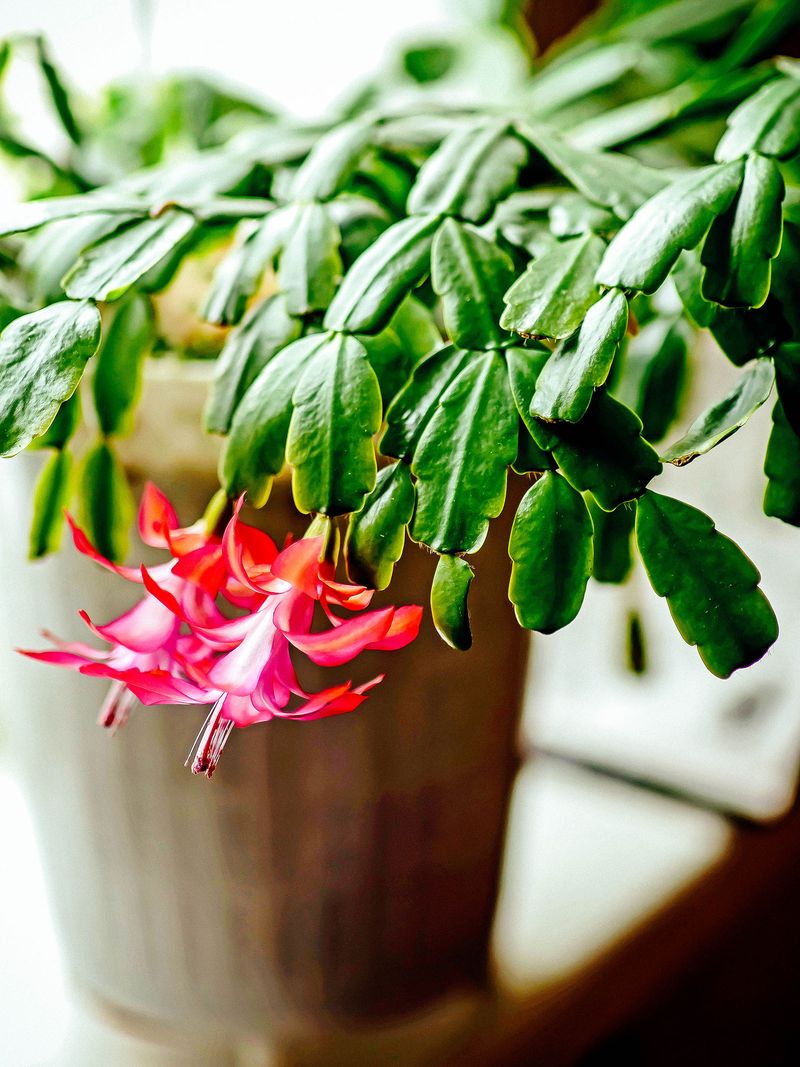
Feeding a Christmas cactus during its active summer growth sounds like an obvious move, but it only pays off when the plant is genuinely healthy. A balanced houseplant fertilizer diluted to half strength, applied about once a month while new growth is developing, can help the plant build additional stem segments and branches.
More segments and branches mean more potential sites where flower buds can eventually form. That is a real, practical benefit when nutrition has been limiting the plant’s growth.
What feeding cannot do is explain every case of poor flowering or rescue a plant that is struggling for other reasons. Iowa State Extension guidance on holiday cactus bloom failure points out that weak or absent flowering is often tied to fall conditions, especially warm nighttime temperatures, interrupted darkness, or excessive dryness, rather than what happened during the summer.
Summer feeding supports vegetative growth; it does not directly force flower buds to form.
Before reaching for fertilizer, take a close look at the plant itself. Limp or discolored growth, soggy soil, or a pot that never seems to dry out are warning signs that should be investigated before any nutrients are added.
A plant with root damage will not benefit from fertilizer, and adding it could make the situation worse. Healthy, actively growing plants are the only candidates for this summer care move.
Inspect the roots before adding nutrients
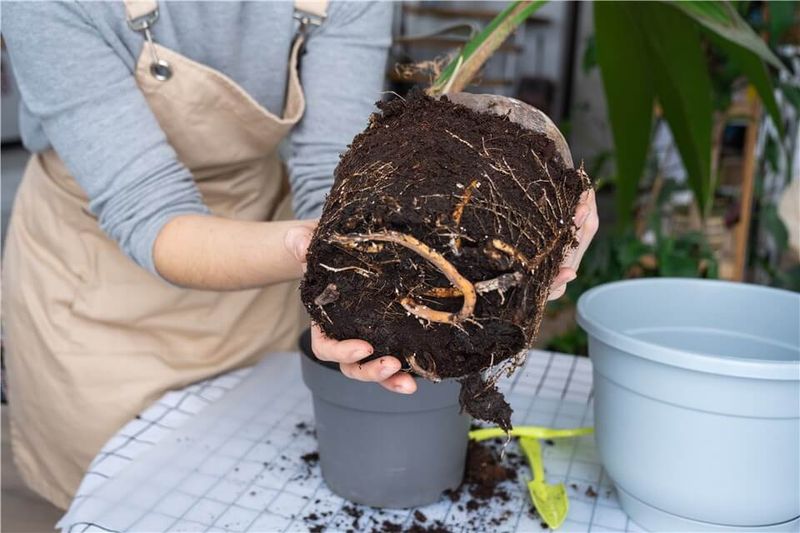
Limp, soft, or yellowing growth is easy to misread as a sign of hunger, but the soil tells a more important story. When a holiday cactus looks wilted while the potting mix is still wet, that combination points toward overwatering, poor drainage, root rot, or stem rot rather than a nutrient shortage.
Extension diagnostic guidance on holiday cactus problems confirms that saturated soil conditions are a common cause of this kind of limp, unhealthy appearance.
Fertilizing a plant in that condition will not help. Adding fertilizer to damaged roots increases salt stress in the soil and does nothing to repair tissue that is already compromised.
The right first step is to correct the drainage problem, let the potting mix dry appropriately, and assess whether the plant begins to recover on its own before considering any nutrients.
The watering rule for holiday cacti is straightforward: water thoroughly until water runs freely from the drainage holes, then wait until the top portion of the potting mix has partially dried before watering again. University of Florida IFAS guidance on Christmas cactus preparation reinforces that these plants should never sit in standing water.
A pot without drainage holes is a setup for the exact root problems that make summer feeding useless.
Give summer growth bright filtered light and good drainage
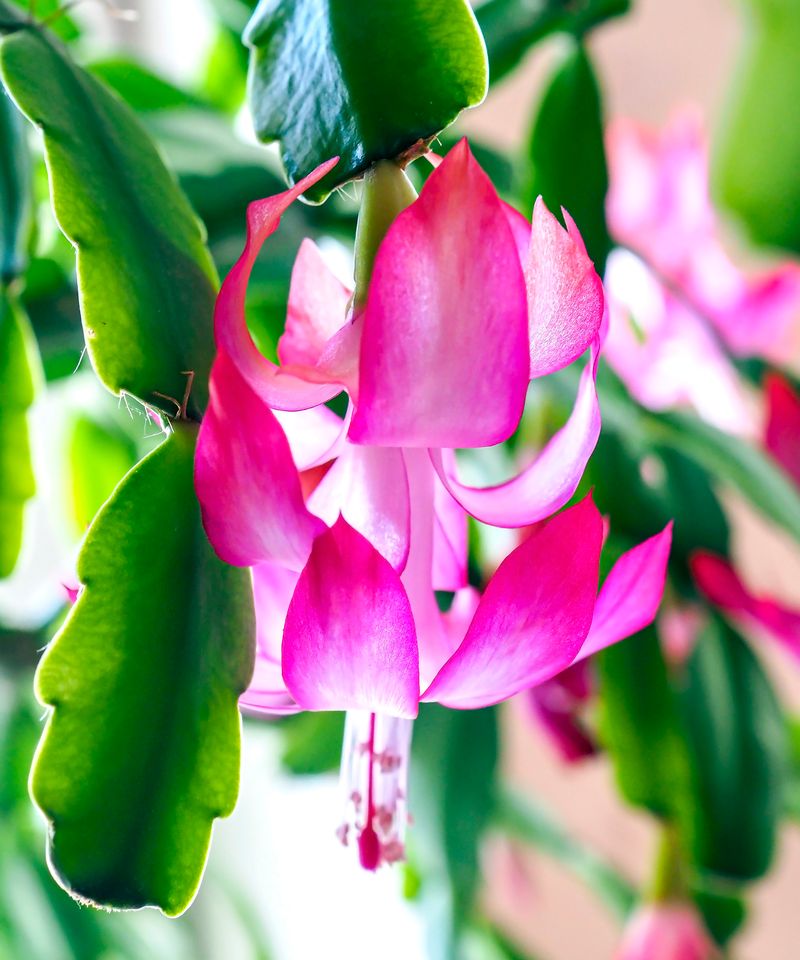
Holiday cacti are rainforest epiphytes, meaning they evolved growing in the filtered light of forest canopies rather than in open sun. That origin shapes what they need during summer.
Bright indirect or filtered light is the safe target; strong direct afternoon sun can scorch the flat stem segments, leaving bleached or reddish patches that signal damage rather than health. University of Georgia Extension on Christmas cactus light and bloom supports keeping these plants in bright but sheltered light conditions during the growing season.
An outdoor summer location can work well when the plant receives shade or filtered light and temperatures remain comfortable. A covered porch, a spot under a tree canopy, or a shaded patio can all provide the kind of bright, indirect light these plants prefer.
The key restrictions are avoiding full afternoon sun exposure and making sure the container drains freely so summer rains do not leave roots sitting in water.
IFAS Christmas cactus care guidance also cautions against exposure to freezing temperatures, which rules out outdoor placement during any cold snaps. For most of the warm Southern growing season, a shaded outdoor spot is a reasonable option as long as drainage and light conditions are right.
Good drainage and appropriate light are what allow summer feeding to actually support new growth rather than stress an already-struggling plant.
Feed monthly while new growth is actively developing
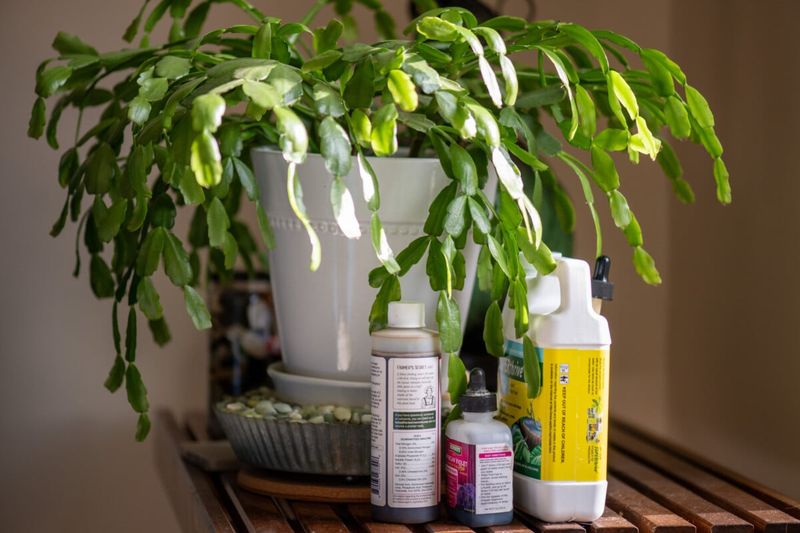
Once the plant is healthy, draining well, and showing new growth, monthly feeding during active spring and summer development is the practical move. Use a balanced houseplant fertilizer, something with roughly equal nitrogen, phosphorus, and potassium values, diluted to half the label’s recommended strength.
University of Minnesota Extension holiday cactus guidance specifically recommends June through August for this feeding window, while University of Georgia Extension ties the start to whenever new growth begins in spring.
What to expect from this approach is modest and honest: better-supported vegetative growth and potentially more branching when nutrition has genuinely been limiting the plant. More branches give the plant more places to set buds later in the season, so the connection to flowering is real, just indirect.
Feeding does not directly trigger flower formation, and it will not compensate for root damage, inadequate light, or unsuitable fall conditions.
Skip the Epsom salts unless a soil test has identified a specific magnesium deficiency. Routine Epsom-salt applications add soluble salts to the potting mix without a proven general benefit, and they are not a substitute for a balanced fertilizer.
UGA’s holiday cactus feeding recommendations focus on balanced nutrition during active growth, not supplemental minerals. Similarly, bloom-booster formulas that emphasize high phosphorus have not been shown to reliably produce more flowers in holiday cacti, so a standard balanced product is the better, simpler choice.
Use pruning to build branches, not to force flowers
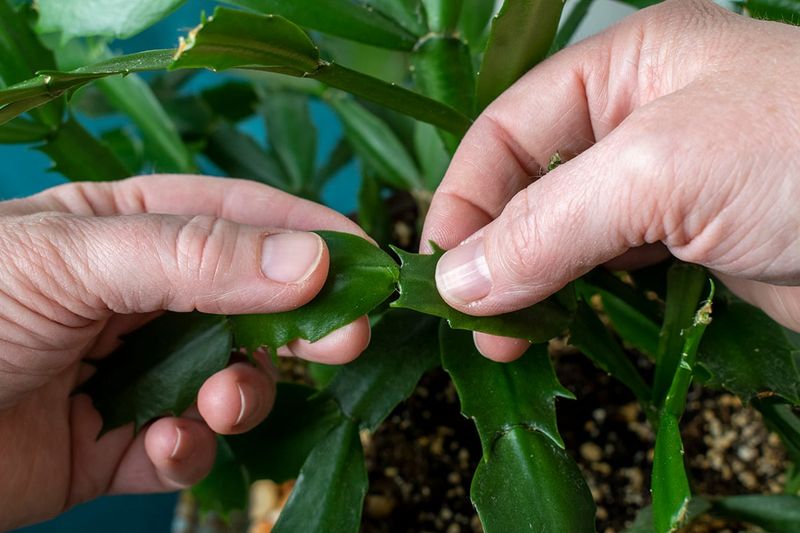
Pruning a holiday cactus right after it finishes blooming, or in late spring before summer growth begins, can encourage the plant to branch more freely. The technique is simple: twist or cut off one to three stem segments at a joint to redirect the plant’s energy into side shoots.
IFAS Christmas cactus preparation guidance notes that this kind of light pruning helps create a fuller, bushier plant over time.
More branches translate into more stem tips, and stem tips are where flower buds eventually appear. So pruning does have a connection to bloom potential, but it is an indirect one.
A plant with ten stem tips has more flowering opportunities than a plant with four, assuming fall conditions are right. Pruning alone, without appropriate light, watering, and fall photoperiod, will not produce a strong display.
Think of pruning as part of the same preparation sequence as summer feeding: both are about building a structurally capable plant before bloom season begins. Neither replaces the cool temperatures and long, uninterrupted fall nights that actually trigger flower bud formation.
Minnesota Extension supports pruning as a shaping and branching measure, not as a flowering treatment on its own.
Stop feeding when the plant shifts toward bud formation
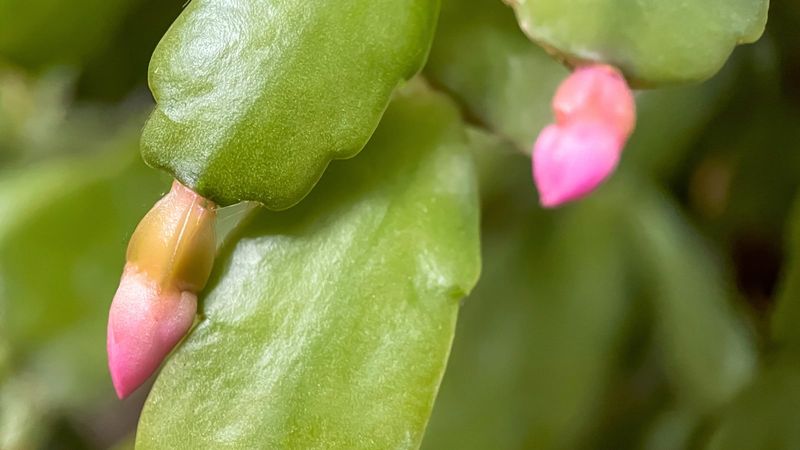
As summer winds down and the days shorten, the holiday cactus shifts from building new growth to preparing for flowering. That transition is the signal to stop routine fertilizing.
UGA Extension’s guidance on Christmas cactus bloom control places the feeding cutoff at the point when buds begin forming, generally in late summer or early fall. Extension recommendations vary slightly on the exact timing, with some sources placing the end of feeding in August and others extending it until buds are visibly developing, so watch the plant rather than the calendar.
Flowering in holiday cacti is controlled primarily by photoperiod and nighttime temperature, not by continued fertilizer. Iowa State Extension’s comprehensive holiday cactus care resource explains that plants generally need roughly 12 to 16 hours of darkness per night for several weeks to initiate buds reliably.
Nighttime temperatures around 60 to 65 degrees Fahrenheit support bud formation, while temperatures consistently above 70 degrees Fahrenheit may inhibit it.
Iowa State’s troubleshooting guide for holiday cactus bloom failure reinforces that warm nights are one of the most common reasons a well-grown plant still fails to flower reliably. University of Missouri Extension holiday cactus guidance also notes that some growers reduce rather than eliminate fertilizer during the transition period, but stopping routine feeding as buds appear is the safer, more consistent approach.
Protect buds with steady light, temperature, and placement
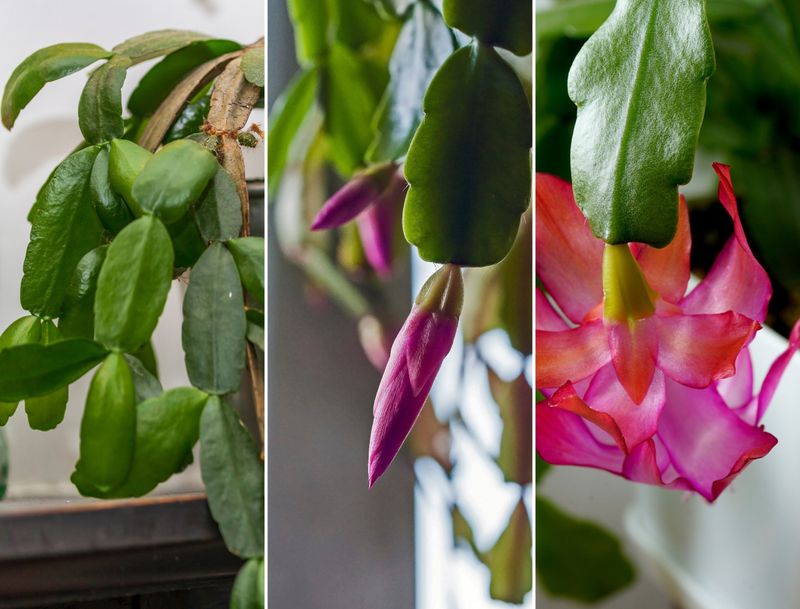
Once buds are visible, consistency becomes the most important thing you can offer the plant. Bright daytime light, cool room temperatures, and careful watering without waterlogging are the right conditions.
More critically, the plant should stay in one place. Minnesota Extension’s holiday cactus care guide specifically lists moving the plant, drafts, sudden temperature changes, and altered light as contributors to bud drop, which is the frustrating phenomenon where buds form but fall off before opening.
Artificial light at night is another common disruptor. Even a lamp turning on in the evening can interrupt the long, dark period the plant needs to hold its buds and continue developing flowers.
Natural shortening days can supply adequate darkness on their own when household lighting does not interrupt them. Placing the plant in a dark closet each evening is an option for creating consistent long nights, but it is not a universal requirement.
If the plant sits in a room that stays dark from around sundown to sunrise, that may be sufficient.
Bloom timing also varies depending on which plant you actually have. UMass Extension’s commercial holiday cactus production fact sheet notes that Thanksgiving cactus and various hybrids are commonly sold alongside or in place of true Christmas cactus, and these can flower weeks earlier.
Segment shape is one way to tell them apart: Thanksgiving cactus segments have pointed, tooth-like projections, while true Christmas cactus segments have smoother, more rounded edges. Knowing which type you have helps set realistic expectations for when blooms should appear.
Follow the seasonal sequence instead of chasing a single fix
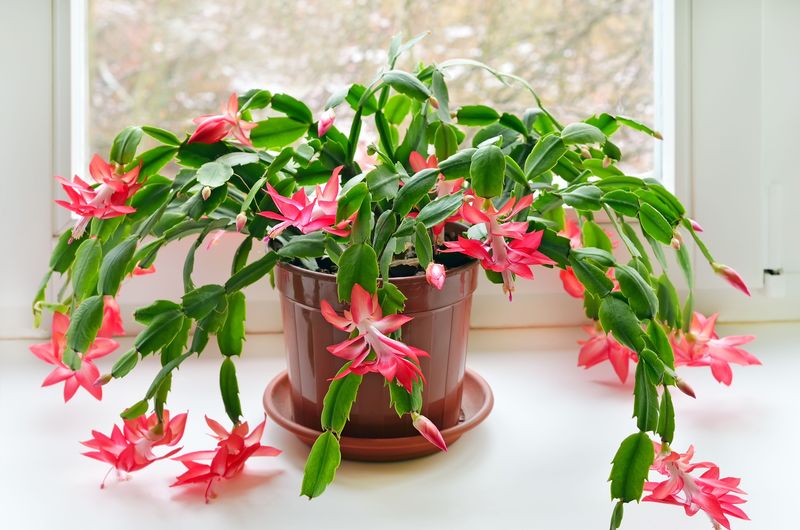
Putting it all together looks like this: start by checking roots and drainage before anything else. If the soil stays wet and the plant looks limp, fix the drainage problem first.
Iowa State Extension’s full holiday cactus guide and Minnesota Extension’s holiday cactus resource both ground their feeding advice in a foundation of correct light and watering conditions.
Once the plant is healthy and actively growing, feed monthly at half strength with a balanced houseplant fertilizer through summer. Prune lightly after flowering or in late spring to encourage branching.
Then stop feeding as buds begin to form, protect cool and uninterrupted fall nights, and leave the pot in one place.
Summer care genuinely improves a plant’s readiness for bloom season, but it cannot override root damage, excessive heat, artificial light at night, or the basic differences between Thanksgiving cactus, Christmas cactus, and the many hybrids in between. The sequence matters more than any single step, and a plant that gets each stage right has the best chance of arriving at bloom season with something real to show for it.