
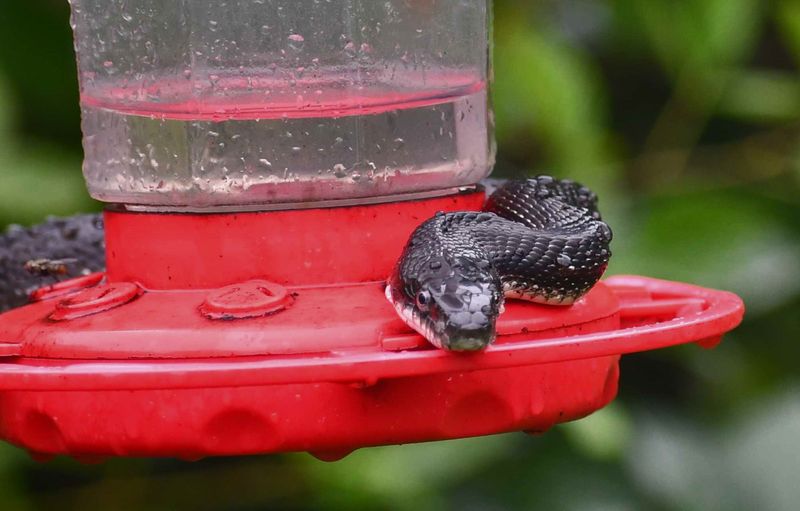
You hang a bright feeder, the hummingbirds show up, and then suddenly they vanish. Chances are a hidden hunter has learned your yard is an easy buffet.
From swooping hawks to sneaky house cats, plenty of critters see tiny hummingbirds as a snack. Here is a clear rundown of the backyard predators to watch for and simple ways to keep your feeders safer, especially in warm Southern yards where feeding runs most of the year.
1. Sharp-shinned and Cooper’s Hawks
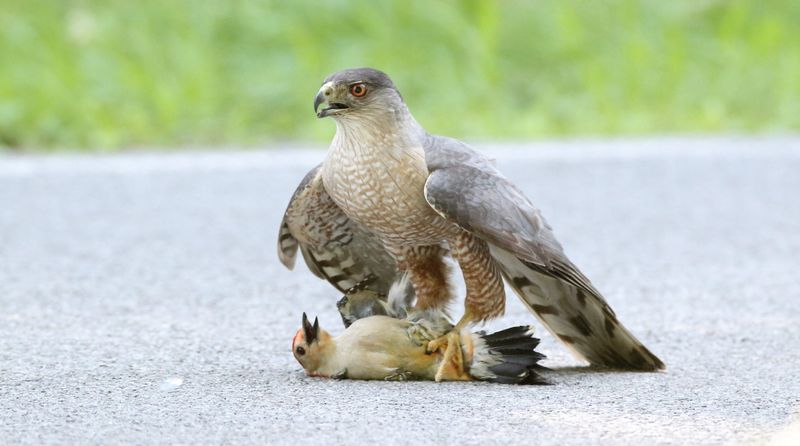
Nothing scatters a busy feeder faster than a hawk dropping in like a feathered missile. Sharp-shinned and Cooper’s hawks are the two most common culprits, and both specialize in catching smaller birds right out of the air.
2. Free-Roaming House Cats
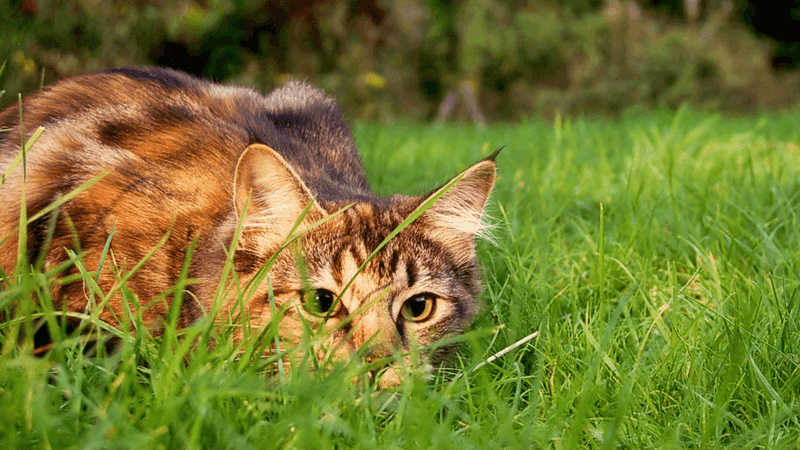
That sweet neighborhood tabby lounging under your porch may be running a full-time hunting operation. House cats, both pets allowed outside and strays, are one of the biggest threats to hummingbirds across the South.Cats often wait in shrubs or tall grass directly beneath a feeder, then pounce when a bird lands low or drops to rest.
Because hummingbirds sometimes perch on nearby stems, a hidden cat can snatch one in a blink.To cut the risk, move feeders away from fences, dense bushes, and anything a cat can hide behind or climb. Keep a clear open zone of several feet around each feeder so birds can spot danger early.Adding a wide baffle or hanging feeders from a thin, high wire also makes ambushes harder.
If cats are a constant problem, a motion-activated sprinkler often discourages them without harming anyone. Keeping your own cats indoors, or in a screened catio, protects hummingbirds and helps the neighborhood birds too.
3. Praying Mantises
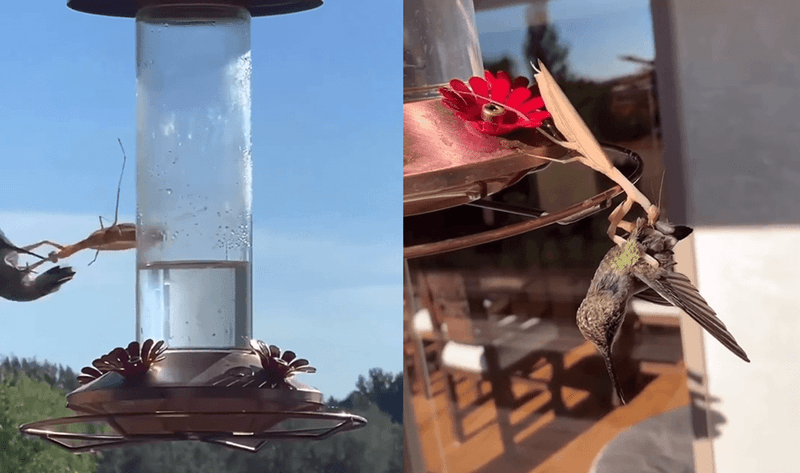
Here is a creepy one most folks never expect: a bug that hunts birds. Large praying mantises, especially non-native species, will perch right on a feeder and grab a hummingbird by the head as it feeds.It sounds unbelievable, but these ambush insects are patient and surprisingly strong for their size.
A hungry mantis can hold onto a tiny hummingbird and injure or kill it before the bird breaks free.The good news is that this problem is easy to spot and fix. Check your feeders daily, especially in late summer and fall when mantises grow biggest, and gently relocate any you find to a nearby plant.Avoid spraying chemicals near feeders, since that can harm the birds you are trying to protect.
Keeping feeders clean and free of clinging insects also discourages mantises from setting up shop. A quick morning walk-around usually keeps these oversized ambush predators from turning your feeder into their personal hunting perch during warm Southern months.
4. Snakes
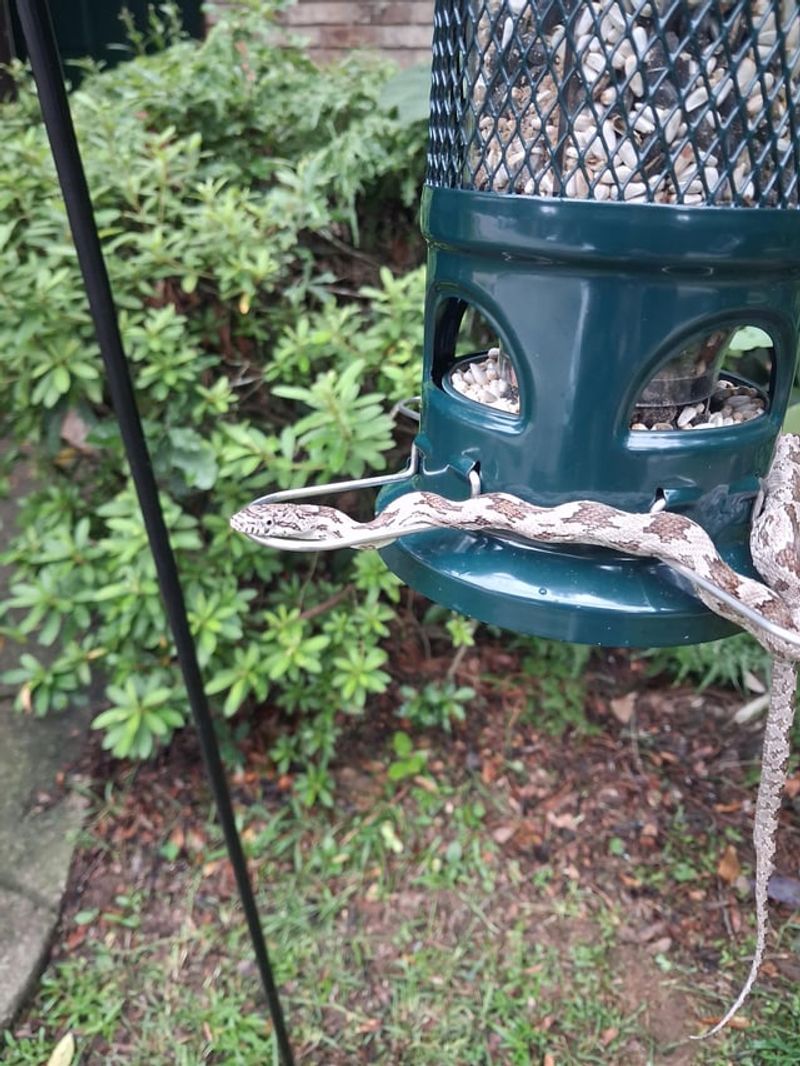
Slither into any Southern yard and you will likely find snakes doing quiet work, but a few climbers can turn feeders into an easy meal stop. Rat snakes especially are skilled climbers that follow poles, wires, and vines straight up to a feeder.
5. Larger Aggressive Birds
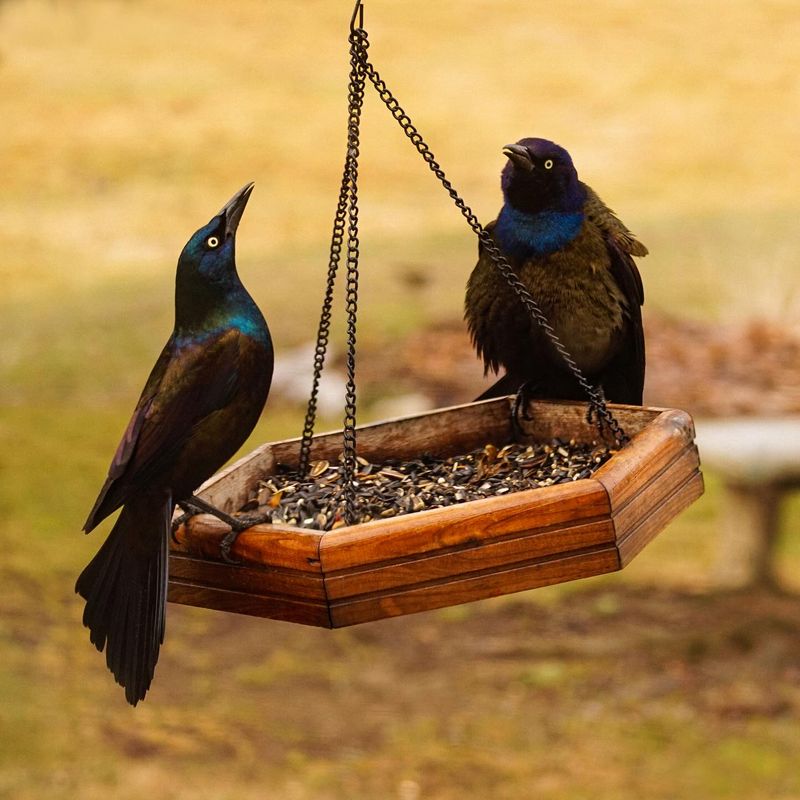
Bullies come in feathers too. Blue jays, grackles, and even some woodpeckers may harass hummingbirds, raid nests, or muscle them away from feeding spots.While these bigger birds do not usually make a meal of adult hummingbirds, they can raid tiny nests for eggs and hatchlings.
Their constant chasing also stresses hummingbirds and keeps them from feeding calmly.One simple fix is offering hummingbird-specific feeders with small ports that larger beaks cannot use. Skip trays and open dishes that let bigger birds crowd in and dominate the area.Spacing feeders apart also helps, since hummingbirds are territorial and less likely to bunch up where bullies can pick them off.
Placing feeders near thin, twiggy shrubs gives hummingbirds quick escape cover that heavier birds cannot follow into easily.Keeping seed feeders well away from your nectar stations reduces the crowd that aggressive birds bring. A little separation often calms the whole scene and lets your hummingbirds sip in peace.
6. Domestic and Feral Cats at Night
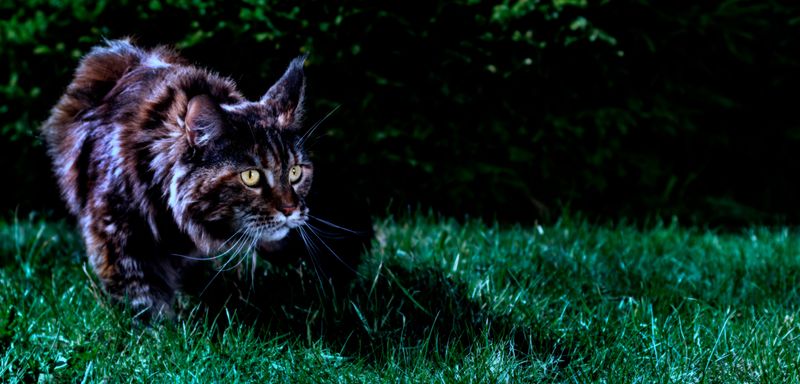
Twilight is prime hunting time, and roaming cats know it. As hummingbirds settle onto low perches at dusk, cats slip through yards looking for slow, resting targets.
7. Squirrels and Chipmunks
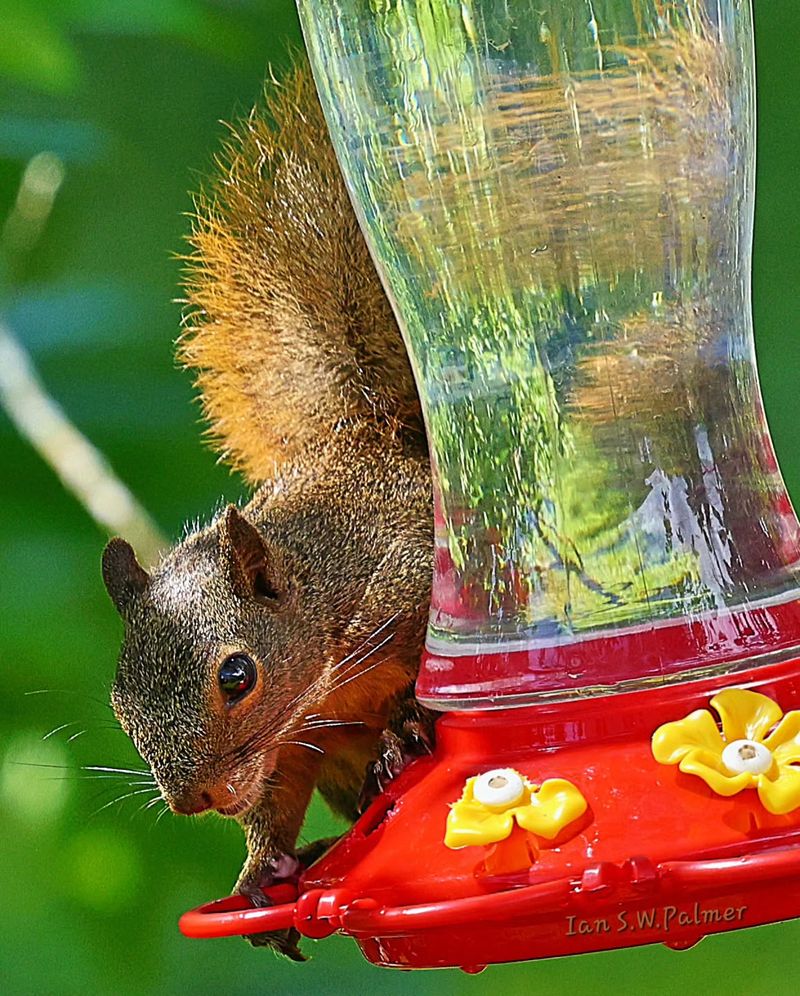
Most folks picture squirrels stealing sunflower seeds, not bothering delicate nectar feeders, yet these acrobats cause more trouble than you would think. Squirrels and chipmunks will chew feeder parts, tip them over, and occasionally raid nests for eggs.While they rarely catch a healthy adult hummingbird, their raids on nests hurt the next generation of birds.
Knocked-down feeders also spill sugar water that attracts ants, bees, and other pests.Mounting feeders on smooth metal poles fitted with a baffle keeps most climbers grounded. Hanging feeders from a thin wire strung between two high points also frustrates their acrobatics.Keep feeders a good leap away from roofs, fences, and branches, since squirrels are champion jumpers.
Cleaning up spilled nectar quickly removes the smell that draws them in.Here is a friendlier thought: squirrels do help scatter seeds and aerate soil around your yard. So while you protect your hummingbirds, you do not have to wage all-out war on these clever, bushy-tailed neighbors.
8. Bullfrogs and Large Fish
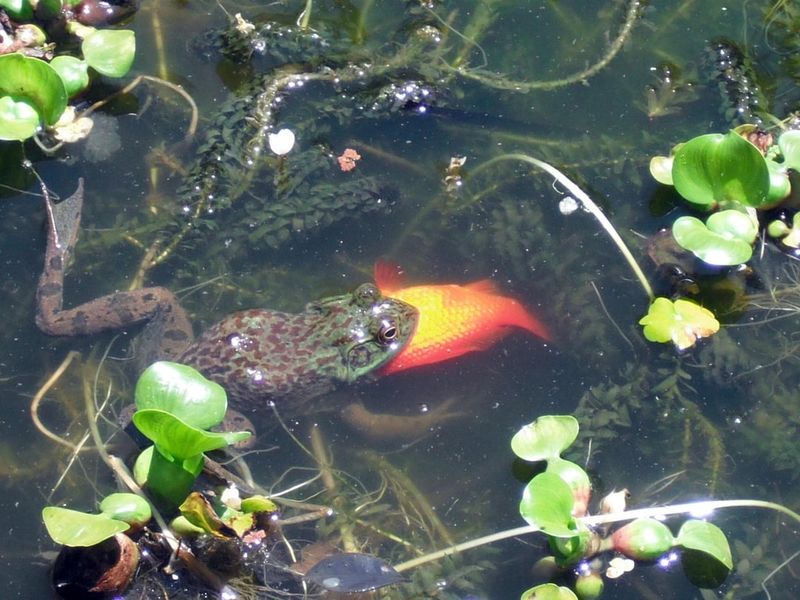
Got a water feature? Then you may have a surprise hunter lurking at the surface.
Big bullfrogs are known to snap up hummingbirds that swoop low to drink or bathe near ponds.
9. Roadrunners
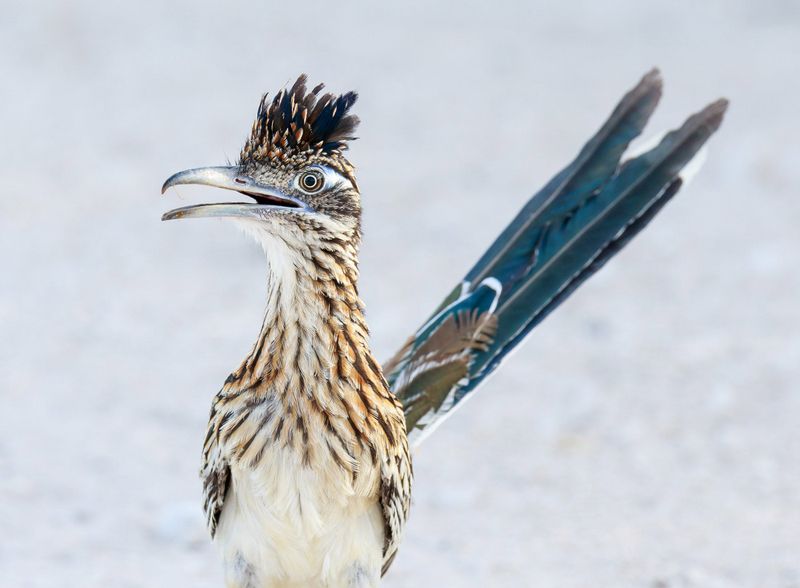
Cartoon fame aside, the real roadrunner is a fierce ground hunter, and Texas yards know it well. These fast, clever birds eat insects, lizards, and yes, small birds including hummingbirds when they can catch them.Roadrunners are especially active in open, dry landscapes common across Texas and the Southwest.
They stake out feeding areas and use their speed to grab low-flying or resting birds.Because they hunt from the ground, keeping feeders high and away from open perching spots helps a lot. Surround nectar stations with thorny or twiggy shrubs that give hummingbirds fast cover.Avoid placing feeders near low walls, rocks, or fence lines where a roadrunner can lie in wait.
Open sightlines let hummingbirds notice the danger and dart away in time.Here is a fun fact: roadrunners can sprint over fifteen miles per hour, which explains how they surprise quick prey. Respecting their skill while smartly placing feeders keeps your tiny visitors a step ahead of this desert speedster.
10. Wasps, Bees, and Ants
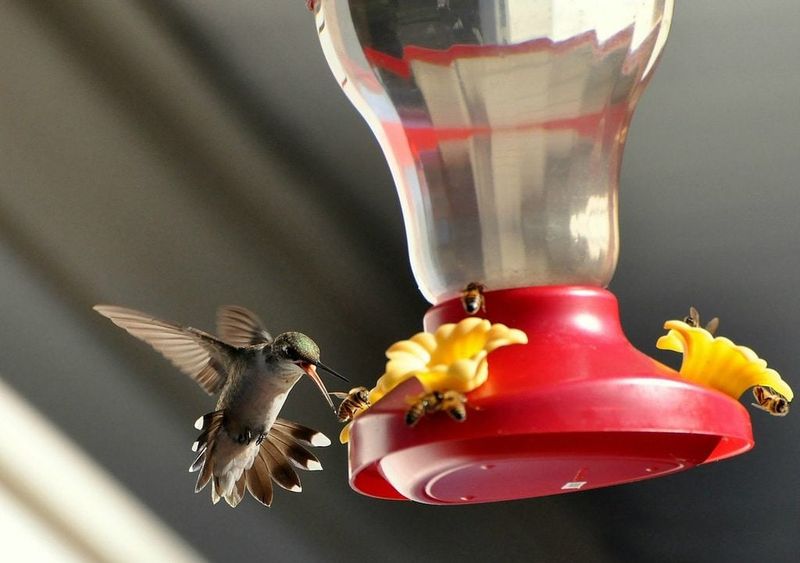
Not every threat has teeth or talons. Swarms of wasps, bees, and ants can overwhelm a feeder, sting hummingbirds, and even drown in the nectar while blocking the ports.
11. Owls at Dawn and Dusk
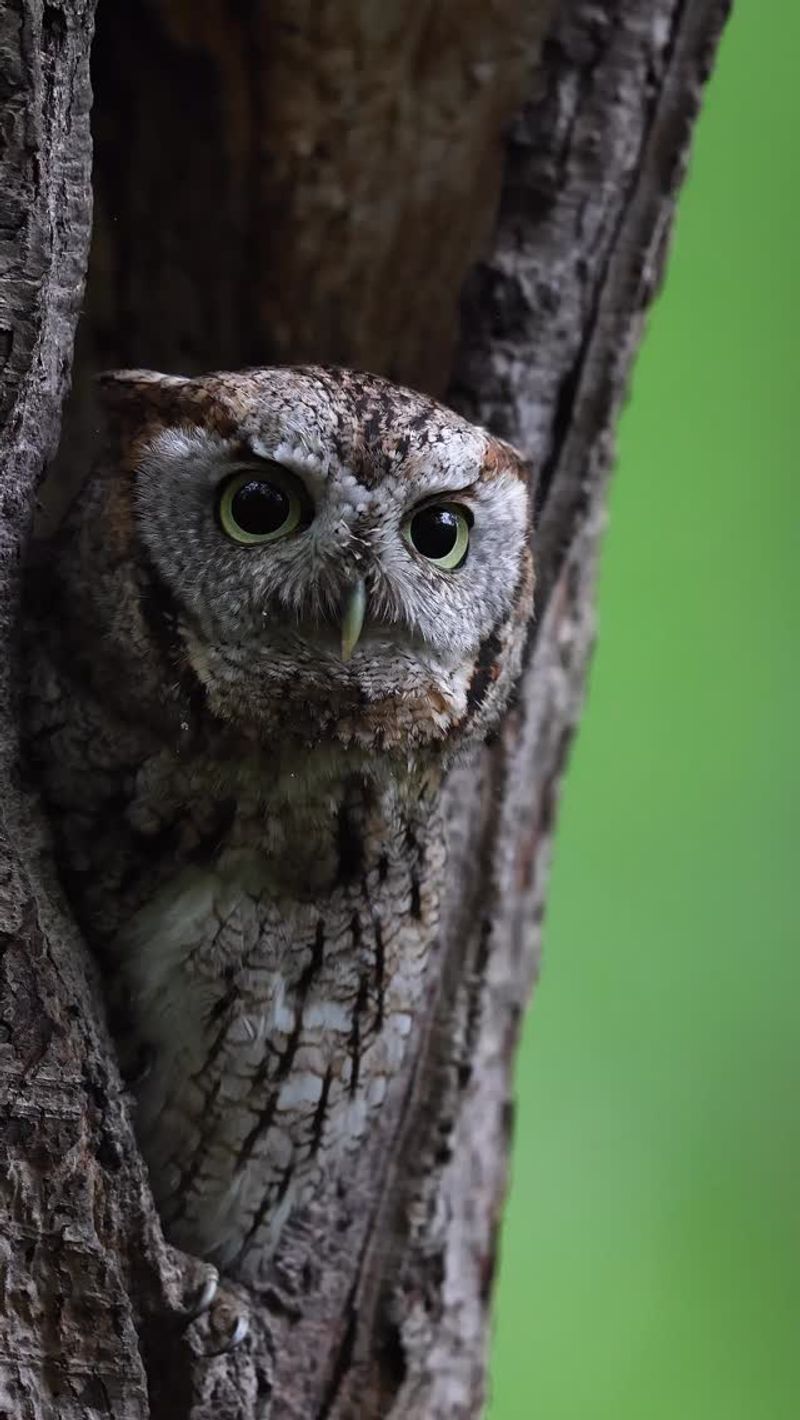
Silent and patient, owls hunt in the low light when hummingbirds are just waking or settling down. Smaller owls like screech owls will take a resting hummingbird right off its perch without a sound.Because owls hunt at dawn and dusk, the danger peaks when your feeders first fill with early risers.
Their soundless flight means birds rarely hear them coming.Good feeder placement is your best defense here. Set stations near dense, leafy cover so hummingbirds can tuck themselves away when they rest overnight.Avoid hanging feeders directly under big open branches that make perfect owl perches.
A little thoughtful trimming can remove the ambush spots an owl prefers.Keep in mind that owls also control mice, rats, and large insects, so they earn their place in a healthy yard. You do not need to drive them off, just make your hummingbird zone a harder target.
Smart layout lets both the owls and your little jewels share the neighborhood safely.
12. Smart Feeder Placement and Safety Setup
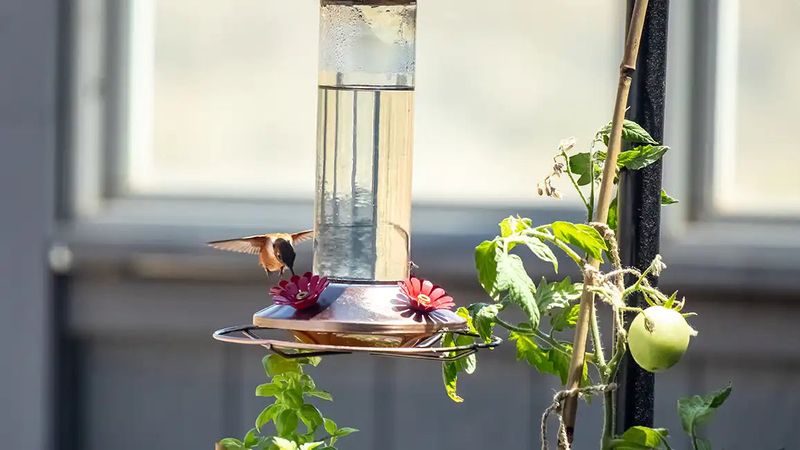
Pulling it all together, the single best protection is where and how you hang your feeders. Thoughtful placement quietly defeats most predators without any traps or chemicals.