
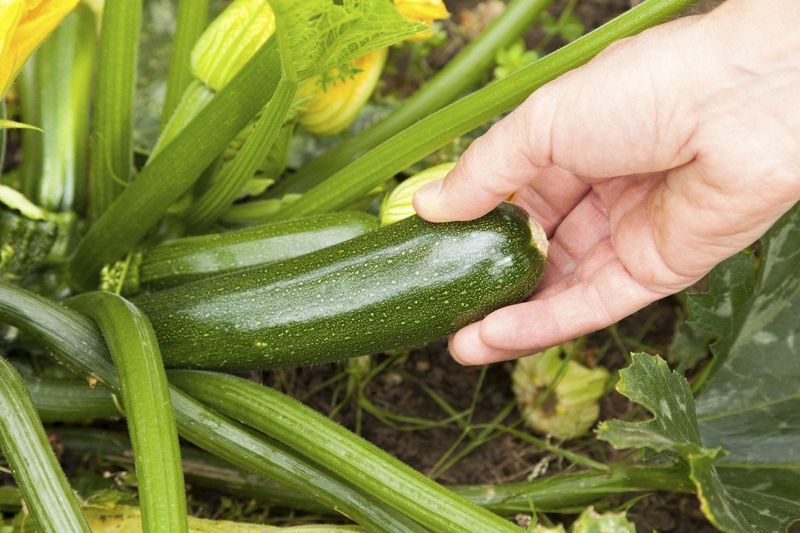
Zucchini has a way of hiding under big leaves and then showing up way too large before you even knew it was ready. Most gardeners miss the window not because they are careless, but because nobody told them what to look for before the fruit gets away from them.
A few simple checks, done regularly, can make the difference between tender, flavorful zucchini and a baseball-bat-sized squash that belongs in a county fair.
Zucchini is usually picked before full maturity
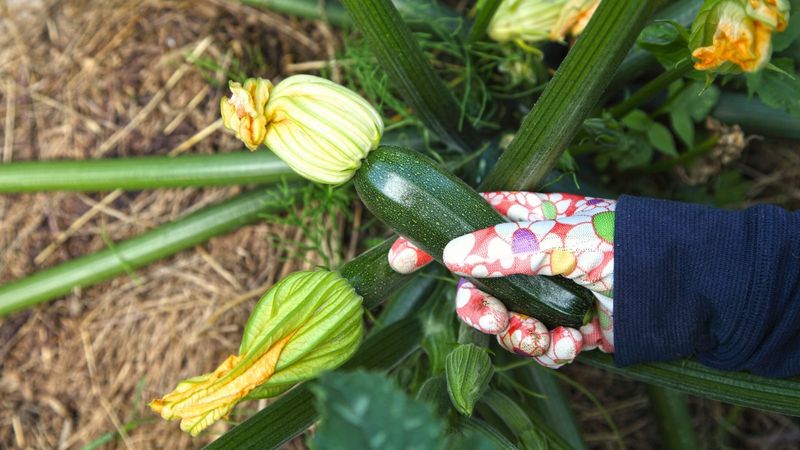
Most people use the word “ripe” when they talk about zucchini, but harvest-ready is actually the better term. Zucchini belongs to the summer squash family, and unlike a pumpkin or butternut squash, it is intentionally picked while still immature.
Illinois Extension guidance on summer squash confirms that the goal is tender skin, soft flesh, and immature seeds, all of which deliver the best fresh-eating quality.
Waiting for zucchini to reach full botanical maturity the way you would wait for a winter squash produces the opposite of what most cooks want. The rind hardens, the seeds enlarge and toughen, and the flesh loses the mild, slightly sweet flavor that makes fresh zucchini worth growing.
That is not a sign of ripeness you want to chase.
The contrast with winter squash is worth keeping in mind. University of Minnesota Extension notes that winter squash is left on the vine until the rind is hard and the stem begins to dry, but applying that same patience to zucchini leads to oversized, low-quality fruit.
Fully mature zucchini is not poisonous or completely useless, but the prime eating stage arrives well before that point.
Use size as a guide, not a rigid deadline
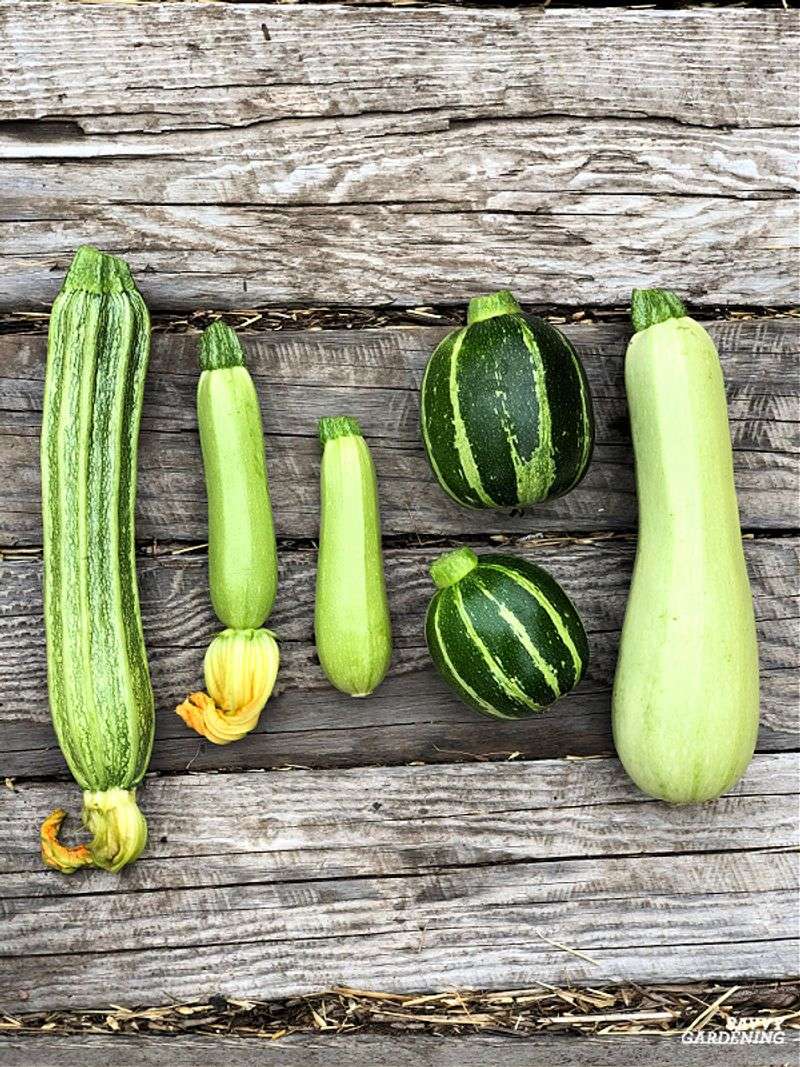
A practical starting point for many elongated zucchini varieties is somewhere around 6 to 8 inches long and roughly 1.5 to 2 inches in diameter. Illinois Extension places that range at the heart of summer squash harvest guidance, and Penn State Extension produce packing guidelines note that some market preferences lean toward 5 to 7 inches.
These numbers give you a useful ballpark, not a hard cutoff.
Baby zucchini, sometimes harvested under 4 inches long with the flower still attached, is a legitimate choice for certain recipes and specialty markets. On the other end, some cultivars are bred to be harvested a bit larger without losing quality.
Knowing what variety you planted matters more than matching a single universal number.
Shape also varies. Pattypan squash, for example, is typically harvested at about 3 to 4 inches in diameter, a very different measurement than what applies to a standard cylindrical zucchini.
UF/IFAS greenhouse vegetable production guidance reinforces that cultivar type and intended use should shape your harvest expectations. When in doubt, lean toward picking a little early rather than waiting too long, since smaller, tender fruit is almost always more versatile in the kitchen.
Check the skin with your eyes and thumbnail
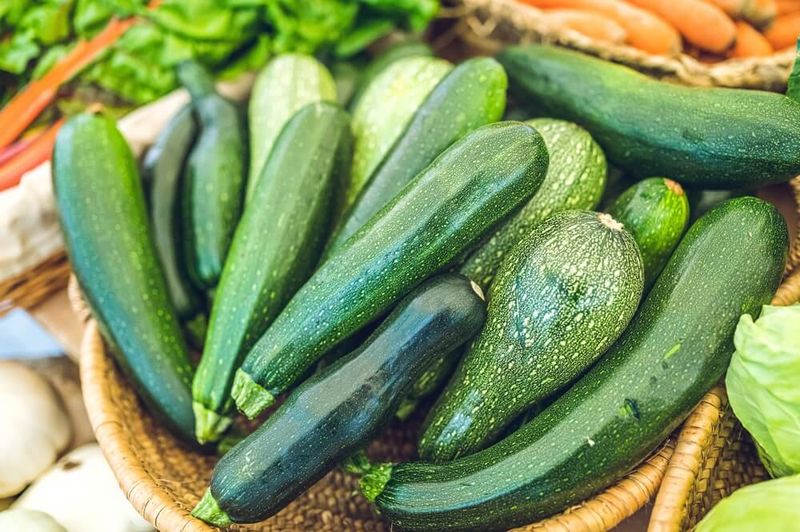
Smooth, glossy skin is one of the clearest signals that a zucchini is at its prime eating stage. Oregon State University Extension identifies shiny, tender skin as a recognized quality indicator for summer squash, while rough, dull, or damaged skin points toward declining quality rather than peak condition.
Run your eyes along the fruit before you even touch it.
Once the fruit looks right visually, the thumbnail test adds a quick physical check. Colorado State University Extension vegetable guidance describes summer squash as harvest-ready when the rind can be easily penetrated by a thumbnail.
Press gently near the blossom end. If your nail marks the skin or slides in slightly, the fruit is still in that tender immature stage.
If the rind pushes back hard without giving, the zucchini has likely passed its peak for fresh eating.
Neither the visual check nor the thumbnail test works perfectly on its own. Illinois Extension recommends combining size, firmness, and skin appearance as a set of cues rather than relying on any single factor.
A fruit that looks glossy but feels soft and waterlogged, or one that passes the thumbnail test but is still very small for its variety, may need another day or two. Use all the clues together for the most reliable read.
Let the cultivar determine the color
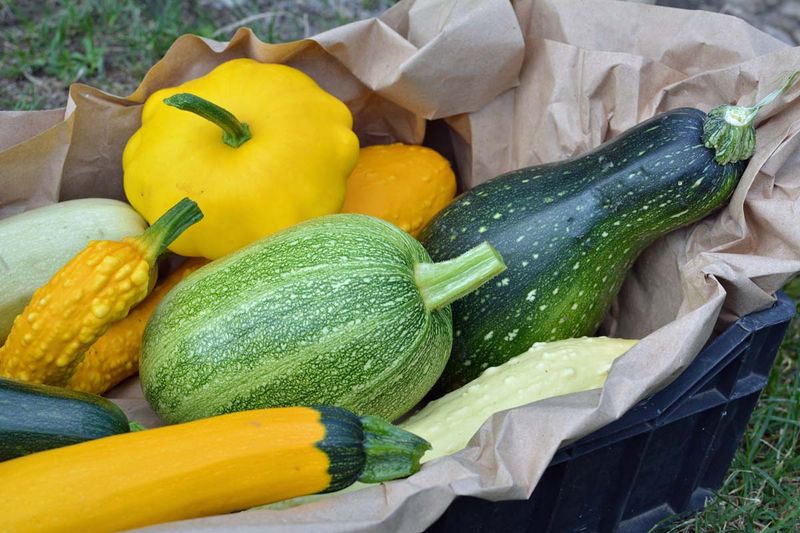
One of the most common zucchini misconceptions is that the fruit needs to turn a deeper shade of green before it is ready to pick. Color alone is not a reliable harvest signal because zucchini comes in far more shades than most gardeners realize.
University of Maryland Extension notes that summer squash varieties may naturally produce dark-green, light-green, striped, yellow, gray, or gold fruit, and none of those colors automatically signals that the fruit is past its prime or not yet ready.
A yellow zucchini is not underripe simply because it is not green, and a light-green variety is not overripe because it never darkened. The color you should watch for is the one that is normal for the specific cultivar you planted.
If you kept the seed packet or plant tag, that is the fastest reference. Oregon State University Extension reinforces that sheen and firmness carry more practical weight than shade when you are judging harvest readiness.
A sudden color shift that looks abnormal for the variety, such as yellowing on a green type or pale blotching on a healthy fruit, can sometimes point to a pollination problem or a nutrient issue rather than ripeness. In those cases, skin texture and firmness will tell you more than color alone.
Inspect plants every day in warm weather
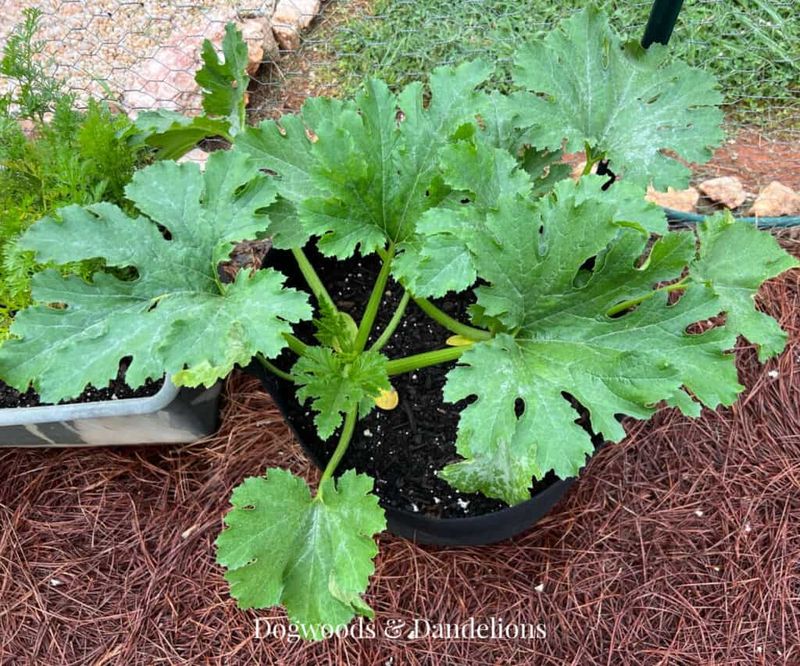
Zucchini can move from barely visible to harvest-ready in just a few days once fruit begins developing. Illinois Extension notes that summer squash can reach harvestable size roughly 4 to 8 days after pollination, and that plants should be checked every day or every other day.
In Southern gardens, where summer temperatures often stay high well into the night, that window can shrink further.
The 2024 Vegetable Crop Handbook for Southeastern United States recommends harvesting summer squash as often as every one to two days under favorable warm conditions. Texas A&M AgriLife Extension similarly advises that squash requires frequent or daily harvest to maintain quality.
For Florida and Texas gardeners dealing with intense heat and long growing seasons, daily checks are not overkill.
Zucchini plants are also good at hiding their fruit. Large, spreading leaves can completely cover a fruit that went from flower to oversized in less than a week.
Make a habit of gently lifting leaves and checking all the way down to the base of the plant. Picking fruit at the right size preserves tender quality and may help the plant continue setting new fruit, though continued production also depends on pollination, water, plant health, and the cultivar you are growing.
Cut ready zucchini without damaging the plant
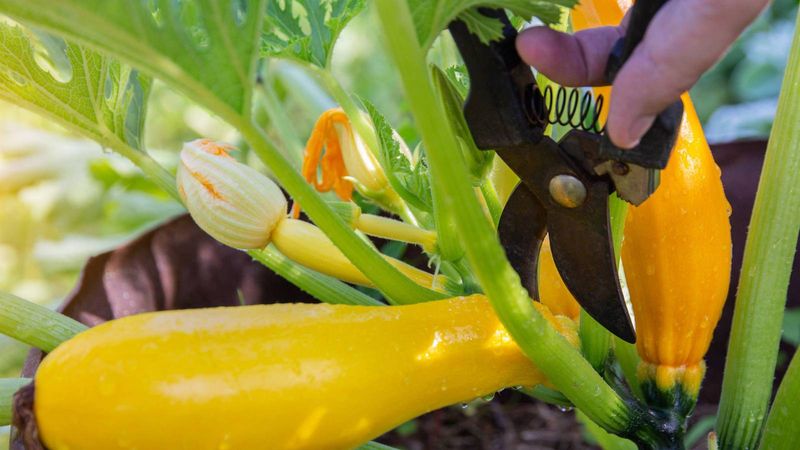
When a zucchini meets all the cues, size, skin texture, firmness, and color for the variety, the next step is getting it off the plant cleanly. Illinois Extension recommends using a sharp knife or pruning shears rather than pulling or twisting the fruit free.
Forcing a zucchini off by hand can tear the vine, damage nearby developing fruit, and leave a ragged wound that invites disease.
Support the fruit with one hand and make a clean cut through the stem, leaving roughly an inch of stem attached to the fruit. Illinois Extension guidance on exhibiting vegetables recommends approximately 1 inch of stem for presentation, and that same short stub also helps protect the fruit from bruising at the cut end during handling.
Oregon State University Extension echoes the importance of cutting rather than twisting to avoid scratching the tender skin.
Zucchini stems and leafstalks are covered in small stiff hairs that can irritate bare skin. Wearing light garden gloves protects your hands during harvest without adding any difficulty to the process.
Once cut, set the fruit down gently rather than tossing it into a basket, since the thin immature skin bruises and scratches far more easily than it looks.
Separate oversized fruit from true harvest problems
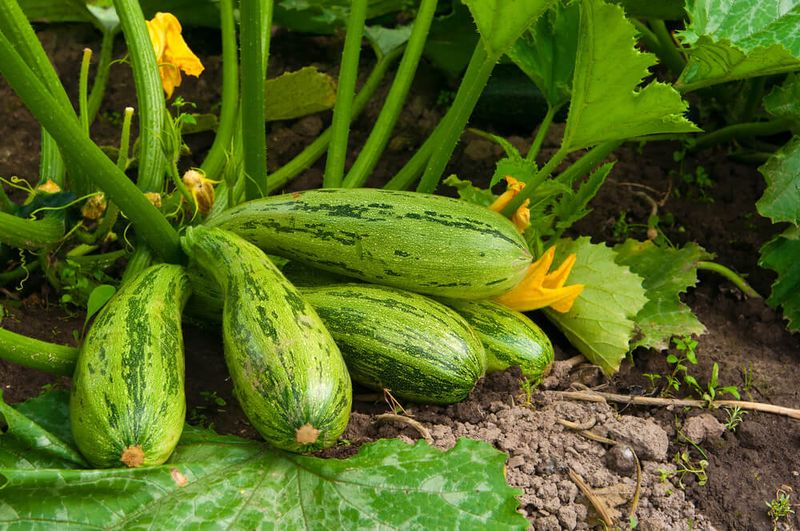
Not everything unusual on a zucchini plant is a harvest-readiness question. Three situations tend to confuse gardeners, and sorting them out saves time and prevents unnecessary worry.
An oversized zucchini, the kind that hid under a leaf for a week too long, is commonly tougher and seedier than a fruit picked at the prime eating stage. Illinois Extension points out that large zucchini is not automatically inedible.
It can be stuffed, grated into bread or muffins, added to soups, or used in baked dishes where texture matters less. Remove it from the plant promptly, since leaving oversized fruit in place can reduce the number of new fruits the plant sets, though overall production also depends on pollination, water, and plant health.
A female flower with a small swollen bump at its base is not yet a harvestable zucchini. UF/IFAS guidance on cucurbit pollination explains that this ovary only develops into fruit after successful pollination.
If pollination fails or is incomplete, that small fruit may yellow, shrivel, or become misshapen and drop off. That is a fruit-set issue, not a ripeness signal.
The one situation that calls for immediate action is extreme bitterness. Nebraska Extension advises discarding and not sharing any zucchini that tastes intensely bitter, since high levels of cucurbitacins can cause serious digestive distress.
Ordinary large zucchini that tastes normal is a quality issue, not a safety emergency.
Handle tender zucchini carefully and use it soon
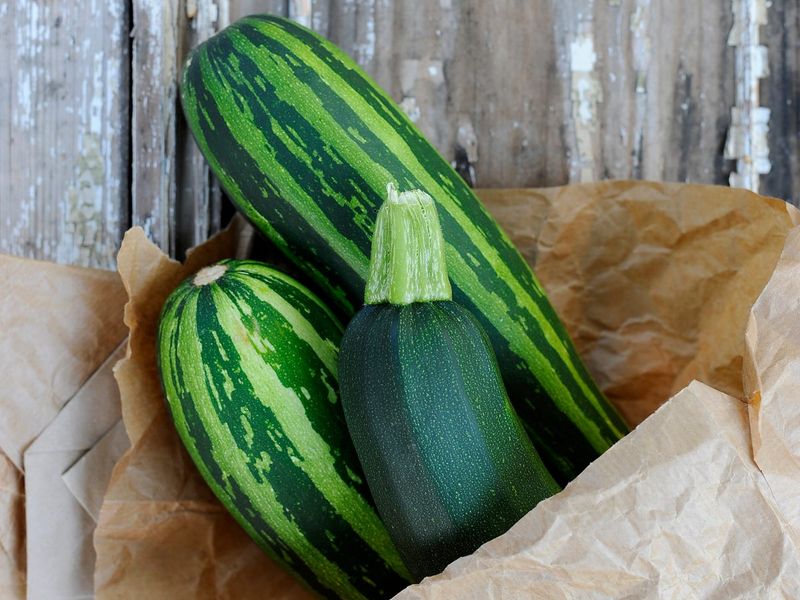
Once the zucchini is off the plant, it needs gentle handling and prompt use. The skin at the prime eating stage is thin and scratches easily, so setting fruits carefully rather than stacking or tossing them keeps them in better shape from garden to kitchen.
Illinois Extension recommends keeping zucchini unwashed in a plastic bag in the refrigerator crisper drawer and using it within about two to three days for best household quality.
Do not wash the fruit before storing it. Moisture on the skin encourages surface breakdown and speeds spoilage.
Rinse zucchini under cool running water right before you prepare it, not before it goes into the refrigerator. FoodSafety.gov guidance on produce safety is clear that soap, bleach, disinfectants, and commercial produce washes should never be used on fresh vegetables.
Plain running water and clean hands are all you need.
The broader takeaway from everything in this guide is that harvest confidence comes from combining several cues at once: size for the variety, smooth glossy skin, a firm body, a rind the thumbnail can still mark, and normal color for the cultivar. Waiting for one magic signal, whether a color change or a hard rind, means missing the window almost every time.
A zucchini picked a little early will always serve you better than one that waited too long.