
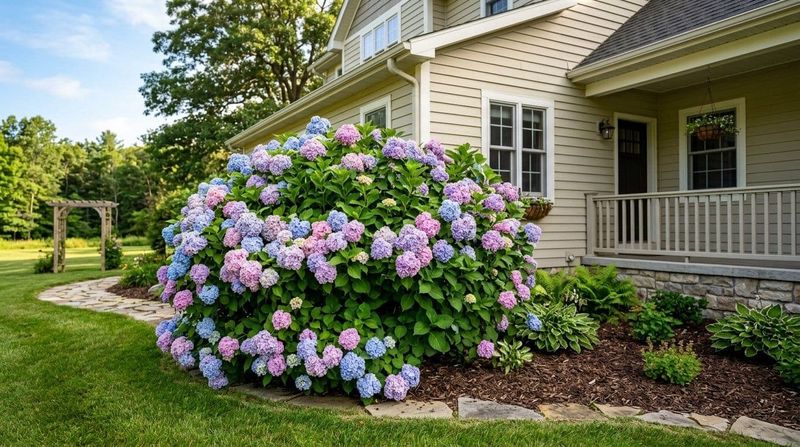
Walking past a leafy, full-grown hydrangea that hasn’t produced a single new bloom all summer is genuinely frustrating, especially when the plant tag promised repeat flowers. Endless Summer hydrangeas are marketed as reblooming machines, but that label comes with conditions most gardeners never read.
One plausible and fixable cause is cutting healthy stems too far back during the growing season, though heat, drought, deer, and other factors can quietly steal the second flush too. Knowing what to look for on your own plant is the fastest way to get those flowers back.
‘Endless Summer’ Does Not Guarantee a Second Flush
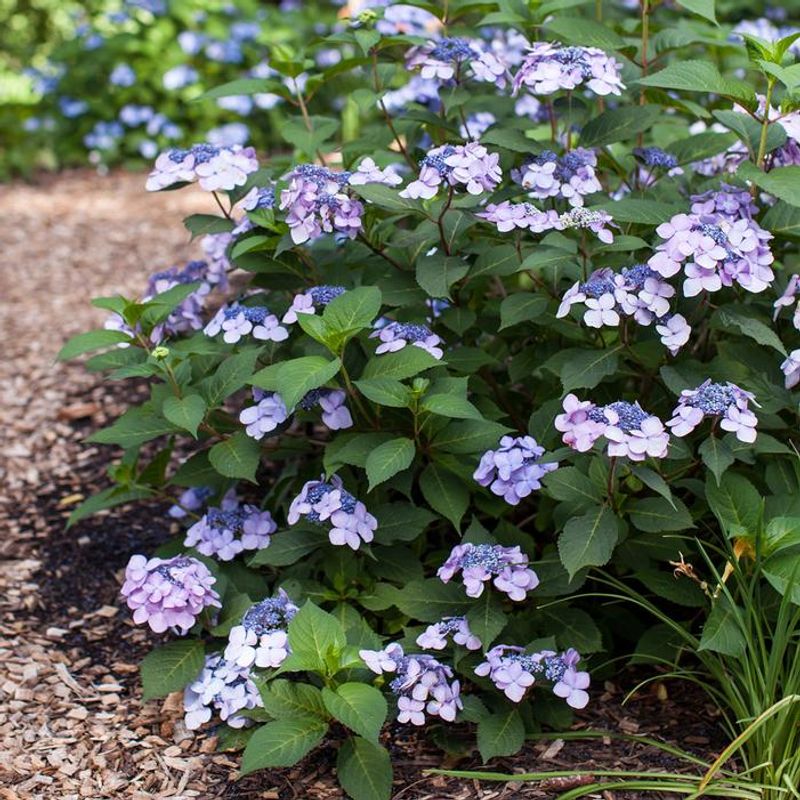
The name “Endless Summer” sells a promise that the plants themselves cannot always keep. Heritage Museums and Gardens performance evaluations describe the rebloom pattern as reliable but often modest, with later flowering that can be sporadic rather than a continuous second wave.
A leafy shrub with no new blooms is a signal worth investigating, not an automatic sign that you pruned wrong.
What most gardeners don’t realize is that Endless Summer is a brand, not a single plant. The family includes the original ‘Bailmer’ selection along with cultivars like ‘BloomStruck,’ ‘Twist-n-Shout,’ ‘Summer Crush,’ and ‘Blushing Bride,’ and their rebloom performance varies noticeably.
Penn State Extension guidance on hydrangea species reinforces that identifying your specific cultivar matters before assuming one fix applies to every plant in the brand. Pull out the original plant tag or photograph the label if it’s still in the pot.
All of these cultivars belong to Hydrangea macrophylla, the remontant bigleaf group that can flower on both old wood carried from last season and new growth produced in the current year. University of Minnesota Extension notes that this dual-wood flowering habit is what makes reblooming possible, but the strength of that second flush still depends heavily on cultivar genetics and growing conditions.
A missing second flush means something interrupted that process, and finding out what requires a closer look at the whole plant.
A Deep Growing-Season Cut May Remove Future Flowering Growth
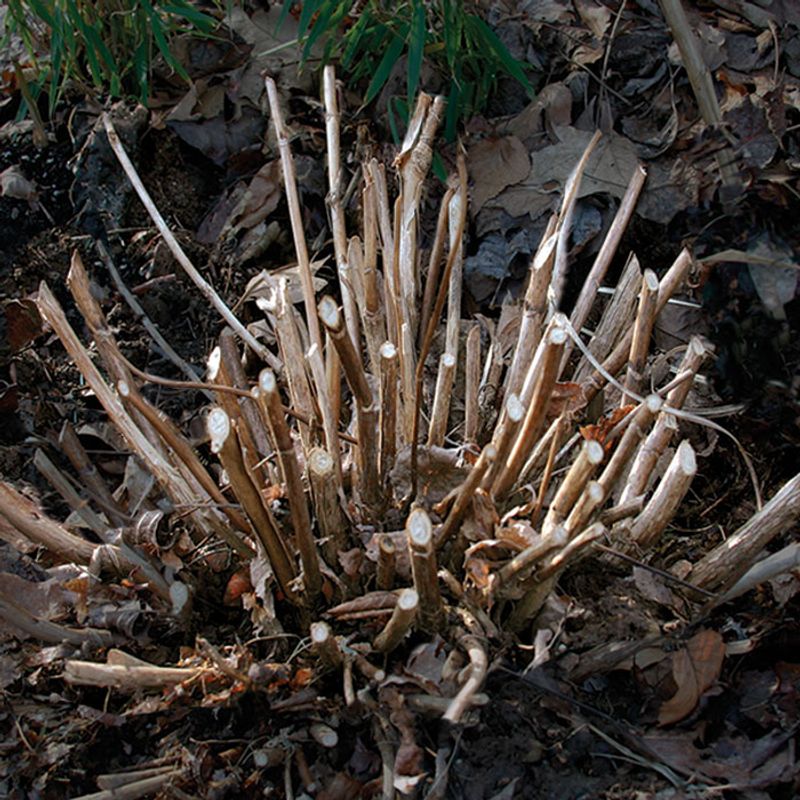
Hard pruning during the growing season is one significant and fixable reason a remontant bigleaf hydrangea may go quiet after its first flush. When new shoots push out in late spring and early summer, those stems carry the buds that can become the second round of flowers.
Cutting them back too far, especially in midsummer, removes or delays the very growth that would have supplied later blooms.
University of Maryland Extension’s pruning guidance specifically warns that mid-season pruning can interrupt or shorten the reblooming window for remontant hydrangeas. The critical distinction is between two very different cuts: snipping off just the faded flower head at the branch tip, and cutting the entire flowering stem back to the base or to a low node.
The first is a targeted deadhead; the second is a structural cut that sacrifices what’s left of the stem’s potential.
That said, pruning is not the only explanation and shouldn’t be treated as the automatic verdict whenever a plant skips its second flush. Heat, drought, too much shade, excess nitrogen, deer browsing, winter injury, and cultivar differences can all produce the same leafy-but-flowerless result.
The pruning question is worth asking first because it’s something you can observe directly – did you cut stems back during the growing season, or did you remove only the spent flower heads? The answer narrows the diagnosis before you go looking for other causes.
Deadhead the Flower, Not the Whole Stem
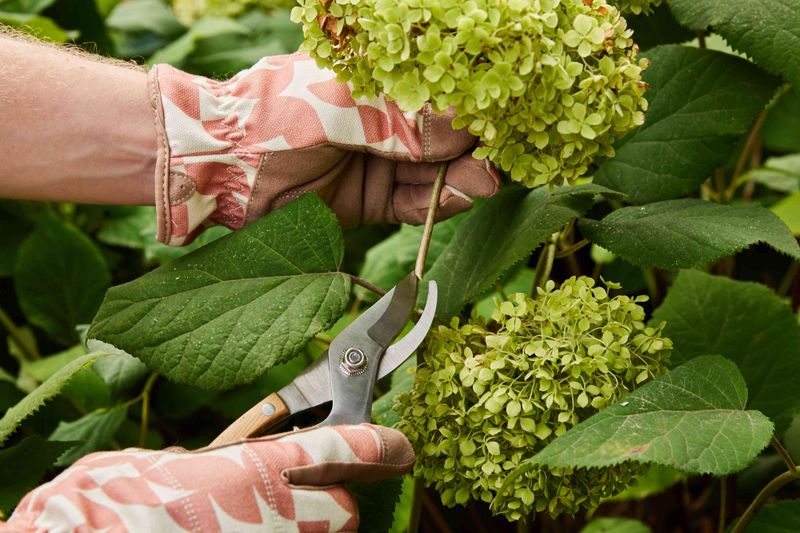
Correcting a pruning mistake starts with a single rule: remove the spent bloom, not the stem it grew on. To deadhead an Endless Summer hydrangea properly, cut or snap off the faded flower head right at the branch tip, just below where the bloom attaches.
The green stem below that point stays in place.
UConn’s Home and Garden Education Center confirms that deadheading is optional for plant health but may encourage additional flowers on reblooming types. University of Maryland Extension reinforces that the cut should remove only the spent flower head at the branch tip, not the entire flowering stem.
Cutting the whole stem to the base eliminates nodes that could still push new growth and potential buds.
If you’ve already made deeper cuts this season, stop there. Don’t try to compensate by reshaping what’s left, and don’t cut back additional healthy green stems to “even things out.” UGA Extension’s comprehensive pruning guide supports preserving healthy stems when continued flowering is the goal.
The plant may still push new growth from lower nodes on cut stems, but that outcome depends on cultivar, timing, and conditions, so a guaranteed recovery cannot be promised. What you can do is stop removing the material the plant needs and give it the best possible chance from here.
Remove Damage, Not Healthy Shape
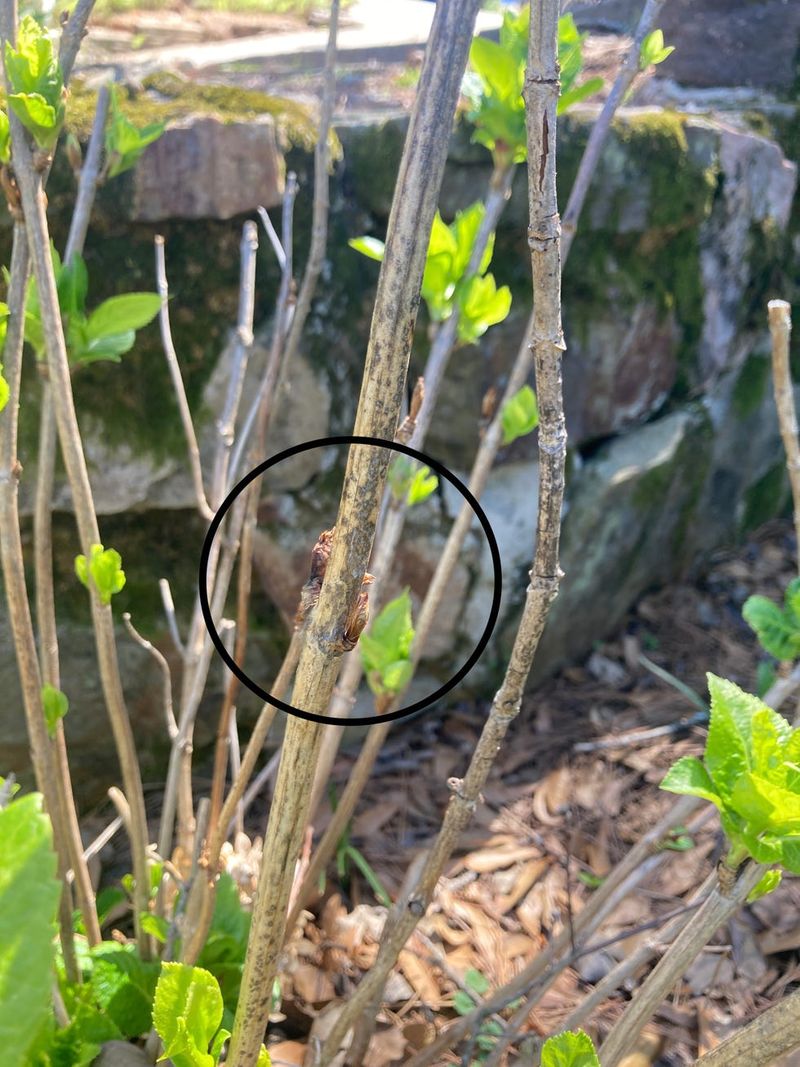
Pruning for rescue looks very different from pruning for appearance. When you’re trying to protect a plant’s chance at reblooming, the only cuts that belong on a remontant bigleaf hydrangea during the growing season are cuts that remove wood that is clearly dead or damaged.
Everything green and healthy stays.
University of Maryland Extension advises cutting dead stems back to live tissue and leaving healthy green stems alone when rebloom is the priority. The way to tell dead wood from live wood is simple: scratch the bark lightly with a fingernail.
Green tissue underneath means the stem is alive. Dry, brown, or hollow tissue means it’s dead and can come out.
UGA Extension’s guide to identifying hydrangeas before pruning also emphasizes that knowing your specific type is essential before any cuts are made.
Remontant bigleaf hydrangeas are not the same as smooth hydrangeas (like ‘Annabelle’) or panicle types (like ‘Limelight’), which flower on new wood and can be cut back hard in late winter without affecting blooming. University of Minnesota Extension and Penn State Extension both clarify that different hydrangea species require different pruning timing.
Applying a new-wood pruning schedule to an old-wood or dual-wood bigleaf can wipe out an entire season’s flowers. Routine summer reshaping serves an aesthetic goal; it’s a different job from protecting flower buds, and the two should not be confused.
Check for Bud Loss Before Blaming the Pruners
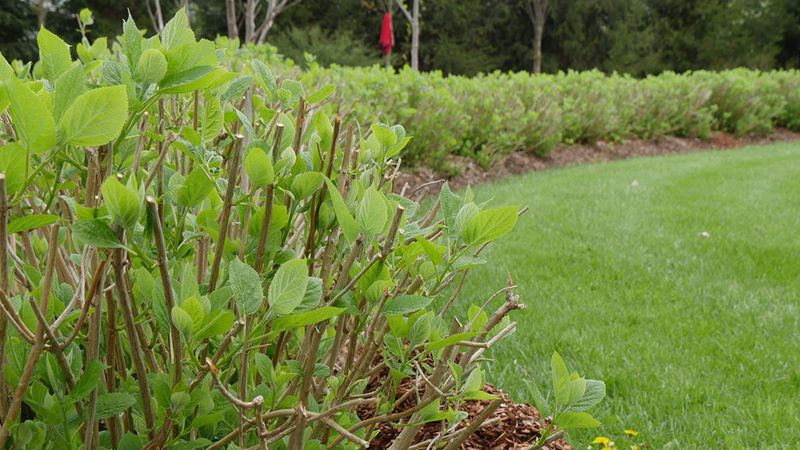
A plant that was never hard-pruned can still fail to rebloom, and the explanation is usually something that happened before the missing flowers became obvious. Flower buds on bigleaf hydrangeas are vulnerable to a surprising range of threats, and by the time a gardener notices the empty stems, the damage is already done.
Deer are a common and underappreciated cause. They graze tender new shoots and developing buds, removing exactly the material that would have become flowers.
UGA Extension’s guidance on deer-tolerant ornamental plants notes that common household repellents are unreliable, and physical protection is the more dependable approach. Look for ragged or cleanly bitten stem tips, especially on lower branches accessible to browsing animals.
Late frost and winter injury are equally sneaky. University of New Hampshire Extension’s winter protection guidance explains that a cold snap after buds have begun to swell can destroy old-wood flower buds entirely.
Remontant cultivars may compensate by producing flowers on new wood, but that response varies by cultivar and growing conditions, so it isn’t guaranteed.
University of Maryland Extension’s hydrangea problem guide and UGA’s bigleaf hydrangea publication both identify drought stress and excessive heat as additional bud-loss triggers. A plant may look perfectly healthy in foliage while its buds have already dropped from heat or moisture stress weeks earlier.
Check your weather history, inspect stem tips carefully, and look for physical evidence before settling on any single explanation.
Heat, Water, and Light Shape Southern Rebloom
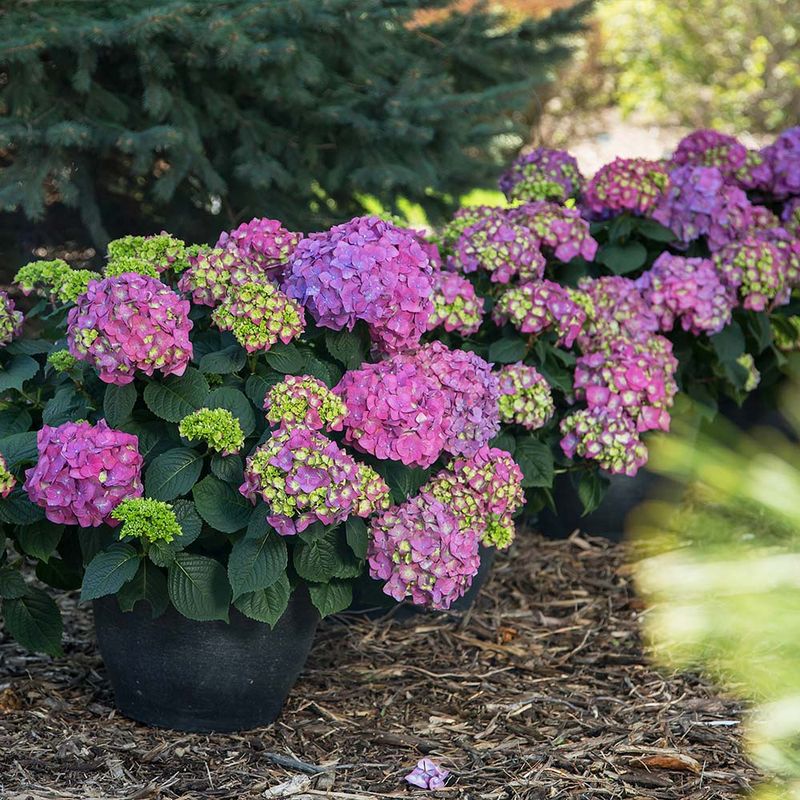
Southern gardens present conditions that bigleaf hydrangeas did not evolve to handle easily. Sustained heat, intense afternoon sun, and irregular rainfall during summer can all suppress the second flush even when pruning was done correctly.
Adjusting the site conditions that remain within your control is one of the most practical steps available.
UGA Cooperative Extension’s bigleaf hydrangea publication and UGA’s ornamental plant care bulletin both recommend morning sun with afternoon shade as a safer siting approach for bigleaf hydrangeas in the Southeast. Hot, exposed afternoon sun accelerates wilting and stresses buds.
A 2- to 3-inch layer of mulch around the root zone helps moderate soil temperature and hold moisture, but it should not be piled against the stems.
Water management matters more than watering frequency. UGA Extension’s watering guidance recommends keeping the root zone evenly moist but never waterlogged, with deep watering when the soil begins to dry rather than shallow watering triggered by every midday droop.
UGA Extension’s heat-wave watering caution notes that if leaves recover on their own by evening and the soil still feels moist, additional irrigation may not be needed. Overwatering in poorly drained soil creates its own problems.
On the nutrition side, Mississippi State University Extension’s hydrangea guide and UGA’s landscape fertilization bulletin caution that excess nitrogen pushes lush leafy growth at the expense of flowers. University of Maryland Extension recommends a soil test before adding any fertilizer, rather than applying a product based only on poor flowering.
Skip Quick-Fix Fertilizers and Soil Treatments
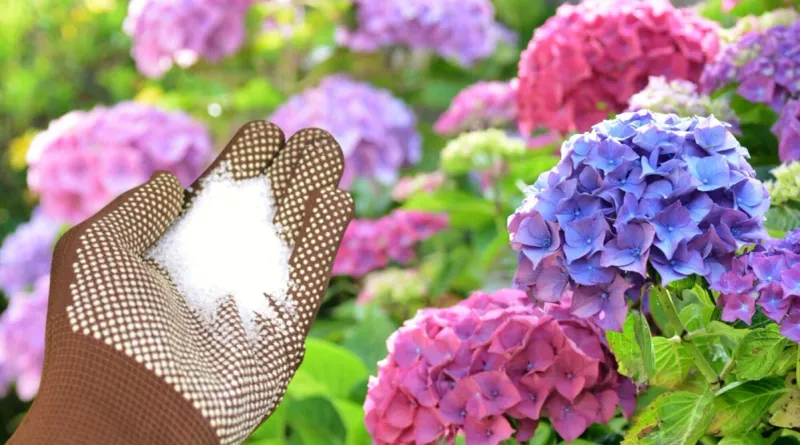
Reaching for a bag of soil amendment or fertilizer when flowers don’t appear is a common impulse, but it can create new problems without solving the original one. Several popular “fixes” for poor hydrangea flowering are either unrelated to rebloom or potentially harmful when applied without a confirmed diagnosis.
Soil pH is the most misunderstood factor. Penn State Extension’s guide on hydrangea bloom failure and UGA’s bigleaf hydrangea publication both clarify that soil pH primarily affects flower color in susceptible bigleaf cultivars, not whether the plant produces a second flush at all.
Adjusting pH to chase blue or pink blooms is a color decision, not a rebloom strategy.
University of Maryland Extension warns that aluminum sulfate can damage roots if misapplied, and that soil testing should precede any amendment. UGA’s landscape fertilization guidance reinforces that adding phosphorus without a soil test is not a reliable rebloom treatment and can create nutrient imbalances.
University of Florida IFAS guidance on fungicide use similarly cautions against applying fungicides or pesticides without a confirmed problem, product-label review, and regional guidance.
The more reliable path is to preserve healthy stems, deadhead narrowly, and improve site conditions around light, moisture, and heat. Those steps address real, observable causes rather than speculative ones.
Protect the Stems You Still Have
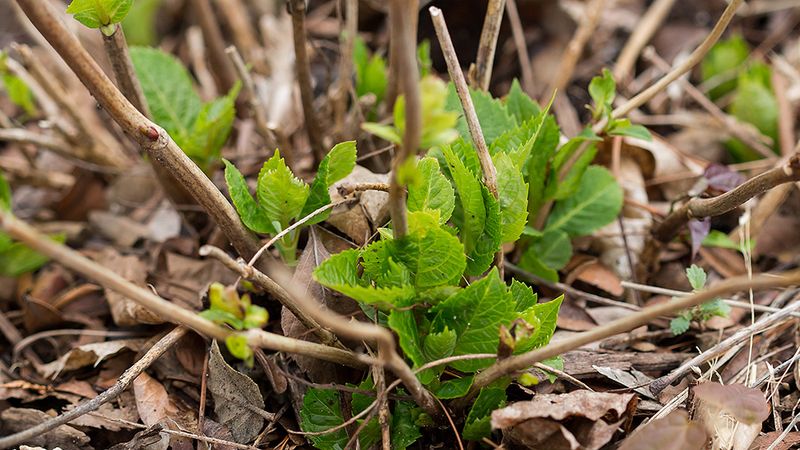
The most useful thing you can do right now is stop removing healthy stems and start reading what the plant is telling you. Put down the pruners, remove only the faded flower heads at the branch tip, and leave every green stem in place through the rest of the growing season.
From there, work through the checklist. Identify the cultivar from the plant tag, then inspect stems for dead tissue, browse damage, or frost scars.
Check moisture and light conditions, review the season’s weather, and think honestly about whether any growing-season cuts went deeper than a deadhead. University of Maryland Extension and their hydrangea problem guide both support this methodical approach over guesswork.
Protecting stems gives the plant its best opportunity to rebloom, but Heritage Museums and Gardens performance data is a useful reminder that cultivar genetics and growing conditions still set the ceiling. A well-cared-for plant in good conditions may still produce a modest second flush rather than a spectacular one, and that is a normal outcome worth accepting.