
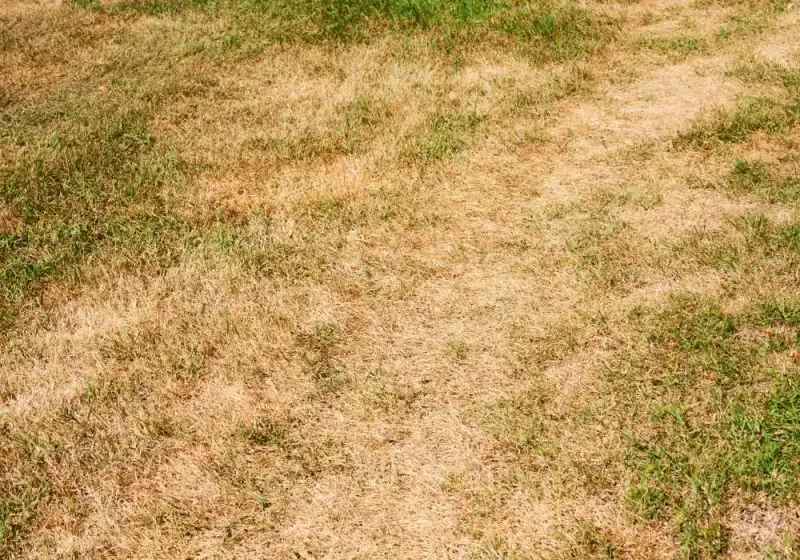
Stepping outside on a hot August morning to find your lawn looking dull, brown, and crunchy underfoot is one of the most discouraging sights in Southern yard care. For homeowners in Florida and Texas, where summer heat lingers well into fall, a struggling lawn can feel like a losing battle.
The frustrating part is that a very common watering habit, one most people assume is helping, may actually be making things worse. Understanding what your grass is really telling you, and what to do about it, can make the difference between a lawn that recovers and one that keeps declining.
Check the lawn for early drought-stress signs
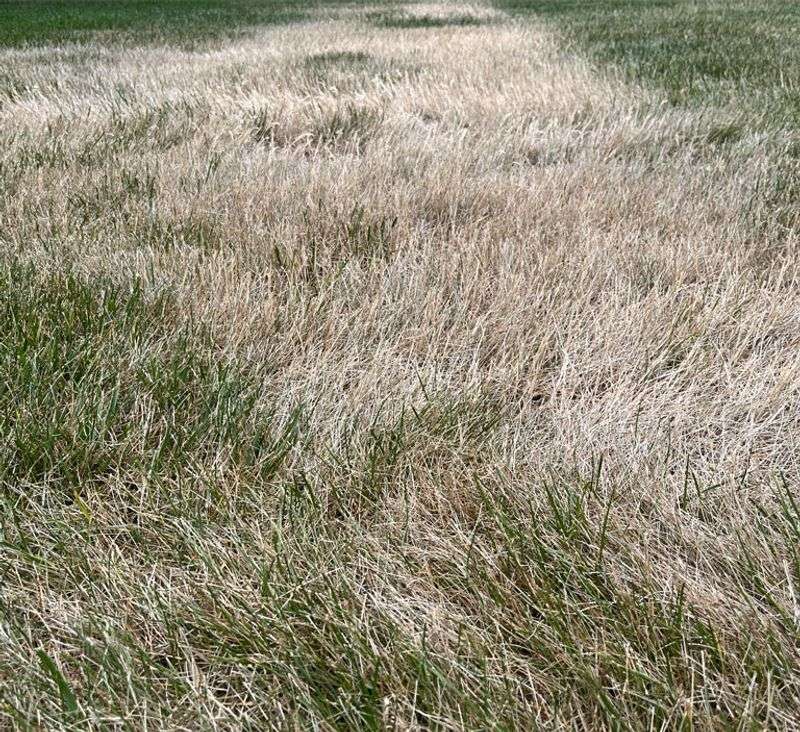
A lawn under heat stress usually gives warning signs before it turns fully brown. On established warm-season turf such as St. Augustinegrass, bermudagrass, or zoysiagrass, the first clues are often subtle: the grass takes on a bluish-gray or dull cast instead of its usual green, individual blades fold or roll lengthwise, and footprints stay pressed into the turf rather than springing back.
UGA Extension’s guide to abiotic turfgrass disorders identifies these responses as common early indicators of water stress in warm-season grasses.
Widespread browning is a later stage. It can mean the grass has entered drought dormancy, which warm-season turf is capable of surviving for a period, or it can reflect more severe stress.
Brown grass is not automatically dead grass, but it does warrant attention. UF/IFAS guidance on watering Florida lawns and Texas A&M’s bermudagrass management calendar both treat browning as a sign of advanced stress or dormancy rather than proof that underwatering is the only cause.
Avoid assessing the lawn during the hottest part of the day. UF/IFAS Pasco County notes that turf can wilt temporarily at midday as a natural heat response, which makes it easy to overreact.
Walk the lawn in the evening or early morning instead, and treat visible stress as a prompt to check your watering habits, soil moisture, sprinkler coverage, and lawn conditions rather than a reason to automatically run the irrigation system.
Frequent shallow watering can weaken heat tolerance
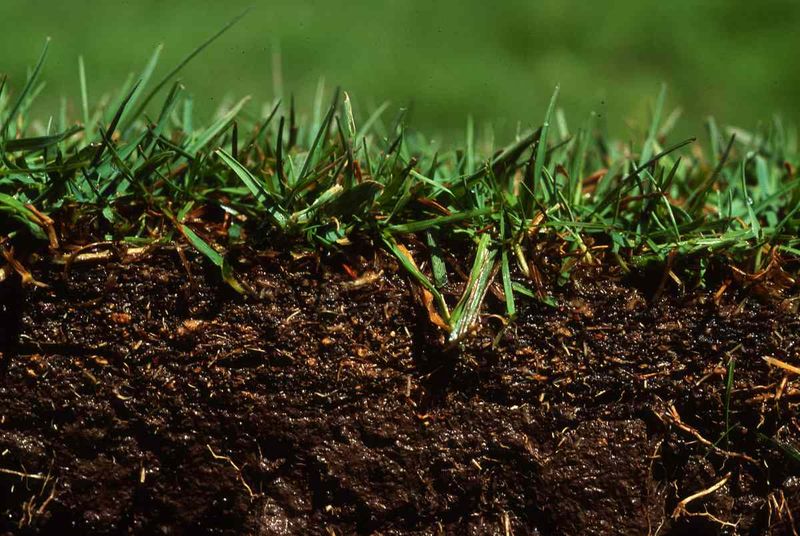
Running sprinklers for just a few minutes every day, or several short sessions each week, is one of the most common watering habits in Southern neighborhoods. The problem is that brief, frequent irrigation tends to wet only the top inch or two of soil.
Grass roots follow moisture, so when water rarely reaches deeper into the ground, roots stay concentrated near the surface where the soil dries out fastest during late-summer heat.
UF/IFAS research on improving turfgrass health specifically identifies daily or small, frequent irrigations as a driver of shallow rooting and greater drought susceptibility in warm-season turf. A lawn with shallow roots has very little buffer when temperatures spike and surface soil moisture evaporates quickly.
That vulnerability shows up as the stress signs and browning that many homeowners notice in late summer, even when they feel like they have been watering regularly.
Changing the time of day without changing the pattern does not fix the problem. Switching from an evening schedule to a morning one is a useful adjustment for other reasons, but it will not compensate for an application that is too short or too frequent to wet the root zone.
This explanation applies specifically to established turf. Newly installed sod or freshly seeded areas need more frequent moisture during the establishment period and follow a different set of guidelines.
UF/IFAS guidance on fertilization and irrigation needs draws a clear distinction between establishment watering and the long-term care of established lawns.
Use stress, soil moisture, and rainfall to choose when to water
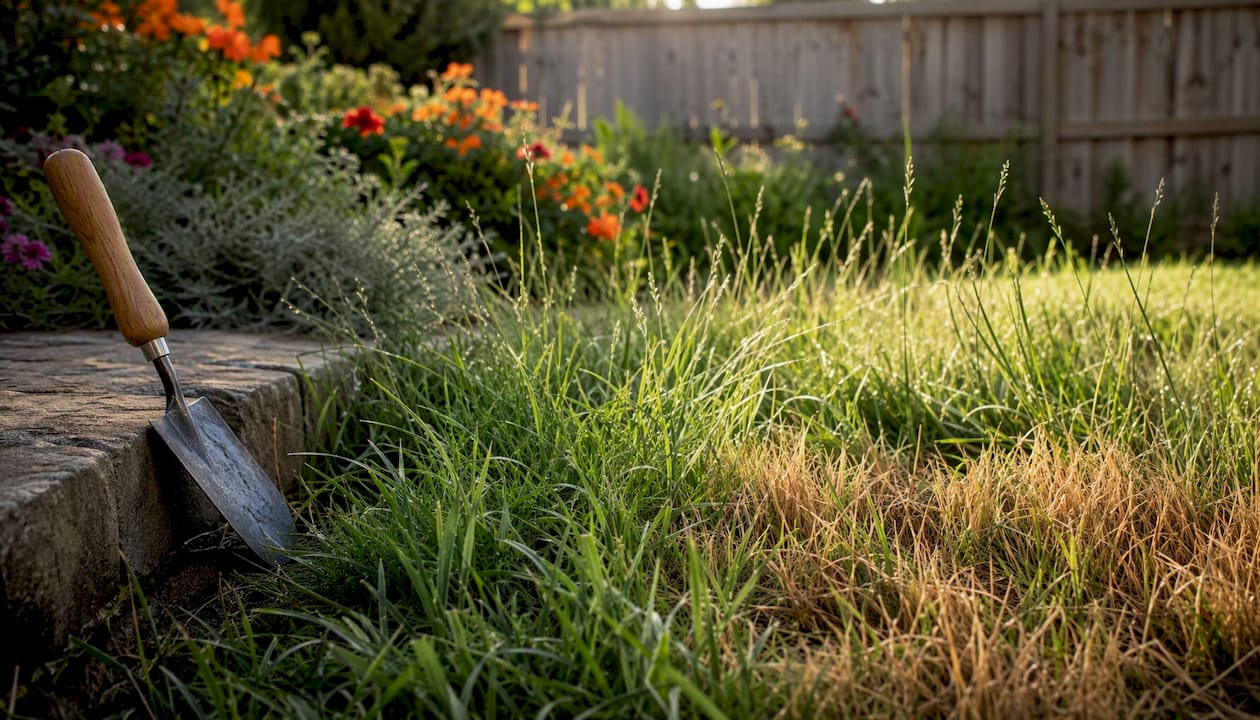
Replacing a fixed daily timer with a conditional decision process takes a little more attention, but it gives your lawn what it actually needs rather than what the clock says. Start by walking the yard during cooler morning or evening conditions and looking for persistent stress across a meaningful portion of the turf.
Extension recommendations differ slightly on the exact trigger: some UF/IFAS homeowner guidance suggests irrigating when roughly one-third of the lawn shows persistent drought-stress symptoms, while other guidance from the same institution puts that threshold at around 30 to 50 percent. Treat both figures as advisory rules of thumb, not a universal scientific threshold.
Soil moisture is the next check. Push a screwdriver or a thin rod about six inches into the ground in a stressed area.
If it slides in easily, the soil still holds some moisture. If it resists or feels bone dry at a shallow depth, the root zone is drying out.
Always factor in recent rainfall before running the irrigation system. UF/IFAS watering guidance is clear that irrigation should supplement rainfall, not replace the habit of checking whether the ground already has adequate moisture.
Soil type, rooting depth, shade, grass species, slope, and compaction all affect how quickly a lawn dries. UF/IFAS irrigation recommendations caution that sandy Florida soils, shallow or rocky sites, and compacted urban lawns can dry far faster than a general schedule assumes.
If only one or two spots look stressed while the rest of the lawn looks fine, investigate those patches for coverage gaps, reflected heat, compaction, or pest activity before adding water across the whole yard.
Apply enough water without causing runoff
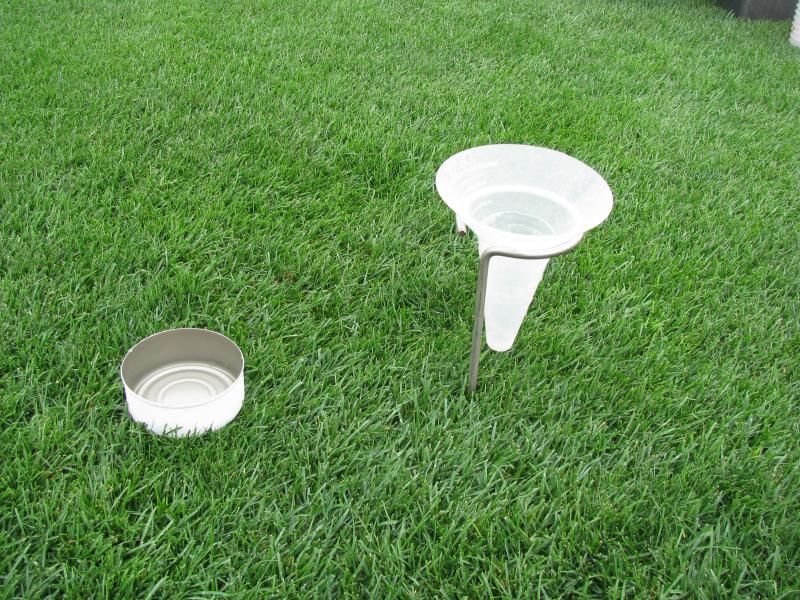
The practical correction for shallow watering is to apply enough water to wet the available root zone, then stop before runoff, standing water, or prolonged saturation occurs. For Florida lawns, UF/IFAS commonly cites one-half to three-quarters of an inch per irrigation event as a starting point when drought stress is visible on established turf.
Texas A&M uses roughly one inch per week as a general rule, with rainfall counted toward that total. Both figures are regional guidelines shaped by grass type, soil, rooting depth, shade, season, and local conditions, not universal prescriptions.
UF/IFAS irrigation summaries explicitly note that a generalized depth recommendation does not fit every Florida soil condition, particularly sandy, shallow, or compacted sites. Rather than guessing how much water your system delivers, measure it directly.
Place several straight-sided cans such as tuna or soup cans at different spots within one sprinkler zone, run that zone for a set time, and measure the average water depth across the cans. UF/IFAS Okaloosa County recommends this catch-can method as the reliable way to know what your system actually applies, since runtime alone does not tell you the depth.
If water begins sheeting off the turf before the root zone is wet, use a cycle-and-soak approach. Run the zone for a shorter period, pause long enough for the water to soak in, then run it again.
The Texas Water Development Board’s landscape watering guide and EPA WaterSense home maintenance guidance both recommend this method for clay soils, slopes, compacted ground, and thatchy lawns where a single long application runs off before it can penetrate. Texas A&M also advises against overwatering, noting that excess irrigation can cause runoff, waterlogging, and nutrient leaching in addition to wasting water.
Choose a useful watering time and inspect coverage
Watering in the early morning, when practical, offers two real advantages. Cooler temperatures and lower wind speeds reduce evaporation compared with running irrigation during midday heat, and foliage has time to dry as the day warms up, which can reduce the leaf wetness that favors certain lawn diseases.
EPA WaterSense guidance on hot-weather irrigation and UF/IFAS watering recommendations both suggest early morning as a practical window for these reasons.
Morning timing cannot substitute for adequate water volume, good soil infiltration, or functional sprinkler heads. If the system is not delivering enough water, or is not delivering it evenly, shifting the schedule to 5 a.m. will not fix the brown areas.
Timing, total application, and uniform distribution address different problems, and their relative importance depends on the specific lawn and irrigation setup.
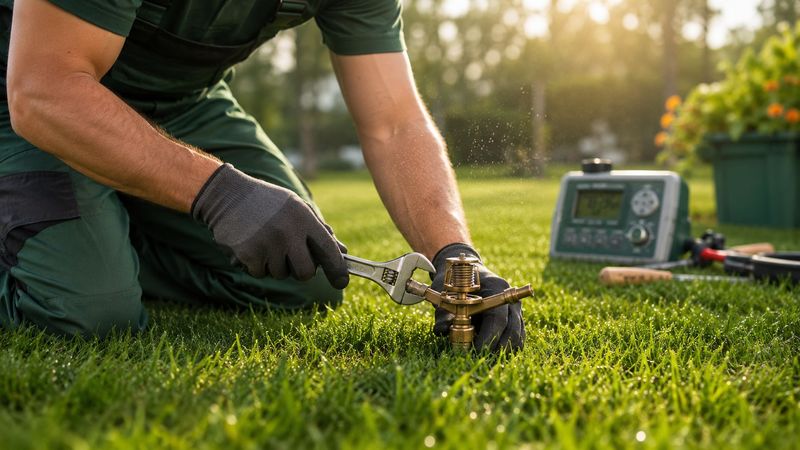
Walk each sprinkler zone while it runs and look for heads that are clogged, tilted, leaking at the base, spraying onto pavement, or aimed away from turf. UGA Extension Newton County recommends inspecting the irrigation system regularly during summer stress periods.
Compare the location of dry or brown patches with the coverage boundaries of each zone. A section of turf that consistently dries faster than surrounding areas may simply be receiving less water due to a coverage gap, not because the overall schedule is wrong.
Mow to reduce additional heat stress
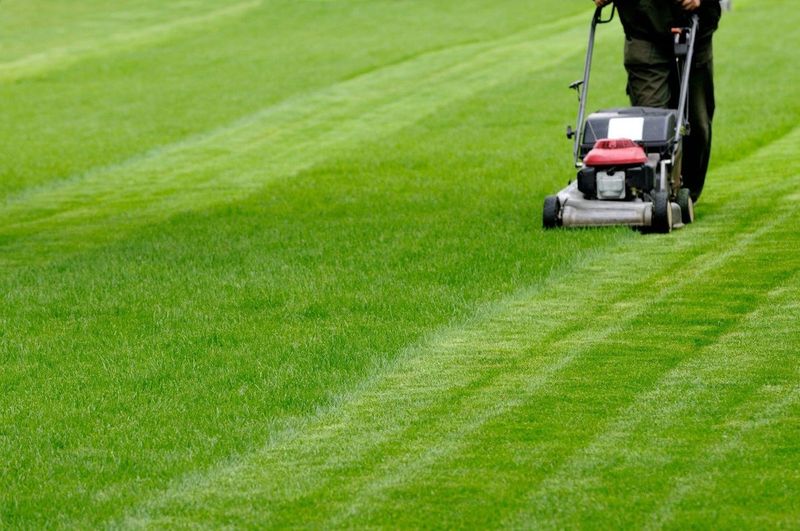
Mowing practices during heat and drought can either cushion the lawn against additional stress or push it closer to decline. Raising the mowing height to the upper end of the recommended range for the specific grass species allows the turf to maintain more leaf area, which can reduce soil temperature and slow evaporation from the ground.
UGA Extension’s guidance on hot and dry landscape conditions recommends keeping turf on the taller side during stress periods for this reason.
The one-third rule matters year-round but becomes especially important in summer. Removing more than one-third of the leaf blade in a single mowing weakens the grass and forces it to redirect energy from root maintenance to leaf recovery, exactly when the root zone needs all the support it can get.
UGA Extension Fulton County and UGA Extension IPM guidance both emphasize keeping blades sharp and following the one-third rule to minimize turf stress.
Fertilizer is not a fix for brown, heat-stressed grass. Excess nitrogen during hot and dry conditions increases the lawn’s water demand and can make it more susceptible to pest and disease problems.
UGA Extension Forsyth County’s drought-recovery guidance advises waiting until conditions improve and following the grass species’ seasonal fertilization calendar rather than applying nitrogen as a quick greening treatment.
Investigate brown patches before adding more water
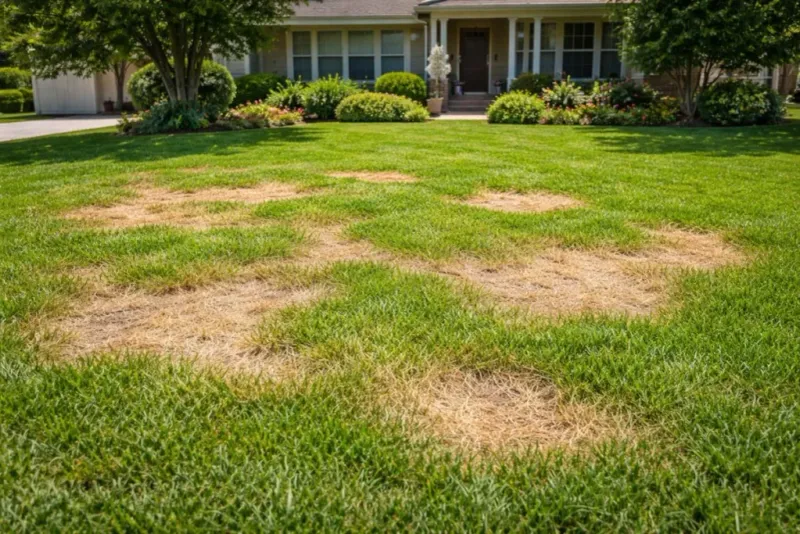
Not every brown area on a Southern lawn points to a watering problem. Patches located next to driveways, sidewalks, building walls, or slopes often reflect radiated heat, shallow soil depth, compaction, or poor sprinkler coverage rather than a household irrigation schedule.
UGA Extension’s turfgrass disorder guide and EPA WaterSense both identify localized dry spots, reflected heat, and coverage gaps as causes of brown patches that are distinct from a general irrigation deficiency.
Insect damage deserves particular attention on St. Augustinegrass lawns in Florida and Texas. Southern chinch bugs feed on the grass near the soil surface and inject a toxin that causes expanding, irregular patches of yellowed and brown turf, typically in the sunniest parts of the lawn during hot, dry weather.
Texas A&M AgriLife’s chinch bug guide describes how this damage pattern can closely mimic drought stress, making a visual inspection of the turf and soil surface necessary before adding more water.
Circular or semicircular patches, areas that stay wet or recover poorly despite irrigation, and symptoms with defined edges may suggest turf disease. UGA Extension’s turfgrass disease quick reference guide can help homeowners narrow down whether a pattern fits a known disease profile.
Warm-season grasses including bermudagrass and zoysiagrass can enter drought dormancy and recover after rain or irrigation returns, though prolonged severe drought can cause thinning or permanent loss. Texas A&M’s bermudagrass calendar and Oklahoma State Extension turf FAQs both note that brown dormant turf is not automatically dead.
Before increasing irrigation frequency, confirm that local restrictions allow it. In Florida, watering schedules may be governed by one of the state’s five water management districts under Florida DEP water management district rules, while in Texas, schedules are often set by local utilities following Texas Water Development Board best management practices.
When symptoms persist or do not match drought stress, a local Extension office can help with diagnosis.
Turn off the daily timer and reassess the lawn
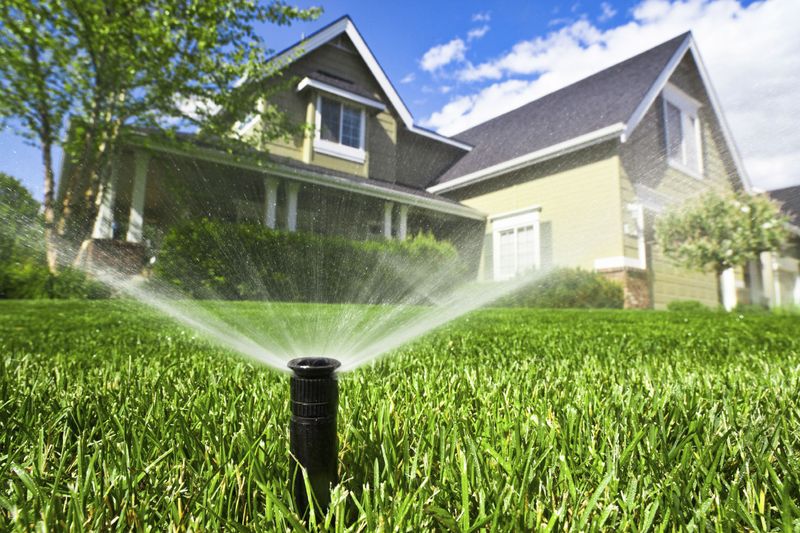
Correcting a shallow-watering habit starts with turning off the automatic daily schedule and replacing it with a deliberate inspection routine. Walk the lawn during cooler morning or evening hours, look for persistent stress across a meaningful portion of the turf, check whether recent rainfall has already wet the root zone, and review local watering restrictions before running the system.
UF/IFAS guidance on proper irrigation and UF/IFAS watering recommendations consistently point to soil moisture and visible stress as the right triggers for irrigation, not a fixed timer.
When the lawn does need water, apply enough to wet the root zone without causing runoff, measure your system’s actual output with straight-sided cans, and use cycle-and-soak runs if water sheets off before soaking in. UF/IFAS Okaloosa County and EPA WaterSense both frame deep, infrequent irrigation as the practical standard for established turf.
The exact frequency and amount will always depend on grass type, soil, weather, rooting conditions, and local rules. Brown patches that do not respond to corrected irrigation, or that show signs of insects, disease, or coverage gaps, need diagnosis rather than more water.