
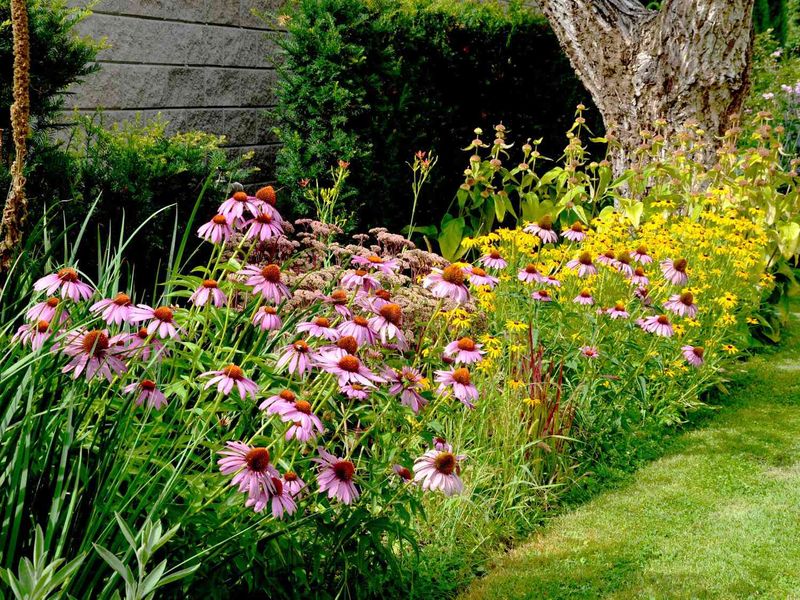
Late-summer heat can turn your flower beds into crispy brown patches faster than you can drag out the hose. If you garden in Florida, Texas, or anywhere the sun feels merciless by August, you need flowers that shrug off dry spells and keep showing off.
The good news is that plenty of tough bloomers thrive on almost no water. Here are ten flowers that stay colorful when everything else gives up.
1. Lantana
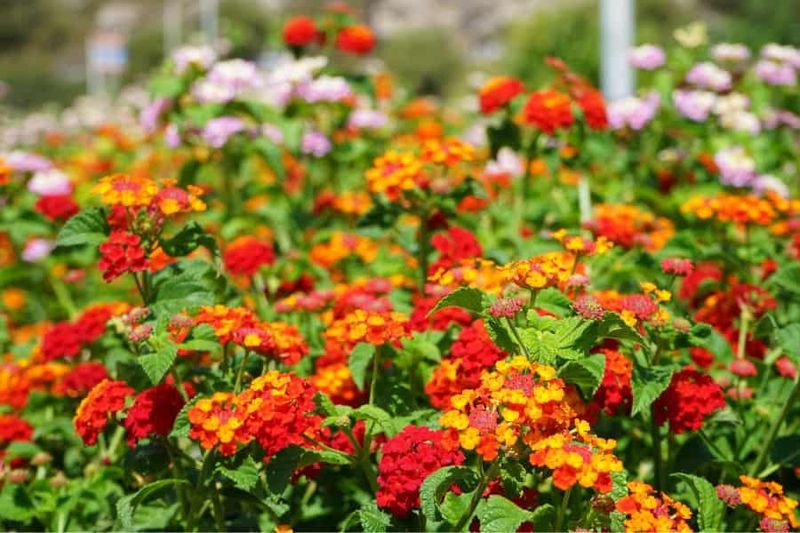
Few plants laugh at heat the way lantana does. While your other flowers wilt by noon, this tough spreader keeps cranking out clusters of tiny blooms in fiery orange, hot pink, and sunny yellow all season long.
Lantana barely notices dry soil once it settles in. Its roots dig deep, so a skipped watering week does little damage, making it a favorite for busy Southern gardeners who forget the hose.
Pollinators adore it too. Butterflies and bees swarm the flowers from morning to dusk, so you get color and backyard wildlife in one low-effort package.
Plant it along a hot driveway strip or a sun-baked border where nothing else survives. It shrugs off reflected pavement heat that would fry a petunia.
Did you know lantana is technically a member of the verbena family, and some wild types can grow into shrubs several feet tall? In a bed, regular trimming keeps it tidy and blooming harder.
For fuss-free late-summer color in Florida and Texas yards, lantana earns a permanent spot near the front of the list.
2. Blanket Flower (Gaillardia)
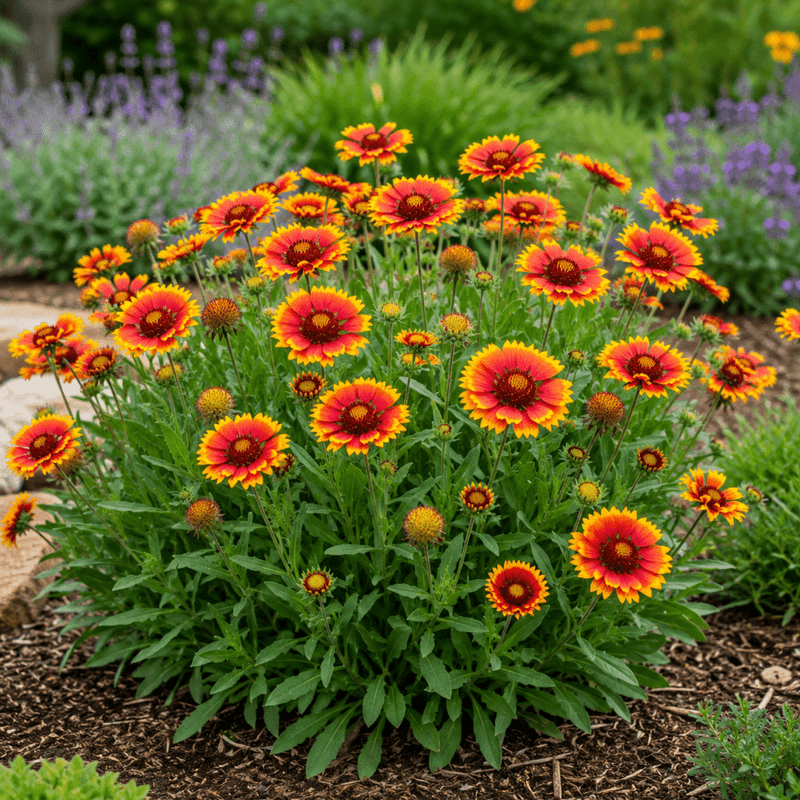
Named for the warm, blanket-like reds and golds of old Native American weavings, gaillardia brings campfire colors to the driest corner of your yard. The daisy-shaped blooms glow like little sunsets from early summer until frost.
Drought hardly slows it down. Blanket flower actually prefers lean, sandy soil and hates being pampered, so overwatering is more likely to kill it than a dry spell ever would.
Because it self-seeds so freely, one small planting can fill in gaps year after year with almost no effort on your part. That makes it a smart pick for wide beds you would rather not babysit.
It also feeds late-season pollinators when other blooms fade, keeping bees and butterflies fed through the hot stretch.
Deadhead a few spent flowers if you want, but honestly it keeps blooming even if you never touch it. For a Texas or Florida bed that bakes all afternoon, blanket flower delivers cheerful, carefree color on barely a sip of water and asks for almost nothing in return.
3. Purple Coneflower (Echinacea)
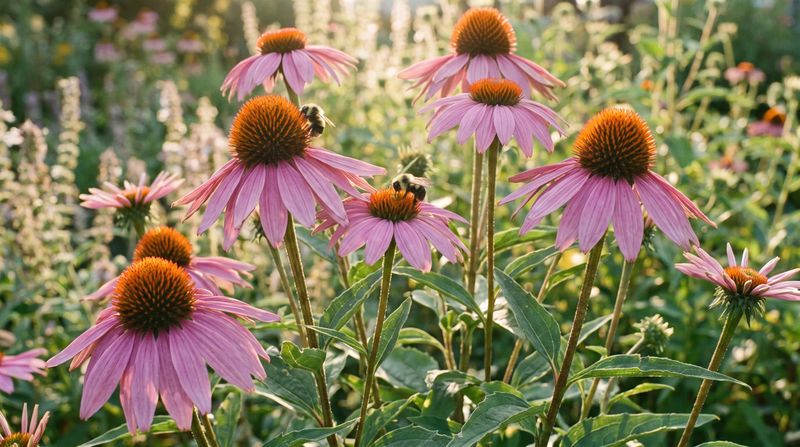
Sturdy, upright, and utterly unbothered, purple coneflower stands tall when the heat flattens everything around it. Its raised, spiky orange centers and drooping purple petals give beds a wild prairie feel that looks intentional and effortless at the same time.
The deep taproot is the secret. It pulls moisture from far below the surface, so echinacea keeps blooming through weeks of dry weather that would leave shallow-rooted flowers gasping.
Goldfinches love the seed heads later in the season, so leaving a few spent blooms turns your bed into a snack bar for songbirds.
It suits cottage borders, meadow plantings, and pollinator strips where you want height and staying power. Once established, watering is nearly optional.
Echinacea has long been brewed into herbal teas, though its garden value is reason enough to grow it. Plant it in full sun with decent drainage and let it multiply.
For Southern gardeners who want a dependable perennial that comes back tougher each year, purple coneflower is a low-water workhorse that earns its keep season after season.
4. Black-Eyed Susan
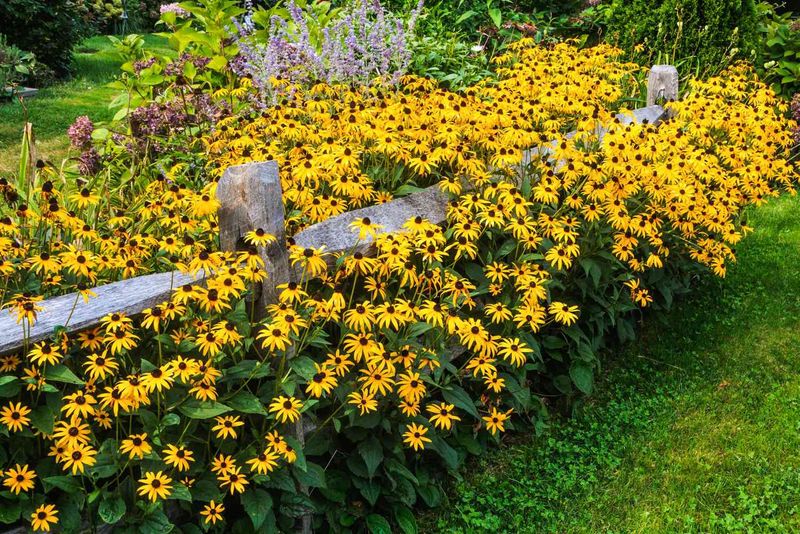
Cheerful as a schoolyard, black-eyed Susan splashes golden yellow across a bed with dark chocolate centers that pop against the petals. It is the kind of flower that makes a tired late-summer yard feel alive again.
Drought rarely fazes it. These natives are built for hot, open ground and keep blooming through dry stretches that turn lawns crispy, needing water only during the harshest droughts.
They spread with an easygoing generosity, filling gaps and returning reliably year after year. A single clump can become a golden drift before you know it.
Bees and butterflies work the blooms constantly, and finches raid the seed heads once flowering winds down, so wildlife interest lasts well past peak color.
Use them in mass plantings, along fences, or mixed with grasses for a relaxed, prairie-style look that thrives on neglect.
Their botanical name, Rudbeckia, honors an old Swedish botanist, but Southern gardeners just call them dependable. For bold, sunny color that keeps going on barely any water, black-eyed Susans are hard to beat.
5. Portulaca (Moss Rose)
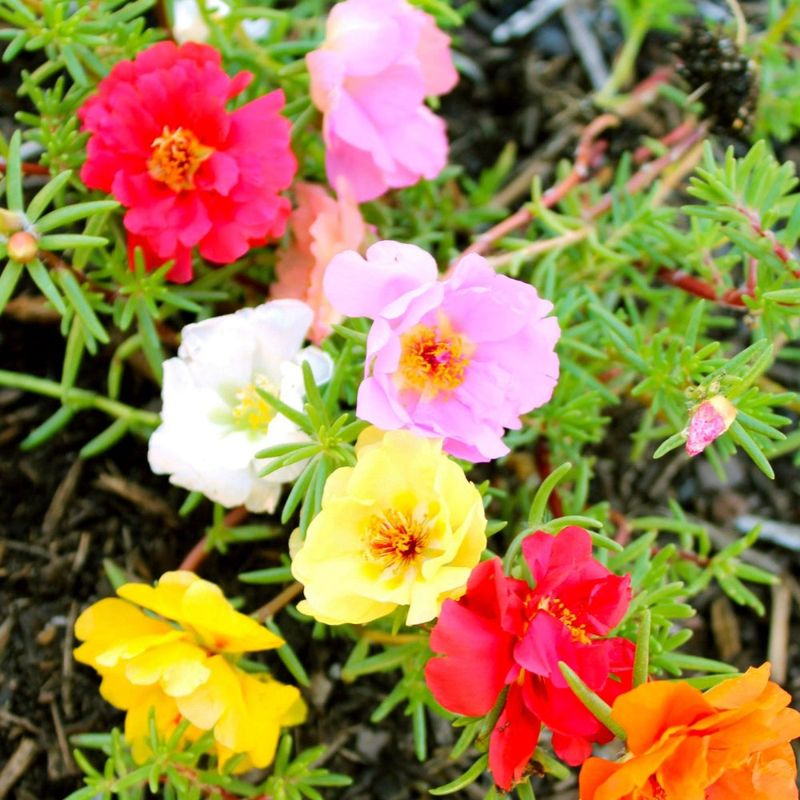
If your bed bakes like a frying pan, moss rose treats that as an invitation. This low, sprawling succulent opens jewel-bright blooms in pink, orange, red, and gold exactly when the sun is fiercest.
Its fleshy, needle-like leaves store water inside, so the plant barely needs any from you. In fact, portulaca practically thrives on neglect and poor, sandy soil where fussier flowers refuse to grow.
The blooms open with the morning sun and close in the evening, giving your bed a little daily rhythm that is fun to watch.
Because it hugs the ground, it works beautifully as edging, in cracks between pavers, in hanging baskets, or spilling over the front of a hot border.
Here is a quirky bit: the flowers usually stay shut on cloudy days, so a gray sky means a quieter show.
For containers on a scorching porch or a rock garden nobody wants to water, portulaca delivers dazzling color on almost nothing, making it a perfect pick for Florida and Texas heat.
6. Coreopsis (Tickseed)
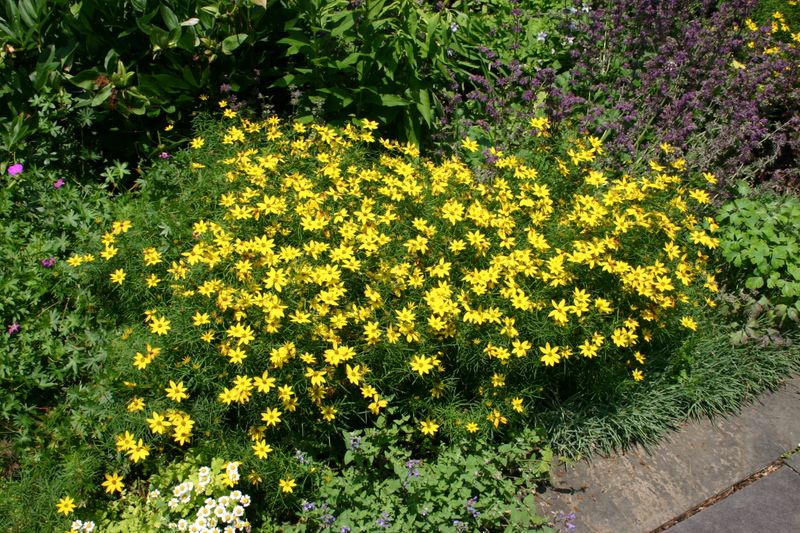
Airy and buttery-bright, coreopsis floats a haze of small daisy-like flowers above ferny foliage, giving beds a soft, sunlit glow that lasts for months. It is delicate to look at but genuinely tough underneath.
Once rooted, tickseed handles drought with ease and actually prefers dry, lean ground over rich, damp soil. Too much pampering just makes it floppy.
The blooms keep coming from late spring into fall, especially if you shear it back midseason for a fresh flush of color.
Pollinators find it irresistible, and its light texture pairs beautifully with bolder flowers like coneflowers or with ornamental grasses.
The odd common name, tickseed, comes from the tiny seeds that supposedly resemble ticks, which is far less charming than the plant itself.
Native varieties are widespread across the South, so it fits right into a low-water, wildlife-friendly bed. For gardeners who want long-lasting, breezy color that survives forgotten watering days and still looks graceful, coreopsis is a reliable, cheerful choice that never demands much attention.
7. Salvia
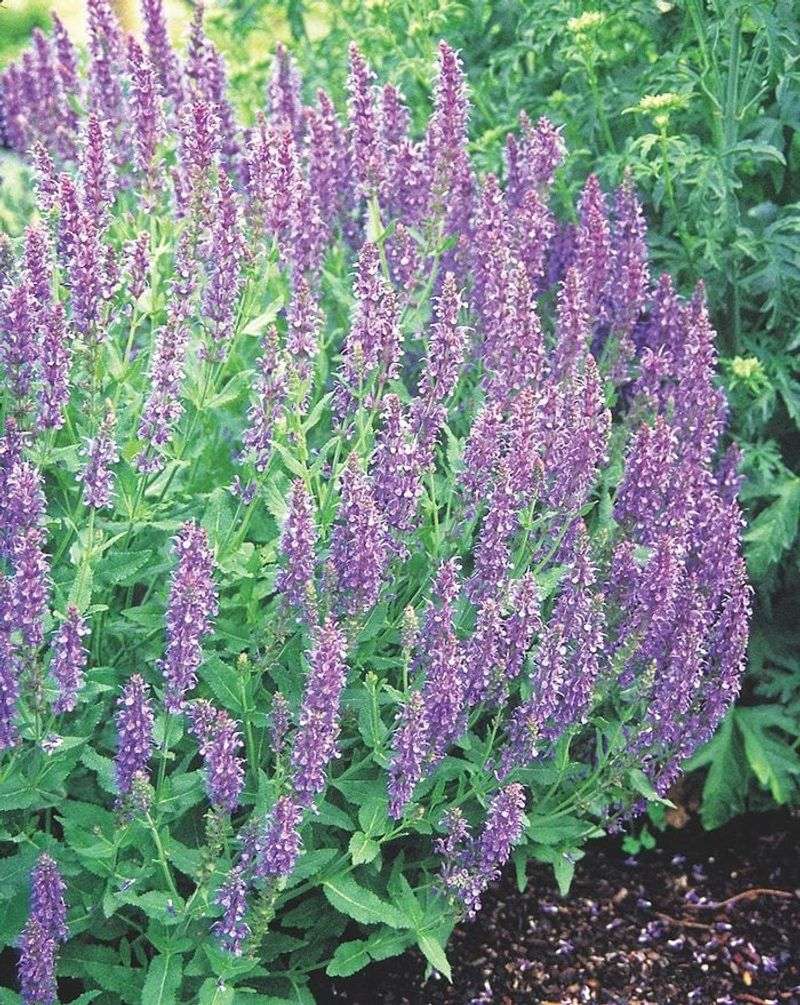
Spiky, upright, and buzzing with visitors, salvia sends up vivid spires of purple, red, blue, or coral that add welcome vertical drama to a flat, thirsty bed. Hummingbirds treat it like a personal fuel station.
Heat and dry soil are exactly where salvia shines. Its aromatic leaves help it hold moisture, and many varieties bloom hardest during the punishing weeks of late summer.
Trim off faded spikes and it rewards you with wave after wave of fresh flowers, sometimes right up until frost.
With so many types, from tidy compact borders to towering back-of-bed giants, there is a salvia for nearly any spot. The perennial kinds return each year tougher than before.
The name comes from the Latin word for heal, a nod to the herb’s old medicinal cousins in the same family.
Plant it near a patio to enjoy the hummingbird traffic up close. For Southern gardeners wanting bold color, pollinator action, and real drought grit in one plant, salvia deserves a front-row spot in the late-summer bed.
8. Zinnia
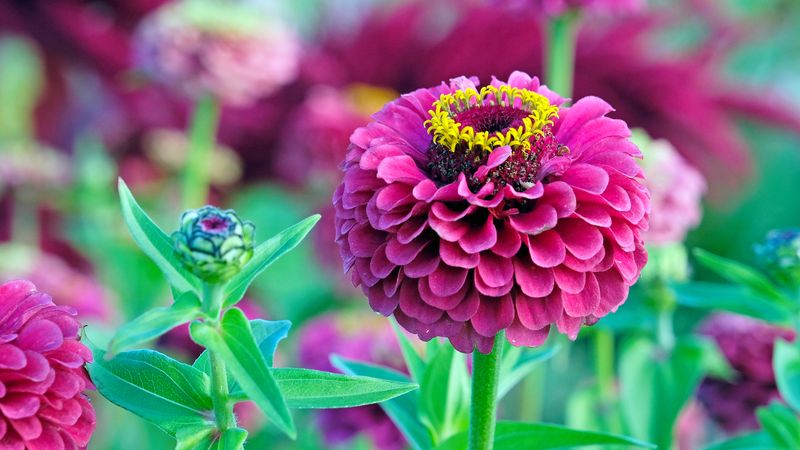
Few flowers pack this much cheer into a single plant. Zinnias bloom in nearly every color of the rainbow, standing tall and bright while the August sun beats down without mercy.
They are surprisingly thrifty with water. Once their roots take hold, zinnias tolerate dry spells well, asking for a deep drink only during the most brutal stretches.
Cut a few for a vase and the plant responds by pushing out even more blooms, making it a favorite for anyone who loves fresh bouquets on the kitchen table.
Butterflies flock to the flat, open faces, turning a simple bed into a fluttering show. Taller types make great cutting rows, while dwarf kinds edge a walkway nicely.
Zinnias grow so fast from seed that kids can sow them and see blooms within weeks, which makes them a classic starter flower.
Give them sun, decent airflow to avoid mildew, and they will color your yard from early summer until frost. For easy, water-wise, wildlife-friendly brightness, zinnias are a Southern garden staple worth planting every year.
9. Yarrow
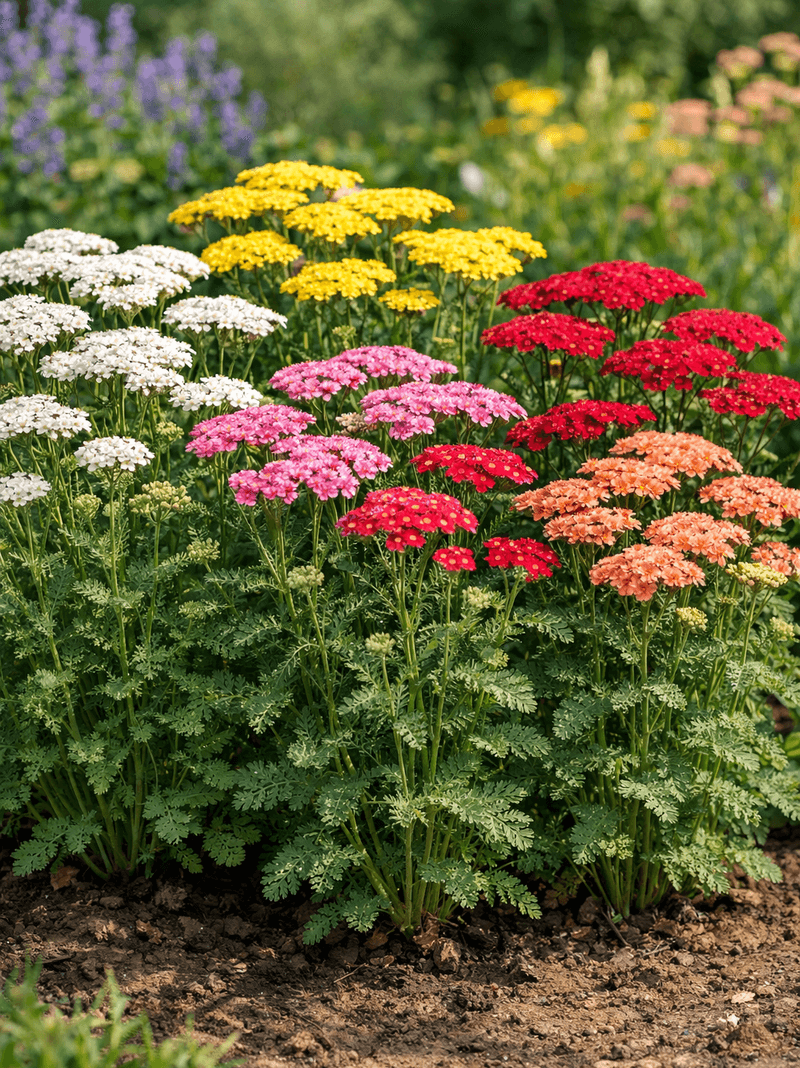
Flat-topped and feathery, yarrow spreads its lacy flower clusters like tiny landing pads in shades of white, yellow, pink, and soft red. It has a wild, meadowy charm that suits relaxed Southern beds.
Drought is no problem for this ancient survivor. Its fine, fern-like leaves lose little moisture, so yarrow keeps flowering through heat that shrivels thirstier neighbors, thriving in poor soil most plants dislike.
Beneficial insects, including ladybugs and tiny wasps that eat garden pests, gather on the broad flower heads, so yarrow quietly helps balance your yard.
The blooms dry beautifully too, holding their color for indoor arrangements long after cutting.
Legend says soldiers once used yarrow to help slow bleeding on the battlefield, which explains old nicknames like soldier’s woundwort.
It spreads steadily, so give it room or divide it every couple of years to keep it in bounds. Pair it with coneflowers and grasses for a low-water, pollinator-rich planting.
For gardeners who want tough, textured, wildlife-friendly flowers that ask for practically nothing, yarrow is an easygoing pick that earns its place.
10. Angelonia (Summer Snapdragon)
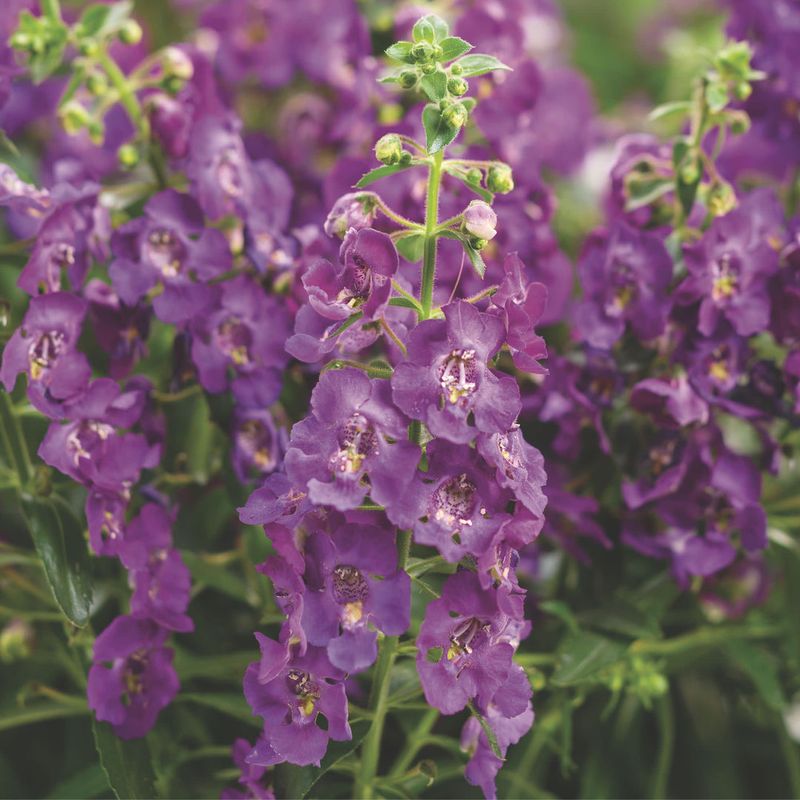
Sometimes called summer snapdragon, angelonia keeps its cool composure through heat and humidity that make other flowers sulk. Its slender spikes of purple, pink, and white blooms stay crisp when the air feels like soup.
Watering worries fade once it settles in. Angelonia handles dry spells gracefully and just keeps blooming, needing far less fuss than the spring snapdragons it resembles.
Unlike many flowers, it never really needs deadheading. The plant tidies itself and produces fresh spikes all season, which is a gift for anyone short on time.
Its upright shape adds structure to containers, borders, and porch pots, and it plays well with trailing plants spilling around its base.
Bees drop by regularly, adding gentle movement to the display.
A fun detail: many angelonias give off a faint apple or grape-like scent on hot days, a small bonus you notice up close.
For Florida and Texas gardeners who want polished, upright color that survives sweltering afternoons on barely any water, angelonia rounds out this list as a low-maintenance, heat-proof standout worth planting near the front door.