
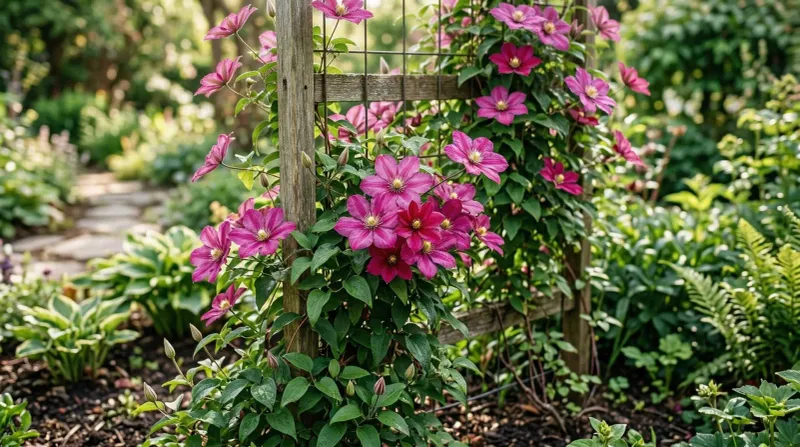
Watching your clematis put out small, washed-out flowers is frustrating, especially when the vine looked so promising last season. Before you reach for a bag of fertilizer, though, the problem may have nothing to do with what you fed it last fall.
Heat, sun angle, pruning mistakes, pests, and the plant’s own natural bloom pattern can all produce flowers that look disappointing, and adding fertilizer to the wrong problem usually makes things worse. Working through a short checklist first will get you to the real fix much faster.
Treat fall feeding as a question, not the answer
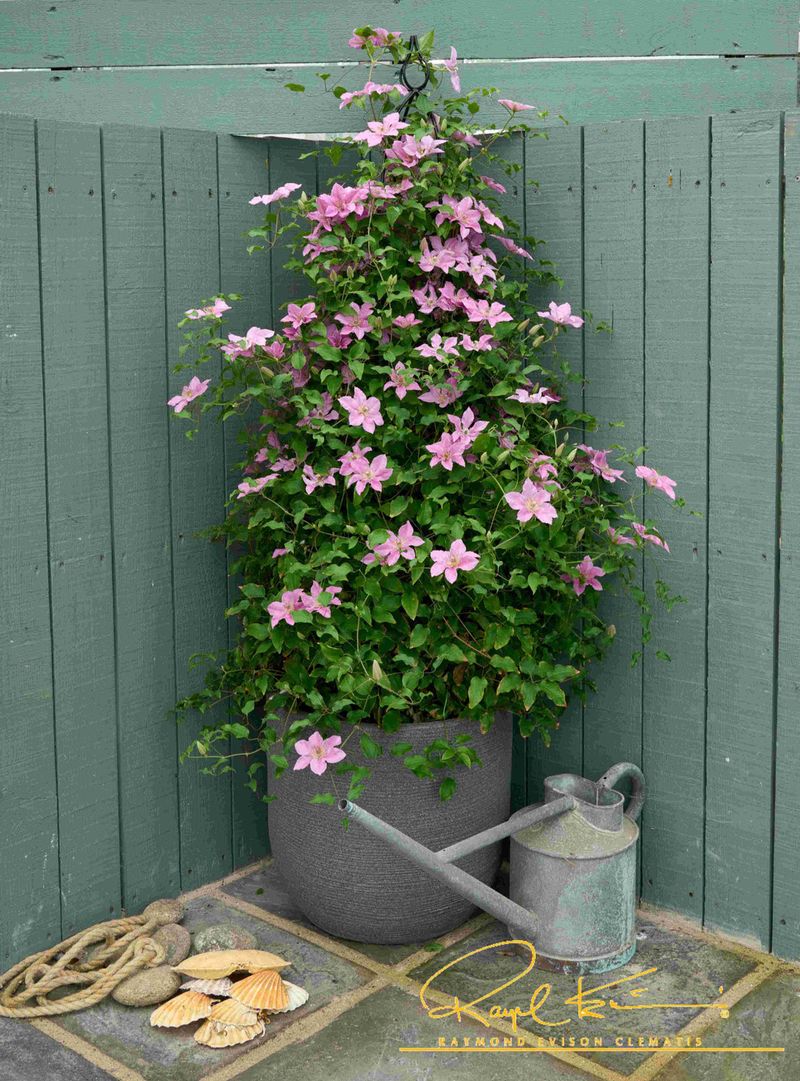
Fall fertilizer gets blamed for a lot of clematis problems, but the connection is less straightforward than it sounds. Both too little nutrition and too much nitrogen can contribute to poor flowering, and extension guidance from multiple universities does not agree on whether a fall application is even necessary.
Iowa State University Extension lists poor fertilization and excess nitrogen together as possible causes of weak bloom, which means the answer is not simply “feed more.”
Some sources include a fall feeding in their recommended schedule, while others focus on spring and growing-season applications and warn against late-season fertilizing. Oregon State University Extension describes spring, summer, and fall feeding windows, but that calendar was written for a Pacific Northwest climate, not a Texas summer or a Florida fall with heavy rain still coming.
Copying a schedule from the wrong region can push tender new growth at exactly the wrong time.
The safer starting point is to treat fertilizer as a conditional tool. University of Georgia Cooperative Extension advises that established landscape plants may need fertilizer only when a deficiency is actually present, not on a fixed calendar.
Check the vine’s conditions first, then decide whether nutrition belongs in the conversation at all.
Compare the flowers with the cultivar’s normal pattern
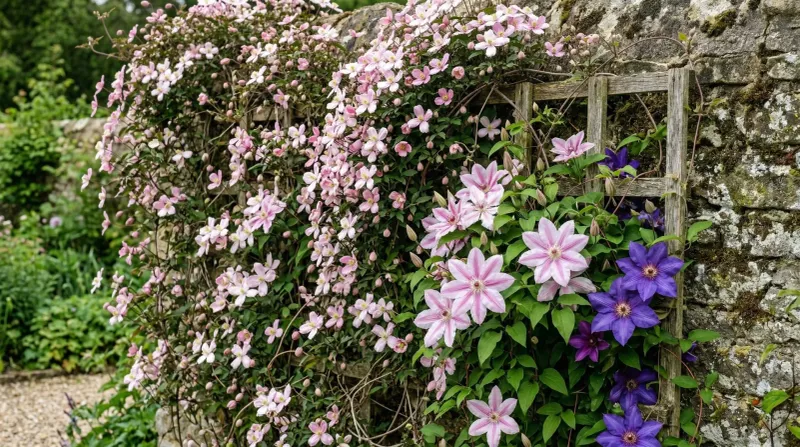
Before assuming something is wrong, check whether the flowers you are seeing are actually smaller than they should be. Clematis is a huge genus, and UC Marin Master Gardeners note that flower size across species and cultivars ranges from about one inch across to blooms eight inches or wider.
A small-flowered variety is not a sick variety.
Later-season flowers can also be naturally less impressive than the first flush. Clemson Cooperative Extension notes that some cultivars produce smaller blooms in a second or third wave, and double-flowered types may rebloom with simpler, single-petaled flowers in autumn.
Comparing what the vine is doing now with what it did in spring, and with photos or catalog descriptions of the cultivar, gives you a baseline that symptom-chasing alone cannot provide.
Sweet autumn clematis deserves a separate mention for Southern gardeners. Its naturally small white flowers are completely normal for the species and are not a sign of nutrient trouble.
However, UF/IFAS Extension warns that sweet autumn clematis can escape cultivation and become problematic in parts of Florida, so treat it as a special case and check local guidance before planting or encouraging it to spread.
Heat and afternoon sun can fade petals
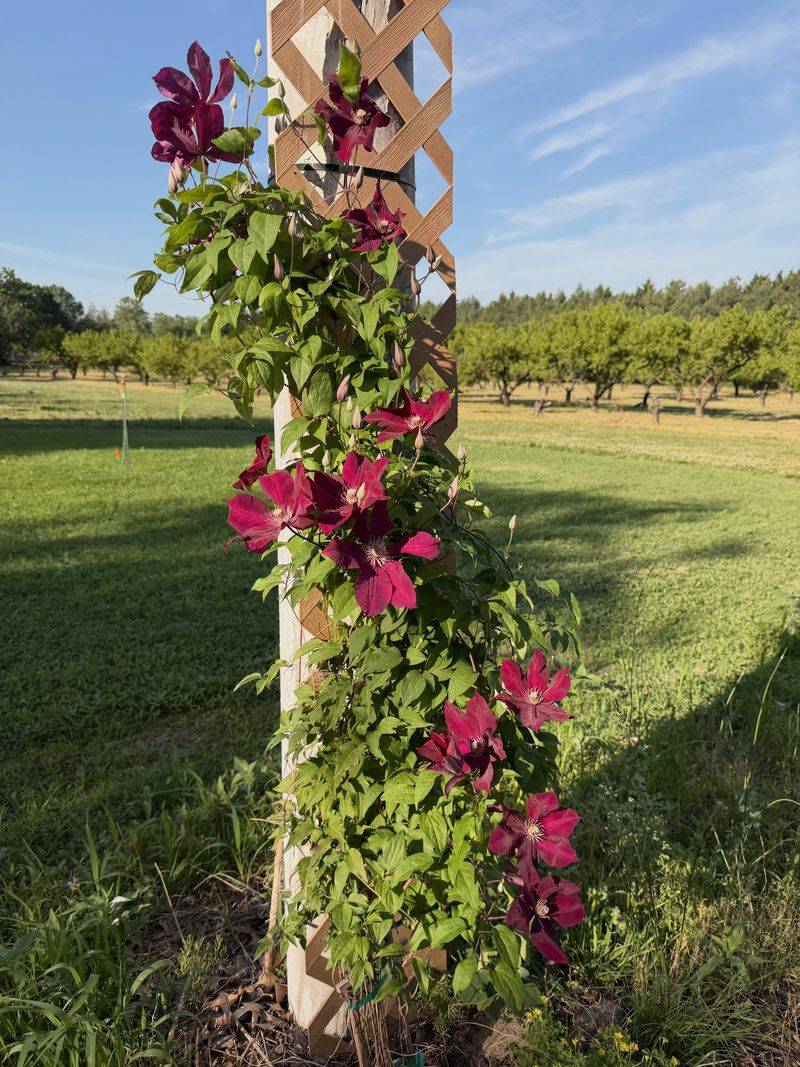
Faded petals and small petals are two different problems, and heat or sun exposure is often behind the first one. Red, blue, and bicolored clematis hybrids are especially prone to color loss when they take full afternoon sun in a Southern garden.
Clemson Cooperative Extension specifically documents this fading in several popular hybrid groups and recommends afternoon shade as a practical remedy in hot locations.
Arkansas Extension echoes that point, noting that blooms in strong afternoon sun often develop more intense color when they receive some protection during the hottest hours of the day. That does not mean moving the vine to a shady corner.
Clematis still needs strong light, generally at least six hours of direct sun, to flower well. The goal is blocking the harshest late-day exposure, not eliminating sun altogether.
A quick field check: walk around the vine and compare the flowers on the side facing west or southwest with those on the shadier side. If the washed-out blooms cluster where afternoon sun hits hardest, light and heat are almost certainly driving the fading.
No fertilizer adjustment will restore color lost to sun bleaching, so identifying this early saves both money and effort.
Read the vine before reaching for fertilizer
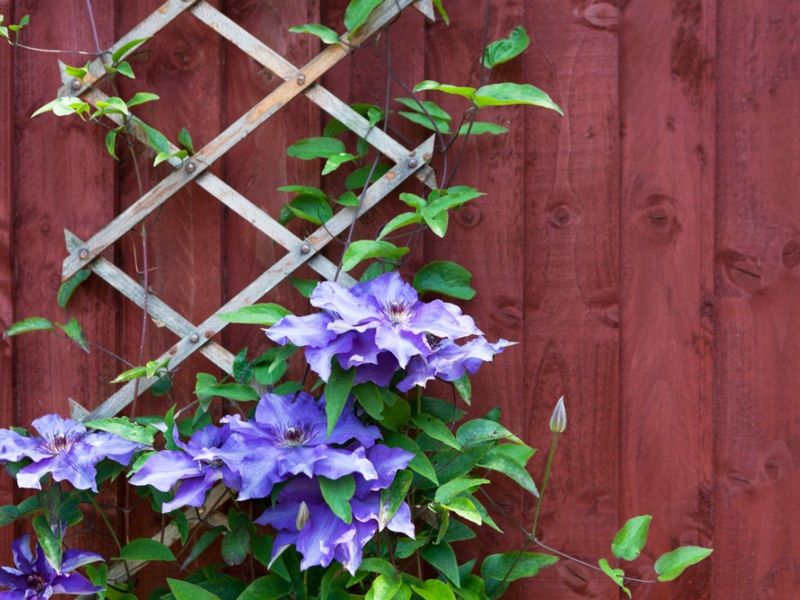
Once you have ruled out normal cultivar behavior and sun fading, a few more checks should happen before fertilizer enters the picture. Soil moisture and drainage matter more than most gardeners expect.
Clematis has deep roots and needs consistent moisture, but standing water or compacted, poorly drained soil can stress the plant enough to reduce flower quality even when nutrients are adequate.
Pruning group is another frequent culprit. NC State Extension explains that Type 1 clematis blooms on old wood, Type 2 on both old and new wood, and Type 3 on new wood each season.
If you pruned a Type 1 or Type 2 vine back hard in late winter or early spring, you likely removed the buds that would have opened first, delaying or reducing the flush. University of Vermont Extension notes that knowing the pruning group is one of the simplest ways to avoid preventable bloom failures.
Abundant leafy growth with few flowers can suggest excess nitrogen, but treat that observation as a clue, not a diagnosis. Many other factors produce the same picture, including shade, drought stress, and root competition from nearby trees.
Clemson Extension also points out that powdery mildew can prevent flowers from opening normally, while heavy mite infestations reduce both flower number and quality. Check the foliage closely for white powdery patches and the undersides of leaves for fine webbing.
Fertilizer will not fix either of those problems, and applying it while disease or pests are active may actually encourage the succulent growth that makes the plant more vulnerable.
Soil-test before buying a bloom booster
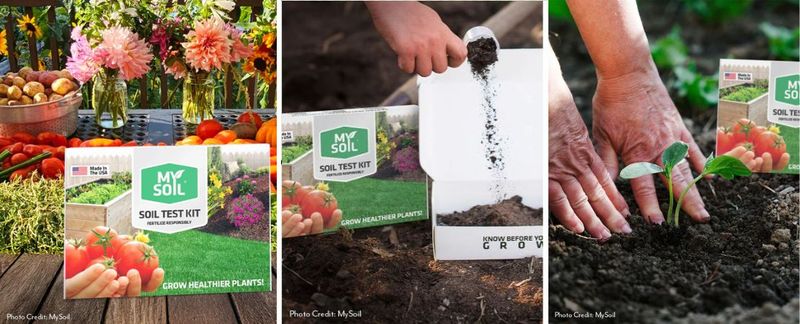
When nutrition genuinely seems like a possible factor after checking everything else, a soil test is the right next move. University of Georgia Cooperative Extension states clearly that soil testing is the best way to determine which fertilizer analysis a plant actually needs.
Skipping that step and reaching for a high-phosphorus bloom booster is a gamble. Phosphorus added to soil that already has adequate levels does not enlarge or brighten flowers, and excess phosphorus can interfere with other nutrients and create runoff problems.
A balanced or low-nitrogen slow-release product is the type most often recommended when clematis genuinely needs feeding. NC State Extension suggests a low-nitrogen slow-release fertilizer applied every four to six weeks during the growing season, and University of Vermont Extension recommends the same general category.
The key phrase in both cases is “during active growth,” not on a fixed date regardless of what the plant is doing.
Apply any product at the rate printed on the label, not at a heavier rate on the assumption that more will help faster. Iowa State Extension flags excess nitrogen as a cause of poor flowering in its own right, so overfeeding in an attempt to fix a bloom problem can produce the opposite result.
Soil test first, choose a product that matches the results, and follow the label.
Match feeding timing to the region and the vine
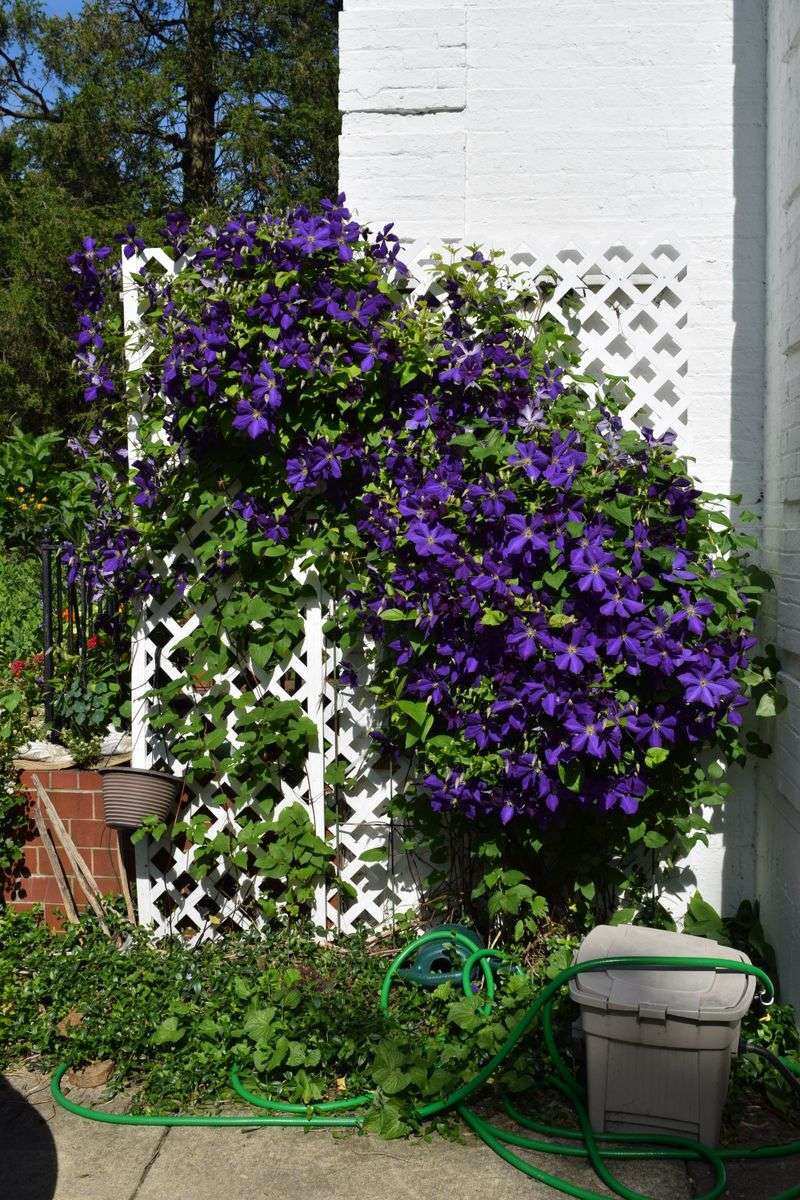
Feeding schedules found online were written for specific climates, and a date that works in Massachusetts or Oregon may be counterproductive in Houston or Gainesville. University of Massachusetts lists April, June, and August feedings.
Oregon State Extension includes spring, summer, and fall windows. Iowa State focuses on spring feeding for established plants.
None of those timelines were designed around Southern heat, late-season tropical moisture, or the uneven first-frost dates that vary from the Texas Panhandle to the Rio Grande Valley.
The practical rule is to feed only when the plant is in active growth, and to stop well before any expected frost. UGA Extension advises against fertilizing after the first fall frost, because late-season nitrogen can push tender new growth that has no time to harden before cold arrives.
Never fertilize a dormant plant.
Texas gardeners face an added wrinkle. Texas A&M AgriLife Extension notes that late-summer fertilizer can stimulate excessive growth in some regions, though south Texas growers with minimal freeze risk may have more flexibility.
Florida presents a different set of concerns: UF/IFAS Extension warns that heavy rainfall amplifies leaching and runoff, making unnecessary fertilizer both wasteful and potentially harmful to local waterways. Florida gardeners should also check whether local or county fertilizer restrictions apply before any application.
Correct water, roots, and exposure first

Fixing the growing environment often does more for flowering than any fertilizer adjustment. Clematis roots need consistent moisture, and the vine responds poorly to cycles of drought and overwatering.
Clemson Cooperative Extension recommends deep weekly watering during dry periods, and NC State emphasizes well-drained soil as a non-negotiable baseline. If water pools around the base after rain, drainage is a more urgent problem than nutrition.
Cooling the root zone helps, particularly in Southern summers when soil temperatures can climb high enough to stress the plant. A two-inch layer of mulch moderates soil temperature and holds moisture between waterings.
UMass Extension advises keeping mulch about eight inches away from the stem base to avoid moisture buildup against the crown, which can invite rot.
When heat fading is the confirmed problem, adjusting afternoon exposure is the correction that actually helps. A shade cloth, a nearby shrub, or relocating a container-grown vine can protect blooms during the harshest hours.
These steps support better flowering by reducing stress on the plant, but they work within the limits of what the cultivar can produce. A variety with naturally small flowers will still have small flowers after ideal care; the goal is to let the plant perform at its best, not to override its genetics.
Follow a diagnosis-first fall checklist
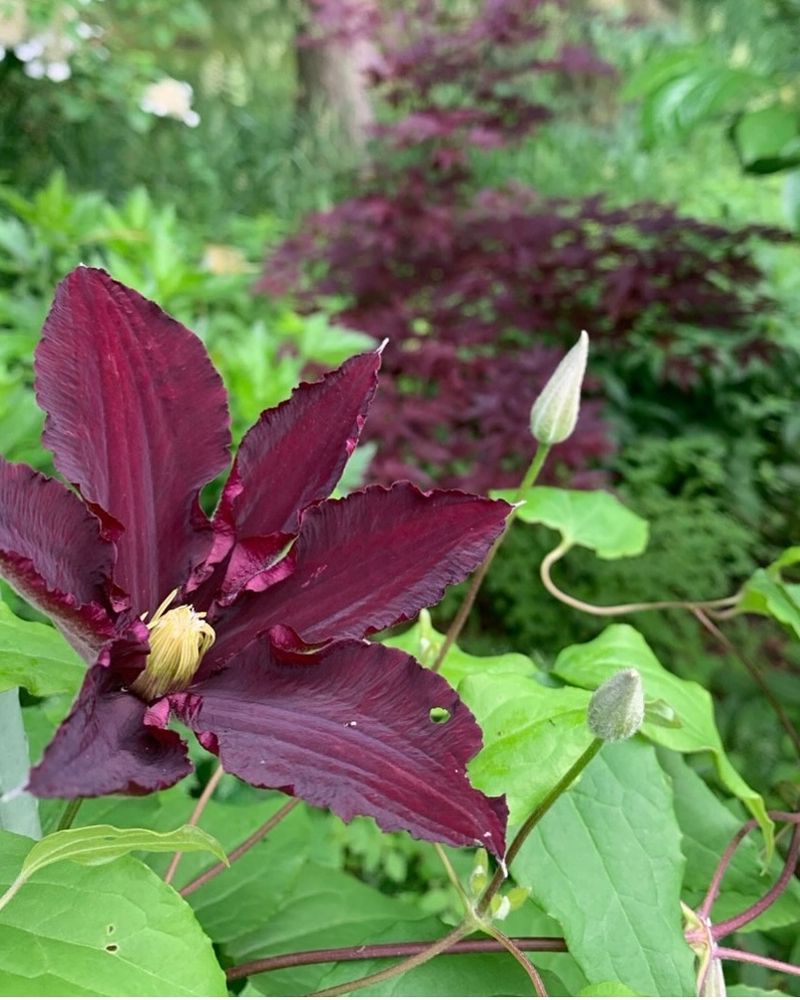
Running through a short checklist before acting will save you from treating the wrong problem. Start by identifying the cultivar if you can, or at least its pruning group and normal bloom season.
Then compare what the flowers look like now with the plant’s earlier performance this year and in past seasons. If the size and color match the cultivar’s expected pattern, there may be nothing wrong at all.
Next, check sun exposure and note whether faded blooms cluster on the hottest side of the vine. Inspect soil moisture, feel whether drainage is adequate, and look closely at foliage for powdery mildew and leaf undersides for fine webbing from mites.
Treat abundant leafy growth as a clue worth investigating, not a confirmed diagnosis of excess nitrogen. University of Vermont Extension and Clemson Extension both emphasize that good growing conditions and correct pruning are foundational steps that fertilizer cannot replace.
If nutrition still seems like a plausible factor after all of that, get a soil test. UGA Extension supports soil testing as the basis for any fertilizer decision, and any product you apply should be a label-directed low-nitrogen or balanced slow-release formula used only during active growth.
The vine will respond best to the correction it actually needs, not to the one that seemed most convenient to try first.