
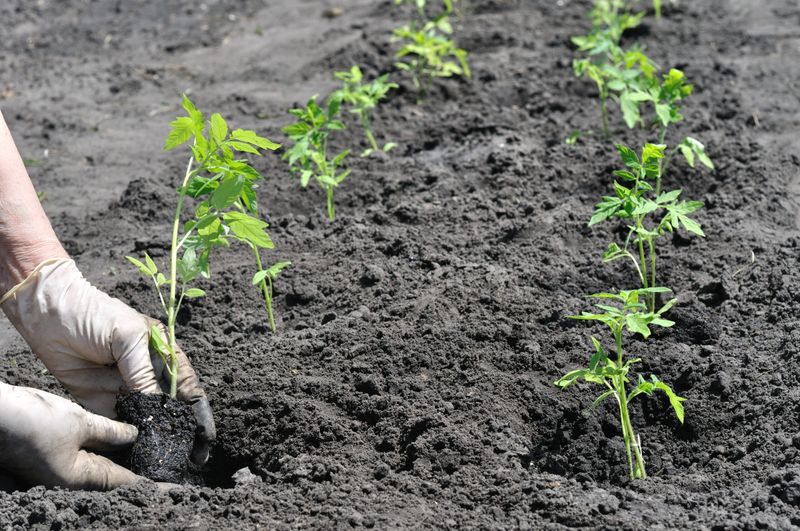
Pulling the first tomato of the season and finding it smaller than a golf ball is one of those gardening frustrations that sticks with you all winter. Something went wrong early, but figuring out exactly what can feel like chasing a ghost through the garden.
For Southern growers in Florida and Texas, the culprit could be anything from planting into cold soil to a summer heat wave that quietly shut down fruit set. Knowing how to read the symptom pattern is the first step toward a better harvest next year.
When early cold planting fits the symptom pattern

Not every case of small tomatoes traces back to the same cause, so the first job is matching the symptom to a plausible explanation. Cold soil or prolonged cool exposure becomes a reasonable suspect under one specific condition: the transplant looked undersized, stalled, or sluggish almost immediately after going into the ground, and it never fully caught up with where it should have been by midsummer.
That pattern, persistent slow growth from the very beginning, is what separates a possible cold-start setback from other problems.
A plant that grew tall and leafy but produced few fruits is telling a different story. So is a plant that carried a heavy fruit load but kept those fruits small.
UGA Extension’s troubleshooting guide for cultural tomato problems points out that early planting can stall plants and delay establishment, but it does not treat one early mistake as the guaranteed explanation for every size-related complaint across a whole season.
The central diagnostic question to carry through the rest of the season is straightforward: did the plant struggle from the moment it went in the ground, or did the problem surface later during flowering and fruit development? Answering that honestly narrows the list of likely causes considerably and keeps you from chasing a fix that does not match what actually happened.
Cold soil can slow establishment and early growth
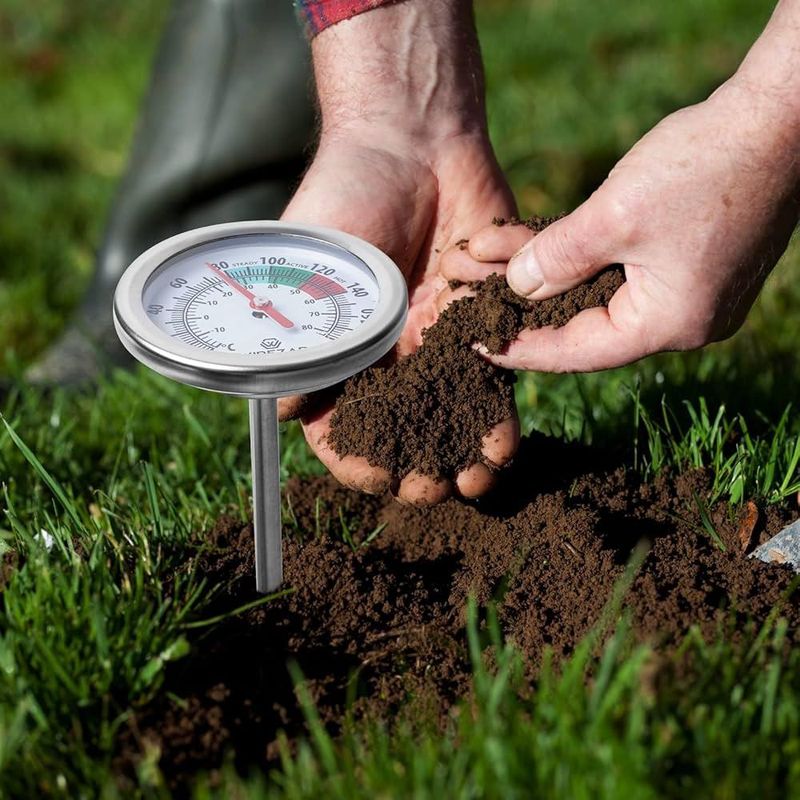
Tomatoes are warm-season plants, and their roots respond strongly to soil temperature. When transplants go into soil that is sitting below roughly 60 degrees Fahrenheit, root activity slows noticeably.
That slowdown affects the plant’s ability to take up water and nutrients, which in turn affects how quickly it can establish and begin putting energy into new growth.
UGA Extension’s warm-air-versus-warm-soil article makes a point that catches many gardeners off guard: air temperature can feel genuinely comfortable while the root zone is still running cold. A few warm afternoons in late February or early March do not mean the soil six inches down has caught up.
Checking soil temperature directly, with an inexpensive probe thermometer, gives a much more accurate picture than checking the forecast.
The practical consequence of a cold-soil start is that a plant can fall behind early and have a harder time recovering full productive potential during the season. That said, the evidence supports describing this as a setback or a possible reduction in production, not a guaranteed permanent lock on small fruit size.
Prolonged cool conditions after transplanting compound the problem more than a single cold night does. Illinois Extension’s tomato guidance reinforces that consistent soil warmth matters more for establishment than any one-day temperature reading.
Use soil and regional conditions instead of a calendar date
Relying on a calendar date alone to decide when to plant is one of the most common timing mistakes in the home garden. Average last-frost dates are useful starting points, but they say nothing about what the soil is actually doing at root level.
A gardener who waits until the typical frost-free date and then plants immediately may still be putting transplants into soil that has not warmed enough to support active root growth.
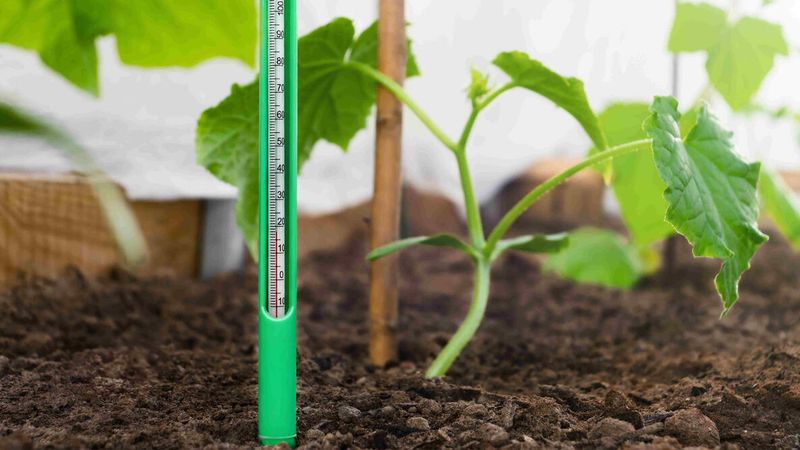
The practical rule is to wait until frost danger has genuinely passed and the soil has reached a warm-season temperature, using roughly 60 degrees Fahrenheit as a practical extension guideline rather than a hard biological cutoff. Overnight conditions matter just as much as daytime readings, since soil temperatures track nighttime air more closely than afternoon highs.
UGA Extension’s soil-temperature article recommends checking the root zone directly rather than trusting air temperature alone.
Florida and Texas each require region-specific timing rather than a single statewide planting date. The UF/IFAS Florida Vegetable Gardening Guide provides separate planting windows for north, central, and south Florida, and UF/IFAS fertigation guidance further distinguishes production timing by region.
Texas A&M similarly breaks planting recommendations down by regional zone rather than offering one statewide date. Beyond timing, hardening off transplants over roughly a week before planting allows indoor-grown seedlings to adjust gradually to outdoor light, wind, and temperature swings, reducing the shock that can slow early establishment even when soil conditions are otherwise favorable.
Reduce transplant stress when the planting window opens
Getting the timing right matters, but how the transplant goes into the ground matters just as much. Short, compact, healthy transplants generally establish more reliably than tall, leggy, or heavily flowered plants.
A seedling that has already put significant energy into early flowers or fruit before transplanting has less reserves available to push new roots into unfamiliar soil.
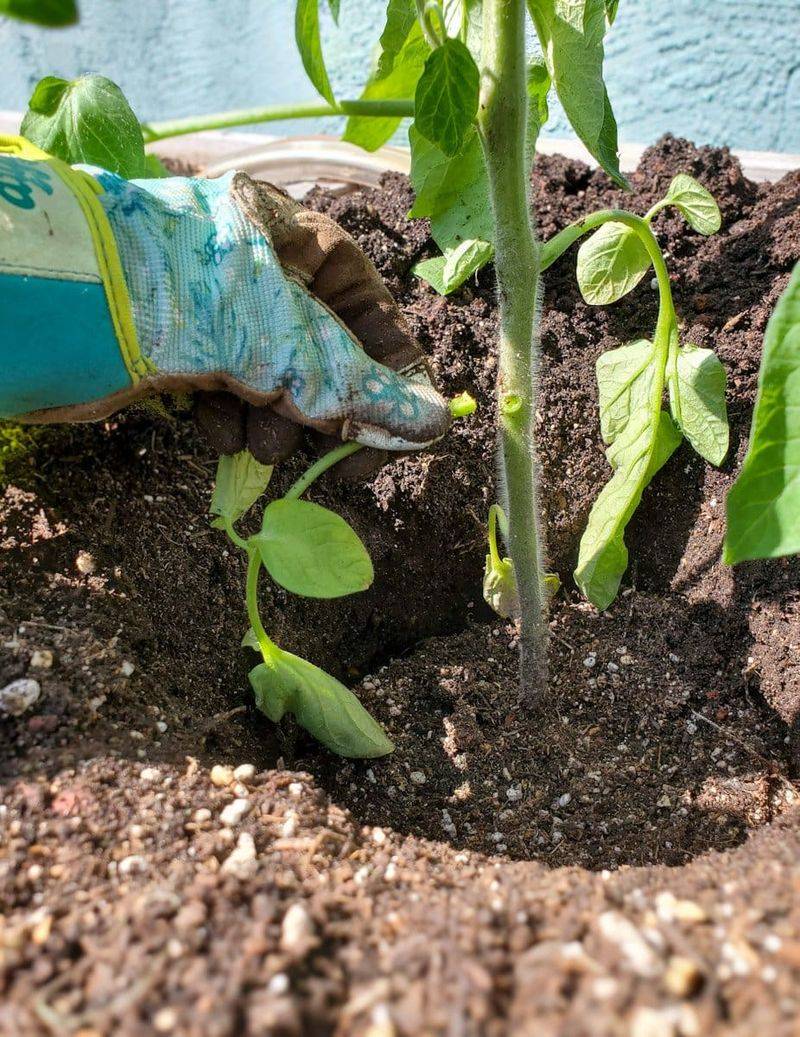
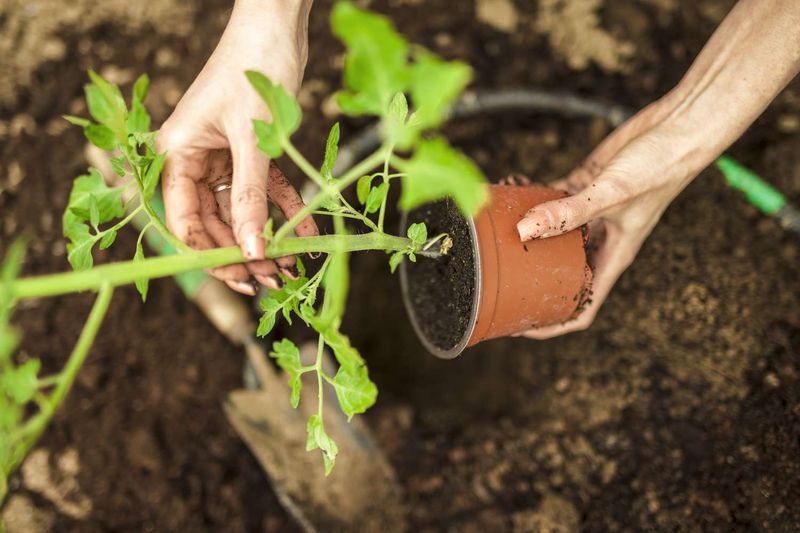
UGA’s home tomato guide recommends planting deeply, burying much of the stem after removing lower branches, because tomatoes can form roots along the buried portion of the stem. A deeper root system can help with moisture uptake and stability, though deep planting is a sound establishment practice rather than a rescue for a plant that has already been stunted by cold.
Watering thoroughly at transplanting helps roots make contact with surrounding soil, but the goal is consistent moisture rather than saturation. UF/IFAS guidance on efficient irrigation for edible landscapes notes that mulch, drip irrigation, and soaker hoses can all help stabilize soil moisture and reduce the temperature swings at root level that stress newly planted transplants.
UGA’s commercial tomato handbook also emphasizes that root disturbance during transplanting can delay active growth, so handling the root ball carefully and minimizing disruption gives the plant the smoothest possible start.
Check the cultivar and the kind of fruit problem
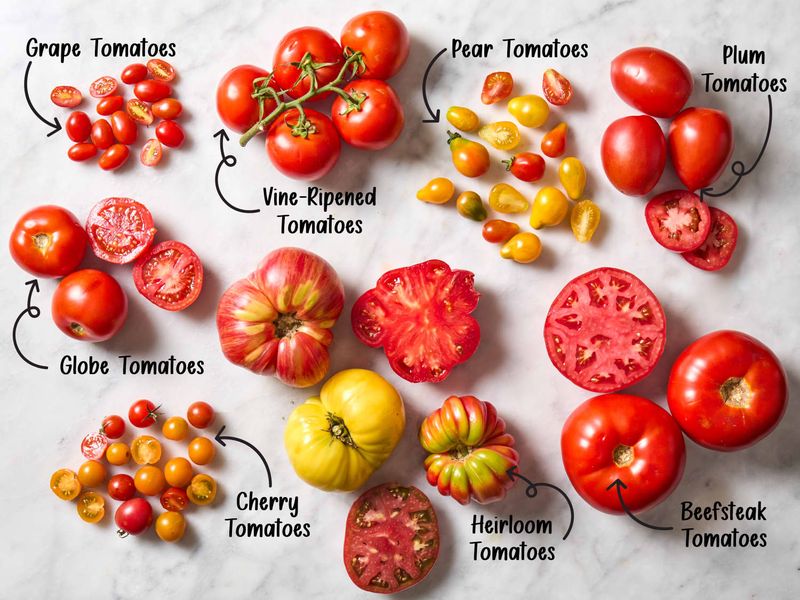
Before blaming planting time, confirm what the plant was supposed to produce in the first place. Cherry, grape, patio, and many compact determinate varieties are genetically small-fruited.
A gardener comparing those fruits against a neighbor’s beefsteak or large heirloom may be looking at completely normal variety size rather than a growing problem. The UF/IFAS Florida Vegetable Gardening Guide lists tomato varieties by expected fruit size and regional suitability, which makes it a practical first check when the harvest does not match expectations.
The next diagnostic step is distinguishing between fruit that formed but stayed undersized and flowers that failed to set at all. These two patterns point toward different explanations.
Fruit that forms but remains small suggests possible issues with heavy fruit load, limited light reaching the canopy, restricted roots, or uneven moisture during fruit development. Flowers that drop or fail to set point more toward temperature stress, pollination problems, or nutritional imbalance.
UC IPM’s tomato resource outlines how fruit size and fruit set represent separate physiological events with different causes.
A full-plant inspection should happen before any diagnosis is finalized. Look for leaf spotting, wilting that does not recover overnight, chewing damage, distorted fruit, blossom-end rot, or root symptoms when you water.
Penn State Extension’s tomato disease and disorder guide covers how disease, pests, and water stress can each produce symptoms that mimic a simple planting-time mistake.
Heat can matter more than cold for fruit set in the South
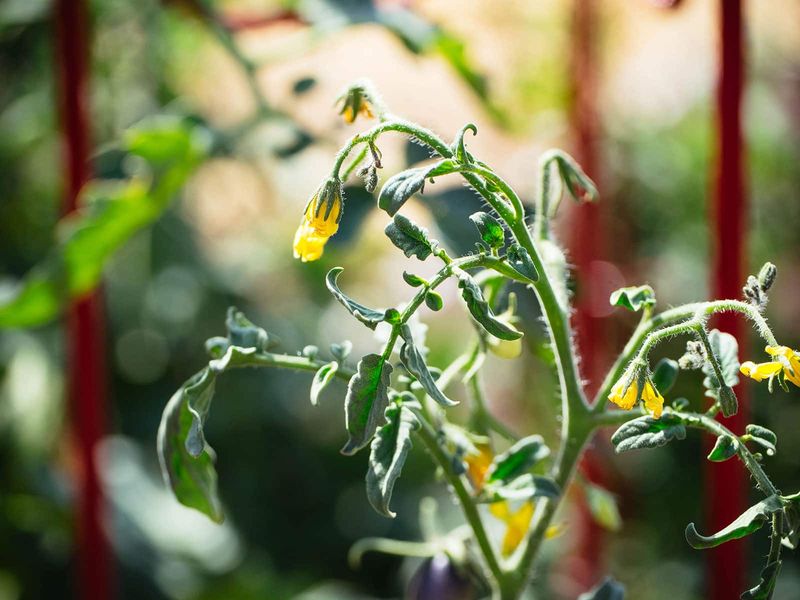
A tomato plant can look perfectly healthy, grow vigorously, and still produce a disappointing harvest when temperatures push outside the range where pollen functions well. Hot days and, especially, warm nights can reduce flower fertility and cause blossoms to drop before fruit can set.
This pattern shows up regularly in parts of Florida and Texas, where summer heat arrives early and lingers.
UGA’s commercial tomato handbook describes temperatures below about 55 degrees Fahrenheit or above roughly 90 degrees Fahrenheit as disruptive to fruit set or seed formation, while also noting that warm nighttime temperatures in the 70s can be particularly problematic for pollen viability. These are approximate stress ranges rather than precise biological cutoffs, and the actual response depends on the cultivar, humidity levels, how long the heat persists, and the time of day when peak temperatures occur.
For gardeners in the warmest parts of the South, heat is often a more pressing explanation for poor fruit set than a cold-soil start, particularly when the plant grew well from the beginning but simply did not hold many fruits through the hottest weeks. Choosing heat-tolerant or regionally adapted cultivars and timing planting to avoid the worst of summer heat are the most reliable risk-reduction strategies available.
UF/IFAS tomato production guidance for Florida addresses cultivar selection and seasonal timing as the primary tools for managing heat-related fruit-set problems, while noting that no cultivar choice eliminates the risk entirely.
Avoid fixes that add stress instead of solving the cause
When tomatoes disappoint, the instinct is to do something, and that impulse can lead to interventions that make the situation worse. Repeated nitrogen applications are one of the most common missteps.
Excess nitrogen pushes plants toward producing dark, vigorous foliage while delaying blooms or reducing the number of fruits that actually develop. UGA’s home tomato guide recommends basing fertilizer decisions on a soil test when possible rather than applying repeated booster applications throughout the season.
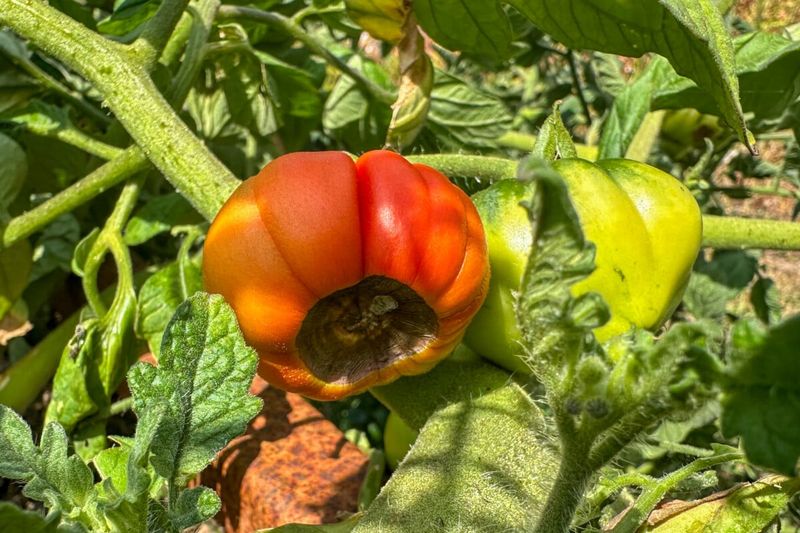
Blossom-end rot, which shows up as a dark, sunken spot on the bottom of developing fruit, is often mistaken for a calcium deficiency that needs a spray fix. The actual driver is usually uneven moisture combined with root stress that disrupts calcium movement within the plant.
Penn State Extension’s tomato disorder guide notes that foliar calcium sprays have limited and inconclusive effectiveness for this problem; steadying soil moisture and protecting root function address the underlying cause more directly. Epsom salt and routine mineral additives carry similar concerns, since they may not correct what is actually wrong and can create nutrient imbalances over time.
Aggressive pruning and leaf stripping are also worth avoiding. UGA’s commercial tomato handbook cautions that removing too much foliage can expose fruit to sunscald and may reduce yield or quality.
Watering consistently matters, but the right amount varies considerably with soil type, container use, rainfall, drainage, mulch, heat, and plant size. Texas A&M AgriLife’s water-efficiency guidance emphasizes observing plant response and adjusting irrigation based on actual conditions rather than applying a fixed weekly target.
Let the root zone guide next season’s decision
Pulling together a better plan for next season starts with an honest look at what actually happened this year. Verify the cultivar’s expected fruit size first, then assess whether the plant was slow and undersized from the moment it went in the ground or whether it grew well but simply set fewer fruits than expected during the hottest weeks.
Those two patterns call for different responses.
If the evidence points toward an early cold-soil setback, the prevention sequence is straightforward: wait for warm soil and settled overnight temperatures, harden the transplant over roughly a week outdoors, plant it deeply with minimal root disturbance, and stabilize moisture from day one. UGA Extension’s cultural troubleshooting guide and UGA’s home tomato guide both support this sequence as a way to reduce establishment stress.
When the symptom pattern does not match a cold-start setback, the diagnostic list should shift toward heat, cultivar selection, water consistency, nutrition, pests, disease, light, and root conditions. UGA’s commercial tomato handbook covers most of these variables in detail.
The root zone rarely lies – what happens in the first two weeks after transplanting often sets the ceiling for the rest of the season, which is reason enough to get those conditions right before the plant ever goes in the ground.