
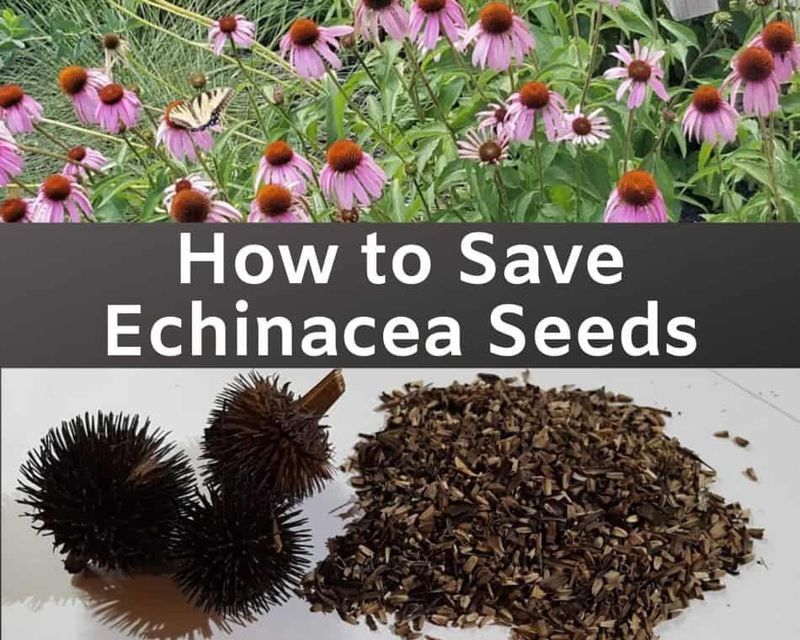
Once your eastern purple coneflowers stop blooming, those spiky brown centers are hiding something worth keeping: free seed for next year’s garden. Knowing when to collect it makes all the difference between a full envelope of viable seed and a cone that has already dropped everything on the ground.
The window is real, but it’s shorter than most gardeners expect, and the timing clues come from the plant itself rather than from the calendar.
The harvest window starts after the petals fade
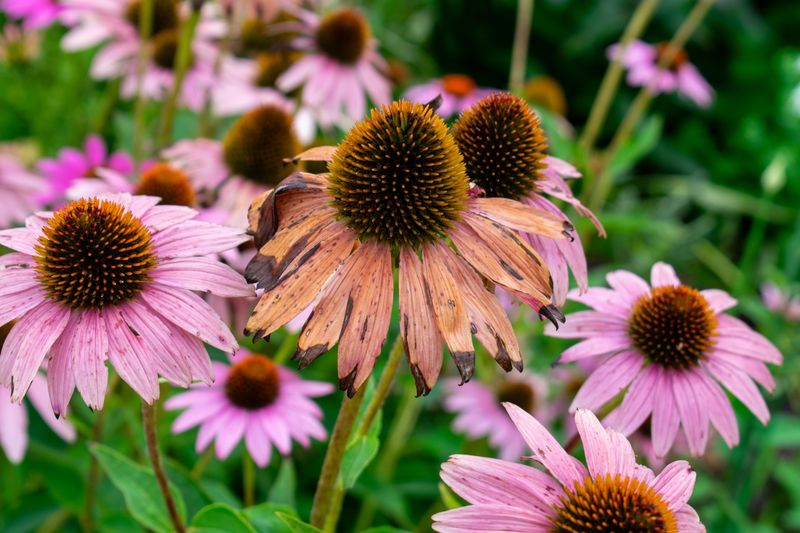
Faded petals are a signal that flowering is winding down, not a green light to start collecting seed. For eastern purple coneflower, Echinacea purpurea, the seed continues maturing inside the cone for weeks after the last petals drop, and pulling a head too early means collecting seed that may never germinate.
This guide focuses on E. purpureaEchinacea specifically because other coneflower species, including other relatives, can differ in harvest timing, seed appearance, and dormancy behavior.
A fixed calendar date will not serve Southern gardeners well here. Purple coneflower blooms in spring and summer in central Florida, while gardeners in the Georgia Piedmont or the Texas Hill Country may see a completely different flowering window depending on their local weather, cultivar, and planting conditions.
UGA Extension guidance on native wildflowers describes seed collection for purple coneflower as occurring in late summer or fall, with seed stalks sometimes persisting for roughly two months after bloom when natural reseeding is the goal.
The more reliable rule is plant-based: wait until the cone has dried and turned brown or tan, and collect before mature seed begins falling or shattering. University of Illinois Extension seed-saving guidance and the USDA plant guide for eastern purple coneflower both support harvesting before shattering rather than at a specific date.
That window, dry and brown but not yet shedding, is where your attention should land.
Use the cone’s color, dryness, and looseness as your test
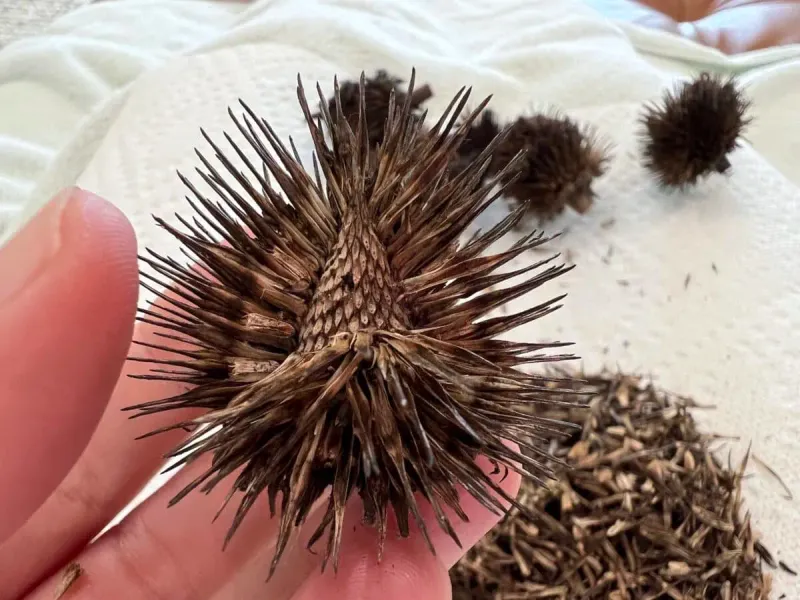
Three physical cues tell you when an Echinacea purpurea seed head is ready to harvest. First, the cone itself should be dry and visibly brown or tan rather than green or dark and moist.
Second, the stem just below the head and the base of the cone should be browning as well, not still green and supple. Third, and most importantly, when you give the cone a gentle rub with your fingers, mature seed should loosen and fall away with minimal effort.
Rutgers Cooperative Extension describes brown or tan heads as an indication of ripeness for seed collection. A head that is merely faded in color but still feels firm and moist at the base has not finished maturing.
Harvesting at that stage risks collecting seed that has not developed fully and may fail to germinate.
At the other end, a cone that has already started releasing seed on its own has passed its best harvest moment. You may still collect what remains, but birds, wind, and gravity will have already claimed a portion of the crop.
Catching the cone just before that shedding begins gives you the most seed with the best odds of viability. One practical check: hold a paper bag beneath the head and give it a light tap.
If seed falls freely, the head is at peak harvest. If almost nothing falls, give it another few days and check again.
These cues apply to E. purpurea specifically; other coneflower species may show different signs of readiness.
Harvest healthy heads on a dry day
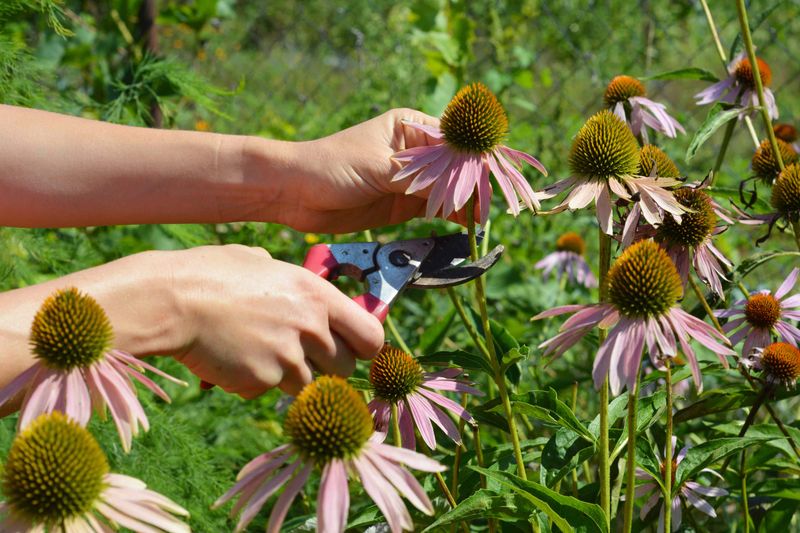
Once a head passes the color, dryness, and looseness test, timing the actual cut matters too. Surface moisture from dew or rain can introduce mold during the drying stage, so wait until the morning dew has fully evaporated before making any cuts.
A dry, sunny day is the best backdrop for harvest.
Illinois Extension’s seed-saving advice emphasizes collecting only from healthy, disease-free plants, and that rule applies here. Visibly unhealthy plants, those with yellowed foliage, stunted growth, distorted flower heads, or other obvious signs of disease, should not supply your seed stock.
Seed from a struggling plant carries unknown risk and is not worth storing.
For the cut itself, use clean, sharp snips or pruners. You can remove just the head or cut the stem a few inches above the nearest leaf set, whichever is easier to handle.
Drop the cut head into a paper bag right away rather than leaving it loose in a bucket or pocket where it can lose seed in transit. Collect from your own cultivated plants rather than from plants growing in public spaces, parks, or on someone else’s property.
Illinois Extension’s wildflower guidance notes that collecting seed from public lands or private property may require permission and can face restrictions, so stick to plants you own and tend. There is also no need to strip every head from the plant on harvest day; choosing selected heads while leaving others in place is a perfectly sound approach.
Dry, separate, and label the seed before storing it
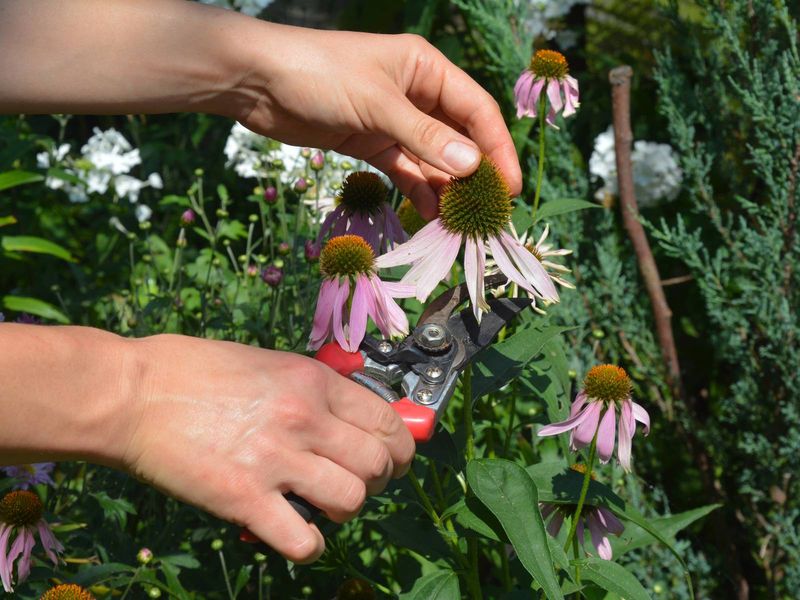
Getting the seed from the head to a labeled envelope takes just a few careful steps, and skipping any of them can cost you the whole batch. Right after cutting, place the heads loosely in a paper bag, not a sealed plastic bag.
Paper allows air circulation, which is critical if the heads still hold any residual moisture. A sealed plastic bag traps that moisture and creates the conditions for mold to develop before the seed ever reaches storage.
Let the heads finish drying in the paper bag for one to two weeks in a warm, well-ventilated spot out of direct sun. Once they feel thoroughly dry and crisp, hold each cone over a tray or bowl and rub it gently between your palms or use your fingers to crumble the cone apart.
Seed and chaff will fall into the tray together. You can blow lightly across the tray to carry the lighter chaff away, or use a fine sieve to separate it further.
Rutgers Extension’s seed-saving guide recommends paper bags and thorough drying before any separation step.
Label a small paper envelope or a resealable bag with the plant name, cultivar if known, and the collection date before you pour the seed in. Store it in a cool, dark, dry location.
Penn State Extension’s seed biology resources confirm that cool, dark, low-humidity conditions slow the natural decline in seed viability. Refrigeration can extend storage life further, but only after the seed is completely dry and sealed inside a moisture-proof container.
Storing damp seed in a cold environment accelerates decay rather than slowing it.
Leave some healthy heads for birds and reseeding
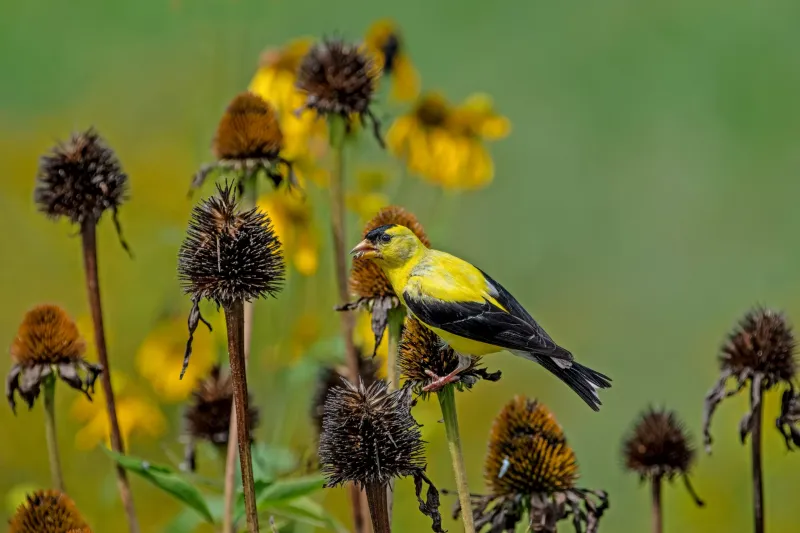
Harvesting seed from selected heads and leaving others in place are two separate choices, and doing one does not cancel out the other. A gardener can collect from a handful of the best-looking heads while leaving the rest standing through fall and winter.
Those remaining heads serve double duty: goldfinches and other small birds feed on the seed directly from the cone, and some seed falls naturally to the ground and may sprout near the parent plant the following season.
Illinois Extension’s coneflower garden guide and NC State Extension’s eastern purple coneflower profile both note that leaving seed heads in place supports birds and allows natural reseeding. UF/IFAS Nassau County Extension similarly describes coneflowers as capable of reseeding freely when heads remain on the plant.
The one situation where leaving heads in place is a problem is when a plant shows signs of aster yellows, a disease spread by leafhoppers. Symptoms include green, distorted, or doubled flower heads, abnormal leafy tufts growing from the cone, yellowing foliage, and whole-plant stunting.
Illinois Extension’s aster yellows identification guide and their follow-up on managing aster yellows recommend removing and destroying infected plants, including the roots, rather than leaving them in place or saving their seed. For other diseases, the right response depends on the specific diagnosis, so consult your local extension service rather than applying a blanket removal rule to every plant that looks off.
Sow lightly and follow the seed source’s instructions
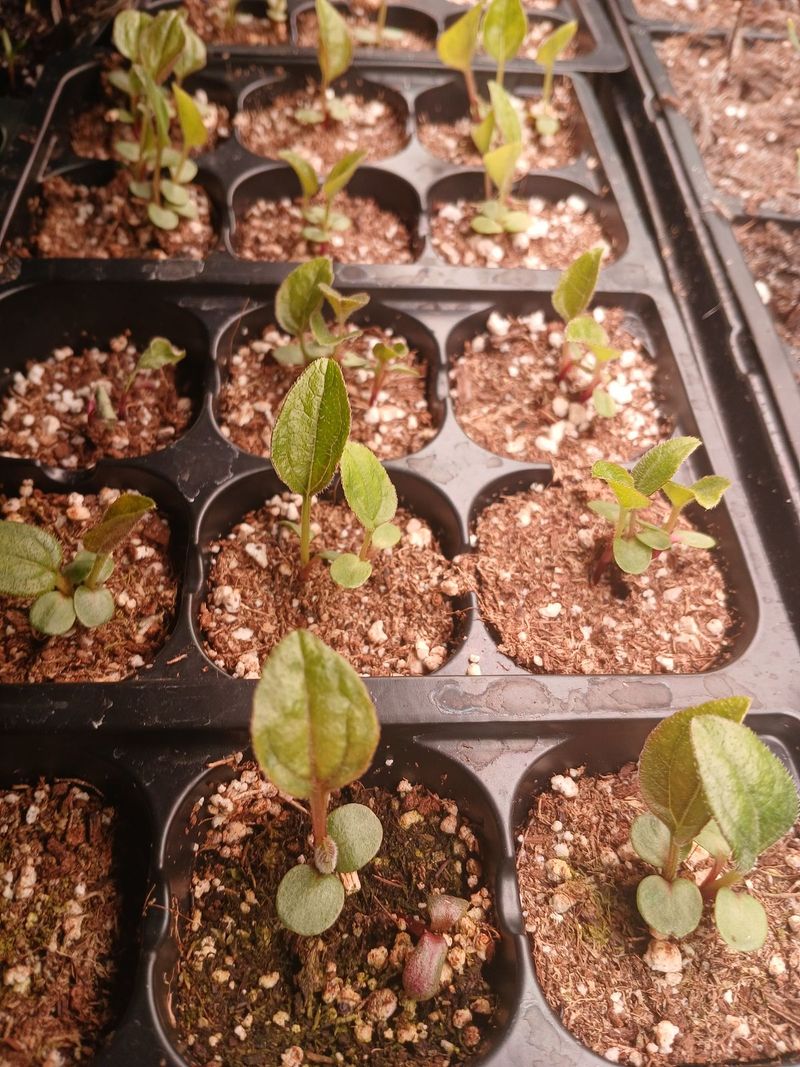
Sowing collected coneflower seed is a next-season project that rewards patience more than speed. For indoor starting, fill a tray or small pots with a sterile or commercial soilless seed-starting mix rather than ordinary garden soil.
Garden soil often contains weed seeds, pathogens, and drainage problems that make it a poor choice for germinating small seeds. Rutgers Extension’s seed-saving guide specifically recommends a sterile mix with good drainage for starting saved seed indoors.
Surface-sow the seed or cover it with only a thin layer of mix, roughly a quarter inch or less. The USDA plant guide for eastern purple coneflower recommends approximately one-quarter inch of covering, while UGA Extension notes that coneflower seed needs light and should be covered only lightly.
Burying seed too deeply reduces germination.
Cold treatment is where the guidance gets more nuanced. The USDA guide states that E. purpureaEchinacea can germinate without cold stratification, which sets it apart from some other species that benefit more strongly from a cold, moist period.
That said, UGA and other sources suggest that cold conditioning may improve or support germination in some situations. One practical approach is outdoor winter sowing, which lets natural cold temperatures do the work without any special equipment.
University of Minnesota Extension’s winter sowing guide describes the jug-sowing method as a low-cost way to supply natural cold exposure to seeds that may benefit from it. The most reliable approach is to follow the specific instructions provided by your seed source, since recommendations can vary by cultivar and growing region.
Expect seedlings to establish slowly; they may not flower until their second year.
Expect variation instead of an identical new patch
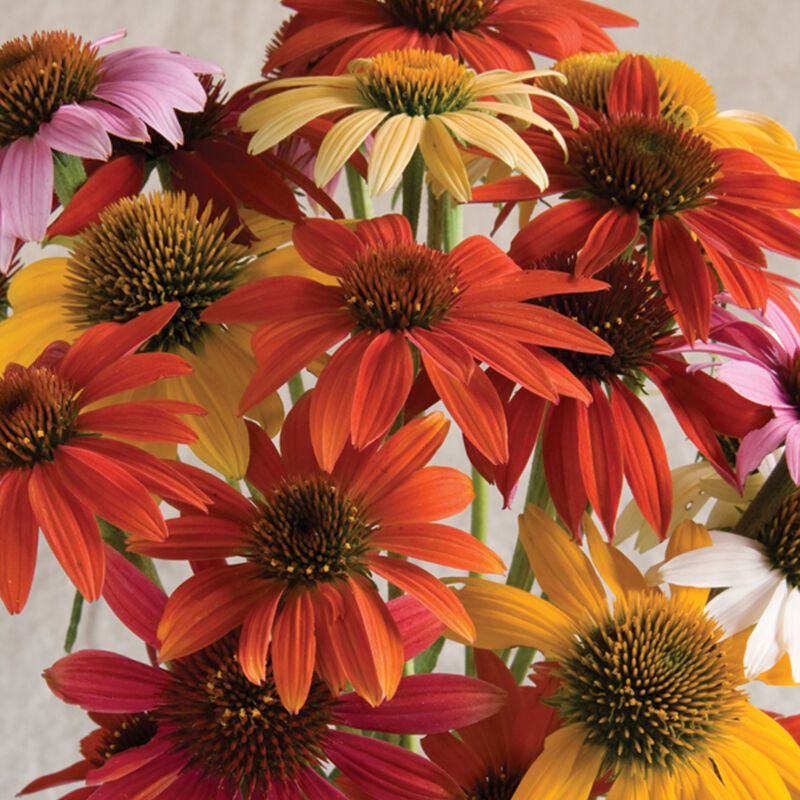
Saved seed from purple coneflower can absolutely produce new plants, but “an identical new patch” is a promise the seed cannot always keep. Open-pollinated species plants are the best candidates for broadly similar offspring, but even those can show variation when cross-pollination has occurred with nearby plants of a different cultivar or color.
Illinois Extension’s seed-saving publication and their guidance on choosing seed packets both state that hybrid flower seed commonly produces variable offspring rather than plants true to type.
Named cultivars sold under brand names, unusual double-flowered forms, and plants with non-standard colors are especially likely to produce seedlings that differ from the parent in flower color, form, height, or overall habit. Treat any saved seed from a named hybrid as an experiment in variation rather than a duplication project.
Some seedlings may be striking; others may revert toward a more typical purple form.
Germination and establishment carry their own uncertainty too. Penn State Extension’s seed biology resources make clear that germination rates vary with seed maturity, storage conditions, dormancy, and environment, so not every seed will sprout even under good conditions.
For Southern gardeners, regional performance adds another layer of qualification. UF/IFAS Gardening Solutions and UF/IFAS plant information for purple coneflower note that not all purple coneflower forms perform well throughout Florida, and some may be short-lived in warmer parts of the state.
The right frame for this project is “trying to grow additional plants” rather than guaranteeing a permanent, vigorous perennial bed from saved seed alone.
Use this simple harvest plan
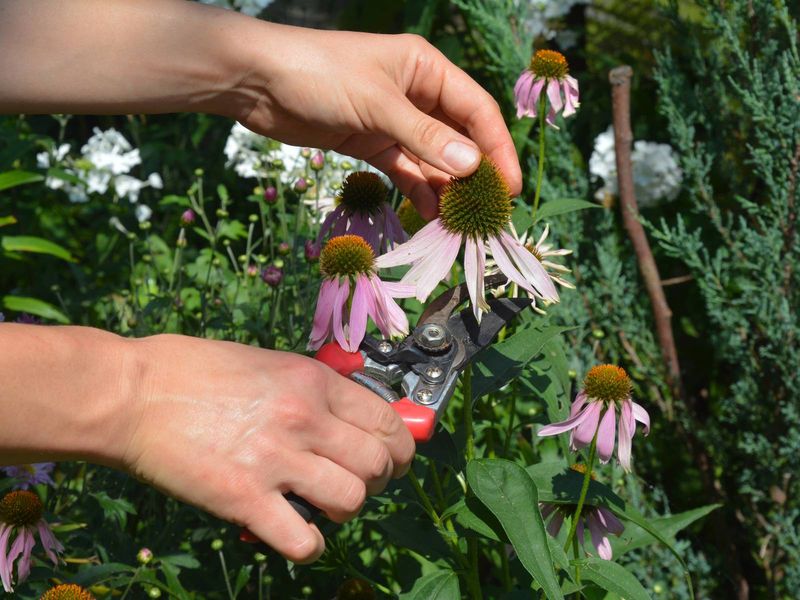
Putting it all together takes only a few deliberate steps. Choose a healthy Echinacea purpurea head that has turned dry and brown or tan, with seed that loosens when gently rubbed.
Cut before shattering begins, on a dry morning after dew has evaporated, using clean snips. Drop the head into a paper bag, let it finish drying for a week or two, then rub the cone over a tray to separate seed from chaff.
Label the seed with the plant name and collection date, then store it somewhere cool, dark, and dry until sowing time. Rutgers Extension and the USDA eastern purple coneflower guide both support this sequence.
When you sow, cover seed lightly and follow your seed source’s cold-treatment advice, allowing for the real possibility that germination and growth will be gradual and that offspring may not match the parent exactly.
Leave some of the healthiest heads standing on the plant for goldfinches and for natural reseeding, as Illinois Extension’s coneflower garden coverage recommends. Harvesting a few selected heads while leaving others in place gives you both options at once.
The spiky brown cone that looks spent is still doing useful work long after the last petal falls.