
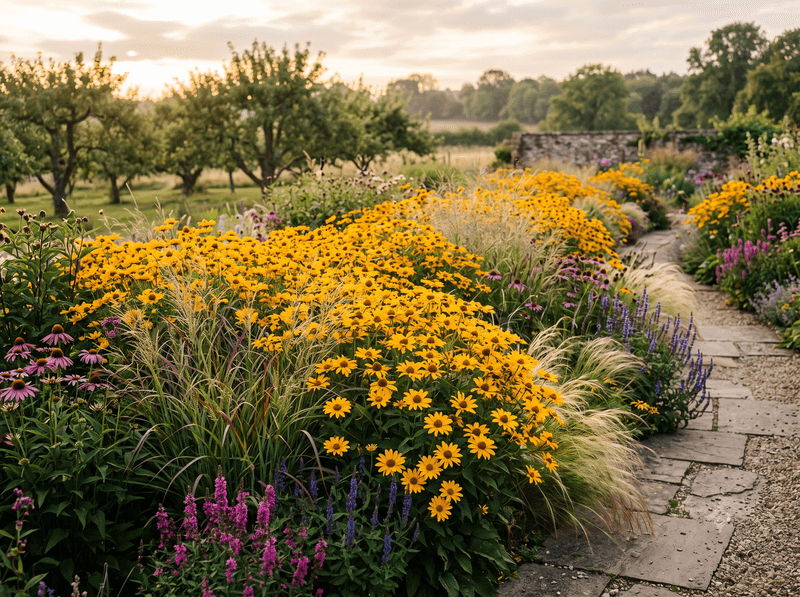
New perennials can look kind of sad their first summer, and that is totally normal. Gardeners even have a saying for it: first year they sleep, second year they creep, third year they leap.
In Southern yards with long, warm growing seasons, the right choices reward your patience with bigger clumps and more blooms every year. Here are the tough perennials that start small but turn into showstoppers.
1. Coneflower (Echinacea)
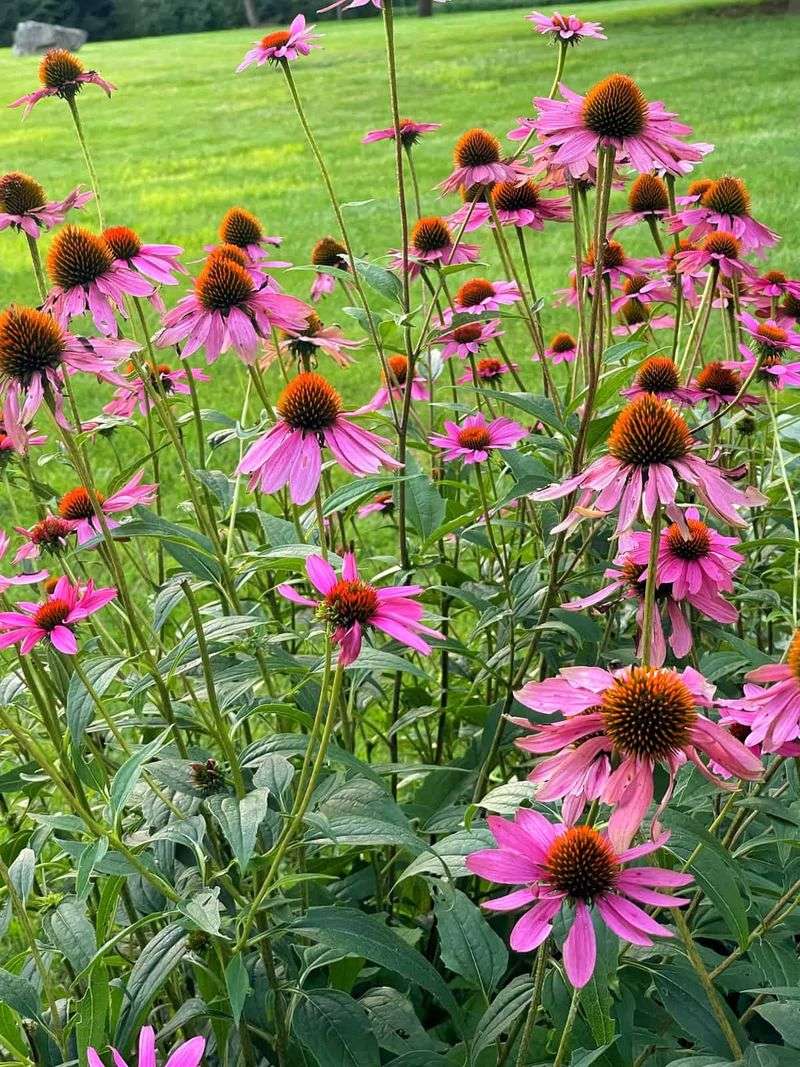
Plant a scrawny little coneflower in year one and you might wonder if you wasted your money. Give it two summers and that same plant erupts into a bushy clump loaded with daisy-shaped blooms.
Echinacea sends roots deep the first season instead of showing off up top, which is exactly why it handles Southern heat and dry spells so well later on. By the second or third year, you may count dozens of flowers where one lonely stem used to stand.
Bees, butterflies, and later goldfinches (they love the seed heads) treat it like a buffet, so leaving spent blooms standing can help feed birds into fall.
Colors have exploded beyond the classic purple, with oranges, reds, and creamy whites now common. Full sun and well-drained soil are all it really asks.
If your first-year plant looks lonely, resist the urge to yank it. That slow start is the plant building the foundation for a bolder future.
Divide big clumps every few years to spread the show around your beds.
2. Black-Eyed Susan (Rudbeckia)
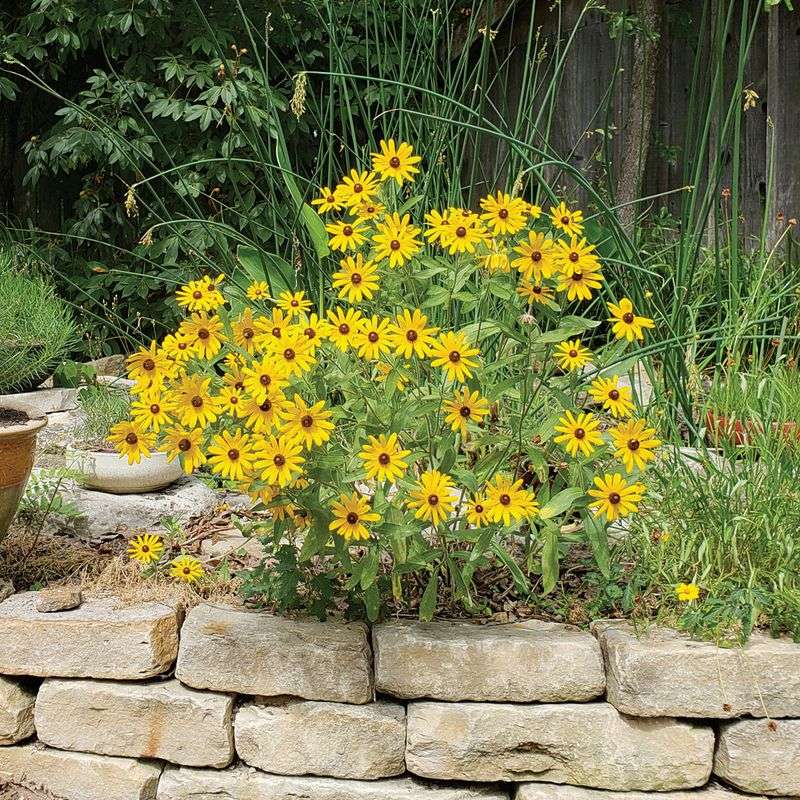
Cheerful and almost impossible to kill, black-eyed Susans start modest and then take over in the best way. The first year you get a tidy little rosette and maybe a bloom or two.
Come the second season, that plant fills out into a mounding cloud of golden-yellow petals with chocolate-brown centers. Many varieties self-sow gently, so you often find happy surprise seedlings popping up nearby.
Heat, humidity, and poor soil barely faze them, which makes them a reliable pick for Texas and Florida borders that fry other flowers. Pollinators swarm the blooms, and the seed heads feed birds once petals fade.
Fun bit of trivia: Rudbeckia was named after a Swedish botanist, but gardeners just call it dependable. Deadheading keeps flowers coming, though you can leave some seed heads for wildlife and reseeding.
Pair them with purple coneflowers or ornamental grasses for a prairie look that gets fuller and richer each passing year. If a spot looks bare early on, trust that this one is quietly gearing up to shine.
3. Daylily (Hemerocallis)
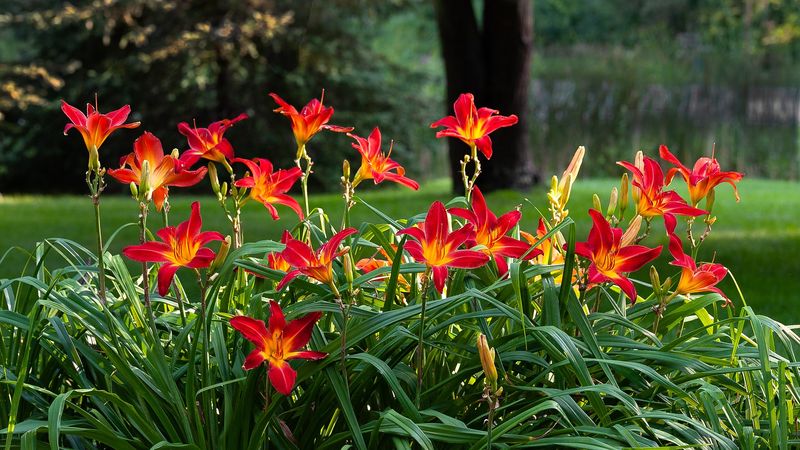
Each daylily flower lasts a single day, but a mature clump throws so many buds that you barely notice the turnover. Year one usually brings a few blooms and a fan or two of grassy leaves.
Fast forward a couple of seasons and that single plant becomes a fat clump pushing out flowers for weeks on end. Southern gardeners love them because they laugh at heat, drought, and neglect once established.
The color range is enormous, from buttery yellows to deep reds and ruffled bicolors, so you can build an entire bed from one plant family. Reblooming types like Stella d’Oro keep the show going through the long warm season.
Dig and divide crowded clumps every few years and you multiply your plants for free, spreading them along fences, borders, or slopes. They also do a solid job holding soil on banks that erode.
If your new daylily seems underwhelming, remember it is stockpiling energy in fleshy roots. That patience pays off with an increasingly generous flower display.
4. Peony
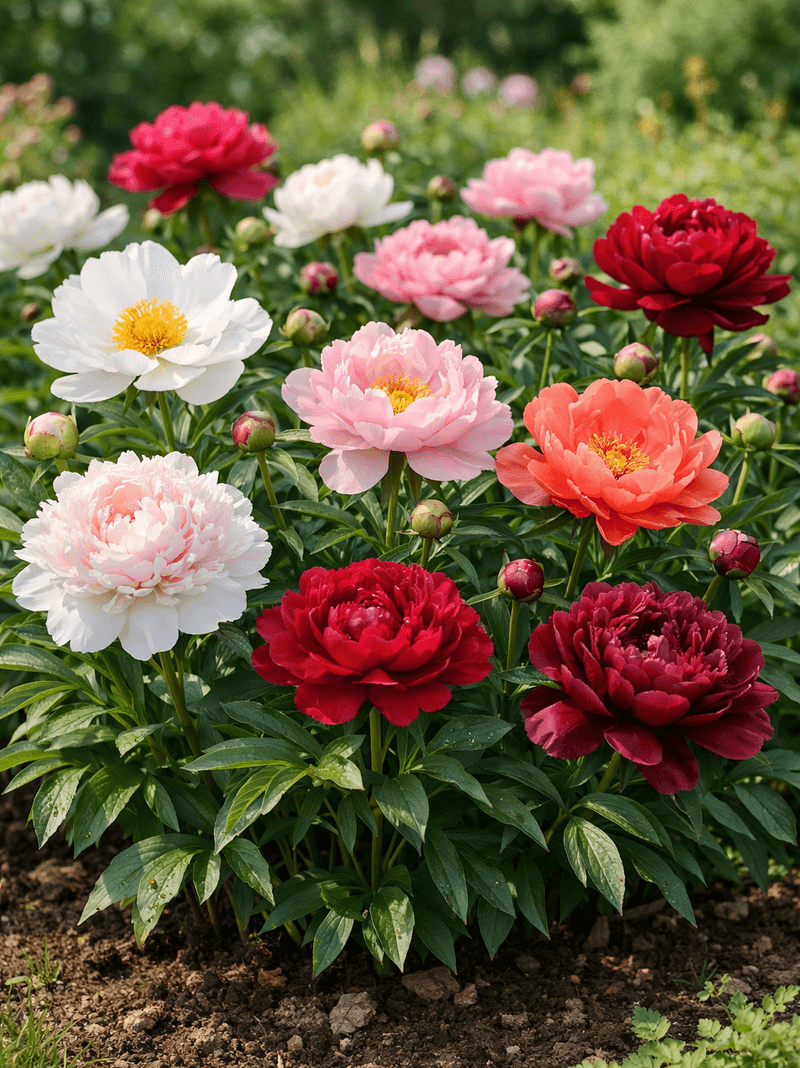
Few plants test your patience like a peony, and few reward it so lavishly. That bare-root clump you tuck in during fall may give you nothing but leaves the first spring, maybe one shy bloom if you are lucky.
By years three and four, though, the plant swells into a shrub loaded with dinner-plate blooms so heavy they need support. In warmer Southern zones, look for low-chill or early-blooming types and give them a little afternoon shade to beat the heat.
Peonies are famously long-lived, often outlasting the gardener who planted them and thriving for decades in the same spot. That makes them a plant you settle in once and enjoy for a generation.
Plant the eyes shallow, since burying them too deep can keep blooms from ever forming. Ants crawling on the buds are harmless and simply feeding on sweet sap.
The first-year quiet stretch feels endless, but the eventual armfuls of fragrant flowers make peonies worth every bit of the wait.
5. Russian Sage (Perovskia)
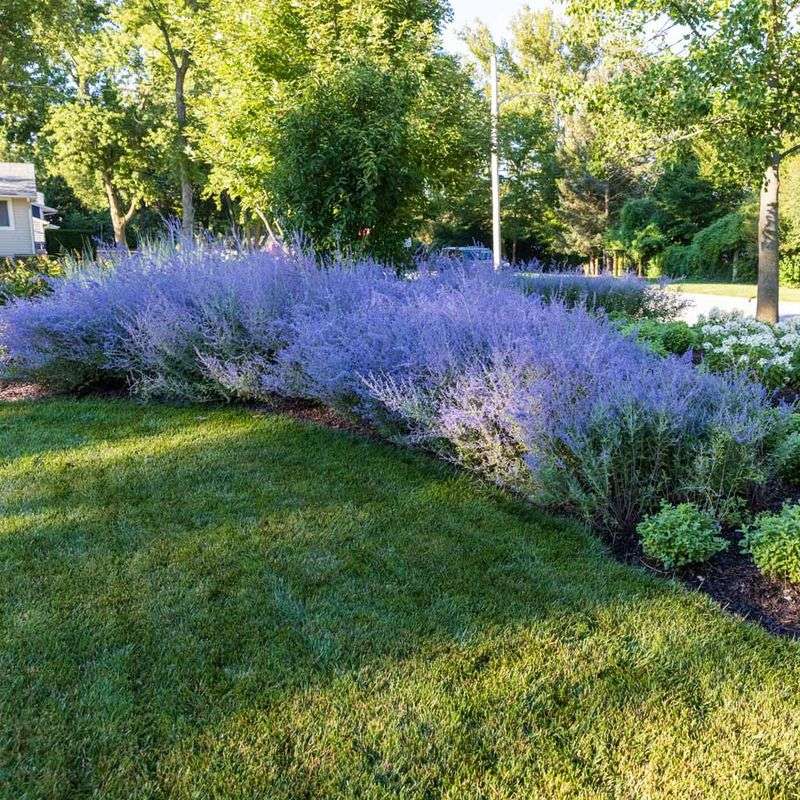
Wispy and unremarkable at first, Russian sage barely hints at what it becomes. A first-year plant looks like a few thin silvery stems poking out of the ground.
Wait a season or two and it balloons into a hazy cloud of lavender-blue flowers on silvery stems, sometimes three feet wide. The whole plant shimmers in the heat and shrugs off drought like a champ, which makes it a dream for baking Texas beds.
Rub the foliage and you get a soft herbal scent that many deer and rabbits would rather avoid, so it can help fill spots where browsing is a problem. Bees adore the long-lasting flower spikes.
Plant it in full sun and lean, well-drained soil, then mostly leave it alone since rich, soggy ground makes it flop. A hard cutback in late winter keeps it tidy and encourages fuller growth.
The airy texture pairs beautifully with bolder blooms like coneflowers and daylilies. Give this slow starter room and it will reward you with a bigger, dreamier haze every summer.
6. Salvia
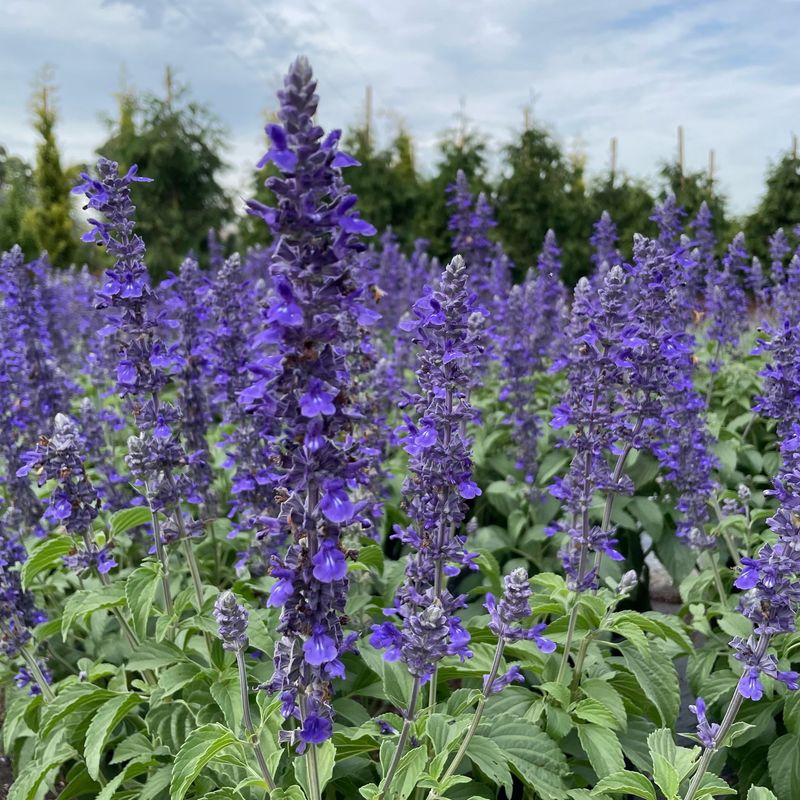
Hummingbirds will thank you for planting salvia, even if it looks a little sparse the first go-round. Early on you get modest spikes and a compact shape.
Established plants send up wave after wave of tubular flowers in blues, purples, reds, and pinks that keep coming across the long Southern season. Perennial types return sturdier and more branched each year, filling out into showy mounds.
Heat and humidity are no match for most salvias, and their aromatic leaves tend to be ignored by deer and rabbits. That combination makes them a low-drama choice for pollinator borders and porch-side beds.
Snip off finished flower spikes and you can often coax a fresh flush of blooms within weeks. Full sun and decent drainage keep them happiest.
With hundreds of varieties out there, you can find everything from knee-high edgers to towering back-of-border stars. Mix a few types for a nonstop nectar bar that draws hummingbirds, butterflies, and bees.
The first year is just the warmup act before salvia turns into a reliable seasonal performer.
7. Coreopsis (Tickseed)
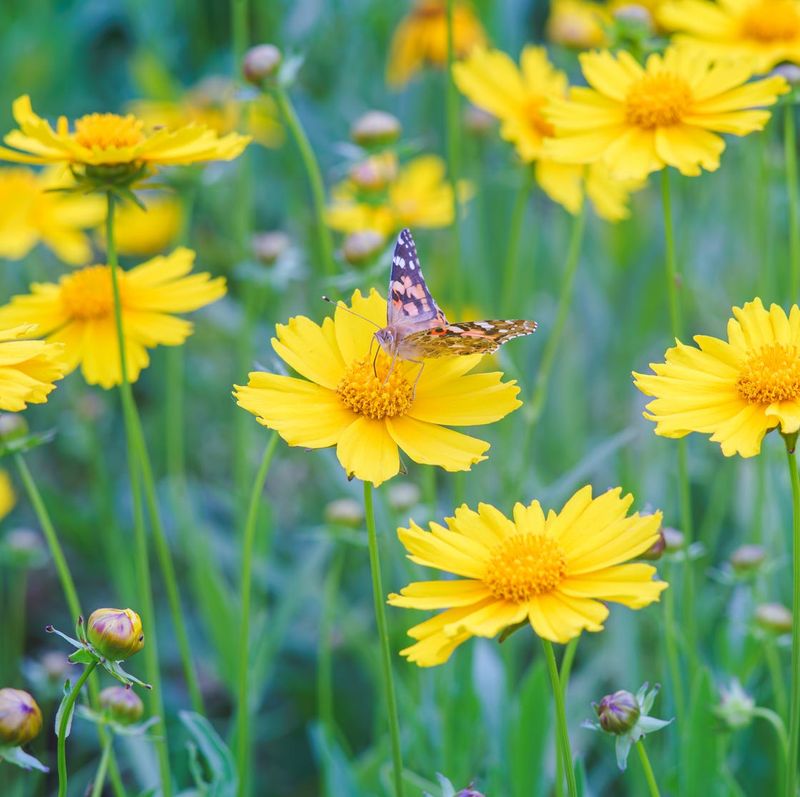
Sunshine in plant form, coreopsis starts as a humble little tuft before turning into a golden flood. That first summer you might see scattered blooms and think it is nothing special.
Given time, the plant knits into a low, spreading carpet dotted with cheerful daisy flowers from spring clear into fall. Southern heat and sandy or poor soil hardly slow it down, and it keeps flowering when fussier plants have given up.
Coreopsis is actually the state wildflower of Florida, which tells you how well it suits the region. Butterflies drift over the blooms all season, and finches nibble the seeds later.
A quick shearing after the first big flush of flowers keeps the plant tidy and pushes out another round. Full sun brings out the most flowers and the sturdiest growth.
Newer varieties add reds, pinks, and bicolors to the classic yellow, so you can mix a whole palette. If your starter plant seems slight, just wait: coreopsis matures into one of the most generous bloomers a low-maintenance bed can hold.
8. Hosta
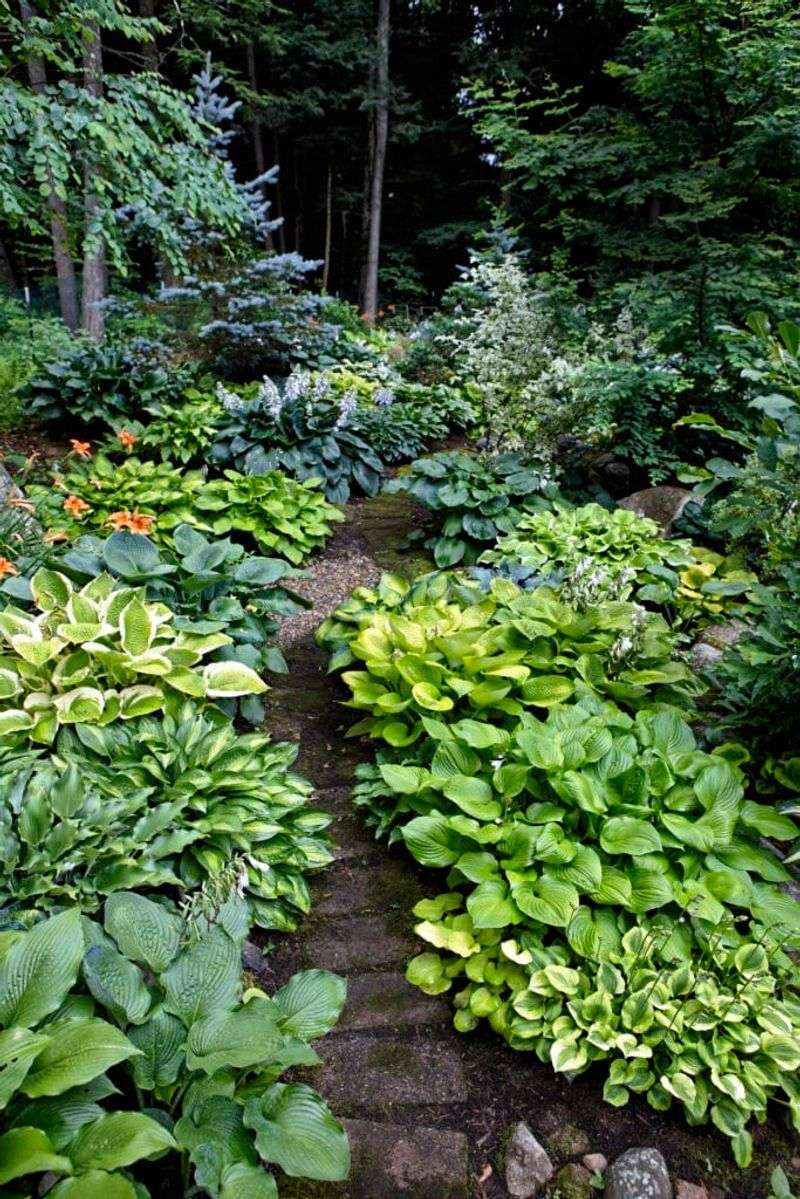
For the shady spots where flowers sulk, hostas are the quiet heroes that grow bolder by the year. A first-year hosta might be a small tuft of a few leaves that looks lost in its space.
Season after season, though, the clump widens into a lush mound of overlapping leaves, some varieties reaching several feet across. The foliage does the heavy lifting, in shades of green, blue, chartreuse, and creamy variegation.
In the South, give hostas morning sun and afternoon shade with steady moisture to keep the leaves crisp through summer. They pair wonderfully with ferns and other shade lovers under trees or along the north side of a house.
Slugs and deer both find hostas tasty, so a little protection or a deer-resistant companion nearby may help. Slug traps or gritty mulch can reduce the damage.
Every few years you can slice a mature clump into several new plants and fill your whole shade garden for free. What starts as a modest leafy sprout becomes a bold, sculptural centerpiece that returns fuller each spring.
9. Bee Balm (Monarda)
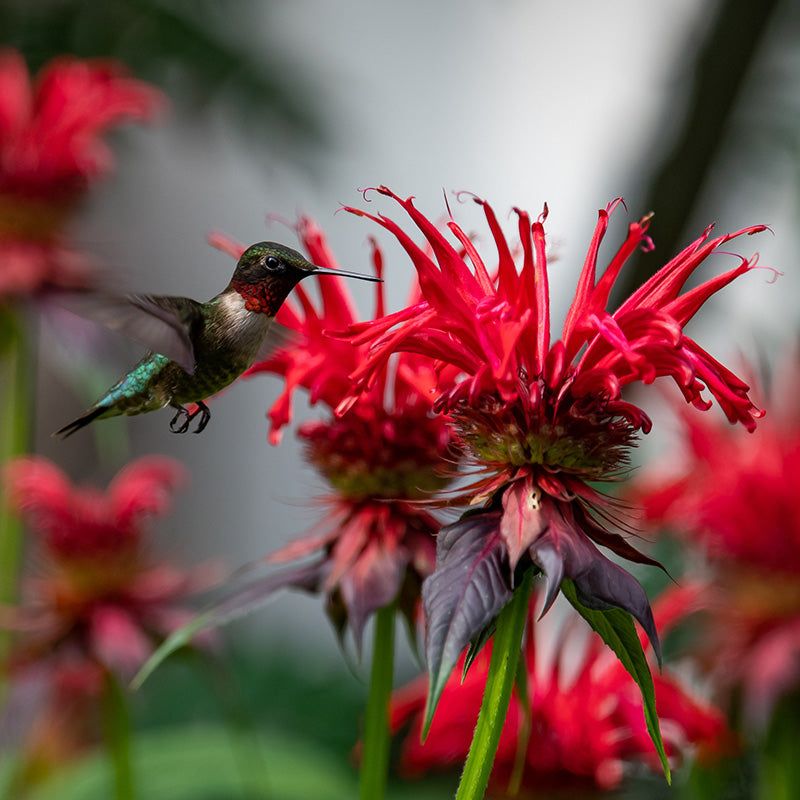
Shaggy, wild, and buzzing with visitors, bee balm turns from a modest clump into a pollinator magnet in just a couple of seasons. Year one brings tidy foliage and perhaps a few of its spiky, whimsical blooms.
After it settles in, the plant spreads outward and sends up masses of red, pink, purple, or lavender flowers that hummingbirds and bees cannot resist. The minty leaves smell wonderful when brushed and can even be used for tea.
Bee balm likes sun to part shade and soil that stays a bit moist, so it appreciates a spot that does not bake bone-dry. Good airflow helps keep powdery mildew off the leaves in humid Southern summers.
Because it spreads by underground runners, you may need to divide it every couple of years to keep it in bounds and share the wealth. That vigor is exactly what makes it fill a bed so quickly.
Plant it near a porch or window and you will have front-row seats to hummingbird visits that get busier every summer.