
September arrives and the garden still feels like summer, but the clock for a fall harvest is already running. For many Southern gardeners in Georgia, Florida, and Texas, early September opens a real planting window for cool-season vegetables.
Acting now gives crops the time they need to establish and produce before cold weather closes things down. The right timing, though, depends on where you live, what you want to grow, and how many frost-free weeks your local calendar still holds.
Early September Opens a Window, Not a Universal Deadline
September 1 is not a nationwide starting pistol for every Southern gardener. What it does mark, across a wide band of the South, is a narrowing opportunity to get cool-season crops into the ground with enough time to deliver a useful harvest before colder temperatures arrive.
In Georgia, UGA Cooperative Extension’s fall vegetable calendar shows recommended planting dates running from mid-August through early October, depending on the crop. Several crops, including carrots, kohlrabi, and Swiss chard, have early-September cutoffs, while others like leaf lettuce and radishes can go in later.
That range alone shows why a single date cannot serve every situation.
Texas spreads the picture even further. Region III, covering much of central Texas, lists September 1 as the average planting date for broccoli, cabbage, cauliflower, cucumbers, and snap beans, while other regions may have windows that stay open into October.
Florida adds another layer of complexity, with North, Central, and South Florida each operating on a different seasonal schedule.
The real urgency in early September is practical: every week that passes shortens the time a crop has to grow, mature, and produce before your local frost or cold spell arrives. That shrinking window, not a universal cutoff date, is what makes acting sooner rather than later worthwhile for many Southern gardens.
Match Your Garden to the Right Regional Calendar
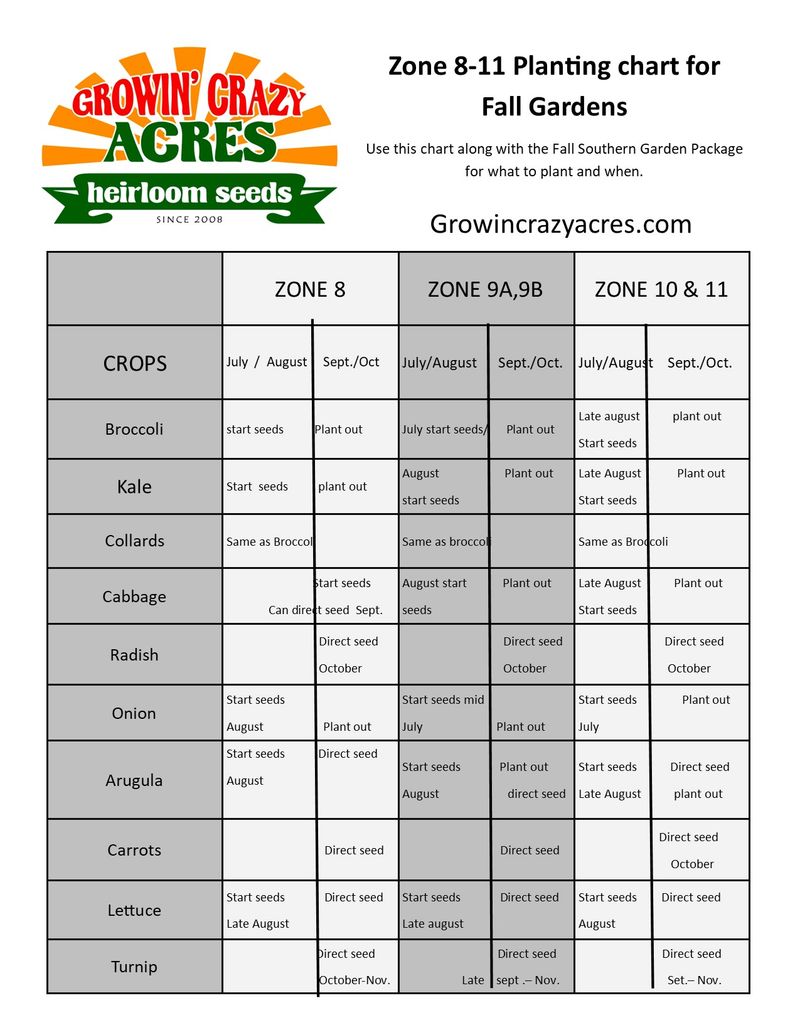
Treating the South as one gardening zone is a common mistake that leads to planting too early, too late, or with the wrong crop entirely. Georgia, Texas, and Florida each have their own schedules, and within those states the differences are just as significant.
Georgia’s fall calendar from UGA Cooperative Extension breaks crops down by specific planting windows. Broccoli, cabbage, cauliflower, and collards generally have windows running from September 1 through October 1, while some faster crops like radishes and leaf lettuce can be planted later in the season.
North Georgia gardeners may face earlier frost dates than gardeners along the Georgia coast, so even within one state the calendar varies.
Texas uses a regional chart divided into multiple zones. The Texas A&M AgriLife Extension fall gardening guide shows that Region III lists September 1 for several brassicas, while Regions IV and V in southern Texas may retain open planting windows well into fall.
Early September may actually be too late for some crops in northern Texas, where first frost can arrive earlier.
Florida’s UF/IFAS Florida Vegetable Gardening Guide and the UF/IFAS Gardening Solutions resource on vegetable gardens by season make clear that North, Central, and South Florida operate on materially different schedules. Before you buy a single seed packet or transplant, pull up your county Extension calendar or the applicable state chart and match your plan to your actual location.
Prioritize Cool-Season Crops That Fit the Window
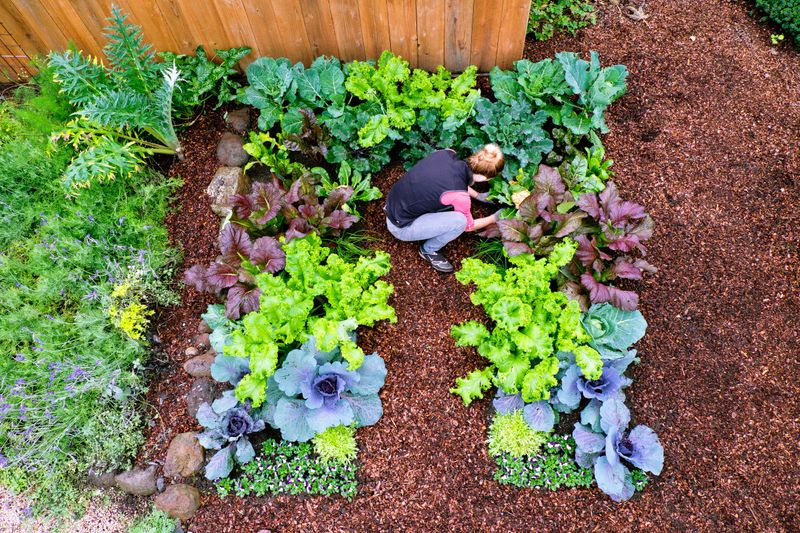
Not every vegetable belongs in a September Southern garden. The strongest candidates for early fall planting are cool-season crops, plants that actually grow better as temperatures ease and that can tolerate a light frost once established.
Leafy greens and root crops are often the most flexible. Collards, kale, mustard greens, lettuce, spinach, radishes, turnips, beets, and carrots are all solid choices, and several of them retain later planting dates even after September.
According to UGA Cooperative Extension, radishes and leaf lettuce can generally be planted later than slower-growing crops, making them good options if you missed the earliest window.
Broccoli, cabbage, cauliflower, and Brussels sprouts are also standard fall crops across the South, but they need more lead time to reach a useful harvest size. The Texas A&M AgriLife fall gardening guide lists September 1 as the average planting date for these brassicas in central Texas, and the UF/IFAS Florida Vegetable Gardening Guide includes them among fall options across Florida regions with dates that vary by location.
Warm-season vegetables are a different story. Tomatoes, peppers, eggplant, cucumbers, melons, and summer squash are vulnerable to cold and do not automatically fit a fall garden in every Southern location.
Whether they work depends on how many frost-free weeks remain in your specific area, so check your regional chart before adding them to the list.
Calculate Whether the Crop Can Deliver a Useful Harvest
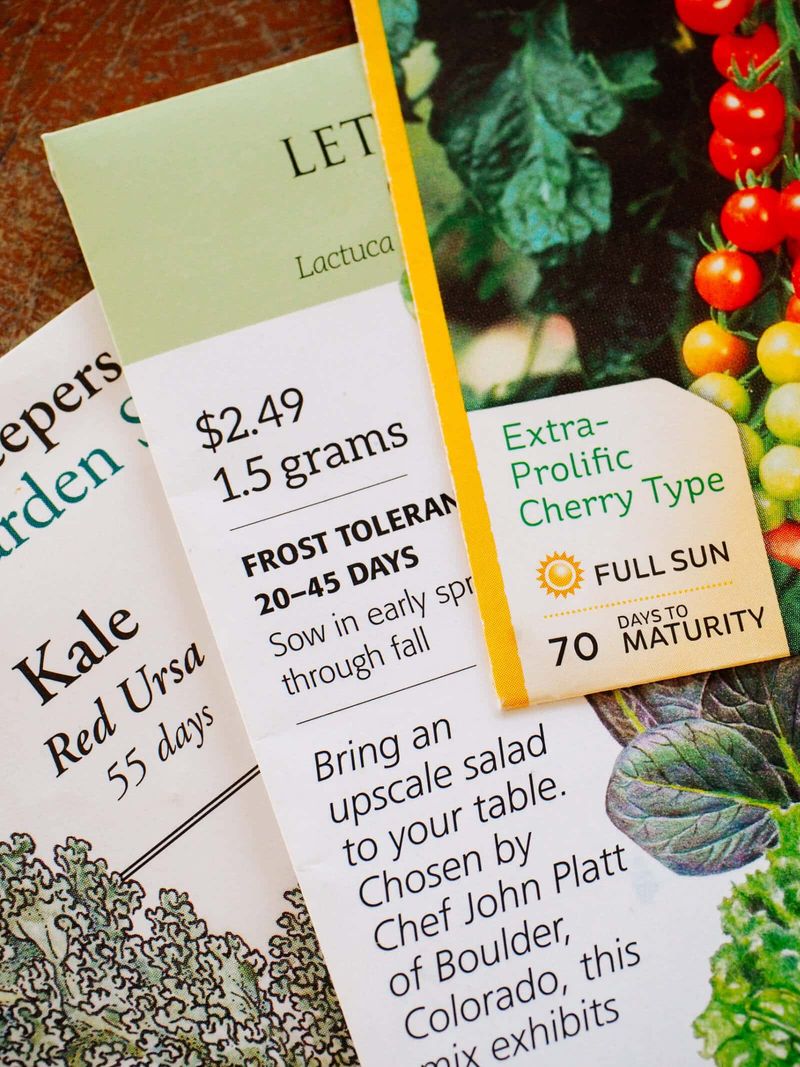
Knowing which crops fit the season is only half the job. The next step is checking whether a specific variety can actually reach a harvestable size before your first frost or freeze arrives.
Start with the seed packet or plant tag. Find the days-to-maturity figure, then count forward from today’s planting date and compare that number with your area’s average first frost date.
Texas A&M AgriLife Extension identifies planting at the proper time as one of the most important factors in fall-garden success, which is exactly why this calculation matters before you purchase anything.
One useful approach, illustrated in a UGA county vegetable garden calendar, is to work backward from the expected first frost, counting back the crop’s days to maturity plus additional time for a harvest window. That example adds roughly 18 extra days as a buffer, but treat this as a regional planning illustration rather than a formula that applies identically to every crop or location.
Days-to-maturity figures are estimates, not guarantees. As Penn State Extension notes, those numbers for transplants generally begin when the plant goes into the ground outdoors, not when the seed was started indoors.
Variety, heat, soil quality, water availability, pest pressure, and shortening day length can all shift the actual harvest date. A crop that technically reaches maturity just before frost may deliver only a single picking if planted at the edge of the window, so building in a buffer gives you a more realistic and rewarding harvest.
Choose Seeds or Transplants for the Crop and Conditions
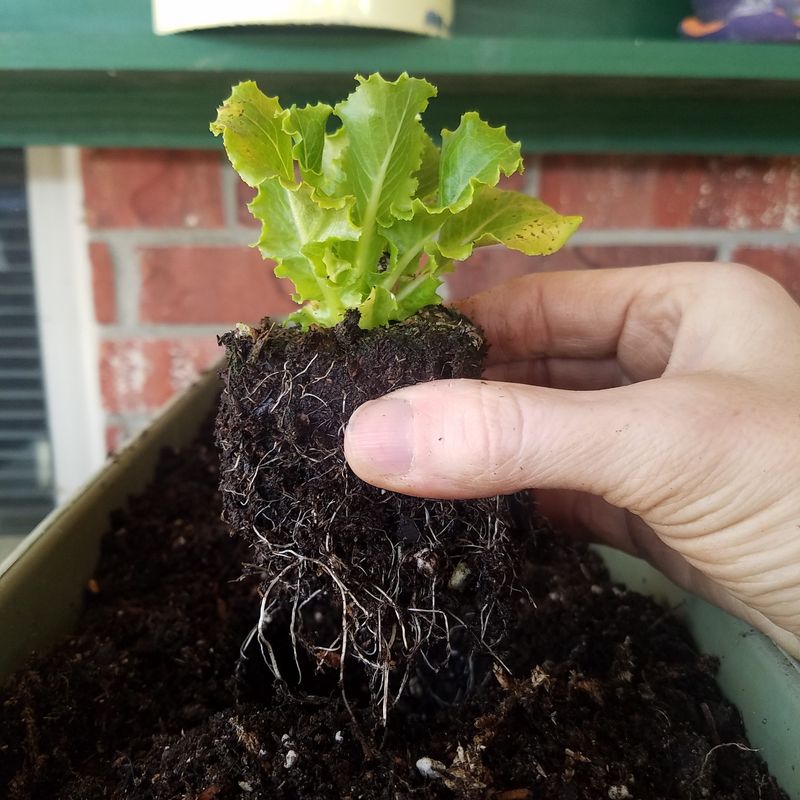
Once you know a crop can reach a useful harvest in time, the next decision is how to get it started. That choice depends on the crop itself and on the heat that still lingers in a Southern September garden.
Direct sowing works well for radishes, carrots, beets, turnips, mustard greens, spinach, and many lettuces. These crops form taproots or delicate root systems that transplant poorly, and they germinate reasonably quickly when the seedbed stays evenly moist.
UGA Cooperative Extension recommends consistent moisture for direct-sown seeds, since dry surface soil in hot weather can prevent germination entirely.
Broccoli, cabbage, cauliflower, and Brussels sprouts are a different matter. These crops need more time to develop before they produce, and starting them from seed outdoors in late-summer heat adds extra risk.
Both UGA and Texas A&M favor transplants for these brassicas in fall gardens, because a healthy six-week-old transplant already has a head start that a direct-sown seed cannot match when time is short.
Heat during establishment is the biggest challenge for either method. UGA’s fall gardening resource collection recommends partially shaded seed-starting areas, consistent watering, and temporary shade cloth or other protection while temperatures remain high.
In Florida, the UF/IFAS guide suggests that crops like lettuce may be better started in flats and transplanted once conditions begin to moderate, rather than seeding directly into hot garden soil.
Prepare the Bed and Establish Plants Without Overwatering
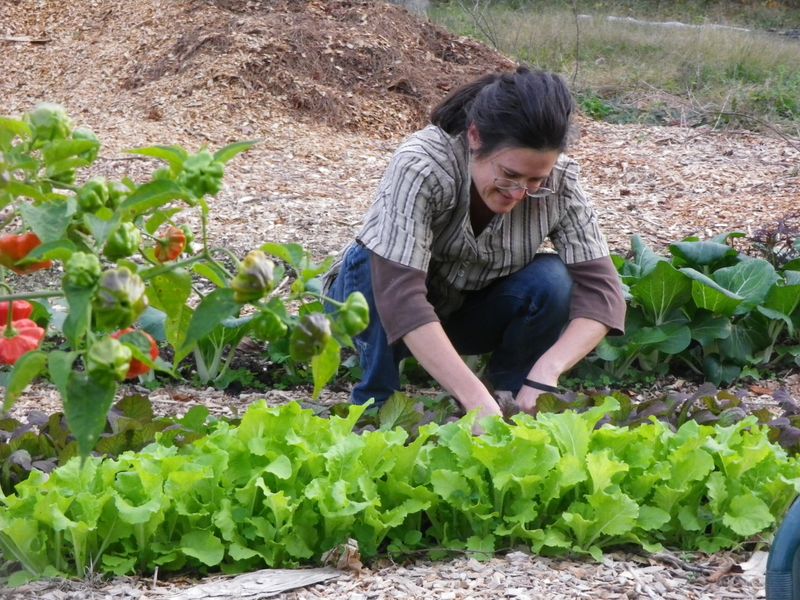
A clean, well-prepared bed gives fall crops a much better start than planting directly into whatever the summer garden left behind. Begin by pulling out spent or diseased summer plants.
Texas A&M AgriLife Extension advises removing all spring- and summer-crop residue along with any weeds, and specifically warns against placing potentially pest- or disease-contaminated plant material into the compost pile, where problems can persist and spread.
Choose a site with good drainage and substantial direct sunlight. Texas A&M recommends at least eight hours of direct sun for fall vegetable crops, and UGA guidance similarly points to six to eight or more hours as a general target.
Shaded beds that seemed acceptable for summer crops may not give fall brassicas and greens the light they need to develop fully.
Water new seeds and transplants immediately after planting. UGA Cooperative Extension recommends daily watering during the first week to support establishment, followed by roughly 1 to 2 inches of water per week for established plants, adjusted for rainfall, soil type, and temperature.
That range is a starting point, not a fixed rule, since sandy soils dry faster and clay soils hold moisture longer.
Drip irrigation or soaker hoses direct water to the root zone while keeping foliage drier, which reduces disease risk compared with frequent overhead watering. A layer of mulch, as noted by the UGA Colquitt County Extension garden calendar, can help conserve soil moisture, moderate soil temperature, and suppress weeds while young plants get established.
Manage Heat Now and Cold Later
Planting a fall garden in September means navigating two very different problems at once. Early on, the challenge is summer heat that can wilt new transplants and prevent seeds from germinating.
Later, the challenge shifts to cold nights and eventual frost. UGA Extension describes fall gardening as a balancing act: crops must be started early enough to mature, yet seedlings need protection from lingering heat and drought during those first critical weeks.
Temporary shade cloth can help young transplants establish without wilting, but keep in mind that too much shade slows growth. UGA Extension Forsyth County notes that low hoop houses and season extenders can protect plants at both ends of the temperature range, though the goal early on is reducing heat stress rather than trapping warmth.
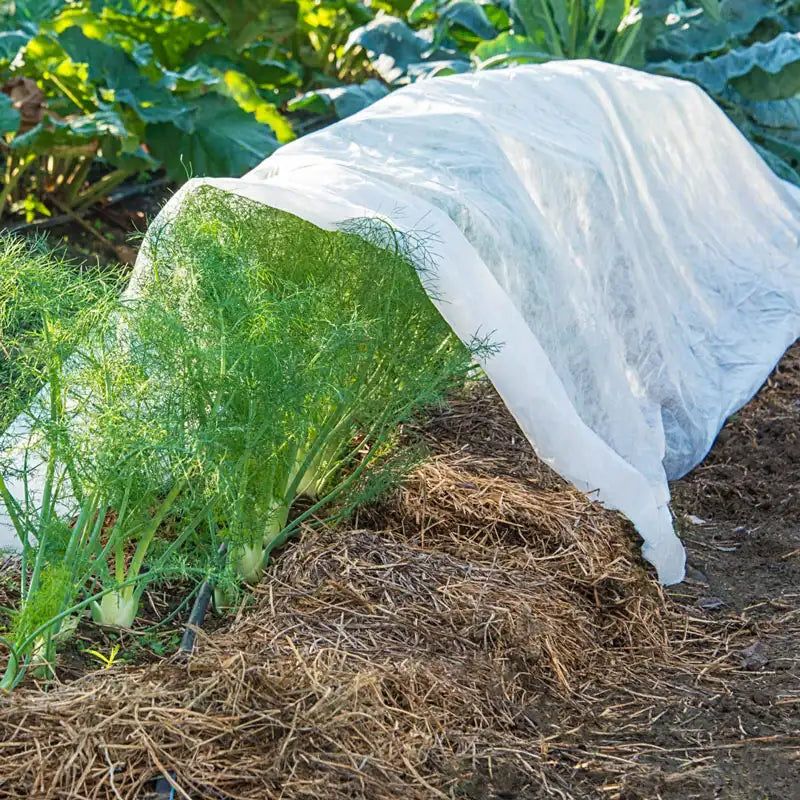
As nights cool, floating row covers become a practical tool. According to Utah State University Extension, lightweight floating covers may raise nighttime air temperatures by roughly 3 to 5 degrees Fahrenheit, with heavier materials offering somewhat more protection.
That modest buffer can help cool-season crops like broccoli, kale, collards, spinach, and turnips push through a light frost.
Covers are not foolproof. Secure them against wind so they stay in place, and remove or ventilate them on warm sunny days to prevent overheating.
Plastic covers can overheat plants quickly, and plastic should never rest directly against foliage during freezing conditions. Texas A&M AgriLife Extension confirms that cool-season crops tolerate cold better than warm-season vegetables, but that tolerance varies by crop, variety, and how recently the plant was transplanted.
Keep Scouting and Feed Plants Based on Need
Fall gardens carry a reputation for being easier to manage than summer beds, but that reputation can lead to neglect at exactly the wrong time. Warm, humid conditions that often persist through September and October keep insects, weeds, and disease active, and a garden that goes unchecked can lose a season’s worth of work quickly.
UGA Cooperative Extension specifically notes that cabbage loopers and other pests remain active in fall gardens and that regular scouting is necessary. Start with exclusion and sanitation: remove damaged leaves, keep the bed clear of debris where pests overwinter, and use row covers as a physical barrier against some insects before problems develop.
If chemical control becomes necessary, always read the product label carefully for the specific crop and pest listed, follow all application directions, and observe the harvest interval before eating anything from the treated bed.
Fertility decisions deserve the same measured approach. Adding extra fertilizer does not guarantee faster growth and can actually injure plants or push tender new growth that is more vulnerable to heat and pest damage.
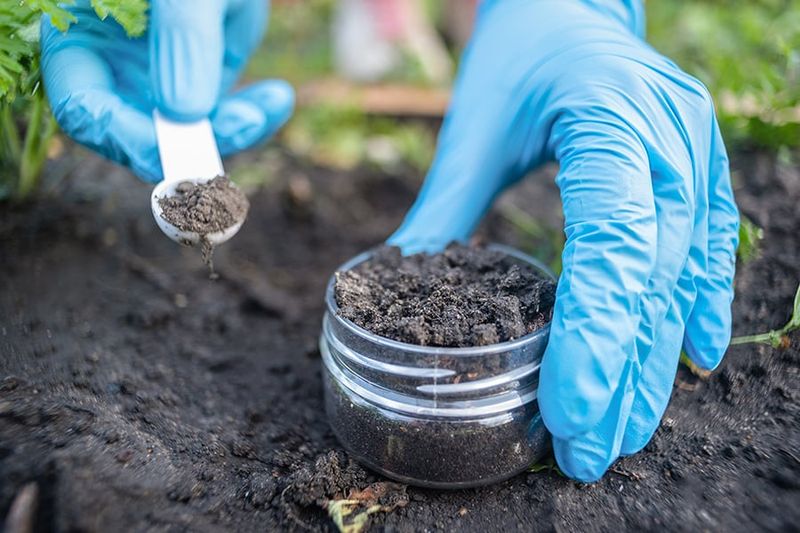
Texas A&M AgriLife Extension’s home vegetable gardening guide recommends basing fertilizer use on actual soil and crop needs rather than assuming more is better. A soil test, if you have not done one recently, gives you a concrete starting point instead of a guess.
Use a Five-Step Check Before You Plant
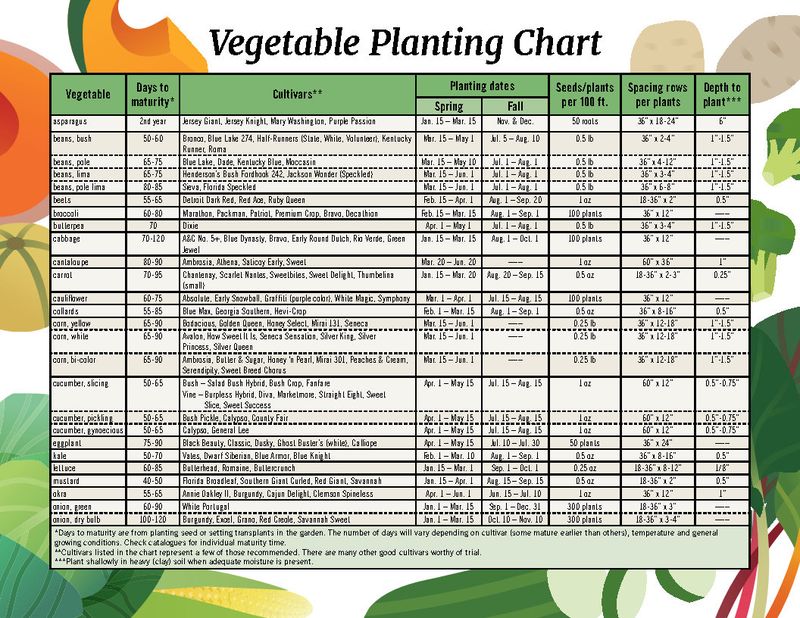
Before buying seeds or transplants, run through five quick checks that will tell you whether a fall garden makes sense for your situation right now. First, identify your specific region, not just your state.
Second, pull up your county Extension calendar or state crop chart and find the planting window for the crop you want. Third, compare the variety’s days to maturity with your expected first frost date, and make sure there is enough time for a useful harvest rather than just technical maturity.
Fourth, decide whether to direct-sow or use transplants based on the crop and how hot conditions still are in your area. Fifth, prepare the bed, gather your row covers and mulch, and set up irrigation before the plants go in.
UGA Cooperative Extension, the Texas A&M AgriLife fall gardening guide, and the UF/IFAS Florida Vegetable Gardening Guide all reinforce the same core principle: the right planting deadline belongs to your specific crop, your location, and your seasonal forecast, not to a single date on the calendar. A garden built on that foundation is far more likely to reach the table.