
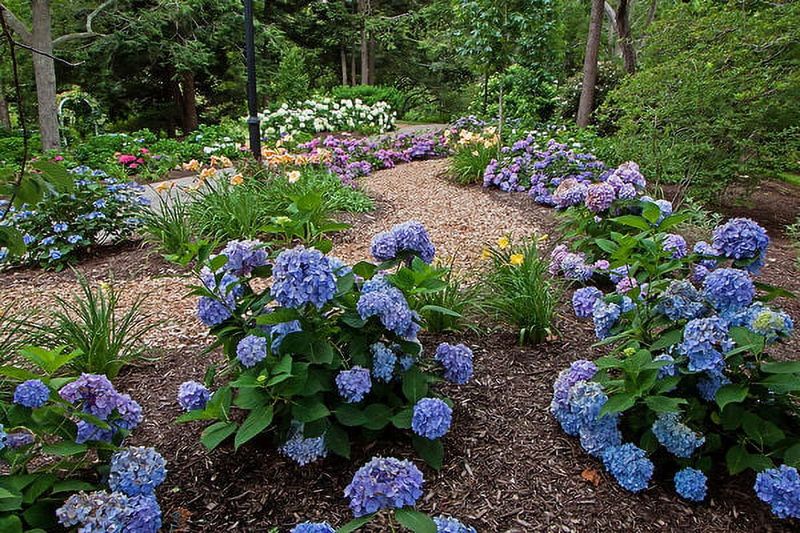
Watching your Endless Summer hydrangea put on a gorgeous first show and then go completely quiet can feel like something went wrong. For Southern gardeners in places like Texas and Florida, that silence after the first flush raises a fair question: is the plant done for the season, or is there actually more to come?
The answer depends less on luck and more on knowing what kind of plant you have and when to act. Getting the timing right on a few simple steps may protect your plant’s chance at a later round of flowers, even if it can never guarantee one.
First, confirm that the plant can rebloom
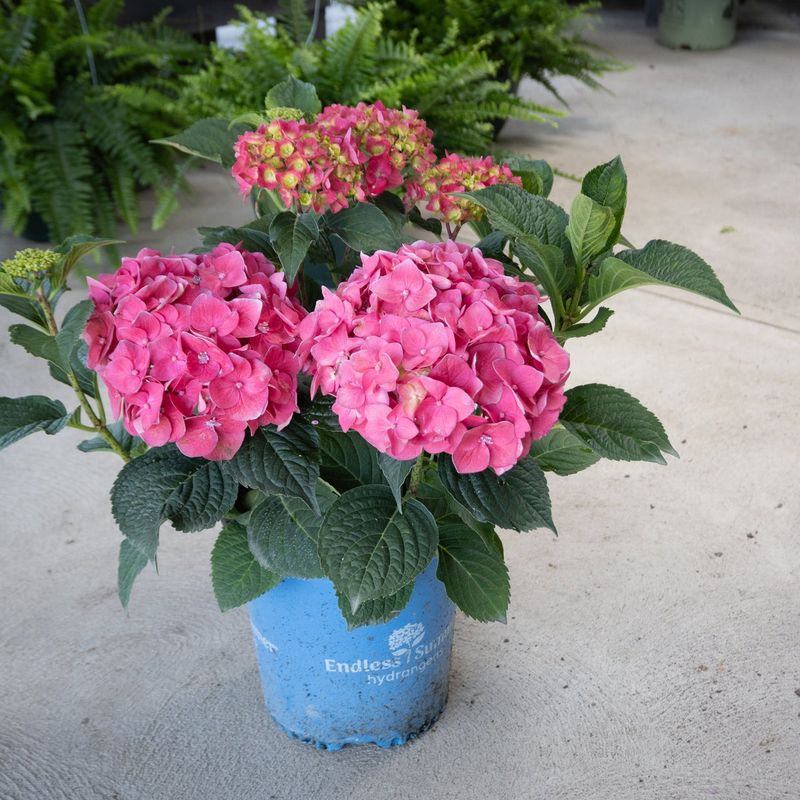
Plenty of gardeners assume that any bigleaf hydrangea with big, round flower heads is a rebloomer, but that assumption can lead to real disappointment. UGA Extension guidance on identifying hydrangeas makes the point clearly: most ordinary bigleaf hydrangeas flower only from overwintered old-wood buds, meaning that if those buds get removed or damaged, the plant simply will not bloom again that season.
Endless Summer is a specific group of reblooming cultivars, not a description that applies to every mophead in the garden center.
The Endless Summer series includes the original cultivar sold as ‘Bailmer,’ along with BloomStruck, Summer Crush, and Twist-n-Shout. These plants share a genetic trait that lets them flower from both overwintered wood and new growth produced during the current season.
University of Minnesota Extension’s hydrangea pruning guide notes that reblooming types differ meaningfully from standard old-wood bloomers in the care they need, which is exactly why confirming your cultivar matters before you do anything else.
Check the plant tag or the original label before applying any of the timing advice in this guide. A mophead flower shape, a blue or pink color, or even a blue-colored pot at the nursery cannot confirm that a hydrangea is a genuine rebloomer.
NC State Extension’s Hydrangea macrophylla profile confirms that cultivar identity, not flower appearance, is what determines pruning rules and reblooming potential. One bloom cycle that ends quietly does not automatically signal failure, but an incorrectly identified plant simply may not have the built-in capacity for a second flush.
Later flowers use new growth, but the biology varies by cultivar
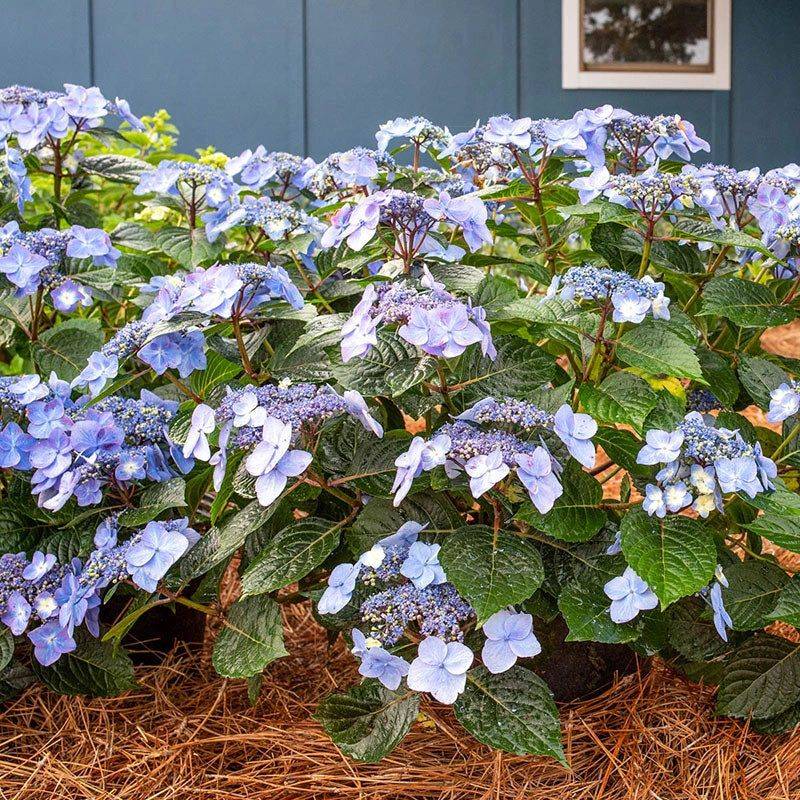
A confirmed Endless Summer cultivar has a built-in capacity to flower more than once, but the way that second flush actually happens is more complicated than a simple on-off switch. Research published in HortScience documented that flower initiation in reblooming Hydrangea macrophylla cultivars can occur on both older shoots and new current-season growth, with meaningful differences in timing and location depending on the specific cultivar.
Pruning and deadheading work with this built-in trait rather than creating it from scratch.
A separate line of research described two distinct mechanisms of remontant flowering in Hydrangea macrophylla, reinforcing the idea that bud initiation pathways are not identical across the series. That cultivar-to-cultivar variation matters in practice because it means that the timing and size of any later flush can differ even between two plants in the same Endless Summer lineup grown under similar conditions.
Realistic expectations are worth setting early. A Tennessee State University evaluation of 41 reblooming Hydrangea macrophylla cultivars found that flowering performance varied among cultivars and across two growing seasons.
Some plants produce a scattered, modest later display rather than a second wave that rivals the first. Good care timing can protect and support the plant’s reblooming potential, but it cannot override the biology of the specific cultivar you have or the conditions your garden presents.
Deadhead when the first flowers fade
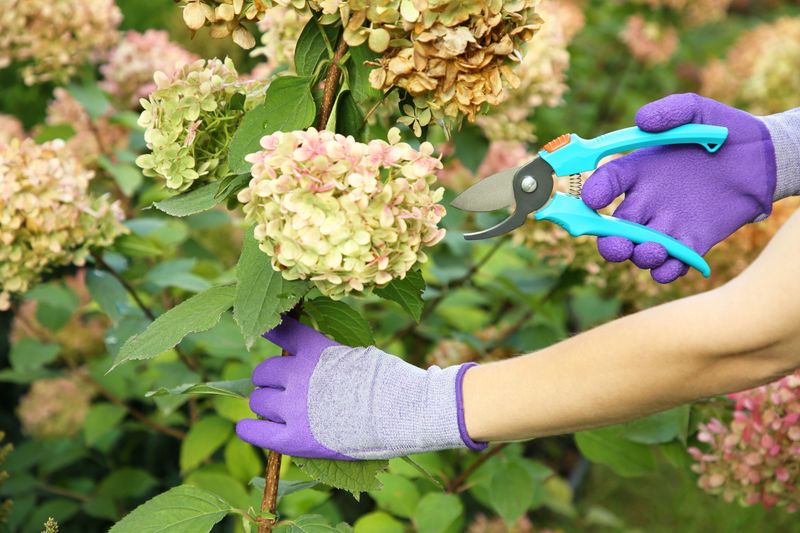
When the first flower heads start to look washed out, papery, or brown at the edges, that visible change is your cue to act. Endless Summer’s deadheading guidance identifies mid-July as a point when the first bloom cycle commonly fades, but the real trigger should be the condition of the flowers themselves, not a date on the calendar.
Southern gardens from central Florida to the Texas Hill Country can run on very different schedules depending on the year’s weather and the specific microclimate.
The cut itself is small and targeted. Remove only the spent flower head, cutting immediately below it and just above the next healthy pair or set of large leaves.
That leaf node is where new growth and potential flower buds can develop. A sharp, clean pair of pruners makes the job easier and reduces the risk of tearing the stem.
Deadheading is not the same as cutting the shrub back. Removing a faded head is a single, precise snip that tidies the plant and may redirect energy toward additional growth.
Reducing the plant’s height, removing major stems, or cutting back large portions of the shrub is structural pruning, and that is a different action with different consequences. UGA Extension Fulton County’s hydrangea pruning guide notes that deadheading may result in additional blooms later in the season, though the outcome is not guaranteed.
Think of it as giving the plant a reasonable chance rather than flipping a switch.
Skip hard fall pruning to protect next year’s early flowers
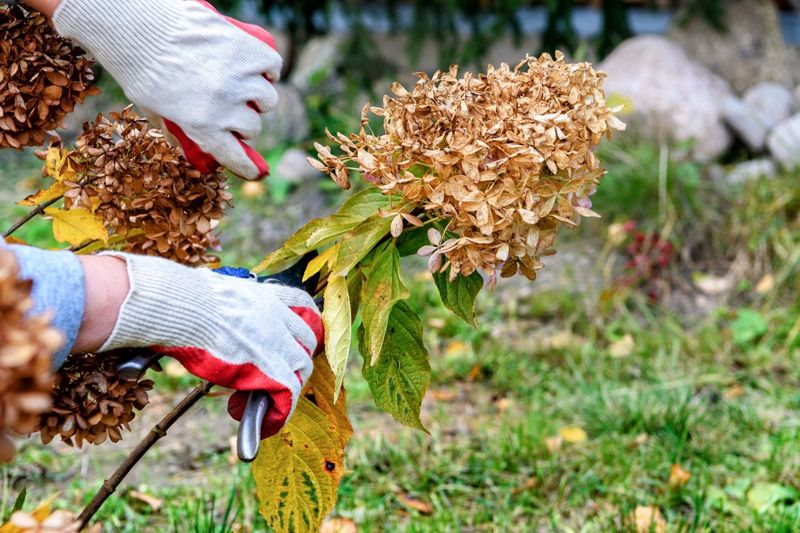
Fall is when many gardeners feel the urge to tidy everything up, cut things back, and put the garden to bed. For a confirmed Endless Summer hydrangea, that impulse can cost you a significant portion of next spring’s flower display.
Endless Summer’s seasonal pruning guidance is direct on this point: fall pruning can remove the old-wood buds that are already set to produce the early-season flowers the following year.
The distinction between deadheading and structural pruning becomes especially important here. Snipping off a spent flower head during summer is a small, targeted action.
Cutting the entire shrub down to a lower height in October or November is a fundamentally different decision, one that removes stem length and the buds attached to it. University of Georgia Extension’s bigleaf hydrangea publication explains that old-wood bud loss is a leading reason why hydrangeas fail to flower well the following season.
Pruning rules do vary by hydrangea species, so what applies to an Endless Summer bigleaf type does not automatically apply to panicle hydrangeas, smooth hydrangeas, or oakleaf hydrangeas. Penn State Extension’s guide on why hydrangeas fail to bloom reinforces that applying the wrong pruning approach to the wrong type is one of the most common reasons gardeners end up with a shrub full of leaves and no flowers.
Leave the old-wood stems intact through fall and let the plant hold onto those buds.
Wait for spring growth before removing freeze-damaged stems
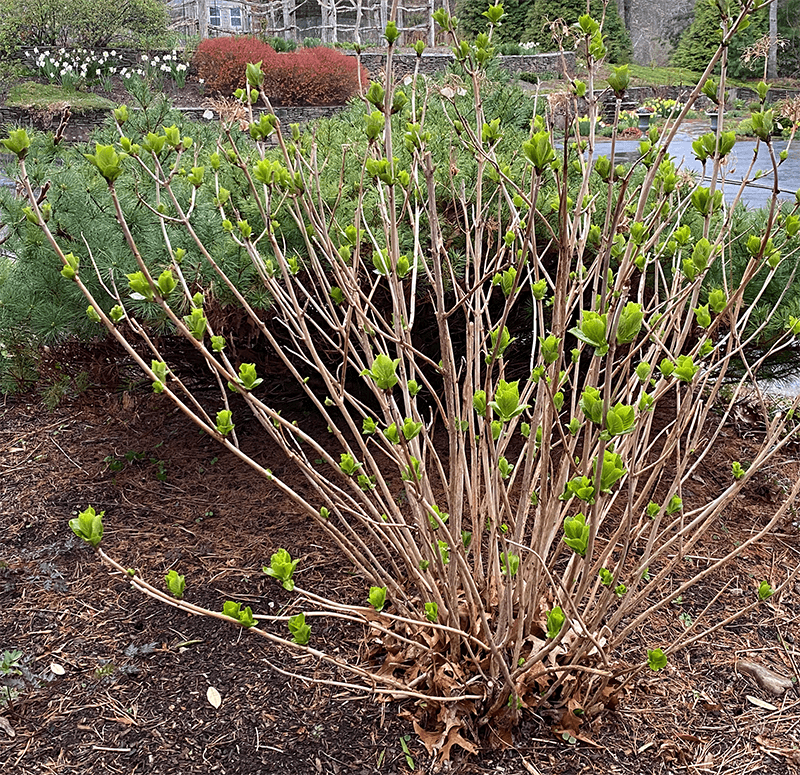
After a hard winter or a late freeze, an Endless Summer hydrangea can look genuinely alarming, with brown, brittle stems that show no signs of life. The temptation is to cut everything back right away, but acting too quickly can sacrifice stems that are actually still alive.
Endless Summer’s spring gardening checklist advises waiting until the plant begins leafing out before making any cleanup cuts.
Once new growth appears, the difference between a dead stem and a live one becomes much easier to read. Dead stems are brown all the way through, brittle when bent, and carry no viable green buds.
Live stems may look rough on the outside but show green when lightly scratched and will begin pushing out small leaf buds as temperatures warm. Preserve anything that shows signs of life, even if it looks a little ragged.
Endless Summer’s blooming guidance emphasizes keeping green, viable stems intact, because those are the ones that carry bud potential.
A genuinely reblooming cultivar that was cut to the ground by freeze damage may still produce flowers from new growth as the season progresses. University of Minnesota Extension’s pruning resource notes that reblooming types can flower from current-season shoots even after significant winter injury.
That recovery is a real possibility, but the resulting flush is often delayed and smaller than a normal display, not a promise of a full comeback.
Give the plant light and moisture that support flowering
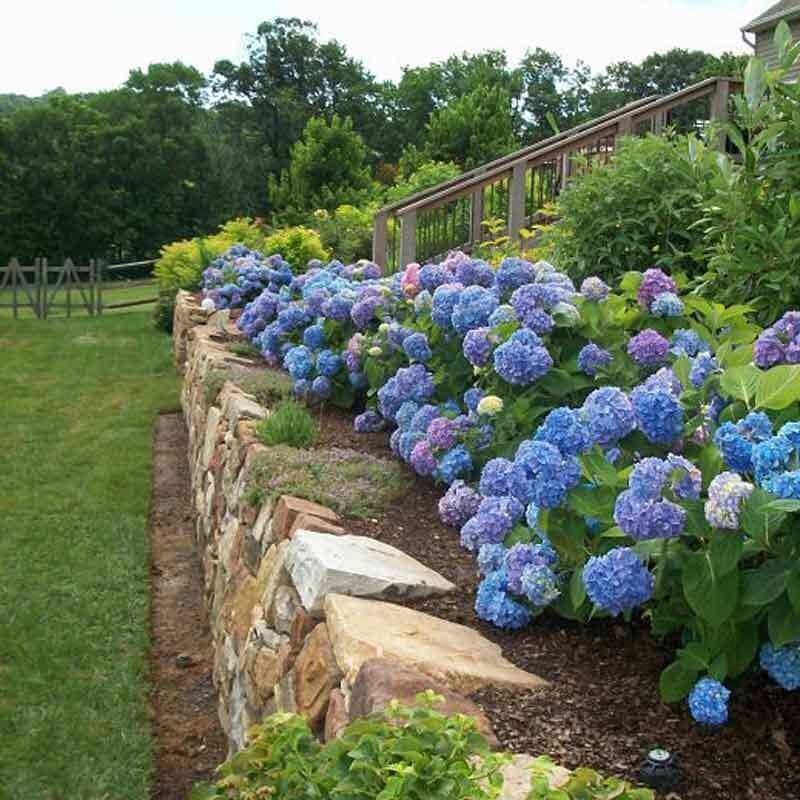
Careful pruning timing is far more useful when the plant is growing in conditions that actually support flowering. Bigleaf hydrangeas generally perform best with morning sun and afternoon shade or bright filtered light.
UGA Extension’s bigleaf hydrangea guide notes that all-day sun in hot Southern locations increases heat and moisture stress, while dense shade can reduce flowering. Finding that balance is especially relevant for gardeners in Texas and Florida, where summer afternoons can push temperatures well past what these plants handle easily.
Soil moisture matters just as much as light. Keep the soil evenly moist but well-drained, and check it before reaching for the hose.
Hydrangeas can wilt dramatically in afternoon heat even when the root zone still holds adequate moisture, so drooping leaves alone are not a reliable signal to water. UGA Extension Bartow County’s watering guidance recommends checking soil moisture directly rather than watering on a fixed schedule or in response to visible wilting alone.
Poor drainage is a separate problem from underwatering, and the two can look similar at the surface. Roots sitting in waterlogged soil cannot take up water or nutrients effectively, which shows up as wilting, yellowing, or weak growth even when the garden gets regular rain.
Endless Summer’s hydrangea care FAQ and their blooming resource both flag drainage as a contributing factor in weak or absent flowering. Addressing light, moisture, and drainage together gives careful pruning timing the best possible foundation to work from.
Use fertilizer cautiously instead of trying to force reblooming
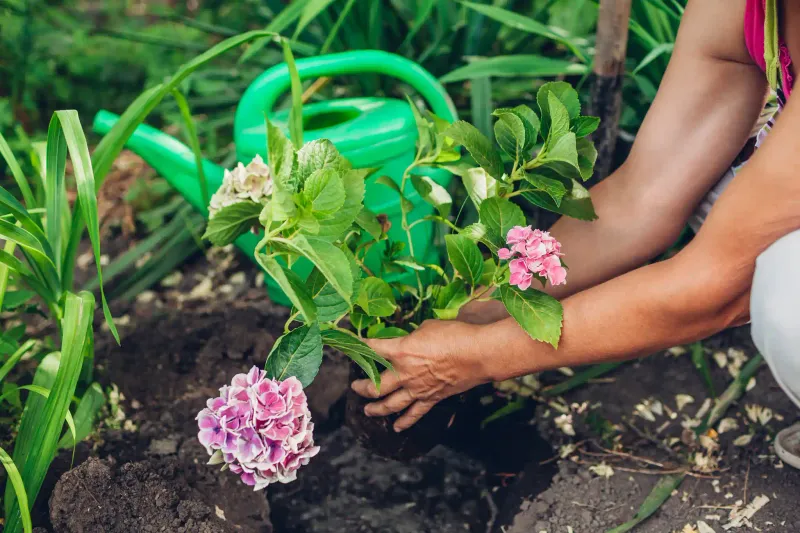
Reaching for extra fertilizer when a hydrangea stops blooming is a common instinct, but more feeding rarely solves the real problem and can make things worse. Endless Summer materials suggest feeding when spring growth begins and again around mid-summer, but their hydrangea care FAQ also cautions against overfertilizing.
The safer approach is to use a balanced, slow-release product applied strictly according to its label and to resist the urge to add more applications in hopes of pushing out flowers.
Excess nitrogen is a particular concern. UGA Extension’s bigleaf hydrangea publication and Endless Summer’s blooming guidance both note that too much nitrogen can push the plant toward lush foliage at the direct expense of flowers.
A plant that looks vigorously leafy but produces few or no blooms is a classic sign of nitrogen excess.
Phosphorus products are sometimes marketed as bloom boosters, but applying them without a confirmed soil deficiency is not a well-supported strategy and can create nutrient imbalances over time. Endless Summer’s reblooming benefits page frames fertilizer as one part of a broader care approach, not a standalone fix.
Fertilizer supports a healthy plant; it cannot substitute for the right cultivar, adequate light, or proper moisture management.
A modest later flush may still be normal
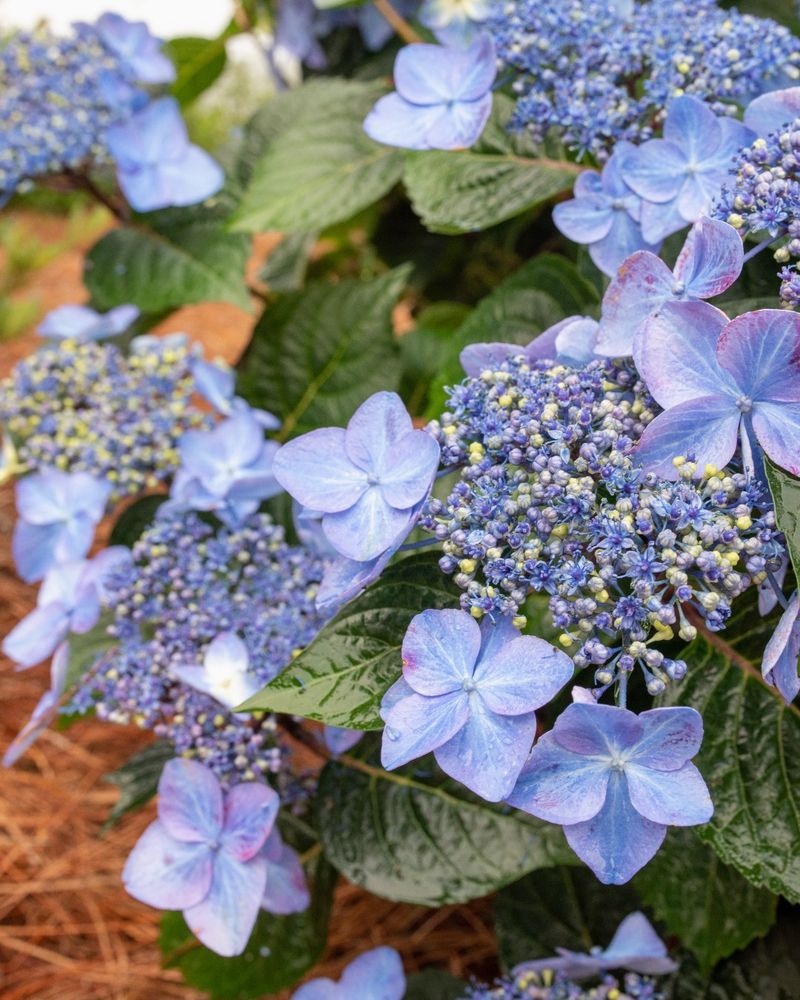
Running through the full sequence is worth doing before concluding that a plant has failed. Verify the cultivar from the tag, deadhead fading heads with a targeted cut above the next healthy leaf set, leave old-wood stems intact through fall, and wait for spring leafing before removing anything that might still be alive.
Maintain morning sun with afternoon protection, check soil moisture and drainage rather than watering on impulse, and fertilize modestly according to the product label.
Even with all of that in place, the later flush may be smaller and less dramatic than the first. Tennessee State University’s cultivar evaluation found real variation in reblooming performance across cultivars and seasons, and Endless Summer’s own reblooming resource acknowledges that weather, freeze injury, heat, drought, plant maturity, and nutrition can all limit later flowers.
A scattered handful of blooms appearing in late summer or early fall is not a sign that the care failed; it may simply be what that cultivar offers under your specific conditions.
Good timing protects the plant’s built-in reblooming potential. Deadheading at the right moment and skipping fall pruning are the two steps most likely to keep that potential intact, but neither one can guarantee two equally large bloom cycles every year.
Managing that expectation honestly is what keeps the plant from feeling like a disappointment when it does exactly what its biology allows.