

You walk out to your garden in the morning and find stems chewed down to nubs, leaves stripped, and young plants looking like something had a midnight feast. Deer are a likely suspect, but knowing what actually draws them in and what might push them away can save you a lot of frustration.
Scent plays a real role in how deer interact with your yard, but the full picture is more complicated than any one spray or home trick can handle.
Overnight damage does not prove strictly nocturnal deer
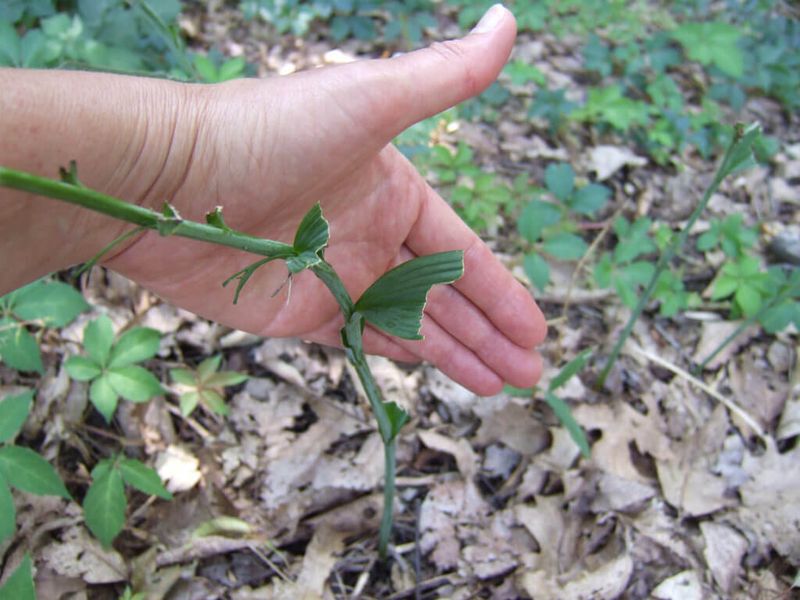
Finding your garden chewed down at sunrise feels like an open-and-shut case: deer raided your beds while you slept. That conclusion is reasonable, but worth double-checking before you commit to a treatment plan.
Florida Fish and Wildlife guidance notes that white-tailed deer are most active around dawn and dusk, though suburban deer can and do forage at other hours, including overnight, when human activity quiets down.
Timing alone does not prove deer caused the damage. Rabbits, groundhogs, and other animals also feed in low-light hours and can leave similar-looking plant loss.
Penn State Extension points out that deer browsing tends to leave a ragged, torn edge rather than a clean cut, because deer lack upper front teeth and pull or twist foliage as they feed.
Before you buy anything, walk the bed and look for corroborating signs. Hoof prints in soft soil or mulch, small piles of droppings, disturbed ground cover, or a pattern of damage across multiple plants at the same height all point more clearly to deer than timing does.
UF/IFAS guidance recommends confirming the animal before choosing a control method, because a repellent aimed at deer will do nothing if rabbits are the actual culprit.
Repellents can change feeding behavior in more than one way
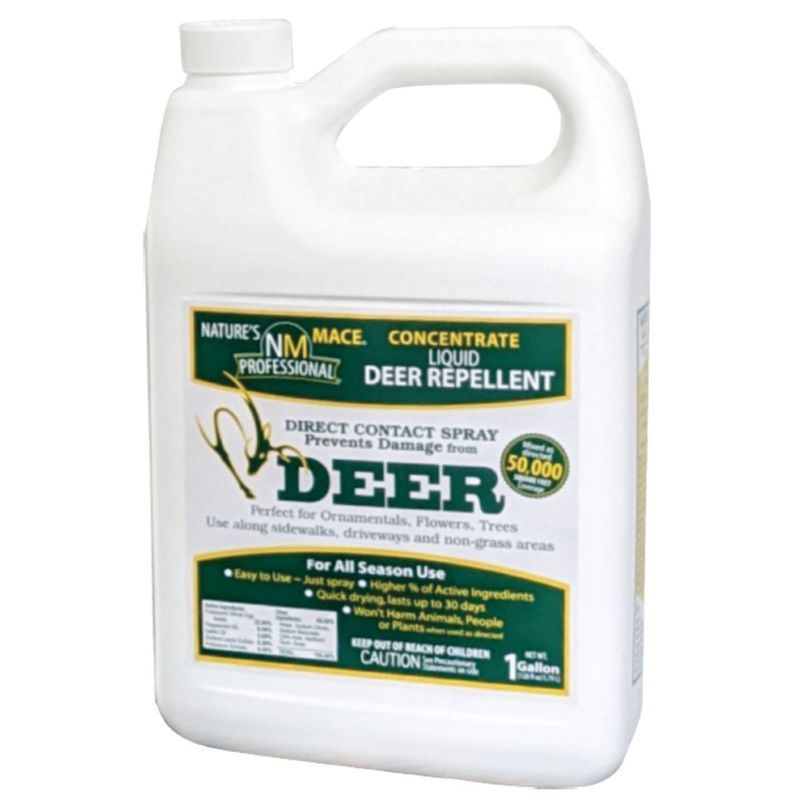
Not every deer repellent works through smell alone, and lumping them all together leads to mismatched expectations. Commercial products generally fall into two categories.
Area repellents are placed near plants and rely mainly on odor to create an unpleasant zone. Contact repellents are applied directly to foliage and work through taste, irritation, or a combination of both once a deer actually samples the plant.
UNH Extension explains that contact products can be more effective in some situations but often carry stricter restrictions on which crops, plant types, and harvest intervals they can be used on. That distinction matters if you are protecting a vegetable bed rather than an ornamental border.
Habituation is the other piece of this puzzle. A deer may avoid an unfamiliar odor for days or even weeks, then gradually ignore it as hunger or high local deer pressure increases feeding motivation.
Controlled research published in a peer-reviewed wildlife journal found that deer habituated to some meat-and-bone-meal odors relatively quickly when access to a desirable food source was involved. A product that seems to work well in October may lose ground by December when natural forage drops.
Additional research confirms that odor-only repellents are especially vulnerable to this effect, which is why a response to one formulation does not predict how well a different product will perform in your specific yard.
Egg, capsaicin, and blood-based formulations have comparatively stronger cited evidence
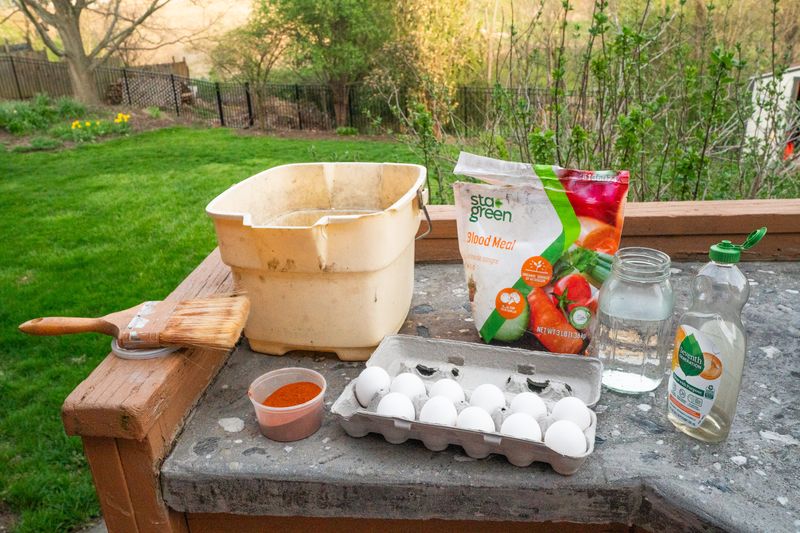
Among the ingredients found in commercial deer repellents, three have comparatively stronger evidence from cited studies: putrescent egg solids, capsaicin, and blood-based compounds. That does not make them guaranteed solutions, but the research behind them is more specific than what supports most home remedies.
University of Minnesota Extension reports a summer trial using a homemade mixture of three fresh eggs per gallon of water. When applied thoroughly and reapplied about every two weeks or after heavy rain, the mixture showed effectiveness during that season.
That finding applies specifically to a fresh-egg-and-water mixture under those conditions. Commercial products labeled with putrescent egg solids use a different, processed form of the ingredient and are regulated as pesticides with their own label requirements.
The trial does not validate every commercial egg-based formulation, and the two should not be treated as interchangeable.
The same Minnesota guidance cautions that adding garlic, spices, or other ingredients to that egg mixture may actually mask the egg odor and reduce effectiveness, which is worth keeping in mind before you start experimenting with combinations.
On the contact-repellent side, controlled research found that capsaicin and blood-based flavor modification performed better than some odor-only treatments when deer were offered a highly desirable food. Capsaicin works primarily through irritation and taste rather than odor alone.
Penn State Extension guidance on orchard deer management reinforces that contact repellents applied to foliage can be more effective in certain situations, while also noting that label compliance, crop approval, and reapplication timing remain critical to getting results.
Popular home remedies remain inconsistent
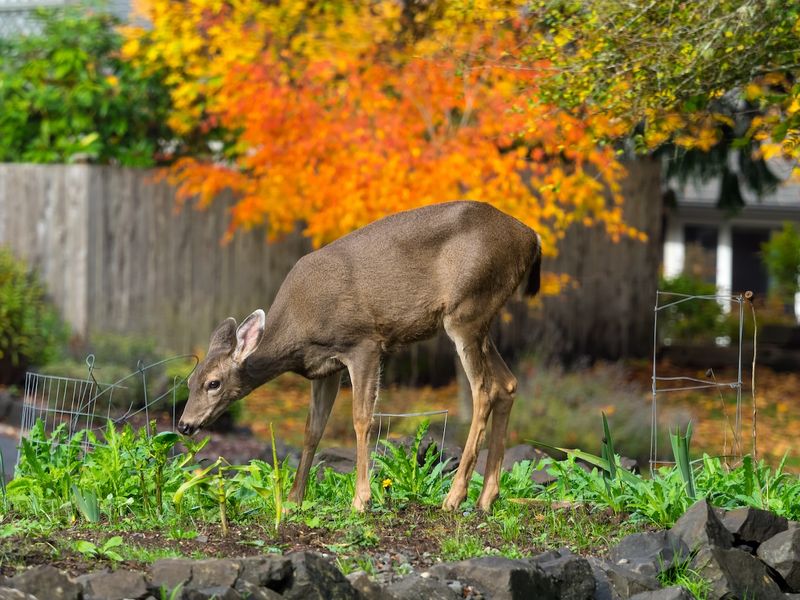
Garlic, bar soap, human hair, peppermint oil, and strongly scented plants show up constantly in deer-repellent advice, and some gardeners swear by one or another of them. The honest summary is that these methods may offer temporary or situation-dependent help in low-pressure settings, but the available extension guidance does not support relying on them for consistent protection.
UF/IFAS and University of Georgia Extension both characterize many common home remedies as variable or unreliable, particularly when deer pressure is high or when food is scarce and deer are motivated to push through unfamiliar smells. UNH Extension similarly notes that these approaches tend to work best as part of a broader strategy rather than as standalone solutions.
Predator urine products occupy a separate category. Some are registered as repellents under federal pesticide law, meaning they have gone through a labeling process.
USDA APHIS lists registered chemical repellents that include predator-odor products, but registration does not guarantee field performance. Deer can habituate to predator scents over time, especially when hunger overrides the fear response.
One practical caution worth repeating from the egg-mixture research: adding garlic or other strong scents to an egg-based mixture may cover the egg odor that does the repelling work, according to University of Minnesota Extension. Mixing more smells together does not reliably improve results and can undercut what limited effectiveness a single ingredient might provide.
The clearest deer attractants are deliberate food cues
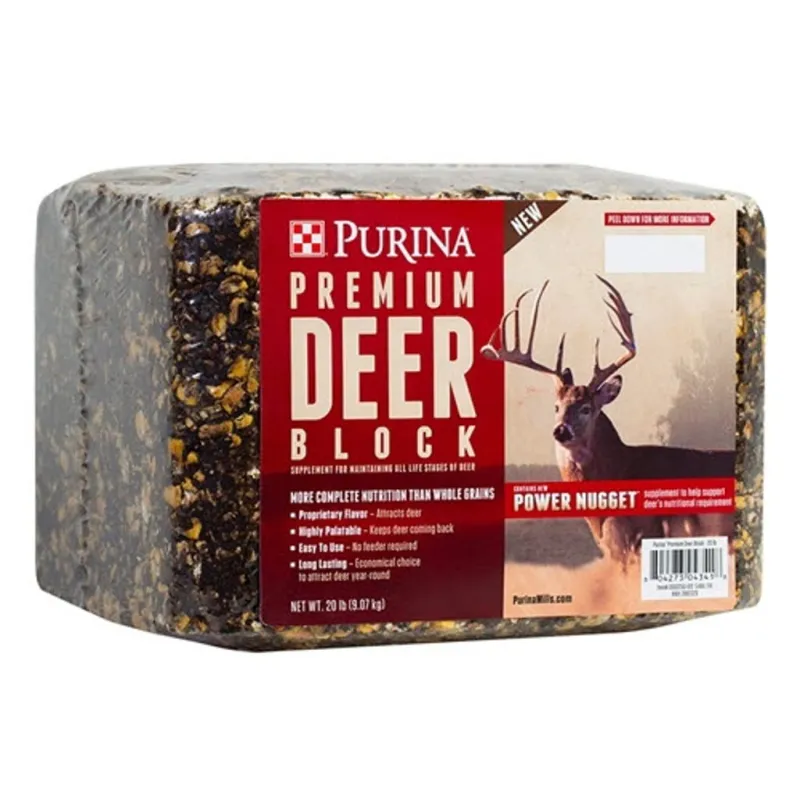
The attraction side of the deer-and-scent question has a clearer answer than the repellent side, and it centers on deliberate food sources rather than ordinary garden smells. Research on deer attractant performance found that salt blocks drew deer reliably, and that lure odors associated with acorn, apple, and peanut butter enhanced attractant performance.
These are concentrated, food-associated odors that deer have strong incentive to investigate.
The practical takeaway for homeowners is straightforward: do not feed deer, do not deploy salt blocks or wildlife lures near your garden, and clean up fruit scraps, fallen produce, and spilled birdseed promptly. USDA Wildlife Services cautions that feeding wildlife habituates animals to human spaces and increases conflict over time.
Florida Fish and Wildlife echoes that point, noting that intentional feeding can draw deer into neighborhoods where they then browse ornamental and vegetable plants.
What this research does not show is that every vegetable bed or flower border is being located purely by scent. Deer also follow established trails, respond to visual cues, and return to spots where they have fed successfully before.
Removing deliberate attractants reduces one significant pull factor, but access, plant preference, local deer density, and available forage all contribute to whether your beds end up on the nightly menu.
Apply repellents early, safely, and exactly as labeled
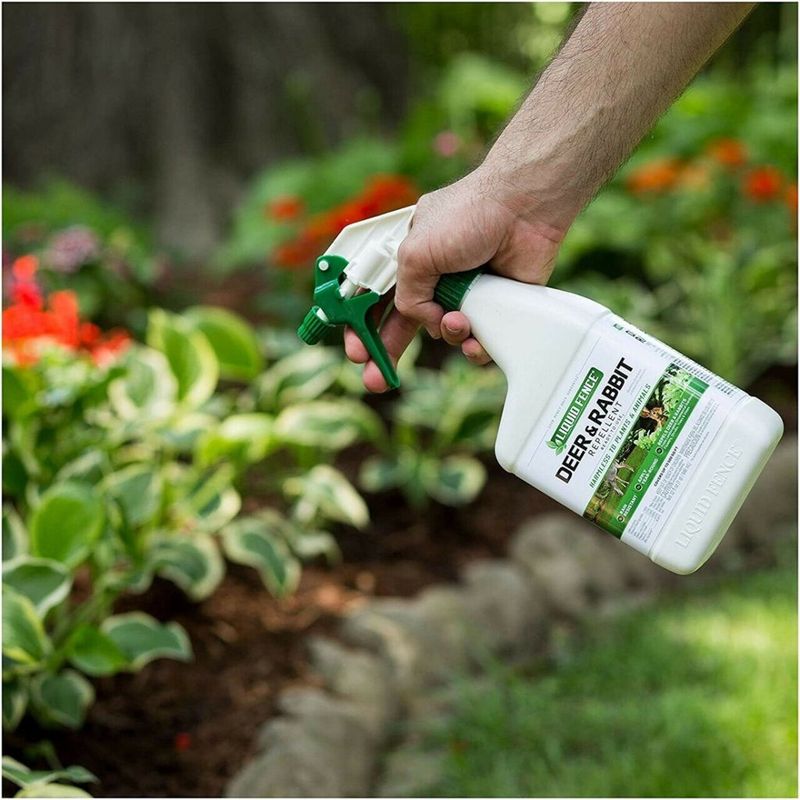
Timing matters more than most gardeners expect. Starting a repellent program before deer establish a regular feeding pattern gives the product the best chance of working.
Once deer have visited your beds repeatedly, they have already confirmed the location as a reliable food source, and breaking that habit takes more than a single application of any spray.
UNH Extension deer repellent guidance recommends applying products before browsing becomes routine, covering plants thoroughly, and reapplying after heavy rain or according to the product’s stated schedule. Weather, plant growth, deer pressure, and food scarcity can all reduce how long a treatment stays effective, so monitoring and consistent reapplication matter as much as the initial application.
For edible beds, the label is not optional reading. Commercial repellents are registered for specific application sites, crops, and harvest intervals.
Penn State Extension notes that a product approved for ornamentals or fruit trees may not be cleared for every vegetable. Check the label for crop approval, plant-tolerance notes, and pre-harvest intervals before spraying anything on food plants.
EPA pesticide label guidance makes clear that using a pesticide in a manner inconsistent with its label is illegal, not just inadvisable.
Mothballs deserve a specific warning. Some gardeners scatter them in beds or along fence lines under the assumption that the odor repels deer.
Florida Department of Agriculture guidance warns that mothball use in gardens is inconsistent with their pesticide labeling, and UF/IFAS extension material specifically cautions against garden or outdoor wildlife use because of the chemical hazards involved. Skip them entirely.
Use exclusion and plant selection when the garden matters most
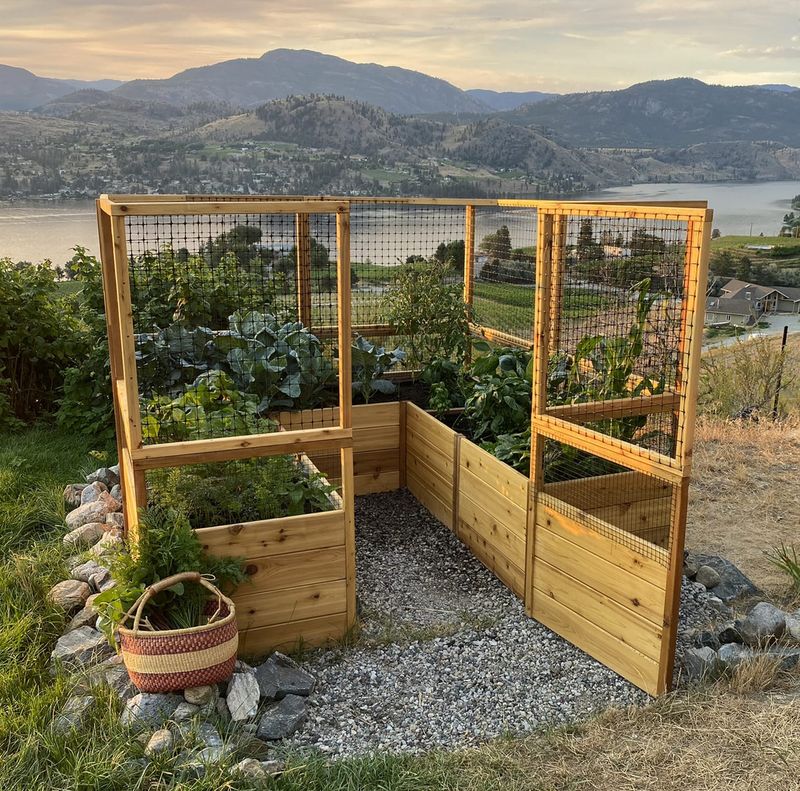
When the beds being hit contain vegetable transplants, young fruit trees, or plants you have invested real money in, repellents alone put you in a reactive cycle. Physical exclusion breaks that cycle by removing access rather than trying to change deer behavior through smell or taste.
Iowa State University Extension and USDA Forest Service research both identify physical exclusion as the most dependable long-term approach to deer damage. For individual plants or small beds, temporary mesh or hardware cloth wrapped around the plant offers immediate protection without major cost.
For repeated or severe damage across a larger area, a properly maintained fence is the more reliable answer.
UF/IFAS lists an 8-foot woven-wire fence as a permanent exclusion option, and UF/IFAS gardening solutions guidance notes that fence design and local deer pressure can affect the height and style needed. Deer are capable jumpers, and an undersized or poorly maintained fence may not hold.
Plant selection works as a supporting layer, not a substitute. UF/IFAS identifies plants that deer tend to avoid more often, including lantana, gardenia, wax myrtle, juniper, camellia, and croton, typically because of strong fragrance, heavy texture, or other unpalatable traits.
Texas A&M AgriLife guidance similarly points to highly fragrant or gray-leaved plants as often less preferred. The key qualifier, reinforced by both Texas A&M deer damage guidance and UF/IFAS, is that no plant is deer-proof.
Under heavy pressure or when natural forage is scarce, deer will browse plants they normally ignore. Use resistant varieties to reduce risk, and pair them with exclusion when the stakes are high.
Build a layered response instead of relying on one smell
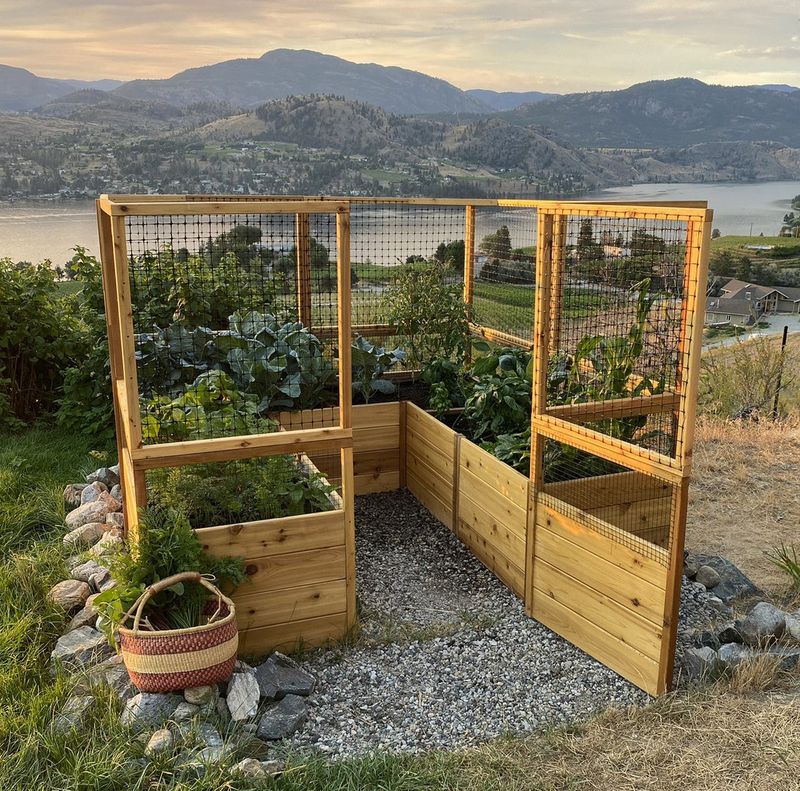
A single repellent spray is rarely enough to hold a determined deer, especially in fall and winter when natural forage gets thin and deer pressure often increases. A more practical approach stacks several layers so that if one fails, others remain in place.
Start by confirming the animal causing damage, then remove any deliberate attractants such as salt blocks, wildlife feeders, fruit scraps, or spilled birdseed. Apply a properly labeled repellent before browsing becomes a habit, and track whether it holds up after rain or over several weeks.
UF/IFAS and Iowa State Extension both recommend adding mesh or fencing when deer continue feeding despite repellents or when the plants being targeted have high value.
Florida Fish and Wildlife frames the broader point well: repellents can reduce browsing under the right conditions, but physical exclusion offers more dependable long-term protection. Scent is a useful first layer, not a finished fence.