
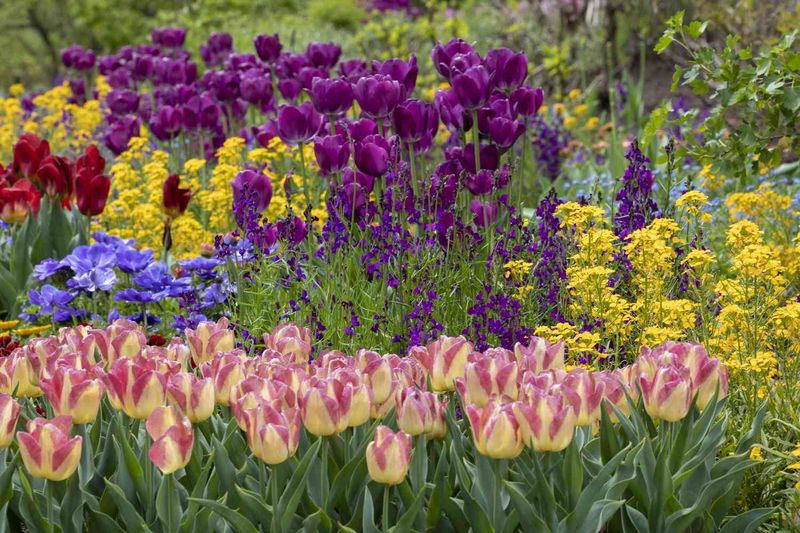
If you dream about a yard bursting with color when spring rolls around, the secret is doing the work now, not later. Many of the best spring flowers need cool fall soil to settle their roots and get ready for a big show.
Here in the South, our long, mild seasons give these bulbs and cool-season bloomers a real head start. Get them in the ground while the weather is right, and you will thank yourself when everything pops in a few short months.
1. Daffodils
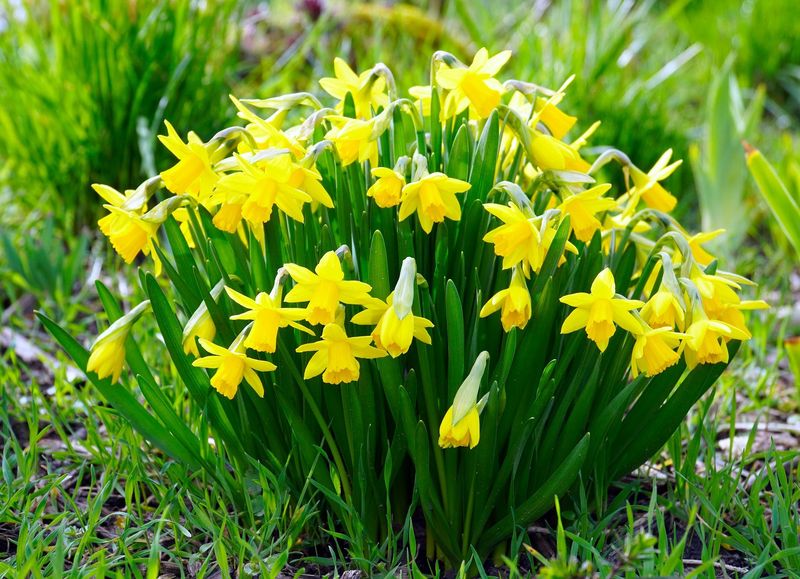
Few flowers say spring louder than a cheerful clump of daffodils nodding in the breeze. Plant the bulbs now, pointy end up, about six inches deep, and they will spend the cool months building roots underground where you cannot see the magic happening.
Southern gardeners have a real advantage here because daffodils shrug off heat once they finish blooming, and many varieties naturalize, meaning they come back year after year without any fuss. In Florida and parts of Texas, look for low-chill types like Carlton or the fragrant paperwhites, which do not need a long cold spell to flower.
Squirrels and deer usually leave them alone, since the bulbs are mildly toxic and taste terrible to nibbling critters. That makes daffodils a smart pick for yards where wildlife tends to snack on everything else you plant.
Tuck them along borders, under trees, or in big drifts near the mailbox for instant curb appeal. Fun fact: those trumpet-shaped centers are actually called coronas, and they help funnel pollinators straight to the good stuff.
2. Tulips
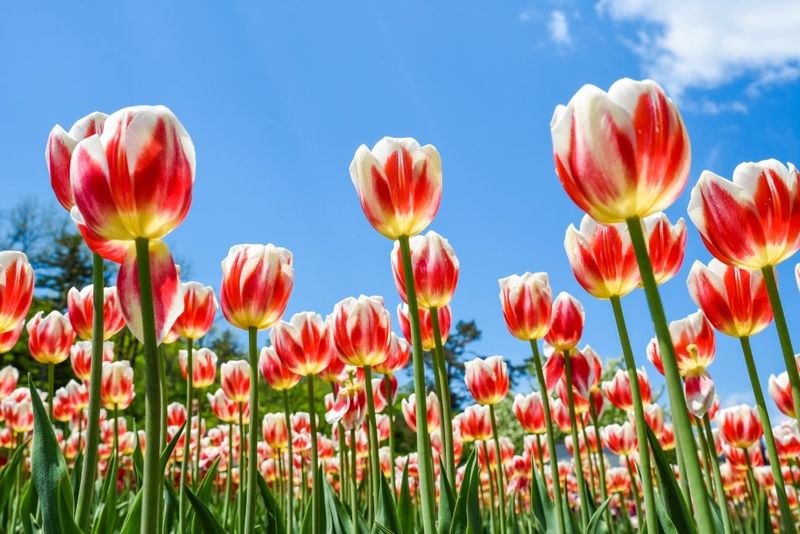
Nothing turns heads like a bed of tulips standing tall in every shade you can imagine. To pull this off in the warm South, most gardeners treat tulips as a one-season splash, and the trick starts right now with a little planning.
Because our winters rarely get cold enough, you will want to chill the bulbs in the refrigerator for six to eight weeks before planting them out in late fall. Keep them away from ripening fruit, which gives off gases that can ruin the flower inside.
Once chilled, plant them about six inches deep in a sunny, well-drained spot, and space them close for that full, jaw-dropping look. Florida and coastal Texas gardeners often get the best results this way, since the cool planting window is short but reliable.
Tulips can fade fast in intense heat, so many folks pull them after blooming and start fresh each year. Think of it as a yearly treat rather than a permanent resident.
The payoff is a front yard that looks straight out of a postcard, all from a bit of fridge time and timely digging.
3. Pansies
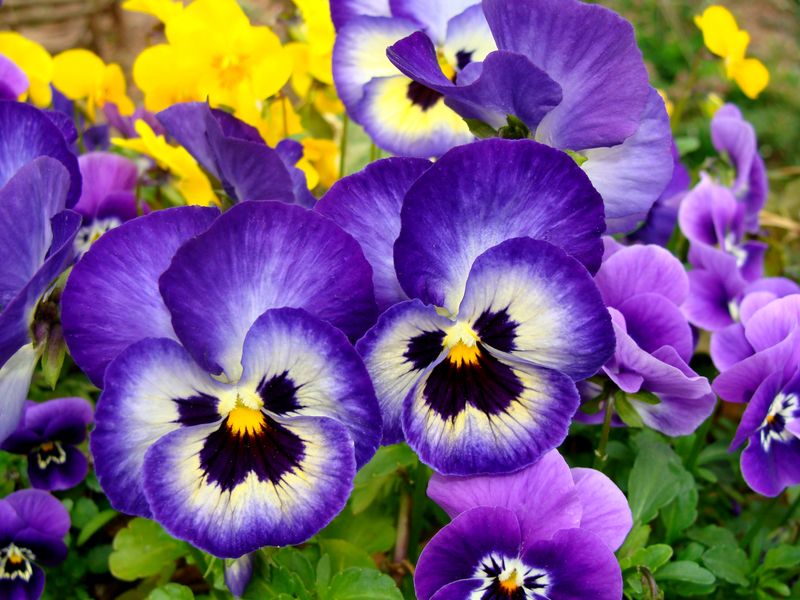
With their sweet little faces peeking up from the soil, pansies are the workhorses of the cool-season garden. Plant them now and they will bloom straight through fall, winter, and into spring across much of the South, giving you color when almost nothing else is showing off.
They love the mild temperatures that make our winters so easy, and a light frost barely slows them down. In Florida and Texas, pansies practically become the star of the porch pots and front borders during the months when Northern gardeners are staring at bare ground.
Give them full sun to part shade and a spot that drains well, then pinch off spent flowers to keep the show going. A little slow-release fertilizer at planting helps them stay bushy instead of leggy.
Pansies come in a rainbow of colors, from deep velvety purple to sunny yellow and creamy white. Mix a few shades in one container for a cheerful welcome by the door.
Did you know their petals are edible? A few blossoms can brighten up a salad or a cake, so they earn their keep in more ways than one.
4. Snapdragons
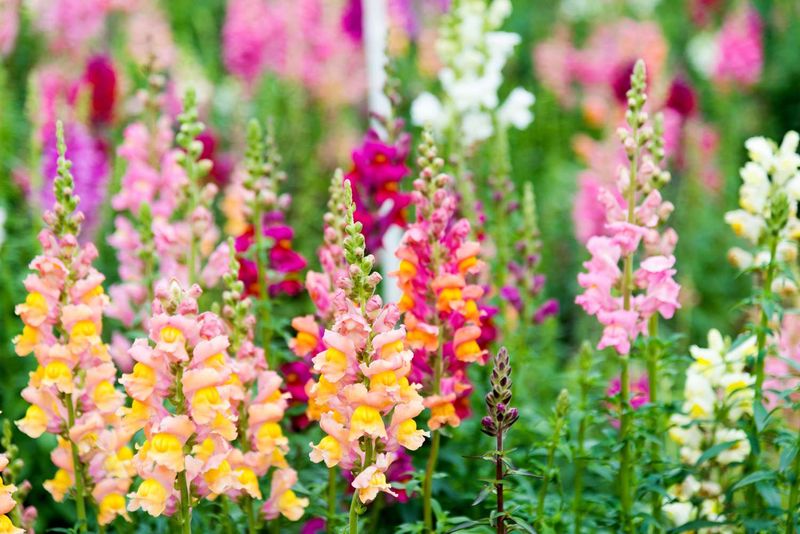
Kids love squeezing snapdragon blooms to make the little dragon mouths open and close, and grown-ups love how these spikes add height and drama to any bed. Set them out in fall while the weather cools, and they will reward you with tall, colorful stalks come spring.
Snapdragons handle Southern winters better than many people expect, often blooming through the chilly months in Florida and Texas before putting on their biggest display as spring warms up. They prefer full sun and soil that stays evenly moist but never soggy.
Plant shorter varieties toward the front of a border and taller ones behind for a layered, professional look. Pinching the tops early encourages more branching, which means more flowers per plant.
Pollinators, especially bumblebees strong enough to pry open those hinged petals, adore them, so you get a garden that hums with activity. That makes snapdragons a great choice if you want to invite more helpful insects into the yard.
Cut a few stems for a vase and they will last surprisingly long indoors. Between the wildlife appeal and the vertical color, snapdragons pull real weight in a spring garden.
5. Ranunculus
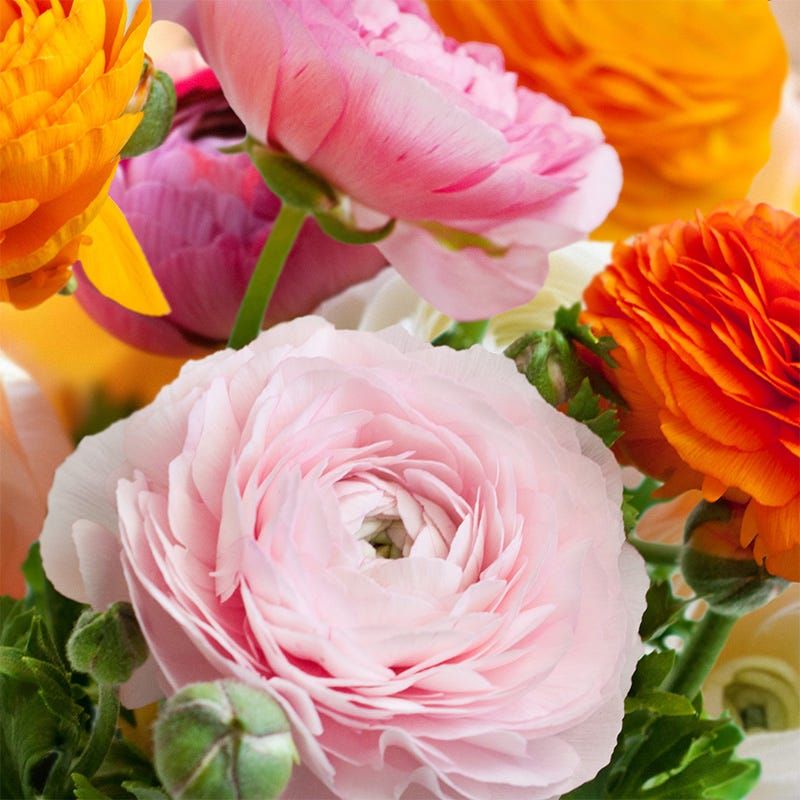
Imagine roses and peonies had a low-maintenance cousin, and you have got ranunculus, with their tightly packed, tissue-paper petals in dreamy colors. These beauties start from small claw-shaped tubers that go in the ground now for a spring explosion of blooms.
Soak the tubers for a few hours before planting them claws-down, a couple inches deep, in a sunny, well-drained spot. Southern gardeners get a long, generous bloom window because ranunculus love the cool weather our fall and winter provide.
In Florida and Texas, planting in autumn lets the roots establish before the flowers arrive just in time for spring, often filling beds and containers with dozens of blossoms per plant. They make outstanding cut flowers too, holding their shape in a vase for a week or more.
Give them a little protection from hard freezes with mulch or a light cover on the coldest nights. Once they get going, the sheer number of flowers is honestly hard to believe.
If you want that luxurious, florist-shop look without the fuss of finicky roses, ranunculus deliver in a big, romantic way.
6. Sweet Peas
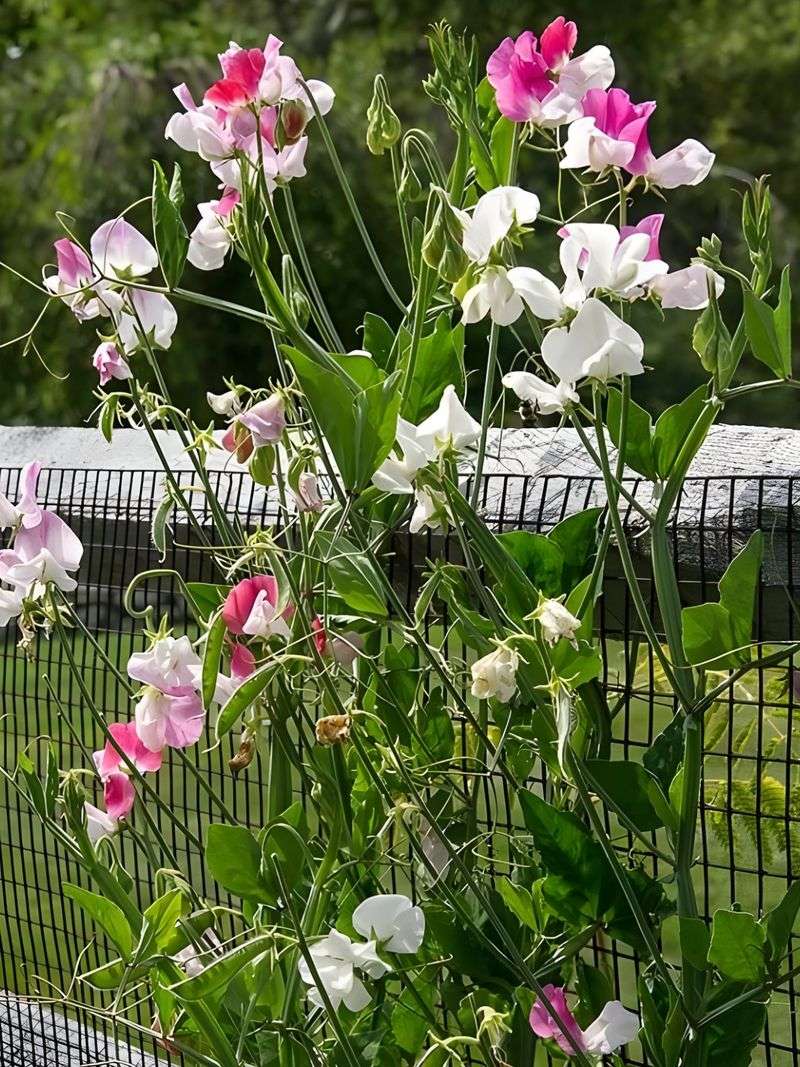
Fragrance is where sweet peas truly shine, filling the air with a scent so lovely you will want to plant them right by a walkway or porch. Get the seeds in the ground now, and these climbing charmers will scramble up a trellis and burst into ruffled blooms by spring.
They crave cool weather to grow their vines, which is exactly why fall planting works so well across the South. Soak the hard seeds overnight before sowing to help them sprout faster, and give them something to climb from day one.
Sweet peas prefer full sun and rich, moist soil, and they will bloom more the more you cut them, so keep those bouquets coming. In Florida and Texas, the mild season lets vines grow long and lush before the heat eventually shuts them down.
The pastel colors, soft purples, pinks, and creamy whites, look straight out of an old cottage garden. Bees and other pollinators visit often, adding gentle motion to the display.
Just remember the flowers are for the vase, not the plate, since sweet pea seeds are not edible despite the tempting name.
7. Larkspur
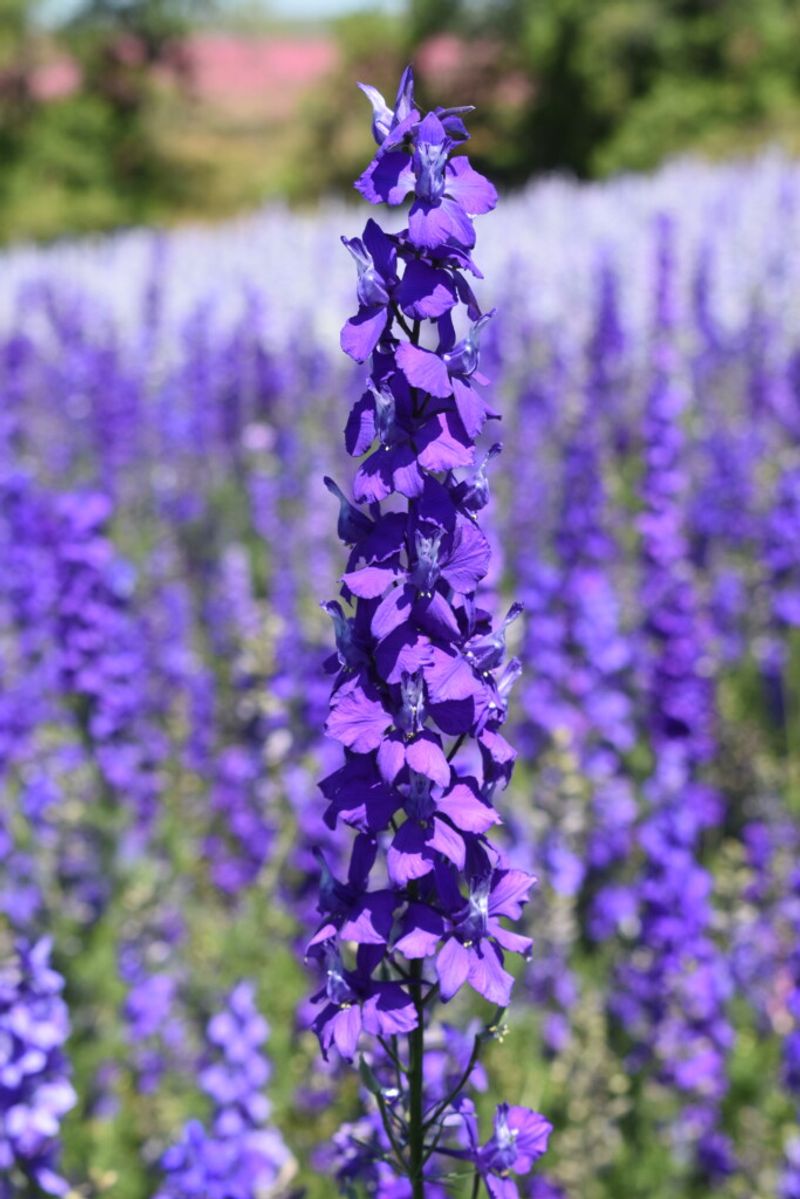
Tall spires of blue, purple, and pink make larkspur look like something from a fairy tale, and the best part is how easy it is to grow from seed. Scatter the seeds now, right where you want them, and let fall and winter do the slow work of getting them ready.
Larkspur actually prefers to be sown directly in the ground rather than transplanted, so this is a plant that rewards a hands-off approach. It needs a stretch of cool weather to germinate, which our Southern fall provides perfectly.
Come spring, you will get dramatic vertical blooms that reach for the sky and often reseed themselves for next year. In Texas, larkspur is a classic that pops up in fields and roadsides, proving just how well it suits the region.
Give it full sun and average soil, and avoid overwatering once it is established. Deer tend to steer clear, since the plant is toxic to them, which helps keep your display intact.
For a cottage-garden feel with almost no effort, few flowers deliver more color per seed packet than dependable larkspur.
8. Poppies
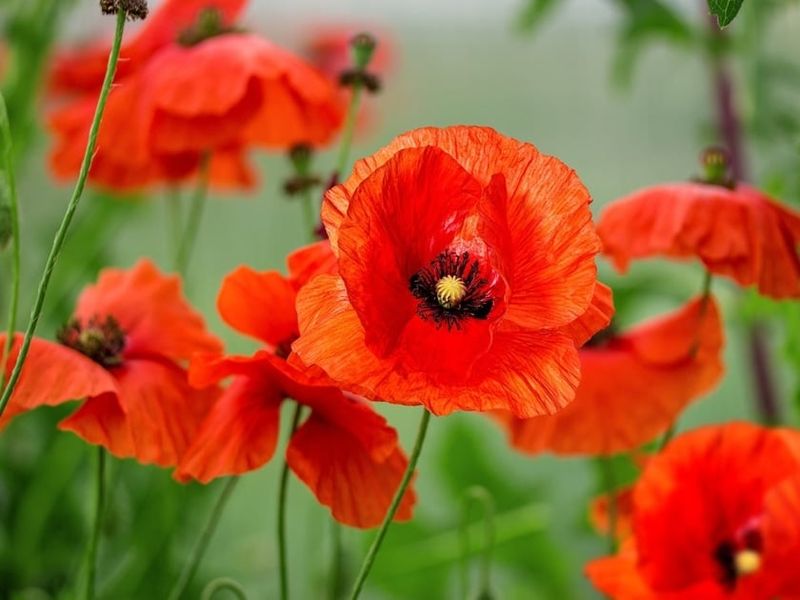
There is something joyful about poppies, with their crepe-paper petals fluttering on slender stems like they are waving hello. Sow the tiny seeds now, sprinkled right on top of the soil, and let the cool season coax them into a spring spectacle.
Poppies dislike being moved, so direct-sowing is the way to go, and fall timing gives the seeds the chilly conditions they need to sprout. Barely cover them, since they need light to germinate, and keep the soil lightly moist until sprouts appear.
Once established, poppies handle dry spells with ease, making them a low-water choice for Southern gardens that bake as spring turns to summer. In Texas especially, they naturalize beautifully and add pops of red, orange, and pink to sunny spots.
Bees flock to the open blooms for pollen, so you will be feeding local pollinators while enjoying the show. The flowers come and go quickly, but a good stand keeps producing new buds for weeks.
Leave a few blooms to form seed pods, and you may find poppies returning on their own next year, a happy little gift from your fall effort.
9. Dutch Iris
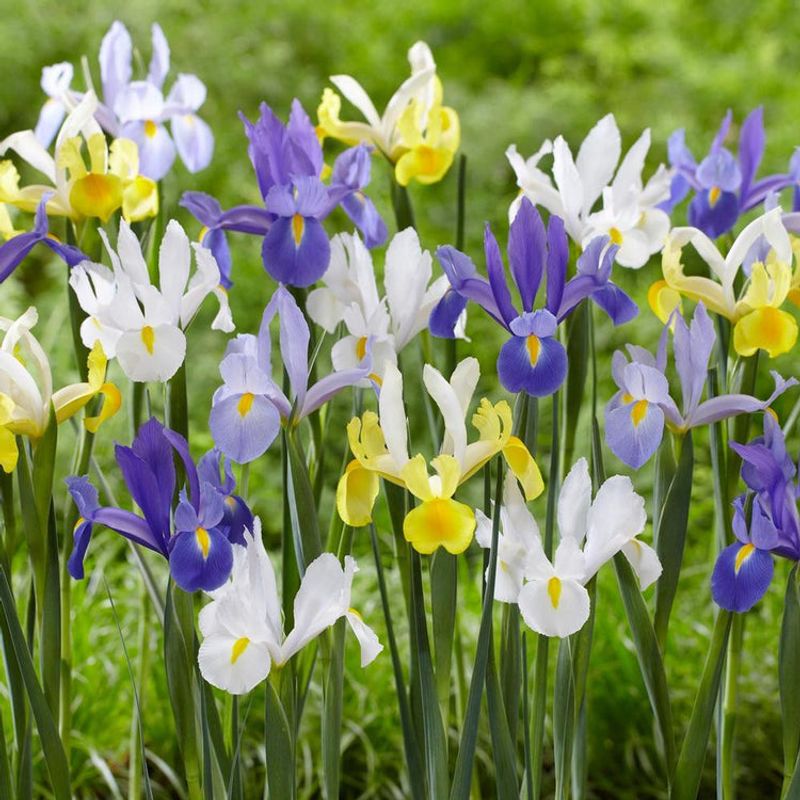
Sleek, elegant, and a little bit fancy, Dutch iris bring a florist-quality look to the home garden without any special skills. Plant the bulbs now, pointed end up and about four inches deep, and they will reward you with striking spring blooms in blue, purple, yellow, and white.
Unlike some of their thirstier relatives, Dutch iris grow from true bulbs and appreciate a spot with full sun and well-drained soil. Our Southern fall gives them the cool head start they need to establish roots before the show begins.
The tall, slender stems and sword-shaped leaves add a clean, architectural feel to beds and borders. They also make long-lasting cut flowers, so you can bring that graceful look right inside.
In Florida and Texas, plant them in a sunny bed and enjoy blooms that seem to glow in the spring light. Cluster several bulbs together for the strongest visual punch rather than dotting them around alone.
Deer and rodents generally pass them by, which keeps your investment safe. For understated elegance that feels a step above the usual, Dutch iris close out this planting list on a high note.