
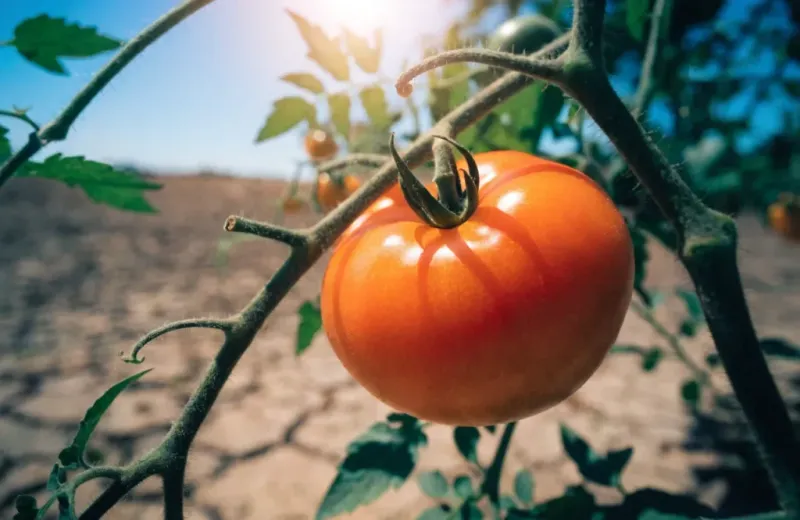
Late summer is when Southern tomato growers get frustrated fast. Plants look healthy, maybe even lush, but the flowers drop, fruit stops setting, and nothing seems to ripen.
The problem is usually heat doing damage to reproduction, not a starving plant crying out for fertilizer. Knowing the difference between those two things changes everything about how you respond.
Heat can stall fruit production without starving the plant
When a tomato plant stops producing in late summer, the first instinct is to reach for fertilizer. That instinct is often wrong.
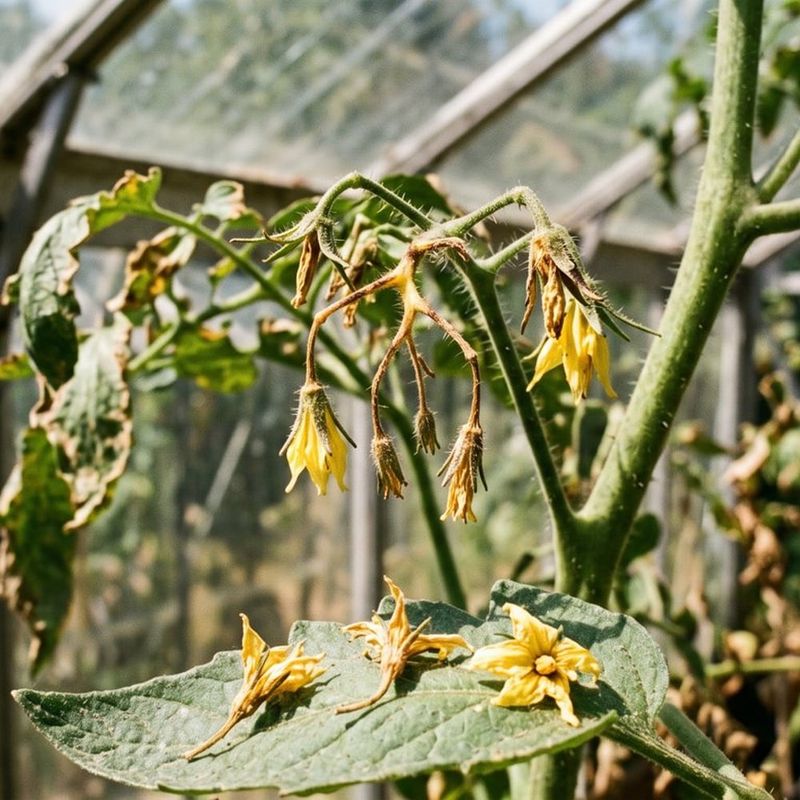
High temperatures hit tomatoes where it hurts most – in their reproductive system, not their roots or leaves.
Tomato pollen becomes less viable when daytime temperatures climb and stay high, and nighttime warmth compounds the problem. University of Minnesota Extension research on heat and vegetable yield confirms that high temperatures can reduce pollen release, impair germination, cause blossom abortion, and slow fruit ripening – none of which fertilizer can directly fix.
A peer-reviewed plant physiology study on tomato pollen and heat found that pollen tube growth and fertilization are especially sensitive to heat stress, with effects persisting even after temperatures moderate.
UF/IFAS gives an approximate optimum of 80-85 degrees Fahrenheit during the day and 62-72 degrees at night for high-quality tomato production, though UGA Extension’s tomato production guide notes that nighttime temperatures above about 70 degrees can trigger blossom drop. These are approximate ranges, not universal cutoffs, and they vary by cultivar.
A plant that is shooting out green growth but setting no fruit is not necessarily deficient in nutrients. Fertilizer stimulates leaf and shoot tissue, but it cannot restore pollen that heat has already damaged or revive flowers that have already dropped.
Recognizing that distinction is the starting point for any useful response.
Check whether the plant is hungry before feeding it
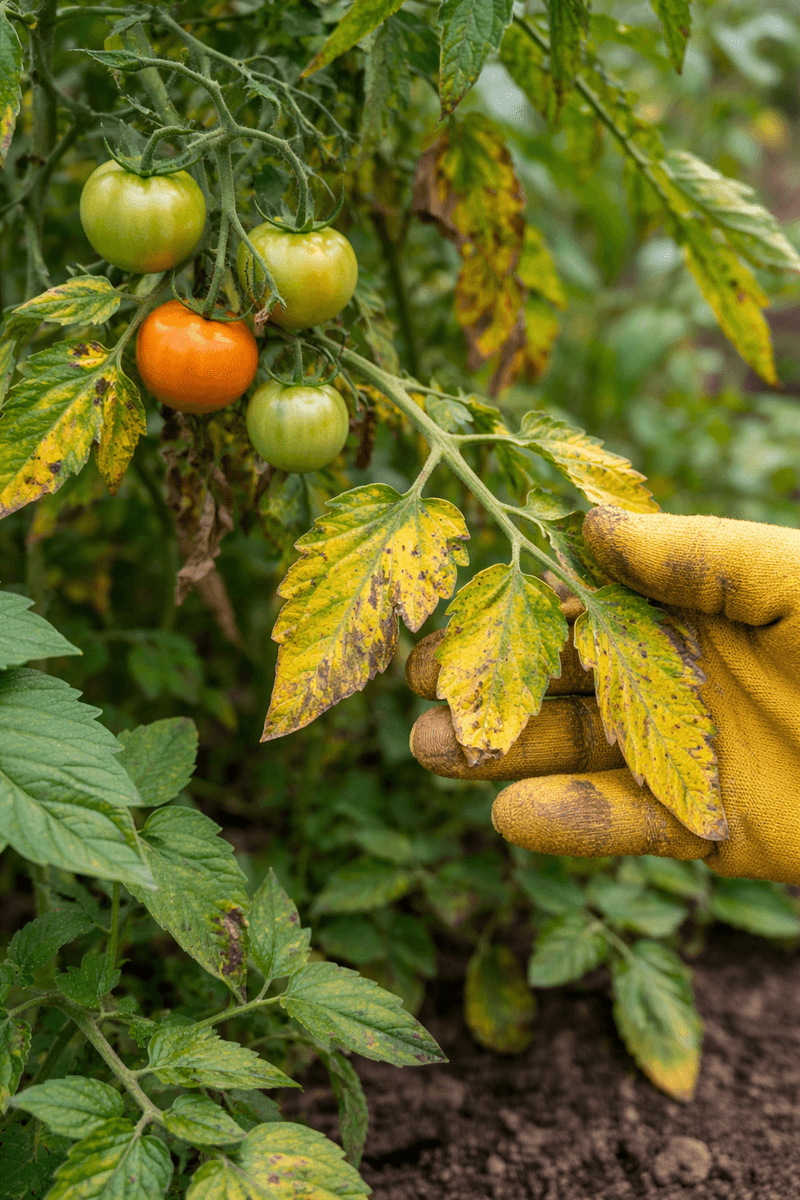
Before buying a bag of fertilizer, spend ten minutes looking at the plant itself. Leaf color and growth habit give you real information, while a general slowdown in production tells you almost nothing useful on its own.
Start with leaf color. Pale yellow leaves, especially on older growth lower on the plant, can suggest nitrogen deficiency, but they can also point to waterlogged roots, root damage, spider mites, disease, or pH problems that lock nutrients out of the root zone.
Penn State Extension’s tomato production guide emphasizes that visual symptoms alone are not enough to diagnose a nutrient deficiency with confidence. Check the soil moisture, look at drainage, pull back mulch and examine surface roots, and scan the undersides of leaves for insects.
Sandy soils common across much of Florida and coastal Texas can lose nutrients quickly through leaching, making deficiency more plausible there than in heavier soils. Even so, UF/IFAS guidance on vegetable fertilization recommends matching fertilizer source, rate, and timing to actual soil and crop conditions rather than applying nutrients reflexively when plants slow down.
A soil test is the most defensible way to find out what is actually missing. For higher-value plantings or persistent problems, tissue analysis can identify in-season nutrient status more precisely than visual diagnosis.
For most home gardens, a basic soil test paired with honest observation of plant color, moisture, and pest pressure gets you most of the way there.
Use a restrained feeding reset only when the evidence supports it
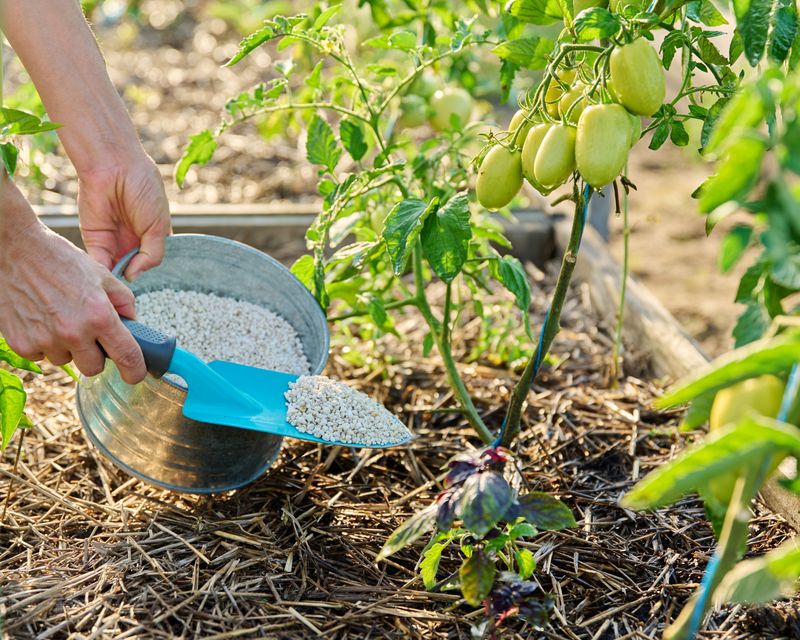
Feeding a tomato plant makes sense under specific conditions: the foliage is genuinely pale, growth has slowed and looks weak, the plant is growing in sandy soil prone to leaching, or heavy rain has recently flushed nutrients through the root zone. In those situations, a light, label-directed feeding can help the plant recover its footing.
UF/IFAS vegetable fertilizer guidance stresses that the source, rate, timing, and placement of fertilizer should match the crop and soil rather than following a one-size approach. Side-dressing, which means placing dry fertilizer alongside the plant row a few inches from the stem and watering it in, is a practical option for in-season feeding.
Texas A&M AgriLife Extension’s fertilizing guide identifies side-dressing as especially useful on sandy soils or after heavy rain, when nutrients have moved beyond the root zone.
Water-soluble fertilizers are another legitimate option, delivering nutrients directly to roots when applied at the base of the plant. Whatever product you use, follow the label rate for the area you are treating – commercial rates and pounds-per-acre figures from research publications are not safe guides for a single backyard plant.
During flowering and fruiting, a lower-nitrogen complete fertilizer may suit some plants better than a strongly nitrogen-heavy product, as UF/IFAS Duval County Extension tomato guidance notes. That said, “lower nitrogen” is not automatically correct: a genuinely deficient plant may need nitrogen, while a green and vigorous plant may need nothing at all.
Let the plant’s condition and your soil evidence guide the choice.
Stabilize root-zone moisture before adding more nutrients
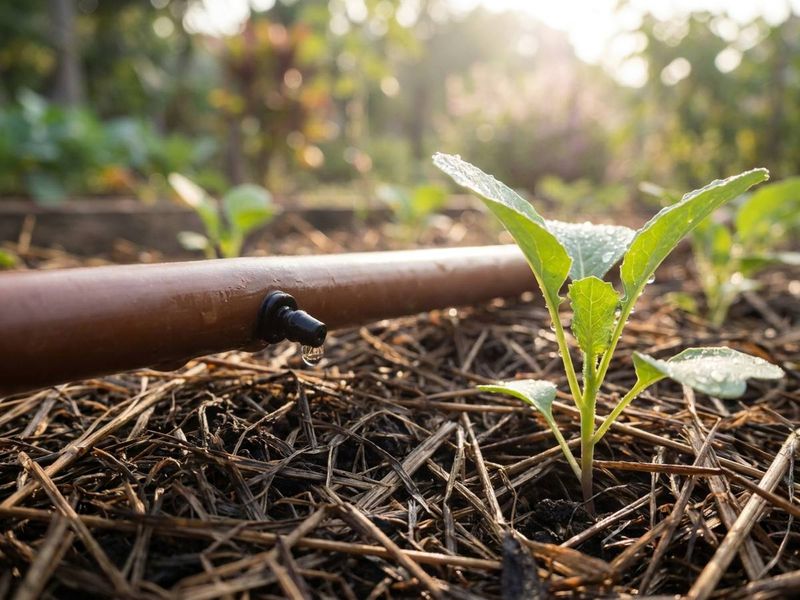
Consistent soil moisture is the single most useful thing you can manage when tomatoes slow down in the heat. Nutrients that are already in the soil cannot reach a plant efficiently when the root zone swings between bone dry and waterlogged.
Mulch is your first tool. A 2-3 inch layer of straw, wood chips, or similar material over the root zone slows evaporation, moderates soil temperature, and reduces the wild swings in moisture that stress tomato roots.
UF/IFAS guidance on tomato irrigation management and UGA Extension’s vegetable disease and irrigation guide both point to mulch as a practical tool for stabilizing root-zone conditions during summer heat.
Drip irrigation or soaker hoses deliver water directly to the root zone with less evaporation and without wetting foliage, which reduces disease risk. Overhead watering wastes more water in heat and keeps leaf surfaces damp longer than needed.
University of Minnesota Extension’s heat garden guidance recommends these methods as core practices for keeping plants functional during high-temperature stretches.
A common starting point is roughly 1-2 inches of water per week, but that figure needs adjustment based on soil type, recent rainfall, plant size, and whether you are growing in containers. UGA’s homegrown tomato guide treats that range as a baseline, not a fixed rule.
Containers dry out much faster than ground beds and may need water daily during peak summer heat. Avoid both drought stress and waterlogged soil, since both impair root function and nutrient uptake regardless of what is in the fertilizer bag.
Avoid fertilizer shortcuts that trade fruit for foliage
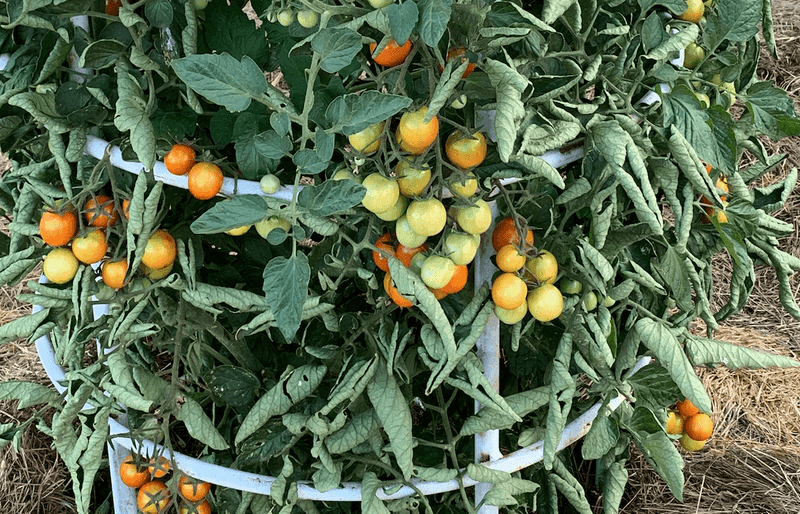
The most common fertilizer mistake in a stalled tomato garden is reaching for the highest-nitrogen product on the shelf. Nitrogen drives leaf and shoot growth, which looks like progress, but it can come at the cost of flowering balance and fruit maturity.
Penn State Extension’s seedling-to-fruit tomato guide and Oregon State Extension’s midseason feeding guidance both flag excess nitrogen as a recurring cause of the “big plant, few tomatoes” problem. A lush, dark-green plant with no fruit to show for it may have been pushed toward vegetative growth at the expense of flowers and setting fruit.
High-potassium products carry their own limitations. Potassium matters during fruit development, but Penn State’s research on potassium and tomatoes makes clear that applying potassium after heat has already damaged pollen or caused flowers to drop will not bring those flowers back.
Potassium fertilizer cannot universally restart fruit production, and its benefit depends on whether the soil is actually deficient.
Blossom-end rot, that dark leathery patch on the bottom of developing fruit, is another disorder that gardeners often try to fix with calcium products. Clemson’s gardening myths guide on blossom-end rot explains that foliar calcium sprays are not effective because calcium does not move from leaves into developing fruit the way it needs to.
UGA Extension’s disease management resource describes the research on foliar calcium as inconclusive, while Illinois IPM’s blossom-end rot fact sheet notes that the primary fix is consistent soil moisture and avoiding root stress, not a calcium spray. Interrupted water uptake, root damage, salinity, and fluctuating moisture are the real drivers of this disorder.
Use heat protection and better-timed varieties when fruit set is the problem
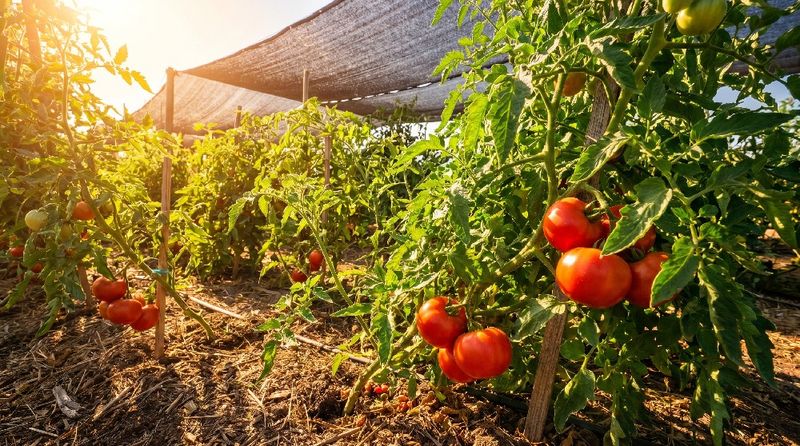
When a tomato plant stays green and grows steadily but refuses to set fruit, the problem is almost always environmental rather than nutritional. Managing the heat load directly is more useful than adding more fertilizer.
Mulch, consistent watering, and limited temporary shade can reduce stress on flowers and developing fruit. Shade cloth that blocks 30-40 percent of sunlight during peak afternoon hours can lower canopy temperature without cutting off the light plants need for photosynthesis.
University of Delaware Extension’s heat stress protection guide treats shade as a temporary management tool rather than a guaranteed cure. Cultivar selection and planting timing offer more dependable long-term results than shade alone.
For Florida gardeners, variety choice can matter more than any feeding adjustment. UF/IFAS tomato production guidance for Florida identifies heat-tolerant or “hot-set” cultivars as a practical response to failed fruit set during warm periods.
Solar Fire and Florida 91 are examples of tomatoes selected for better performance under warm conditions, as UF research on Solar Fire tomato development describes. UF/IFAS cultivar recommendations also note that cherry and small-fruited types tend to set more reliably in heat than large-fruited heirloom varieties.
Texas gardeners face similar challenges. Texas A&M AgriLife’s home vegetable gardening guide identifies hot, dry periods as a primary cause of blossom drop and recommends mulch, adequate watering, and heat-tolerant varieties as the core response.
Texas A&M’s fall vegetable gardening guide adds that late-summer transplants need especially careful watering and may benefit from afternoon shade while they establish roots in hot soil.
Account for regional timing before expecting a late crop
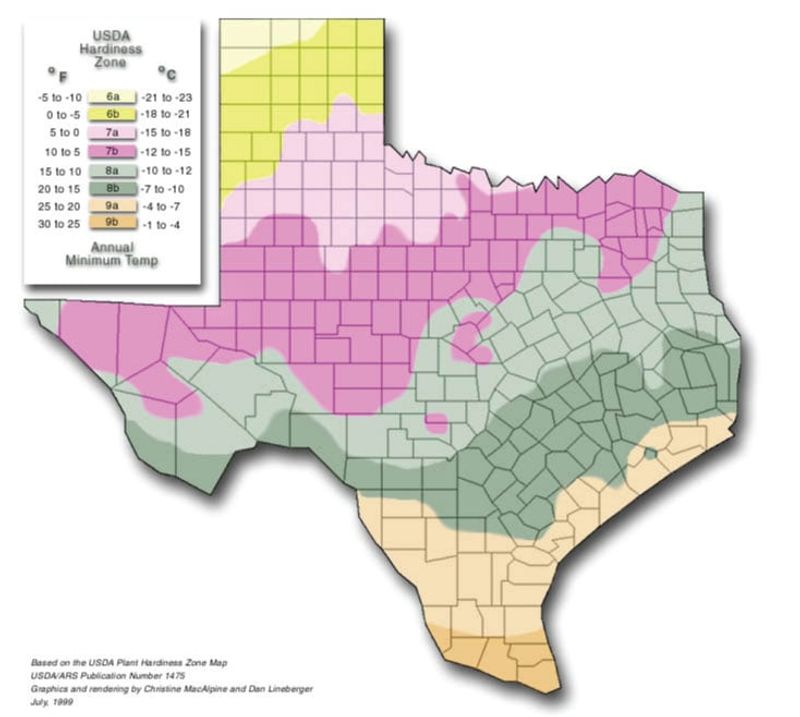
Florida and Texas are not one growing region, and treating them as if they share the same tomato calendar leads to real disappointment. Timing a planting or a feeding without knowing your specific area means you may be working against the season rather than with it.
Florida’s planting windows vary sharply from north to south. UF/IFAS Florida vegetable gardening guide and UF/IFAS tomato production guidance both make clear that a July or August transplant in north Florida faces very different conditions than the same timing in central or south Florida.
Planting dates, heat duration, and disease pressure differ enough that no single feeding schedule applies across the state.
Texas has its own regional limits. Texas A&M’s commercial tomato production guide notes that fall tomato production is marginal in many parts of the state, and Texas A&M AgriLife’s fall vegetable gardening guide emphasizes that planting dates vary significantly by region.
A late-summer feeding cannot make up for a transplant set out too late to mature before cold weather arrives, an unsuitable variety, or disease pressure from bacterial wilt or viruses that are already in the soil.
Before adjusting your fertilizer program, confirm that your timing actually allows for a productive fall crop in your specific county. If the window is already too narrow, the smarter move is planning next season’s planting dates rather than pushing a plant that cannot realistically finish its cycle before conditions shift.
Measure recovery instead of forcing more growth
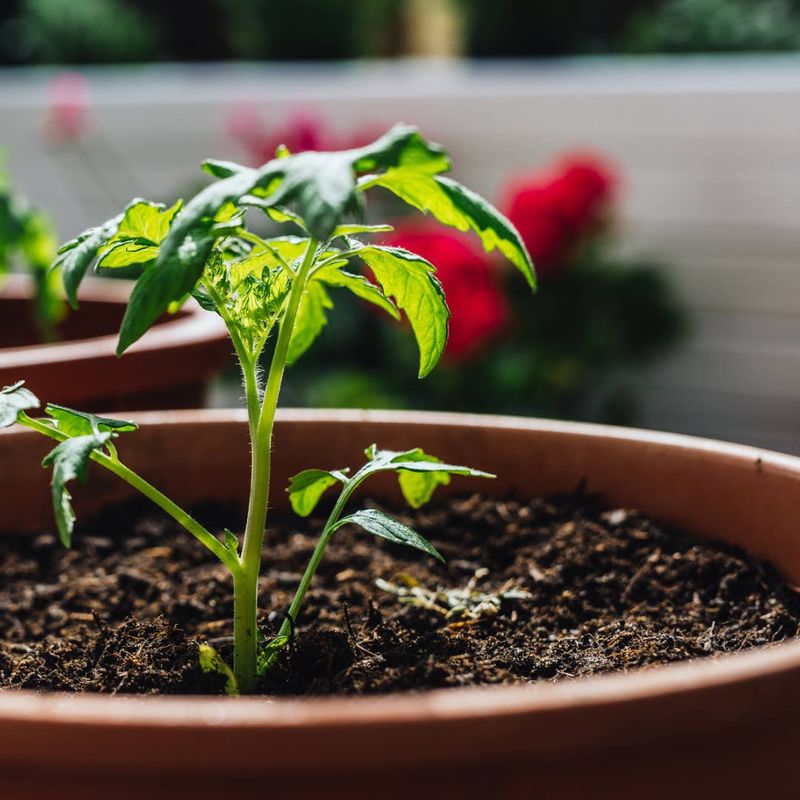
After correcting a moisture problem or applying a justified feeding, the temptation is to judge success by a sudden burst of lush new growth. That is the wrong measure.
What you actually want to see is retained flowers, new fruit set, healthy leaf color on new growth, and stable soil moisture – not just more leaves.
Give the plant time and watch specific signals. UGA Extension’s summer garden activity guidance reminds gardeners that heat-stressed plants can resume normal production once temperatures moderate, often without any fertilizer intervention at all.
Minnesota Extension’s heat and vegetable yield resource makes the same point: a green, actively growing plant that lacks fruit during a heat stretch is not necessarily in crisis, and patience through the hottest stretch sometimes accomplishes more than repeated applications.
If symptoms persist or worsen after you have stabilized moisture and made a justified, light feeding, the right response is renewed diagnosis rather than another dose of fertilizer. Check for pests, disease, root damage, and drainage problems before assuming the plant needs more nutrients.
UF/IFAS tomato growing guidance and UF/IFAS vegetable fertilizer guidance both caution against reflexive reapplication when the root cause has not been identified.
The practical rule that holds across all of this: stabilize moisture first, look for real evidence of a deficiency, and feed lightly only when the plant and soil give you a reason to. A tomato that gets honest care through the heat will often tell you exactly what it needs – if you are watching the right things.