
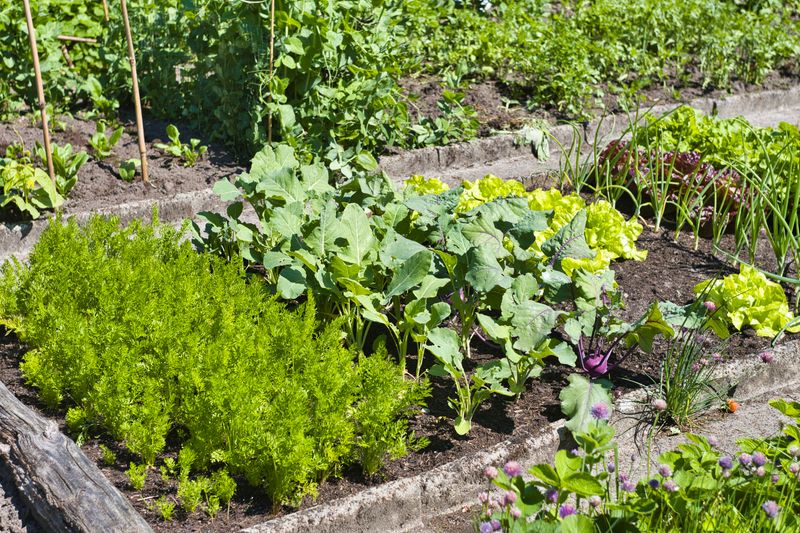
September is one of the sweetest planting windows in the South, especially across Florida and Texas where the heat finally starts to ease up. Getting these vegetables into the ground now means you can harvest fresh food through fall and even into winter.
Cooler soil and shorter days help many crops thrive without the stress of summer scorching. Here are the vegetables worth planting this month for an easy head start on next season.
1. Broccoli
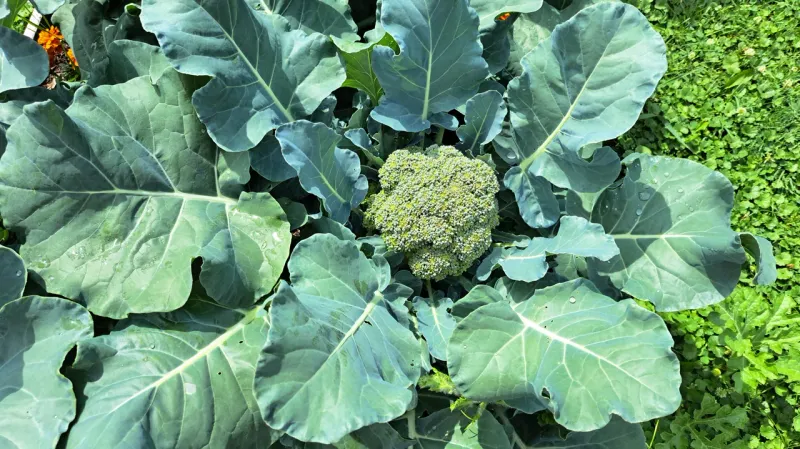
Few fall crops reward patience quite like broccoli. Set out transplants in September and you can be cutting thick, tender heads by late fall, right when summer gardens are winding down.
Cool nights are what make this vegetable shine. In Florida and Texas, September temperatures finally drop enough to keep broccoli from bolting, which is the frustrating rush to flower that ruins the harvest during hot months.
Give each plant about 18 inches of room, plenty of sun, and steady moisture. A layer of mulch helps keep the soil cool and cuts down on watering.
Broccoli is a heavy feeder, so working compost into the bed before planting often improves head size.
Watch for cabbage worms, those small green caterpillars that chew holes in leaves. A weekly check and a gentle organic spray can reduce the damage before it spreads.
Here is the bonus most gardeners miss: after you cut the main head, smaller side shoots keep forming for weeks. One transplant can feed your kitchen far longer than you expect.
2. Lettuce
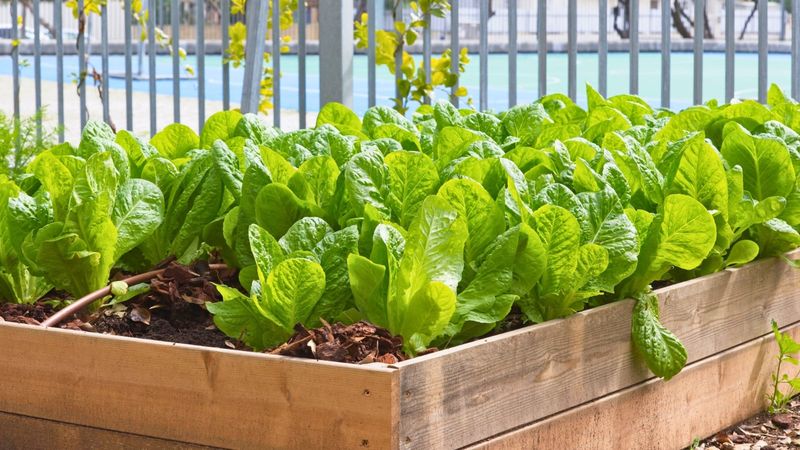
Craving fresh salads without the grocery run? Lettuce is your fastest ticket, often ready to harvest just three to four weeks after planting.
Summer heat turns lettuce bitter and sends it bolting to seed, which is exactly why September is the moment to sow it. As the weather cools across the South, leaves stay sweet, crisp, and tender instead of tough and sharp.
You can scatter seeds directly into loose, rich soil or start with transplants for quicker results. Try sowing a small pinch every two weeks, a trick called succession planting, so you always have young leaves coming in rather than one big flush.
Loose-leaf varieties like romaine and buttercrunch handle warm afternoons better than tight iceberg types. Give them light afternoon shade if a late heat wave shows up.
Harvest the outer leaves first and leave the center alone. The plant keeps producing, sometimes for over a month, giving you the classic cut-and-come-again garden.
Lettuce also fits neatly into containers and porch pots, making it a great choice for gardeners tight on bed space.
3. Carrots
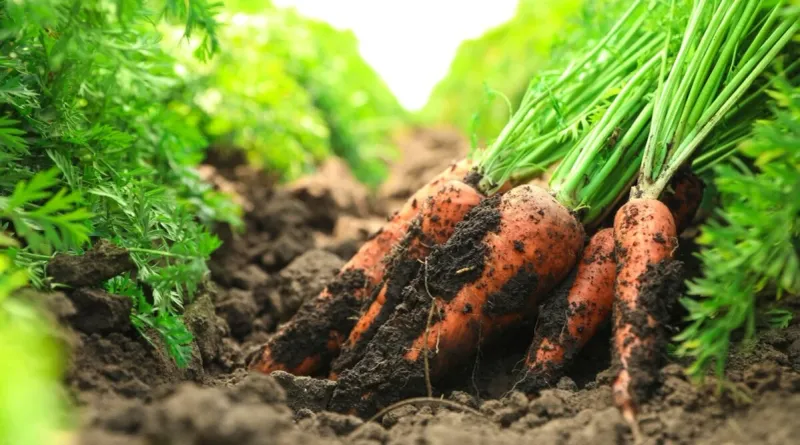
Carrots teach patience, but the payoff is a sweeter root than any store shelf can offer. Cooler fall soil actually boosts their sugar, so September-sown carrots often taste better than spring ones.
The secret is loose, rock-free soil. Carrots need to push straight down, and hard or clumpy ground gives you twisted, stubby roots.
Work the bed deep and remove any stones before you sow.
Seeds are tiny and slow to sprout, sometimes taking two weeks or more, so keep the surface consistently damp during germination. A light board or damp burlap over the row can hold moisture until the first green threads appear.
Thinning feels harsh but matters. Pull out the crowded seedlings so the survivors have room to fatten up.
Skip this step and you end up with a tangle of skinny roots.
In Florida and Texas, September planting sets carrots up to mature in the mild stretch before deep winter. You can leave them in the ground and pull as needed, since cool soil keeps them crisp.
Kids love harvesting these, which makes them a fun family crop.
4. Spinach
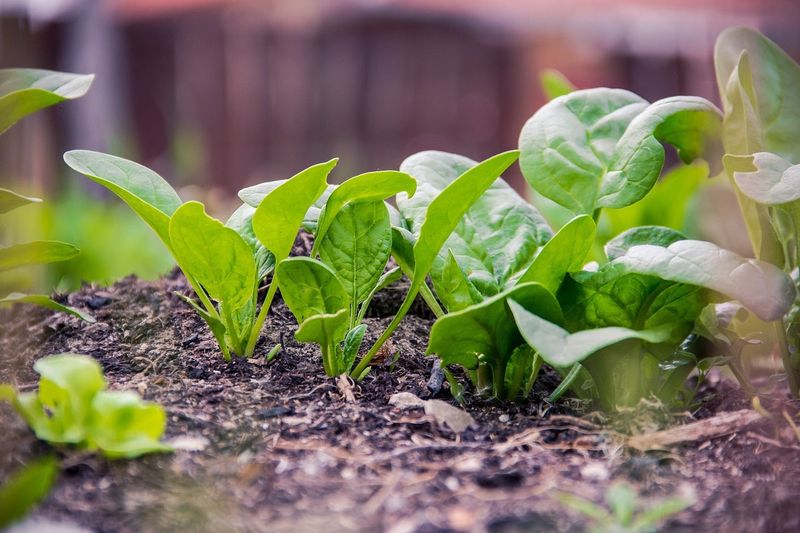
Spinach is the quiet overachiever of the fall garden, packing serious nutrition into fast, leafy growth that barely needs coddling.
Warm weather makes spinach bolt almost instantly, so gardeners who tried it in summer likely gave up in frustration. September flips the script.
As temperatures fall, spinach settles in and produces thick, dark leaves for weeks.
Sow seeds directly in rich, well-draining soil and keep them evenly watered. Germination can be slow in warmer soil, so early morning or evening watering helps keep the ground cool enough for sprouting.
Once the leaves reach a few inches, start picking the outer ones and let the center keep growing. This gentle harvest style stretches your supply across a long window.
Spinach handles light frost well, which makes it a dependable choice heading into winter across much of the South. A frost can even sweeten the flavor slightly.
Watch for leaf miners, tiny pests that tunnel between leaf layers and leave pale trails. Removing affected leaves early can reduce the spread.
Fresh, homegrown spinach in salads or sauteed on the stove is a genuine step up from bagged store greens.
5. Kale
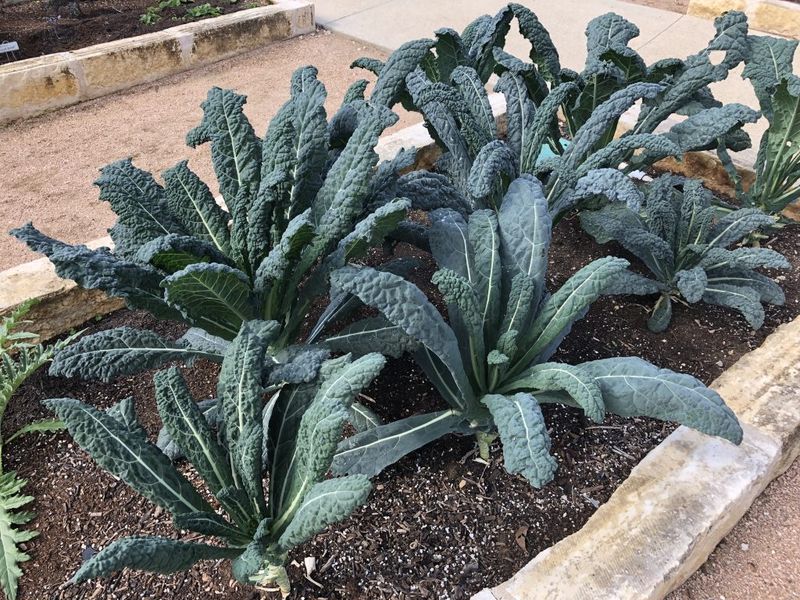
Tough as nails and prettier than most vegetables, kale earns its spot for gardeners who want reliable greens with almost zero drama.
What sets kale apart is its love of cool weather. Frost does not damage it; it actually improves the flavor, turning bitter leaves noticeably sweeter.
That makes a September start ideal for a long fall and winter harvest.
Plant transplants about a foot apart in full sun with compost-enriched soil. Kale grows steadily and shrugs off conditions that would flatten more delicate greens.
Harvesting is refreshingly simple. Pick the lower, outer leaves and leave the central bud alone, and the plant keeps producing for months.
One healthy plant can feed a family well past the holidays.
Curly, Lacinato, and Red Russian types all perform well in Southern gardens, and their varied colors add a nice touch to beds and containers alike.
Aphids sometimes cluster on the undersides of leaves, so a quick blast of water or an insecticidal soap can help keep them in check.
Between its toughness, good looks, and long harvest, kale is one of the smartest September plantings you can make.
6. Garlic
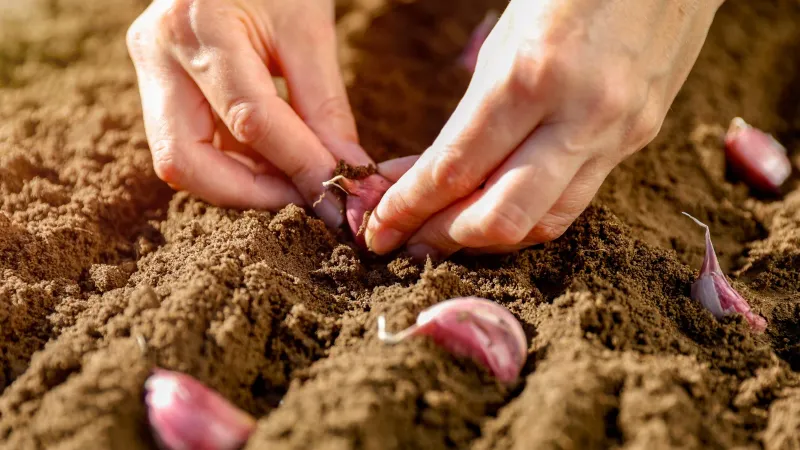
Plant it now, forget about it, and dig up a treasure next summer. Garlic is the ultimate patient-gardener crop, and fall is the season it demands.
Unlike the fast greens on this list, garlic plays a long game. Cloves tucked into September or fall soil send down roots before winter, then burst into growth as the days warm, ready to harvest by late spring or early summer.
Break a bulb into individual cloves and plant each one pointy end up, about two inches deep and four to six inches apart. Cover with a layer of mulch to protect the roots and hold moisture.
Choose planting stock from a garden center or a trusted grower rather than the grocery store, since supermarket garlic is sometimes treated to prevent sprouting.
In the warmer parts of Florida and Texas, softneck varieties tend to perform better than hardneck types that crave a hard freeze.
The maintenance is almost laughable. Water occasionally, keep weeds down, and wait.
Nothing beats pulling up plump, fragrant bulbs you grew from a single clove months earlier.
7. Radishes
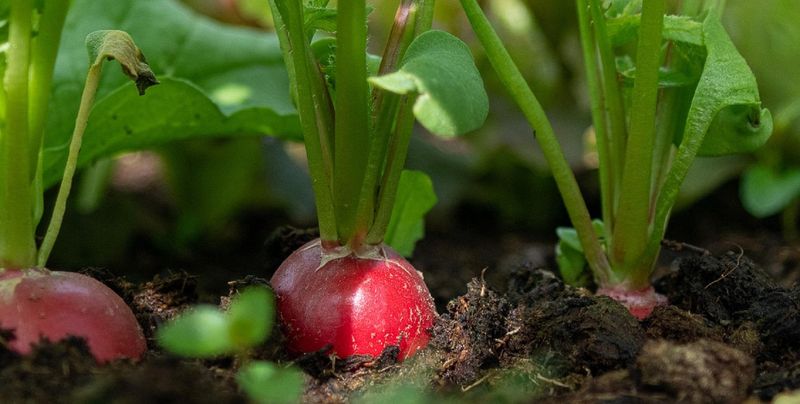
If instant gratification had a vegetable mascot, it would be the radish. Some varieties go from seed to snack in under a month, making them the quickest win in the whole garden.
That speed is exactly why radishes deserve a September spot. When you want proof that your fall garden is working, these little roots deliver almost immediately while slower crops are still settling in.
Sow seeds directly into loose soil, spacing them out so the roots have room to swell. Crowded radishes stay small and skinny, so a little thinning goes a long way.
Keep the soil consistently moist. Uneven watering can make radishes crack or turn woody and unpleasantly sharp.
Cool fall temperatures help them stay crisp and mild.
Because they mature so fast, radishes are perfect for tucking between slower vegetables like carrots or broccoli. They fill the gaps and get harvested before the bigger plants need the space.
Kids especially love pulling them, since the reward comes so quickly. Slice them fresh into salads, roast them, or eat them straight from the garden with a little salt.
8. Onions
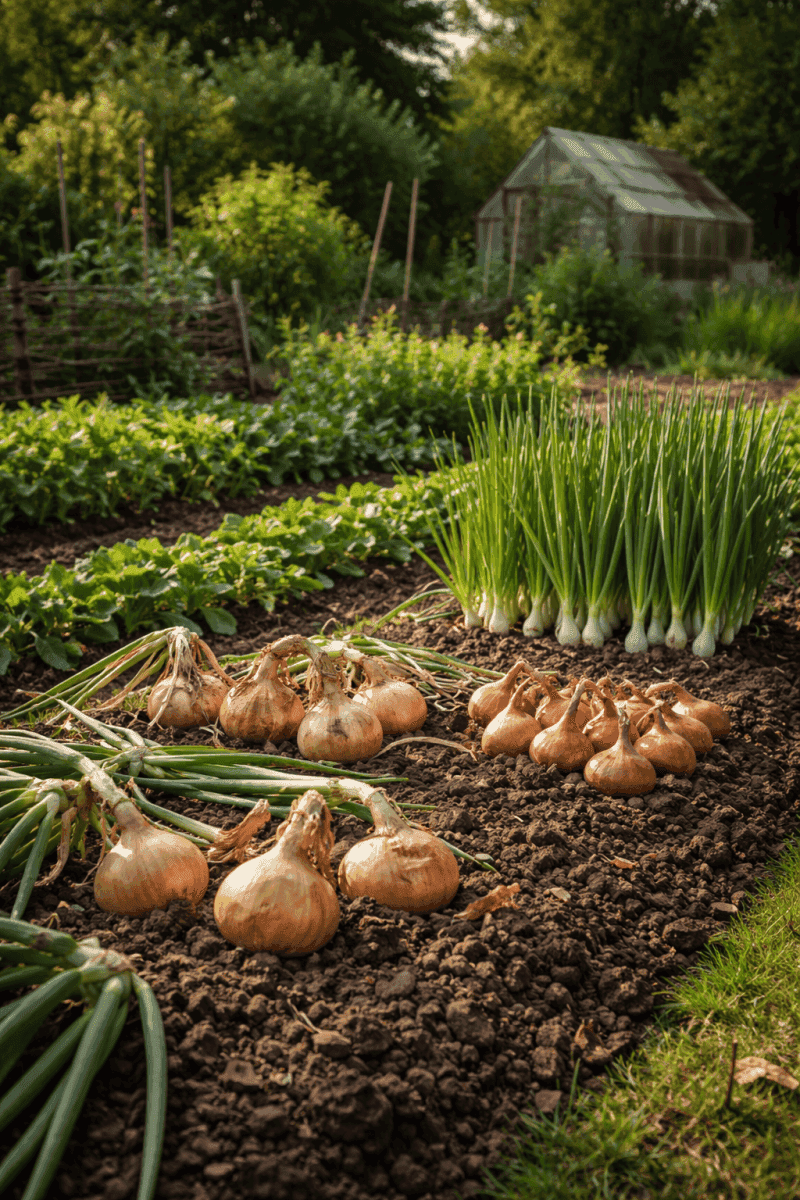
Onions are the backbone of countless meals, and starting them in the cool of fall gives Southern gardeners a serious edge on bulb size.
Timing is everything with this crop. Onions form bulbs based on day length, so gardeners in Florida and Texas should reach for short-day varieties, which are made for the region and mature during the milder months.
You can plant from sets, small starter bulbs, or from transplants. Space them a few inches apart in fertile, loose soil and keep the beds free of competing weeds, since onions do not fight for resources well.
Steady watering and regular feeding help push bigger bulbs. When the tops start to yellow and flop over months later, that is your signal the onions are ready to lift and cure.
Prefer something faster? Plant them close together and harvest early as green onions.
It is a flexible crop that works two ways from a single planting.
Getting onions in the ground in September means they establish strong roots through fall, setting up a rewarding harvest well before summer heat returns to the garden.