
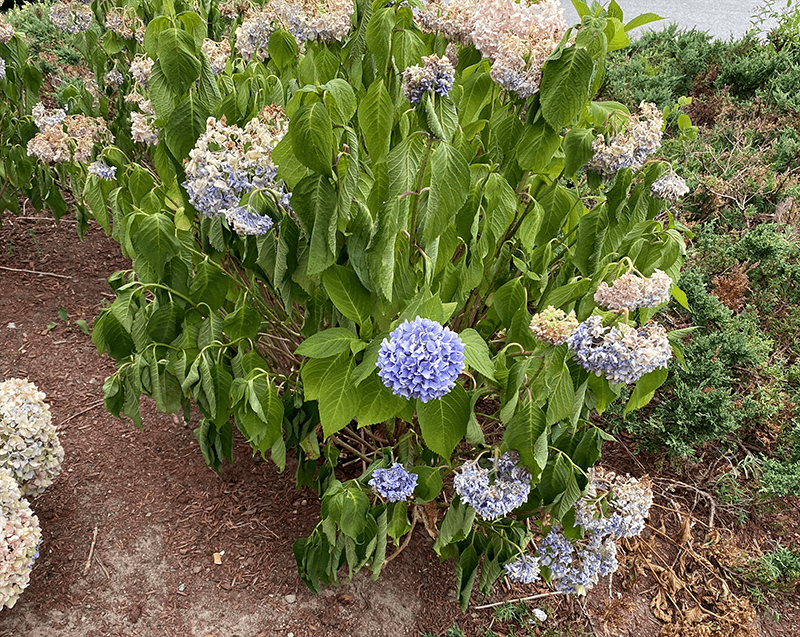
Few things are more frustrating than a hydrangea that looks perfectly healthy but stubbornly refuses to flower. If your Endless Summer is putting out big, lush leaves while producing only a handful of small blooms, you are not alone – and the answer is rarely as simple as one missed trick.
Several things can quietly rob a bigleaf hydrangea of its flowers, and pinpointing the right cause is what gets you back on track.
Lush Leaves Do Not Prove the Flower Buds Survived
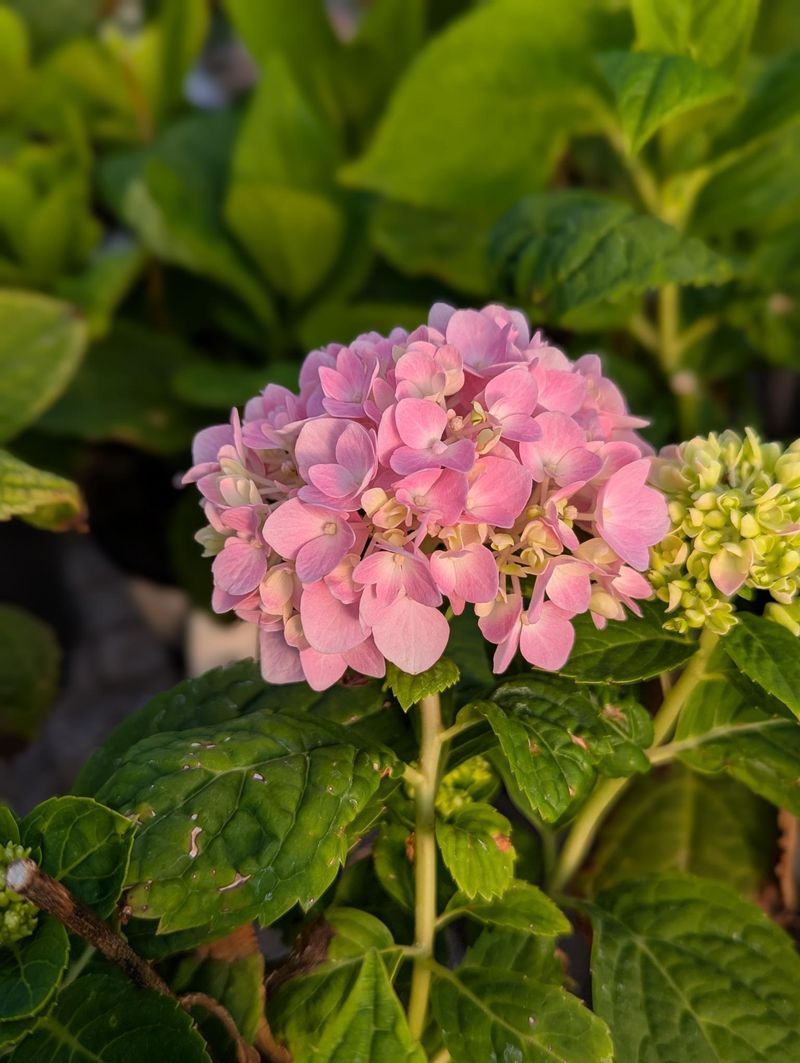
A hydrangea loaded with big, healthy leaves can fool even experienced gardeners into thinking the plant is thriving in every way. Vigorous foliage is a sign of a living, actively growing shrub – but it tells you nothing about whether the flower buds made it through winter, a late freeze, or a dry spell.
Leaves and flower buds are produced by different tissues on different timelines, so a plant can bounce back with a full canopy of green while its bloom potential was already lost months earlier.
Endless Summer is not one single cultivar. Bailey Nurseries describes Endless Summer as a branded collection that includes the Original, BloomStruck, Summer Crush, Twist-n-Shout, Blushing Bride, and newer introductions – each with its own vigor, flower form, and reblooming tendencies.
Before applying any cultivar-specific pruning or care advice, check the plant tag so you know exactly what you are working with.
Because these plants can flower on both old wood (stems grown the previous season) and new wood (stems grown in the current year), they have a real recovery advantage after some bud loss. Penn State Extension notes that bigleaf hydrangeas often produce healthy foliage even after flower buds have been killed by winter cold or a late frost, because the stems themselves survived while the buds did not.
Browsing by deer, drought during bud development, and poorly timed pruning can cause the same disconnect. The goal of diagnosis is to protect flower-bearing growth – not to automatically feed a leafy, apparently healthy plant.
Start With Pruning Restraint
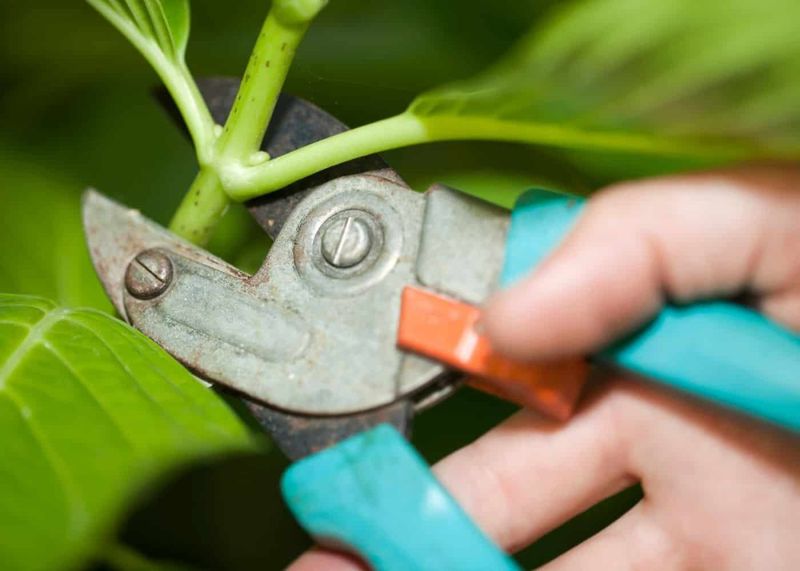
Of all the reasons an Endless Summer hydrangea produces lush leaves and few flowers, pruning at the wrong time or cutting back too hard is the most common and the most correctable. Fall and winter cuts can remove old-wood flower buds that were already set and waiting to open in spring – even when the plant responds by pushing out a full flush of new leaves.
The fact that Endless Summer can also bloom on new wood does not erase this risk; it simply means the plant may eventually produce some later flowers, often fewer and later than a well-preserved shrub would.
The Endless Summer brand cautions against cutting the plant to the ground as a default maintenance practice, and for good reason. Cutting all the way back removes every old-wood bud in one motion, sacrificing the entire early bloom flush.
Penn State Extension similarly warns that fall, winter, and early-spring pruning of bigleaf hydrangeas can remove next season’s flower buds before they ever get a chance to open.
Pruning restraint is the strongest first correction to check – not a guaranteed cure for every case of poor flowering. Avoiding unnecessary cuts can preserve more potential flower buds and protect the season’s early bloom flush.
What it cannot do is make individual flower heads larger, guarantee abundant reblooming, or fix problems caused by weather injury, drought, or inadequate light. Think of it as clearing the most preventable obstacle first, then working through the remaining causes if flowering still disappoints.
Wait for Spring Growth to Identify Dead Wood
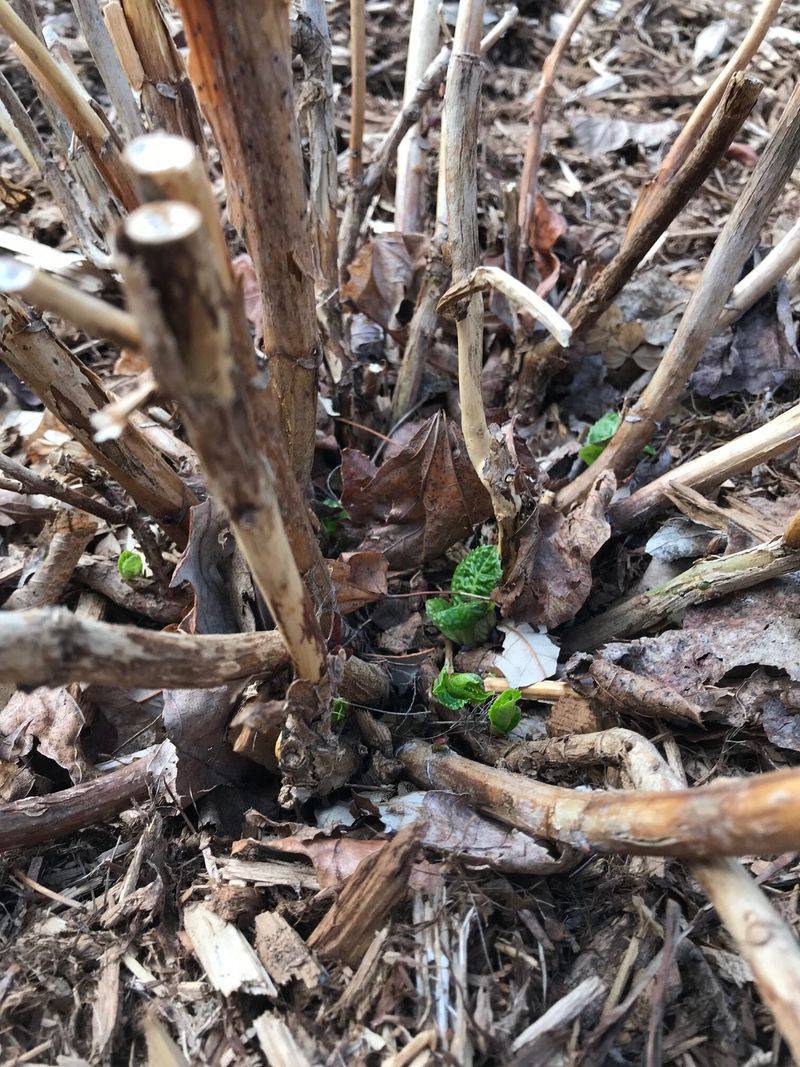
Brown stems on a hydrangea in late winter or early spring are not automatic proof that a stem is dead. Bark color alone is not a reliable indicator before the plant has had a chance to leaf out.
Cutting a stem prematurely based on its appearance can remove flower-bearing wood that would have opened buds in a matter of weeks.
Endless Summer’s official seasonal guidance recommends waiting until new green growth appears before deciding which stems to remove. Once the plant is actively growing, the difference between living and dead tissue becomes much clearer.
A stem carrying viable flower buds will show soft, swelling, or already-open green buds; a plainly dead stem will have dry, shriveled, brown buds that crumble when pressed.
Remove only material that is unambiguously dead – stems where the buds are clearly gone and no green tissue is visible anywhere along the length. If a stem shows even a few green buds toward its base, leave it alone and let it continue to develop.
Penn State Extension points out that bigleaf hydrangea stems can look brown and unpromising through winter yet still carry viable flower buds that will open once temperatures rise. Patience during spring inspection is one of the simplest ways to protect the blooms you already have.
Shape the Shrub After Flowering
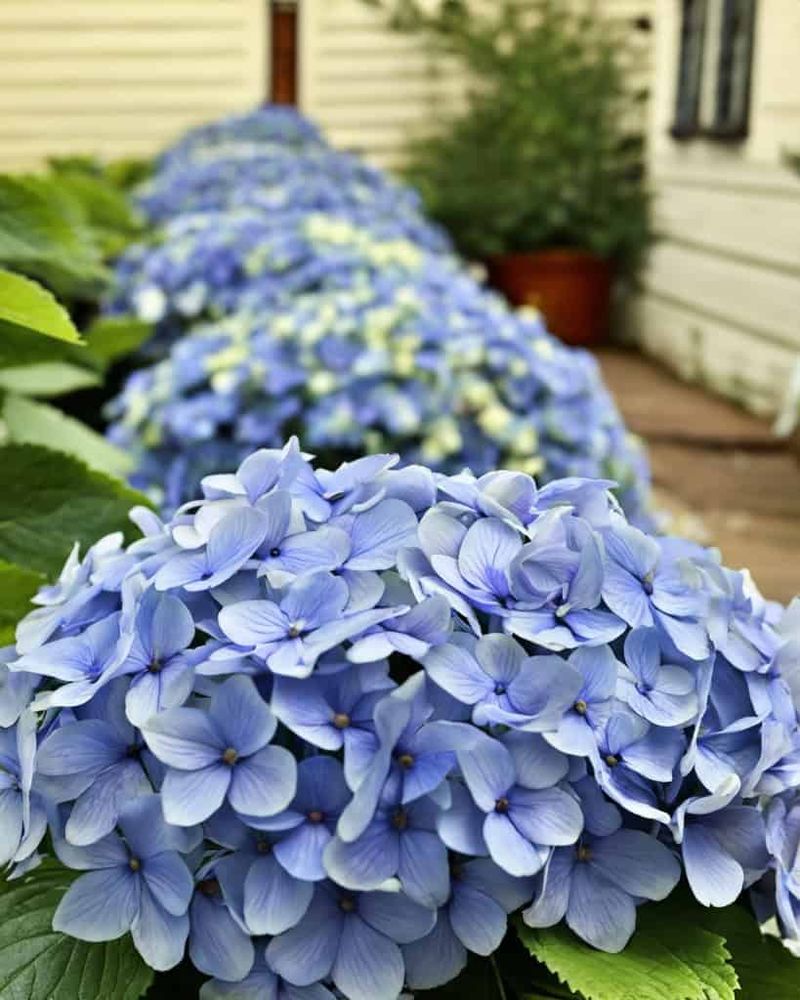
Gardeners who need to control the size or tidy the form of an Endless Summer hydrangea have a safer window for doing it: after the current flowers have faded and before late summer, when new flower buds begin to form for the following season. Pruning during this window removes spent blooms and allows light shaping without stripping away the buds that would carry next year’s early flush.
University of Georgia Cooperative Extension explains that late-summer, fall, and winter pruning of bigleaf hydrangeas risks removing developing buds for the next season. UGA’s Paulding County Extension adds that the timing of pruning depends heavily on the species, and that bigleaf types require more care than panicle or smooth hydrangeas that bloom reliably on new wood regardless of when they are cut.
There is a slight difference in emphasis between the brand and extension sources worth knowing. Endless Summer’s own guidance leans toward minimal pruning overall, while Minnesota Extension notes that remontant types can be pruned after flowering and before August if shaping is necessary.
The practical middle ground for most home gardeners: prune as little as possible, limit cuts to the post-flowering period before late-summer bud development, and never treat hard rejuvenation pruning as routine maintenance. Light shaping and dead-flower removal are very different from cutting a shrub down to a stump.
Match Light and Moisture to a Southern Site
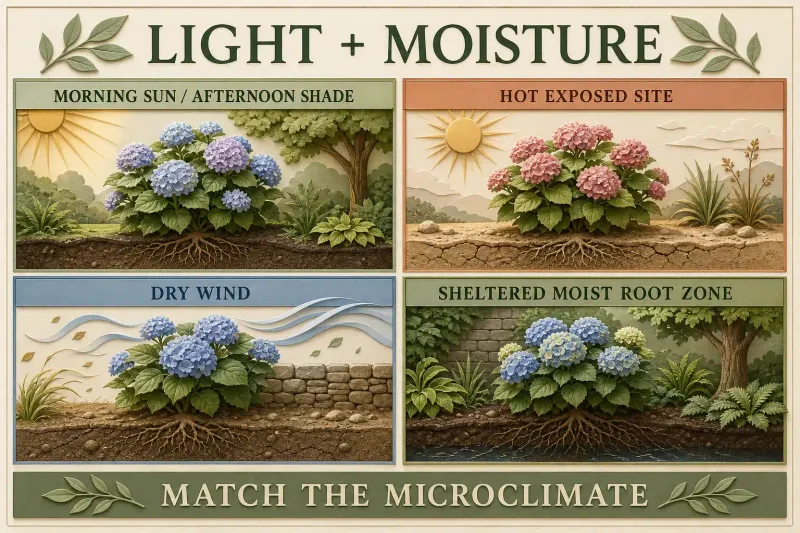
Pruning is the first place to look, but site conditions can be just as responsible for a leafy, flower-poor hydrangea. Bigleaf hydrangeas need enough light to form flower buds, yet the intense afternoon sun common across Florida and Texas can push them into heat stress and wilting rather than flowering.
Morning sun or filtered light with afternoon protection is a more defensible placement in hot Southern locations than full all-day exposure.
University of Georgia Cooperative Extension describes bigleaf hydrangea as a high-water-use plant that performs best with consistent moisture, especially during spring when flowers are forming. Too much shade cuts flower production; too little water during bud development can cause buds to abort before they open.
Both problems can produce a plant that looks healthy but blooms poorly. Endless Summer’s care guidance similarly recommends keeping the soil consistently moist and protecting plants from harsh afternoon sun.
Mulch is a practical tool for both problems. A 2-3 inch layer over the root zone slows moisture loss, moderates soil temperature, and reduces the stress peaks that interrupt bud development.
UGA Henry County Extension recommends mulching hydrangeas to conserve moisture and protect roots from heat. Keep in mind that conditions across Florida and Texas vary considerably by region, soil type, and local climate – a recommendation that works well in north Florida may need adjustment for central Texas or the Gulf Coast.
UGA Extension’s Richmond County hydrangea guidance reinforces that hot, dry, exposed sites are a poor fit for bigleaf types in the South.
Use Fertilizer Only When the Soil Calls for It
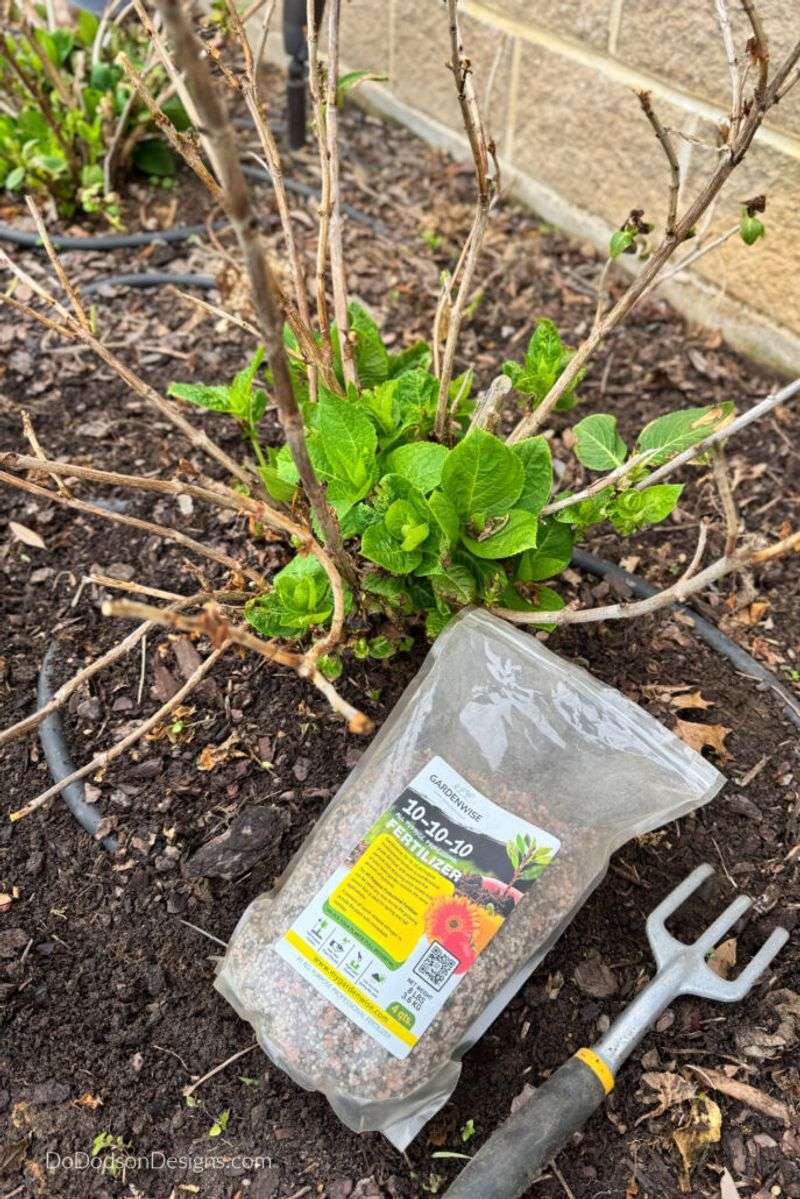
Reaching for fertilizer when a hydrangea looks leafy but flowerless is a natural instinct – but it can make things worse. Excess nitrogen, in particular, is a documented cause of lush vegetative growth paired with poor flowering.
Lawn fertilizer runoff, repeated applications of manure-heavy products, and high-nitrogen feeds all push a shrub toward producing more stems and leaves at the expense of blooms. If your hydrangea sits downhill from a regularly fertilized lawn, that runoff may already be the problem.
UGA Cooperative Extension recommends basing fertilizer applications on soil-test results rather than routine feeding schedules. A soil test tells you what is actually deficient before you add anything.
University of Minnesota Extension notes that adding phosphorus to soil that already has adequate levels is not a reliable way to increase flowering and can contribute to environmental runoff problems. Apply a balanced fertilizer according to label directions and local soil-test guidance, not as a bloom-forcing shortcut.
Flower color and flower quantity are separate issues and should not be confused. Soil pH and aluminum availability can shift bloom color in many bigleaf hydrangeas from pink toward blue or vice versa, but adjusting pH is not a dependable remedy for sparse flowering.
Penn State Extension confirms that aluminum sulfate, lime, and similar amendments primarily affect color chemistry, not flower production. Fertilizer also cannot restore buds that were already lost earlier in the current bloom cycle – no nutrient application brings back what winter cold, a late freeze, drought, or mistimed pruning already removed.
Treat fertilizer as one piece of a broader diagnosis, not a substitute for evaluating pruning timing, weather history, light, and moisture first.
Follow a Conservative Bloom-Recovery Checklist
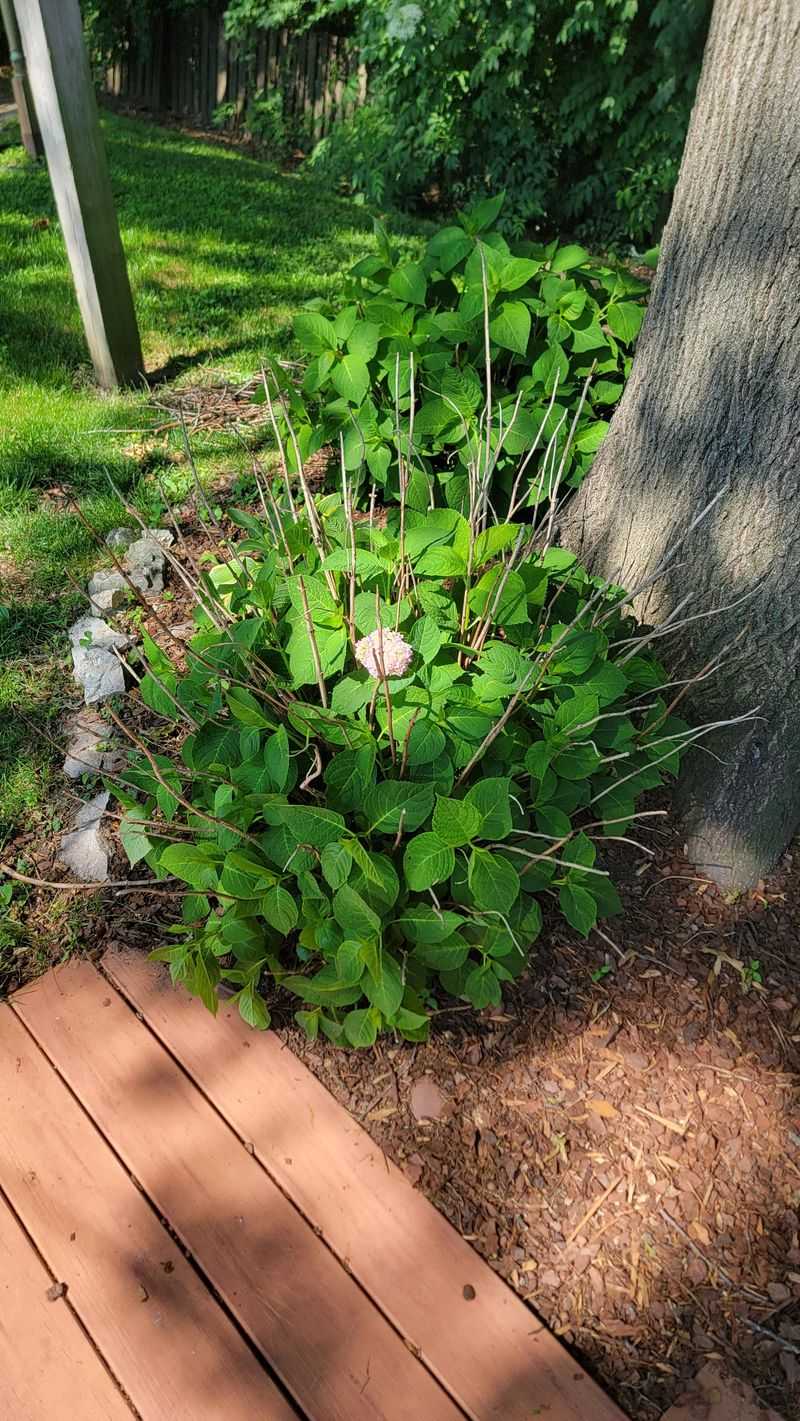
Working through a short, ordered checklist is the most reliable way to improve flowering opportunity without guessing. Start by confirming the cultivar from the plant tag, since different Endless Summer varieties can behave differently.
Then stop any routine hard pruning and commit to the post-flowering shaping window before late-summer bud development begins.
Endless Summer’s seasonal guidance and Minnesota Extension’s pruning recommendations both point toward waiting for spring leaf-out before touching stems. Once the plant is actively growing, remove only wood that is clearly dead – dry, crumbling buds and no green tissue anywhere on the stem.
Leave every stem that shows viable buds, even if the bark looks dull or brown.
Next, assess the site honestly. Check morning light, afternoon sun exposure, soil moisture during spring bud formation, recent freeze or frost dates, drought periods, and any signs of deer or insect browsing.
Review fertilizer history and look for lawn runoff sources. Penn State Extension notes that a newly planted or recently moved hydrangea may need a full season or two to establish before reliable flowering resumes.
UGA Extension reinforces that multiple factors – light, moisture, weather, and fertilizer – all interact to determine flowering performance. These steps protect future flowering opportunity; actual results still depend on cultivar, local climate, establishment, and what the season brings.
A plant that looked hopeless last year can surprise you once the obstacles are cleared one by one.