
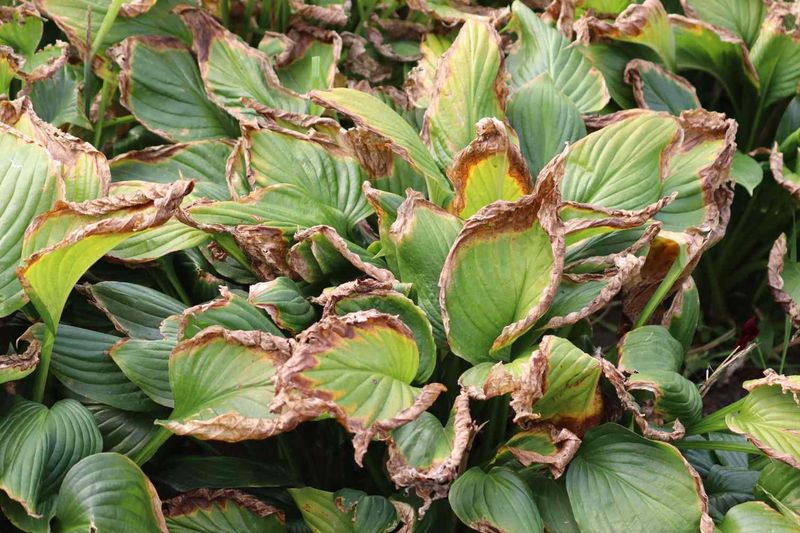
Seeing your tomato or cucumber suddenly go limp on a hot afternoon can send any gardener straight for the hose. But grabbing the watering can right away may be the wrong move, and in some cases it can actually make things worse.
Before you add more water, it helps to understand why Southern summer heat causes plants to droop in the first place, and what your garden actually needs in that moment.
Afternoon droop can be a heat response, not a thirst signal
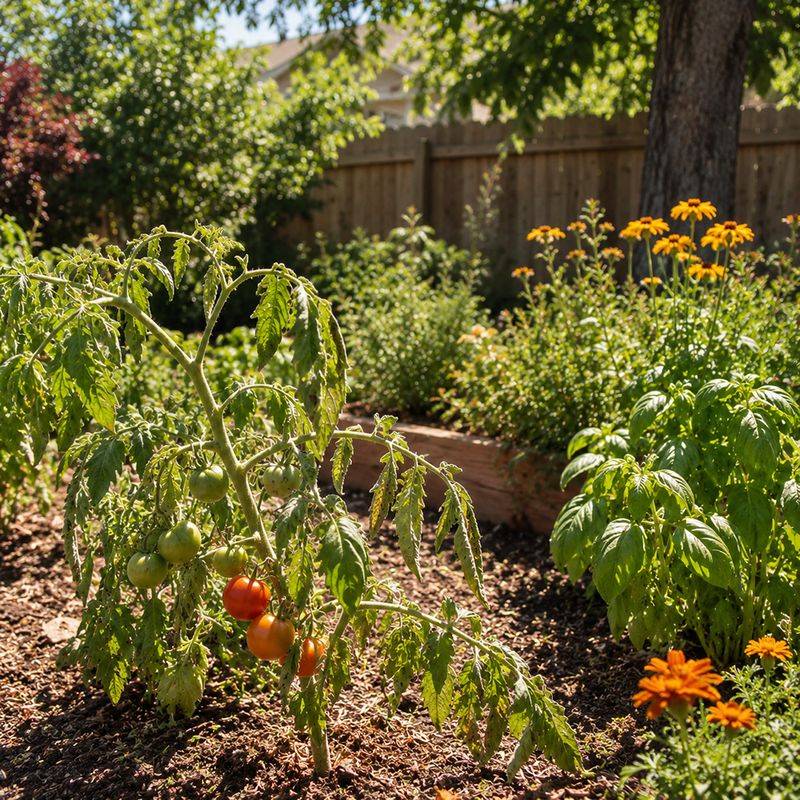
Hot afternoons do something sneaky to garden plants. When temperatures climb and the sun bears down, leaves can lose moisture through transpiration faster than the roots are able to pull water up from the soil, even when that soil is still reasonably moist.
The result looks exactly like drought stress, but the cause is heat physics, not an empty water tank.
Oregon State University Extension guidance on heat stress in gardens confirms that plants under high heat load can wilt temporarily even when hydrated, because the demand for water at the leaf surface simply outpaces supply. Tomatoes, peppers, cucumbers, and zucchini are all capable of this response during peak Southern summer heat, though how quickly or severely each crop reacts depends on the cultivar, wind exposure, humidity, and how long the heat lasts.
Evening and next-morning recovery can be a useful clue. A plant that perks back up once temperatures drop is giving you a signal that heat physiology, rather than thirst, may have been the driver.
That said, recovery alone does not prove the plant is fully healthy or that the root zone has adequate moisture. UF/IFAS guidance on efficient irrigation for edible landscapes notes that plants may wilt from excessive heat even when well-hydrated, and recommends checking plants in the morning or evening rather than assuming afternoon droop equals drought.
The root zone gives a better answer than the leaves
Leaf appearance is a starting point, not a verdict. Drooping, curling, scorching, and other foliage symptoms can come from heat, drought, salt buildup, disease, pests, poor drainage, or herbicide exposure, so the leaves alone cannot tell you whether the root zone needs water.
The reliable check happens underground.
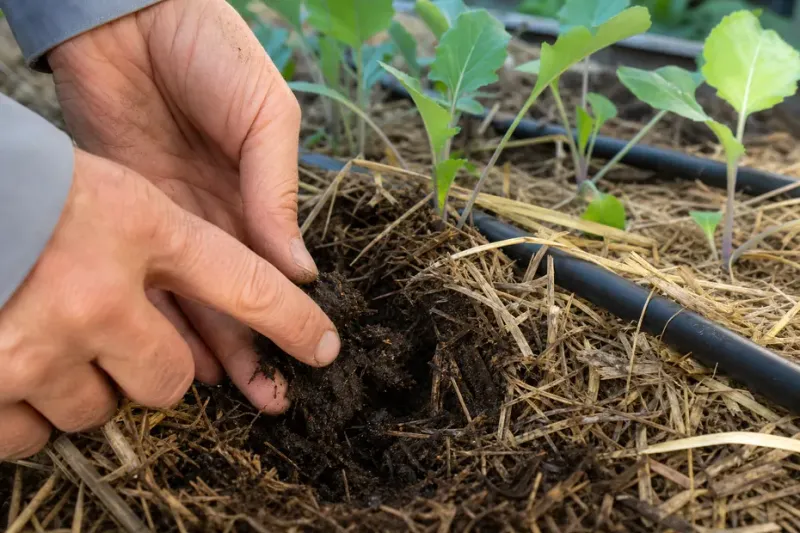
Move any mulch aside and push your finger or a wooden dowel several inches into the soil near the plant, but not right against the stem where you might disturb roots. Aim for roughly 4 to 6 inches down in the active root zone.
University of Georgia Extension advice on conserving water in the vegetable garden supports checking soil at depth before watering, because surface soil can feel dry while the deeper root zone still holds adequate moisture. Dry, powdery soil at that depth is a reasonable signal that watering is warranted.
Soil that still feels cool and slightly damp, paired with a plant that droops only during peak afternoon heat, points more toward a heat response than a water deficit.
Timing matters too. A plant still wilted in the morning, after overnight temperatures have dropped, is showing a more urgent symptom than one that droops at 2 p.m. and straightens by evening.
OSU Extension heat-stress guidance reinforces that morning wilt, continued decline, and dry root-zone soil are stronger evidence of water stress than a limp appearance during peak heat. Crispy or scorched foliage is a warning sign worth taking seriously, but it warrants checking soil and other conditions rather than serving as automatic proof of drought.
When the soil is dry, water the roots deeply
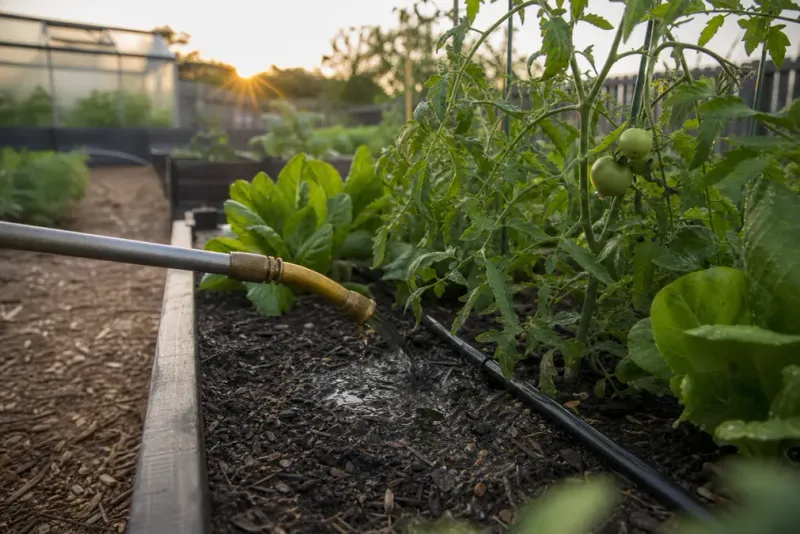
Confirmed dry soil calls for action, but the way you water matters as much as the timing. Frequent shallow sips encourage roots to stay near the surface where soil dries out fastest, which makes plants more vulnerable during the next heat wave.
A slow, deep soak that thoroughly wets the root zone is more effective and more efficient.
For many vegetable gardens, UGA Extension guidance describes wetting the soil to roughly 6 to 8 inches as a useful target, though the right depth varies by crop, soil texture, and how deep the roots have grown. A mature tomato or cucumber plant with an established root system needs water delivered lower in the profile than a newly transplanted seedling.
Let the soil and plant guide you rather than a fixed number.
Where you place the water also affects how much actually reaches the roots. A hand wand, soaker hose, drip line, or microirrigation system delivers water at the soil surface near the root zone, which reduces evaporation, limits runoff, and keeps foliage drier.
UF/IFAS irrigation guidance for edible landscapes recommends these soil-level methods specifically because they improve water efficiency and can reduce foliar disease risk compared to overhead sprinklers.
Morning is generally the most efficient time to water because cooler temperatures and calmer air reduce evaporation losses and give plants time to absorb moisture before the hottest part of the day. OSU Extension watering basics supports morning irrigation for these reasons, but also makes clear that a genuinely dry, severely wilting plant should be watered when needed rather than left in stress until the next morning.
Reduce the heat load before adding more water
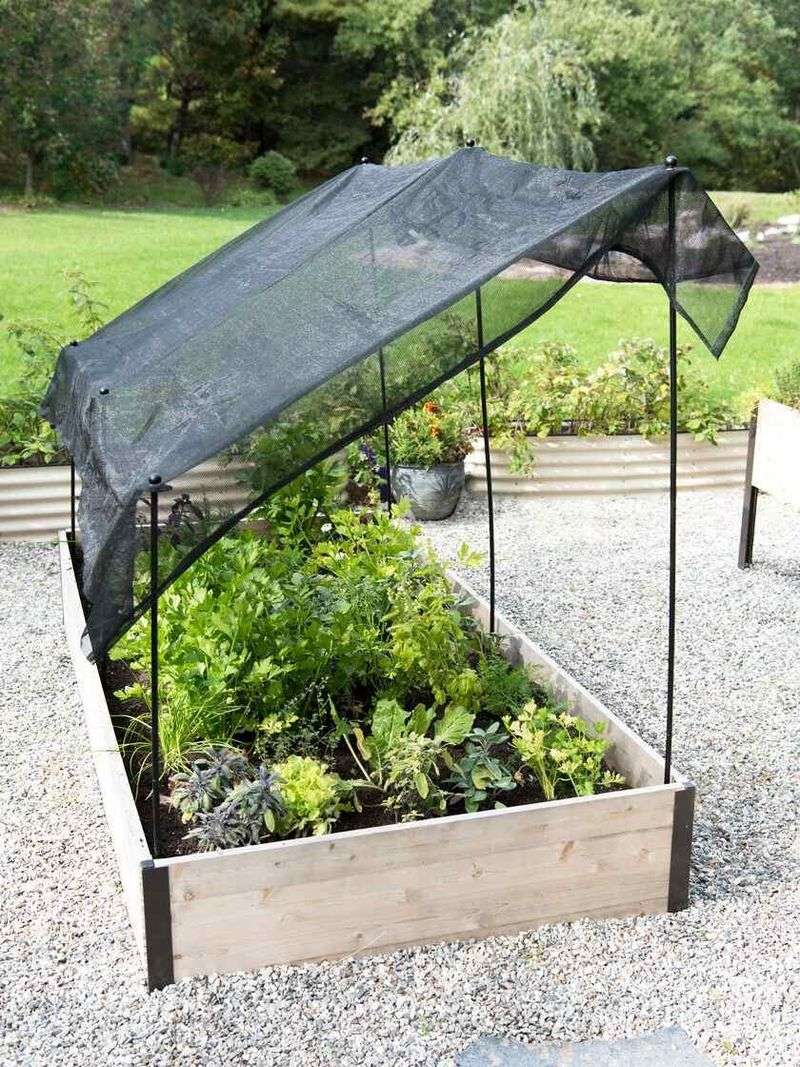
Finding moist soil under a drooping plant means the problem is not a water deficit, and adding more irrigation will not help. The smarter move is to reduce the heat load the plant is carrying.
Afternoon shade is one of the fastest tools available, and it does not require any permanent structure.
Shade cloth supported on stakes or a simple frame above the plants can cut the intensity of direct sunlight during the hottest hours. University of Arizona Cooperative Extension summer garden guidance recommends keeping shade cloth elevated above the foliage rather than draped directly on the plants, which can trap heat or cause physical damage.
Even a few hours of midday shade can meaningfully reduce leaf temperature and slow transpiration. Wind protection, such as a temporary burlap screen on the south or west side of a bed, can also help by reducing the drying effect of hot, moving air.
Mulch works on a different timescale but pays off across the entire season. A layer of organic mulch on the soil surface can slow evaporation, moderate root-zone temperature, suppress weeds that compete for moisture, and reduce the swings between wet and dry that stress roots.
UGA Extension guidance on mulching vegetables recommends roughly 3 to 4 inches of mulch for vegetable beds. Keep it a few inches away from plant stems and trunks to avoid creating a damp environment that encourages rot at the base of the plant.
Containers can cross from moist to stressed quickly
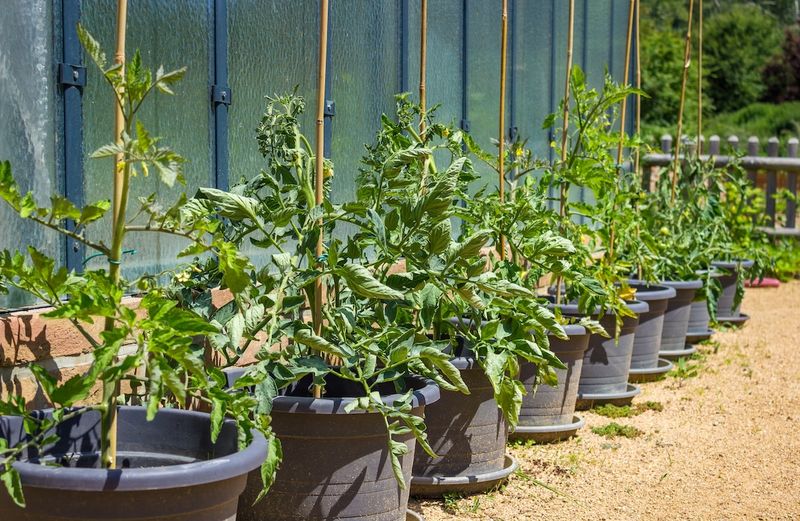
Plants growing in containers face a different set of risks than those in the ground. A small pot in full afternoon sun can heat up rapidly, and the limited soil volume means moisture disappears much faster than in an in-ground bed.
Dark-colored containers absorb more radiant heat, which speeds both soil drying and root stress.
During hot weather, containers may need a daily moisture check, and under extreme conditions some pots may need attention twice a day. University of Minnesota Extension guidance on watering container plants advises watering until moisture runs freely from the drainage holes, which confirms the entire root ball has been wetted rather than just the top inch or two.
That said, do not let pots sit in standing water afterward, since waterlogged roots in a container suffer the same oxygen deprivation as roots in a poorly draining garden bed.
If a container plant droops repeatedly despite consistent watering, placement may be the real issue. Moving the pot to a spot that receives morning sun and afternoon shade can reduce heat load without changing the watering routine.
A larger pot with more soil volume will also hold moisture longer and buffer temperature swings better than a small, shallow container. Adjusting where the pot sits or upgrading the container size are often more effective long-term solutions than simply watering more often.
Wet soil and persistent wilt may point to roots or drainage
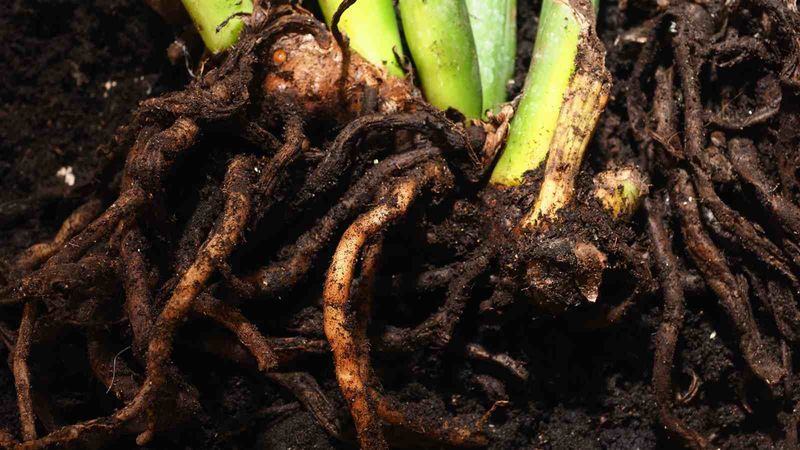
Reaching for the watering can when the soil is already wet can push a struggling plant past the point of recovery. Saturated soil contains less oxygen than healthy, well-drained soil, and plant roots need oxygen to function.
When the root zone stays waterlogged, roots can deteriorate and lose the ability to absorb water effectively, which means a plant in soaked soil can still wilt because its damaged roots simply cannot do their job.
Penn State Extension guidance on root rot explains that this cycle of root damage and failed water uptake is a common outcome of poor drainage or chronic overwatering. The plant looks thirsty, but adding more water only deepens the problem.
Wet soil combined with persistent wilt may indicate poor drainage, root damage, or disease, but does not establish a diagnosis on its own, since heat-related wilt and other stressors can overlap and produce similar symptoms.
Look for accompanying clues that point toward a deeper problem. Yellowing leaves, stunted growth, soft or discolored tissue at the base of the stem, a sour or musty soil smell, or water pooling on the surface after irrigation all warrant closer attention.
Penn State Extension information on Pythium notes that this common soilborne pathogen can cause plants to wilt during the day and partially recover at night, mimicking heat stress. University of Arizona Cooperative Extension troubleshooting guidance reinforces that wilting, yellowing, and stunted growth are non-specific symptoms that can result from multiple causes.
When wet soil and persistent wilt appear together, the appropriate response is diagnosis, not more irrigation.
Use a heat-day sequence to guide the next watering decision
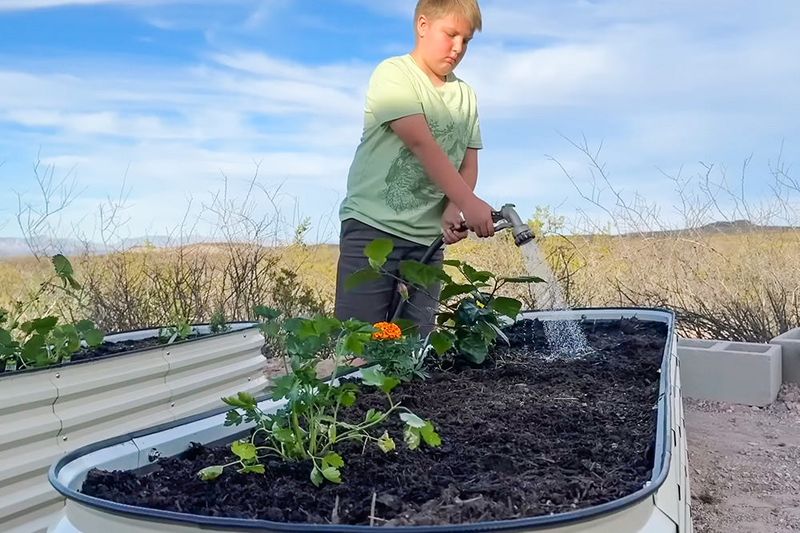
A repeatable sequence turns a stressful afternoon moment into a manageable decision. Start by observing when the droop happens.
A plant that sags only during peak afternoon heat and recovers by evening or the following morning is behaving differently from one that is still wilted at sunrise, and that difference narrows your list of likely causes considerably.
Next, check the root zone. Move mulch aside, test the soil several inches down near the plant, and let what you find guide the next step.
Dry, powdery soil at depth supports a slow, deep soak delivered at the soil surface. UGA Extension guidance on vegetable garden water conservation makes clear that watering frequency should respond to actual soil conditions rather than a fixed calendar schedule, because soil texture, rainfall, wind, shade, and root depth all affect how quickly a bed dries out.
Moist soil paired with afternoon droop calls for a different response: temporary shade, wind protection, or a container placement change. If mulch is thin or missing, adding it can help reduce evaporation and buffer future heat events.
Wet soil with persistent wilt points toward drainage assessment or disease investigation rather than more water. OSU Extension watering basics and UF/IFAS irrigation guidance both support soil-based decision-making over symptom-based assumptions.
Following this sequence can help you avoid unnecessary watering and make a more informed choice about what your garden actually needs in the moment.
Let soil moisture, timing, and recovery guide the next move
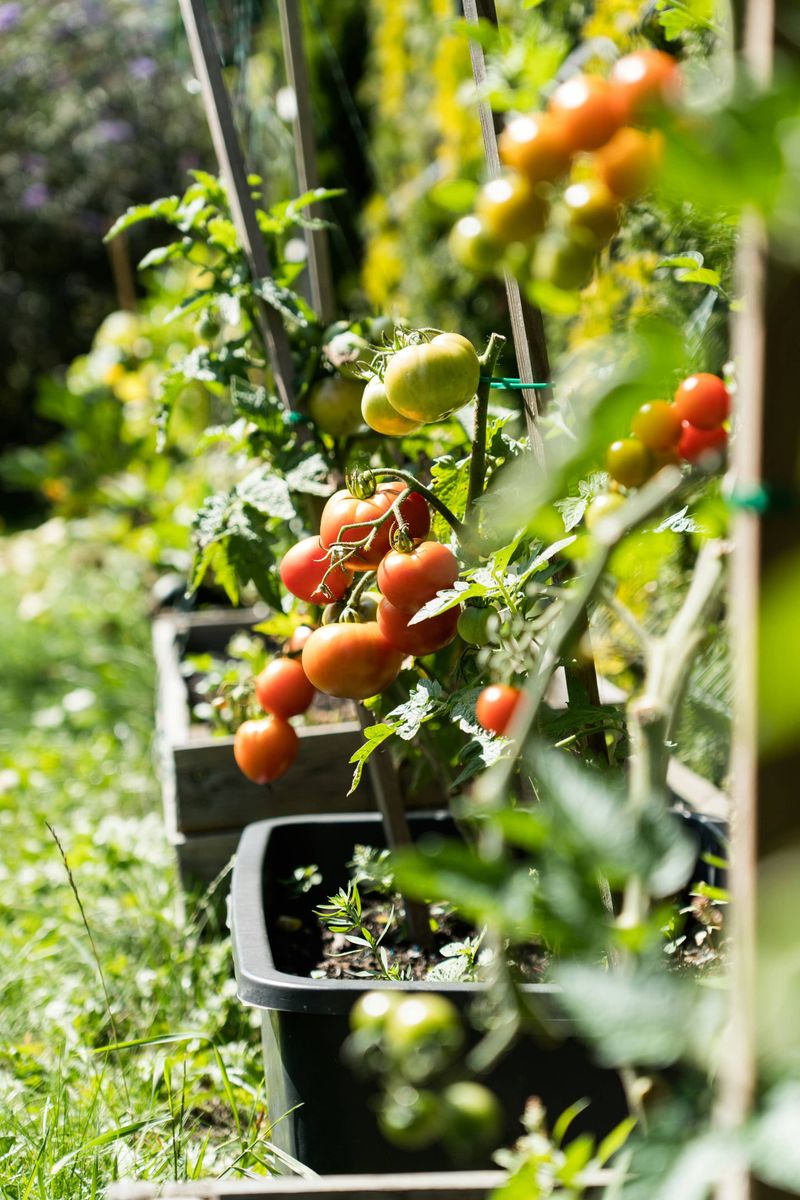
A drooping plant on a hot afternoon is a cue to investigate, not an automatic command to add water. Compare how the plant looks at 2 p.m. versus 7 a.m.
Check the root zone before making any decision. Water deeply only when the soil several inches down is genuinely dry, and address heat load or drainage when moisture is not the issue.
OSU Extension heat-stress guidance, UGA Extension water conservation advice, and University of Arizona Cooperative Extension troubleshooting guidance all point toward the same principle: symptoms require context, and soil moisture is the most reliable piece of context available. Persistent or worsening symptoms, especially when soil is already wet, call for closer diagnosis rather than repeated irrigation.
The most useful habit a Southern summer gardener can build is checking the ground before reaching for the hose, because the soil almost always knows more than the leaves do.