
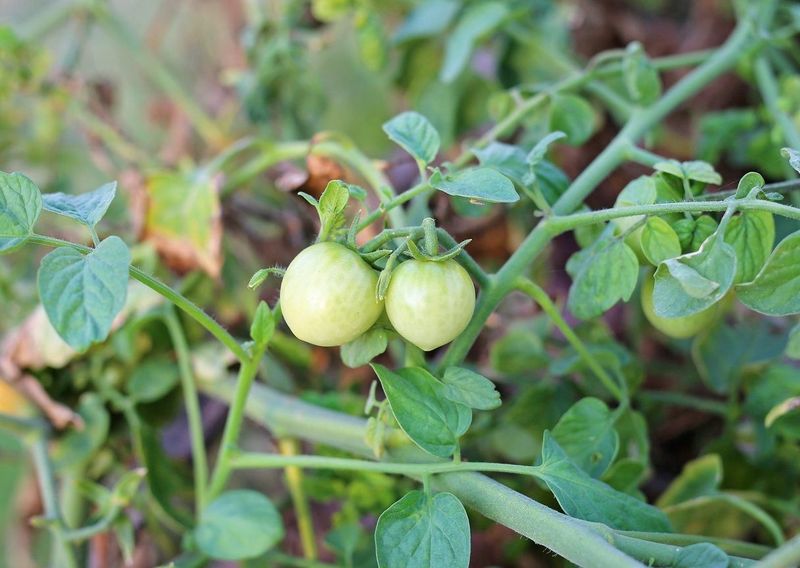
Picking a handful of tiny tomatoes after months of watering and feeding is one of the most frustrating moments in the garden. Many Southern growers respond by adding more fertilizer, but extra nutrients often do nothing because the real problem happened weeks earlier, during flowering.
Heat, timing, cultivar choice, and plant stress can each contribute to a disappointing harvest, and the fix looks different depending on which factor is actually at work. Understanding what went wrong this season is the fastest path to a better crop next year.
Small tomatoes do not have one universal cause
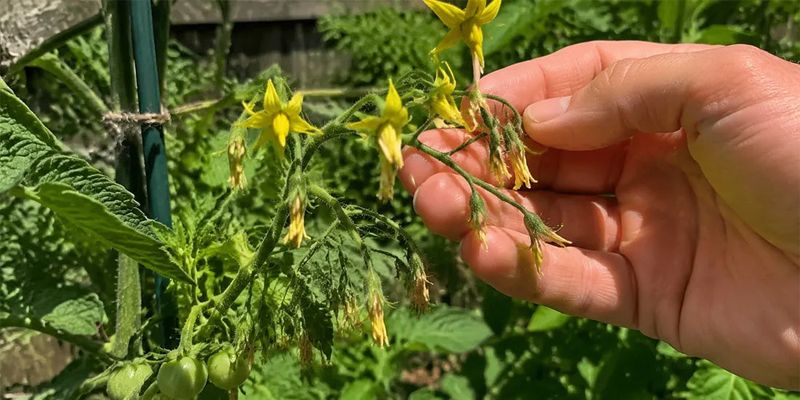
Blaming one single slip for every undersized tomato harvest is tempting, but the evidence does not back it up. Fruit can stay small because of the cultivar you planted, a heavy crop load spreading resources thin, inconsistent watering, too little sunlight, imbalanced nutrition, disease pressure, or the way the plant was pruned.
Each of those possibilities produces a slightly different symptom picture, which means the fix has to match the actual problem rather than a generic checklist.
That said, one pattern deserves extra attention from Southern gardeners: flowers that dry up, drop, or simply never develop into fruit during stretches of hot weather. Penn State Extension’s overview of heat stress in tomatoes explains that high temperatures can reduce pollination, cause flowers to abort, and limit both fruit weight and seed number.
When that sequence happens, extra fertilizer cannot repair the damage because there is no pollinated flower left to feed.
Research published in peer-reviewed journals confirms that fruit size is shaped by cultivar genetics, weather conditions, irrigation, and crop load working together rather than by any single variable. Heat-related timing is a plausible and often overlooked explanation for the specific pattern of flower drop and failed fruit set during hot weather.
For fruit that sets normally but stays small, the diagnosis needs to be wider, covering all the factors listed above before landing on a conclusion.
Read the flowers before blaming the fertilizer
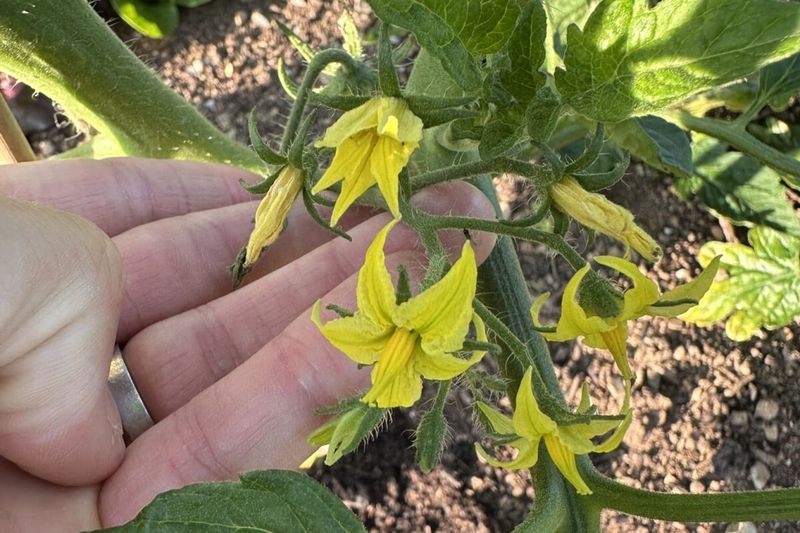
The most useful thing you can do before changing your fertilizer routine is look closely at what the flowers did. Two very different problems can both result in a disappointing harvest, and they require different responses.
If flowers appeared on the plant but dried up, turned brown, or fell off before any fruit started forming, that pattern is consistent with heat-related blossom abortion or poor pollination, especially when it happened during a stretch of hot nights. Heat-stressed tomato plants often shed flowers before pollination completes, and no amount of feeding afterward can produce fruit from a flower that already dropped.
On the other hand, if small green tomatoes did form and simply stayed undersized as they ripened, that points toward a broader set of possible causes: cultivar genetics, crop load, water stress, light competition, or excessive vegetative growth from too much nitrogen.
Cultivar expectations matter enormously here. UGA’s tomato cultivar guide makes clear that cherry and grape types are naturally small-fruited, and no fertilizer program will turn them into slicers.
A gardener growing a cherry variety who expects beefsteak-sized fruit has a cultivar mismatch, not a feeding problem. Checking the seed packet or plant tag for the expected fruit size is a quick first step before assuming something went wrong with your soil or your watering schedule.
UGA’s tomato troubleshooting resource reinforces that symptom-based diagnosis, not reflexive fertilizer increases, is the right starting point.
How hot nights interfere with tomato fruit set
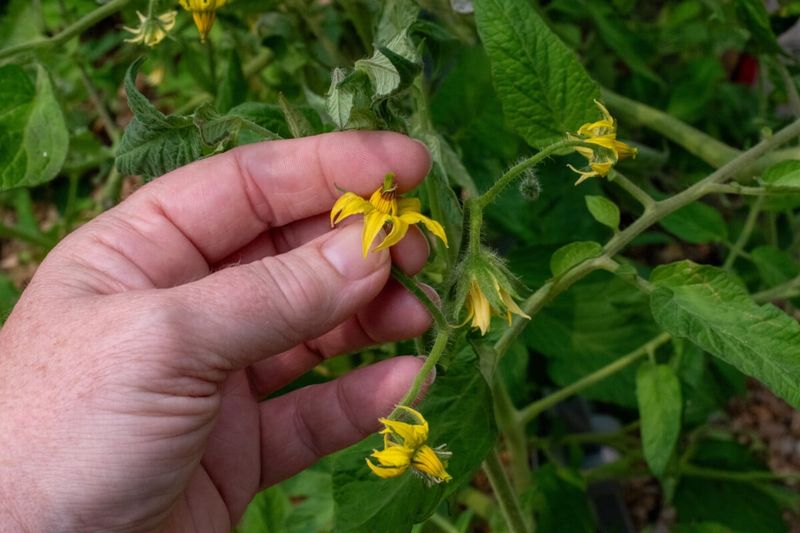
Tomatoes are self-pollinating, meaning pollen moves from the anther to the stigma within the same flower rather than requiring a separate plant. Wind and everyday plant movement usually provide enough vibration to transfer pollen outdoors.
The trouble is that pollen itself is sensitive to temperature, and when conditions fall outside a workable range, the whole process can break down even if the plant looks healthy from a distance.
UGA’s tomato production guide identifies nighttime temperatures above 70 degrees Fahrenheit as a cause of blossom drop, while Texas A&M’s tomato production guidelines describe how sustained heat reduces fruit set and seed development. Other Extension sources place the practical upper nighttime threshold around 70 to 75 degrees, and very hot daytime temperatures above roughly 85 to 90 degrees can add further stress.
These are practical ranges, not hard biological cutoffs; the actual effect varies by cultivar, humidity, and how long the heat persists.
One detail that catches many gardeners off guard is that a hot spell can damage flowers during their critical pollination window even if cooler weather returns a week later. University of Minnesota Extension notes that later cooler conditions may allow new flowers to develop, but the flowers already lost to heat cannot be recovered.
The plant may eventually resume setting fruit, but recovery is not instant and the window for that season’s main crop can pass before enough new fruit has time to mature.
Plan the flowering window around your local season
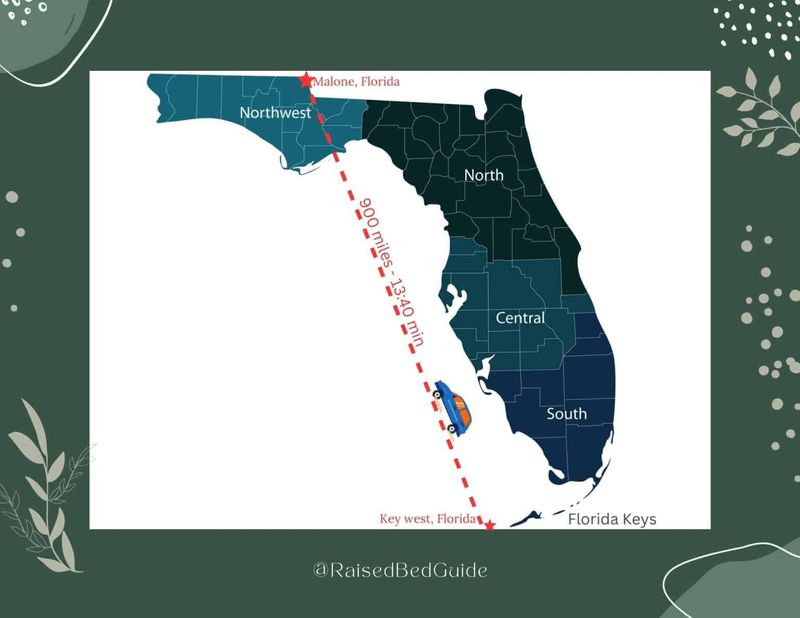
Correcting your planting calendar is the most direct way to reduce the chance of heat disrupting your tomato crop, though no calendar can guarantee you will avoid every hot stretch. The core idea is to set transplants early enough that the main flowering period falls during the most favorable temperatures your region offers, rather than pushing fruit set into the hottest weeks of summer.
Florida gardeners need to work with region-specific windows rather than a single statewide schedule. UF/IFAS tomato production guidance lists outdoor planting windows that vary considerably by region: roughly late March through April and again in August for north Florida, January through February and August through September for central Florida, and August through February for south Florida.
These windows reflect the reality that south Florida gardeners are essentially working with an inverted season compared to northern gardeners. Treat them as regional starting points and adjust based on your local weather patterns, the specific cultivar you choose, and how many weeks that variety needs to reach flowering.
For Central Texas, Texas A&M AgriLife Extension recommends spring planting in March through April and a fall planting in July through August as a Central Texas guide, not a statewide prescription. Gardeners in other parts of Texas should check with their local Extension office because elevation, humidity, and first-frost dates shift the ideal window significantly.
The goal in both states is the same: time the crop so that the heaviest flowering does not coincide with the weeks when nights are most likely to stay above 70 to 75 degrees for extended periods.
Match the cultivar to the heat and the fruit size you want
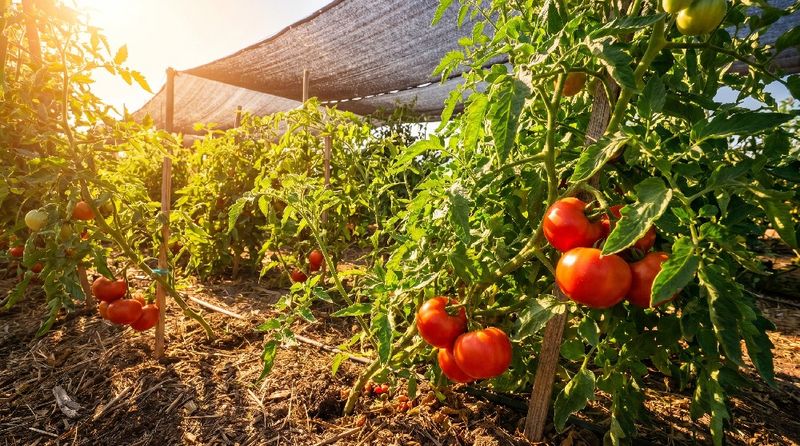
Choosing the right variety before planting is one of the most reliable ways to improve your odds in a Southern garden, and it costs nothing extra compared to adding fertilizer after problems appear. Hot-set or heat-tolerant tomato cultivars have been bred to set fruit under warmer conditions than standard varieties can handle.
UGA’s tomato guide notes that these types were developed specifically to perform better at higher temperatures, though extreme heat can still disrupt fruit set in any variety. No cultivar is immune to an extended heat wave.
UF/IFAS lists heat-resistant tomato choices for Florida growers and notes that cherry types generally tolerate warm conditions better than many large-fruited slicers. That tolerance comes with a trade-off: cherry and grape tomatoes naturally produce small fruit, so choosing them for heat performance means accepting that their size is by design rather than a growing failure.
If your goal is large slicing tomatoes, look specifically for large-fruited cultivars labeled as heat-tolerant or recommended for your region, and check the seed packet for the expected mature fruit size before you plant.
Matching cultivar to goal also prevents a common frustration: a gardener grows a cherry variety, harvests dozens of small tomatoes, and assumes something went wrong. Aligning your expectations with the plant’s actual genetics is just as important as timing and watering.
A cultivar suited to your local heat and your preferred fruit size removes two variables before the season even starts.
Keep moisture steady without trying to out-fertilize the weather
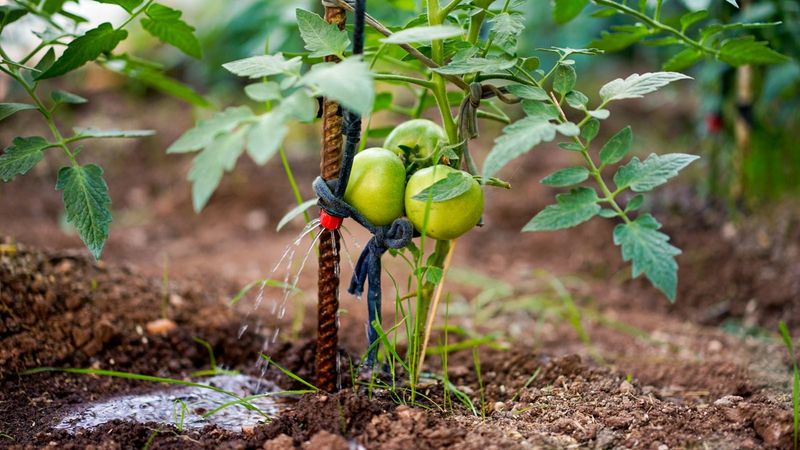
Consistent soil moisture is one of the most practical things you can manage during a hot growing season, and it supports the plant in ways that fertilizer alone cannot. Mulch spread a few inches deep around the base of your plants slows evaporation, moderates soil temperature, and reduces the wide swings in moisture that put extra stress on roots.
Texas A&M’s water-efficient gardening guidance recommends deep watering that moistens the full root zone rather than frequent shallow sprinkles that wet only the surface. A drip line or soaker hose delivers water directly where roots can use it and keeps foliage dry, which helps reduce disease pressure as well.
Steady moisture matters for another reason beyond fruit development. Blossom-end rot is a disorder that sometimes gets confused with generally small or stunted fruit, but it is a distinct condition with a specific symptom: a sunken, dark, leathery lesion at the blossom end of the tomato.
Penn State Extension explains that blossom-end rot is strongly associated with inconsistent water availability and root stress that limits calcium uptake, not simply a shortage of calcium in the soil. Routine calcium sprays on leaves often provide limited benefit because the underlying issue is water movement and root function, not surface calcium.
If you see that dark blossom-end lesion, focus first on steadying your irrigation rather than reaching for a spray bottle.
On the fertilizer side, base your program on a soil test rather than repeated product applications. UF/IFAS soil fertility guidance and University of Minnesota’s tomato-growing recommendations both caution that excess nitrogen produces lush, dark-green foliage, delays flowering, and can reduce fruit set without improving fruit size.
Adding more phosphorus is not a universal solution either; it should be applied only when testing shows an actual deficiency. Feeding a plant that already has adequate nutrients does not make it produce larger tomatoes, and it will not undo heat damage that occurred weeks earlier.
Reduce heat stress without overcorrecting
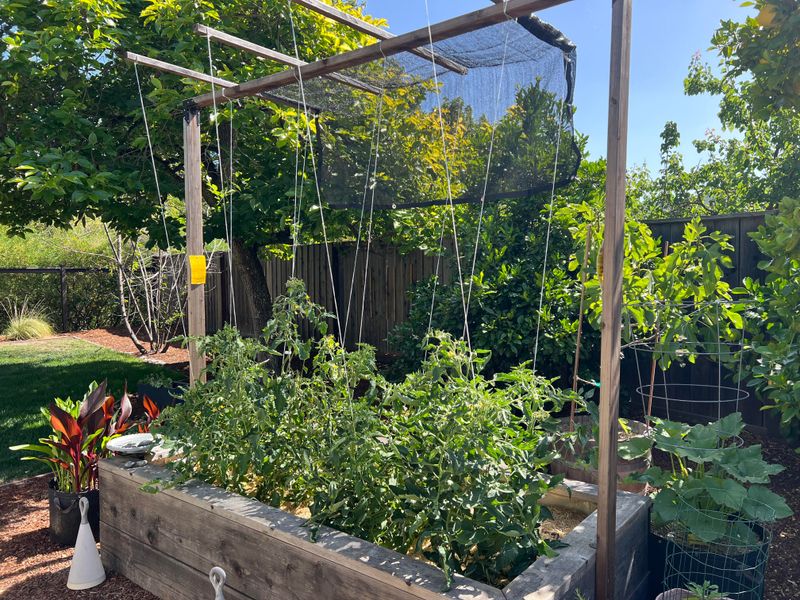
When a heat wave arrives mid-season, the options for protecting fruit set are real but limited. The most reliable step is keeping root-zone moisture steady with consistent, deep watering and a layer of mulch that buffers soil temperature.
These measures reduce the additional stress the plant is carrying, even if they cannot override the effect of very high temperatures on pollen and flower development.
Temporary shade from severe afternoon heat can reduce plant stress in some situations. Oklahoma State Extension notes that excessive heat contributes to several non-infectious tomato disorders, and blocking the most intense afternoon sun may help.
However, heavy shade reduces photosynthesis and can cut overall production, so light, breathable shade cloth used only during the hottest part of the day is a better choice than solid covering. Extension sources generally emphasize correct planting timing and cultivar selection over shade as the primary strategy for heat management.
Outdoor tomatoes usually self-pollinate with help from wind and natural plant movement, so routine hand-pollination of every flower is not necessary or recommended. University of Minnesota’s pollination requirements guide confirms that mechanical vibration matters more in greenhouses where air movement is absent than in outdoor garden beds.
Avoid aggressive pruning or removing every sucker during a heat event; UC IPM’s tomato pruning guidance explains that heavy pruning removes leaf area, exposes fruit to sunburn, and can reduce total yield. The better move is to keep the plant stable, maintain moisture, and watch the next round of flowers once temperatures moderate.
Use the symptom pattern to choose your next step
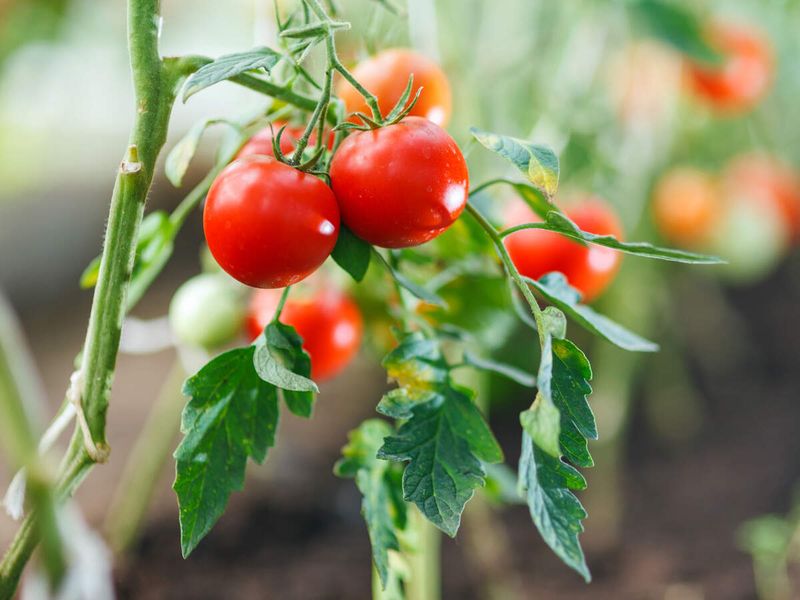
Working backward from what you actually observed this season gives you the clearest path forward. Start by confirming the cultivar’s expected fruit size from the seed packet or plant tag.
If the variety is a cherry or grape type, small fruit is normal and expected, not a growing failure. If you were growing a large-fruited slicer and the tomatoes stayed unusually small, move to the next question.
Ask whether flowers fell off or dried up before fruit developed, or whether small tomatoes actually formed and simply stayed undersized. The first pattern, combined with hot nights during the flowering period, is consistent with heat-related blossom abortion.
UGA’s tomato production guide and Penn State’s heat stress overview both support heat as a plausible overlooked factor in failed fruit set, particularly when nighttime temperatures stayed above roughly 70 to 75 degrees during flowering. For that pattern, the prevention plan centers on a better-timed planting window using region-specific UF/IFAS guidance for Florida or the Central Texas Extension calendar, a heat-tolerant cultivar, steady moisture, and soil-test-based feeding.
If fruit set normally but stayed small, broaden the assessment to include crop load, irrigation consistency, light exposure, nitrogen levels, and disease. Published research on tomato fruit development confirms that size reflects multiple interacting factors rather than any single variable.
Heat is a real and often overlooked piece of the puzzle for Southern gardeners, but the gardener who diagnoses the right cause will always get more from the next season than the one who just adds more fertilizer.