
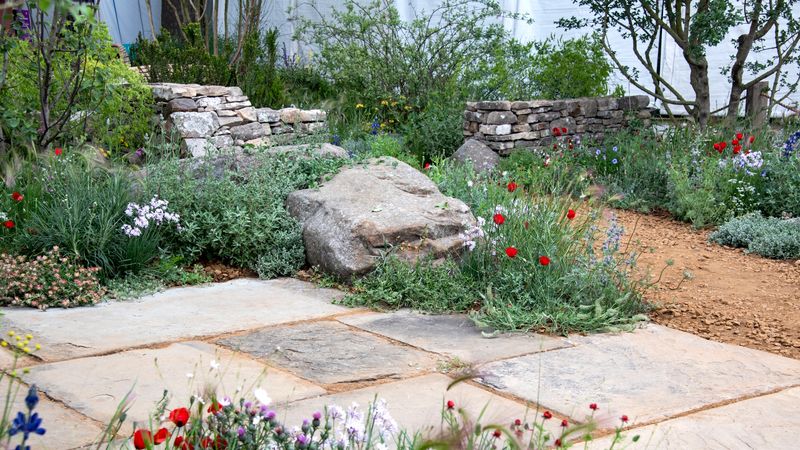
If your fussy flowers keep dying no matter how much you fuss over them, the problem might not be you. Some plants simply need constant babysitting, while others actually do better when you leave them alone.
Down here in the South, where summers cook the soil and rain comes in feast-or-famine spurts, the best choice is a perennial that shrugs off heat, drought, and neglect. Here are ten tough survivors that reward forgetful gardeners with years of color.
1. Black-Eyed Susan
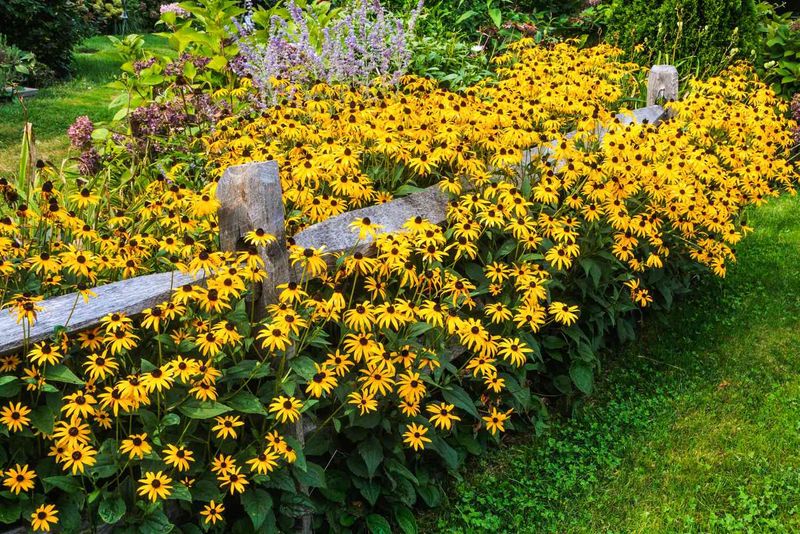
Golden petals circling a dark chocolate center, black-eyed Susan looks delicate but behaves like a workhorse. It shrugs off blazing heat and skips watering days without pouting.
Native across much of the country, this daisy relative handles poor, sandy soil that would starve pickier flowers. Once its roots settle in, drought barely registers, which makes it a smart pick for Texas and Florida yards that bake from spring through fall.
Bees and butterflies swarm the blooms, so you get pollinator traffic without lifting a finger. Deadheading can stretch the flower show, but even ignored plants keep pumping out color from early summer into autumn.
Give it full sun and a spot with decent drainage, then step back. It reseeds gently, filling gaps on its own over the years.
Fun fact: black-eyed Susan is the state flower of Maryland, but it feels right at home in the sticky Southern heat. Use it in borders, along fences, or in a low-effort wildflower patch where curb appeal matters more than constant upkeep.
2. Coneflower (Echinacea)
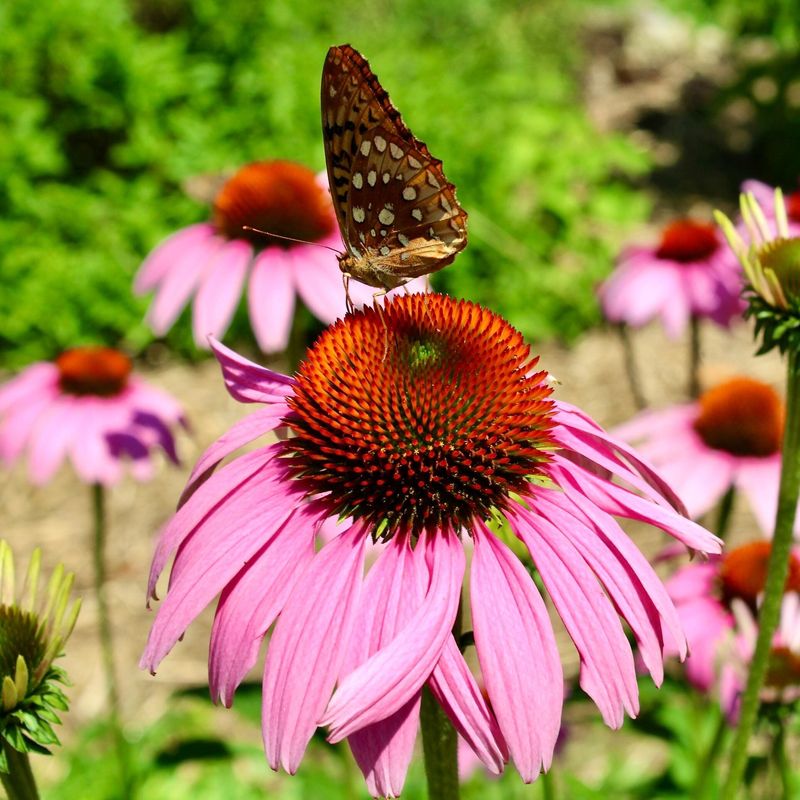
Stiff stems, spiky copper cones, and petals that droop back like tiny wings give coneflower a personality all its own. It practically dares the weather to knock it down.
With a deep taproot, echinacea reaches moisture far below the surface, which is why it laughs off dry spells that flatten thirstier flowers. That taproot also means it hates being moved, so plant it once and let it be.
Butterflies love the nectar, and if you leave the seed heads standing through winter, goldfinches will drop by to feast. That makes it a two-season wildlife magnet with zero effort on your part.
Full sun and average soil are all it asks. Overwatering or rich, soggy ground actually shortens its life, so neglect genuinely suits it better.
Native to American prairies, echinacea has been used in folk remedies for generations, though its real gift to your yard is durable, weeks-long color. Purple is classic, but modern varieties come in orange, white, and red for gardeners who want a little more drama without any more work.
3. Daylily
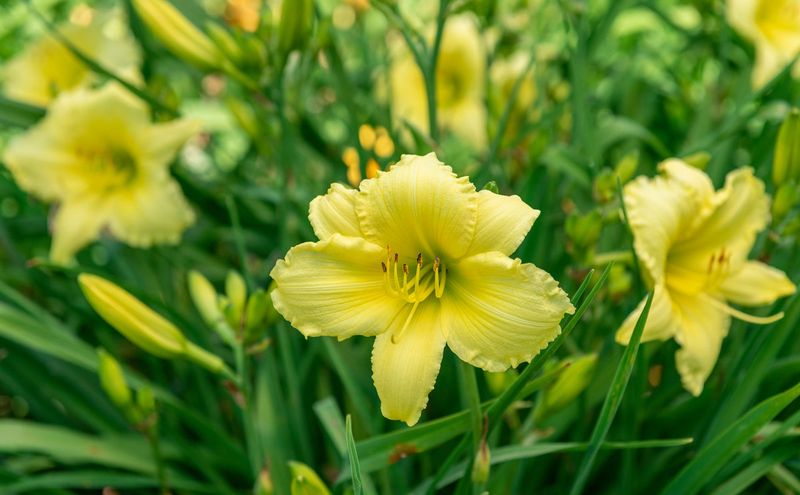
Called the perfect plant for people who kill plants, the daylily earns that reputation honestly. Each bloom lasts just a day, but a healthy clump throws so many buds you never notice the turnover.
Heat, drought, poor soil, neglect, and even a bit of shade barely faze it. Strappy green foliage stays tidy all season, and the fleshy roots store water so the plant coasts through dry Southern summers.
Dividing clumps every few years keeps them vigorous, but skipping that chore just means a bigger, fuller mound of color. Few flowers forgive laziness so cheerfully.
The classic orange ditch lily naturalizes along roadsides across the South, proving how little it needs to thrive. Modern hybrids stretch the palette into reds, purples, and creamy pastels, with some reblooming varieties flowering again in late summer.
Plant them in mass along a driveway or slope for instant, low-effort curb appeal. Did you know the daylily is not a true lily at all, and many varieties are edible, showing up in stir-fries across parts of Asia?
4. Lantana
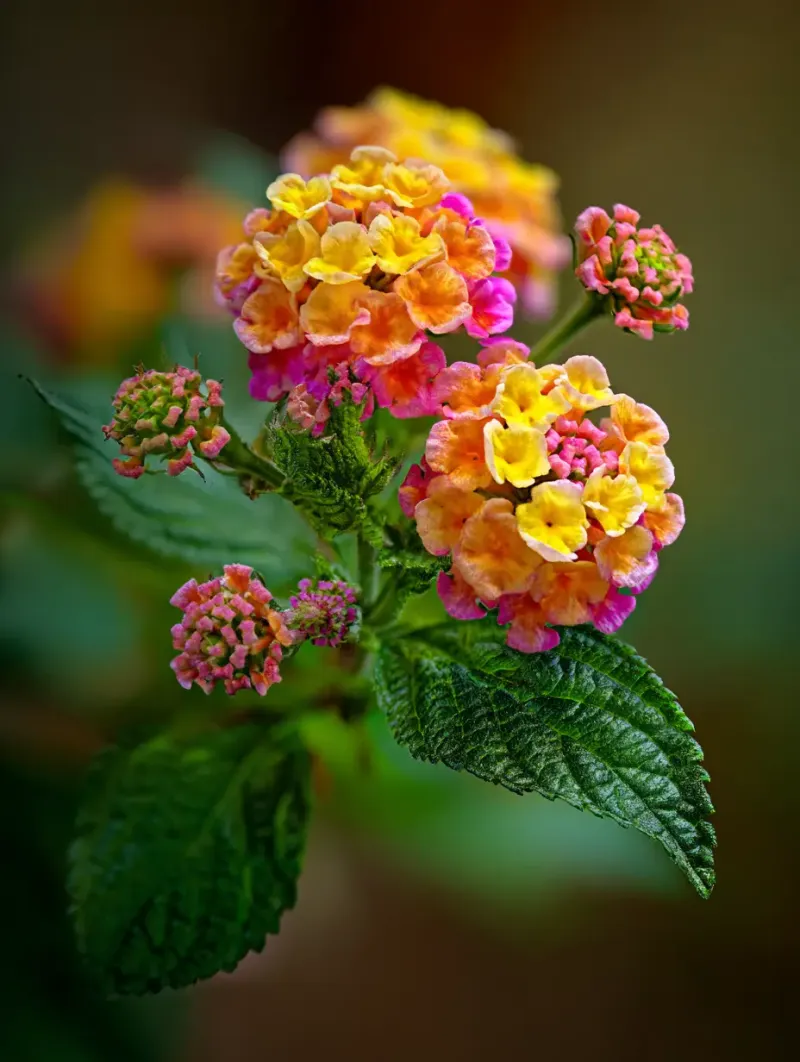
Few plants love Southern heat as unapologetically as lantana. The hotter and drier it gets, the harder it seems to bloom, spilling clusters of confetti-colored flowers all summer long.
Butterflies treat a lantana in full bloom like a buffet, so it doubles as a pollinator station right by your porch or patio. In Florida and Texas, it often flowers nearly year-round in frost-free zones.
Drought is where lantana truly shines. Once established, it needs almost no supplemental water, and rich, pampered soil actually makes it leggy and stingy with blooms.
A little neglect keeps it compact and floriferous.
A quick trim now and then tidies things up, but honestly it forgives being ignored for weeks. Deer usually pass it by thanks to its pungent leaves, another bonus for rural yards.
One caution worth mentioning: the berries can be toxic if eaten, so keep an eye on curious pets and kids. Choose sterile, non-invasive varieties where available, since some older types spread aggressively in warm climates.
For fuss-free color that thrives on sun and abuse, lantana is hard to beat.
5. Russian Sage
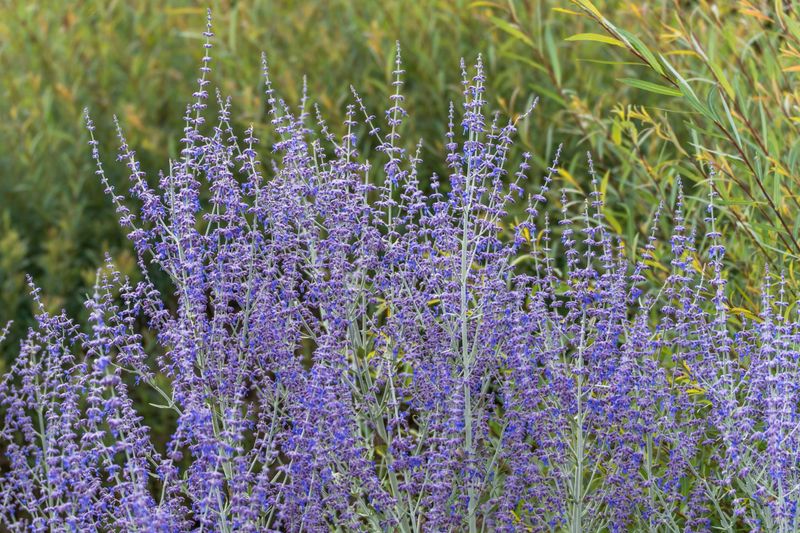
Silvery stems and a haze of lavender-blue spikes make Russian sage look like something out of a dreamy meadow, yet it is one of the toughest customers around. It practically thrives on being ignored.
Drought, heat, wind, and lean rocky soil are all fine by this plant. Its aromatic silver foliage reflects sunlight and resists water loss, a built-in survival trick for scorching summers.
Deer and rabbits leave it alone because of the strong scent, which makes it a reliable choice for gardeners battling hungry wildlife. Bees, on the other hand, adore the airy flower spikes that bloom for months.
Overwatering is one of the few ways to hurt it, so this is a plant that genuinely prefers a hands-off owner. Cut it back hard in late winter and it returns bushier every year.
Despite the name, Russian sage is neither Russian nor a true sage. Its loose, cloud-like form softens stiff borders and pairs beautifully with coneflowers and ornamental grasses in a low-water bed that still looks intentional and full.
6. Sedum (Autumn Joy)
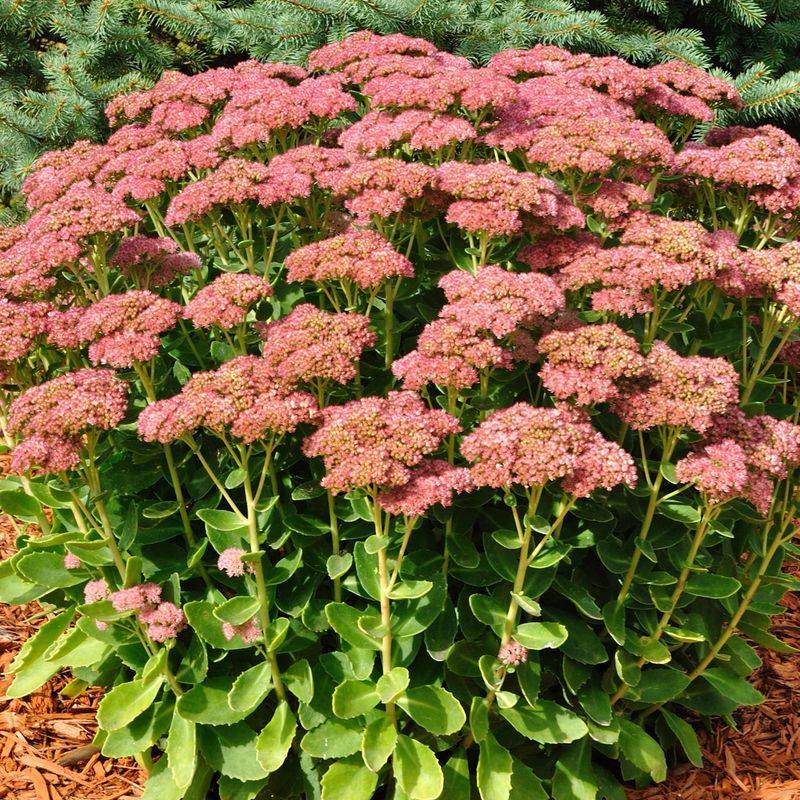
Chunky, water-storing leaves give sedum a slightly succulent look, and that is exactly why it laughs at drought. Nicknamed the plant you cannot kill, it stores its own reserves for the dry stretches.
Broccoli-like flower heads emerge green in summer, then shift to dusty pink and finally deep rust as fall arrives. That slow color transformation gives you interest across several months from one carefree plant.
Poor soil suits it perfectly, and rich or soggy ground is one of the only things that can rot its roots. Full sun keeps the stems sturdy and upright.
Late-season pollinators mob the blooms when little else is flowering, making sedum a lifeline for bees heading into cooler weather. Leave the dried heads standing and they add winter texture too.
Propagating it borders on ridiculous: a broken stem tossed on the soil will often root itself. For Southern gardeners who want reliable autumn color with essentially no watering routine, this tough perennial delivers season after season and only asks for sun and a well-drained spot.
7. Yarrow
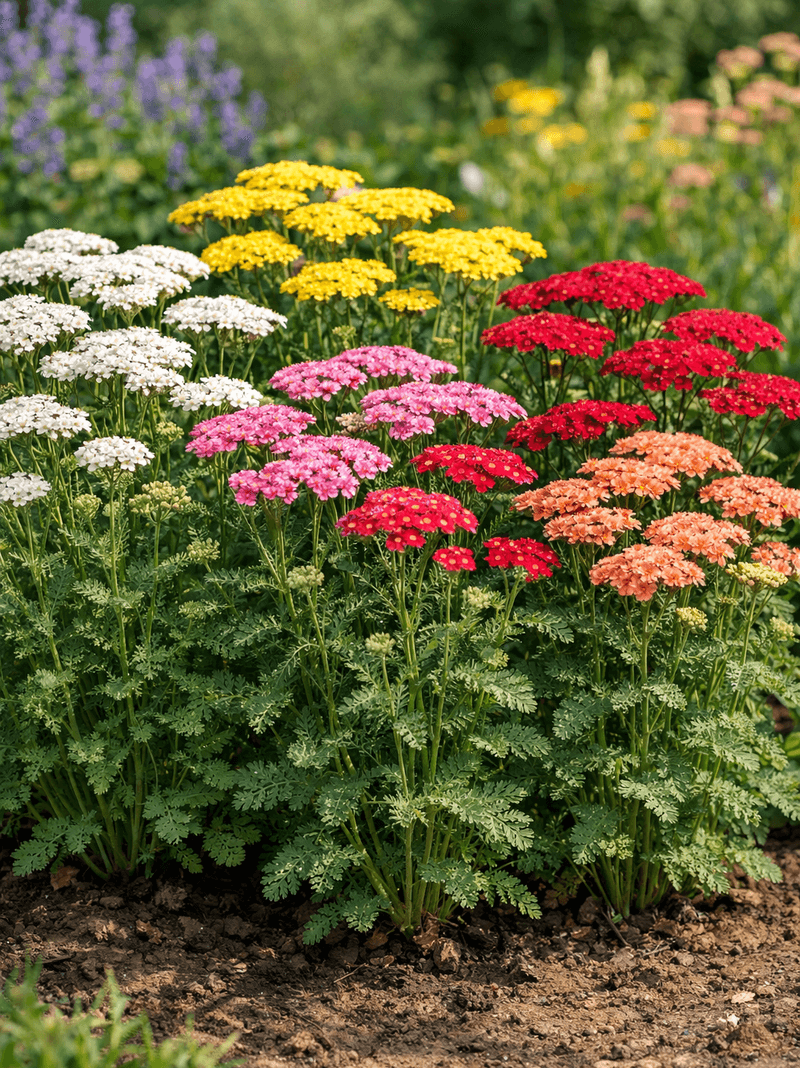
Feathery, fern-like leaves and flat-topped flower clusters give yarrow an old-fashioned charm, but there is nothing fragile about it. This is a plant that colonizes ditches and fields with zero help from anyone.
Heat and drought are non-issues once it roots in, and it actually blooms better in poor soil than in pampered beds. Too much fertilizer makes it flop, so the lazy gardener wins again.
Colors range from buttery yellow to coral, pink, and white, and the flat blooms serve as landing pads for butterflies and beneficial insects. Cut some for bouquets and they dry beautifully for indoor arrangements.
Yarrow spreads by underground runners, so give it room or plan to divide it occasionally to keep it in bounds. That vigor is exactly what makes it fill a difficult, dry spot fast.
Its Latin name, Achillea, comes from the Greek hero Achilles, who supposedly used it to treat soldiers’ wounds on the battlefield. Centuries later, it still earns its keep as one of the most forgiving, sun-loving perennials a Southern garden can hold.
8. Coreopsis (Tickseed)
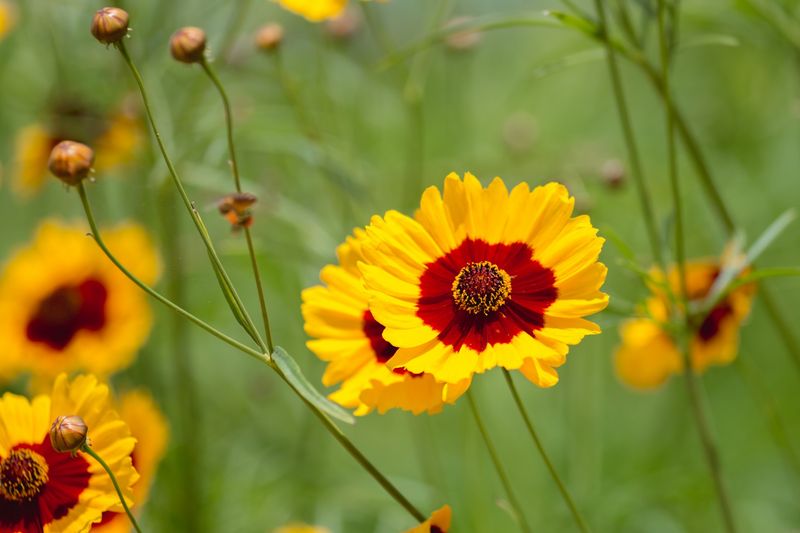
Imagine a plant that blankets itself in cheerful daisy-like blooms for months and asks for almost nothing in return. That is coreopsis, and Southern gardeners tend to fall hard for it.
Thriving in heat, sandy soil, and long dry stretches, this native prairie flower is built for tough conditions. It shrugs off the kind of neglect that would leave a petunia crispy and brown by July.
The blooms sit on wiry stems and sway in the slightest breeze, giving beds a soft, meadow-like movement. Butterflies visit constantly, and songbirds pick at the seed heads later in the season.
A light shearing mid-summer triggers a fresh flush of flowers, but even neglected plants keep going surprisingly well. Golden yellow is the classic, though pink and bicolor varieties have expanded the lineup.
Fun fact: the common name tickseed comes from the tiny seeds, which resemble ticks. It is the state wildflower of Florida, a fitting honor for a plant that handles the state’s sandy soil and relentless sun with such easy, sunny grace.
9. Blanket Flower (Gaillardia)
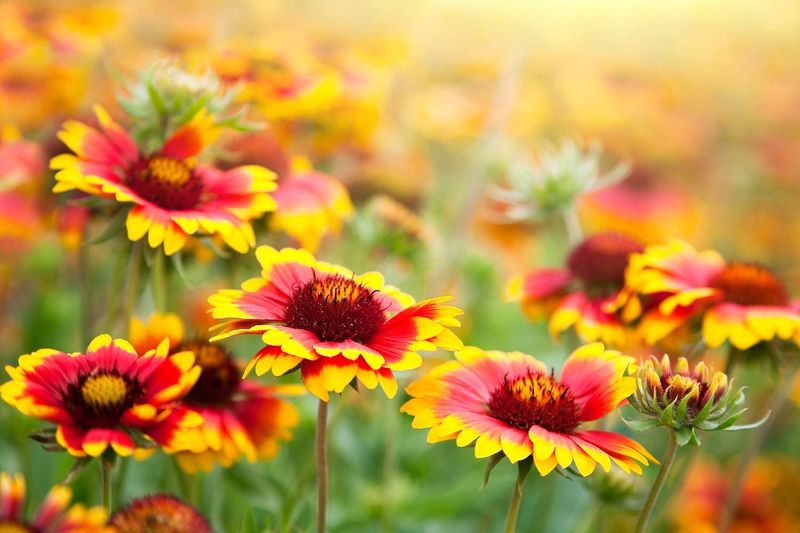
Fiery red centers fading to golden yellow tips make blanket flower look like a field of tiny sunsets. The colors are bold, but the plant’s real superpower is thriving where others give up.
Sandy, salty, sun-baked ground is exactly its comfort zone, which is why it grows wild along Southern coasts and dunes. Heat and drought only seem to encourage more blooms.
Gaillardia flowers almost nonstop from late spring until frost, giving you one of the longest color runs of any perennial on this list. Bees and butterflies work the blooms daily, and finches enjoy the seed heads afterward.
It tends to be short-lived, but it reseeds so freely that new plants keep the display going year after year. Skip the fertilizer and the heavy watering, because both do more harm than good here.
Named for a French botany patron, blanket flower supposedly earned its common name from the way it carpets the ground like a woven Native American blanket. For a hot, dry, sandy spot that defeats everything else, this cheerful survivor is a natural fit.
10. Salvia (Perennial Sage)
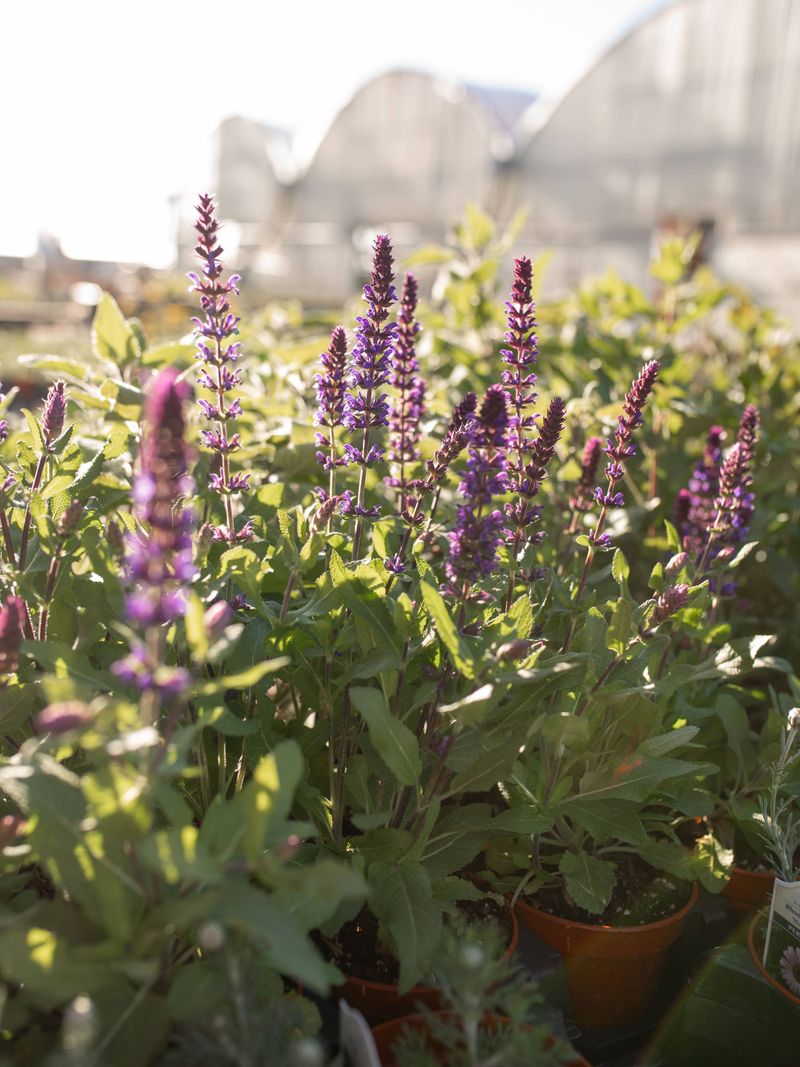
Spires of purple, red, and blue rising above tidy foliage make salvia a favorite for gardeners who want vertical color without vertical effort. Hummingbirds treat those tubular flowers like a personal fuel station.
Built for heat and dry soil, perennial salvia keeps its cool when summer turns brutal. Its aromatic leaves discourage deer and rabbits, so grazing wildlife usually strolls right past.
Bloom time stretches for months, and a quick trim after the first flush often coaxes a second and even third wave of flowers. Even without that trim, it soldiers on and keeps showing color.
Well-drained soil and full sun are the only real requirements. Rich, wet ground can rot the roots, so once again a little benign neglect keeps the plant happiest.
There are hundreds of salvia species, ranging from cold-hardy types to tender tropical stunners perfect for Florida and Texas landscapes. Plant it near a porch or window where you can watch the hummingbird traffic, and you get pollinator entertainment plus low-water, long-lasting color in one dependable, easygoing package.