
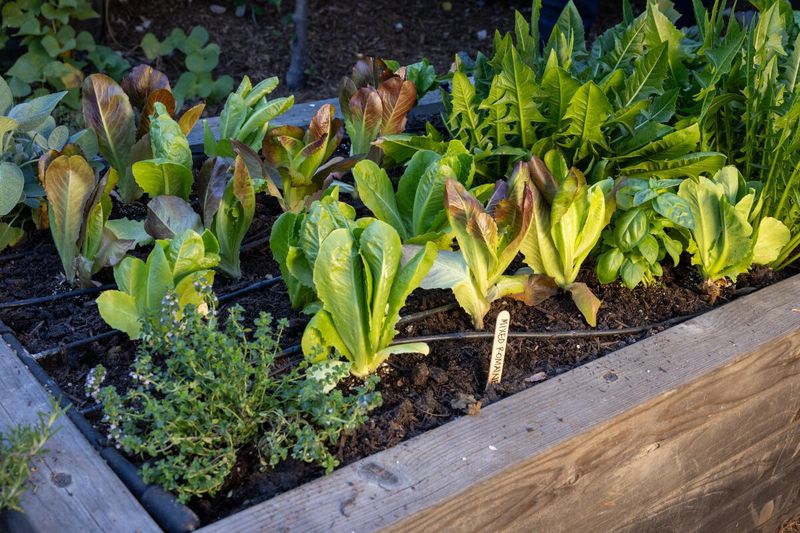
When your tomato plants start looking tired and leggy, it can feel like the growing season is over. But in the South, especially in Florida and Texas, fall is actually one of the best times to plant.
Cooler nights and warm soil give a whole new set of crops the perfect head start. Pull those spent tomatoes and swap in these fall vegetables, and your garden will be feeding you well into winter.
1. Broccoli
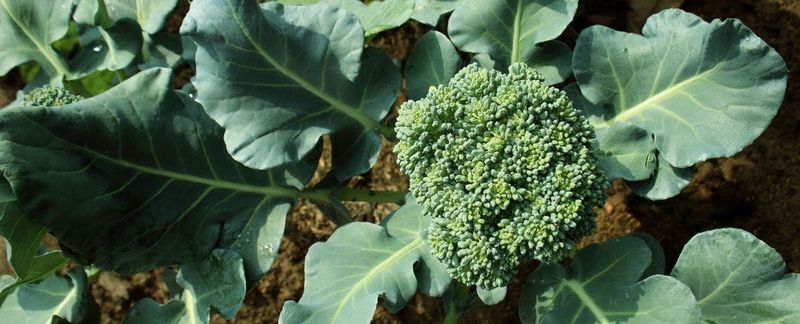
Nothing rewards a fall gardener quite like watching a broccoli head fatten up in the cool weather. Broccoli loves the mild days that follow a Southern summer, and it actually tastes sweeter after a light chill.
Set out transplants where your tomatoes used to be, and give each plant plenty of elbow room since they spread wider than people expect. Rich soil and steady watering keep the heads tight and firm rather than loose and bitter.
One handy trick: after you cut the main head, leave the plant in the ground. It often pushes out smaller side shoots for weeks, so a single planting can keep giving.
Cabbage worms may show up looking for a snack, but a floating row cover or a sprinkle of Bt can help keep them from chewing holes in your leaves. Watch for yellowing lower leaves too, which usually means the plant wants a nitrogen boost.
For Florida and Texas gardeners, planting in early to mid fall gives broccoli the long cool window it needs to size up nicely before any real cold arrives.
2. Lettuce
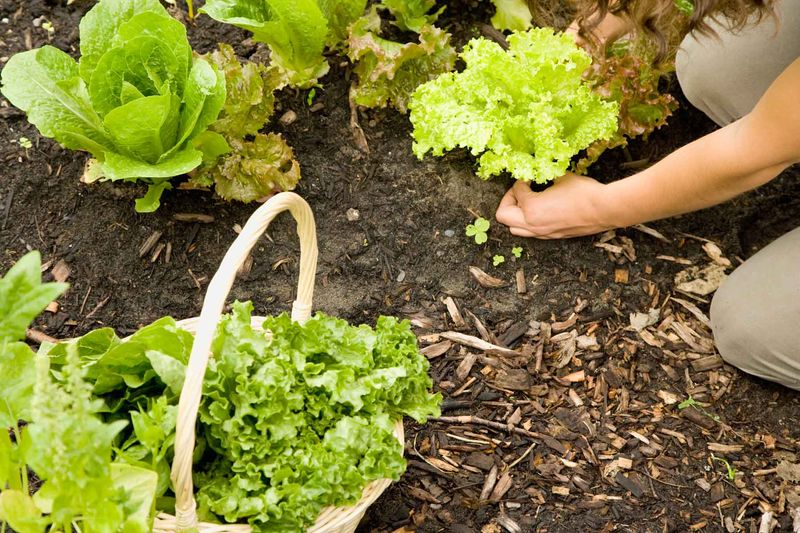
Fast, forgiving, and endlessly useful, lettuce is the crop that makes you feel like a pro almost overnight. Where a tomato took months, a bed of loose-leaf lettuce can be ready to snip in as little as three to four weeks.
The secret is that lettuce hates heat and adores the mild days of a Southern fall. Once nights cool off, seeds sprout quickly and the leaves stay tender instead of turning bitter and bolting.
Try the cut-and-come-again method: harvest the outer leaves and let the center keep growing. That way one small patch keeps your salad bowl full for weeks.
Sow a fresh pinch of seed every couple of weeks and you will never run out. Loose-leaf and butterhead types tend to handle warm afternoons better than crisphead varieties.
Slugs and aphids can bother young plants, so check the undersides of leaves and rinse pests off with a firm spray of water. In Florida and Texas, tucking lettuce into a spot with a little afternoon shade helps it stay crisp when an unexpected warm day sneaks in.
3. Carrots
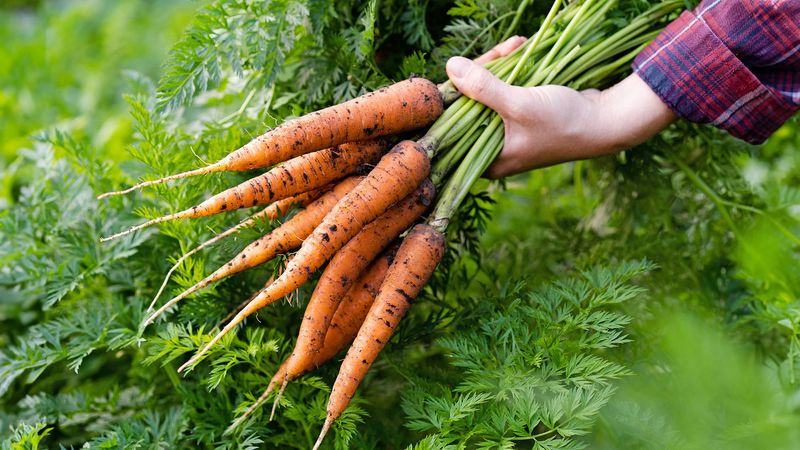
Pulling a carrot from the ground never gets old, and fall is when they turn out sweetest of all. Cool soil coaxes carrots into storing extra sugar, so autumn crops taste noticeably better than summer ones.
Because carrots grow underground, they need loose, rock-free soil to stretch out straight. If your dirt is heavy or clay-like, work in some sand and compost first, or plant shorter round varieties that do not mind tight quarters.
Seeds are tiny and slow to sprout, so keep the top of the soil damp until the little green threads appear. Thinning the seedlings feels wasteful, but crowded carrots stay small and twisted, so give them space.
Patience pays off here since carrots take a couple of months to size up. The good news is they can sit happily in the ground until you are ready to eat them.
Southern gardeners in Florida and Texas can plant carrots through fall and even into winter, enjoying fresh roots long after the tomato vines are just a memory. Watch for wilting tops, which often signal thirsty roots below.
4. Kale
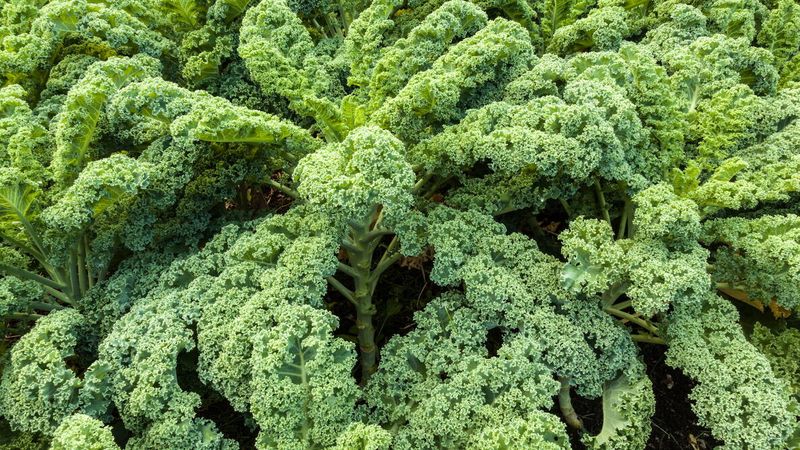
Tough as they come, kale shrugs off cold snaps that would flatten most other greens. A light frost actually improves it, turning the leaves sweeter and knocking out any bitter edge.
That hardiness makes kale a smart pick for the spot your tomatoes just vacated. Set out transplants and they will keep producing leaf after leaf for months, since you harvest from the bottom up and let the plant keep climbing.
Give it steady moisture and rich soil, and a single kale plant can feed a family for a whole season. Curly, flat-leaf, and dinosaur types all handle Southern fall weather well.
Cabbage worms and aphids are the usual troublemakers, so peek under the leaves now and then and rinse off anything you find. Yellowing leaves near the base are normal, so just pull those and keep going.
For Florida and Texas gardeners, kale thrives right through the mild winter, giving you fresh greens when the rest of the garden has slowed down. Plant a few and you will have hearty leaves for soups, salads, and chips long past tomato season.
5. Spinach
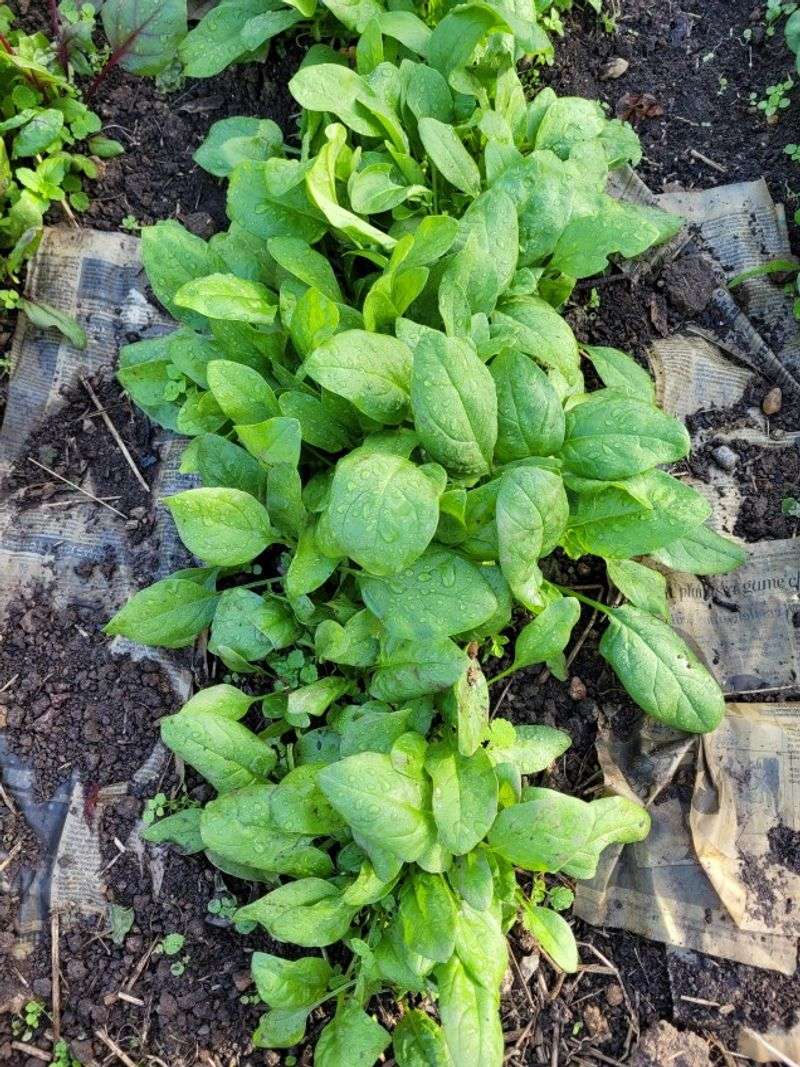
Quietly productive and packed with nutrition, spinach is one of those crops that just works when the weather cools. It refuses to grow in summer heat, so fall is really its moment to shine.
Sow seeds directly into the bed once the worst of the warmth has passed, and cover them lightly since spinach seeds like a bit of darkness to sprout. Keep the soil moist and the seedlings will pop up within a week or two.
Harvest the outer leaves and the plant keeps sending up new ones from the center, giving you a steady supply. Pick young and tender for salads, or let leaves grow bigger for cooking.
Warm spells can trigger bolting, where the plant shoots up and turns bitter, so plant during the cooler stretches and enjoy it while the days stay mild. Downy mildew may spot the leaves in damp weather, so give plants room to breathe.
Gardeners in Florida and Texas can grow spinach through much of the fall and winter, making it a reliable green for a spot that used to hold heat-hungry tomatoes.
6. Radishes
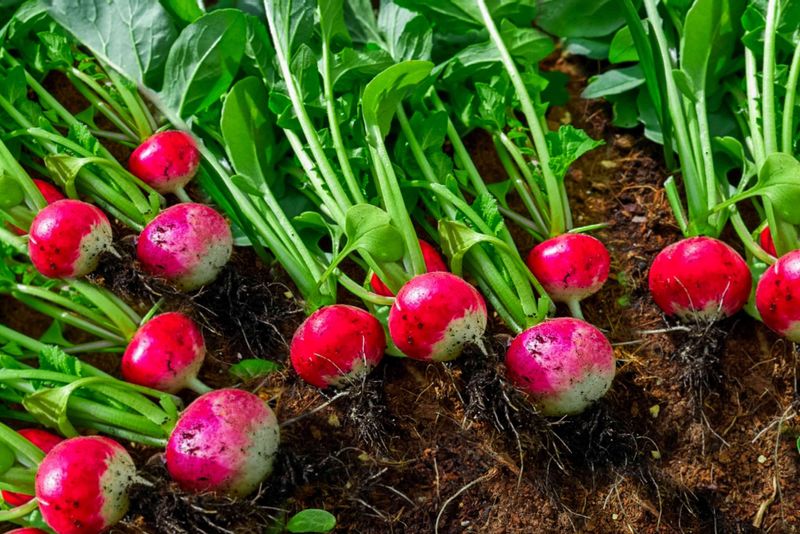
If you crave instant gratification, radishes are your crop. Some varieties go from seed to snack in under a month, making them the fastest reward in the whole fall garden.
That speed makes them perfect for filling the empty space a tomato plant leaves behind. Drop the seeds straight into loose soil, keep them watered, and within weeks you will see the tops of round red or white roots peeking out.
Because they mature so quickly, radishes are a great crop to tuck between slower vegetables like carrots or broccoli. They loosen the soil and get harvested long before their neighbors need the room.
Cool weather keeps radishes crisp and mild, while heat makes them spicy and woody, so fall is the sweet spot. Pull them promptly once they size up, since leaving them too long turns them tough and hollow.
Flea beetles sometimes nibble the leaves, but a row cover usually keeps them off. For Florida and Texas gardeners, radishes can be sown in quick succession all fall, giving you a fresh, peppery crunch every couple of weeks with almost no fuss.
7. Collard Greens
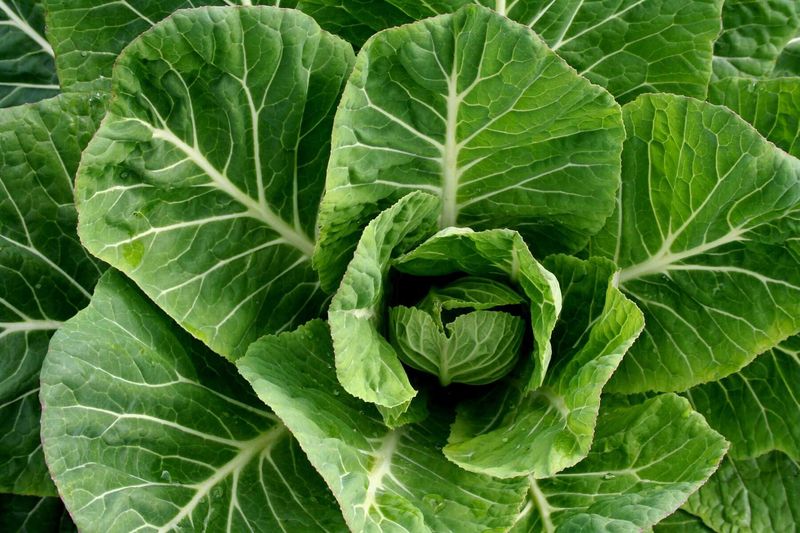
Few vegetables feel more at home in a Southern garden than collard greens. They are a cool-season staple that only gets better after a touch of frost sweetens their broad, sturdy leaves.
Plant transplants where your tomatoes stood and give them space, because collards grow tall and leafy over the season. You harvest the lower leaves as you go, and the plant keeps producing new growth up top for months on end.
They are wonderfully low-maintenance, asking mostly for decent soil, regular water, and a bit of sunshine. That easygoing attitude makes them a favorite for gardeners who want a big payoff without a lot of fussing.
Cabbage worms are the main pest to watch, so a quick check under the leaves and a row cover can help keep them at bay. Yellowing lower leaves are usually just the plant’s natural cycle, not a problem.
For Florida and Texas gardeners, collards can produce right through the mild winter, filling your kitchen with hearty greens long after the summer crops have called it quits. One planting really can feed you for the whole cool season.
8. Garlic
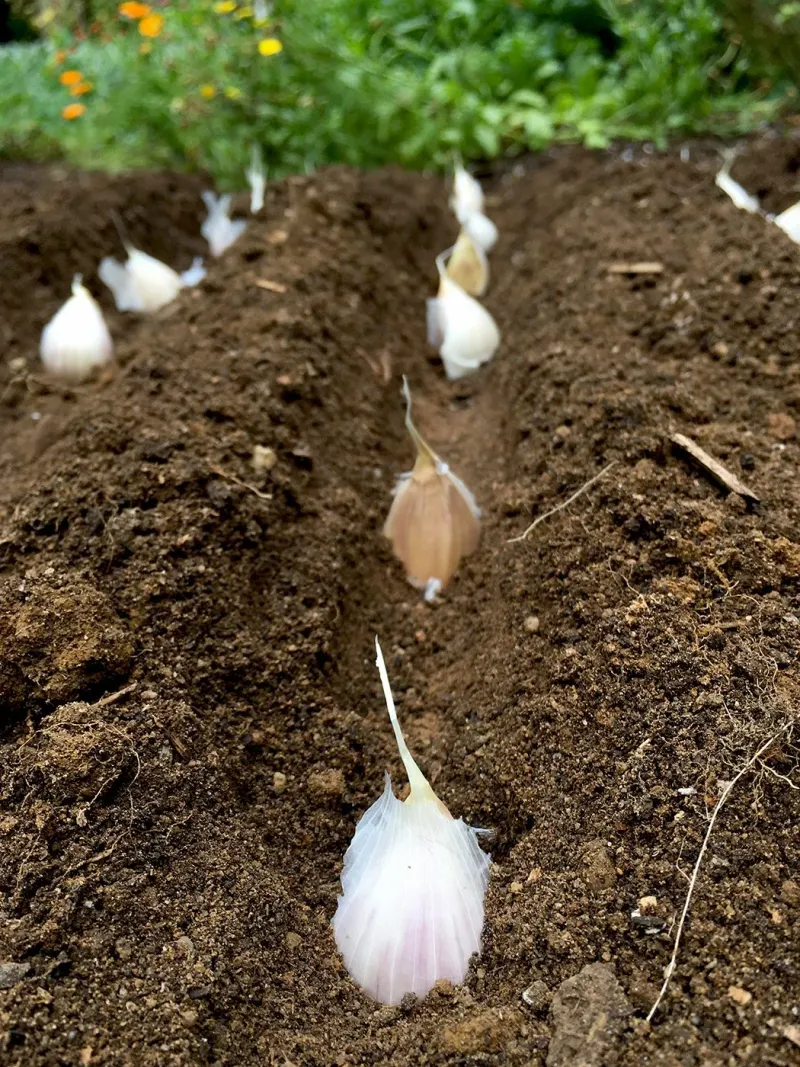
Here is a crop that plays the long game and rewards a little patience with big flavor. Garlic goes into the ground in fall, quietly grows through winter, and hands you plump bulbs the following late spring or summer.
Planting is refreshingly simple: break a bulb into cloves and tuck each one pointy-side up a couple of inches deep. That empty tomato bed is a great place to start them, since garlic asks for little space and even less attention.
A layer of mulch over the top helps hold moisture and keeps weeds down while the cloves settle in. Green shoots often appear before winter, which is exactly what you want to see.
Choose softneck varieties for the warmer parts of the South, as they tend to handle mild winters better than hardneck types. Yellowing tips in spring usually just mean it is nearly time to harvest.
For Florida and Texas gardeners, fall planting lets garlic use the cool months to build strong roots, so you get a homegrown harvest that beats anything from the store. It is one of the easiest ways to turn a tired bed into a future feast.